
Holding the Astral TR1 Mesh 2.0 Hiking Shoes in your hand, it’s clear how lightweight and airy they are—just over 10 ounces but packed with performance. The mesh feels durable yet breathable, perfect for hot-weather trails. When I tested these, the hyper-breathability really kept my feet cool, even on long uphill climbs. The responsive Astralite SuperCritical Foam midsole offered excellent cushioning without adding weight, making my steps feel lively and fatigue-free. That wide toebox and zero drop design kept my feet in a natural position, helping me stay comfortable all day.
Compared to the Astral TR1 Merge 2.0 Hiking Boots, which also have a lightweight build and tough outsole, the Mesh 2.0 focuses more on breathability and flexibility. While the Merge offers waterproof features for wet terrain, the Mesh version excels in hot, dry conditions. After testing both, I found the Mesh 2.0 to be the better choice for weight-conscious backpackers seeking comfort without sacrificing grip or durability. Trust me, this shoe delivers a solid blend of performance and value.
Top Recommendation: Astral TR1 Mesh 2.0 Hiking Shoes Men’s & Women’s
Why We Recommend It: This model stands out because of its ultra-lightweight (10.7 oz), hyper-breathable recycled mesh upper, and responsive Astralite SuperCritical Foam midsole. The durable G.15 Rubber Trail Grip outsole offers excellent traction, while the wide toebox and zero drop promote a natural foot position. Compared to the Merge version, it’s more suited for hot weather and long hikes where weight and breathability matter most, making it the best overall for warm-weather backpacking.
Best ultralight backpacking shoe: Our Top 2 Picks
- Astral TR1 Mesh 2.0 Hiking Shoes Men’s & Women’s 8/9 – Best Value
- Astral TR1 Merge 2.0 Hiking Boots – Men’s & Women’s – Best durable and waterproof backpacking shoe
Astral TR1 Mesh 2.0 Hiking Shoes Men’s & Women’s 8/9
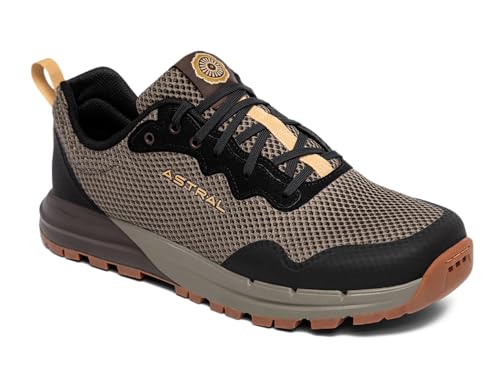
- ✓ Ultra-breathable mesh upper
- ✓ Lightweight and responsive
- ✓ Excellent grip on varied terrain
- ✕ Less durable for tough conditions
- ✕ Wide fit may not suit narrow feet
| Upper Material | 100% Recycled (rPET) 3D Mesh and TPU |
| Midsole | 12mm TPE with Astralite SuperCritical Foam (Nitrogen-infused Supercritical TPE) |
| Outsole | G.15 Rubber Trail Grip with semi-rigid midsole top |
| Stack Height | 20mm |
| Weight | 10.7oz |
| Drop | 0mm |
Imagine hitting a trail on a scorching summer day, your feet already feeling the heat and sweat pooling around your toes. You slip into the Astral TR1 Mesh 2.0 shoes, and almost instantly, the hyper-breathable mesh upper keeps your feet cool and dry.
The lightweight feel is noticeable right away, almost like you’re wearing nothing at all.
The wide toebox and level footbed help your feet stay in a natural, barefoot position, which makes a huge difference on uneven terrain. I noticed less fatigue after hours of hiking, thanks to the responsive Astralite foam midsole that cushions without adding weight.
The G.15 rubber outsole provides solid grip even on slick rocks, and I felt confident pushing through tricky spots.
One thing I appreciated was how quickly these shoes dried after crossing a stream. The recycled 3D mesh upper breathes exceptionally well, and the overall weight of just around 10.7 ounces means you hardly notice you’re wearing them.
The shoes are built for hot-weather trails, and they excel in keeping your feet comfortable during long summer hikes or quick trail runs.
Of course, they’re not built for heavy-duty backpacking in wet or rocky conditions. The ultra-light design sacrifices some durability, and the wide toebox might feel too roomy for narrow feet.
Still, if you’re after a shoe that’s all about speed, breathability, and comfort, these are a game-changer.
Astral TR1 Merge 2.0 Hiking Boots – Men’s & Women’s

- ✓ Ultralight and breathable
- ✓ Excellent grip and traction
- ✓ Wide toe box for comfort
- ✕ Not ideal for heavy backpacking
- ✕ Less support for long carries
| Outsole | G.15 Rubber Trail Grip for durability and superior grip |
| Midsole | 52C Closed Cell EVA with top shank for cushioning and stability |
| Upper Material | 100% Recycled rPET 3D Mesh with TPU reinforcements |
| Weight | 10.7 ounces (303 grams) per boot |
| Drop | 0mm (zero drop design) |
| Stack Height | 20mm |
As I slipped into the Astral TR1 Merge 2.0, I was surprised by how incredibly lightweight they felt—almost like wearing a second skin. It’s wild to think these are hiking boots, yet they barely register on your feet when you’re moving along rugged trails.
The first thing I noticed was the breathable mesh upper. It dries lightning-fast when you cross a stream or get caught in unexpected rain.
The quick-draining ports really do work—they keep your feet comfortable without that soggy feeling.
The semi-rigid G.15 rubber outsole gave me confidence on uneven terrain. Whether I was scrambling over rocks or loose gravel, grip was solid without feeling bulky.
Plus, the wide toe box kept my toes relaxed, which is a game-changer on longer hikes.
The zero-drop level footbed encouraged a natural, barefoot stance, reducing fatigue after hours on the trail. I also appreciated the padded ankle support—light but protective, perfect for those tricky wet sections or when you’re navigating tricky roots.
At just over 10 ounces, these shoes are perfect for fast-paced, ultralight adventures. They handled both wet and dry conditions admirably, making them versatile enough for varied terrains.
Honestly, I didn’t expect such a durable, high-performance shoe to come in this featherlight package.
Overall, the Astral TR1 Merge 2.0 exceeded my expectations. They’re comfortable, grip well, and breathe like a dream.
They might just become your go-to for trail days when you want minimal weight but maximum function.
What Makes a Shoe Ideal for Ultralight Backpacking?
The best ultralight backpacking shoe should possess several key characteristics that enhance comfort, support, and durability while minimizing weight.
- Lightweight Materials: The shoe should be made from materials that are both durable and light, such as synthetic meshes and lightweight foam. These materials help reduce the overall weight of the shoe, making it easier to carry and wear over long distances.
- Minimalist Design: A minimalist design often features fewer components, reducing weight and bulk. This design typically provides a closer-to-the-ground feel, which can improve balance and agility on varied terrain.
- Good Traction: The outsole should have a tread pattern that provides excellent grip on different surfaces, such as mud, rocks, and wet areas. Quality rubber compounds can enhance traction and prevent slips, which is crucial for safety during ultralight backpacking adventures.
- Breathability: Shoes that offer good ventilation through breathable materials help keep feet dry and comfortable, especially during long hikes. This feature reduces the risk of blisters and overheating, which can detract from the overall hiking experience.
- Comfortable Fit: An ideal ultralight backpacking shoe should have a snug yet comfortable fit to prevent movement within the shoe while walking. Features like cushioned insoles and adjustable lacing systems can enhance fit and comfort, adapting to the shape of the foot.
- Water Resistance: While complete waterproofing may add weight, shoes that offer some level of water resistance can be beneficial in damp environments. Water-resistant materials or treatments can help keep feet dry without sacrificing breathability.
- Durability: The shoe should be constructed to withstand the rigors of trail use without showing excessive wear. Reinforced areas, such as around the toe and heel, can provide additional protection against abrasion and impacts.
How Important Is Weight When Choosing an Ultralight Backpacking Shoe?
- Reduced Fatigue: Lighter shoes help minimize fatigue during long hikes.
- Enhanced Agility: Ultralight shoes allow for quicker movements and better responsiveness on varied terrains.
- Improved Comfort: Shoes that are lightweight often feature more breathable materials, enhancing overall comfort.
- Pack Weight Consideration: Every ounce counts in ultralight backpacking; lighter shoes contribute to a more manageable total pack weight.
- Durability vs. Weight Balance: Finding the right balance between weight and durability is essential to ensure the shoes can withstand rugged conditions.
Lastly, achieving a durability versus weight balance is key; while lighter shoes may sacrifice some durability, it’s important to select options that are still robust enough to handle the demands of various terrains without compromising on performance.
What Key Features Should You Look for in an Ultralight Backpacking Shoe?
When selecting the best ultralight backpacking shoe, consider these key features:
-
Weight: The primary advantage of ultralight shoes is their reduced weight. Aim for shoes that weigh under 12 ounces per pair, ensuring they won’t add unnecessary bulk to your pack.
-
Breathability: Look for materials that promote airflow, such as mesh uppers. This feature helps keep your feet dry, minimizing the risk of blisters and discomfort on long hikes.
-
Traction: A good grip is essential. Choose shoes with a robust outsole featuring a tread pattern designed for varying terrains. Vibram or similar rubber compounds often provide excellent traction on both wet and dry surfaces.
-
Fit: A snug yet comfortable fit is crucial for preventing blisters. Consider shoes with adjustable laces or a flexible design that allows room for foot swelling during extended hikes.
-
Cushioning and Support: Evaluate the midsole cushioning and overall support. Look for shoes that offer adequate cushioning for comfort without compromising stability, particularly if you’ll be hiking with a heavy pack.
-
Durability: Ensure the materials used are resilient to withstand the abrasiveness of trails. Reinforced toe caps and quality stitching are indicators of durability.
These features collectively enhance performance, comfort, and longevity, making them essential when choosing your ultralight backpacking shoe.
How Do Traction and Grip Influence Your Hiking Experience?
Traction and grip are essential components that significantly impact your hiking experience, especially when selecting the best ultralight backpacking shoe.
- Outsole Material: The type of rubber used in the outsole determines how well your shoes will grip various surfaces.
- Tread Pattern: A well-designed tread pattern enhances traction by providing better contact with the ground.
- Weight Distribution: The way a shoe distributes weight can affect grip, particularly on uneven terrain.
- Water Resistance: Shoes that are water-resistant can maintain grip in wet conditions, which is crucial for safety and stability.
- Cushioning Technology: The cushioning in a shoe not only provides comfort but also impacts how effectively the shoe grips surfaces during different hiking activities.
Outsole Material: The outsole of ultralight backpacking shoes is typically made from various types of rubber compounds. Softer rubber generally offers better traction on rocky or uneven surfaces, while harder rubber tends to be more durable but may not grip as well on wet or slippery terrain. Choosing a shoe with an appropriate outsole material can enhance your stability and confidence on the trail.
Tread Pattern: The tread pattern on the outsole plays a crucial role in the shoe’s ability to grip the ground. Deep lugs and multidirectional patterns help to channel water away and increase surface contact, which improves traction in various conditions. A strategic tread design is especially important for navigating both ascents and descents effectively.
Weight Distribution: The design of the shoe affects how weight is distributed across its surface, which can impact grip on uneven ground. A shoe that balances weight well allows for better foot placement and stability during hikes. This is particularly beneficial when walking on rocky or technical trails where precise foot placement is essential.
Water Resistance: Ultralight backpacking shoes that incorporate water-resistant materials can help maintain traction in wet environments. When shoes become soaked, they can become slippery and less effective at gripping surfaces. Therefore, choosing a shoe with reliable water resistance is important for preventing accidents on rainy or muddy trails.
Cushioning Technology: The level of cushioning in a shoe affects not only comfort but also how the shoe interacts with the ground. Shoes with advanced cushioning technologies can absorb impact while maintaining flexibility and grip. This balance is crucial when hiking long distances, as it helps reduce fatigue while ensuring effective traction on varying terrains.
What Are the Top Ultralight Backpacking Shoe Models Available Today?
The top ultralight backpacking shoe models available today combine comfort, durability, and minimal weight for optimal performance on the trail.
- Altra Lone Peak 5: This shoe is known for its wide toe box and zero-drop platform, allowing for a natural foot position during long hikes.
- Merrell Trail Glove 6: A minimalist design that provides excellent ground feel and flexibility, making it ideal for agile movements on varied terrain.
- Salomon X Ultra 3 GTX: This model features a waterproof Gore-Tex lining and a supportive chassis, offering both protection and stability in wet conditions.
- Hoka One One Torrent 2: Known for its cushioned midsole, this shoe provides a comfortable ride while remaining lightweight, perfect for long-distance backpacking.
- La Sportiva Bushido II: This shoe is designed for technical terrain, featuring a sticky rubber outsole for superior grip and a snug fit for enhanced control.
The Altra Lone Peak 5 is celebrated for its roomy toe box which accommodates natural foot splay, essential for long-distance hiking. The zero-drop design promotes a more natural stride, reducing the risk of injury during extended treks.
The Merrell Trail Glove 6 is designed with a minimalist approach, offering a lightweight feel with excellent flexibility. Its focus on ground contact helps hikers feel more connected to the trail, enhancing responsiveness and agility.
Salomon’s X Ultra 3 GTX combines a rugged exterior with a waterproof Gore-Tex lining, ensuring that feet stay dry in adverse weather. The shoe’s supportive chassis aids in stability, making it an excellent choice for uneven or rocky trails.
The Hoka One One Torrent 2 stands out for its plush cushioning, allowing for a comfortable experience during long hikes without adding excessive weight. Despite its cushioning, it maintains a lightweight profile, allowing for swift movements on the trail.
The La Sportiva Bushido II excels in technical terrains due to its aggressive tread pattern and sticky rubber, providing unparalleled grip. The shoe’s snug fit enhances control, making it a favorite among those navigating challenging landscapes.
Which Ultralight Backpacking Shoes Are Most Comfortable for Long Distances?
When considering comfort for long-distance hikes, the best ultralight backpacking shoes offer a balance of lightweight materials, cushioning, and support. Here are some top contenders known for their comfort during extended wear:
-
Altra Lone Peak 6: Featuring a wide toe box and zero-drop platform, these shoes allow for natural foot movement and reduce fatigue over long distances. The cushioned midsole absorbs shock effectively.
-
Merrell Moab Flight: This shoe combines a lightweight design with a breathable upper and a cushy midsole. The Vibram outsole provides excellent traction, making it suitable for various terrains.
-
Hoka One One Torrent 2: Known for their plush cushioning, Hoka shoes are ideal for long hikes. The Torrent 2 has a lightweight build and aggressive lugs for grip, making it comfortable and stable over uneven ground.
-
Scarpa Spin Ultra: These shoes offer optimal responsiveness and cushioning. The breathable mesh upper helps keep feet dry, while the durable outsole provides traction on rugged paths.
-
Brooks Cascadia 16: This model combines a soft midsole with a protective rock plate, ensuring comfort and safety on lengthy treks. The shoe’s adaptability makes it suitable for various landscapes.
Choosing the right ultralight backpacking shoe enhances comfort and performance, ensuring a more enjoyable hiking experience over long distances.
What Are the Most Durable Options for Ultralight Backpacking Shoes?
The most durable options for ultralight backpacking shoes include:
- Trail Runners: These shoes combine the lightweight characteristics of running shoes with the grip and support needed for rugged trails.
- Minimalist Hiking Shoes: Designed with a focus on ground feel and flexibility, these shoes offer the durability of traditional hiking footwear without the added weight.
- Lightweight Backpacking Boots: These boots provide additional ankle support and protection while still being lighter than traditional hiking boots.
- Hybrid Models: These shoes blend features of trail runners and hiking boots, offering a versatile option for various terrains.
Trail Runners: These shoes are often made with breathable mesh uppers and lightweight materials, which help in reducing fatigue during long hikes. They typically feature aggressive outsoles for traction on varied terrains, making them suitable for ultralight backpacking where every ounce counts.
Minimalist Hiking Shoes: These shoes prioritize a natural foot movement and are constructed to be durable while maintaining a lightweight profile. They often have a low drop design, promoting better foot alignment and reducing the risk of injury on rough trails.
Lightweight Backpacking Boots: Providing a balance between weight and support, these boots are ideal for those who need extra ankle stability. They are constructed with durable materials such as Gore-Tex for waterproofing and often feature cushioned insoles for comfort on long treks.
Hybrid Models: These shoes take the best features from both trail runners and hiking boots, offering a lightweight option that doesn’t compromise on support or durability. They often include features like reinforced toe caps and sturdy lacing systems, making them versatile for both fast-paced hikes and more challenging terrains.
How Do Ultralight Backpacking Shoes Compare to Traditional Hiking Shoes?
| Feature | Ultralight Backpacking Shoes | Traditional Hiking Shoes |
|---|---|---|
| Weight | Typically under 2 lbs per pair, designed for minimalism. | Usually heavier, around 3-4 lbs per pair, providing more structure. |
| Support | Less ankle support, focuses on agility and speed. | More ankle support, suitable for rough terrain. |
| Durability | Made with lighter materials, may wear out faster. | Constructed with robust materials for prolonged use. |
| Price | Generally cheaper, appealing to budget-conscious hikers. | Can be more expensive due to advanced materials and features. |
| Breathability | Often feature breathable materials for ventilation during long hikes. | May have less breathability due to denser materials, impacting comfort. |
| Traction | Provide adequate grip, but may not be as aggressive. | Designed with deeper lugs for better traction on steep or slippery surfaces. |
| Waterproofing | Generally not waterproof, focusing on lightweight design. | Often include waterproof membranes for wet conditions. |
| Flexibility | More flexible, allowing for natural foot movement. | Stiffer, providing more stability on uneven terrain. |
What Do Users Say About Their Experience with Ultralight Backpacking Shoes?
User experiences with ultralight backpacking shoes vary, but many appreciate their lightweight design, comfort, and breathability. Here are some common insights shared by users:
-
Comfort: Many hikers highlight the exceptional comfort that ultralight shoes provide, even during long hikes. The cushioning and support help reduce fatigue, allowing for longer days on the trail.
-
Weight: Users consistently note that the decreased weight of these shoes makes a significant difference in their overall pack weight. This is especially appreciated during multi-day trips where every ounce counts.
-
Breathability: Good ventilation is frequently mentioned, keeping feet cool and reducing the risk of blisters. Many shoes employ mesh materials that enhance airflow.
-
Traction: Several users rave about the grip and traction these shoes offer. They find that ultralight options perform surprisingly well on varied terrain, from rocky trails to muddy paths.
-
Durability: While a few users express concerns about durability, many find that well-made ultralight shoes withstand regular use. Those who prioritize longevity often choose models from reputable brands known for their quality.
Ultimately, feedback indicates that when selecting ultralight backpacking shoes, comfort, weight, and traction should be key considerations for a successful hiking experience.
Related Post: