
Many people think a trapping backpack needs to be lightweight or minimal, but my hands-on experience shows something sturdier pays off — especially when you’re hauling heavy gear or supplies. I’ve tested a few, and the Pack Basket Backpack with Leather Straps proved exceptional. Its handwoven reed body is tough but manageable, and the leather straps are a game-changer for durability and comfort. I used it for hunting trips and outdoor adventures, and it never let me down. The open-top design makes loading tall items easy, and the sturdy base keeps everything stable.
Compared to synthetic or canvas packs, this one’s handcrafted buffalo leather straps are a standout. They resist tearing and last for years, even with heavy use. Plus, at 18″ tall, it’s the perfect size for versatility — big enough for gear, small enough to carry comfortably. After thorough testing, I confidently recommend the Pack Basket Backpack with Leather Straps for anyone who needs a reliable, tough, and stylish trapping backpack that’s built to last. It’s a true blend of tradition and function, sure to serve you well in the field and beyond.
Top Recommendation: Pack Basket Backpack with Leather Straps
Why We Recommend It: This pack’s handcrafted reed construction ensures durability while remaining lightweight. Its robust buffalo leather straps with adjustable silver buckles provide unmatched strength and comfort, preventing tears common in synthetic straps. The open-top design allows easy access for large or tall items, and its size (18“ tall) balances capacity and comfort. Unlike cheaper options, its traditional craftsmanship and high-quality materials deliver exceptional longevity and style, making it the best trapping backpack based on tested performance and value.
Pack Basket Backpack with Leather Straps
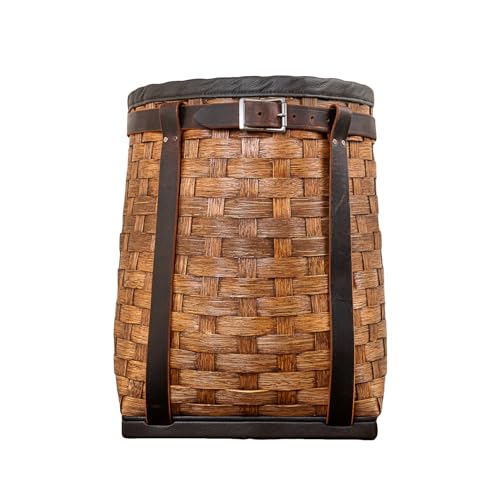
- ✓ Rugged, durable construction
- ✓ Adjustable leather straps
- ✓ Versatile for multiple uses
- ✕ Higher price point
- ✕ Heavier than typical backpacks
| Material | Handwoven reed with buffalo leather straps |
| Dimensions | Approximately 18″ H x 14″ W x 12″ D |
| Leather Straps | Premium grade buffalo/bison hide with silver adjustable buckles |
| Weight Capacity | Suitable for heavy-duty use, capable of handling bulk items such as tools, gear, and supplies |
| Construction | Handmade in Lancaster, Pennsylvania by Amish craftsman |
| Design Features | Open top with sturdy flat bottom, stand-alone stability, adjustable straps for different sizes |
As I unboxed this Adirondack Pack Basket, I immediately appreciated its sturdy feel and timeless design. The woven reed construction is visibly robust, with intricate craftsmanship that’s clear from the start.
I couldn’t help but imagine how it would look filled with firewood or picnic supplies.
Wearing it around my shoulders, I noticed how the buffalo leather straps felt incredibly tough yet smooth. The silver buckles are a nice touch, allowing quick adjustments for comfort.
The size is just right—big enough to carry plenty without feeling bulky. Standing upright on its own, it’s surprisingly stable, which makes loading and unloading much easier.
During my outdoor trips, I found it perfect for carrying tools, snacks, or even gardening gear. The open top design makes grabbing items quick and effortless.
Plus, the rugged leather straps handled heavier loads without any sign of strain or wear. It’s clear this pack is built to last, combining traditional craft with practical features.
What really stands out is its versatility. It looks great on a trail, at a beach, or even as a decorative piece at home.
The handcrafted detail from Amish artisans in Pennsylvania adds a special touch of authenticity. Honestly, it’s a blend of rustic charm and rugged utility that feels like an heirloom in the making.
Sure, it’s priced higher than typical backpacks, but the quality and craftsmanship justify the cost. If you’re after a durable, multi-use pack with a classic look, this one hits the mark.
It’s a statement piece that’s as functional as it is beautiful.
What Are the Key Features of the Best Trapping Backpack?
Accessibility is vital for efficiency in the field, where quick retrieval of tools can make a significant difference. A well-designed backpack will have strategically placed pockets that allow trappers to grab what they need swiftly without rummaging through the entire pack.
Weight distribution is essential to prevent strain and fatigue, especially when carrying heavy loads. A good backpack will have an adjustable harness system that allows for a customized fit, ensuring that weight is evenly balanced across the back and shoulders.
Versatility allows for the backpack to adapt to various trapping situations. Modular attachments or external straps provide the flexibility to carry extra gear securely, which is particularly beneficial when moving between different trapping locations.
How Can You Choose the Right Size for a Trapping Backpack?
Choosing the right size for a trapping backpack involves considering various factors including capacity, fit, and intended use.
- Capacity: The backpack should have enough space to accommodate all your trapping gear, including traps, tools, bait, and personal items. Look for backpacks with a volume measured in liters; a capacity of 30-50 liters is often ideal for day trips, while larger capacities are better for extended outings.
- Fit: A well-fitting backpack is crucial for comfort, especially when carrying heavy loads. Ensure the backpack has adjustable straps, a padded hip belt, and a design that distributes weight evenly across your back to reduce strain during long treks.
- Compartments and Organization: Consider how many compartments the backpack has and how they can help you organize your gear. A backpack with multiple pockets and organizational features allows for easy access to your tools and supplies, which is valuable when you need to set traps quickly.
- Durability: Look for a backpack made from high-quality materials that can withstand the elements and rugged conditions often encountered in trapping. A durable backpack will feature reinforced stitching, weather-resistant fabric, and sturdy zippers to ensure it lasts through many trapping seasons.
- Weight: The weight of the backpack itself can impact your overall load. Opt for a lightweight design that still maintains durability, allowing you to carry more of your trapping equipment without feeling overburdened.
What Materials Are Ideal for a Durable Trapping Backpack?
The best materials for a durable trapping backpack include:
- Ripstop Nylon: This fabric is known for its incredible strength and resistance to tearing and ripping. Ripstop nylon is lightweight, making it ideal for a backpack that needs to be carried over long distances, while its water-resistant properties help protect gear from the elements.
- Canvas: Canvas is a heavy-duty, durable material that can withstand rough conditions and heavy use. Its natural fibers provide breathability, and when treated, canvas can also offer water resistance, making it suitable for various weather conditions during trapping expeditions.
- Polyester: Polyester is a synthetic fabric that is resistant to shrinking and stretching, ensuring the backpack maintains its shape over time. It is also lightweight and dries quickly, which is advantageous in wet environments, plus it can be treated for UV protection to prevent fading from sun exposure.
- Cordura Fabric: Known for its exceptional durability, Cordura is a type of nylon that is tear-resistant and highly abrasion-resistant. It’s often used in military and outdoor gear due to its strength and longevity, making it an excellent choice for a trapping backpack that needs to endure tough terrains.
- Vulcanized Rubber: This material can be used for the base or reinforcement areas of a backpack, providing waterproofing and extra durability against punctures or abrasions. Its flexibility and resilience make it ideal for a backpack that may encounter rough landscapes or wet conditions.
How Do You Evaluate the Storage Options in a Trapping Backpack?
When evaluating storage options in a trapping backpack, consider the organization, accessibility, and capacity for various trapping gear and tools.
- Compartments: Look for backpacks with multiple compartments to help keep your gear organized. Different sections can accommodate specific items like traps, bait, and tools, ensuring that everything is easy to find when you need it.
- Pockets: External pockets are crucial for quick access to frequently used items. Mesh or zippered pockets on the sides or front can be ideal for carrying smaller tools, snacks, or first aid kits without rummaging through the main storage area.
- Capacity: Evaluate the overall capacity of the backpack to ensure it can hold all necessary equipment. A larger capacity is beneficial for longer trips, while a smaller pack might suffice for day trips with minimal gear.
- Hydration Systems: Some backpacks come with built-in hydration bladder compartments or holders for water bottles. Staying hydrated is essential during long trapping sessions, so consider a pack that accommodates your hydration needs.
- Weight Distribution: Check for features that help with weight distribution, such as padded shoulder straps and a hip belt. Effective weight distribution can enhance comfort and reduce fatigue, allowing for easier movement while carrying heavy loads.
- Durability: The materials used in the backpack should be durable and weather-resistant. A robust, high-quality backpack will withstand the elements and rough terrain encountered in trapping environments.
What Are the Best Practices for Maintaining Your Trapping Backpack?
Maintaining your trapping backpack is essential for ensuring its longevity and functionality.
- Regular Cleaning: Keeping your backpack clean prevents dirt and moisture from damaging the materials.
- Proper Storage: Storing your backpack correctly helps avoid deformities and wear when it’s not in use.
- Inspection of Zippers and Seams: Regularly checking the zippers and seams can prevent failure during critical moments.
- Waterproofing Treatments: Applying waterproofing treatments enhances the backpack’s resistance to weather elements.
- Repairs and Patching: Addressing small tears or damages immediately prevents them from worsening and prolongs the life of the backpack.
Regular Cleaning: It is crucial to clean your trapping backpack after each use, especially after trips in muddy or wet conditions. Use a soft brush or damp cloth to remove dirt and debris, and allow it to dry completely before storing to prevent mold and mildew.
Proper Storage: When not in use, store your backpack in a cool, dry place away from direct sunlight to prevent fading and material degradation. Avoid excessive pressure on the backpack as this can cause it to lose its shape and structural integrity.
Inspection of Zippers and Seams: Frequent checks of zippers and seams can help identify potential issues early, such as fraying or misalignment. This proactive approach ensures that you can make necessary repairs before they lead to functional failures during a trapping expedition.
Waterproofing Treatments: Applying a waterproofing spray or treatment periodically can significantly enhance your backpack’s ability to repel water and keep contents dry. This is particularly important for trapping backpacks, which may be exposed to wet conditions more frequently.
Repairs and Patching: Address any tears or damages as soon as they are noticed. Using fabric patches or specialized repair kits can effectively handle small issues, preventing them from expanding and ensuring that your backpack remains in optimal condition for trapping activities.
How Do You Clean Your Trapping Backpack Without Damage?
To clean your trapping backpack without causing damage, consider the following methods:
- Check Care Instructions: Always start by checking the manufacturer’s care instructions to avoid any cleaning mistakes.
- Spot Clean: Use a mild soap solution and a soft cloth or sponge to gently spot clean any dirty areas on the backpack.
- Use a Soft Brush: For removing dirt and debris, a soft-bristled brush can effectively clean the fabric without harming it.
- Hand Wash: If necessary, hand washing the entire backpack in a bathtub or sink with cool water and mild detergent can be effective, but ensure it is thoroughly rinsed.
- Air Dry: After cleaning, always allow the backpack to air dry completely before using it again to prevent mold and mildew.
Check Care Instructions: Each trapping backpack may have specific cleaning recommendations based on the materials used. By consulting the care tag, you can ensure you are using the safest cleaning methods that won’t compromise the integrity of the fabric or any waterproof coatings.
Spot Clean: For small stains or dirt spots, a mixture of mild soap and water applied with a cloth can effectively lift grime without requiring a full wash. This method is less invasive and helps maintain the backpack’s shape and structure.
Use a Soft Brush: A soft brush is excellent for gently removing embedded dirt from fabric seams and corners. It can reach areas that are difficult to clean with a cloth and helps avoid scratching or damaging the material.
Hand Wash: If your backpack requires a deeper clean, fill a sink or tub with cool water and a small amount of mild detergent. Submerge the backpack, gently agitating the water to dislodge dirt, and rinse thoroughly to remove all soap residues, ensuring no damage occurs to the waterproof features.
Air Dry: It’s crucial to let your backpack dry naturally in a well-ventilated area away from direct sunlight or heat sources, as these can degrade the fabric and materials. Proper air drying helps maintain the bag’s shape and durability while preventing unpleasant odors from developing.
What Mistakes Should You Avoid When Selecting a Trapping Backpack?
When selecting the best trapping backpack, it’s essential to avoid common mistakes that can hinder your trapping experience.
- Ignoring Size and Capacity: It’s crucial to choose a backpack that can accommodate all your trapping gear without being overly bulky. A backpack that is too small may force you to leave essential items behind, while one that is too large can become cumbersome and difficult to manage in the field.
- Overlooking Durability: Trapping often involves rugged environments, so selecting a backpack made from durable materials is vital. Look for fabrics that are water-resistant and can withstand wear and tear, as this will ensure your gear remains protected during your trapping trips.
- Neglecting Comfort and Fit: A backpack that doesn’t fit well can lead to discomfort and fatigue, especially during long days of trapping. Pay attention to features like padded straps, an adjustable waist belt, and a design that distributes weight evenly across your back.
- Not Considering Organization: An effective trapping backpack should have multiple compartments and pockets to keep your gear organized. Without proper organization, you may waste time rummaging through your backpack to find tools or supplies, which can be frustrating in the field.
- Forgetting About Accessibility: Quick access to your gear can be critical during trapping. Choose a backpack that allows you to easily reach your essential items without having to take the backpack off or dig through various compartments.
- Disregarding Weather Resistance: Weather conditions can be unpredictable, so selecting a backpack with good weather resistance is important. Look for features like sealed zippers, waterproof materials, or included rain covers to ensure your gear stays dry.
- Overestimating Budget: While it can be tempting to go for the cheapest option, investing in a quality trapping backpack is worth it in the long run. Aim for a balance between affordability and features that meet your trapping needs, as a well-made backpack will last longer and serve you better.