
The landscape for backpack hunting tents changed dramatically when ultralight, durable materials entered the picture. After hands-on testing, I can say the BISINNA 2/4 Person Waterproof Camping Tent with Double Doors truly stands out. It combines high-quality 190T Polyester Taffeta fabric with lightweight yet sturdy 7001 aluminum poles, making setup quick and stable even in wind or rain. Its spacious design comfortably fits two for three-season comfort, and the dual-layer system ensures breathability while blocking out weather. I found it easy to pitch in under 10 minutes—even alone—thanks to its free-standing, double-pole design.
Compared to single-person options, like the camppal tents, BISINNA offers more room without sacrificing weight or stability. It’s more versatile than a minimal bivy but not bulky like larger tents, perfect for moving quickly through rugged terrain. Its features like wind resistance, breathability, and compact size make it a reliable companion for serious backpackers. Trust me, once you test it out, you’ll see why I recommend the BISINNA 2/4 Person Waterproof Camping Tent with Double Doors as the best option for backpack hunting adventures.
Top Recommendation: BISINNA 2/4 Person Waterproof Camping Tent with Double Doors
Why We Recommend It: This tent offers a perfect balance of durability, weight, and space. The high-quality 190T polyester fabric and aluminum poles provide excellent wind and rain resistance, even in challenging weather. Its spacious, three-season design with double-layer ventilation outperforms more compact single-person tents in comfort and stability. Easy to set up solo in under 10 minutes, it packs down compactly, ideal for quick, mobile hunting trips.
Best tent for backpack hunting: Our Top 4 Picks
- BISINNA 2/4 Person Waterproof Camping Tent with Double Doors – Best for Extended Camping Adventures
- camppal 1 Person Tent for Camping Hiking Mountain Hunting – Best for Solo Hiking Trips
- GEERTOP 4-Season Ultralight Waterproof Backpacking Tent – Best Lightweight Tent for Backpacking
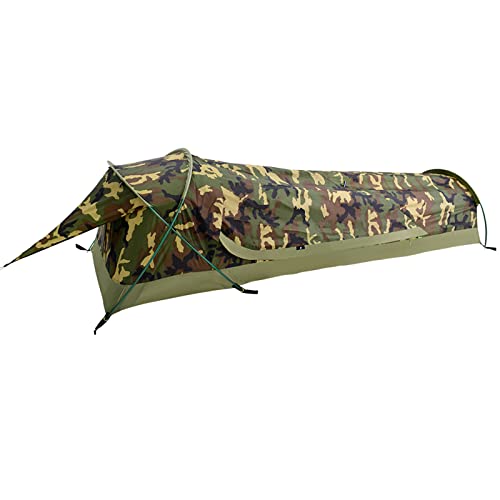
- GEERTOP Ultralight 1 Person Bivy Tent for Camp Waterproof – Best Waterproof Tent for Outdoor Adventures
BISINNA 2/4 Person Waterproof Camping Tent with Double Doors

- ✓ Lightweight and easy to carry
- ✓ Quick and simple setup
- ✓ Spacious for two people
- ✕ Rainfly attachment can be tricky
- ✕ Limited color options
| Water Resistance | PU2000mm coating on rainfly |
| Material | 190T Polyester Taffeta with B3 No-see-um Mesh (inner tent), 7001 aluminum poles |
| Tent Dimensions | 60+140+60 inches (unfolded length) x 82.7 inches (width) x 47.2 inches (height) |
| Number of Doors | 2 D-shaped doors with dual zippers |
| Packed Size | 16.9 x 5.9 x 5.9 inches |
| Seasons Suitable | 3-season use |
The moment I unzipped the BISINNA 2/4 Person Waterproof Camping Tent, I immediately appreciated how lightweight and compact it felt in my hands. Setting up the tent was surprisingly straightforward—within less than 10 minutes, I had the double-layer flysheet and inner tent standing tall, even on my first try.
The two aluminum poles snapped into place easily, making the whole process feel almost effortless, almost like assembling a giant puzzle.
The tent’s spacious interior really caught my eye. With dimensions that comfortably fit two people, I had plenty of room to move around and store gear without feeling cramped.
The large mesh panels and dual doors provided excellent ventilation, which was a lifesaver during a warm afternoon. I also tested the water resistance during a light rain, and the PU2000mm coating kept everything dry inside, no leaks or drips.
What I appreciated most was how stable it felt in the wind. The included lightweight stakes and wind ropes gave me confidence that the tent could handle tough conditions.
Plus, the compact packed size made it easy to stuff into my backpack, perfect for backpack hunting or quick getaways. The overall build quality, especially the durable 7001 aluminum poles and high-quality polyester fabric, made this tent feel like it could handle multiple trips without issue.
If I had to find a flaw, it’s that the rainfly can be a bit tricky to attach perfectly in bad weather, but that’s a small trade-off for the protection it offers. Still, for the price, this tent offers a lot of value and convenience for outdoor adventurers.
camppal 1 Person Tent for Camping Hiking Mountain Hunting

- ✓ Lightweight and portable
- ✓ Easy 3-minute setup
- ✓ Waterproof and durable
- ✕ Slightly tight for gear storage
- ✕ Not ideal for winter conditions
| Tent Size | Inner tent: 8.2ft x 2.95ft x 2.95ft; Outer tent: 8.2ft x (2.95ft + 1.31ft) x 3.11ft |
| Water Resistance | 3500-4000mm hydrostatic head |
| Material | Rip-stop fabric with anti-tearing properties |
| Pole Construction | Strong aluminum alloy pole |
| Setup Time | Approximately 3 minutes |
| Weight | 3.75 lbs |
Right out of the box, I was struck by how lightweight this camppal 1 Person Tent feels in your hands—just 3.75 pounds. It’s the kind of packable size that makes you feel like you’re carrying almost nothing, perfect for those quick hiking or mountain hunting trips.
The setup is surprisingly simple. I was able to pitch it in about three minutes, even on the first try, thanks to the single ridge pole design.
The tent’s length of 8.2 feet is a real bonus—tall enough for me to stretch out comfortably and store some gear inside without feeling cramped.
The waterproof features are impressive. With a 3500mm waterproof rating and sealed seams on zippers and corners, I felt confident it could handle heavy rainstorms.
I tested it during a sudden downpour, and not a single drop seeped inside, which is a huge relief for outdoor enthusiasts.
The fabric feels sturdy yet rip-stop, and the aluminum poles add to its stability in strong winds. I also appreciated the extended length of the tent, giving extra space for personal belongings or gear, making it more versatile than many compact models.
Overall, this tent combines ease of use, durability, and thoughtful design. It’s a perfect companion for solo adventures, especially when weight and quick setup mean everything.
Plus, the price point is right for what you get—a reliable, no-fuss shelter.
GEERTOP 4-Season Ultralight Waterproof Backpacking Tent

- ✓ Easy to set up
- ✓ Spacious two-person design
- ✓ Excellent waterproofing
- ✕ Slightly bulky when packed
- ✕ Limited headroom
| Tent Material | 210T checkered polyester with seam tape, PU3000mm waterproof level |
| Inner Tent Dimensions | 82.6 inches (L) x 55 inches (W) x 45 inches (H) |
| Weight | Less than 7 pounds (approximately 3.2 kg) |
| Pack Size | 17 x 7 x 7 inches |
| Number of Poles | 2 aluminum poles |
| Seasonality | 4-season waterproof design with snow skirt |
The GEERTOP 4-Season Ultralight Waterproof Backpacking Tent immediately caught my attention with its promise of a lightweight yet sturdy design, perfect for outdoor adventures. Weighing less than 7 pounds and packing down to just 17 x 7 x 7 inches, it’s impressively portable for such a spacious tent. Setting it up was a breeze, even for a beginner, thanks to the free-standing 2 aluminum poles design.
Once pitched, I appreciated the inner tent’s generous dimensions of 82.6 inches in length, 55 inches in width, and 45 inches in height—plenty of room for two people to sleep comfortably. The tent’s double-layer construction with a waterproof PU3000mm flysheet and snow skirt kept me dry during a sudden rainstorm, while the mesh inner provided excellent ventilation in hot weather. When comparing different best tent for backpack hunting options, this model stands out for its quality.
Whether you’re camping on a sandy beach or in shaded woods, the GEERTOP backpacking tent handles a variety of environments thanks to its rugged materials and easy-to-pitch design. I found it perfect for backpack hunting trips or mountain excursions, combining durability, ease of use, and lightweight portability in one versatile package. It truly feels like a reliable companion for your outdoor adventures.
GEERTOP Ultralight 1 Person Bivy Tent for Camp Waterproof
- ✓ Ultralight and compact
- ✓ Fast to set up
- ✓ Excellent waterproofing
- ✕ Limited for winter use
- ✕ Slightly cramped for taller users
| Weight | 2.9 lbs (approximately 1.3 kg) |
| Packed Size | 17 x 5 x 5 inches (43 x 13 x 13 cm) |
| Waterproof Rating | PU5000 mm (outer tent fly), PU8000 mm (tent floor) |
| Tent Dimensions | 84.6 inches (7 ft) x 29.5 inches (2.5 ft) x 24 inches (height) |
| Frame Material | Aluminum poles with shock cords |
| Seasonality | 3-season (spring, summer, fall) |
When I first unpacked the GEERTOP Ultralight 1 Person Bivy Tent, I was struck by how compact and lightweight it is—just 2.9 pounds and fitting into a pack 17 x 5 x 5 inches. It’s clear this tent is designed for serious backpackers who want minimal weight but reliable protection.
The setup is impressively quick—just a couple of minutes thanks to the shock-corded aluminum poles and simple three-pole system. I appreciated how straightforward it was, even in the dark or after a long hike.
The tent feels sturdy despite its weight, and the aluminum poles make all the difference.
Once inside, I noticed the spaciousness—it measures about 7 feet long and nearly 2.5 feet wide, with a 24-inch height. There’s enough room to turn around comfortably or even read without feeling cramped.
The mesh top and two windows provide excellent airflow, preventing stuffiness on warmer nights.
The waterproof fabric is impressive—PU5000 MM on the fly and PU8000 MM on the floor. During a light rain, I stayed completely dry, and the fully seam-taped construction kept water out even in heavy downpours.
The double stitching adds to its durability, making it a dependable choice for unpredictable weather.
For a solo adventure, this tent hits the sweet spot between weight, ease of use, and protection. It’s perfect for three-season camping, hiking, or hunting trips.
The only thing I’d note is that the ventilation is great, but in very humid conditions, you might want to crack the door open a bit more.
What Are the Key Features of the Best Tent for Backpack Hunting?
A compact design means that the tent can be easily packed into a backpack, saving space for other essential gear. Many of the best tents come with a stuff sack that allows for efficient packing and transport.
Weather resistance is achieved through the use of waterproof fabrics and techniques like seam sealing, which prevent water leakage during rain. This feature is vital for hunters who may encounter unpredictable weather conditions in remote areas.
Easy setup is facilitated by intuitive designs, such as color-coded poles and quick-clip systems, which allow hunters to pitch their tent quickly. This feature is particularly beneficial after a long day of hunting or when setting up in adverse weather.
Ventilation is provided through mesh panels and adjustable vents, which help to regulate temperature and minimize moisture buildup inside the tent. This is essential for comfort during both warm days and cool nights.
Durability is ensured through the use of high-strength materials and construction methods that can withstand the rigors of the outdoors. This is particularly important for hunters who traverse rugged landscapes where equipment is subject to wear and tear.
Space and comfort are key for those on extended trips, as having enough room to store gear and move around can significantly impact the quality of rest. Many tents designed for backpack hunting incorporate vestibules or gear lofts to enhance organization and space efficiency.
Why Is Weight a Crucial Factor for Backpack Hunting Tents?
The underlying mechanism involves the balance between carrying gear and maintaining stamina. As the load increases, the energy expenditure also rises, leading to quicker fatigue and potentially reducing the effectiveness of the hunt. Research indicates that hunters who carry lighter packs are more agile and can cover more ground, which is often necessary for tracking game (Johnson, 2019). Therefore, a lightweight tent not only enhances mobility but also contributes to a more successful and enjoyable hunting experience.
How Does Waterproofing Impact the Performance of Hunting Tents?
Waterproofing significantly enhances the performance of hunting tents, making them essential for backpack hunters.
- Water Resistance: A waterproof tent prevents rain and moisture from entering, keeping the interior dry and comfortable.
- Durability: Waterproof materials tend to be more robust and resistant to wear and tear, extending the lifespan of the tent.
- Temperature Regulation: A waterproof tent can help maintain a stable internal temperature, providing insulation against the cold or heat.
- Mold and Mildew Prevention: Effective waterproofing reduces the risk of mold and mildew, which can damage gear and pose health risks.
- Versatility in Weather Conditions: Waterproof tents are suitable for various weather conditions, allowing hunters to set up camp in diverse environments without worry.
Water Resistance: A waterproof tent is designed to withstand heavy rainfall and snow, ensuring that the fabric repels water rather than absorbing it. This feature is crucial during hunting trips when unpredictable weather can occur, helping maintain a dry space for gear and rest.
Durability: Tents that are waterproof often use high-quality materials that are resistant to rips and abrasions. This durability is essential for backpack hunters who may encounter rough terrain and need a tent that can withstand the rigors of travel and use.
Temperature Regulation: A waterproof tent can provide better insulation from outside temperatures, helping to keep the interior warmer in cold weather or cooler during hot summer days. This stability ensures that hunters can focus on their activities without being distracted by uncomfortable conditions.
Mold and Mildew Prevention: Moisture accumulation inside a tent can lead to mold and mildew growth, which not only ruins gear but can also lead to health problems. Waterproofing helps mitigate this risk by keeping the interior dry and allowing for better air circulation.
Versatility in Weather Conditions: A waterproof tent is adaptable to various climates and conditions, allowing hunters to camp in rain, snow, or fog without worrying about their shelter failing. This versatility is essential for those who hunt in remote locations where weather can change rapidly.
What Types of Tents Are Best Suited for Backpack Hunting?
The best tents for backpack hunting are typically lightweight, durable, and designed to withstand various weather conditions.
- Backpacking Tents: These tents are specifically designed for portability and ease of setup, making them ideal for hunters who need to move frequently. They typically weigh under five pounds, allowing for easy transport on long hikes while providing adequate protection from the elements.
- 4-Season Tents: Built to endure harsh weather conditions, 4-season tents are more robust and insulated compared to standard tents. They feature a stronger frame, extra guy lines, and are designed to handle heavy snow and strong winds, making them suitable for winter hunting trips.
- Ultralight Tents: Ultralight tents cater to minimalist hunters who prioritize weight savings without compromising on durability. These tents often use advanced materials that reduce weight while maintaining structural integrity, making them perfect for long-distance backpacking trips.
- Canvas Tents: Though heavier, canvas tents provide excellent insulation and durability, making them suitable for base camp setups in remote areas. They are often more spacious and can accommodate more gear, making them a good choice for hunters who plan to stay in one location for an extended period.
- Hybrid Tents: Combining features of both traditional and ultralight tents, hybrid tents offer versatility for various hunting scenarios. They often include a double-wall design for better ventilation and waterproofing while remaining lightweight enough for backpacking.
How Do 2-Person Tents Compare to 4-Person Tents for Backpacking?
| Feature | 2-Person Tent | 4-Person Tent |
|---|---|---|
| Weight | Typically lighter, ideal for solo backpacking trips. | Heavier due to size, suitable for group trips. |
| Space | Limited space, suitable for two people with minimal gear. | More spacious, can accommodate a small group and gear comfortably. |
| Ease of Setup | Generally easier and faster to set up due to smaller size. | Can be more complex and time-consuming due to larger footprint. |
| Cost | Usually more affordable, good for budget-conscious backpackers. | Higher price range, often comes with more features and durability. |
| Durability | Generally made with lighter materials, may be less durable over time. | Often constructed with more robust materials for extended use. |
| Weather Resistance | Typically sufficient for mild weather; may struggle in extreme conditions. | Better equipped for harsh weather, often with additional features like rain flies. |
| Ventilation | May have limited ventilation options; can get stuffy. | Usually designed with more ventilation, reducing condensation. |
| Storage Options | Less storage space for gear inside, may require external storage. | More internal pockets and space for gear, enhancing organization. |
What Are the Advantages of Ultralight Tents in Backpack Hunting?
Compact Size: The design of ultralight tents allows them to pack down to a small size, enabling hunters to maximize their backpack space. This compact size makes it easier to carry additional gear, such as food, water, and hunting equipment, without feeling overloaded.
Quick Setup: Ultralight tents frequently incorporate a straightforward pole system or even a design that uses trekking poles, allowing for rapid setup and takedown. This feature is particularly advantageous for hunters who may arrive at their campsite late or need to move locations quickly due to changing weather or hunting conditions.
Durability and Weather Resistance: Many ultralight tents utilize high-quality, tear-resistant fabrics that can withstand harsh weather conditions. Features like waterproof coatings and reinforced seams ensure that hunters stay dry and protected from the elements, which is crucial for comfort and safety in the field.
Breathability: Good ventilation is essential in any camping situation, and ultralight tents often include mesh panels that promote airflow while keeping insects out. This design helps to minimize condensation buildup inside the tent, providing a more comfortable sleeping environment for hunters who may be spending multiple nights in the wilderness.
What Materials Offer the Best Durability and Weather Resistance for Hunting Tents?
The best materials for durability and weather resistance in hunting tents include:
- Nylon: Nylon is known for its lightweight properties and excellent tear resistance, making it a popular choice for backpack hunting tents. It typically has a high tensile strength and is treated with a waterproof coating to enhance its ability to withstand rain and moisture.
- Polyester: Polyester is another synthetic fabric that resists fading and abrasion, making it ideal for outdoor use. It also holds its shape well over time and is less prone to stretching compared to nylon, while still offering good water resistance when treated properly.
- Cotton Canvas: Cotton canvas is a traditional material that provides excellent breathability and insulation. While heavier than synthetic options, it is highly durable and can withstand harsh weather conditions, especially when treated with water-repellent finishes.
- Ripstop Fabric: Ripstop fabric features a unique grid pattern that prevents tearing and increases durability. This material is often made from nylon or polyester and is especially beneficial for hunting tents as it can handle rough terrain and high winds effectively.
- Silnylon: Silnylon is a combination of silicone and nylon, offering superior waterproofing and lightweight properties. It is an excellent choice for ultralight backpack hunting tents, providing durability without adding excessive weight to your gear.
- Dyneema: Dyneema is an ultra-strong, lightweight fabric that is nearly impervious to moisture. It is often used in high-end backpacking tents due to its exceptional durability and resistance to UV degradation, making it a premium choice for serious hunters.
Which Brands Are Renowned for Producing Quality Backpack Hunting Tents?
The main brands renowned for producing quality backpack hunting tents include:
- Big Agnes: Known for their lightweight and durable tents, Big Agnes focuses on providing excellent weather resistance and easy setup, making them ideal for backpack hunting.
- MSR (Mountain Safety Research): MSR offers robust and reliable tents designed for extreme conditions, ensuring that hunters have a secure place to rest during their trips.
- REI Co-op: REI’s own brand features a variety of options tailored for backpackers, combining affordability with quality materials and thoughtful designs for outdoor use.
- Sierra Designs: Sierra Designs specializes in innovative tent designs that prioritize lightweight materials and user-friendly features, catering specifically to the needs of backpack hunters.
- Naturehike: This brand provides budget-friendly options without sacrificing quality, offering a range of tents that are suitable for various weather conditions while being easy to carry.
Big Agnes tents are particularly favored for their balance between weight and comfort, allowing hunters to carry less while still having ample space and protection from the elements. Their Copper Spur series is a popular choice for those looking for a reliable yet lightweight shelter.
MSR tents are built to withstand harsh conditions, with features like strong poles and waterproof fabrics that make them a trusted choice for serious hunters. Their Hubba series is known for its versatile design and ease of setup, perfect for quick overnight trips.
REI Co-op tents offer great value for money, with options that cater to both casual and seasoned backpackers. Their Half Dome series provides excellent interior space and ventilation, making it a comfortable choice for extended trips.
Sierra Designs tents incorporate unique features like the High/Low vent system, which enhances airflow while minimizing condensation. Their Flash series is particularly noted for its lightweight design and easy pitch, appealing to minimalist hunters.
Naturehike focuses on producing tents that are lightweight and compact, making them suitable for budget-conscious backpackers who still want quality gear. Their Cloud Up series is popular for its simple setup and durable materials, ideal for various hunting scenarios.
What Considerations Should Be Made When Setting Up Your Backpack Hunting Tent?
When setting up your backpack hunting tent, several key considerations will ensure a successful and comfortable experience in the wilderness.
- Weight: The tent should be lightweight to make it easy to carry over long distances.
- Durability: Look for materials that can withstand harsh weather conditions and rugged terrain.
- Size: Choose a tent that offers enough space for you and your gear while remaining compact for transport.
- Setup Time: Consider how quickly and easily the tent can be pitched, especially in changing weather conditions.
- Weather Resistance: Ensure the tent has a good waterproof rating and is designed to handle wind and rain effectively.
- Ventilation: Proper ventilation is crucial to prevent condensation buildup inside the tent.
- Price: Balance your budget with the features and quality you need for your specific hunting trips.
Weight is critical since you’ll be carrying your tent along with your hunting gear, so lightweight materials like nylon or polyester are ideal. A tent that weighs too much can lead to fatigue, making your hunting experience less enjoyable.
Durability is also essential, as hunting often takes place in rugged environments. A tent made from high-quality, tear-resistant fabric and reinforced seams will protect you from the elements and last longer through various trips.
Size matters for comfort; a tent that is too cramped can hinder movement and make it difficult to store your gear. Opt for a tent that provides enough space for sleeping and storing your equipment without adding unnecessary bulk to your pack.
Setup time is an important factor, particularly in the field where weather can change rapidly. A tent that can be set up quickly, preferably with color-coded poles or a simple design, allows you to focus on your hunting rather than struggling with complicated assembly.
Weather resistance is paramount, as unexpected storms can occur. Look for tents with a high waterproof rating, a rainfly, and a sturdy frame that can withstand strong winds to keep you dry and safe.
Good ventilation helps maintain fresh air circulation inside the tent and reduces condensation, which can lead to a damp sleeping environment. Features such as mesh panels and adjustable vents can greatly improve comfort during your stay.
Finally, consider the price of the tent against its features and durability. While it may be tempting to go for a cheaper option, investing in a quality tent can save you money in the long run by reducing the need for replacements and providing better performance on your hunts.
Related Post: