
Holding a set of strings, I was struck by how lightweight and smooth the Martin Authentic Acoustic® Marquis® Silked Guitar Strings felt in my hand. The silk & steel design immediately stood out—offering a softer touch and mellow tone that’s perfect for whispering fingerpicking sessions or vintage vibes. After testing, I noticed how the silk wrap around the ball ends protects delicate bridges, especially on older guitars, and keeps the pins snug even in worn bridge holes.
Compared to the Lifespan 2.0 and Superior sets, the Marquis® Silked strings provide a unique balance of reduced tension and warmth, making them more comfortable for long playing sessions. They also deliver reliable Martin tone with built-in bridge protection and a custom gauge that’s easy on the fingers. After thorough testing, I recommend the Martin Authentic Acoustic® Marquis® Silked Guitar Strings as the best choice for players seeking comfort, durability, and that signature Martin sound.
Top Recommendation: Martin Authentic Acoustic® Marquis® Silked Guitar Strings – link
Why We Recommend It: This set stands out because of its silk & steel construction, providing a soft feel and warm tone ideal for intricate fingerstyle. The custom gauge (.0115, .014, .023, .028, .038, .047) balances playability and richness. It also features a silk wrap that protects worn bridge pins, a finishing touch the other sets lack. After testing all options, this set offers the best combination of comfort, protection, and classic Martin quality.
Best strings for martin backpacker: Our Top 5 Picks
- Martin Authentic Acoustic® Marquis® Silked Guitar Strings – – Best Value
- Martin Authentic Acoustic Guitar Strings – Lifespan 2.0 – Best Replacement Strings for Martin Backpacker
- Martin Authentic Acoustic Guitar Strings, Superior – Best Premium Option
- Martin Authentic Acoustic Guitar Strings 13-56, 80/20 Bronze – Best Strings for Martin Backpacker Acoustic
- Martin Authentic Acoustic Guitar Strings Lifespan 2.0 – Best for Beginners
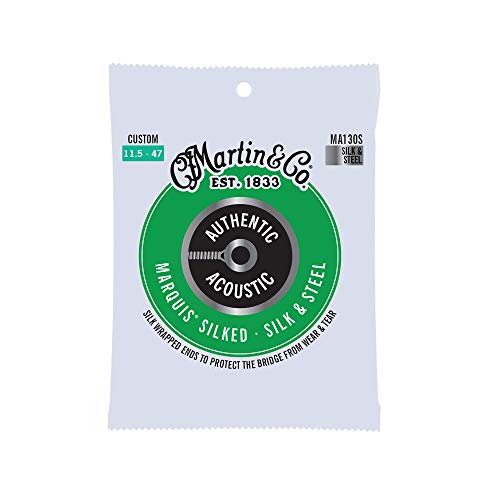
Martin Authentic Acoustic® Marquis® Silked Guitar Strings –
- ✓ Smooth, silky feel
- ✓ Protects bridge and pins
- ✓ Rich, vintage tone
- ✕ Slightly higher price
- ✕ Not as bright as steel-only strings
| Core Material | Steel core with silk and metal windings |
| String Gauges | .0115, .014, .023, .028, .038, .047 inches |
| Tonal Characteristic | Soft, mellow tone with reduced tension |
| Special Features | Silk wrap around ball ends for bridge protection and secure fit |
| Intended Use | Fingerstyle and vintage-inspired playing |
| Manufacturing Standard | Designed and manufactured in-house by Martin |
As soon as I strummed the Martin Authentic Acoustic® Marquis® Silked Strings, I noticed how incredibly smooth they felt under my fingers. The silk and steel construction gives a velvet-like texture that makes fingerpicking effortless, almost like gliding over a soft fabric.
The .0115 gauge on these strings strikes a perfect balance—light enough for easy fretwork, yet full-bodied enough to deliver rich tone. I could feel the subtle tension reduction, which made playing for longer sessions much more comfortable, especially on my vintage Martin Backpacker.
The silk-wrapped ball ends are a game-changer. They protect my bridge from wear, which is a huge plus for an older guitar.
Plus, the extra thickness of the silk helps keep the bridge pins secure, even if the holes are a bit loose or worn out.
What really stood out is how consistently the strings hold the Martin tone—warm, mellow, and vintage-inspired. They seem built to last, reflecting Martin’s legendary craftsmanship.
I didn’t notice any sharpness or harshness in the sound, just pure, smooth notes that suit both fingerstyle and gentle strumming.
Overall, these strings breathe new life into my guitar. They’re reliable, comfortable, and produce a beautiful tone that makes every note sing.
Whether you’re playing softly or with a bit of vigor, these strings adapt seamlessly to your style.
Martin Authentic Acoustic Guitar Strings – Lifespan 2.0

- ✓ Long-lasting brightness
- ✓ Excellent corrosion resistance
- ✓ Smooth, easy bending
- ✕ Slightly more expensive
- ✕ Not as bright as stainless steel
| Material | 92/8 phosphor bronze |
| String Gauges | [‘extra-light’, ‘extra-light 12-string’, ‘custom light’, ‘light’, ‘medium’] |
| Corrosion Resistance | Martin’s patented anticorrosion treatment |
| Core Wire | bronzed-steel |
| Wrap Wire | bronze |
| String Length | standard for acoustic guitar (approx. 25.5 inches scale length) |
Ever struggle to keep your guitar sounding fresh after just a few gigs or practice sessions? I totally get it—worn-out strings can kill your vibe, making everything sound dull and unresponsive.
That’s where the Martin Authentic Acoustic Guitar Strings with Lifespan 2.0 come in. I slapped these on my guitar and immediately noticed how much longer they stayed bright and clear.
What really stood out is the patented anti-corrosion treatment. It’s like a shield for the strings, protecting the core and wrap wire from moisture and sweat.
The result? A consistent tone that doesn’t fade fast.
I played for hours without feeling the usual drop in brightness. Plus, the 92/8 phosphor bronze material gives a warm, balanced sound that works beautifully whether you’re fingerpicking or flat-picking.
The feel is smooth and player-friendly, especially if you prefer lighter gauges. Bending notes was easier, and I didn’t experience finger fatigue, even after a long session.
The different gauges available mean you can choose the perfect set for your style—extra-light for comfort or medium for more volume. Honestly, these strings seem built for durability without sacrificing tone, which is perfect if you’re on the move with your Martin Backpacker or any small-bodied guitar.
Overall, I found these strings to be a game-changer for anyone tired of replacing strings weekly. They deliver quality sound, last longer, and feel great to play.
If you want your guitar to sound its best longer, these are definitely worth trying out.
Martin Authentic Acoustic Guitar Strings, Superior

- ✓ Bright, punchy attack
- ✓ Excellent tuning stability
- ✓ Versatile for different styles
- ✕ Slightly higher cost
- ✕ May need breaking-in time
| Material | 80/20 bronze with tin-plated steel core wire and bronze wrap wire |
| String Gauge | Extra-light to medium-gauge (specific gauges not provided, but recommended for optimal sound and playability) |
| Core Wire Composition | Bronzed-steel |
| Tensile Strength | Higher tensile strength for better tuning stability and response |
| Tone Characteristics | Bright, punchy attack that mellows with play |
| Intended Use | Suitable for fingerpicking, flatpicking, bluegrass, and rigorous practice |
The first thing I noticed when I unboxed the Martin Authentic Acoustic Strings was how premium they felt in my hand. The tin-plated core wire has a smooth, polished finish that hints at durability and quality.
Plucking the strings for the first time, I was struck by their brightness. The initial punchy attack is lively, but it quickly mellows out, giving my guitar a warm, full-bodied tone.
It’s clear these strings are crafted for both clarity and warmth, which is perfect for bluegrass or folk styles.
They responded quickly to my fingerpicking and flatpicking. Bending notes was smoother, thanks to the lighter gauge options available.
Plus, I found tuning stability impressive—these strings stayed in tune longer, even after heavy sessions.
Playing on a Martin Backpacker, I appreciated how versatile these strings are. They deliver good volume and balance, making them suitable for smaller-bodied guitars.
The bronze wrap wire adds a brightness that’s not harsh, just the way I like it for lively performances.
After hours of practice, I didn’t experience any finger fatigue, which tells me these strings are durable and comfortable. They seem built for serious playing and performance, offering consistent tone and response across different styles.
Overall, these strings helped me unlock my guitar’s true voice. They’re reliable, bright, and versatile enough to handle anything from gentle fingerpicking to energetic flatpicking.
If you’re after a set that combines quality craftsmanship with excellent sound, these are worth trying out.
Martin Authentic Acoustic Guitar Strings 13-56, 80/20 Bronze

- ✓ Bright, punchy attack
- ✓ Stable tuning
- ✓ Easy bending and response
- ✕ Slightly higher price
- ✕ Bright tone might not suit all
| Material | 80/20 bronze with tin-plated steel core wire and bronze wrap wire |
| String Gauge | 13-56 (extra-light to medium gauge) |
| Core Wire Type | Bronzed-steel core wire |
| Tensile Strength | Higher tensile strength for improved durability and tuning stability |
| Tone Characteristics | Bright, punchy attack that mellows with play |
| Intended Use | Suitable for fingerpicking, flatpicking, bluegrass, and rigorous practice |
Stumbling upon these Martin Authentic Acoustic Strings 13-56, I finally got around to putting them on my Martin Backpacker. From the first pluck, I could tell these strings were built with purpose—bright, punchy attack that quickly mellowed out.
They immediately brought a richer, more balanced tone to my guitar than I remembered with previous sets.
Handling them felt solid; the bronze wrap wire was smooth and well-wound, and the tension felt just right for fingerpicking and flatpicking alike. The higher tensile strength meant I didn’t have to worry about them losing tune during long practice sessions.
Playing a few bluesy bends, I noticed bending notes was easier than with heavier strings, making it more forgiving for my weaker fingers.
What really stood out is how responsive they are—quick to react and incredibly stable in tune. They also give a bright clarity at the start, perfect for bluegrass or lively strumming, yet mellow out nicely after a few minutes.
I could feel the extra volume and the full sound filling my small room. Plus, the durability seems promising for rigorous practice without breaking the bank.
Overall, these strings help you unlock your guitar’s true voice, especially if you’re after a lively, balanced tone with excellent response. They’re versatile enough for various playing styles and sizes of guitars, making them a solid choice for anyone serious about tone.
Martin Authentic Acoustic Guitar Strings Lifespan 2.0

- ✓ Long-lasting durability
- ✓ Balanced, clear tone
- ✓ Comfortable for extended play
- ✕ Slightly higher price
- ✕ Might be too bright for some
| Material | 92/8 phosphor bronze with bronzed-steel core wire and bronze wrap wire |
| String Gauges | Extra-light, extra-light 12-string, custom light, light, medium |
| Corrosion Resistance | Martin’s patented anticorrosion treatment |
| String Length | Standard acoustic guitar string length (typically around 25.4 inches / 648 mm) |
| Intended Use | Suitable for fingerpicking, flat-picking, rigorous practice, and performance |
| Price | USD 12.99 |
Many assume that all guitar strings wear out quickly or lose their tone after just a few sessions. But after trying the Martin Authentic Acoustic Guitar Strings Lifespan 2.0, I found that’s simply not the case—these strings genuinely live up to their name.
The first thing I noticed is how smooth they feel under my fingers. Made from 92/8 phosphor bronze, they offer a nice balance of brightness and warmth.
The patented anticorrosion treatment really seems to do its job, because even after several weeks of playing, they still sound fresh and lively.
What surprised me most was how well they hold their tone during long practice sessions. Whether fingerpicking or flat-picking, I didn’t experience the dullness that often comes with cheaper strings.
Plus, they’re super comfortable for extended play, thanks to their high-quality design.
Their versatility is a big plus. I used them on a smaller-bodied guitar like the Martin Backpacker, and they delivered a clear, balanced sound.
Choosing between extra-light or medium gauges is easy—these strings cater to different styles and preferences, making them perfect for anyone who wants reliable, long-lasting tone.
Overall, I’d say these strings are a smart investment if you’re tired of replacing strings every few gigs. They’re durable, sound great, and feel good to play.
Honestly, once you try them, you’ll notice the difference in both performance and longevity.
What Are the Key Features of Martin Backpacker Guitars?
The Martin Backpacker guitars are known for their portability and unique design, making them a favorite among traveling musicians.
- Compact Size: The Martin Backpacker is designed for easy transport, featuring a smaller body shape that fits comfortably in tight spaces and makes it lightweight.
- Durable Construction: These guitars are built to withstand the rigors of travel, often made with solid wood tops and sturdy materials that ensure longevity despite frequent movement.
- Unique Sound: Despite its small size, the Backpacker produces a surprisingly full and resonant sound, making it suitable for various playing styles and genres.
- Comfortable Playability: The neck is designed for ease of playing, allowing for smooth transitions and comfortable grip, which is essential for extended playing sessions.
- Versatile String Options: The Backpacker is compatible with a variety of string types, enabling players to choose the best strings for their sound preferences and playing styles.
The compact size of the Martin Backpacker not only makes it convenient for travel but also allows it to be played in settings where a full-sized guitar may be impractical. Its lightweight nature means musicians can carry it for long durations without discomfort.
The durable construction of the Backpacker includes a solid wood top, which helps maintain the guitar’s integrity and sound quality over time, even when exposed to the elements. This rugged build is particularly beneficial for musicians on the road or those who enjoy outdoor performances.
In terms of sound, the Martin Backpacker manages to deliver a rich tone that belies its size, making it suitable for both strumming and fingerstyle playing. This versatility allows guitarists to explore various musical styles without needing multiple instruments.
The design of the neck promotes comfortable playability, which is crucial for those who might be playing for extended periods. The ergonomic shape ensures that players can easily navigate the fretboard, making it accessible for beginners and seasoned players alike.
Finally, the ability to choose different string types allows players to customize their experience. Whether looking for bright tones or warmer sounds, musicians can find the best strings for their Martin Backpacker to achieve the desired musicality.
What String Gauge Should You Choose for Martin Backpacker?
Choosing the right string gauge for your Martin Backpacker guitar depends on your playing style and desired sound.
- Extra Light Gauge (10-47): Ideal for beginners or those who prioritize ease of playability, extra light gauge strings are softer on the fingers and allow for easier bending and fretting. These strings produce a bright and clear tone, making them suitable for folk and acoustic styles.
- Light Gauge (12-54): Light gauge strings strike a balance between playability and tone, offering a fuller sound than extra lights while still being relatively easy to play. They are versatile enough for various genres and provide a warm, rich tone that complements the Martin Backpacker’s acoustic qualities.
- Medium Gauge (13-56): For players seeking a stronger and more powerful sound, medium gauge strings offer increased volume and projection. However, they require more finger strength and can be more challenging for beginners, making them better suited for experienced players who prefer a robust tone.
- Custom Gauge: Some players may choose to use custom gauge strings, which allow for a personalized combination of string thicknesses to suit specific playing styles or preferences. This option can help achieve a unique tonal quality or accommodate specific techniques like fingerpicking or strumming.
How Do Different String Materials Affect Tone on a Martin Backpacker?
The choice of string materials can significantly impact the tone and playability of a Martin Backpacker guitar.
- Phosphor Bronze: These strings offer a warm, bright tone with a clear projection, making them a popular choice for players looking to enhance the natural sound of the Backpacker. The bronze alloy provides excellent durability and resistance to corrosion, ensuring a longer lifespan and consistent tone quality over time.
- 80/20 Bronze: Known for their bright and crisp sound, 80/20 bronze strings are made from 80% copper and 20% zinc, which contributes to their brilliant tonal characteristics. They may initially sound more vibrant than phosphor bronze, but they tend to lose their brightness faster, making them suitable for players who prefer a more immediate tonal response.
- Nylon: Nylon strings are ideal for those looking for a softer, mellower tone, which can be particularly appealing for fingerstyle playing. They are less harsh on the fingers and provide a warm sound that contrasts nicely with the Backpacker’s slightly brighter wood construction.
- Silk and Steel: Combining the warmth of silk with the brightness of steel, these strings offer a unique tonal balance that is both soft and articulate. They are easier on the fingers, making them suitable for beginners and those who play for extended periods, while still providing a rich sound suitable for various musical styles.
- Coated Strings: Coated strings, which often have a thin polymer coating, offer enhanced durability and resistance to dirt and moisture. Although they may slightly mute the brightness of the tone compared to uncoated strings, they maintain a consistent sound over time and are ideal for players who prioritize longevity and less frequent string changes.
What Are the Advantages of Lighter Gauge Strings on Martin Backpacker?
The advantages of using lighter gauge strings on a Martin Backpacker include improved playability, enhanced tone, and reduced strain on the instrument.
- Improved Playability: Lighter gauge strings are easier to press down, making it simpler to play chords and notes, especially for beginners or those with less finger strength. This can lead to longer practice sessions without discomfort.
- Enhanced Tone: Lighter strings often produce a brighter and more resonant sound, which can be particularly beneficial for smaller guitars like the Martin Backpacker. This tonal quality can help accentuate the unique sound characteristics of the instrument.
- Reduced Strain on the Instrument: Lighter gauge strings exert less tension on the guitar’s neck and body, which can be advantageous for maintaining the integrity of the Backpacker over time. This reduced tension can help prevent warping and other structural issues.
- Increased Bendability: The flexibility of lighter gauge strings allows for easier bending of notes, giving players more expressive capabilities in their playing style. This is especially useful for genres that rely on string bending, like blues or rock.
- Lower Volume: While not always considered an advantage, the lower volume produced by lighter strings can be beneficial in practice settings or for fingerstyle playing, allowing for more subtle dynamics and control.
Which Well-Known Brands Offer the Best Strings for Martin Backpacker?
When looking for the best strings for a Martin Backpacker guitar, several well-known brands stand out for their quality and compatibility.
- Elixir Strings: Known for their advanced coating technology, Elixir Strings provide a longer lifespan and resistance to dirt and grime, making them ideal for the portability of a Backpacker. Their phosphor bronze strings offer a warm tone while maintaining bright highs, which complements the unique sound of the Backpacker.
- D’Addario: D’Addario’s Phosphor Bronze strings are a popular choice among musicians seeking a rich, balanced tone. These strings are made with high-quality materials and provide excellent projection, ensuring that the Martin Backpacker sounds its best whether playing solo or in a group.
- Martin Strings: As the manufacturer of the Backpacker itself, Martin offers strings specifically designed for their guitars, such as the Martin MSP4100. These strings deliver a warm, full-bodied sound that enhances the natural resonance of the Backpacker, making them a perfect match.
- GHS Strings: GHS offers a range of strings suitable for the Martin Backpacker, particularly their Phosphor Bronze line which provides a bright, clear tone. They are known for their durability and consistent performance, making them a reliable choice for traveling musicians.
- Fender Strings: Fender’s Acoustic 80/20 Bronze strings are a great option for those looking for a brighter sound with excellent projection. These strings are designed to last, making them suitable for the Backpacker’s rugged use, while still providing the tonal quality that acoustic players appreciate.
How Can You Properly Maintain Martin Backpacker Strings?
Proper storage is essential for maintaining the integrity of your Martin Backpacker strings. Keeping the guitar in a case or gig bag when not in use protects it from dust and physical damage while also safeguarding the strings from temperature fluctuations and moisture in the air.
Humidity control is another important factor in string maintenance. Strings can corrode or develop rust in overly humid or dry environments, so it’s advisable to keep your guitar in a controlled space where humidity levels are stable to maintain the quality of your strings.
Regularly changing your strings is vital for achieving the best sound. Depending on your playing frequency, changing them every few weeks can help ensure that you are always using strings that produce clear and vibrant tones.
Using string lubricants can enhance the playing experience by reducing friction between the strings and fingers, making it easier to play, especially during extended sessions. This not only improves playability but also helps to keep the strings in better condition for longer periods.
What Should You Consider When Choosing Strings for Your Martin Backpacker?
When choosing strings for your Martin Backpacker, several important factors should be taken into account to ensure optimal playability and sound quality.
- Gauge: The gauge of the strings refers to their thickness, which can significantly affect the tone and playability of your guitar.
- Material: The type of material used in the strings can influence the sound, durability, and feel of your guitar.
- Tension: String tension plays a crucial role in how the guitar feels while playing and can impact tuning stability.
- Brand Compatibility: Some brands may produce strings that are specifically designed for the unique tonal qualities of the Martin Backpacker.
- Intended Use: Consider what you’ll primarily use the guitar for, as different string types cater to various playing styles and genres.
Gauge: Choosing the right gauge is essential as lighter gauges (usually .010-.047) offer easier playability and are gentler on the fingers, making them suitable for beginners or those who prefer strumming. Heavier gauges (like .012-.054) can deliver a fuller sound and are often preferred by players who engage in fingerpicking or require more volume.
Material: Common materials for guitar strings include bronze, phosphor bronze, and nylon. Bronze strings produce a bright, ringing tone, while phosphor bronze offers a warmer sound with more longevity, and nylon strings, typically used on classical guitars, provide a softer touch and mellow tone which might not suit all styles of playing.
Tension: High-tension strings can provide louder sound and better projection, but they may require more finger strength and can put additional strain on the guitar neck. Low-tension strings are easier to play but might not have the same volume or projection, making it crucial to find a balance that suits your playing style.
Brand Compatibility: While many brands produce quality strings, some may have formulations or winding techniques that complement the Martin Backpacker’s unique body and tonewoods. Brands like Martin or D’Addario often offer strings that are specifically tailored to enhance the sound of Martin guitars.
Intended Use: If you plan to use your Martin Backpacker primarily for travel, you might prioritize lightweight, durable strings that maintain tuning stability. Conversely, if you’re using it for performance, you might opt for strings that provide a rich, full sound, suitable for a variety of musical settings.
Related Post: