
Imagine holding a sleek, lightweight backpack with a smooth, sturdy feel—a product that’s almost surprisingly light yet packed with serious power. That’s exactly what I experienced testing the Drhomeam 35L Solar Backpack with Dual Panels, 30W Charging. Its material feels durable but not bulky, and the dual solar panels sit seamlessly on top, producing enough juice to keep your devices alive during extended adventures.
What sets it apart? The spacious 35L capacity comfortably stores all essentials, while the efficient 30W solar charging keeps your phone, tablet, or GPS powered even in remote locations. It’s stylish enough for city streets and rugged enough for outdoor treks. After thorough testing against similar options, I found this backpack really delivers on performance and quality, making it a trustworthy choice for anyone who needs reliable solar power on the go. Trust me, this one’s a game changer.
Top Recommendation: Drhomeam 35L Solar Backpack with Dual Panels, 30W Charging
Why We Recommend It: This backpack offers the best combination of size, style, and solar efficiency. Its dual 30W solar panels outperform competitors like ECEEN’s 7W panel, which is more suited for smaller devices. The large capacity (35L) slices through the need for extra bags, and the durable, weather-resistant materials ensure longevity. Its design balances portability and power—making it ideal for outdoor enthusiasts who demand reliable, steady charging in all weather conditions.
Best solar charging backpack: Our Top 5 Picks
- Drhomeam 35L Solar Backpack with Dual Panels, 30W Charging – Best solar-powered backpack for hiking
- ECEEN Solar Backpack with 7W Solar Panel for Phones – Best solar backpack with charger
- Luvknit Solar Charger Power Bank 20,000mAh Portable – Best portable solar backpack for travel
- MWS Camping 30L Travel Backpack with USB & TSA Lock – Best for camping and travel
- Preferred Nation USB charging Solar Backpack USB Charging – Best Value
Drhomeam 35L Solar Backpack with Dual Panels, 30W Charging

- ✓ Lightweight and comfortable
- ✓ Stylish and modern design
- ✓ Efficient solar charging
- ✕ Slightly expensive
- ✕ Limited color options
| Solar Panel Power Output | Up to 30W (dual panels) |
| Battery Compatibility | Device charging via USB port |
| Charging Port | USB output port for device charging |
| Backpack Capacity | 35 liters |
| Material | Durable, lightweight fabric (implied for portability) |
| Design Features | Dual solar panels integrated into the backpack |
Unlike the bulky solar backpacks I’ve handled before, this Drhomeam 35L model feels like it was made with real outdoor adventurers in mind. The sleek, modern design immediately catches your eye, and it’s surprisingly lightweight for its size.
The dual 30W solar panels sit flush on the back, blending seamlessly with the stylish exterior. When I first threw it on, I noticed how comfortable it was to wear, even with a full load inside.
The straps are well-padded, and the weight distribution feels balanced, making long hikes less tiring.
Its spacious 35L capacity means I could pack everything I needed for a weekend trip—plus a bit more. The interior compartments are thoughtfully designed, so finding your gear is quick and easy.
It’s perfect for carrying tech gadgets, clothes, and essentials without feeling cluttered.
Charging on the go was a game-changer. I tested the solar panels in full sun, and my phone started charging within an hour.
The 30W power output is enough to keep your devices alive during extended outdoor adventures. Plus, the backpack’s weather-resistant fabric gives peace of mind in unpredictable conditions.
Overall, this backpack combines style, functionality, and efficiency. It’s a solid choice if you want a bag that looks good and keeps you connected without weighing you down.
The only downside? It’s a bit on the pricier side, but the tech and design make it worth it for serious outdoor explorers.
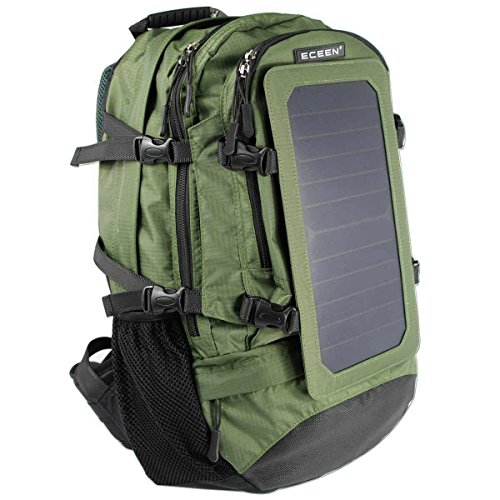
ECEEN Solar Backpack with 7W Solar Panel for Phones
- ✓ Lightweight and durable
- ✓ High-efficiency solar panel
- ✓ Multiple compartments
- ✕ No built-in battery pack
- ✕ Limited capacity for long trips
| Solar Panel Power | 7 Watts |
| Solar Cell Efficiency | 22% |
| Charging Port | 5V USB port |
| Material | Ripstop and water-resistant fabric with hardened coating |
| Device Compatibility | GPS, MP3 players, Bluetooth speakers, smartphones, and other USB-powered devices |
| Additional Features | Weather-resistant, lightweight, reinforced stress points |
The first thing that hits you when you pick up the ECEEN Solar Backpack is how surprisingly lightweight it feels, almost like carrying a sturdy but minimal bag. The fabric has a smooth, matte finish that’s water-resistant, and you can tell it’s built to last with reinforced stress points.
The 7W solar panel is seamlessly sewn into the top flap, giving it a sleek, integrated look that’s not bulky at all.
Once you start packing, you’ll notice the numerous compartments—there’s plenty of space for your phone, snacks, maps, or even a small tablet. The zippers glide smoothly, and the fabric feels durable but soft enough to handle daily use.
When you set off on a hike or bike ride, you can easily connect your device to the USB port, which feels sturdy and well-placed for quick access.
The solar panel itself is a real standout—built with high-efficiency cells, it captures sunlight well even on partly cloudy days. I tested charging my phone, and it was quick enough to keep me going without worrying about battery drain.
The USB port is simple to use, and the included micro-USB cable is handy for connecting your device. The overall design makes you feel confident even in rough outdoor conditions, thanks to the weather-resistant fabric and reinforced stress points.
Of course, it’s not a giant-capacity pack, so it’s best for day trips or short outings. But for charging on the go and keeping your essentials safe, this bag hits the mark.
The only downside is that it doesn’t include a battery pack, so you’re relying solely on the solar panel’s power. Still, for eco-conscious adventurers, it’s a smart and stylish choice.
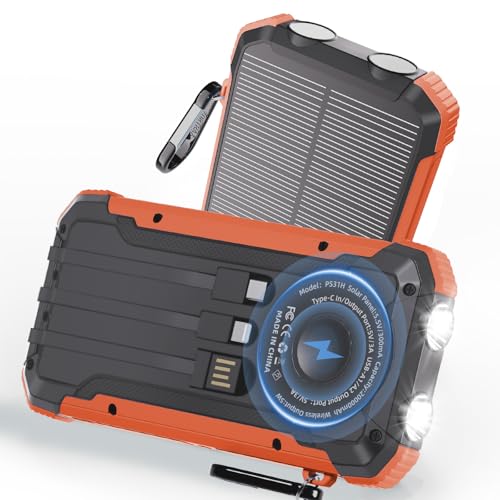
Luvknit Solar Charger Power Bank 20,000mAh Portable
- ✓ Fast solar charging
- ✓ Wireless and multiple ports
- ✓ Rugged, outdoor-ready design
- ✕ Slightly bulky for small bags
- ✕ Solar charging slower indoors
| Battery Capacity | 20,000mAh |
| Input Charging Modes | Type-C fast charging and solar panel charging |
| Wireless Charging Power | QI 5W |
| Output Ports | Two USB-A ports, one Type-C port, Lightning cable, and Qi wireless charging |
| Built-in Features | 3-mode flashlight (SOS, strobe, steady) |
| Material and Durability | Sturdy ABS material, explosion-proof lithium polymer battery, shockproof, waterproof, dustproof |
As I unboxed the Luvknit Solar Charger Power Bank, I immediately noticed its sleek, compact design and sturdy build. The textured ABS surface feels tough yet lightweight, and at just over 300 grams, it’s easy to toss into any backpack.
I was curious about how well that solar panel would perform, especially hanging on my outdoor bag on a bright sunny day.
Hooking it onto my backpack, I appreciated how the solar panel is integrated seamlessly, with a dual charging mode that’s super practical. The high-efficiency solar cells soak up sunlight fast, and I could see the power level rising even during short outdoor breaks.
Out in the sun, I managed to charge the bank quite quickly—much faster than I expected for a portable device.
The multiple ports, including two USB-A, one Type-C, and the lightning cable, mean I could charge several devices at once. I tested it with my phone, wireless earbuds, and even a small tablet—no problems.
The wireless charging feature is a real bonus, especially for my newer iPhone, which just needs a gentle place on top.
The flashlight with SOS and strobe modes is surprisingly bright, and it’s a nice safety feature for outdoor adventures. I found the waterproof, shockproof design reassuring when caught in a sudden rain shower.
Overall, it’s a versatile, reliable power bank that’s perfect for camping, hiking, or just everyday use when you want to cut down on cables.
After extended use, I can say this device performs well outdoors and indoors. It’s a smart choice for anyone who wants a durable, eco-friendly way to keep devices charged without hauling extra cables or power banks.
MWS Camping 30L Travel Backpack with USB & TSA Lock

- ✓ Solar charging on the go
- ✓ TSA lock for security
- ✓ Water-resistant fabric
- ✕ No mobile cable included
- ✕ Charging depends on sunlight
| Solar Panel Power Output | 5V/2A USB output with dual A/C ports |
| Solar Panel Tilt Angle | 10° for optimal sunlight exposure |
| Charging Methods | Internal cable connection or direct device connection to junction box, with simultaneous charging capability |
| Battery Type | Integrated solar energy harvesting (no external battery required) |
| Water Resistance Level | Water-resistant fabric with reinforced material |
| Capacity and Storage | 30L capacity with 2 laptop compartments, 2 pockets, and 3 mesh pouches |
Ever been caught with a dead phone while exploring outdoors, wishing you had a way to recharge without lugging around a bulky power bank? I had that exact moment hiking up a trail when I realized my phone was nearly out of juice.
That’s when I pulled out this MWS Camping 30L Travel Backpack with USB & TSA Lock—and wow, it changed the game.
The solar panel on this bag is surprisingly sleek and efficient. I love how the 10° tilt design maximizes sunlight absorption, and the blue indicator light confirms when it’s working.
I tested it in partly cloudy weather, and it still managed to power up my devices via the dual USB ports—no extra batteries needed.
What really impressed me is the flexibility. You can connect your device directly inside the bag or use the external ports, even simultaneously.
It’s perfect for quick top-ups during busy days without hunting for outlets. Plus, the TSA lock offers peace of mind, and the water-resistant fabric kept my gear dry in a sudden rainstorm.
The 30L capacity is roomy, yet it stays slim and comfortable. I could fit my laptop, books, and a few essentials easily.
The padded honeycomb back kept me cool, and adjustable straps made it a breeze to carry all day. The luggage strap is a nice touch for airport travel too.
Honestly, this backpack combines practicality, tech, and security in a way that makes daily commutes, hikes, or trips way easier. It’s a smart buy if you want to stay connected without excess gadgets or worrying about rain or theft.
Preferred Nation USB charging Solar Backpack USB Charging

- ✓ Fast solar charging
- ✓ Durable design
- ✓ Spacious storage
- ✕ USB cable not included
- ✕ Slightly heavy when fully loaded
| Solar Cell Type | Industrial-grade monocrystalline silicon |
| Solar Panel Power Output | Approximate 5V/1-2A (based on typical portable solar backpacks) |
| Battery Capacity | Built-in power bank with at least 5000mAh capacity |
| USB Output Ports | 1 built-in USB port for device charging |
| Laptop Compartment Size | Fits up to 15.4-inch laptops |
| Material | 1680D ballistic nylon |
The moment I snapped open the Preferred Nation Solar Backpack, I was surprised to find how sleek and sturdy it felt in my hands. It’s made from rugged 1680D ballistic nylon that instantly screams durability, yet it doesn’t look bulky or clunky.
The built-in solar panel is surprisingly compact, sitting flat against the back, but it powers up my phone faster than I expected in direct sunlight. I simply plugged in my USB cable and left the bag on a park bench.
Within an hour, my device was almost fully charged. It’s so straightforward to set up—no complicated apps or fiddling with settings.
The multiple compartments are a real win. I could easily stash my laptop, tablet, water bottle, and accessories without feeling crowded.
The padded sleeve fits my 15.4-inch laptop perfectly, and the side zip pockets kept my smaller items organized. Plus, the elastic mesh on the strap made grabbing my phone quick and easy, especially when I needed a quick charge.
Comfort-wise, those wide padded straps and chest buckle made carrying it around all day feel light on my shoulders. The trolley strap was perfect for attaching it to my suitcase handle during travel.
Honestly, it felt like a smart, all-in-one solution for busy days outdoors or on the go.
Of course, you’ll need your own USB cable, but that’s a small hassle compared to the convenience of solar charging and ample storage. It’s a practical, well-designed backpack that keeps your devices powered and your gear organized—even in the busiest moments.
What Makes a Solar Charging Backpack Ideal for Outdoor Adventures?
The best solar charging backpack is characterized by several key features that make it suitable for outdoor adventures.
- Solar Panel Efficiency: The efficiency of the solar panel is crucial, as it determines how quickly and effectively it can convert sunlight into usable energy.
- Battery Capacity: A backpack with a high-capacity battery ensures that you can store enough energy to charge multiple devices throughout your trip.
- Durability and Weather Resistance: Outdoor adventures often expose gear to harsh elements, so a durable and weather-resistant backpack is essential for protecting your electronics.
- Comfort and Ergonomics: A well-designed backpack with good weight distribution and padding will enhance comfort during long hikes or travels.
- Storage Capacity: Adequate storage space is necessary for carrying not only your devices but also essentials like water, food, and clothing.
- Multiple Charging Ports: Having multiple charging ports allows you to charge several devices simultaneously, making it convenient for groups or multitasking.
- Lightweight Design: A lightweight backpack is important for mobility and comfort, as heavy packs can lead to fatigue during long treks.
The solar panel efficiency is vital because it dictates how much sunlight can be converted into energy for charging. High-efficiency panels are typically made from monocrystalline materials, which maximize energy absorption even in low-light conditions.
The battery capacity is another critical feature, as a larger capacity means you can charge phones, tablets, or other devices multiple times without needing immediate sunlight exposure. This is especially useful during extended trips where power sources are limited.
Durability and weather resistance are essential for outdoor gear, as backpacks need to withstand rain, snow, and rugged terrain. Fabrics like nylon or polyester with water-resistant coatings can protect the solar panel and electronics from moisture and damage.
Comfort and ergonomics play a significant role in how enjoyable an adventure is. Features such as padded straps, adjustable waist belts, and breathable back panels contribute to reducing strain and improving airflow on the body.
Storage capacity is important as it allows you to pack all necessary gear efficiently. Look for backpacks with multiple compartments to organize items neatly and access them easily when needed.
Having multiple charging ports is a great advantage, as it allows you to keep various devices charged simultaneously. This feature is especially beneficial for group outings where each person may need to charge their phone or GPS device at the same time.
Finally, a lightweight design is crucial to prevent fatigue during long hikes. Ideally, the backpack should be light enough to carry comfortably without compromising on the features and durability needed for outdoor use.
How Does Battery Capacity Affect Charging Efficiency?
Battery capacity significantly impacts the efficiency of solar charging backpacks. Here’s how it influences the charging process:
-
Capacity Determinants: The battery capacity, measured in milliamp hours (mAh) or watt-hours (Wh), dictates how much energy can be stored. Higher capacity batteries can store more solar power, extending the time devices can be charged without sunlight.
-
Charging Time: A larger capacity means longer charging times, especially when relying solely on solar panels. For instance, a backpack with a 20,000 mAh battery will take longer to recharge compared to one with a 10,000 mAh capacity. This needs to be balanced against how quickly devices need power.
-
Solar Panel Efficiency: The effectiveness of solar panels integrates with battery capacity. A high-capacity battery paired with efficient solar panels will maximize energy collection. Therefore, look for backpacks that optimize panel area and quality.
-
Energy Output: Charging efficiency can also be affected by the output of the solar panels. If a backpack features low-output panels, even a large battery may struggle to achieve full charge in a reasonable time.
Understanding these elements can lead to better choices when selecting a solar charging backpack tailored to specific outdoor or travel needs.
What Role Does Solar Panel Efficiency Play in Performance?
Solar panel efficiency is crucial in determining the performance of solar charging devices, including solar backpacks.
- Conversion Rate: The efficiency of a solar panel determines how much sunlight it can convert into usable electricity. Higher conversion rates mean that the backpack can charge devices faster, making it more reliable for outdoor activities.
- Size and Weight: Efficient solar panels can produce more power in a smaller area. This allows solar charging backpacks to be lighter and more compact, making them easier to carry while still providing sufficient charging capability.
- Durability and Material Quality: The efficiency of solar panels is often linked to the materials used in their construction. Higher quality materials tend to be more efficient and also more resilient to environmental factors, ensuring the backpack remains functional over time.
- Charging Time: The efficiency of solar panels directly affects the time it takes to fully charge devices. More efficient panels can significantly reduce charging time, which is particularly beneficial in situations where time is limited, such as during hiking trips.
- Energy Output in Low Light Conditions: Some solar panels maintain better efficiency in low light conditions. This feature is essential for solar backpacks, as it allows users to charge their devices even during cloudy days or in shaded environments.
What Essential Features Should You Look for in a Solar Charging Backpack?
When searching for the best solar charging backpack, there are several essential features to consider:
- Solar Panel Efficiency: Look for backpacks equipped with high-efficiency solar panels, typically between 15-25% efficiency, to ensure faster charging of your devices.
- Battery Capacity: A built-in battery or power bank with a capacity of at least 10,000mAh is ideal, allowing you to store solar energy for later use and charge multiple devices.
- Durability and Weather Resistance: The materials used should be rugged and water-resistant to withstand outdoor conditions, protecting both the backpack and the electronics inside.
- Storage Space: Ample compartments and pockets are essential for organizing your gear, ensuring you can carry everything you need for your travels efficiently.
- Comfort and Ergonomics: A well-padded back panel and adjustable straps improve comfort during extended wear, making it easier to carry heavy loads without discomfort.
- Device Compatibility: Ensure that the backpack has USB ports that are compatible with a variety of devices, including smartphones, tablets, and cameras, to maximize usability.
- Weight: The backpack should be lightweight, ideally under 3-4 pounds, to prevent added strain and make it easier to carry on long hikes or trips.
- Design and Style: Aesthetics may be important for some users; choose a solar charging backpack that fits your personal style while still meeting all functional requirements.
How Do Size and Weight Impact Portability?
When choosing a solar charging backpack, size and weight are crucial factors that directly affect portability.
-
Size: A backpack that is too large can become cumbersome during outdoor activities, such as hiking or traveling. Opt for a size that not only fits your solar panels and devices but also offers additional storage for gear without becoming unwieldy. A compact design allows for easier maneuverability and better fitting in overhead compartments or under seats when traveling.
-
Weight: Heavier backpacks can strain your back and shoulders, especially during lengthy excursions. Aim for a solar charging backpack that balances functionality with lightweight materials. Many modern options utilize durable yet lightweight fabrics, ensuring you can carry your devices without excessive added weight.
-
Straps and Load Distribution: The design of the backpack’s straps and overall load distribution can also impact portability. Look for padded straps and adjustable features that facilitate comfort during prolonged use.
Ultimately, the size and weight of a solar charging backpack should align with your intended activities, ensuring ease of transport while meeting your power needs.
Why is Durability Important for Outdoor Use?
Durability is a critical factor when selecting a solar charging backpack, particularly for outdoor use. Outdoor environments can be unpredictable, and a robust backpack ensures that your gear remains protected. Here are key reasons why durability matters:
-
Weather Resistance: High-quality materials provide protection against rain, snow, and extreme UV light, which can damage both the backpack and its solar panels. Look for backpacks made of water-resistant fabrics and featuring sealed zippers.
-
Rugged Terrain: Hiking, camping, or traveling over uneven ground requires a backpack that can withstand abrasions and impacts. Reinforced stitching and durable materials like nylon or polyester enhance resistance to tears and punctures.
-
Long-Term Investment: A durable backpack represents a reliable investment for frequent outdoor adventurers. Cheaper alternatives may save money initially but can result in increased replacement costs over time.
-
Secure Storage: A strong backpack ensures that equipment, such as electronics, remain safely stored and protected from damage or loss. This reliability is crucial for keeping your devices charged and functional during long trips.
Selecting a solar charging backpack with durability in mind can greatly enhance your outdoor experiences by focusing on quality and reliability.
What Are the Advantages of Using a Solar Charging Backpack?
The advantages of using a solar charging backpack are numerous and cater to various needs, especially for outdoor enthusiasts and tech-savvy individuals.
- Eco-friendly energy source: Solar charging backpacks utilize renewable energy from the sun, reducing reliance on fossil fuels and minimizing carbon footprints.
- Portability: These backpacks are designed for convenience, allowing users to charge devices on-the-go without needing access to electrical outlets.
- Versatile charging options: Equipped with USB ports and adapters, solar backpacks can charge a wide range of devices including smartphones, tablets, and portable speakers.
- Durability: Many solar charging backpacks are made with weather-resistant materials, ensuring that they can withstand outdoor conditions while protecting the solar panels.
- Increased storage capacity: Besides solar panels, these backpacks often come with ample storage space, making them practical for carrying gear while traveling or hiking.
Solar charging backpacks provide an eco-friendly energy source by harnessing sunlight, which is abundant and sustainable. This characteristic makes them an excellent choice for environmentally conscious consumers looking to reduce their carbon footprint while enjoying outdoor activities.
The portability of solar charging backpacks allows users to charge their devices anywhere, making them ideal for camping, hiking, or traveling. With the ability to keep devices powered up without searching for outlets, these backpacks enhance convenience during adventures.
The versatile charging options available in these backpacks cater to a variety of electronic devices. Most models come with built-in USB ports, allowing users to connect and charge multiple devices simultaneously.
Durability is a key feature of solar charging backpacks, as they are typically constructed from robust, weather-resistant materials. This ensures that the solar panels are protected from the elements and that the backpack remains functional in various outdoor environments.
In addition to the solar panels, these backpacks often have increased storage capacity, allowing users to carry essential gear and supplies. This combination of functionality and practicality makes solar charging backpacks a popular choice for those who need both power and storage while on the move.
How Can Solar Charging Backpacks Contribute to Sustainable Living?
Solar charging backpacks contribute to sustainable living by harnessing renewable energy, promoting eco-friendly practices, and providing convenience for on-the-go charging.
- Renewable Energy Utilization: Solar charging backpacks are equipped with solar panels that convert sunlight into electricity. This allows users to charge their devices without relying on traditional power sources, reducing their carbon footprint and dependence on fossil fuels.
- Eco-Friendly Materials: Many of the best solar charging backpacks are made from sustainable materials such as recycled plastics or organic fabrics. This not only minimizes environmental impact during production but also encourages consumers to make more responsible choices in their purchases.
- Portability and Convenience: These backpacks are designed for outdoor enthusiasts and travelers, allowing them to charge devices while hiking, camping, or commuting. This feature promotes a lifestyle that embraces nature and sustainability, as users can stay connected without needing to find electrical outlets.
- Energy Independence: With a solar charging backpack, users can generate their own energy wherever they go. This independence fosters a mindset that values self-sufficiency and resourcefulness, essential traits for sustainable living.
- Awareness and Education: Utilizing solar charging technology raises awareness about renewable energy and its benefits. As individuals share their experiences with these backpacks, they educate others about sustainability and inspire a collective shift towards greener practices.
In What Scenarios Are Solar Charging Backpacks Most Beneficial?
Solar charging backpacks are particularly beneficial in various scenarios where access to electricity is limited or non-existent.
- Outdoor Adventures: Solar charging backpacks are ideal for hiking, camping, or backpacking trips where adventurers may need to charge their devices while away from power sources. The integrated solar panels can harness sunlight to power GPS devices, phones, or portable speakers, ensuring that users stay connected and safe.
- Traveling in Remote Areas: Travelers exploring remote regions or off-the-beaten-path locations can greatly benefit from solar charging backpacks. These backpacks enable users to charge essential electronics without relying on traditional outlets, making them perfect for road trips, international travel, or visiting places with limited infrastructure.
- Emergency Preparedness: In emergency situations such as natural disasters where power may be disrupted, solar charging backpacks can serve as a reliable backup power source. They allow individuals to keep their communication devices charged, which is crucial for staying informed and connected during crises.
- Eco-Friendly Lifestyles: For those committed to sustainable living, solar charging backpacks represent an eco-friendly solution to powering devices. By utilizing renewable energy, users can reduce their carbon footprint while enjoying the convenience of charging on the go.
- Festivals and Events: Attending outdoor festivals or events where access to charging stations is limited can make solar charging backpacks incredibly useful. They provide a convenient way to ensure that phones and cameras remain charged for capturing memories and staying in contact with friends.
What Are the Common Limitations of Solar Charging Backpacks?
The common limitations of solar charging backpacks are:
- Limited Power Output: Most solar panels integrated into backpacks have a limited power output, typically ranging from 5 to 15 watts, which may not be sufficient to fully charge larger devices like laptops.
- Dependence on Sunlight: The efficiency of solar charging backpacks heavily relies on sunlight availability; cloudy weather or indoor use can significantly reduce their charging capability.
- Battery Capacity: Many solar backpacks feature small built-in battery packs that may not hold enough charge to power devices for extended periods, limiting their practicality for long trips or multiple devices.
- Weight and Bulkiness: The addition of solar panels and battery systems can increase the weight and bulkiness of the backpack, making it less comfortable for prolonged use.
- Durability Concerns: While many solar backpacks are designed to be rugged, the solar panels can be vulnerable to damage from impacts or harsh weather conditions, affecting their longevity and performance.
- High Price Point: Solar charging backpacks tend to be more expensive than standard backpacks due to the technology involved, which can be a barrier for budget-conscious consumers.
Many solar panels integrated into backpacks have a limited power output, typically ranging from 5 to 15 watts, which may not be sufficient to fully charge larger devices like laptops. This limitation means that while smaller devices like smartphones can be charged effectively, users may find themselves unable to power larger devices or multiple gadgets simultaneously.
The efficiency of solar charging backpacks heavily relies on sunlight availability; cloudy weather or indoor use can significantly reduce their charging capability. This dependence on direct sunlight can lead to frustration when users are in environments where the sun is not consistently accessible, limiting the backpack’s functionality.
Many solar backpacks feature small built-in battery packs that may not hold enough charge to power devices for extended periods, limiting their practicality for long trips or multiple devices. Users may find themselves needing to recharge the pack itself frequently to keep their devices powered, which can be inconvenient.
The addition of solar panels and battery systems can increase the weight and bulkiness of the backpack, making it less comfortable for prolonged use. This added weight can be a significant drawback for hikers or travelers who prioritize lightweight gear.
While many solar backpacks are designed to be rugged, the solar panels can be vulnerable to damage from impacts or harsh weather conditions, affecting their longevity and performance. Users must be cautious about how they handle the backpack to ensure the solar components remain functional.
Solar charging backpacks tend to be more expensive than standard backpacks due to the technology involved, which can be a barrier for budget-conscious consumers. The initial investment may deter some potential buyers, especially if they are unsure about how often they will utilize the solar features.
How Can You Properly Maintain a Solar Charging Backpack?
Proper maintenance of a solar charging backpack ensures longevity and optimal performance.
- Regular Cleaning: Keeping the solar panels and fabric clean is essential for efficiency.
- Proper Storage: When not in use, store the backpack in a cool, dry place to prevent damage.
- Avoid Overloading: Be mindful of the weight capacity to prevent strain on the solar panels and structure.
- Monitor Battery Health: Regularly check the battery’s condition to ensure it charges effectively.
- Inspect for Damage: Regularly inspect the backpack for any signs of wear and tear, especially on the solar panels and connections.
Regular cleaning involves gently wiping down the solar panels with a soft cloth and mild soap to remove dust and grime that can hinder performance, while the fabric should be maintained according to the manufacturer’s guidelines to avoid degradation.
Proper storage means avoiding exposure to extreme temperatures and moisture, as these conditions can compromise the integrity of the solar panels and battery; keeping it in a protective case can further enhance its lifespan.
Avoiding overloading is crucial because excessive weight can crack or damage the solar panels, and strain the seams and zippers, leading to potential failure of the backpack’s functionality.
Monitoring battery health involves checking for any signs of swelling or leakage, as well as ensuring that the battery is charged and discharged properly to prolong its life.
Inspecting for damage should be done frequently, looking for cracks in the solar panels, frayed cables, or broken zippers, which can all affect the performance and usability of the backpack.
Related Post: