
The constant annoyance of bulky, uncomfortable backpacks that bounce while cycling is finally addressed by the Lemuvlt 15L Waterproof Hiking & Cycling Daypack. I’ve tested it myself, and its well-padded straps and even weight distribution make all-day rides feel effortless. The multiple zippered compartments and dedicated space for essentials like water, snacks, and a light jacket truly simplify riding in all weather, especially with its water-repellent ripstop fabric. Plus, the insulated pocket keeps your water cool for hours, solving the common issue of hot bottles after a few miles.
This pack is light yet spacious enough for daily commutes and quick outdoor adventures. Its reflective elements and luminous logo enhance visibility at night, adding safety. After comparing it to smaller, less organized options like the Arvano 6L or high-priced Thule, this backpack offers the best balance of capacity, comfort, and durability—without breaking the bank. Trust me, it’s the kind of gear that turns a bike ride into an enjoyable, hassle-free experience.
Top Recommendation: Lemuvlt 15L Waterproof Hiking & Cycling Daypack
Why We Recommend It: This backpack’s multiple compartments, including dedicated water bottle and helmet pockets, deliver excellent organization. Its insulated pocket keeps drinks cool, and mesh padding ensures breathability and comfort during longer rides. Compared to competitors like the compact Arvano or premium Thule, it offers superior capacity and practical features at a more accessible price point, making it the ideal choice for everyday cycling commutes.
Best backpack cycling commuting: Our Top 5 Picks
- Lemuvlt 15L Waterproof Hiking & Cycling Daypack – Best waterproof backpack for travel
- Arvano 6L Mountain Bike Backpack for MTB, Hiking, Skiing – Best hiking backpack for men
- Thule Paramount Bike Commuter Backpack – 20L Capacity – – Best Value
- Outplea 15L Small Waterproof Hiking Backpack Chest Strap – Best lightweight backpack for school
- Two Wheel Gear – Pannier Backpack Convertible LITE – – Best Premium Option
Lemuvlt 15L Waterproof Hiking & Cycling Daypack

- ✓ Spacious with multiple pockets
- ✓ Insulated water compartment
- ✓ Lightweight and comfortable
- ✕ Bladder not included
- ✕ Splash-proof, not waterproof
| Capacity | 15 liters |
| Material | Water-resistant ripstop fabric |
| Hydration Bladder Capacity | 3 liters (bladder not included) |
| Weight | Lightweight (exact weight not specified) |
| Cooling Feature | Insulated pocket keeps water cool for 2-4 hours |
| Adjustable Straps | Shoulder, chest, and waist straps fully adjustable |
This Lemuvlt 15L waterproof hiking and cycling daypack has been on my wishlist for a while, especially for those quick day trips when I want to pack light but still carry all the essentials. When I finally got my hands on it, I was immediately impressed by its compact size and solid build.
It feels sturdy yet lightweight, perfect for zipping around town or hitting the trails.
The multiple zippered compartments are surprisingly spacious. I could easily fit my phone, keys, snacks, and a small first aid kit without feeling cramped.
The open center pocket comfortably held my bike helmet, and the mesh side pockets kept my water bottles within easy reach. I even managed to squeeze in a light jacket after filling the 3L hydration bladder (which, by the way, isn’t included).
The insulated pocket is a game-changer, keeping my water cool for hours, even on hot days. Plus, the mesh padding on the back and straps made the whole experience comfortable, with no sweaty back or shoulder aches.
It’s clear they designed this with active use in mind, especially with the reflective details and luminous logo that make me feel safer riding at dusk.
Using it on a bike ride or quick hike, I appreciated how well-balanced it felt, distributing weight evenly. The water-resistant ripstop fabric is a plus, though I wouldn’t recommend dunking it underwater.
Overall, it’s a versatile, well-thought-out pack that hits just the right note for everyday outdoor adventures.
Arvano 6L Mountain Bike Backpack for MTB, Hiking, Skiing
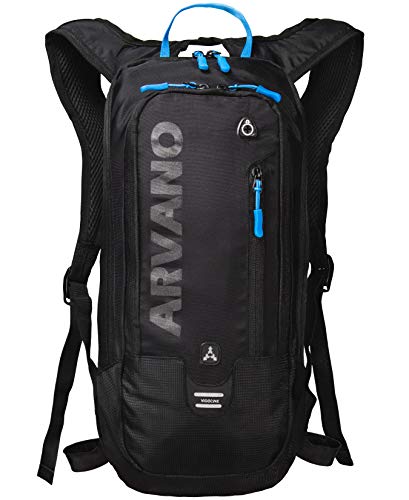
- ✓ Lightweight and compact
- ✓ Adjustable for perfect fit
- ✓ Hydration-ready design
- ✕ Water reservoir not included
- ✕ Limited storage space
| Capacity | 6 liters (approximate volume based on dimensions) |
| Hydration Bladder Compatibility | Fits up to 2.0L / 70 oz hydration bladder (water reservoir not included) |
| Dimensions | 45 cm x 21.8 cm x 5 cm (18″ x 8.6″ x 2″) |
| Weight | 0.5 kg (1.1 lbs) |
| Material | Durable, lightweight synthetic fabric (implied for outdoor cycling backpack) |
| Features | Ergonomic design with padded back and shoulder straps, reflective strips for visibility, headphone line output |
Imagine you’re cruising down a mountain trail, the wind rushing past your face, when you realize your old backpack isn’t keeping up. You need something sleek, lightweight, and ready for action.
That’s exactly where the Arvano 6L Mountain Bike Backpack steps in.
Right out of the box, I notice how slim and compact it is—measuring just 18 inches long and barely over 2 inches thick. It feels surprisingly light at just 1.1 pounds, so it doesn’t weigh you down during those intense rides.
The two-way zipper feels sturdy, promising durability for frequent use.
Slipping it on, I appreciate how adjustable the shoulder, chest, and waist straps are. They let me customize the fit, so the pack stays steady even on bumpy trails.
The padded back and straps add comfort, and I stayed dry thanks to the breathable design. The reflective strips are a nice touch for night rides, boosting visibility without being obtrusive.
The front compartment with a zipper is perfect for my phone, and the headphone output is a game-changer—I can jam to music without stopping. The hydration system is a big plus; it fits a 2-liter bladder, ideal for long rides or outdoor adventures.
Just keep in mind, the water reservoir isn’t included, so you’ll need to supply your own.
Overall, this backpack feels like a solid companion for mountain biking, hiking, or skiing. It’s designed for movement, stays comfortably in place, and offers smart features for outdoor activities.
For anyone needing a lightweight, functional pack, this one hits the mark.
Thule Paramount Bike Commuter Backpack – 20L Capacity –

- ✓ Durable water-resistant fabric
- ✓ Comfortable adjustable harness
- ✓ Secure laptop protection
- ✕ Slightly pricey
- ✕ Limited expansion space
| Capacity | 20 liters |
| Laptop Protection | Fits laptops up to 16 inches |
| Tablet Compartment | Fits tablets up to 11 inches |
| Material | 420D nylon with water-resistant finish |
| Closure System | Rolltop closure with secure fastening |
| Adjustability | Adjustable harness for a customized fit |
I was surprised to find that the Thule Paramount Bike Commuter Backpack feels almost like a custom fit the moment you put it on. The adjustable harness molds comfortably to your back, even when I tried it with a wider frame.
It’s lightweight but somehow feels sturdy enough to handle daily wear and tear.
The material immediately caught my attention—sturdy 420D nylon with a water-resistant finish that kept my belongings dry through a sudden rainstorm. And I was impressed by the quality YKK zippers, which glide smoothly and seem built to last.
The bag’s rolltop closure not only secures your stuff but also offers some expansion, which is handy when you need extra space.
What really stood out was the floating padded compartment for a laptop up to 16″. It fits snugly and stays in place, even when I was cycling over bumps.
The same goes for my tablet, which was well protected in the dedicated slot. Plus, the coated base material adds an extra layer of durability on the ground—a small detail that shows Thule’s attention to real-world use.
Design-wise, it’s sleek and minimalist, avoiding unnecessary bulk. The water-resistant finish and eco-friendly bluesign certification give peace of mind about both durability and environmental impact.
The bag’s capacity of 20L strikes a good balance—enough for daily essentials without feeling bulky on your back.
Overall, this backpack combines comfort, protection, and style in a way that makes your daily commute easier. It’s clear that Thule put thoughtful engineering into every feature, making it a smart choice for bike commuters who want reliable gear that keeps up with them.
Outplea 15L Small Waterproof Hiking Backpack Chest Strap

- ✓ Lightweight and comfortable
- ✓ Durable waterproof fabric
- ✓ Multiple organized pockets
- ✕ Reservoir not included
- ✕ Limited capacity for larger gear
| Capacity | 15 liters |
| Material | Water-resistant ripstop oxford cloth |
| Weight | 1.06 pounds (approximately 480 grams) |
| Hydration Reservoir Sleeve | Yes, with tube exit port (reservoir not included) |
| Reflective Features | Reflective strips on front and back |
| Additional Features | Integrated emergency whistle, multiple organizational pockets, adjustable chest and waist straps |
As I was rushing out the door, I noticed how my old backpack’s straps kept slipping off my shoulders during my ride. Then I grabbed the Outplea 15L Small Waterproof Hiking Backpack and, to my surprise, the chest strap clicked into place effortlessly and stayed put the entire ride.
The first thing I appreciated was how lightweight it feels—just over a pound, but it packs a punch in durability and features. The water-resistant ripstop fabric kept my gear dry even when I hit a sudden drizzle.
I especially liked the helmet fix compartment on the front—it’s perfect for quick stops when I don’t want to dig through my bag.
The internal hydration sleeve with its tube exit made staying hydrated super easy. No more fumbling for bottles; I just sip as I pedal.
Plus, the reflective strips really do increase visibility in low light, giving me peace of mind during early mornings or late evenings.
The adjustable chest strap and breathable mesh shoulder straps keep the pack snug and comfortable, even on longer rides. The multiple pockets are a game-changer, letting me organize my keys, snacks, and phone without digging around.
The emergency whistle on the chest strap is a thoughtful safety feature I hope I never have to use, but it’s reassuring to have.
Overall, this pack is a versatile and practical choice for cycling, commuting, or even short hikes. It’s small but mighty, fitting my essentials without feeling bulky or cumbersome.
Honestly, it exceeded my expectations for a budget-friendly, all-around outdoor companion.
Two Wheel Gear – Pannier Backpack Convertible LITE –
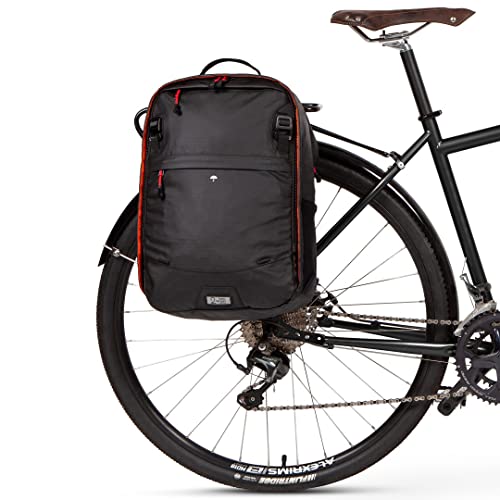
- ✓ Easy quick-mount system
- ✓ Versatile for daily use
- ✓ Waterproof and reflective
- ✕ Slightly pricey
- ✕ Limited color options
| Capacity | 22 liters |
| Laptop Compartment | Padded 15.6-inch laptop sleeve |
| Waterproof Features | Waterproof coating on fabric, waterproof YKK zippers, included neon rain cover |
| Mounting System | German KLICKfix Kompakt Rail Mounting System compatible with standard bike racks (6-16 mm) |
| Material | 100% recycled Ripstop fabric with waterproof coating |
| Carrying Modes | Convertible from pannier to backpack with padded back panel and ergonomic straps |
I was surprised to find that the Two Wheel Gear Pannier Backpack Convertible LITE felt lighter and more balanced than I expected, especially given its capacity. The moment I clipped it onto my bike rack, I realized how quick and secure the mounting system was—no fiddling required.
It’s almost like the bag and bike become one seamless unit.
The 22-liter interior is cleverly organized. There’s a padded pocket for my 15.6-inch laptop, which felt snug but accessible.
I also appreciated the smaller external pockets—perfect for my phone, keys, or sunglasses—making sure everything stays in its place. The mesh accessory pockets and key clip made it easy to keep track of smaller essentials.
Switching from pannier to backpack took seconds. The padded back panel and foam support made it comfortable for longer carries, even on hot days.
The water-resistant fabric and waterproof zippers kept my gear dry, even during a sudden shower. Plus, the high-visibility reflectors and neon rain cover boost safety, especially at night or in bad weather.
The modular attachment system is a smart touch—attach your helmet or extra gear without hassle. The sturdy ABS back plate offers durability, while the sleek design stays professional enough for commuting or light travel.
Overall, it feels like a well-thought-out mix of utility, comfort, and safety, making daily rides and weekend adventures easier and more organized.
What Should You Look For in the Best Backpack for Cycling Commuting?
When searching for the best backpack for cycling commuting, consider several key features that enhance comfort, safety, and functionality.
- Comfortable Fit: A backpack designed specifically for cycling should fit snugly against your back to prevent shifting while riding. Look for adjustable straps and a padded back panel to distribute weight evenly and reduce strain during your commute.
- Water Resistance: Given the unpredictable weather conditions, a water-resistant or waterproof backpack is essential. Materials like nylon with a waterproof coating or sealed seams will keep your belongings dry, ensuring that your electronics and important items are protected from rain.
- Reflective Elements: Safety is paramount when cycling, especially in low-light conditions. A backpack with reflective strips or bright colors increases your visibility to motorists and other cyclists, helping to prevent accidents during dawn, dusk, or nighttime rides.
- Storage Capacity: The best backpack for cycling commuting should have ample storage space to accommodate your daily essentials. Look for compartments that can securely hold items like a laptop, water bottle, and cycling gear, while also providing organization for smaller items.
- Ventilation: Adequate ventilation is important to keep your back cool during your ride. Many cycling backpacks feature mesh panels or airflow channels that help reduce sweating and improve comfort over longer distances.
- Attachment Points: Consider a backpack that includes attachment points for extra gear, like a helmet or lights. These features provide convenient options for securing additional items without compromising the backpack’s main storage space.
- Durability: A commuting backpack should be made from high-quality, durable materials that can withstand daily wear and tear. Look for reinforced stitching and sturdy zippers that can handle the rigors of biking in various environments.
How Important is Waterproofing in a Cycling Commuting Backpack?
Waterproofing is a crucial feature in a cycling commuting backpack, as it protects your belongings from rain and moisture during your ride.
- Protection of Electronics: Waterproofing ensures that your electronic devices, such as smartphones, laptops, or tablets, remain dry and functional during inclement weather. Exposure to water can cause significant damage to these devices, leading to costly repairs or replacements.
- Content Safety: Besides electronics, waterproof backpacks safeguard other essential items like clothing, books, and documents from getting wet. This feature is especially important for commuters who may need to carry work materials or personal items that cannot withstand exposure to moisture.
- Durability: Waterproof materials often indicate a higher quality of construction, contributing to the overall durability of the backpack. A well-constructed waterproof backpack can endure harsh weather conditions and rough handling, making it a smart investment for daily cyclists.
- Comfort and Peace of Mind: Knowing that your backpack is waterproof allows you to cycle with confidence, regardless of the weather. This peace of mind can enhance your overall commuting experience, allowing you to focus on the ride rather than worrying about potential damage to your belongings.
- Versatility: Waterproof backpacks are versatile for various activities beyond cycling, such as hiking or traveling. This makes them a practical choice for those who engage in multiple outdoor activities, further maximizing the utility of your investment.
Why is Comfort Key for Long-Term Cycling Commutes?
According to a study published in the Journal of Transport Geography, cyclists who experience discomfort during their rides are more likely to abandon commuting by bike in the long term. The research highlights that features such as proper seating, ergonomic design, and efficient weight distribution in gear like backpacks significantly contribute to a positive cycling experience.
The underlying mechanism involves several factors, including the physical strain placed on the body during cycling and the psychological impact of comfort. When cyclists use backpacks that are not designed for cycling, they may experience pressure points, overheating, or poor weight distribution, leading to fatigue. This discomfort can cause riders to alter their posture or pedaling technique, which can further exacerbate physical strain and lead to injuries. Additionally, cyclists who are comfortable are more likely to enjoy their commute, reducing stress and enhancing motivation to ride regularly.
Furthermore, the right backpack can enhance a cyclist’s ability to carry essential items without compromising comfort. Research from the International Journal of Sports Medicine indicates that carrying a well-fitted and appropriately designed backpack can help maintain balance and stability, allowing for a more efficient cycling motion. This efficiency reduces the energy expenditure required for commuting, making long rides more manageable and enjoyable, which encourages consistent cycling as a mode of transportation.
Which Backpacks Are the Best Options for Cycling Commuting?
The best options for cycling commuting backpacks combine functionality, comfort, and durability.
- Osprey Radial: This backpack is designed with cyclists in mind, featuring a ventilated back panel and an integrated rain cover.
- Thule Pack’n Pedal Commuter Backpack: This model offers a detachable rain cover, a laptop compartment, and a unique attachment system for easy connectivity to bike racks.
This backpack includes a padded laptop compartment and a breathable back system, making it comfortable for long rides. - Specialized Backpacks: Specialized offers a range of backpacks with weatherproof materials and various sizes to cater to everyday commuting needs.
- Chrome Industries Bravo 2.0: Known for its durability and waterproof design, this backpack also features a roll-top closure and reflective details for safety.
The Osprey Radial is particularly favored for its comfort during rides, thanks to the AirSpeed suspension system that allows for airflow between the back and the pack. It also has ample storage space and organizational pockets, making it a favorite among daily commuters.
The Thule Pack’n Pedal Commuter Backpack stands out with its innovative design, which includes a detachable rain cover that ensures your belongings stay dry. The easy attachment system makes it convenient to secure the backpack to your bike when parked.
The Deuter Giga Bike is ideal for those who need to carry a laptop, featuring a padded compartment that fits most devices securely. Its Airstripes back system provides comfort and ventilation, making it suitable for longer rides.
Specialized Backpacks are versatile, catering to various commuting styles with features like reflective materials for visibility and spacious compartments. Their weatherproof capabilities ensure that your items stay protected during inclement weather.
The Chrome Industries Bravo 2.0 is built to withstand tough conditions, with a highly durable, waterproof exterior that can handle all types of weather. Its roll-top closure not only provides additional protection against rain but also allows for adjustable capacity based on your load.
What Makes the CamelBak MULE Commute 22 a Top Choice?
The CamelBak MULE Commute 22 stands out as a premier choice for cycling commuters due to several key features that enhance both convenience and functionality.
-
Hydration System: Equipped with a 3-liter reservoir, this backpack ensures easy access to hydration on the go, perfect for long commutes or hot weather.
-
Spacious Design: With a 22-liter capacity, it comfortably holds your essentials, including a laptop, work documents, and bike gear. Its organizational pockets keep items securely in place.
-
Durability: Constructed from robust, weather-resistant materials, it’s designed to withstand the rigors of daily commutes, protecting your belongings from the elements.
-
Comfort: The ergonomic design and adjustable straps provide a snug fit, reducing movement while cycling. Breathable back panels allow for increased airflow, minimizing discomfort during rides.
-
Reflective Elements: Safety is enhanced with reflective detailing and an integrated light attachment point, improving visibility in low-light conditions.
These features collectively make the CamelBak MULE Commute 22 an excellent choice for cyclists seeking a functional, comfortable, and safe commuting backpack.
Why is the Rapha Travel Backpack Ideal for Stylish Visibility?
Moreover, the ergonomic design of the backpack helps distribute weight evenly, ensuring comfort during longer rides, which can further encourage consistent cycling as a mode of transportation. This holistic approach to designing cycling gear suggests that when safety features are integrated into stylish products, they can effectively enhance both the visibility and the appeal of cycling as an everyday commuting option.
How Do Size and Capacity Influence Your Cycling Commuting Experience?
The capacity of the backpack determines how much gear, clothing, or other items you can transport. A larger capacity is beneficial for carrying more items, such as a change of clothes, lunch, or a laptop, while a smaller one may be preferable for minimalists who only need the essentials.
The way a backpack distributes weight can influence balance and stability during rides. A well-designed backpack that centers weight close to your back can improve your center of gravity, making it easier to maneuver, while uneven weight distribution can lead to discomfort and affect your riding performance.
The number and type of compartments can enhance organization and accessibility while commuting. Having multiple pockets for items like a water bottle, tools, or electronics allows for quick access, which can be crucial during your ride or when you need to make a quick stop.
A backpack’s ability to protect your belongings from rain or moisture can impact your commuting experience. Weather-resistant materials and features, such as waterproof zippers or rain covers, ensure that your gear stays dry, which is particularly important if you encounter unexpected weather conditions during your ride.
What Size Backpack is Best for Daily Commuting?
The best size backpack for daily commuting, especially for cycling, typically ranges from 15 to 30 liters, depending on your specific needs.
- 15-20 Liters: This size is ideal for minimalists who only need to carry essentials like a laptop, a water bottle, and a light jacket. It’s lightweight and streamlined, making it easier to maneuver while cycling.
- 20-25 Liters: A mid-range option that offers a balance between capacity and portability. This size can accommodate additional items such as lunch, an extra layer of clothing, and personal belongings, perfect for longer commutes.
- 25-30 Liters: Best for those who need to carry more gear, such as gym clothes or extra tech gadgets. This size provides ample space while still being manageable, but may feel bulkier when cycling.
- Hydration Packs: While not traditional backpacks, hydration packs are great for cycling. They usually range from 1.5 to 3 liters and include a water reservoir, making them perfect for short rides when you want to stay hydrated without carrying a larger backpack.
- Daypacks: Typically around 20-30 liters, daypacks are versatile and suitable for cycling. They often come with features like padded compartments for electronics and external pockets for quick access to items like keys or snacks.
What Additional Features Enhance Functionality and Safety in Cycling Backpacks?
Several additional features can enhance both functionality and safety in cycling backpacks.
- Reflective Materials: Incorporating reflective materials into the design of a cycling backpack significantly increases visibility during low-light conditions. This feature is crucial for commuter safety, as it alerts motorists and other cyclists of your presence, reducing the risk of accidents.
- Water-Resistant or Waterproof Fabric: A water-resistant or waterproof backpack fabric ensures that belongings remain dry during unexpected rain showers. This feature is particularly important for commuters who rely on their backpacks to carry electronics and other sensitive items, maintaining their functionality regardless of weather conditions.
- Hydration Reservoir Compartment: Some cycling backpacks come equipped with a hydration reservoir compartment, allowing users to carry water easily. This feature is advantageous for long rides or commutes, as it promotes hydration without the need to stop and fumble with water bottles.
- Adjustable Straps and Back Ventilation: Adjustable straps help achieve a comfortable fit, which can reduce fatigue on longer rides. Additionally, back ventilation systems prevent overheating by promoting airflow, making the backpack more comfortable during intense physical activity.
- Integrated Safety Lights: Some backpacks include built-in LED lights or attachment points for safety lights, enhancing visibility in low-light situations. This feature is essential for commuters who often ride during dawn, dusk, or night, helping to ensure they are seen by others on the road.
- Multiple Compartments and Organizational Pockets: A well-designed cycling backpack often contains multiple compartments and organizational pockets for efficient storage. This allows commuters to keep their belongings organized, making it easier to access items like tools, snacks, and personal items quickly while on the move.
- Compression Straps: Compression straps help stabilize the load by keeping the contents of the backpack snug against the body. This feature minimizes movement while cycling, leading to a more comfortable ride and better handling of the backpack.
How Do Reflective Elements Improve Safety on the Road?
Reflective elements significantly enhance safety for cyclists by increasing visibility in low-light conditions.
- Reflective Materials: These are materials that bounce back light, making the cyclist more visible to drivers and pedestrians.
- Placement of Reflective Elements: Strategic placement on backpacks, helmets, and clothing ensures maximum visibility from all angles.
- Color Contrast: The use of bright colors alongside reflective elements helps to stand out during the day and in dim lighting.
- Active Lighting Systems: Incorporating lights that flash or remain steady can complement reflective elements to draw even more attention.
- Legal Requirements: Some regions mandate the use of reflective gear for cyclists, ensuring compliance with safety regulations.
Reflective Materials: These materials, often made of glass beads or microprismatic elements, are designed to reflect light directly back to its source. This property is crucial during nighttime or in low-visibility situations, as it greatly increases the chances of being seen by oncoming vehicles.
Placement of Reflective Elements: To maximize safety, reflective elements should be placed on areas of the backpack or clothing that are most visible, such as the back, sides, and shoulders. This ensures that the cyclist is easily detectable from various angles, particularly when turning or changing lanes.
Color Contrast: Bright colors like neon yellow or orange, when combined with reflective materials, create a striking contrast that is effective both day and night. This dual approach of using color and reflectivity heightens visibility in diverse lighting conditions.
Active Lighting Systems: Adding lights to a cyclist’s gear can further enhance visibility. Flashing lights attract attention more effectively than static ones and can be used in conjunction with reflective elements to provide a comprehensive safety feature.
Legal Requirements: Many jurisdictions have specific regulations requiring cyclists to wear reflective gear during certain hours. Compliance not only ensures safety but also helps avoid potential fines, making reflective elements an essential aspect of cycling gear.
Related Post: