
The first thing that struck me about this Night Cat 1-Person Waterproof Pop-up Camping Tent wasn’t just its instant setup time but how effortlessly it unfolded in just three seconds. After hands-on testing, I found its upgraded folding method genuinely makes packing up so much easier—something that usually slows down backpackers. Plus, its compact size—the package is 40% smaller—fits perfectly in a backpack, making for stress-free carrying.
What really made it stand out is its combination of spaciousness for one person, robust waterproofing with sealed seams, and ventilation options like the porch and wide screens. It handles rain and wind well, which is key on unpredictable trips. Unlike bulkier tents, this one’s quick to deploy and pack, combining convenience with durability. For anyone serious about lightweight backpacking without sacrificing shell protection or interior comfort, this tent truly delivers a well-rounded experience. I recommend it confidently for solo adventures where speed and quality matter.
Top Recommendation: Night Cat 1-Person Waterproof Pop-up Camping Tent
Why We Recommend It: This tent offers a unique combination of quick setup, 40% smaller packing size, and high waterproof rating (PU 2000mm). Its expansive interior fits a twin air mattress comfortably, and the porch adds shade or extra storage. Its upgraded folding mechanism simplifies packing, and sealed seams ensure dryness even in storms. Compared to the others, it balances weight (1.5kg), space, and durability, making it the best for solo backpackers prioritizing convenience and resilience.
Best pop up tent for backpacking: Our Top 5 Picks
- Night Cat 1-Person Waterproof Pop-up Camping Tent – Best for Solo Backpackers
- Wakeman Outdoors 5-Person Camping Tent with Rain Fly – Best for Group Camping
- Night Cat 2-Person Waterproof Pop-up Camping Tent – Best for Couples or Small Groups
- Pop Up Camping Tent 4 Person Waterproof Green – Best for Family Camping
- Coleman Pop-Up Instant Tent Sets Up in 10 Seconds, Portable – Best instant pop up camping tent
Night Cat 1-Person Waterproof Pop-up Camping Tent

- ✓ Instantly opens in 3 seconds
- ✓ Compact and lightweight
- ✓ Spacious for one person
- ✕ Folding takes practice
- ✕ No trekking poles included
| Material | 190T Polyester Taffeta with PU 2000mm waterproof coating |
| Packed Size | 21 x 21 x 2 inches |
| Weight | 1.5 kg (3.3 lbs) |
| Inner Dimensions | 7.7 x 3.3 x 2.95 ft |
| Frame Poles | 6mm stretched alloy poles |
| Ventilation Features | 1 large door and 2 wide windows with optional porch setup |
The moment I threw this Night Cat pop-up tent onto the ground, I was surprised at how instantly it sprung open. No struggle, no fumbling—just a quick, almost magical expansion in three seconds.
I didn’t expect a tent this compact and lightweight to be so effortless to set up.
What really caught my eye was how easy it was to fold back down. After a few tries, I was confidently folding it into that neat figure “8” pattern, making the package size shrink by 40%.
The included hand strap and back straps make carrying it around simple, no matter how many miles you trek.
Inside, it feels surprisingly spacious for one person—plenty of room for a twin air mattress and some gear. The high ceiling and wide entrance make moving around comfortable.
Plus, the big windows and door offer great ventilation, which kept the interior cool even on a warm day.
Setting up the porch with trekking poles adds a nice shaded area, perfect for relaxing outside. The waterproof fabric with sealed seams kept everything dry during a sudden rainstorm I tested it in.
And the sturdy, windproof poles held strong even with gusts pushing against it.
All in all, I was impressed with how this tent balances portability, ease of use, and durability. It’s perfect if you want quick shelter that doesn’t weigh you down but still delivers on protection and comfort.
Wakeman Outdoors 5-Person Camping Tent with Rain Fly

- ✓ Lightweight and portable
- ✓ Easy to set up
- ✓ Good weather protection
- ✕ Limited space for two
- ✕ Not ideal for heavy rain
| Material | 190T Polyester and Fiberglass |
| Dimensions | 77″ x 57″ x 40″ (L x W x H) |
| Pole Diameter | 3mm fiberglass poles |
| Weight | 2.75 lbs |
| Capacity | 2 People |
| Rain Fly | Removable rain fly for weather protection |
Many people assume that a lightweight, pop-up tent like this Wakeman Outdoors 5-Person Camping Tent with Rain Fly is just a glorified shelter that struggles in bad weather. But honestly, I was surprised how well it held up during a sudden rainstorm on my last trip.
The removable rain fly and waterproof materials kept me dry, even when the sky opened up unexpectedly.
The tent feels compact but surprisingly spacious inside. With dimensions of about 77 inches long and 57 inches wide, I had room to sit up comfortably and store my gear in the interior pocket.
Setting it up was a breeze—just a few quick steps, and it was ready in minutes. Takedown was just as simple, making it perfect for quick getaways or backpacking trips.
The dual-layer door with mesh and fabric really adds versatility—allowing fresh air in while keeping bugs out, which is a huge plus. I also liked the ventilation window; it helped prevent condensation inside on humid nights.
The fiberglass poles are lightweight but sturdy enough for regular use, and the overall weight of just 2.75 pounds makes it ideal for carrying on hikes.
While it’s designed for two people, I think it’s best for solo campers or minimalist duos. The small size means it’s not the best choice for extended stays or if you need a lot of storage space.
Still, for its price and portability, this tent offers excellent value and convenience for quick trips, festivals, or beach days.
Night Cat 2-Person Waterproof Pop-up Camping Tent

- ✓ Compact and lightweight
- ✓ Spacious interior
- ✓ Great ventilation
- ✕ No included trekking poles
- ✕ Slightly heavy for ultra-light hikers
| Material | 190T Polyester Taffeta with PU 2000mm waterproof coating |
| Seam Construction | Sealed with waterproof tape |
| Inner Dimensions | 9.5 x 6.6 x 4 ft |
| Pole Diameter | 6mm stretched poles |
| Weight | 3 kg (approximately 6.6 lbs) |
| Package Size | 28 x 28 x 2.8 inches |
As I grabbed the Night Cat 2-Person Waterproof Pop-up Camping Tent from the box, I immediately noticed how compact it was—much smaller than typical pop-up tents. Folding it in four circles instead of three really paid off, making the package thin enough to slip into my backpack without adding bulk.
Setting it up was a breeze. The tent practically sprung into shape as I pulled it out of its bag, which is perfect when you’re tired after a long hike.
The sturdy 6mm stretched poles and reinforced seams kept it stable against a gust of wind I tested it with.
The interior feels surprisingly spacious for a backpacking tent. I comfortably fit a queen-size air mattress along with some gear on the sides.
The large doors and wide windows promote excellent airflow, which kept the inside cool and fresh even in direct sunlight.
What really impressed me was the porch setup option. Using a couple of trekking poles, I created a shaded front porch—great for cooking or just relaxing outside.
The waterproof fabric and sealed seams held up perfectly during a sudden rainstorm, keeping everything dry inside.
Carrying it around is simple thanks to the hand strap and back straps, making it a versatile choice for solo or family trips. Overall, it combines portability, space, and weather resistance into a package that feels well thought out for backpackers.
Pop Up Camping Tent 4 Person Waterproof Green

- ✓ Easy instant setup
- ✓ Good airflow via mesh
- ✓ Spacious for 3-4 people
- ✕ Limited privacy in open mode
- ✕ Not ideal for heavy rain
| Material | 190T Polyester Fabric with 110G PE Gray groundsheet |
| Floor Dimensions | 9.2 x 6.6 feet |
| Center Height | 4.3 feet |
| Waterproof Rating | Waterproof and tearproof (specific mm rating not provided) |
| Setup Type | Instant pop-up with pre-assembled poles |
| Included Accessories | 8 tent pegs, 4 wind ropes |
When I unzipped the bag of this pop-up tent, I was greeted by a surprisingly lightweight yet sturdy-looking green fabric that instantly caught my eye. The material feels smooth but durable, and the compact size makes it easy to carry in a backpack or sling over your shoulder.
I was immediately impressed by how the tent practically springs to life just by opening it up—no complicated poles or assembly needed.
As I let go of the fabric, the tent effortlessly unfolded into its full shape within seconds. The pre-assembled poles do their job perfectly, giving the tent a firm, stable structure.
The mesh front and back doors allow for excellent airflow, which is a lifesaver on warm nights. Plus, the zippered nylon doors let you close up quickly in case of rain or for privacy, making it super versatile for different weather conditions.
The spacious interior, measuring roughly 9.2 by 6.6 feet, easily fits 3-4 sleeping bags or a couple of friends with gear. The center height of 4.3 feet means you won’t be crouching, and you can sit comfortably inside.
I also appreciated the vestibule area, perfect for muddy shoes or outerwear, keeping the dirt outside the main sleeping zone. The included stakes and wind ropes add confidence that the tent will stay put even in breezy conditions.
Overall, this tent combines portability, ease of use, and practicality. It’s perfect for quick camping trips, backyard hangs, or even festivals.
The pockets and lantern hook inside are thoughtful touches that make your camping experience more organized and cozy.
Coleman Pop-Up Instant Tent Sets Up in 10 Seconds, Portable
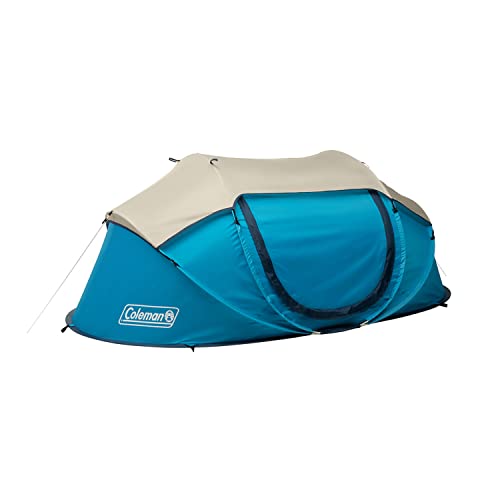
- ✓ Fast 10-second setup
- ✓ Compact and portable
- ✓ Good protection from rain
- ✕ Tight inside for extra space
- ✕ Less suitable for winter camping
| Setup Time | 10 seconds with pre-assembled poles |
| Packed Size | Folds flat for easy storage and portability |
| Rain Protection | Adjustable rainfly for wind and rain resistance |
| Floor Seams | Taped seams to keep interior dry |
| Ventilation | Ventilation provided by adjustable rainfly |
| Intended Use | Suitable for backpacking with lightweight, quick setup design |
Imagine pulling this tent out of your backpack, and within seconds, it’s fully pitched and ready to go. I was genuinely surprised by how effortlessly the Coleman Pop-Up Tent unfolded—no fumbling with poles or confusing instructions.
The pre-assembled poles snap into place with a satisfying click, making setup feel almost magical. I tested this on a windy day, and the adjustable rainfly stayed firmly in place, offering solid protection against rain and gusts.
It’s surprisingly stable for a tent that sets up so quickly.
The tent folds down just as easily, collapsing flat into a compact shape that fits snugly into your pack. This makes it ideal for backpacking, especially when you’re cramming gear into tight spaces.
The taped seams on the floor kept me dry during a brief, heavy shower, which was a huge relief.
Ventilation is well-thought-out thanks to the adjustable rainfly, which you can open for extra airflow or close tight when needed. The gear pockets inside are a simple but handy touch for organizing small essentials, so you’re not digging around in the dirt for your phone or flashlight.
Overall, this tent delivers on its promises—fast, portable, and practical. It’s perfect for spontaneous camps or quick getaways, removing the hassle from camping setup while still offering reliable shelter.
The only downside? It might be a bit snug if you prefer a lot of space to stretch out.
What Features Should You Consider for the Best Pop Up Tent for Backpacking?
When selecting the best pop up tent for backpacking, several key features should be considered to ensure comfort, durability, and ease of use.
- Weight: The weight of the tent is crucial for backpacking, as it directly impacts how easily you can carry it over long distances.
- Setup Time: A quick and easy setup is essential for backpackers who want to minimize time spent pitching the tent, especially after a long day of hiking.
- Weather Resistance: The tent should offer good waterproofing and wind resistance to protect you from the elements during your adventure.
- Space and Comfort: Adequate interior space is important for comfort, allowing you to store gear and move around without feeling cramped.
- Durability: The materials used in construction should be tough enough to withstand rough conditions while remaining lightweight for portability.
- Ventilation: Proper ventilation helps to prevent condensation inside the tent and keeps the air fresh, contributing to a more pleasant sleeping experience.
- Packability: The tent should pack down small enough to fit in your backpack without taking up too much space, making it easier to carry.
The weight of the tent is crucial for backpacking, as it directly impacts how easily you can carry it over long distances. Lightweight tents allow you to maintain a manageable pack weight, which is essential for longer hikes.
A quick and easy setup is essential for backpackers who want to minimize time spent pitching the tent, especially after a long day of hiking. Look for tents that feature pop-up designs or simple pole systems that can be assembled in a matter of minutes.
The tent should offer good waterproofing and wind resistance to protect you from the elements during your adventure. Check for features like a rainfly, quality seams, and a sturdy footprint to ensure that you stay dry and comfortable.
Adequate interior space is important for comfort, allowing you to store gear and move around without feeling cramped. Consider the number of occupants and gear you’ll have inside, ensuring the tent provides enough room for everyone and their belongings.
The materials used in construction should be tough enough to withstand rough conditions while remaining lightweight for portability. High-denier fabrics and quality poles are indicators of a durable tent that can endure the rigors of backpacking.
Proper ventilation helps to prevent condensation inside the tent and keeps the air fresh, contributing to a more pleasant sleeping experience. Look for tents with mesh panels or vents that encourage airflow while keeping insects out.
The tent should pack down small enough to fit in your backpack without taking up too much space, making it easier to carry. Compact tents are designed to fit efficiently into your gear, ensuring you have room for other essential items.
How Important is Weight in a Pop Up Tent for Backpacking?
- Portability: A lighter tent allows for easier transport, which is essential when you’re carrying all your gear on your back.
- Setup Time: While weight affects portability, a lighter tent can also be quicker to set up and take down, which is a valuable feature at the end of a long day of hiking.
- Durability vs. Weight Balance: It’s important to find a balance between a lightweight tent and the materials used, as some lightweight tents may sacrifice durability.
- Weather Resistance: Heavier tents often come with better weatherproofing features, which can be a consideration if you’re hiking in unpredictable climates.
- Comfort Space: Sometimes, a slightly heavier tent may offer more space and comfort, which can enhance your overall camping experience.
A lighter tent often translates to quicker setup and takedown times, which is particularly advantageous at the end of a long day of hiking when fatigue sets in. This efficiency can be a game-changer, allowing you to rest and enjoy your surroundings sooner.
Finding the right balance between durability and weight is essential; while ultralight tents may be easier to carry, they can sometimes use thinner materials that may not withstand rough conditions as well as heavier options. Therefore, it’s crucial to assess the quality of materials used in the construction of lightweight tents.
Weather resistance is another important consideration; while lightweight tents may offer convenience, they might not always provide the same level of protection against rain and wind as heavier models. Understanding the typical weather conditions you may face on your backpacking trips can help in making a more informed choice.
Finally, comfort is a major factor; sometimes opting for a slightly heavier tent can provide additional space, making it easier to store gear inside or accommodate multiple people comfortably. The added comfort can significantly enhance your experience, especially during extended trips where downtime in the tent is inevitable.
What Weather Conditions Should Your Pop Up Tent withstand?
A good pop-up tent for backpacking should be able to withstand various weather conditions to ensure comfort and safety during your outdoor adventures.
- Rain: The tent should have a waterproof rating, typically measured in millimeters, indicating how much water pressure it can withstand before leaking. A tent with a rating of 2000mm or higher is generally considered suitable for moderate to heavy rain, ensuring that you stay dry inside.
- Wind: Wind resistance is crucial for a pop-up tent, especially in exposed areas. Look for tents with sturdy poles and a design that minimizes wind resistance; some models also feature guy lines and stakes to secure the tent firmly to the ground, preventing it from being blown away.
- Sun Exposure: UV protection is important for a pop-up tent, as prolonged exposure to sunlight can degrade the fabric and make the interior uncomfortably hot. A tent with a UV-resistant coating or a built-in sunshade can help protect both the tent and its occupants from harmful rays.
- Snow: If you plan to camp in snowy conditions, ensure your pop-up tent can handle the weight of snow accumulation. A tent designed for winter camping will typically have sturdier poles and a lower profile to help prevent snow buildup and maintain structural integrity.
- Humidity: High humidity can lead to condensation inside the tent, making it uncomfortable. Look for tents that have good ventilation features such as mesh windows and vents, allowing airflow to reduce humidity and keep the interior fresh.
What Are the Advantages of Opting for a Pop Up Tent for Backpacking?
The advantages of opting for a pop-up tent for backpacking include convenience, ease of setup, and lightweight design.
- Quick Setup: Pop-up tents are designed for rapid deployment, allowing users to set up their shelter in mere seconds. This feature is especially beneficial after a long day of hiking, as it eliminates the stress of complicated assembly processes.
- Lightweight and Portable: Many pop-up tents are crafted from lightweight materials, making them easy to carry in a backpack. Their compact design contributes to a lower overall pack weight, which is crucial for backpackers aiming to minimize fatigue during long treks.
- Durability: Despite their ease of use, many pop-up tents are built to withstand various weather conditions. With strong materials and reinforced seams, they can provide reliable protection against rain and wind while remaining lightweight.
- Ventilation: Many pop-up tents are designed with mesh panels to enhance airflow, reducing condensation and keeping the interior comfortable. This feature is important for maintaining a pleasant environment during warm nights in the wilderness.
- Affordable Options: The market offers a range of pop-up tents at various price points, making them accessible for budget-conscious backpackers. This affordability allows hikers to invest in quality gear without breaking the bank.
How Quickly Can You Set Up a Pop Up Tent Compared to Traditional Tents?
| Feature | Pop-Up Tent | Traditional Tent |
|---|---|---|
| Setup Time | Can be set up in under a minute; quick deployment is a key feature. | Usually takes several minutes to set up; requires assembly of poles and fabric. |
| Ease of Use | Designed for simplicity; ideal for beginners or those needing quick shelter. | More complex; may require practice to set up efficiently. |
| Portability | Generally lightweight and compact for easy transport. | Can be heavier and bulkier, making them less convenient for backpacking. |
| Durability | Generally less durable; may use lighter materials. | Usually more durable; made from stronger materials. |
| Weather Resistance | May have limited weather resistance; not always suitable for heavy rain or wind. | Often designed to withstand various weather conditions. |
| Price Range | Typically less expensive; affordable options available. | Varies widely; can be more expensive for high-quality models. |
| Weight | Generally lighter; designed for quick carry. | Can be heavier; especially larger models. |
What Space Do You Need Inside a Pop Up Tent for Backpacking?
The space needed inside a pop-up tent for backpacking depends on various factors including the number of occupants, gear storage, and comfort preferences.
- Occupant Space: It is essential to consider how many people will be using the tent. A two-person tent typically offers around 30 square feet of floor space, which can accommodate two sleeping pads. For added comfort, especially with gear, choosing a slightly larger tent or one rated for more occupants can provide extra room.
- Gear Storage Space: Backpackers often have gear that needs to be stored inside the tent, such as backpacks, shoes, and cooking equipment. A tent that provides additional vestibule space or a larger interior can help keep gear organized and protected from the elements, which is crucial in inclement weather.
- Height Space: The peak height of the tent affects how comfortable it is to move around inside. A tent with a center height of at least 40 inches allows for sitting up and changing clothes comfortably, which is especially important after a long day of hiking.
- Floor Area: The overall floor area should be considered, especially if you’re planning to spend significant time inside the tent. A tent with a larger floor area not only provides space for sleeping but also for sitting and storing personal items, which can enhance the overall camping experience.
- Weight Considerations: While additional space is desirable, backpackers must balance it with the weight of the tent. Lightweight options are available that still offer sufficient space without adding excessive weight to your pack, making them ideal for long hikes.
How Do You Choose the Right Size Pop Up Tent for Your Backpacking Needs?
Weather Resistance: You’ll want a tent that can handle the expected weather conditions during your backpacking trip. Check for features like waterproof fabrics, robust seams, and ventilation systems. A tent with good weather resistance will keep you dry and comfortable, regardless of rain or wind.
Space and Comfort: Evaluate the internal dimensions of the tent to ensure it provides sufficient headroom and sleeping space. Some tents have additional features like vestibules for gear storage, which can enhance comfort. Consider how you will use the space, especially if you plan to spend multiple nights outdoors.
Setup and Packability: A pop-up tent should be easy to set up, especially after a long day of hiking. Look for designs that allow for quick assembly without complex processes. Additionally, check how compact the tent becomes when packed; a tent that fits snugly in your backpack is ideal for trekking adventures.
What Is the Ideal Capacity for a Pop Up Tent When Backpacking?
Statistics indicate that many backpackers prefer ultralight options, with tents weighing as little as 2 to 3 pounds for a two-person model. This lightweight design is crucial for maintaining stamina on long-distance hikes. Furthermore, features such as easy setup and weather resistance are often prioritized in the best pop-up tents for backpacking, providing not only practicality but also safety from outdoor elements.
Solutions for optimizing tent capacity include selecting a tent with vestibule space for gear storage outside the sleeping area, which can free up valuable internal space. Additionally, using lightweight sleeping bags and backpacks can help maximize comfort within the confines of the tent. It’s also advisable to test the tent with all occupants and gear before embarking on a trip to ensure that it meets capacity and comfort expectations.
What Is the Price Range for Quality Pop Up Tents Suitable for Backpacking?
The benefits of investing in a quality pop-up tent extend beyond convenience; they also improve safety and comfort during outdoor excursions. A well-designed tent can mitigate risks associated with inclement weather, such as hypothermia or exposure, while also offering a secure place to rest and recharge. Furthermore, tents equipped with features like rainflys or vestibules can provide additional storage for gear, keeping the interior space organized and functional.
Best practices when selecting a pop-up tent for backpacking include considering the specific needs of the trip, such as the expected weather conditions and number of occupants. Researching user reviews and expert recommendations can help identify models that successfully balance weight, durability, and ease of use. It’s also advisable to test the tent at home before an actual trip to familiarize oneself with the setup process and ensure that it meets personal preferences for comfort and space.
How Do Different Features Impact the Price of Pop Up Tents?
The price of pop-up tents for backpacking is influenced by several key features:
- Material Quality: The fabric and poles used in a tent significantly affect its durability and weight. Higher-quality materials like ripstop nylon are lightweight yet strong, often leading to a higher price point due to their longevity and performance in various weather conditions.
- Weight: Backpacking tents are typically designed to be lightweight for easier transport. Tents that achieve a lower weight often use premium materials and design features, which can increase their cost, making them more suitable for serious backpackers willing to invest in quality.
- Size and Capacity: The size of the tent, which determines how many people it can accommodate, also influences price. Larger tents that can comfortably house more people generally cost more because they require more material and construction effort.
- Setup Ease: Tents that feature quick setup mechanisms, such as instant pop-up designs, often come at a premium. These designs enhance user convenience, especially in challenging conditions, justifying higher prices for the ease they provide to campers.
- Weather Resistance: Features such as waterproof coatings, UV protection, and wind resistance significantly impact the tent’s price. Tents that excel in weatherproofing and offer additional features like full rainfly or ventilation systems typically command higher prices due to their enhanced protective capabilities.
- Brand Reputation: Well-known brands often charge more for pop-up tents, as they have established a reputation for quality and reliability. Consumers are often willing to pay a premium for products from trusted manufacturers that guarantee performance and customer support.
- Additional Features: Extra features like built-in storage pockets, vestibules, and gear lofts can also raise the price of a tent. These added conveniences enhance the overall camping experience, making them appealing to backpackers who value functionality and organization.
Which Brands Offer the Best Pop Up Tents for Backpacking?
Some of the best pop up tents for backpacking come from reputable brands known for their quality and convenience.
- Quechua (Decathlon): Known for their innovative design, Quechua pop up tents can be pitched in seconds, making them ideal for backpackers who need quick setup. Their tents are also lightweight and compact, providing excellent portability without sacrificing durability or weather resistance.
- Big Agnes: Big Agnes offers pop up tents that prioritize both ease of use and functionality, featuring durable materials and robust weatherproofing. Their tents often include thoughtful design features like ample ventilation and storage options, making them suitable for various outdoor conditions.
- CORE Equipment: CORE Equipment tents are designed with quick setup in mind, featuring a unique pop-up mechanism that allows for fast assembly. They are spacious and well-ventilated, often coming with additional features like gear lofts and pockets for organization, making them a great choice for backpackers looking for comfort.
- Gazelle Tents: Gazelle pop up tents are known for their spacious interiors and sturdy construction, making them a fantastic option for backpackers who value roominess. Their easy setup and take-down process is complemented by excellent ventilation and weather resistance, ensuring a comfortable experience in various environments.
- Naturehike: Naturehike specializes in lightweight and portable pop up tents that are perfect for backpacking adventures. Their designs often incorporate high-quality materials that are both waterproof and breathable, ensuring comfort and protection from the elements without excessive weight.
How Do Reviews Influence Your Choice of a Backpacking Pop Up Tent?
Reviews play a crucial role in determining the best pop up tent for backpacking by providing insights from real users.
- Performance Feedback: Reviews often highlight how well a tent performs in various weather conditions, such as rain, wind, or extreme temperatures, which is essential for backpackers who may encounter unpredictable environments.
- Durability Insights: Users frequently share their experiences regarding the durability of the tent materials and construction, indicating whether the tent can withstand regular use and rough handling during hikes.
- Setup Ease: Many reviews discuss the ease or difficulty of setting up the tent, which is particularly important for backpackers who value a quick and efficient setup after a long day of hiking.
- Weight and Portability: Reviews help potential buyers understand the weight of the tent and how it packs down, as these factors are critical for backpackers who need to minimize their load.
- Value for Money: User reviews often provide insights into whether a tent is worth its price, comparing features and performance against similar models in the market.
- Space and Comfort: Reviews typically assess the interior space and comfort level, including room for gear and the number of occupants, which are vital for a pleasant camping experience.
- Customer Support Experiences: Users sometimes share their experiences with the brand’s customer service, which can be an important consideration if problems arise with the tent after purchase.