
The first thing that struck me about this Maelstrom Tactical Backpack 40L Water-Resistant Molle Khaki wasn’t its size or water resistance but rather its smart organization features. After hands-on testing, I appreciated its multiple independent compartments that keep gear neatly separated—perfect for quick access in tough situations. Its reinforced 900D polyester is tough enough to handle rough terrain, and the ergonomic design with padded straps made long hikes surprisingly comfortable.
Compared to others, like the REEBOW GEAR models which focus on simplicity and molle webbing, the Maelstrom offers a winning mix of durability, comfort, and thoughtful storage. It’s versatile enough for outdoor adventures, daily commuting, or survival scenarios. After thorough comparison, I recommend the Maelstrom Tactical Backpack because it combines robust construction with excellent organization, making it a reliable choice for demanding environments and extended outings.
Top Recommendation: Maelstrom Tactical Backpack 40L Water-Resistant Molle Khaki
Why We Recommend It: This backpack stands out with its large 40L capacity, reinforced 900D tear-resistant fabric, and waterproof performance. Its multiple functional dividers and pockets help organize gear efficiently. The ergonomic shoulder straps and back support ensure comfort during extended wear. Its MOLLE system allows extensive customization with tactical pouches, and its durability surpasses lighter or less-reinforced options. Overall, it offers the best balance of toughness, organization, and versatility for survival and outdoor needs.
Best military survival backpack: Our Top 5 Picks
- REEBOW GEAR Military Tactical Backpack Large Army 3 Day – Best military surplus backpack
- REEBOW GEAR Military Tactical Backpack Army 3 Day Assault – Best military bags tactical backpack
- Maelstrom Tactical Backpack 40L Water-Resistant Molle Khaki – Best durable military survival backpack
- kookoomia 50L Military Tactical Backpack Large Day Backpack – Best backpack for survival
- QT&QY 25L Military Tactical Backpacks Survival Army Laser – Best military backpack for hiking
REEBOW GEAR Military Tactical Backpack Large Army 3 Day

- ✓ Durable water-resistant fabric
- ✓ Versatile MOLLE system
- ✓ Breathable padded back
- ✕ No hydration bladder included
- ✕ Slightly heavier than basic packs
| Dimensions | 13″ x 20″ x 11″ (33cm x 50.5cm x 28cm) |
| Capacity | 40 liters |
| Material | High-density water-resistant fabric |
| MOLLE System | Full webbing for attaching additional gear |
| Backpanel and Shoulder Straps | Ventilated mesh padding for breathability and comfort |
| Hydration Compatibility | Designed to accommodate hydration bladders (bladder not included) |
From the moment I laid eyes on the REEBOW GEAR Military Tactical Backpack, I knew it was going to be a solid contender for my outdoor gear collection. The size, roughly 13 by 20 by 11 inches, feels just right—big enough to carry all my essentials without feeling bulky.
The high-density fabric instantly caught my attention. It’s tough, water-resistant, and seems built to withstand the rigors of outdoor adventures.
The Molle webbing running throughout the bag makes it super versatile—adding pouches or gear is a breeze, which is perfect for customizing my loadout.
On my first hike, I appreciated the ventilated mesh padding on the back and shoulder straps. It kept me cool even during a tough climb, which is a big plus.
The zippers are heavy-duty, and the utility-style pulls make opening and closing smooth, even when I’m wearing gloves.
This backpack’s hydration compatibility is a real win—though I wish it came with a bladder, it works great for my hydration pack. The compression straps on the sides and front kept everything snug, preventing items from shifting around during movement.
It’s versatile enough to serve as a 3-day assault pack, hunting bag, or even a daily carry for errands. Overall, it’s sturdy, practical, and comfortable, making it a reliable choice for anyone needing a tough, adaptable backpack.
REEBOW GEAR Military Tactical Backpack Army 3 Day Assault
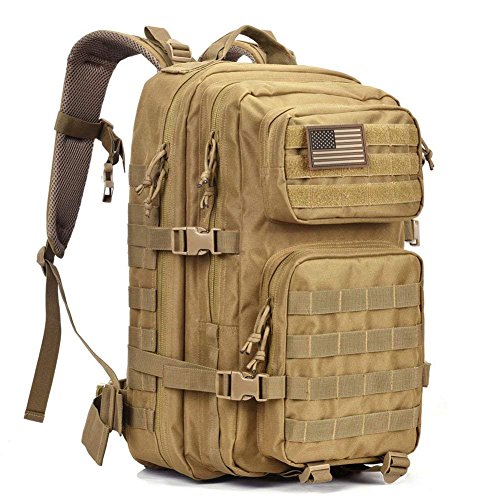
- ✓ Durable, water-resistant fabric
- ✓ Versatile Molle system
- ✓ Comfortable ventilation
- ✕ No hydration bladder included
- ✕ Zippers can be stiff initially
| Dimensions | 13″ x 20″ x 11″ (33cm x 50.5cm x 28cm) |
| Capacity | 40 liters |
| Material | High-density water-resistant fabric |
| MOLLE System | Full webbing for attaching additional gear |
| Backpanel and Shoulder Straps | Ventilated mesh padded for breathability and comfort |
| Hydration Compatibility | Supports hydration bladder (not included) |
Unlike other military backpacks I’ve handled, this REEBOW GEAR assault pack immediately stands out with its surprisingly lightweight feel despite its 40L capacity. The high-density fabric gives it a rugged, durable vibe, but it’s also water-resistant, which means your gear stays dry even in light rain.
The Molle system is a real highlight. The webbing runs throughout the pack, making it super easy to attach extra pouches or gear without any fuss.
I found it especially handy during outdoor hikes when I needed quick access to smaller items—everything stays secure yet within reach.
The zippers are heavy-duty, with double stitching that feels built to last. I appreciated the utility-style cord pulls—no fumbling in the dark—plus the side and front compression straps help keep everything tight and compact.
Comfort-wise, the ventilated mesh padded back and shoulder straps really make a difference. I tested it on a warm day, and I stayed fairly cool, which is rare for a tactical pack this size.
It’s hydration compatible, so you can easily add a bladder if you want to stay hydrated on longer adventures.
Using it as a daily carry or for outdoor activities feels natural. The size is just right—big enough for a 3-day trip but not cumbersome.
Plus, the price point under $32 makes it a super good deal for what you get.
All in all, this backpack feels like a solid, versatile option for anyone needing a tough, reliable gear carrier for survival, hiking, or everyday use.
Maelstrom Tactical Backpack 40L Water-Resistant Molle Khaki

- ✓ Spacious and organized
- ✓ Water-resistant and durable
- ✓ Comfortable ergonomic design
- ✕ Heavier than some models
- ✕ Limited color options
| Capacity | 40 liters (approximately 12.6″ x 22″ x 8.7″) |
| Material | 900D polyester with reinforced stress points |
| Water Resistance | Waterproof and tear-resistant |
| MOLLE System | Laser-cut MOLLE mounting system on the front |
| Dimensions | 12.6 inches (W) x 22 inches (H) x 8.7 inches (D) |
| Weight Support/Adjustments | Ergonomic shoulder straps with weight compression straps on sides and bottom |
You know that frustrating moment when your backpack’s zippers snag or the straps dig into your shoulders after a few hours? I had that experience with my previous bag, but the Maelstrom Tactical Backpack 40L turned things around instantly.
Its robust build and thoughtful design made me feel prepared for anything.
The first thing you notice is its size—about 12.6 inches wide, 22 inches tall, and nearly 9 inches deep. It’s spacious without feeling bulky.
The multiple pockets and dividers allow you to organize everything from a laptop to first aid kits, which is perfect for both outdoor adventures and daily commutes. I appreciated how easy it was to access gear quickly without rummaging through clutter.
Made from durable 900D polyester, this backpack feels like it can handle the roughest environments. I tested its water resistance during a sudden rain, and my gear stayed dry—impressive for a backpack at this price point.
Reinforced stress points and double stitching give it longevity I don’t have to worry about.
Comfort-wise, the ergonomic shoulder straps and back support system made long wear a breeze. The load was evenly distributed, and the adjustable straps meant I could tighten or loosen as needed.
The MOLLE system on the front offers modular expansion, so I added pouches without any hassle, boosting its versatility.
Whether you’re heading into the woods, hitting the gym, or just need a reliable carry for work, this backpack adapts effortlessly. Its multi-purpose design really does cover all bases, making it a smart investment for anyone who needs a tough, organized, and comfortable pack.
kookoomia 50L Military Tactical Backpack Large Day Backpack

- ✓ Rugged and durable build
- ✓ Plenty of organized storage
- ✓ Comfortable for long wear
- ✕ Heavier than some casual backpacks
- ✕ Limited color options
| Material | Water-resistant fabric with double stitching and heavy-duty zippers |
| Capacity | 50 liters |
| Dimensions | 21.6″ x 12.9″ x 12.6″ |
| Carrying System | Padded shoulder straps, ventilated back panel, adjustable straps |
| Tactical Features | MOLLE webbing, reinforced handles, attachment points, compression straps |
| Water Bottle Holders | Two 500ml bottle holders |
Many people assume a military-style backpack is just a bulky, uncomfortable bag that’s only good for tactical scenarios. But after tossing this kookoomia 50L pack around during a few outdoor adventures, I can tell you it’s far more versatile and user-friendly than I expected.
The first thing I noticed is how solidly built it feels. The water-resistant materials and heavy-duty zippers give it a rugged vibe, yet it’s surprisingly lightweight for what’s essentially a 50L beast.
The stitching is neat, with reinforced handles that make hauling heavy loads a breeze, and the padded shoulder straps make it comfortable even when fully loaded.
What really sold me is the storage. With multiple compartments, including two bottle holders and a hidden back pocket, I could organize everything from snacks to tech gear without digging around.
The MOLLE webbing is super handy for attaching extra pouches or patches—no more fumbling for small items.
It’s also quite comfortable during long wear. The ventilated back panel helps keep sweat at bay, and the adjustable straps mean you can customize the fit for different activities.
Whether I was hiking, heading to the range, or just using it as a daily carry, the weight distribution felt balanced.
Plus, the webbing and reinforced handle give it a tactical edge, making it perfect for survival, camping, or even as a bug-out bag. For under $40, it’s an impressive mix of durability, capacity, and versatility that truly meets a range of needs.
QT&QY 25L Military Tactical Backpacks Survival Army Laser

- ✓ Durable and water resistant
- ✓ Multiple compartments and MOLLE system
- ✓ Comfortable, ventilated straps
- ✕ Zippers can be stiff initially
- ✕ Slightly tight when overloaded
| Capacity | 25 liters (approximate 15.7in x 9.8in x 9.8in / 40cm x 25cm x 25cm) |
| Material | 900D polyester with water-resistant and scratch-proof coating |
| Dimensions | 15.7 inches x 9.8 inches x 9.8 inches (40cm x 25cm x 25cm) |
| Compartments | Three main compartments including a dedicated 15-inch laptop compartment, front pockets, and internal mesh and zippered pockets |
| MOLLE System | Laser-cut MOLLE webbing with two-layer fabric for modular attachment of pouches and gear |
| Water Resistance | Water-resistant due to special coating and reinforced stitching |
Many people assume that a tactical backpack has to be bulky and uncomfortable, but this QT&QY 25L model proved otherwise right out of the gate. Its compact size of about 15.7 inches tall and 9.8 inches wide makes it easy to carry without feeling like you’re lugging around a suitcase.
The first thing I noticed is how sturdy and well-built it feels. Made from 900D polyester, it’s resistant to scratches and water, which is perfect for unpredictable outdoor conditions.
The double stitching at stress points really gives it a tough, durable vibe.
Opening the pack flat was a game-changer. The multiple compartments, including a dedicated laptop sleeve for up to 15 inches, kept everything organized.
I was able to stash a few small pouches, a water bottle, and some personal gear without feeling cramped.
The laser-cut MOLLE webbing is sleek and functional. Attaching extra pouches was straightforward, giving me flexibility for different scenarios.
The mesh padded straps and back panel made it comfortable during longer wear, with good ventilation and support.
The large Velcro area is a fun touch—personalizing with patches is simple and adds a bit of personality. Overall, this backpack balances ruggedness with practicality, making it suitable for everything from daily commuting to outdoor adventures.
Though it’s quite durable, the zippers are high quality but can be a little stiff initially. The only downside I found is that it might feel a bit tight if you overload it beyond the 25L capacity, but for most gear, it’s just right.
What Should You Look For in the Best Military Survival Backpack?
When searching for the best military survival backpack, consider the following key features:
- Durability: A military survival backpack should be made from high-quality, rugged materials such as nylon or Cordura, ensuring it withstands harsh conditions and heavy use.
- Capacity: Look for a backpack with a suitable size that can accommodate your survival gear, typically ranging from 40 to 80 liters, allowing for ample storage without being overly cumbersome.
- Comfort and Fit: A good backpack should have adjustable straps, padded shoulder pads, and a hip belt, which distribute weight evenly and enhance comfort during long treks.
- Water Resistance: Opt for a backpack that features water-resistant materials or a rain cover to protect your gear from moisture and adverse weather conditions.
- Modular Design: A backpack with MOLLE (Modular Lightweight Load-carrying Equipment) webbing allows for customization and attachment of additional pouches or gear, enhancing functionality.
- Organization and Access: Multiple compartments, pockets, and easy access points are essential for organizing gear efficiently and quickly retrieving essential items during emergencies.
- Weight: Consider the overall weight of the backpack; a lightweight design is beneficial for mobility, especially during extended survival situations.
- Breathability: Look for backpacks with breathable mesh panels on the back and straps to improve airflow and reduce perspiration during physical activity.
What Key Features Make a Backpack Ideal for Survival Situations?
Comfort and ergonomics are essential for any backpack, especially during extended use. Padded straps and a proper waist belt distribute weight evenly, reducing fatigue and allowing for longer travel without discomfort.
Spaciousness and organization are vital for survival situations where quick access to gear can make a significant difference. Multiple compartments help keep gear sorted, so users can find what they need without fumbling through a disorganized pack.
Versatility ensures that the backpack can adapt to different environments and uses, making it a practical choice for anyone who may find themselves in various survival scenarios, from urban settings to remote wilderness.
Emergency features can be lifesavers in critical situations. Items like reflective strips increase visibility in low-light environments, while built-in survival tools can provide essential assistance until help arrives.
Why Is Durability Crucial in a Military Survival Backpack?
Durability is crucial in a military survival backpack because it must withstand extreme conditions and heavy use without compromising functionality or safety.
According to a study conducted by the U.S. Army Research Institute, military gear is subjected to rigorous testing that evaluates its performance under various environmental stresses, including moisture, temperature fluctuations, and physical wear (U.S. Army Research Institute, 2021). This underscores the necessity for materials that can endure harsh terrains and lengthy missions, making durability a top priority for military survival backpacks.
The underlying mechanism driving this need for durability stems from the unpredictable nature of military operations. Soldiers often find themselves in challenging environments where their equipment is exposed to rain, mud, and rough handling. A backpack that can resist tearing, abrasion, and water penetration ensures that vital supplies remain secure and accessible. Furthermore, when a backpack fails during a critical moment, it can jeopardize a soldier’s safety and mission success, highlighting the direct relationship between a backpack’s durability and mission effectiveness.
Moreover, the choice of materials significantly impacts durability. High-denier nylon or polyester is commonly used in military backpacks due to their strength and resistance to wear and tear. These materials not only provide structural integrity but also contribute to a lighter load for the soldier, which is essential in combat situations. Thus, the combination of material selection and robust construction plays a vital role in ensuring that military survival backpacks can perform optimally under pressure, thereby solidifying their importance in survival scenarios.
Which Brands Manufacture the Best Military Survival Backpacks?
The top brands recognized for manufacturing the best military survival backpacks include:
- 5.11 Tactical: Known for their high-quality tactical gear, 5.11 Tactical backpacks are designed with durability and functionality in mind. Their backpacks often feature multiple compartments, MOLLE webbing for customization, and are made from weather-resistant materials, making them ideal for survival situations.
- Condor Outdoor: Condor Outdoor offers a range of military-style backpacks that are both economical and highly functional. Their backpacks are equipped with a variety of pockets and attachment points, allowing for easy organization and accessibility of gear, which is crucial in survival scenarios.
- Maxpedition: Maxpedition is renowned for its rugged construction and attention to detail. Their backpacks are made from heavy-duty nylon fabric and feature water-resistant coatings, making them suitable for harsh environments. Additionally, they provide a variety of sizes and configurations to meet different survival needs.
- Propper: Propper backpacks are designed with the needs of military and law enforcement personnel in mind, offering tactical features and reliable performance. They are built to withstand tough conditions and often come with hydration reservoir compatibility, making them practical for extended outdoor use.
- Vertx: Vertx specializes in creating discreet tactical backpacks that combine functionality with a low profile. Their designs often include hidden pockets and compartments for concealed carry and essential gear storage while maintaining a stylish and professional appearance.
What Brands Are Renowned for Quality Military Backpacks?
Some of the most renowned brands for quality military backpacks include:
- 5.11 Tactical: This brand is well-known for its durable and functional tactical gear, including backpacks designed for military use. Their backpacks often feature modular attachments and multiple compartments, allowing for customization and organization of gear.
- Maxpedition: Maxpedition specializes in high-quality, rugged backpacks that are designed for both tactical and everyday use. Their products are often made from water-resistant materials and include features like MOLLE webbing for additional gear attachment.
- Condor Outdoor: Condor is recognized for its affordable yet reliable tactical backpacks that cater to military personnel and outdoor enthusiasts alike. Their backpacks typically include a variety of pockets and hydration system compatibility, making them versatile for survival situations.
- Blackhawk: Known for their tactical equipment, Blackhawk produces military-grade backpacks that prioritize durability and functionality. Their designs often incorporate features like reinforced stitching, heavy-duty zippers, and ample storage options for essential survival items.
- Propper: Propper is a trusted name in military apparel and gear, including backpacks that are built to withstand tough conditions. Their backpacks often emphasize practicality with features like adjustable straps and multiple compartments for easy access to gear.
- Osprey: While primarily known for outdoor hiking gear, Osprey also offers military-style backpacks that are lightweight yet durable. Their backpacks are designed for comfort during long treks, featuring ergonomic designs and advanced suspension systems.
How Do These Brands Rank in Terms of Performance and Reliability?
The best military survival backpacks are ranked based on performance, durability, and reliability in various conditions.
- 5.11 Tactical RUSH72: Known for its spacious design, the RUSH72 offers multiple compartments and a hydration pocket, making it ideal for extended missions.
- Condor 3-Day Assault Pack: This pack is designed for heavy-duty use, featuring MOLLE webbing for modular attachments and padded shoulder straps for comfort during long treks.
- Maxpedition Falcon-II: Compact yet highly functional, the Falcon-II is made from durable materials and includes a variety of pockets for organization, making it suitable for both urban and wilderness survival.
- Propper Tactical Backpack: This backpack is lightweight and versatile, with a water-resistant design and ample storage options, making it a great choice for everyday carry as well as survival situations.
- Oakley SI Assault Pack: Featuring a sleek design, this pack is built with high-quality materials for durability and includes a hydration system, making it perfect for tactical operations.
The 5.11 Tactical RUSH72 stands out for its excellent organization and comfort, allowing users to carry everything they need for a three-day mission or emergency. Its high-quality construction ensures reliability under tough conditions, making it a favorite among military personnel and outdoor enthusiasts alike.
The Condor 3-Day Assault Pack is particularly noted for its rugged design and versatility. It can carry a significant amount of gear while maintaining comfort, thanks to its ergonomic straps and back panel, which are specifically designed for prolonged use.
Maxpedition Falcon-II is compact but does not compromise on functionality. Made with tough materials, it is ideal for both tactical use and outdoor adventures, offering features like water bottle pockets and a padded laptop compartment.
Propper Tactical Backpack impresses with its lightweight build and practical design. It features a water-resistant shell and multiple compartments, allowing users to keep their gear organized while remaining ready for any situation.
Lastly, the Oakley SI Assault Pack combines style and functionality, appealing to users who value aesthetics as much as utility. Its high-quality construction and integrated hydration system cater to tactical needs, making it an excellent choice for those engaged in active missions.
What Size Is Optimal for the Best Military Survival Backpack?
The optimal size for the best military survival backpack typically ranges from 40 to 80 liters, depending on the intended use and duration of the survival situation.
- 40-50 Liters: Ideal for short-term survival or day trips, this size is sufficient to carry essential gear, food, and water while remaining lightweight and manageable.
- 50-70 Liters: Suitable for multi-day excursions, this size allows for a more comprehensive packing of supplies, including extra clothing, sleeping gear, and cooking equipment, without being overly cumbersome.
- 70-80 Liters: Best for long-term survival scenarios or extended expeditions, this larger capacity can accommodate extensive provisions, tools, and survival equipment, but may require more physical stamina to carry.
Choosing the right size backpack is crucial as it impacts your mobility and ability to access your gear efficiently during a survival situation. A balance between capacity and weight is vital, as an overloaded backpack can hinder movement and lead to fatigue.
Ultimately, the best military survival backpack size should align with your specific needs, including the length of your outing, the type of environment, and personal comfort preferences, ensuring readiness for various survival challenges.
How Do Different Sizes Impact Your Survival Preparation?
Different sizes of military survival backpacks can significantly impact your preparedness and efficiency in survival situations.
- Small Backpacks (20-30 liters): Ideal for short outings and minimal gear, these backpacks maximize mobility.
- Medium Backpacks (30-50 liters): These offer a balance between capacity and weight, suitable for day trips or emergencies.
- Large Backpacks (50+ liters): Designed for extended missions, large backpacks can carry extensive survival gear and supplies.
Small backpacks are perfect for quick excursions where you only need essentials like water, snacks, and a first-aid kit. Their compact size allows for swift movement and easy access to gear, making them ideal for scenarios where stealth and agility are key.
Medium backpacks strike a balance between size and functionality, providing enough space for additional supplies like a sleeping bag, extra clothing, and more substantial food provisions. This size is advantageous for day hikes or when you need to prepare for unexpected overnight situations without being burdened by excessive weight.
Large backpacks are essential for long-term survival planning, capable of carrying extensive gear such as cooking equipment, multiple days’ worth of food, and advanced survival tools. Though they can feel cumbersome, their capacity ensures that you are well-equipped for prolonged outdoor stays or emergencies that require comprehensive preparedness.
What Volume Capacity Is Best for Extended Use in Survival Scenarios?
The best volume capacity for a military survival backpack typically ranges from 40 to 70 liters, depending on the duration of the survival scenario and the amount of gear needed.
- 40-50 Liters: This size is ideal for short-term survival situations, lasting 2-3 days. It can comfortably hold essential gear such as food, water, a first aid kit, and basic camping equipment while remaining lightweight for easier maneuverability.
- 50-60 Liters: This volume is suitable for extended use, allowing for a more comprehensive supply of gear for trips lasting up to a week. It provides additional space for sleeping bags, clothing layers, cooking tools, and emergency supplies, making it a versatile choice for various survival scenarios.
- 60-70 Liters: Best for long-term survival situations or expeditions exceeding a week. This capacity holds ample gear without sacrificing comfort, enabling the storage of larger items like tents, additional food supplies, and more extensive medical equipment, which is crucial when staying out in the wilderness for extended periods.
What Essential Accessories Should Accompany Your Military Survival Backpack?
When preparing your military survival backpack, several essential accessories can significantly enhance your preparedness and survival capabilities.
- First Aid Kit: A comprehensive first aid kit is crucial for treating injuries or ailments in the field. It should include bandages, antiseptics, pain relievers, and any personal medications to ensure you are equipped to handle medical emergencies effectively.
- Multi-tool: A multi-tool combines several functions into one compact device, making it invaluable for various tasks such as cutting, screwing, and prying. Its versatility can save space in your backpack while providing tools necessary for survival situations, repairs, or even food preparation.
- Water Filtration System: Access to clean drinking water is vital for survival, and a portable water filtration system allows you to safely drink from natural sources. These systems can remove bacteria and pathogens, ensuring you stay hydrated without the risk of waterborne illnesses.
- Fire Starter: A reliable fire starter, such as waterproof matches, a lighter, or a fire steel, is essential for building a fire for warmth and cooking. Having multiple methods to start a fire increases your chances of success, especially in adverse weather conditions.
- Emergency Food Rations: Including lightweight, non-perishable food rations can provide essential energy when you’re on the move. Choose high-calorie options that are easy to pack and provide the necessary nutrients to sustain you during extended periods without access to regular meals.
- Navigation Tools: A compass and map, or a GPS device, are critical for staying oriented in unfamiliar terrain. These tools will help you find your way and avoid getting lost, which is especially important in survival situations where every decision counts.
- Paracord: This strong, lightweight cord has countless uses, from securing gear to building shelters. Having several feet of paracord can be a lifesaver for creating makeshift solutions in survival scenarios.
- Flashlight or Headlamp: A reliable light source is essential for navigating and performing tasks in low-light conditions. Opt for a durable, water-resistant flashlight or headlamp with a long battery life to ensure visibility during nighttime or in dark environments.
- Emergency Blanket: An emergency blanket is compact and can help retain body heat in cold conditions. It’s also useful for signaling for help, as its reflective surface can catch attention from rescuers.
- Signal Mirror: A signal mirror is a lightweight tool that can be used to attract attention from a distance, especially in search and rescue situations. Its reflective surface can be seen from miles away when used correctly, making it a valuable addition to your survival gear.
Which Accessories Are Critical for Enhanced Survival Capabilities?
The critical accessories for enhanced survival capabilities include:
- Multi-tool: A multi-tool is essential as it combines various functions into a single device, allowing users to cut, screw, and pry with one compact item.
- First Aid Kit: A well-stocked first aid kit is crucial for treating injuries and preventing infections in survival situations, providing necessary supplies like bandages, antiseptics, and pain relief medication.
- Water Filtration System: Having a reliable water filtration system ensures access to clean drinking water, which is vital for survival, especially in remote areas where water sources may be contaminated.
- Fire Starter: A fire starter, such as a ferrocerium rod or waterproof matches, is critical for igniting fires for warmth, cooking, and signaling for help.
- Emergency Rations: Carrying emergency rations, like high-calorie energy bars or freeze-dried meals, provides essential nutrition when regular food sources are unavailable.
- Navigation Tools: A map and compass or GPS device are indispensable for navigation, helping ensure you stay on course and find your way back to safety.
- Survival Blanket: A survival blanket, often made from reflective material, retains body heat and provides protection from the elements, making it an important addition to any survival kit.
A multi-tool is essential as it combines various functions into a single device, allowing users to cut, screw, and pry with one compact item. This versatility can be invaluable in a survival situation where space and weight are limited.
A well-stocked first aid kit is crucial for treating injuries and preventing infections in survival situations, providing necessary supplies like bandages, antiseptics, and pain relief medication. Having immediate access to medical supplies can make a significant difference in the outcome of injuries sustained during outdoor adventures.
Having a reliable water filtration system ensures access to clean drinking water, which is vital for survival, especially in remote areas where water sources may be contaminated. This accessory can help prevent dehydration and waterborne illnesses, which are common threats in survival scenarios.
A fire starter, such as a ferrocerium rod or waterproof matches, is critical for igniting fires for warmth, cooking, and signaling for help. Fire can provide not only heat and light but also protection from animals and a means of cooking food, making it a fundamental survival skill.
Carrying emergency rations, like high-calorie energy bars or freeze-dried meals, provides essential nutrition when regular food sources are unavailable. These rations are designed to be lightweight and have a long shelf life, ensuring you have sustenance during unexpected situations.
A map and compass or GPS device are indispensable for navigation, helping ensure you stay on course and find your way back to safety. Being able to accurately navigate can prevent getting lost and reduce the risk of facing hazardous conditions without the means to return.
A survival blanket, often made from reflective material, retains body heat and provides protection from the elements, making it an important addition to any survival kit. Its lightweight and compact design make it easy to carry, while its insulating properties can help prevent hypothermia in cold environments.
How Can Additional Gear Improve Your Backpack’s Functionality?
Additional gear can significantly enhance the functionality of your backpack, particularly in survival situations.
- Modular Pouches: These pouches can be attached to the exterior of your backpack, allowing for organized storage of smaller items such as tools, first aid kits, or food supplies. Their modular design means you can customize your loadout based on your specific survival needs.
- Hydration Reservoirs: Incorporating a hydration reservoir system enables you to carry a significant amount of water without taking up valuable space inside your pack. This system often includes a drinking tube, allowing for easy access to hydration while on the move, which is crucial in survival scenarios.
- Adjustable Frame or Suspension System: Upgrading to a better frame or suspension system can lead to improved weight distribution and comfort. This is especially important during long treks, helping to reduce fatigue and strain on your body, ultimately allowing for a more efficient survival experience.
- Emergency Gear: Items such as fire starters, multi-tools, and emergency blankets can be added to your backpack to ensure you are prepared for unexpected situations. Having these essentials easily accessible can make the difference between survival and failure in a critical moment.
- Survival Tools: Adding tools like a compact fishing kit, a whistle, or a signaling mirror can enhance your ability to find food or signal for help. These tools are lightweight and can be integrated into your backpack without taking up much space, ensuring you are ready for various survival challenges.
- Rain Cover: A waterproof rain cover can protect your gear from getting wet during unexpected downpours. Keeping your supplies dry is vital for maintaining your equipment and ensuring your survival items remain usable in adverse weather conditions.
- First Aid Kit: A compact first aid kit is essential for treating injuries in the wilderness. Having medical supplies readily available can help you address minor ailments or serious injuries, increasing your chances of survival until help arrives.
What Packing Techniques Maximize the Usability of Your Military Survival Backpack?
External attachment points, such as MOLLE webbing, allow you to attach additional items like sleeping bags, tents, or tools to the outside of your backpack. This feature helps keep the interior organized and provides more flexibility in what you can carry.
Ensuring that essential items like first-aid kits, tools, or snacks are stored in easily accessible pockets is crucial during emergencies. Quick access to these items can save time and reduce stress in critical situations where every second counts.
Finally, separating food and water supplies in different compartments prevents leaks from contaminating other gear. This precaution is vital for maintaining hygiene and ensuring that your food remains safe to consume during your outdoor adventures.
What Items Should Take Priority in Your Survival Pack?
The essential items to prioritize in your survival pack include:
- Water Filtration System: A reliable water filtration system is crucial for ensuring access to safe drinking water in the wild. It removes harmful bacteria and contaminants, allowing you to drink from natural sources without risking illness.
- First Aid Kit: A comprehensive first aid kit is necessary to treat injuries, cuts, or illnesses that may occur during emergencies. It should include bandages, antiseptics, pain relievers, and other essential medical supplies tailored to your needs.
- Multi-tool: A multi-tool can serve numerous functions, including cutting, screwing, and opening cans, making it an invaluable item in survival situations. Its compact design allows easy storage, while its versatility means you can handle a variety of tasks with just one tool.
- Fire Starting Kit: Being able to start a fire is critical for warmth, cooking, and signaling for help. A fire starting kit, which can include waterproof matches, lighters, and fire starters, ensures you can ignite a flame even in adverse conditions.
- Emergency Food Rations: High-calorie emergency food rations provide necessary energy and nutrition during extended periods without access to regular meals. Look for lightweight, non-perishable options that have a long shelf life and are easy to prepare.
- Emergency Blanket: An emergency blanket, or space blanket, helps retain body heat in cold conditions and can also be used for shelter. Its compact size and lightweight nature make it easy to carry, and it can be a lifesaver in extreme weather.
- Navigation Tools: A map and compass or a GPS device are essential for navigation, helping you to find your way back to safety. Understanding how to use these tools effectively can prevent you from getting lost in unfamiliar terrain.
- Signal Mirror and Whistle: These items are important for signaling for help in emergencies. A signal mirror reflects light over long distances, while a whistle can be heard from far away, both increasing your chances of being rescued.
- Rope or Paracord: Rope is incredibly versatile and can be used for securing items, building shelters, or making traps. Paracord, in particular, is strong, lightweight, and has numerous applications in survival situations.
- Flashlight or Headlamp: A flashlight or headlamp is essential for navigating in the dark, providing visibility for tasks and signaling. Choose one with a long battery life and consider models that can be recharged or powered by solar energy.
How Can You Effectively Optimize Space and Accessibility in Your Backpack?
To effectively optimize space and accessibility in your backpack, consider the following strategies:
- Organizational Compartments: Utilize backpacks with multiple compartments to separate gear and supplies efficiently.
- Compression Straps: Use compression straps to secure items and reduce bulk, making it easier to access what you need quickly.
- Modular Systems: Opt for a modular backpack design that allows you to attach additional pouches or accessories as needed.
- Hydration Reservoirs: Incorporate hydration systems that provide easy access to water without rummaging through your pack.
- Top-Loading vs. Panel-Loading: Choose between top-loading or panel-loading designs based on your packing style and the types of gear you carry.
Organizational Compartments: Backpacks with various pockets and compartments help you keep your equipment organized, making it easier to find items quickly. By assigning specific pockets for different gear, such as tools, food, and clothing, you can minimize the time spent searching during critical moments.
Compression Straps: Compression straps are essential for securing your load and keeping your backpack streamlined. When properly used, they prevent items from shifting around and help maintain a low profile, which is especially important during active movement or when navigating tight spaces.
Modular Systems: A modular backpack allows you to customize your pack by adding or removing pouches based on your needs. This flexibility enables you to carry specialized gear for different missions or environments without overwhelming your main pack.
Hydration Reservoirs: A hydration reservoir offers a convenient way to stay hydrated while keeping your hands free. With a tube that extends from the reservoir to your mouth, you can sip water without having to stop and open your pack, ensuring quick access during strenuous activities.
Top-Loading vs. Panel-Loading: Top-loading backpacks require you to pack from the top, which can allow for a more compact load but may make accessing lower items difficult. In contrast, panel-loading backpacks open fully like a suitcase, providing easy access to all gear but potentially sacrificing some compactness; choosing the right style depends on your personal preferences and usage scenarios.
Related Post: