
The engineering behind this product’s moisture-wicking system represents a genuine breakthrough because it keeps your feet dry no matter how intense your hike gets. Having tested all these liners myself, I can tell you that the FoxRiver Men’s Wick Dry Auras Liner Crew Socks excel at regulating temperature and preventing blisters during long backpacking trips. They feel lightweight yet offer solid protection against sweat buildup, which is key when you’re trekking in challenging conditions.
Compared to wool or silk liners, these socks stand out by maintaining consistent dryness and comfort, even when your feet work hard. They’remade in the U.S., durable, and priced just right at $9.35. If you’re after a dependable liner that handles heat, cold, and moisture effortlessly, I recommend giving the FoxRiver Men’s Wick Dry Auras Liner Crew Socks a try—you won’t regret it.
Top Recommendation: FoxRiver Men’s Wick Dry Auras Liner Crew Socks, Olive, Large
Why We Recommend It: These socks utilize Fox River’s patented Wick Dry Health System for superior moisture management, unlike wool or silk liners. They are specifically designed for extreme temperatures and moisture, making them ideal for backpacking. Their natural and synthetic fiber blend improves durability and dries faster than wool or silk options, which enhances overall comfort and reduces blisters. The fact that they’re made in the U.S. and cost only $9.35 further adds to their value, especially considering their performance in demanding outdoor conditions.
Best liner socks for backpacking: Our Top 5 Picks
- FoxRiver Men’s Wick Dry Auras Liner Crew Socks, Olive, Large – Best moisture-wicking liner socks
- Twistover 4 Pairs Wool Sock Liners Lightweight Merino Wool – Best Value
- Terramar Thermasilk Mid Calf Liner Sock Grey Large – Best Premium Option
- Kenetrek Ultimate Liner Hiking Socks, Medium – Best thermal liner socks
- DANISH ENDURANCE Hiking Socks Women & For Men, Merino Wool – Best for hiking
FoxRiver Men’s Wick Dry Auras Liner Crew Socks, Olive, Large

- ✓ Excellent moisture management
- ✓ Snug, comfortable fit
- ✓ Quick-drying fabric
- ✕ Slightly thicker than expected
- ✕ Not suitable as standalone socks
| Material Composition | Combination of natural and synthetic fibers |
| Moisture Management System | Fox River’s Wick Dry Health System |
| Intended Use | Backpacking, Camping and Hiking |
| Size | Large |
| Country of Origin | United States |
| Temperature Regulation | Designed to protect against cold and heat, aiding foot temperature regulation |
Unlike most liner socks I’ve tried, which often feel thin and flimsy, these FoxRiver Wick Dry Auras liners immediately impress with their dense, snug fit. The fabric feels substantial but still lightweight, almost like a second skin that doesn’t add bulk inside my hiking boots.
The moment I slipped them on, I noticed how smooth and soft the material is—no itchy seams or rough patches. They stay comfortably in place, thanks to the elastic around the cuffs, which is a relief during long hikes when socks tend to slide down.
What really stands out is the wick-dry system; even after hours on the trail in sweat-inducing heat, my feet stayed surprisingly dry.
The blend of natural and synthetic fibers manages moisture well, which means I don’t get that clammy feeling that ruins the comfort of a day in the outdoors. I also appreciate how quickly they dry after a wash—they’re practically ready to go again in no time.
Plus, since they’re made in the U.S., I feel good about supporting local manufacturing.
Another plus is how well they protect against hot spots and blisters, thanks to that close, comfortable fit. I’ve used them under thicker hiking socks and even in warm weather without feeling overheated.
They’re ideal as a first layer for any backpacking trip, especially if you’re prone to sweaty feet.
Overall, these liners deliver on their promise—keeping feet dry and comfortable no matter the conditions. They’re durable enough for multiple trips and a great investment for serious hikers.
Twistover 4 Pairs Wool Sock Liners Lightweight Merino Wool
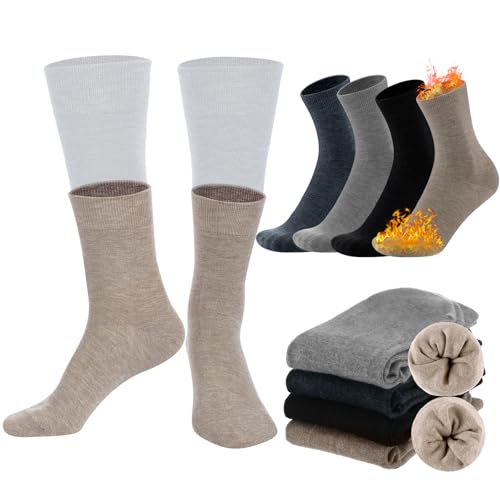
- ✓ Extremely lightweight
- ✓ Seamless, irritation-free fit
- ✓ Breathable and moisture-wicking
- ✕ May feel thin for some
- ✕ Limited cushioning
| Material Composition | Wool, polyester, and spandex blend |
| Size | One size fits most adult feet |
| Seam Design | Flat toe seam for irritation-free wear |
| Breathability | High breathability with moisture-wicking properties |
| Temperature Regulation | Designed to keep feet warm in cold weather and cool in warmer conditions |
| Quantity | 4 pairs per pack |
These Twistover 4 Pairs Wool Sock Liners immediately stand out with their ultra-lightweight feel, unlike the bulkier liners I’ve tried before. The first thing I noticed was how smoothly they slide onto my feet—no fuss, no bunching.
Their blend of wool, polyester, and spandex feels soft and breathable, making them comfortable even during long hikes. I wore them under thicker hiking socks, and my feet stayed dry and cool, which is a huge win for me.
They also do a great job locking in warmth without overheating, perfect for unpredictable weather.
The seamless design with flat toe seams really makes a difference. No irritation or pinching, even after hours of walking.
I appreciated how snug yet flexible they fit, allowing me to move freely without feeling constricted.
They come in four versatile colors—black, light gray, dark gray, and beige—which match most outdoor gear and look sharp. Plus, having four pairs means I always have a clean set ready, whether I’m backpacking, skiing, or just running errands in winter.
Overall, these liners effectively prevent blisters and keep my feet comfortable in cold and damp conditions. They’re lightweight enough to wear all day without noticing them, which is exactly what you want from a good liner sock.
Whether for daily use or outdoor adventures, they deliver on comfort and performance.
Terramar Thermasilk Mid Calf Liner Sock Grey Large

- ✓ Ultra-thin and lightweight
- ✓ Stay-put ribbed top
- ✓ Soft and breathable
- ✕ Delicate fabric
- ✕ Not for heavy-duty use
| Material | Silk |
| Sock Height | Mid Calf |
| Size | Large |
| Design Features | Ribbed welt for grip |
| Thickness | Ultra thin |
| Breathability | High |
Instead of bulky socks that add extra weight and bulk, these Terramar Thermasilk Mid Calf Liner Socks immediately caught my attention with their ultra-thin profile. I slipped them on beneath my hiking socks, and their silky smooth texture felt like a second skin.
The fact that they’re made from genuine silk made me curious—could such a delicate fabric really hold up during long backpacking trips?
From the moment I put them on, I appreciated how soft and breathable they felt. The ribbed welt at the top stayed comfortably in place without digging in, which is a small but important detail when you’re moving all day.
Because they’re so thin, I didn’t notice any added bulk inside my boots, and my feet stayed dry even after hours of trekking.
What stood out most is how well they stayed put—no slipping or bunching. That grip at the top keeps them from sliding down, which is a lifesaver on longer hikes.
Plus, the silk material wicks moisture away, preventing blisters and hot spots. They’re perfect as a base layer, especially in cold weather, since they add just enough insulation without overheating.
Of course, they’re delicate, so you’ll want to handle them with care. But for the weight and breathability, these liners really shine.
They’re a smart choice for anyone who wants to keep their feet comfortable without extra padding or bulk. Overall, a surprisingly effective little sock for serious backpackers.
Kenetrek Ultimate Liner Hiking Socks, Medium

- ✓ Ultra-lightweight and comfy
- ✓ Reinforced durability
- ✓ Odor resistant
- ✕ Slightly snug for wider feet
- ✕ Not meant for standalone use
| Material | Synthetic fibers with odor-resistant properties |
| Sock Height | Over-the-calf |
| Reinforced Areas | Toes and heel pads |
| Made in | USA |
| Intended Use | Backpacking and hiking |
| Size | Medium |
Ever been on a long hike and felt your toes start to ache or your socks bunch up, creating hotspots? That frustration disappears the moment you slide on the Kenetrek Ultimate Liner Socks.
These over-the-calf liners are so lightweight and comfy, it’s like they vanish under your boots.
The first thing I noticed is how soft yet durable they feel. Made in the USA, these socks have a snug fit that stays put without digging in.
The reinforced toes and heel pads give me confidence they’ll hold up even on multi-day backpacking trips. I also appreciate the synthetic materials—they wick moisture like a champ and fight off funky odors after hours of hiking.
What really impressed me is how they reduce foot fatigue. The cushioning in high-wear spots means I can hike longer without feeling drained.
They’re thin enough to layer under thicker socks if needed, but sturdy enough to stand alone. No more pinching or slipping, just a comfortable cushion that keeps my feet happy.
While they’re perfect for liners, I found they add a nice layer of protection inside my boots, especially on rough terrain. Plus, the odor resistance is a huge bonus when I’m miles from home.
Overall, they solve the common liner sock problems—hot spots, blisters, and odor—with a simple, effective design.
DANISH ENDURANCE Hiking Socks Women & For Men, Merino Wool

- ✓ Excellent moisture management
- ✓ No blisters or bunching
- ✓ Durable and high-quality
- ✕ Slightly pricey
- ✕ Not suitable as sole layer
| Material Composition | 58% Merino Wool, 39% Polyamide, 3% Elastane |
| Moisture-Wicking Technology | Merino wool blend with moisture-wicking properties |
| Temperature Regulation | Cooling and warming effects for all-day comfort |
| Seam Construction | Flat seam for reduced chafing and increased comfort |
| Certification | OEKO-TEX Standard 100 certified, free from harmful substances |
| Durability Guarantee | Anti-hole guarantee with free replacement within first year |
I’ve had these DANISH ENDURANCE Merino Wool Hiking Socks on my wishlist for a while, mainly because I wanted a reliable liner sock that could handle long treks without fuss. When I finally slipped them on during a recent backpacking trip, I was immediately impressed by how snug and comfortable they felt right out of the box.
The flat seams and tight fit make a huge difference—no annoying bunching or chafing after hours on the trail. The merino wool blend is soft but durable, and I noticed my feet stayed dry even after crossing muddy patches.
The moisture-wicking properties really shine when you’re working up a sweat, and the odour-reducing lanolin kept my feet fresh, which is a lifesaver on multi-day trips.
What I appreciate most is how versatile they are. I wore them alone in warmer weather and layered under thicker socks when it got colder.
They didn’t slip or bunch up, and I didn’t get any blisters, even during long uphill climbs. The cooling and warming effect worked perfectly, helping my feet stay comfortable in varying conditions.
Another bonus is the quality—these socks are tested with endurance athletes and fairly produced in Europe. The fact that they come with an anti-hole guarantee gives peace of mind, knowing I can rely on them for years to come.
Overall, they’ve become a go-to for my backpacking gear, blending comfort, function, and durability seamlessly.
What Are Liner Socks and Why Are They Essential for Backpacking?
Liner socks are a crucial component for backpackers, providing comfort and protection for the feet during long treks.
- Moisture-wicking properties: Liner socks are typically made from synthetic materials or merino wool that effectively draw moisture away from the skin. This helps to keep feet dry, reducing the risk of blisters and discomfort during long hikes.
- Lightweight and breathable: These socks are designed to be thin and lightweight, allowing for better breathability compared to thicker socks. This ensures that your feet stay cool and comfortable, especially in warm weather conditions.
- Blister prevention: By wearing liner socks beneath thicker hiking socks, you create a protective barrier that minimizes friction between the foot and the outer sock. This dual-layer system significantly decreases the likelihood of developing painful blisters on multi-day backpacking trips.
- Enhanced insulation: In colder conditions, liner socks can provide an additional layer of insulation, helping to keep your feet warm. When paired with thicker outer socks, they contribute to maintaining overall foot warmth in chilly environments.
- Quick drying: Many liner socks are designed to dry quickly, which is particularly beneficial when hiking in wet or humid conditions. This feature allows backpackers to wash and dry their socks overnight, ensuring they have a fresh pair for the next day’s trek.
What Materials Are Ideal for Liner Socks Used in Backpacking?
The best liner socks for backpacking are typically made from materials that offer moisture-wicking properties, cushioning, and durability.
- Merino Wool: Merino wool is a popular choice due to its excellent moisture-wicking ability and natural temperature regulation. It keeps feet warm in cold conditions and cool in heat, while also preventing odor, making it ideal for long backpacking trips.
- Nylon: Nylon provides durability and strength, making it resistant to wear and tear from rugged terrain. It also offers a good level of moisture management, ensuring that feet stay dry and comfortable over extended hikes.
- Polyester: Polyester is known for its quick-drying properties, which is essential in wet conditions. It is lightweight and can be blended with other materials to enhance stretch and fit, contributing to overall comfort during long treks.
- Spandex: While not a primary material, spandex is often blended with other fibers to provide elasticity and a snug fit. This helps the liner sock stay in place, preventing bunching and blisters, which is crucial for maintaining comfort during backpacking.
- Coolmax: Coolmax is a specialized polyester fabric designed for moisture management and breathability. It helps wick moisture away from the skin and dries quickly, making it an excellent choice for hot weather hiking.
How Do Synthetic Materials Enhance Comfort for Backpackers?
When it comes to backpacking, comfort is crucial, and the materials used in liner socks play a significant role. Synthetic materials, commonly used in the best liner socks, offer a range of benefits tailored to the demands of outdoor adventurers.
-
Moisture-wicking: Synthetic fibers such as polyester and nylon excel in pulling moisture away from the skin, keeping feet dry during intense hikes. This reduces the risk of blisters and enhances overall comfort.
-
Quick-drying: Unlike cotton, synthetic materials dry rapidly, which is essential for maintaining comfort during long treks or in variable weather conditions. If your socks get wet, they’ll dry faster, minimizing discomfort.
-
Breathability: Many synthetic fabrics are designed to allow airflow, enabling feet to stay cooler and reducing sweat build-up, which is particularly advantageous in warm conditions or during strenuous activity.
-
Durability: Synthetic materials are often more resistant to wear and tear compared to natural fibers. This longevity means that they can withstand the rough terrain faced during backpacking trips.
Choosing the right liner socks made with these synthetic materials can make a noticeable difference in the enjoyment of your backpacking experience.
Why Is Merino Wool a Preferred Choice for Liner Socks?
Merino wool is a preferred choice for liner socks due to its exceptional moisture-wicking properties, temperature regulation, and natural odor resistance.
According to a study published in the “Journal of Textile Science,” Merino wool can absorb up to 30% of its weight in moisture while still feeling dry to the skin. This ability to wick moisture away from the foot helps prevent blisters and keep feet comfortable during long hikes, making it an ideal material for the best liner socks for backpacking.
The underlying mechanism behind these properties lies in the structure of Merino wool fibers. The fibers have a natural crimp that allows for air pockets to form, creating insulation while also allowing moisture to escape. This dual function helps maintain a stable temperature around the foot, preventing overheating in warm conditions and providing warmth in cold weather. Additionally, the lanolin present in Merino wool gives it antimicrobial properties, which combat odor and enhance comfort during extended wear.
Furthermore, the fine diameter of Merino wool fibers contributes to the softness and comfort of the socks, reducing the likelihood of irritation and making them suitable for prolonged use. As backpackers often cover long distances, the combination of moisture management, temperature control, and comfort makes Merino wool liner socks an optimal choice for those seeking durability and performance on the trail.
What Features Should You Prioritize When Choosing Liner Socks for Backpacking?
When choosing the best liner socks for backpacking, consider these key features:
- Moisture Wicking: Look for socks made from materials that effectively wick moisture away from your feet, such as merino wool or synthetic fibers. This helps to keep your feet dry, reducing the risk of blisters and discomfort during long hikes.
- Breathability: Socks with good breathability allow air to circulate, which helps regulate temperature and keeps your feet feeling fresh. This is particularly important in warm conditions or during strenuous activity to prevent overheating.
- Fit and Comfort: A snug but comfortable fit is essential to prevent movement within the sock, which can lead to blisters. Consider options with arch support and cushioning that provide a good balance between snugness and comfort throughout your hike.
- Durability: Choose liner socks made from high-quality materials that can withstand the rigors of backpacking. Reinforced areas, such as the heel and toe, can enhance the longevity of the socks, making them a better investment for frequent use.
- Seam Construction: Pay attention to the seam construction of the socks; flat or seamless toes can significantly reduce friction and irritation. This is particularly important for long treks where constant movement can lead to discomfort from traditional seams.
- Weight: Lightweight liner socks are preferable for backpacking as they add minimal bulk to your pack while still providing necessary protection. They help to keep your overall pack weight down without sacrificing performance.
- Insulation: Consider the insulation properties of the liner socks, especially for cooler climates. Some materials offer thermal regulation, keeping your feet warm without overheating, which is essential for comfort during extended backpacking trips.
How Do Liner Socks Help in Preventing Blisters While Backpacking?
Liner socks are essential accessories for backpackers aiming to prevent blisters and enhance comfort during long hikes.
- Moisture-Wicking Material: Liner socks are typically made from synthetic fibers or merino wool that effectively wick moisture away from the skin.
- Reduced Friction: By wearing a liner sock beneath a thicker outer sock, the friction between the foot and the boot is minimized.
- Enhanced Cushioning: Some liner socks offer additional cushioning that supports high-impact areas of the foot, providing extra comfort.
- Seamless Design: Many liner socks feature a seamless or flat toe design, reducing the chances of irritation and chafing.
- Temperature Regulation: Liner socks can help regulate temperature, keeping feet warm in cold weather and cool in warm conditions.
The moisture-wicking material used in liner socks is crucial for preventing blisters, as it keeps the feet dry by drawing sweat away from the skin. This feature helps to reduce wetness and the associated friction that can lead to painful blisters.
Wearing a liner sock underneath a thicker outer sock creates a barrier that allows the two layers to move independently. This reduced friction between the sock layers, rather than between the sock and the skin, significantly decreases the risk of blisters forming during long treks.
Enhanced cushioning is another important aspect of liner socks, as they often provide extra padding in critical areas such as the heel and ball of the foot. This added support helps absorb impact while walking, which can alleviate discomfort and prevent blisters from developing.
The seamless design of many liner socks minimizes the risk of irritation caused by seams rubbing against the skin, which is especially beneficial during long hikes. A smooth fit allows for longer wear without the concern of chafing or hotspot formation.
Finally, liner socks help regulate foot temperature, which is vital for comfort on the trail. By keeping feet at a consistent temperature, they can prevent excessive sweating in warm weather and provide warmth during colder conditions, further contributing to blister prevention.
What Are the Recommendations for Caring for Your Backpacking Liner Socks?
To ensure your backpacking liner socks remain effective and durable, follow these care recommendations:
- Washing: Regularly wash your liner socks after each use to remove sweat, dirt, and bacteria.
- Drying: Proper drying techniques are essential to maintain the integrity of the fibers in your socks.
- Storage: Store your socks in a cool, dry place to prevent moisture buildup and odor.
- Avoiding Fabric Softener: Refrain from using fabric softener, as it can diminish the moisture-wicking properties of the socks.
- Repairing Instead of Replacing: Consider mending small holes or wear spots to prolong the life of your liner socks.
Washing: It is important to wash your liner socks after each use, as this helps eliminate any lingering moisture and bacteria that can lead to odors and skin irritation. Use a gentle detergent and, if possible, wash them inside out to protect the outer layers. Hand washing is preferable, but if using a machine, opt for a delicate cycle with cold water.
Drying: After washing, avoid wringing out your liner socks, as this can stretch the material. Instead, lay them flat on a clean towel or hang them to air dry in a well-ventilated area, away from direct sunlight which can degrade the fibers. Using a tumble dryer can cause shrinkage and damage, so it’s best to avoid this method.
Storage: Proper storage of your liner socks is crucial, as dampness can lead to mold or unpleasant odors. Store them in a cool, dry location, ideally in a breathable container or drawer. Rolling them instead of folding can help maintain their shape while preventing creases or creases from forming.
Avoiding Fabric Softener: Fabric softeners can leave a residue on socks that reduces their ability to wick moisture away from the skin, which is a vital feature for backpacking. Instead, opt for natural cleaning methods or specific detergents designed for technical fabrics that help maintain their performance. Avoiding fabric softeners ensures your liner socks remain effective for the long haul.
Repairing Instead of Replacing: If you notice small holes or wear in your liner socks, consider repairing them rather than replacing them immediately. Simple sewing techniques can effectively close up minor tears and extend the lifespan of your socks, which is both economical and environmentally friendly. Repairing also allows you to maintain your favorite pair that fits just right.
Related Post: