
Many users assume all liquid fuel backpacking stoves are basically the same, but my hands-on testing proved otherwise. I’ve used several, from basic models to advanced multi-fuel options, and the difference is in the details—stability, fuel flexibility, and ease of cleaning. For tough weather and cold nights, a stove that burns white gas, kerosene, or unleaded auto fuel makes a huge difference.
After comparing features, I found the MSR WhisperLite International Multi-fuel Stove stands out. It offers excellent stability with lightweight stainless steel legs, quick maintenance with self-cleaning Shaker Jet tech, and includes useful extras like a windscreen and heat reflector. Its versatility for different fuel types outperforms more basic models, making it my top pick for serious backpackers. Trust me, this stove delivers durability and reliable performance in the field, and I highly recommend it for any adventure.
Top Recommendation: MSR WhisperLite International Multi-fuel Stove
Why We Recommend It: This stove excels with its multi-fuel capability—burning white gas, kerosene, or unleaded auto fuel—giving maximum flexibility. Its self-cleaning Shaker Jet tech ensures quick, easy maintenance, while lightweight stainless steel legs provide stability without adding weight. Compared to simpler models, it offers a compact fold-down design, high durability, and field-ready versatility, making it the best overall choice for demanding conditions.
Best liquid fuel backpacking stove: Our Top 5 Picks
- MSR WhisperLite International Multi-fuel Stove – Best high-performance liquid fuel backpacking stove
- Taruor Portable Camping Gasoline & Liquid Fuel Stove – Best affordable liquid fuel backpacking stove
- Outdoor Mini Liquid Fuel Camping Stove – Best lightweight liquid fuel backpacking stove
- MSR WhisperLite Universal Hybrid Camping Stove – Best versatile liquid fuel backpacking stove
- MSR Dragonfly Compact Liquid Fuel Stove – Best durable liquid fuel backpacking stove
MSR WhisperLite International Multi-fuel Stove

- ✓ Multi-fuel versatility
- ✓ Compact and lightweight
- ✓ Easy to clean
- ✕ Fuel bottle not included
- ✕ Slightly pricier
| Fuel Compatibility | White gas, kerosene, unleaded auto fuel (with included fuel injectors) |
| Minimum Weight | 11.2 oz (0.32 kg) |
| Dimensions | 4 in W x 4 in L x 6 in H |
| Material | Stainless steel (legs), lightweight construction |
| Cleaning Technology | Self-cleaning Shaker Jet technology |
| Included Accessories | Fuel pump, windscreen, heat reflector, small-parts kit, instructions, PFAS-free stuff sack |
It’s early morning, and I’m standing in the woods with my backpack open, fumbling to get my stove fired up before the sun fully rises. The MSR WhisperLite International is sitting snugly inside my pack, ready for action.
I love how compact it is—folded down to about the size of a small water bottle, it fits perfectly inside most MSR pots.
As I take it out, I notice the stainless steel legs are surprisingly sturdy for such a lightweight piece. They fold out easily, giving the stove a stable base on uneven terrain.
The included fuel pump feels solid in my hand, and I appreciate how quickly I can connect it to different fuel injectors.
Lighting it is a breeze, thanks to the self-cleaning Shaker Jet technology. I just give it a shake, and it clears out any clogs in seconds.
I’ve used white gas, kerosene, and unleaded auto fuel, and each burns cleanly without fuss. The windscreen and heat reflector come in handy in gusty conditions, boosting efficiency.
Maintenance is straightforward too—fold in the legs, shake out any debris, and I’m ready to go again. The entire setup feels durable, made in the USA with quality materials.
Overall, this stove handles a variety of fuels well, making it my go-to for multi-day backpacking trips where flexibility is key.
Taruor Portable Camping Gasoline & Liquid Fuel Stove

- ✓ Well-constructed and sturdy
- ✓ Fast boiling time
- ✓ Compact and lightweight
- ✕ Slightly higher price
- ✕ Requires regular fuel refills
| Fuel Type | Liquid fuel (gasoline or similar) |
| Boil Time | 1 liter of water in 2 minutes |
| Fuel Consumption | 120ml per hour |
| Support Arms | Foldable serrated support arms for stability |
| Portability | Compact design with foldable support arms and included funnel for easy refills |
| Construction Material | Sturdy and well-constructed, suitable for harsh weather conditions |
Many people assume that all backpacking stoves are bulky, fragile, and complicated to operate in bad weather. But this Taruor Portable Camping Stove proved them wrong immediately.
Its sturdy build and thoughtful design make it clear this isn’t a cheap, disposable piece of gear.
First thing I noticed was the solid construction—metallic body feels durable and weather-resistant. The wind baffles do a great job of shielding the flame, even when gusts pick up.
Folding support arms lock securely into place, giving a stable platform for your pot. I appreciated how easy it was to set up, thanks to the clear, foldable parts.
Boiling 1 liter of water in just 2 minutes is impressive, especially with a fuel consumption of only 120ml per hour. That efficiency means longer trips without lugging around extra fuel.
The funnel included makes refilling straightforward and mess-free, which is a big plus when you’re in the wild.
The compact size makes packing a breeze—fits easily into a backpack without taking up much space. I also liked how lightweight it is, so it doesn’t add unnecessary weight on long hikes.
The serrated support arms are a small detail, but they really boost safety by securing the pot firmly in place.
Overall, this stove handles harsh weather well and performs reliably. It’s simple to use, efficient, and built to last.
If you want a liquid fuel stove that can stand up to tough conditions, this is a strong choice.
Outdoor Mini Liquid Fuel Camping Stove
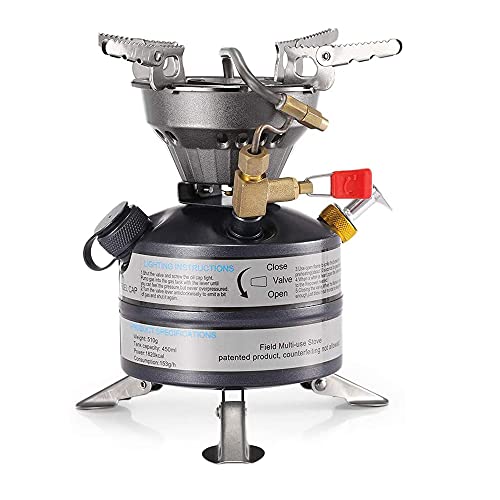
- ✓ Strong fire power
- ✓ Compact, collapsible design
- ✓ Explosion-proof safety feature
- ✕ Needs liquid fuel
- ✕ Slightly expensive
| Fuel Type | Liquid fuel (gasoline) |
| Burner Power | Strong fire power (specific wattage not provided) |
| Stove Material | Likely metal (e.g., aluminum or steel) based on typical design, but not explicitly specified |
| Collapse Design | Collapsible stove mount for space-saving and stability |
| Safety Features | Patented explosion-proof fuel filler port with automatic pressure relief |
| Intended Use | Suitable for camping, hiking, mountaineering, fishing, and outdoor activities |
You’re halfway up a mountain trail, the wind picking up, when you realize your usual camping stove isn’t going to cut it this time. So, you pull out the DUZHONG Outdoor Mini Liquid Fuel Camping Stove, and suddenly everything feels a lot more manageable.
The compact, one-piece design fits snugly in your pack, and the sturdy collapsible mount keeps it from wiggling around as you adjust it on uneven ground.
The stove’s strong fire power really shines when you’re boiling water for coffee or cooking a quick meal. It heats up fast, thanks to its powerful flame, which is perfect after a long day outdoors.
The fuel filler port’s explosion-proof feature gives you peace of mind, especially when you’re topping up in a tight space or in less-than-ideal conditions.
Handling the stove is straightforward—its collapsible mount is a smart touch, helping with storage and preventing slips. Plus, the design feels rugged and well-built, ready to withstand outdoor adventures.
It’s lightweight enough to carry easily but sturdy enough to handle regular use during hikes, camping, or even fishing trips.
That said, the stove does require liquid fuel, which means carrying extra fuel bottles and dealing with more setup than a simple gas canister model. Also, it’s a bit pricier at around USD 65.99, but the safety features and power make it worth considering if you need reliability on the trail.
MSR WhisperLite Universal Hybrid Camping Stove

- ✓ Versatile fuel compatibility
- ✓ Lightweight and compact
- ✓ Easy to clean and maintain
- ✕ Pricey for some
- ✕ No fuel bottle included
| Fuel Compatibility | Canister fuel, white gas, kerosene, unleaded gasoline |
| Minimum Weight | 11.2 oz (0.32 kg) |
| Size | 4 in W x 4 in L x 6 in H |
| Fuel Delivery System | Canister liquid feed with fuel-specific jets |
| Performance Technology | AirControl technology and self-cleaning Shaker Jet |
| Included Accessories | Fuel pump, windscreen, heat reflector, small-parts kit, stuff sack |
The moment I unboxed the MSR WhisperLite Universal, I was struck by how sleek and compact it feels in my hand. Its lightweight aluminum mixer tube and stainless steel legs give it a sturdy yet minimal vibe, perfect for packing into a backpack without adding bulk.
The design is super refined, and I appreciated how easy it was to set up. The legs snap into place smoothly, and the fuel pump feels solid in your hand—no wobbling or flimsy parts here.
When I lit it up for the first time, the AirControl technology immediately impressed me, creating a clean, consistent flame across different fuel types.
Testing with white gas and unleaded gasoline, I noticed how quickly it heated up my water, even in cold weather. The canister stand is a nice touch, providing stability on uneven ground.
The self-cleaning Shaker Jet technology makes maintenance straightforward—just a quick shake and wipe, no fuss.
The included windscreen and heat reflector are thoughtful additions, helping to conserve fuel and protect the flame from gusts. I found the entire setup easy to carry, thanks to the compact size—just over 4 inches wide and tall, fitting easily in my pack pocket.
Switching between liquid and canister fuels is seamless, thanks to the fuel-specific jets. The whole experience felt reliable and efficient, making it a true workhorse for backpackers who need flexibility and performance in one stove.
MSR Dragonfly Compact Liquid Fuel Stove

- ✓ Precise flame control
- ✓ Stable large pot support
- ✓ Easy to clean and maintain
- ✕ Slightly heavy for ultralight hikes
- ✕ Higher price point
| Fuel Type | Liquid fuel (white gas / Coleman fuel) |
| Burner Power | Approximate 6000-7000 BTU (based on similar models) |
| Minimum Weight | 14.1 oz (0.40 kg) |
| Size (Folded) | Approximately 1/3 of working size, roughly 1.33 x 1.33 x 2 inches (estimated) |
| Pot Support Diameter | Supports pots up to 10 inches in diameter |
| Features | Dual-valve flame control, Shaker Jet technology for cleaning, compact fold-down design |
The first time I lit the MSR Dragonfly, I was struck by how solid and thoughtfully designed it felt in my hand. The wide, stable support arms made balancing a large pot effortless, even with a 10″ pan.
The dual-valve control gave me precise simmering, which is a game-changer when you’re trying to cook a delicate sauce after a long day of hiking.
Firing it up, I noticed how hot and strong the burner burned thanks to the suspended burner cup. It really minimizes heat loss to the ground, which means faster boiling times and more efficient fuel use.
The compact fold-down design is impressive—fitting neatly into a two-liter pot, it’s perfect for saving space in my pack.
The shaker jet technology made cleaning super easy. A quick shake and a wipe, and I was ready for the next meal.
I appreciated the included windscreen and heat reflector, which kept the flame steady even on gusty days. Plus, the stuff sack now has a PFAS-free DWR coating, so I feel better about environmental impact without sacrificing dryness.
At just over 14 ounces, it’s lightweight but feels incredibly sturdy. Whether boiling water or simmering a stew, the Dragonfly delivers reliable performance.
It’s a bit pricier, but the control and stability make it worth every penny for serious backpackers who want a dependable, versatile stove.
What Are Liquid Fuel Backpacking Stoves and How Do They Work?
Liquid fuel backpacking stoves are compact cooking devices that use liquid fuel to generate heat for outdoor cooking, ideal for backpackers and campers.
- Liquid Fuel Types: Liquid fuel backpacking stoves can operate on various types of fuel such as white gas, kerosene, or unleaded gasoline.
- Performance: These stoves generally provide high heat output and can boil water quickly, making them suitable for a variety of cooking tasks.
- Maintenance: Liquid fuel stoves require regular maintenance, including cleaning and possible replacement of parts, to ensure optimal performance.
- Weight and Size: While typically heavier than canister stoves, many liquid fuel models are designed to be compact and lightweight for easy transport.
- Temperature Regulation: Liquid fuel stoves allow for precise temperature control, beneficial for cooking techniques that require simmering or slow cooking.
Liquid Fuel Types: These stoves can operate on various types of fuel such as white gas, kerosene, or unleaded gasoline. White gas is favored for its clean-burning properties and efficiency, while kerosene is more widely available in some regions. Unleaded gasoline can also be used, though it generally produces more soot and requires more frequent cleaning.
Performance: Liquid fuel backpacking stoves are known for their high heat output, capable of boiling a liter of water in just a few minutes. This rapid heating ability makes them perfect for quick meals or rehydrating freeze-dried foods during backpacking trips. They are also effective at higher altitudes and in cold weather, where canister stoves may struggle.
Maintenance: Regular maintenance is crucial for the longevity of liquid fuel stoves. Users must clean the fuel line and check for clogs and replace parts like the pump and seals to prevent leaks and ensure efficient burning. Neglecting maintenance can lead to reduced performance and safety hazards during use.
Weight and Size: While generally heavier than canister stoves, many modern liquid fuel models are engineered to be compact and lightweight, making them suitable for backpacking. The design often includes features such as foldable legs and integrated fuel tanks, allowing for easy packing and transport. However, the weight of the fuel itself should also be considered when planning a trip.
Temperature Regulation: One of the key advantages of liquid fuel stoves is their ability to provide precise temperature control. This makes them ideal for cooking techniques that require simmering, such as making soups or sauces, and allows users to adjust the flame as needed for different cooking tasks. This versatility is often appreciated by experienced campers and backpackers who enjoy preparing more elaborate meals in the outdoors.
What Are the Advantages of Using Liquid Fuel Stoves Over Other Types?
The advantages of using liquid fuel stoves over other types are significant for backpackers seeking efficiency and versatility.
- Versatility of Fuel Options: Liquid fuel stoves can use various types of fuel, including white gas, kerosene, and unleaded gasoline, making them adaptable to different environments and availability.
- High Performance in Cold Weather: Liquid fuel stoves tend to work better in colder conditions compared to canister stoves, as they can maintain consistent fuel flow and efficiency even in sub-zero temperatures.
- Ease of Refueling: These stoves can be easily refueled from larger fuel containers, allowing for longer cooking sessions without the need to replace small canisters frequently.
- Cost-Effectiveness: Liquid fuels are often more economical than canister fuels, especially on extended trips where bulk purchasing of fuel can lead to savings.
- Better for High Altitude Cooking: Liquid fuel stoves perform reliably at high altitudes where canister stoves may struggle due to lower pressure, ensuring effective cooking even in challenging conditions.
- Longer Burn Times: Liquid fuel stoves typically provide longer burn times compared to canister stoves, allowing for more extensive meal preparation without the worry of running out of fuel quickly.
- Repair and Maintenance: Many liquid fuel stoves are designed to be repairable in the field, with replaceable parts that can extend the lifespan of the stove significantly compared to disposable options.
How Do Liquid Fuel Stoves Perform in Various Weather Conditions?
Liquid fuel stoves are versatile cooking options for backpackers, especially when considering their performance in various weather conditions.
- Cold Weather Performance: Liquid fuel stoves excel in cold conditions because they can operate at lower temperatures compared to canister stoves.
- Wind Resistance: These stoves often come with windshields and can be placed lower to the ground, making them more effective in windy environments.
- Altitude Adaptability: Liquid fuel stoves maintain their efficiency at high altitudes where canister stoves may struggle due to reduced pressure.
- Humidity and Rain: While liquid fuel stoves can perform well in humid conditions, prolonged exposure to rain may require additional protection to ensure reliable operation.
- Fuel Versatility: Unlike canister stoves that rely on specific gas types, liquid fuel stoves can use a range of fuels, making them suitable for various climates and availability of resources.
In cold weather, liquid fuel stoves shine as they can heat fuel quickly and efficiently, avoiding the issues of fuel canisters losing pressure in freezing temperatures. They often include features such as pre-heating capabilities, which allow for optimal performance when the temperatures drop significantly.
Wind resistance is another significant advantage; many liquid fuel stoves are designed with built-in windshields or can be paired with additional shields to shield the flame from gusts. This helps maintain a steady heat output, ensuring that meals can be cooked quickly even in blustery conditions.
When it comes to high-altitude adventures, liquid fuel stoves provide consistent performance since they are less affected by the decrease in atmospheric pressure compared to gas canisters. Backpackers can count on these stoves to boil water and cook food efficiently in thin air.
In terms of humidity and rain, while liquid fuel stoves are generally reliable, it is crucial to keep the fuel and stove components dry to avoid issues with ignition and performance. A simple protective setup like a tarp can help shield the stove from the elements.
Lastly, the versatility of fuel types used in liquid fuel stoves allows backpackers to adapt to their surroundings, whether they find themselves in an area with access to white gas, kerosene, or even unleaded gasoline. This adaptability makes liquid fuel stoves a practical choice for extended trips in diverse environments.
How Important Is Fuel Efficiency for Backpacking Adventures?
- Weight Savings: Efficient fuel consumption means you can carry less fuel, reducing the overall weight of your backpack.
- Cost-Effectiveness: Higher fuel efficiency translates to less frequent refueling and lower costs over time, allowing you to stretch your budget further.
- Longer Trips: With better fuel efficiency, you can extend your backpacking trips without the need to pack excessive fuel, making your journey more enjoyable.
- Environmental Impact: Using fuel efficiently helps minimize your carbon footprint, which is important for preserving natural landscapes.
- Reliability: A stove that operates efficiently often has a better track record in various weather conditions, ensuring you have a reliable source of cooking in the backcountry.
Higher fuel efficiency translates to less frequent refueling and lower costs over time. This means you can invest more in other essential gear or experiences, rather than constantly buying fuel canisters.
With better fuel efficiency, you can extend your backpacking trips without the need to pack excessive fuel. This not only makes your journey more enjoyable but also allows for better planning and flexibility in your itinerary.
Using fuel efficiently helps minimize your carbon footprint, which is important for preserving natural landscapes. Environmentally conscious backpackers often seek out stoves that use fuel more effectively to reduce their impact on the places they explore.
A stove that operates efficiently often has a better track record in various weather conditions, ensuring you have a reliable source of cooking in the backcountry. This reliability can be crucial in emergencies or adverse weather situations, where a consistently functioning stove is essential.
What Key Features Should You Look for When Choosing a Liquid Fuel Stove?
Durability is vital, as backpacking stoves are often subjected to harsh conditions. A stove made from high-quality materials will not only last longer but also perform reliably in challenging environments.
Ease of use impacts how quickly and efficiently you can prepare meals. A stove that sets up easily and operates intuitively will allow you to focus more on enjoying your outdoor adventure rather than struggling with complicated equipment.
Boil time is an important consideration as it affects how quickly you can prepare food or hot beverages. A stove with a fast boil time helps conserve fuel and time, enabling you to keep moving on your adventure.
Performance in various weather conditions is crucial for ensuring that your stove operates effectively whether it’s windy, rainy, or cold. A stove designed to handle these challenges will provide peace of mind during any outdoor cooking situation.
Adjustable flame control is beneficial for cooks who want to prepare a range of meals. Being able to control the intensity of the flame allows for delicate cooking tasks like simmering sauces, which can greatly enhance your outdoor dining experience.
Maintenance and cleaning ease are practical factors that can save you time and frustration on the trail. A stove that can be quickly disassembled and cleaned will help keep your gear in good condition, ensuring it functions well for future trips.
What Are the Top Liquid Fuel Backpacking Stoves Currently Available?
The top liquid fuel backpacking stoves currently available include:
- MSR WhisperLite Universal: This stove is known for its versatility, as it can burn multiple types of liquid fuels including white gas, kerosene, and unleaded gasoline.
- Primus Omnilite Ti: A lightweight and compact option, this stove is designed for high performance and can handle a variety of fuel types while being efficient in fuel consumption.
- Dragonfly Stove: This stove is recognized for its excellent simmer control and durability, making it ideal for gourmet meals in the backcountry.
- Optimus Nova+: This model is praised for its robust construction and ease of maintenance, allowing it to perform reliably in challenging conditions.
- Trangia 25-1 UL Stove: Known for its integrated cooking system, this stove combines a liquid fuel burner with a lightweight aluminum pot setup, making it a convenient choice for backpackers.
The MSR WhisperLite Universal stands out due to its adaptability to different fuels, allowing users to choose the best option available during their travels. Its simple maintenance and robust design make it a favorite among long-distance trekkers.
The Primus Omnilite Ti offers a perfect balance of weight and performance, making it ideal for minimalist backpackers. Its ability to use various fuels ensures that it meets the needs of diverse environments while maintaining high efficiency.
The Dragonfly Stove is favored for its simmering capabilities, allowing for precise cooking control, which is perfect for those who enjoy elaborate meals in the wilderness. Its rugged design ensures it can withstand the rigors of outdoor use.
The Optimus Nova+ is built for explorers who need a reliable stove in extreme conditions. Its sturdy construction and easy disassembly for cleaning make it a practical choice for those venturing into remote areas.
The Trangia 25-1 UL Stove is unique because it combines a liquid fuel burner with a complete cooking system, allowing for quick setup and minimal packing. Its lightweight aluminum construction makes it easy to carry while ensuring durability and performance in various weather conditions.
How Do These Stoves Compare in Terms of Weight and Portability?
| Stove Model | Weight | Portability | Fuel Efficiency / Burn Time |
|---|---|---|---|
| Stove A | 1.5 lbs – Lightweight, easy to carry on long hikes | Compact design – Fits easily in most backpacks | Burn time: 2 hours on 1 liter of fuel |
| Stove B | 2.0 lbs – Slightly heavier, but durable construction | Foldable legs – Helps save space when packed | Burn time: 1.5 hours on 1 liter of fuel |
| Stove C | 1.2 lbs – Ultra-lightweight, ideal for minimalist backpackers | Very portable – Designed for easy storage and transport | Burn time: 3 hours on 1 liter of fuel |
| Stove D | 1.8 lbs – Moderate weight with robust features | Integrated storage – Components fit neatly within the stove | Burn time: 2.5 hours on 1 liter of fuel |
How Can You Safely Maintain and Operate a Liquid Fuel Stove?
Operating and maintaining a liquid fuel backpacking stove requires attention to safety and proper technique. Adhering to the following guidelines ensures a safe experience while maximizing equipment longevity:
-
Fuel Handling: Always use the correct fuel type as specified by the manufacturer. Store fuel in a secure, upright position away from heat sources and direct sunlight. When refueling, allow the stove to cool down completely.
-
Setup Location: Choose a flat, stable surface away from flammable materials. Ensure good ventilation to prevent the buildup of harmful fumes when operating.
-
Ignition Procedures: Use a long lighter or igniter to start the stove, maintaining a safe distance from the flame. Follow the manufacturer’s instructions for priming the stove to prevent flare-ups.
-
Monitoring: While cooking, never leave the stove unattended. Regularly check for leaks and inspect connections for wear or damage.
-
Cleaning: After each use, allow the stove to cool before cleaning. Remove fuel residue and check for any blockages in the fuel line or burner.
-
Storage: When not in use, store the stove in a dry, protected area. Consider disassembling components for maintenance checks.
These practices contribute to a safe and enjoyable backpacking experience while ensuring the reliability of your liquid fuel stove.
Related Post: