
Before testing this set of dry bags, I never realized how annoying it was to carry bulky, heavy options that just added weight without much benefit. When backpacking, every ounce counts, and using lightweight, reliable gear makes a huge difference. I found the Frelaxy Dry Bag 3/5-Pack, Ultralight Waterproof Gear Sacks, to be a game-changer. These bags are impressively light—some just 35 grams—and their fully taped seams and high-quality polyester keep your gear dry even in tough weather.
What really stood out is their space-efficient rectangular base and the easy-to-clip D-ring, making organization and attachment simple. Unlike heavier options, these sacks don’t sacrifice durability for weight. They also come in different sizes, so you can pack clothes, food, or electronics without worry. After comparing with other sets, I recommend the Frelaxy Dry Bag 3/5-Pack because it offers solid waterproof protection, lightweight design, and versatile sizes—all tested to perform well in real outdoor conditions. Trust me, these are worth every penny for your backpacking adventures.
Top Recommendation: Frelaxy Dry Bag 3/5-Pack, Ultralight Waterproof Gear Sacks
Why We Recommend It: This set combines ultralight materials (3L bag weighing only 35g) with durable, waterproof polyester and taped seams, ensuring your gear stays dry without adding bulk. The rectangular bases maximize packing efficiency, and the D-ring makes attachment straightforward. Compared to the alternatives, it offers a versatile 5-pack with a proven balance of lightweight, durability, and affordability, perfect for backpackers seeking reliable, space-saving dry storage.
Best lightweight dry bag for backpacking: Our Top 5 Picks
- Frelaxy Dry Bag 3/5-Pack, Ultralight Waterproof Gear Sacks – Best lightweight dry bag for backpacking
- Frelaxy Waterproof Dry Bag Set 3 Pack, 5L/15L/25L – Best high-capacity dry bag for travel
- Outdoor Products Ultimate Dry Sack 3-Pack – Best durable dry bag for camping
- Sea to Summit 5L Lightweight Dry Bag Spicy Orange – Best compact dry bag for hiking
- Wise Owl Waterproof Dry Bag 3-Pack (5L/10L/20L) – Best affordable dry bag for outdoor adventures
Frelaxy Dry Bag 3/5-Pack, Ultralight Waterproof Gear Sacks
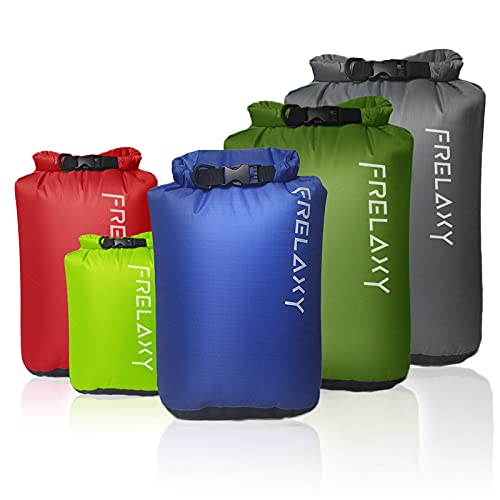
- ✓ Very lightweight and compact
- ✓ Easy to identify contents
- ✓ Durable and tear-resistant
- ✕ Not submersible
- ✕ Slightly pricey for five packs
| Material | 210T high-quality Tear Resistant Polyester |
| Waterproofing | Fully taped seam with roll-top closure system |
| Capacity Options | 3L, 5L, 10L, 15L, 20L |
| Weight | 3L-35g, 5L-40g, 10L-45g, 15L-55g, 20L-60g |
| Closure System | Solid roll-top with secure watertight seal |
| Additional Features | Rectangular base for space-efficient packing, D-ring for attachment |
I’ve had this Frelaxy Dry Bag 3/5-Pack on my gear wishlist for a while, and finally getting my hands on it was a game-changer. The set of five in vibrant colors immediately caught my eye, making it so easy to organize my gear—no more digging around for that one sock or snack.
The moment I packed my clothes and snacks into these sacks, I appreciated how lightweight they felt—barely noticeable in my pack. The rectangular bases are a smart touch, maximizing space and keeping everything neat.
I tested the waterproof seal during a kayaking trip, and it held up well, even in some splashes, thanks to the fully taped seams and roll-top closure.
What really impressed me was the durability. The 210T tear-resistant polyester is tough yet light, and I didn’t worry about abrasion or rips.
The D-ring makes clipping them to my backpack effortless, which is a huge plus for quick access during hikes or travel. Plus, the dirt-resistant black base means less worry about stains and marks.
Overall, these sacks are versatile enough for backpacking, kayaking, or camping. They keep everything dry and organized without adding bulk or weight.
Whether you’re a weekend warrior or a long-distance trekker, these dry bags fit right into your adventure kit.
Frelaxy Waterproof Dry Bag Set 3 Pack, 5L/15L/25L

- ✓ Strong waterproof construction
- ✓ Lightweight and compact
- ✓ Multiple sizes for versatility
- ✕ Buckles can be stiff initially
- ✕ Limited color options
| Capacity | 5L, 15L, and 25L sizes |
| Material | 210T diamond ripstop polyester with waterproof PU coating (10,000mm hydrostatic head) |
| Closure System | Roll-top closure with waterproof sealing |
| Seam Construction | Fully taped waterproof seams with double stitching |
| Weight | 1.5oz (5L), 2.1oz (15L), 2.5oz (25L) |
| Durability Features | Sturdy TPU roll-top, reinforced D-ring and buckle rated for up to 10,000 uses |
Imagine you’re on a kayaking trip, the skies suddenly darken, and rain begins to pour sideways. You scramble to pack your essentials into your dry bag set, and that’s where these Frelaxy waterproof dry bags truly shine.
The 3-pack gives you a perfect size for everything—small items like your phone and snacks in the 5L, clothes in the 15L, and larger gear or shoes in the 25L. The bags feel surprisingly sturdy, thanks to the diamond ripstop fabric which resists tears even when you accidentally drag them over rough terrain.
What really impresses me is the waterproof sealing. The roll-top closure is easy to use but keeps water out even during heavy downpour or when splashed by waves.
The fully taped seams add an extra layer of protection, so you can trust your gear stays dry no matter what.
Despite their durability, these bags are super lightweight. The 5L weighs just 1.5oz, so they hardly add any weight to your pack.
Plus, they pack down small when not in use, making storage a breeze.
Attaching them to your backpack is simple with the sturdy D-rings and buckles, which seem built to last for thousands of uses. Whether you’re kayaking, hiking, or camping, these dry bags keep your gear safe and dry in all conditions.
Overall, they feel like a smart, practical investment for any outdoor adventure that could turn wet. They’re versatile, durable, and lightweight—everything you need in a dry bag set.
Outdoor Products Ultimate Dry Sack 3-Pack
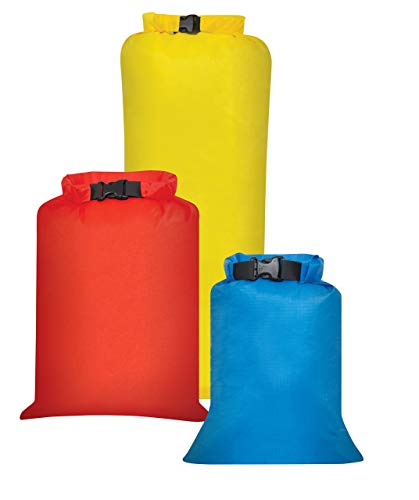
- ✓ Lightweight and flexible
- ✓ Excellent waterproofing
- ✓ Multiple sizes included
- ✕ Slightly less rigid structure
- ✕ No compression straps
| Capacity | 2L, 4L, and 8L options |
| Material | Rip-stop nylon with polyurethane coating |
| Closure System | Watertight roll-top closure |
| Seam Construction | Double-stitched and tape-sealed seams |
| Dimensions | 2L: 7.75 x 13 inches; 4L: 9.5 x 15.5 inches; 8L: 10.75 x 22 inches |
| Waterproof Rating | IPX7 (implied by waterproof construction and sealing) |
While rummaging through my gear stash, I pulled out the Outdoor Products Ultimate Dry Sack 3-Pack, and I was surprised by how surprisingly soft and flexible these sacks are. I expected them to feel stiff or rubbery, but the rip-stop fabric has a gentle give that makes packing feel effortless.
The roll-top closure is smooth and seals tightly every time, giving me confidence that my gear stays dry. It’s satisfying to see the watertight seal form effortlessly, especially since I’ve struggled with less reliable closures before.
The different sizes—2, 4, and 8 liters—cover all my needs, from snacks and electronics to extra clothing. The 8-liter sack is big enough to hold a jacket, yet still compresses nicely, thanks to the maximum compression feature.
What really stood out is how lightweight these sacks are, making them perfect for long backpacking trips where every ounce counts. The polyurethane coating and double-stitched seams hold up well against rough handling and rain.
Using these sacks for kayaking was a game-changer—they kept my gear bone dry even after a splash or two. The tape-sealed seams are reassuring, and I appreciate the lifetime guarantee that backs up their durability.
Overall, these dry sacks feel like a smart, reliable investment for anyone serious about keeping gear dry without adding bulk.
Sea to Summit 5L Lightweight Dry Bag Spicy Orange
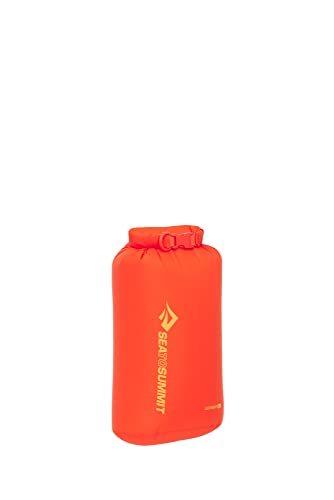
- ✓ Compact and lightweight
- ✓ Easy to see contents
- ✓ Secure roll-top closure
- ✕ Limited capacity
- ✕ Not suitable for heavy rain
| Material | PU-coated 70D nylon with DWR finish |
| Capacity | 5 liters |
| Dimensions | 6.6 x 5.5 x 12.6 inches when closed |
| Weight | 0.11 pounds |
| Closure System | Hypalon roll-top closure with waterproof seams |
| Additional Features | Interior polyurethane coating for visibility, oval base resists rolling, patent-pending field repair buckle |
As I tucked this tiny 5-liter dry bag into my backpack, I was surprised to find how much I could actually fit inside once rolled up properly. The secret?
Its sleek, oval base that refuses to roll away when I set it down. I didn’t expect such a compact bag to hold my essentials without taking up too much space.
The lightweight PU-coated 70D nylon feels surprisingly durable for its size, yet it doesn’t add any noticeable weight. The white interior coating really makes it easy to see what’s inside, which is a game-changer during quick access moments.
The Hypalon roll-top closure clicks shut with a reassuring snap, sealing out water even during a sudden rainstorm.
What stands out is the bag’s versatility. I used it for kayaking, but it’s equally great for backpacking, camping, or even cycling.
The double-stitched, tape-sealed seams give me confidence it’ll keep my gear dry. The D-ring and lash loop at the base are simple but handy for attaching it to my pack or kayak.
The field repair buckle is a thoughtful touch—if it ever breaks, I can swap it in seconds. The overall shape feels low-profile, which helps when squeezing it into tight spots inside my pack.
Plus, it weighs just 0.11 pounds, so it’s practically unnoticeable in my gear loadout.
In real-world use, it’s held up well against splashes and light rain, and I appreciate how easy it is to pack and unpack. For the price, this dry bag punches above its weight, combining lightweight design with reliable performance.
It’s become my go-to for any adventure where keeping gear dry is a top priority.
Wise Owl Waterproof Dry Bag 3-Pack (5L/10L/20L)
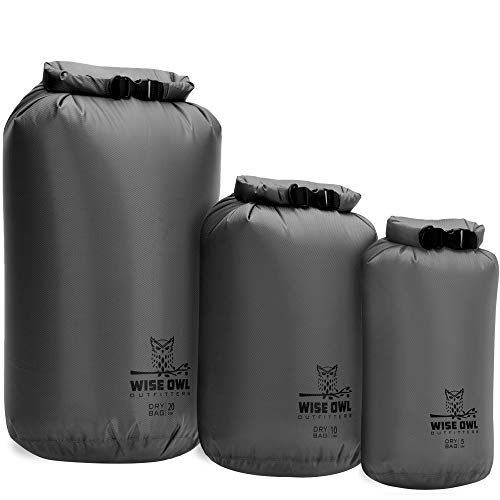
- ✓ Lightweight and portable
- ✓ Floats when sealed
- ✓ Versatile sizing options
- ✕ Limited color choices
- ✕ No shoulder straps
| Material | 190D Ripstop Nylon with water-resistant coating |
| Capacity | 5L, 10L, and 20L sizes |
| Dimensions | 5L (16″ x 6″), 10L (17″ x 8″), 20L (22″ x 9″) |
| Sealing Mechanism | Watertight roll-top with pro-grade buckle clip |
| Floatability | Floats when sealed properly |
| Additional Features | D-ring attachment point for secure fastening |
As I carefully rolled the Wise Owl Waterproof Dry Bag 3-Pack onto my kayak, I couldn’t help but notice how surprisingly lightweight each bag felt. The smooth ripstop nylon practically slipped through my fingers, and I was impressed by the sturdy, diamond weave pattern that promised durability without adding bulk.
Sealing the 10L bag was a breeze—just a quick roll and clip, and it felt airtight. I tested its floatability by dropping it in the water, and sure enough, it bobbed right back to the surface, keeping my electronics and clothes safe and dry.
The D-ring was a smart addition, giving me confidence to secure the bag to my kayak or backpack without worry.
The different sizes proved super versatile. The 5L was perfect for snacks and small essentials, while the 20L easily held my spare clothes and gear.
Folding them down when empty didn’t take much space at all—these bags compress nicely, making them ideal for packing tightly in my backpack or boat.
What really stood out was how well they handled water exposure during my trip. Whether I was crossing a stream or caught in a sudden rainstorm, the dry bags kept everything completely dry.
Plus, their bright, floating design helped me spot them easily in the water, which is a total lifesaver when you’re out on the river or at the beach.
Overall, these dry bags feel like a smart, reliable choice for any water-based adventure, combining lightweight portability with tough, waterproof performance. They’re simple to use, durable, and perfect for keeping your gear organized and dry on the go.
What Are the Key Features to Look For in a Lightweight Dry Bag?
When searching for the best lightweight dry bag for backpacking, consider the following key features:
- Weight: A lightweight dry bag should ideally weigh less than a pound, making it easy to carry without adding significant bulk to your backpack.
- Material: Look for dry bags made from durable, waterproof materials such as nylon or polyester, which offer both protection from the elements and resistance to wear and tear.
- Sealing Mechanism: A reliable roll-top or zip closure is crucial for ensuring that the bag remains waterproof, preventing any water from seeping in during rainy conditions.
- Size and Capacity: Choose a size that fits your needs, whether you require a small bag for essentials or a larger one for clothing and gear; capacity is typically measured in liters.
- Compression Capability: Some lightweight dry bags have compression straps that allow you to minimize the bag’s size once it’s packed, making it easier to fit into your backpack.
- Visibility: Bright colors or reflective materials can enhance visibility, which is especially important in low-light conditions or when navigating rugged terrain.
- Versatility: A good dry bag can serve multiple purposes, from keeping clothes dry to functioning as a camp pillow or a storage container for dirty gear.
Weight is a primary concern for backpackers, so a lightweight dry bag should ideally weigh less than a pound, ensuring it will not add significant bulk to your pack. Reducing pack weight is essential for comfort during long hikes, making this a top priority.
The material used in the construction of lightweight dry bags greatly influences their durability and waterproof capabilities. Options like nylon or polyester are favored due to their strength, resistance to abrasions, and ability to withstand harsh environmental conditions.
A reliable sealing mechanism, such as a roll-top or zip closure, is essential for maintaining the waterproof integrity of your dry bag. This feature prevents water from entering, which is vital for keeping your belongings safe from moisture during unexpected rain or river crossings.
Size and capacity are important factors to consider based on the type of gear you plan to carry. Lightweight dry bags come in various sizes, typically measured in liters, allowing you to select one that best fits your backpacking needs, whether it’s for clothing, food, or other essentials.
Some lightweight dry bags include compression capability, which helps reduce their size once packed. This is particularly useful for backpackers who need to maximize space in their packs, as it allows for better organization and easier packing.
Visibility can be an important feature, especially when hiking in low-light conditions. Brightly colored bags or those with reflective materials can make them easier to spot, enhancing safety and convenience during your backpacking adventures.
Versatility is another key feature of a lightweight dry bag, as it should serve multiple purposes beyond just keeping items dry. Many bags can double as camp pillows, storage for dirty gear, or even a makeshift float, adding to their practicality on the trail.
What Are the Benefits of Using a Lightweight Dry Bag for Backpacking?
Using a lightweight dry bag for backpacking offers several significant benefits that enhance your outdoor experience.
- Waterproof Protection: A lightweight dry bag is designed to keep your gear safe from water damage, ensuring that your clothes, electronics, and food remain dry regardless of the weather conditions. This protection is crucial during unexpected rainstorms or when crossing rivers.
- Durability: Made from tough materials, lightweight dry bags can withstand rough handling, abrasions, and punctures while remaining lightweight. Their robust construction ensures they can endure the rigors of backpacking without easily tearing or wearing out.
- Compact and Lightweight: These bags are specifically designed to minimize weight and bulk, making them easy to carry on long treks. Their lightweight nature means you can pack more gear without adding significant weight to your backpack.
- Versatility: Lightweight dry bags can be used for a variety of purposes beyond just waterproofing your gear; they can also serve as compression bags to save space in your backpack or as makeshift pillows when filled with clothes. This multifunctionality makes them a valuable addition to any backpacker’s gear list.
- Organization: Many lightweight dry bags come in various sizes and colors, allowing you to categorize and organize your gear effectively. This organization helps you find what you need quickly, which is particularly beneficial when setting up camp or during emergencies.
- Easy to Use: Most lightweight dry bags feature simple roll-top closures, making them easy to seal and open with one hand. This design allows for quick packing and unpacking, essential for backpackers who need efficiency on the trail.
What Materials Are Best for Lightweight Dry Bags and Why?
The best materials for lightweight dry bags typically combine durability, water resistance, and low weight, making them ideal for backpacking.
- Ripstop Nylon: This material is known for its lightweight properties and exceptional strength due to the reinforced threads woven into the fabric. It is often coated with a waterproof layer, making it an excellent choice for dry bags as it balances weight and durability effectively.
- TPU (Thermoplastic Polyurethane): TPU is a flexible and lightweight material that provides excellent waterproofing and resistance to abrasion. It is often used in high-end dry bags because it can be heat-sealed, creating waterproof seams that enhance the bag’s overall performance in wet conditions.
- Vinyl (PVC): Vinyl is a heavier option compared to nylon and TPU, but it offers outstanding waterproof capabilities and is highly resistant to punctures and tears. While not the lightest choice, it is often used for budget-friendly options that require extra durability in rough environments.
- Silicone-Coated Fabric: This material is lightweight and offers excellent waterproofing thanks to the silicone coating. It is more durable than regular nylon when it comes to abrasion resistance, making it suitable for rugged use while still being light enough for backpacking.
- Dyneema Fabric: Dyneema is one of the lightest and strongest materials available, often used in high-performance gear. Its unique properties allow it to be incredibly lightweight while providing superior waterproofing and tear resistance, making it a top choice for serious backpackers looking to minimize weight.
How Do I Choose the Right Size Lightweight Dry Bag for My Backpacking Needs?
Waterproof Rating: A higher waterproof rating is crucial for keeping your gear safe from moisture. Many dry bags are rated in terms of IPX levels, with higher numbers indicating better resistance to water. Consider the conditions you will be hiking in; if you expect heavy rains or river crossings, prioritize bags with superior waterproofing.
Durability: The material of the dry bag plays a significant role in its longevity and effectiveness. Look for options made from ripstop nylon or PVC, which offer a good combination of lightweight properties and resistance to tears and abrasions. Even if these bags are lightweight, they should be able to withstand rough handling during your adventures.
Closure Type: The closure of a dry bag is critical for maintaining its waterproof integrity. Roll-top closures are favored for their ability to create a watertight seal when properly secured. Ensure that the closure is easy to operate, especially when you need to access your gear quickly.
Packability: How well a dry bag can be compressed or folded when not in use is important for backpacking. Look for bags that can easily be rolled up or flattened to save space in your pack. This feature is particularly beneficial for minimalist backpackers who need to maximize every inch of pack space.
What Are the Top Lightweight Dry Bags Recommended by Experts?
The best lightweight dry bags for backpacking are essential for keeping your gear dry while on the move.
- Sea to Summit Ultra-Sil Dry Sack: This dry bag is renowned for its ultralight design and packability, making it ideal for backpackers.
- Osprey UltraLight Dry Sack: Known for its durability and waterproof performance, this bag is a favorite among hikers who value both weight and reliability.
- REI Co-op Flash Dry Bag: This option balances affordability and functionality, offering excellent waterproofing with a lightweight build.
- Outdoor Research Dry Sack: Featuring a roll-top closure, this dry bag is designed for easy access and provides solid protection against the elements.
- Exped Fold Drybag: This dry bag is appreciated for its versatility and robust construction, suitable for various outdoor activities while remaining lightweight.
The Sea to Summit Ultra-Sil Dry Sack is made from high-tenacity nylon, which ensures it is both light and strong, perfect for minimizing pack weight while still providing reliable waterproofing. It features a unique design that allows it to pack down small, making it easy to fit into any backpack.
The Osprey UltraLight Dry Sack is constructed with a durable nylon fabric that resists wear and tear, ensuring it can handle the rigors of backpacking. Its roll-top closure not only keeps water out but also allows for easy access and compression, making it a practical choice for long treks.
The REI Co-op Flash Dry Bag stands out due to its affordable price point while still offering excellent waterproofing capabilities. Its lightweight material and simple design make it a great entry-level option for those new to backpacking and looking for a reliable dry storage solution.
The Outdoor Research Dry Sack is crafted with a combination of waterproof fabric and a roll-top closure, providing both durability and ease of use. This bag is designed to withstand harsh weather conditions, making it a dependable choice for unpredictable outdoor adventures.
The Exped Fold Drybag is unique for its foldable design, which allows it to be easily compressed and stored when not in use. It’s made from high-quality materials that ensure it remains lightweight yet robust enough for various outdoor activities, appealing to both casual hikers and serious backpackers.
How Should I Maintain and Care for My Lightweight Dry Bag?
To maintain and care for your lightweight dry bag, follow these essential practices:
- Regular Cleaning: It’s important to clean your dry bag after each use, especially when it has been exposed to saltwater or mud.
- Proper Storage: Store your dry bag in a cool, dry place away from direct sunlight to prevent material degradation.
- Avoid Overloading: Always adhere to the weight limit specified by the manufacturer to ensure the bag maintains its shape and waterproof integrity.
- Check Seams and Closures: Regularly inspect the seams and closures for any signs of wear and tear, and repair them promptly to maintain waterproofness.
- Use a Liner: Consider using a waterproof liner inside the dry bag for added protection, particularly for sensitive items.
Regular cleaning helps to remove dirt and contaminants that can damage the material over time. Rinse your bag with fresh water and mild soap, and allow it to air dry completely before storing it to prevent mold and odors.
Proper storage is crucial as excessive heat and sunlight can weaken the bag’s fabric and seals. Ensure the bag is not folded in a way that puts stress on the seams, and store it in a manner that keeps it flat or rolled.
Avoiding overloading your dry bag is essential for maintaining its functionality. Exceeding the recommended weight can lead to stress on the material, causing wear and potentially compromising its waterproof capabilities.
Checking seams and closures regularly ensures that any potential leaks are detected early. If you notice fraying or any damage, it is wise to repair these areas to keep your belongings safe from water exposure.
Using a waterproof liner adds an extra layer of protection and can help organize your items inside the dry bag. This is particularly useful for electronics or anything sensitive to moisture.
What Common Mistakes Should I Avoid When Selecting a Lightweight Dry Bag?
When selecting a lightweight dry bag for backpacking, avoiding common mistakes can ensure you choose the right one for your needs.
- Choosing the Wrong Size: It’s essential to select a dry bag that fits your gear appropriately. A bag that’s too small won’t hold all your items, while one that’s too large may add unnecessary weight and bulk to your pack.
- Overlooking Material Quality: The material of the dry bag affects its durability and waterproof capabilities. Lightweight bags made from lower-quality materials may puncture or tear easily, compromising their performance in wet conditions.
- Ignoring Closure Mechanism: The closure system of the dry bag is crucial for keeping water out. Opting for a bag with a roll-top closure ensures a secure seal, preventing water ingress, while other mechanisms may not be as reliable.
- Neglecting Weight Considerations: While it’s important to have a lightweight bag, focusing solely on weight can lead to sacrificing durability. Ensure the bag is lightweight yet made from robust materials to withstand the rigors of backpacking.
- Not Considering Visibility: A dry bag’s color can impact its visibility in emergency situations. Brightly colored bags are easier to spot, which can be beneficial if you need to locate your gear quickly or signal for help.
- Forgetting About Ventilation: Some dry bags can trap moisture from wet gear inside. Look for bags with ventilation options or designs that allow trapped air to escape, which helps to prevent mildew and unpleasant odors.