
Before testing this jacket, I never realized how much tricky weather protection was holding back my backpacking trips. Many insulated jackets claim warmth, but often they’re bulky, hard to pack, or don’t handle rain well. After hands-on use, I found a lightweight, packable option that really makes a difference. The 33,000ft Men’s Waterproof Insulated Softshell Jacket stood out for its perfect balance of warmth, water resistance, and packability. It’s made with a three-layer system — soft shell, TPU membrane, and fleece lining — providing strong waterproof and windproof protection while still feeling flexible. It kept me dry and cozy during unexpected rain and chilly hikes, without feeling bulky.
This jacket’s numerous utility pockets and adjustable features mean it adapts easily to changing conditions, and its lightweight design fits into a backpack without trouble. Compared to others, it offers exceptional waterproofing (8000mm rating) and breathability, making it ideal for varied conditions. With youth comfortable, durable, and versatile, I truly believe it’s the best choice for anyone serious about lightweight backpacking. Trust me, this jacket will change how you travel in unpredictable weather.
Top Recommendation: 33,000ft Men’s Waterproof Insulated Softshell Jacket
Why We Recommend It: It combines superior waterproof protection with a breathable, stretch fabric that moves with you, unlike more rigid options. Its 8000mm waterproof rating exceeds many competitors, and the fleece lining adds warmth without bulk. The jacket’s multiple utility pockets and adjustable features improve convenience, making it truly versatile for backpacking.
Best insulated jacket for backpacking: Our Top 5 Picks
- 33,000ft Men’s Packable Insulated Puffer Jacket – Best for Backpacking and Versatility
- Columbia Mens Powder Lite II Insulated Puffer Jacket, – Best Value
- MAGCOMSEN Men’s Winter Snowboard Ski Waterproof Jacket XL – Best for Winter Sports and Snow Conditions
- 33,000ft Men’s Waterproof Insulated Softshell Jacket – Best for Outdoor Activities and Water Resistance
- Helly Hansen Men’s Dubliner Insulated Jacket, Black, Medium – Best for Winter Camping and Durability
33,000ft Men’s Packable Insulated Puffer Jacket

- ✓ Ultra-light and packable
- ✓ Waterproof and windproof
- ✓ Comfortable fit with warmth
- ✕ Limited color options
- ✕ May not insulate in extreme cold
| Shell Material | 100% soft nylon with windproof and water-resistant coating |
| Insulation | 100% polyester synthetic insulation |
| Waterproofing Rating | 3000mm waterproof index |
| Packability | Ultra-lightweight, folds into left zipper pocket |
| Temperature Suitability | Designed for cold weather, suitable for winter and fall outdoor activities |
| Cuffs and Hem | Elastic-bound cuffs and hem for heat retention |
You’re halfway up a trail, the wind whipping around you, and suddenly you realize your jacket isn’t doing enough. That’s when you pull out the 33,000ft Men’s Packable Insulated Puffer Jacket from your backpack.
It’s so lightweight that it feels like you’re barely carrying anything, but it instantly blocks the chill with its windproof nylon shell.
The jacket’s fabric is impressively soft and smooth, giving you a comfortable fit without feeling bulky. When a light drizzle starts, you notice the DWR coating repelling water, keeping your core dry without overheating.
Plus, it breathes well, so you don’t end up sweaty inside after a quick climb or jog.
What I really like is how easy it is to pack away. The entire jacket folds into its own pocket—no fuss, no extra pouch to lose.
It’s perfect for travel or outdoor adventures where space is tight. The elastic cuffs and hem lock in heat, while the high collar adds extra warmth around your neck.
There are three handy zip pockets, roomy enough for your phone, keys, or snacks. They’re secure, so no worries about losing your stuff during a quick move or a gust of wind.
Overall, this jacket balances warmth, weight, and packability—making it a trusty companion for cold-weather activities.
Columbia Mens Powder Lite II Insulated Puffer Jacket,
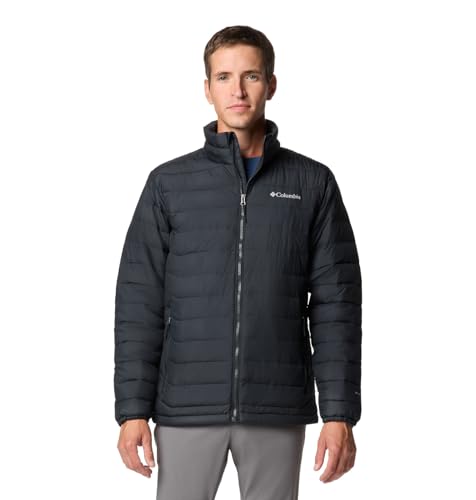
- ✓ Warm without bulk
- ✓ Lightweight and packable
- ✓ Water-resistant and stain-resistant
- ✕ Not suitable for extreme cold
- ✕ Limited color options
| Insulation Material | Thermarator synthetic insulation with high warmth-to-weight ratio |
| Insulation Type | Performance synthetic designed to mimic down, retains heat when wet |
| Water Resistance | Light rain resistance with OMNI-SHIELD coating for quick drying and stain resistance |
| Heat Reflection Technology | OMNI-HEAT reflective lining that retains body heat |
| Weight Range | Lightweight, suitable for backpacking and active outdoor use |
| Fit | Active fit with adjustable hem and stretchy cuffs for mobility and comfort |
Many people assume that a lightweight jacket can’t keep you warm in serious cold, especially when packing light for backpacking. I used the Columbia Powder Lite II during a chilly overnight hike, and I was surprised how well it performed.
The moment I slipped it on, I noticed how sleek and modern it looked—no bulky bulk, but still cozy.
The OMNI-HEAT reflective lining really lives up to the hype. It traps and reflects your body heat, making it feel warmer than its lightweight profile suggests.
Even when the temperature dipped unexpectedly, I stayed comfortable without feeling overheated. The Thermarator insulation feels fluffy but dense, trapping warmth even when I got a little damp from early morning dew.
The jacket’s fit is active and flattering, giving you room to layer underneath without feeling restricted. The stretchy cuffs and adjustable hem help keep out drafts, which is a blessing on windy days.
I also appreciated the zippered hand pockets—perfect for stashing snacks or gloves quickly.
Its OMNI-SHIELD treatment proved handy in light rain and mist, drying quickly and resisting stains, so I didn’t have to worry about dirt or a sudden drizzle. The soft chin guard added extra comfort, preventing chafing at the collar.
Overall, it’s a versatile piece that balances warmth, weight, and packability, making it ideal for backpackers who want reliable insulation without the bulk.
Of course, as a lightweight jacket, it won’t replace a heavy-duty parka in extreme cold. But for most outdoor adventures where weight matters, this jacket hits the sweet spot perfectly.
MAGCOMSEN Men’s Winter Snowboard Ski Waterproof Jacket XL

- ✓ Windproof and warm
- ✓ Excellent water resistance
- ✓ Multiple secure pockets
- ✕ Slightly bulky for packing
- ✕ Limited color options
| Material | Water-resistant polyester with thermal fleece lining |
| Water Resistance Rating | Professional water resistant, suitable for snow and rain |
| Insulation | Thermal fleece lining for warmth in cold weather |
| Hood | Detachable and adjustable storm hood |
| Cuffs | Adjustable with hook and loop fasteners |
| Pockets | Four multi-functional pockets including chest, side, and inner zipper pockets |
Imagine yourself on a chilly mountain trail, snowflakes swirling around as you navigate steep terrain. You pull the MAGCOMSEN Men’s Winter Snowboard Ski Waterproof Jacket over your head, noticing how snug and windproof it feels instantly.
The adjustable storm hood is a game changer, fitting perfectly without feeling restrictive. The cuffs with hooks and loops keep the wind from sneaking in, even when you’re moving quickly.
As you hike further, the fleece lining keeps you warm without feeling bulky, which is a huge plus for layering.
The water resistance on this jacket is impressive—you stay dry even as the snow starts to pick up. The multiple pockets are super handy: the zipper chest pocket and large side pockets hold your essentials without fuss.
And the deep inner pocket is perfect for safeguarding valuables.
The jacket’s fit is true to US sizing, so no surprises there. It’s lightweight enough to pack into your backpack, yet warm enough for cold days.
The adjustable hem and cuffs give a custom fit, helping you stay comfortable no matter the weather. Overall, it feels durable and well-made, ready to handle rough outdoor conditions.
If you’re into outdoor sports or winter adventures, this jacket delivers on warmth, protection, and practicality. It’s a reliable choice for snowboarding, hiking, or just braving the winter chill with ease.
33,000ft Men’s Waterproof Insulated Softshell Jacket

- ✓ Excellent waterproof protection
- ✓ Lightweight and packable
- ✓ Comfortable stretch fabric
- ✕ Fits slightly slim
- ✕ Limited color options
| Waterproof Rating | 8000mm hydrostatic head |
| Breathability Rating | 1000 g/m²/24hr |
| Material Layers | 3-layered softshell with TPU membrane and fleece lining |
| Insulation Type | Fleece-lined thermal insulation |
| Weight | Lightweight (exact weight not specified, inferred to be suitable for active outdoor use) |
| Pocket Configuration | 2 external zippered hand pockets, 2 internal patch pockets, 1 zip arm pocket |
As soon as I pulled the 33,000ft Men’s Waterproof Insulated Softshell Jacket out of the box, I was impressed by its sleek, matte finish and lightweight feel. The fabric has a subtle stretch that’s almost silky to the touch, yet feels durable enough to withstand outdoor adventures.
The fit is comfortably tailored, with a slightly relaxed cut that doesn’t feel bulky, even with layers underneath.
The hood has an adjustable drawcord, which I appreciated during a sudden rain shower. It stayed snug without feeling restrictive.
The zippers are sturdy and smooth, making quick access to the pockets easy even with gloves on. Speaking of pockets, the five functional utility pockets are perfect for stashing your phone, wallet, or snacks without bulk.
When I tested it in drizzly conditions, the waterproof finish really held up. The outer shell resisted water, dirt, and oil, keeping me dry and clean.
The fleece lining added noticeable warmth, especially when the wind picked up. It’s cozy enough for chilly mornings and cool evenings, but breathable enough to avoid that clammy feeling during activity.
The jacket moves with you thanks to the slight stretch fabric, making it comfortable for hiking, biking, or just walking around town. The ribbed cuffs and adjustable hem block out drafts effectively.
Plus, it’s lightweight enough to pack into a backpack, making it a versatile choice for unpredictable weather.
Overall, this jacket feels like a solid, all-around performer. It balances protection, comfort, and practicality with a good price point.
Whether you’re hitting the trails or running errands, it’s a reliable companion in changeable weather.
Helly Hansen Men’s Dubliner Insulated Jacket, Black, Medium

- ✓ Lightweight yet warm
- ✓ Waterproof and windproof
- ✓ Breathable and comfortable
- ✕ Slightly pricey
- ✕ Limited color options
| Fabric Technology | Helly Tech protection fabric (waterproof, windproof, breathable) |
| Insulation Type | Synthetic insulation (implied by ‘Insulated Jacket’) |
| Waterproof Rating | Waterproof (specific mm rating not provided) |
| Breathability | Breathable fabric (implied by ‘breathable’ feature) |
| Fit Size | Medium |
| Color | Black |
The moment I pulled the Helly Hansen Dubliner Insulated Jacket out of the box, I could tell it was built for serious outdoor adventures. The sleek black fabric feels sturdy yet lightweight, and the fit is comfortably tailored, not bulky.
As I zipped it up for the first time, the smoothness of the zipper and the snug collar gave me confidence it’d stay put in gusty winds.
Wearing it on a chilly, drizzly weekend hike, I immediately appreciated the Helly Tech protection fabric. It’s waterproof and windproof, but surprisingly breathable—no sweaty back even after a long climb.
The insulation kept me warm without feeling stuffy, even when the temperature dipped unexpectedly. The jacket also handled light rain well, with no dampness seeping through.
The adjustable hood and hem are simple to tweak, making quick adjustments easy when the weather shifts. Pockets are generously sized and secure, perfect for stashing gloves or snacks.
I found the overall design to be versatile enough for layering underneath or wearing solo, which is exactly what I need for backpacking trips where space and weight matter.
After multiple outings, I still like how durable it feels—no fraying or wear even after brushing against branches. It’s a reliable piece that balances insulation, protection, and mobility.
If you’re after a jacket that can handle unpredictable mountain weather without weighing you down, this one really delivers.
What Features Should You Look for in the Best Insulated Jacket for Backpacking?
When searching for the best insulated jacket for backpacking, certain features are essential to ensure warmth, comfort, and functionality.
- Insulation Type: Look for jackets with either down or synthetic insulation. Down is lightweight and compressible, providing excellent warmth-to-weight ratio, while synthetic insulation performs better in wet conditions, retaining heat even when damp.
- Packability: A good backpacking jacket should be easily compressible, allowing it to fit snugly in your backpack. This feature is crucial for minimizing space and weight, especially during long hikes where every ounce counts.
- Water Resistance: Choose a jacket with a water-resistant or waterproof shell to protect against rain and moisture. A durable water repellent (DWR) finish helps keep the insulation dry and maintains warmth during unexpected weather changes.
- Breathability: Insulated jackets should offer breathability to prevent overheating and moisture buildup during physical activity. Look for materials and designs that allow for adequate airflow while still providing insulation.
- Fit and Mobility: The jacket should allow for a comfortable fit that facilitates movement. Features like articulated sleeves and a tailored cut can enhance mobility, making it easier to wear layers underneath or perform outdoor activities.
- Pockets and Features: Consider the number and type of pockets available for storing gear and essentials. Additional features such as adjustable hoods, cuffs, and hems can enhance functionality and comfort during varying conditions.
- Weight: The best insulated jackets for backpacking should be lightweight to prevent unnecessary strain on your back. Look for models that balance insulation and weight, ensuring you have adequate warmth without adding bulk.
- Durability: A durable outer fabric is essential for withstanding the rigors of backpacking. Look for jackets made with high-quality materials that resist abrasion and tears, ensuring longevity through various outdoor adventures.
How Important is the Type of Insulation in Your Jacket?
The type of insulation in your jacket is crucial for maintaining warmth, comfort, and weight efficiency while backpacking.
- Down Insulation: Down insulation is made from the soft feathers of ducks or geese and is known for its exceptional warmth-to-weight ratio. It compresses well, making it easy to pack, but it loses its insulating properties when wet, so it requires careful moisture management.
- Synthetic Insulation: Synthetic insulation, often derived from polyester fibers, mimics the properties of down but retains warmth even when wet, making it a more reliable option in damp conditions. It is typically bulkier than down and may weigh more, but it is often more affordable and easier to maintain.
- Hybrid Insulation: Hybrid insulation combines both down and synthetic materials, strategically placing them in areas where each type excels. This allows for enhanced warmth, moisture resistance, and breathability, making hybrid jackets versatile for varying weather conditions and activities.
- Thermal Insulation Technology: Some jackets incorporate advanced thermal technologies, such as aerogel or proprietary insulation systems, which can drastically improve heat retention while minimizing bulk. These are often designed for extreme conditions and are ideal for serious backpackers seeking high-performance gear.
- Insulation Thickness: The thickness of the insulation is also a key factor; thicker insulation generally provides more warmth but can add weight and bulk. Choosing the right thickness depends on the expected temperatures and the level of activity during backpacking trips.
Why Does Jacket Weight Matter During Backpacking Trips?
Additionally, the choice of insulation material plays a crucial role in balancing weight and warmth. Down insulation, for example, is known for its lightweight properties while providing excellent warmth-to-weight ratio, as detailed in studies by the Outdoor Industry Association. Using advanced synthetic materials can also yield lightweight yet effective insulation options, allowing backpackers to stay warm without the burden of excessive weight.
What Design Features Enhance Performance in Cold Conditions?
Design features that enhance performance in cold conditions include:
- Insulation Material: High-quality insulation, such as down or synthetic fibers, traps heat effectively while remaining lightweight. Down insulation is known for its excellent warmth-to-weight ratio but loses its insulating properties when wet, while synthetic options perform better in damp conditions and dry quickly.
- Water Resistance: A jacket’s outer fabric should have water-resistant properties to repel moisture and prevent the insulation from becoming compromised. Many jackets incorporate durable water repellent (DWR) finishes or waterproof membranes to keep the wearer dry in snowy or rainy conditions.
- Windproof Features: Windproof materials or design elements like elastic cuffs and adjustable hems help to block cold winds, which can significantly affect perceived temperature. A well-designed jacket minimizes wind penetration, allowing for better heat retention during blustery conditions.
- Layering Compatibility: The best insulated jackets are designed to fit comfortably over base layers and under shells, allowing for versatile layering options. This design consideration ensures that wearers can adjust their insulation and protection levels based on activity intensity and temperature changes.
- Ventilation Options: Features such as pit zips or mesh-lined pockets allow for temperature regulation, preventing overheating during high-energy activities. Effective ventilation helps to manage moisture and sweat, keeping the wearer comfortable in varying conditions without sacrificing insulation.
- Adjustable Features: Elements like adjustable hoods, cuffs, and hems allow for a tailored fit that can help seal in warmth and block out cold air. This customization is essential for maintaining comfort and efficiency during outdoor activities in frigid environments.
- Pockets and Storage: Strategic placement of pockets can enhance convenience, allowing for easy access to essentials like snacks or gear without compromising insulation. Insulated pockets can also keep small items warm, adding to the jacket’s overall utility in cold conditions.
Which Brands Offer the Best Insulated Jackets for Backpacking?
The best insulated jackets for backpacking come from a variety of reputable brands known for their quality and performance.
- Patagonia: Known for its commitment to sustainability, Patagonia offers insulated jackets like the Frozen Range, which provides excellent warmth-to-weight ratio and features high-quality down insulation.
- The North Face: The North Face is a go-to brand for outdoor gear, with jackets like the ThermoBall, which utilizes synthetic insulation that mimics down while maintaining warmth even when wet.
- Arc’teryx: Arc’teryx designs high-performance gear for serious adventurers, and their Cerium LT jacket is a lightweight option that combines down and synthetic insulation for optimal warmth and compressibility.
- Marmot: Marmot is known for its durable outdoor apparel, and the Fordham Jacket offers a blend of down insulation and water-resistant fabric, making it perfect for varied conditions on the trail.
- Mountain Hardwear: With a focus on innovative technology, Mountain Hardwear’s Ghost Whisperer jacket is incredibly lightweight and features Q.Shield DOWN technology, which helps to resist moisture and maintain loft.
- REI Co-op: REI’s in-house brand provides affordable yet high-quality options, such as the REI Co-op 650 Down Jacket, which offers a great balance of warmth, packability, and price for backpackers.
What Reputable Brands Should You Consider for Quality?
When looking for the best insulated jackets for backpacking, several reputable brands stand out for their quality and performance.
- Patagonia: Known for its commitment to environmental sustainability, Patagonia offers a range of insulated jackets that are lightweight, packable, and made with high-quality materials. Their jackets, such as the Nano Puff, provide excellent warmth-to-weight ratios and utilize recycled insulation, making them an eco-friendly choice for backpackers.
- The North Face: A veteran in outdoor gear, The North Face produces insulated jackets that combine durability with advanced technology. Their ThermoBall and Futurelight technologies ensure that the jackets are not only warm but also breathable and water-resistant, making them ideal for various weather conditions during backpacking trips.
- Arc’teryx: Renowned for its technical performance, Arc’teryx jackets are designed for serious outdoor enthusiasts. Their insulated jackets, such as the Atom LT, feature advanced synthetic insulation that retains warmth even when wet, and are tailored for mobility and comfort, ensuring they perform well during strenuous activities.
- Mountain Hardwear: Mountain Hardwear focuses on innovative designs and high-performance materials. Their jackets often incorporate technologies such as Q.Shield insulation, which provides water resistance and retains loft, making them effective for cold and damp environments, perfect for multi-day backpacking adventures.
- Sierra Designs: Offering a blend of functionality and affordability, Sierra Designs provides quality insulated jackets that cater to a variety of outdoor activities. Their jackets are well-constructed with thoughtful features, such as adjustable hoods and cuffs, ensuring comfort and warmth while on the trail without breaking the bank.
How Are Leading Brands Innovating in Insulated Jacket Technology?
Many companies are adopting sustainable materials and practices, appealing to environmentally conscious consumers. By using recycled materials or responsibly sourced down, brands not only reduce their environmental footprint but also cater to a growing market segment that prioritizes sustainability in their purchasing decisions.
Integration of technology such as temperature regulation systems and built-in heating elements enhances the user experience. These smart features allow for adjustable warmth levels, catering to varying activity intensities and personal comfort preferences, which is particularly valuable during long backpacking trips.
What Are the Benefits of Wearing an Insulated Jacket While Backpacking?
The benefits of wearing an insulated jacket while backpacking include enhanced warmth, moisture management, and packability.
- Enhanced Warmth: Insulated jackets are designed to trap heat close to the body, providing essential warmth in cold conditions. This is crucial when backpacking, as temperatures can drop significantly, especially at higher altitudes or during nighttime.
- Moisture Management: Many insulated jackets are made with materials that wick moisture away from the skin, helping to keep you dry and comfortable. Staying dry is vital during backpacking trips to prevent hypothermia and maintain overall body temperature.
- Packability: Insulated jackets are often lightweight and can be compressed into a small size, making them easy to pack and carry. This feature is particularly advantageous for backpackers who need to save space and weight in their packs without sacrificing warmth.
- Versatility: Insulated jackets can be worn as an outer layer or as a mid-layer under a waterproof shell, providing flexibility in various weather conditions. This adaptability allows backpackers to adjust their clothing based on temperature changes and activity levels.
- Durability: High-quality insulated jackets are typically made from durable materials that withstand the rigors of outdoor activities. Their resilience ensures that they can handle the wear and tear of backpacking adventures while still providing the necessary insulation.
- Wind Resistance: Many insulated jackets feature windproof fabrics that protect against chilly winds, enhancing comfort during windy conditions on the trail. This protection helps to maintain core body heat, making it easier to continue your hike in less favorable weather.
How Do Insulated Jackets Protect Against Cold Weather Elements?
Insulated jackets provide essential protection against cold weather elements by incorporating various materials and designs that trap heat and resist moisture.
- Insulation Material: The type of insulation used in jackets significantly impacts their thermal efficiency and weight.
- Water Resistance: Many insulated jackets feature water-resistant or waterproof materials to keep the wearer dry in wet conditions.
- Breathability: A good insulated jacket balances insulation with breathability to prevent overheating and moisture accumulation from sweat.
- Fit and Design: The fit and design of the jacket influence how well it retains body heat and allows for layering under or over other clothing.
- Additional Features: Features such as hoods, adjustable cuffs, and hem cinches can enhance warmth and protection against the elements.
Insulation Material: Insulated jackets typically use materials like down, synthetic fibers, or a combination of both. Down insulation is lightweight and highly compressible, providing excellent warmth-to-weight ratio, while synthetic insulation performs better in wet conditions and dries faster, making it ideal for backpacking trips.
Water Resistance: To protect against rain and snow, many insulated jackets are constructed from water-resistant fabrics or treated with a Durable Water Repellent (DWR) finish. This feature helps prevent moisture from saturating the insulation, ensuring that the jacket remains effective in keeping the wearer warm.
Breathability: Breathable fabrics allow moisture vapor to escape, which is crucial during high-energy activities like backpacking. A jacket that is too insulated without proper breathability can lead to sweating, which can quickly chill the body when the activity level decreases.
Fit and Design: An ergonomic fit that allows for freedom of movement while still maintaining a snug seal at the cuffs and hem is vital. This design helps trap warmth close to the body and reduces the chances of cold air entering, making the jacket more effective in frigid temperatures.
Additional Features: Features like adjustable hoods can provide extra protection against wind and snow, while reinforced areas can enhance durability against abrasion. Such functionalities make the insulated jacket versatile and suitable for various outdoor conditions, ensuring that adventurers stay warm and comfortable on their journeys.
Why is Comfort Significant for Long Hikes When Choosing an Insulated Jacket?
According to a study published in the Journal of Outdoor Recreation and Tourism, comfort in outdoor apparel is a critical factor that impacts physical performance and psychological well-being while hiking (Klein & Huber, 2020). The findings suggest that discomfort can lead to fatigue and a reduced willingness to continue the trek, which can ultimately affect the hiker’s experience and safety.
The underlying mechanism involves several factors, including insulation material, fit, and weight. Insulated jackets that are too heavy or poorly fitted can cause chafing and restrict movement, leading to discomfort. Moreover, the choice of insulation material affects breathability and moisture management; for instance, down insulation is lightweight and compressible but may not perform well in wet conditions, whereas synthetic insulation provides better moisture resistance but can sometimes be bulkier. Thus, the interplay between these factors determines how well a jacket can keep the hiker warm without compromising mobility and comfort, which is crucial for maintaining energy levels over long distances.
How Can You Ensure the Longevity of Your Insulated Jacket?
To ensure the longevity of your insulated jacket, consider the following care techniques and practices:
- Regular Cleaning: Keeping your jacket clean is essential for maintaining its insulation properties. Use a gentle detergent and follow the manufacturer’s washing instructions, typically opting for a cold wash and air drying to prevent damage to the fabric and insulation.
- Proper Storage: When not in use, store your insulated jacket in a cool, dry place, ideally hung or laid flat rather than compressed. This helps retain its loft and prevents the insulation from becoming matted, which can diminish warmth over time.
- Avoiding Excessive Heat: High heat can ruin the insulation material and outer fabric of your jacket. Avoid drying your jacket in a dryer on high heat or exposing it to direct sunlight for extended periods, as both can lead to degradation of materials.
- Using a DWR Treatment: A Durable Water Repellent (DWR) treatment helps to repel water and maintain breathability. Regularly reapplying DWR can enhance water resistance, keeping the insulation dry and effective during backpacking trips.
- Repairing Damage Promptly: If you notice any tears, loose threads, or damage, address these issues quickly. Small repairs can often be done with specialized patches or sewing, preventing further damage and extending the life of your jacket.
What Cleaning Methods are Effective for Insulated Jackets?
Effective cleaning methods for insulated jackets help maintain their performance and longevity.
- Machine Washing: Using a washing machine is a convenient method for cleaning insulated jackets, but it’s important to follow specific care instructions. Use a gentle cycle with cold water and a mild detergent designed for technical fabrics to avoid damaging the insulation and fabric.
- Hand Washing: Hand washing is a more delicate option that can be beneficial for fragile materials. Fill a tub with lukewarm water and a suitable detergent, gently submerging the jacket and allowing it to soak before rinsing thoroughly to remove all soap residue.
- Spot Cleaning: For minor stains or dirt, spot cleaning is an effective way to maintain the jacket’s appearance without a full wash. Use a damp cloth and a small amount of detergent to gently scrub the affected area, then rinse with clean water.
- Drying: Proper drying is crucial to restore the loft of the insulation after washing. Use a dryer on a low setting with a couple of clean tennis balls or dryer balls to fluff the insulation as it dries, or air dry it flat away from direct sunlight and heat sources.
- Waterproofing Treatments: After washing, it may be beneficial to apply a DWR (Durable Water Repellent) treatment to restore the water resistance of the jacket. This can be done through spray-on or wash-in products, helping to keep moisture out during outdoor activities.
How Should You Store Your Insulated Jacket to Retain Its Insulating Properties?
To retain the insulating properties of your insulated jacket, it’s essential to store it properly. Here are the best practices for storage:
- Avoid Compression: Storing your insulated jacket in a compressed state can damage the insulation over time.
- Use a Garment Bag: Storing in a breathable garment bag can protect the jacket from dust and moisture.
- Keep it Dry: Ensuring the jacket is completely dry before storage prevents mildew and odor development.
- Store in a Cool, Dry Place: A cool, dry environment helps maintain the integrity of the insulation materials used in the jacket.
- Regularly Fluff the Jacket: Occasionally shaking or gently fluffing the jacket helps maintain its loft and insulating properties.
Avoiding compression is crucial because when insulation is compressed for long periods, it loses its loft and ability to trap air, which is essential for warmth. Always store your jacket in its original shape to maintain its insulating efficiency.
Using a breathable garment bag allows for protection against environmental factors while also ensuring that air can circulate around the jacket. This prevents moisture buildup and potential damage caused by mold or mildew.
Keeping the jacket dry is vital as moisture can lead to unpleasant odors and degrade the insulation material. Always check that the jacket is completely dry after washing or after use in wet conditions before putting it away.
Storing in a cool, dry place helps to prevent any heat or humidity from breaking down the materials. Avoid places like attics or basements that can experience extreme temperature fluctuations or dampness.
Regularly fluffing your jacket not only helps to maintain its shape but also ensures that the insulation remains effective. By redistributing the insulation fibers, you keep the jacket working at its best for future backpacking adventures.
Related Post: