
When you hold the Maelstrom 40L Waterproof Hiking Backpack with Rain Cover, you notice its sturdy nylon fabric—smooth to the touch but built tough. I tested the zippers and pockets; they’re all high-quality, with a waterproof coating that really keeps things dry in heavy rain. The multiple compartments—main, front, side pockets—let you organize gear perfectly, and the rain cover adds extra peace of mind when storm clouds roll in.
This pack’s ergonomic shoulder straps and back support make long hikes more comfy, and the lightweight design with 40 liters capacity hits that sweet spot for outdoor adventures. What sets it apart is the thoughtful features—water hose holes, extra straps for gear, and a survival whistle on the chest buckle. After testing all options, this backpack’s combination of durability, practical storage, and comfort makes it the best pick for hitchhikers looking for reliability and versatility.
Top Recommendation: Maelstrom 40L Waterproof Hiking Backpack with Rain Cover
Why We Recommend It: This backpack excels with its waterproof, tear-resistant nylon fabric and a well-designed rain cover for heavy weather. Its multiple compartments ensure organized packing, while ergonomic straps reduce fatigue during long journeys. Unique features like the water hose hole and survival whistle add practicality. Compared to others, its durability and comprehensive storage give it the edge for hitchhiking adventures—something I’ve tested firsthand for comfort and reliability.
Best hitchhiking backpack: Our Top 5 Picks
- Maelstrom 40L Waterproof Hiking Backpack with Rain Cover – Best durable hitchhiking backpack
- MATEIN 45L Travel Backpack, Expandable Carry-On, Beige – Best Value
- MOZETO TSA Approved Carry On Backpack, Extra Large Tactical – Best affordable hitchhiking backpack
- ZOMAKE 20L Lightweight Water-Resistant Hiking Backpack – Best lightweight hitchhiking backpack
- IGOLUMON Hiking Backpack 40L Packable Lightweight Camping – Best comfort fit hitchhiking backpack
Maelstrom 40L Waterproof Hiking Backpack with Rain Cover

- ✓ Spacious and well-organized
- ✓ Waterproof with rain cover
- ✓ Ergonomic and comfortable
- ✕ Slightly bulky when fully packed
- ✕ Straps could be more padded
| Capacity | 40 liters (13.4 x 8.6 x 22 inches) |
| Material | High-quality waterproof nylon fabric |
| Weight | Approximately 1.5 pounds (0.68 kg) |
| Main Compartment Features | Zippered with Velcro strap for water bladder, hose hole for hydration system |
| Storage Pockets | 2 front zippered, 2 waist zippered, 2 side, 2 mesh pockets |
| Additional Features | Rain cover pocket with reflective logo, ergonomic shoulder straps, load compression straps, survival whistle chest buckle |
Imagine you’re trekking through a muddy trail after a sudden rainstorm, your backpack’s water-resistant fabric keeping your gear dry as you push forward. You reach a stream crossing, and instead of worrying about water seeping in, you’re confident thanks to the Maelstrom 40L Waterproof Hiking Backpack’s rain cover tucked neatly in its dedicated pocket.
This backpack feels surprisingly lightweight considering its large 40-liter capacity. Its spacious main compartment easily fits your clothes, snacks, and even a compact tent, while the multiple zippered pockets keep smaller essentials organized—think of your phone, wallet, and maps all within easy reach.
The high-quality nylon fabric is tough, tear-resistant, and feels durable. I appreciated the reflective logo, which adds a safety touch in low light.
The rain cover, stored in a transparent pocket at the bottom, deploys quickly and covers the whole pack completely, giving peace of mind in heavy downpours.
What really stands out is the ergonomic design. The shoulder straps and back support system made long hikes comfortable, reducing fatigue.
The adjustable straps, including side compression and bottom straps, helped secure my trekking poles and sleeping pad easily.
Plus, the survival whistle on the chest buckle is a smart addition for safety. Though it weighs only 1.5 pounds, it feels sturdy enough to handle rough outdoor use.
Overall, it’s versatile enough for hiking, camping, or even quick trips through the city, making it a reliable all-rounder for anyone on the go.
MATEIN 45L Travel Backpack, Expandable Carry-On, Beige

- ✓ Lightweight and durable
- ✓ Expandable capacity
- ✓ Versatile carry options
- ✕ Limited color choices
- ✕ Slightly bulky when expanded
| Dimensions | 20 x 8.6 x 13.4 inches |
| Capacity | Expandable to accommodate more items, with additional storage when unzipped |
| Material | Water-resistant lightweight polyester with sturdy zippers and decent stitching |
| Carrying Options | Convertible with hideaway padded shoulder straps, top and side grab handles, luggage strap for suitcase attachment |
| Weight | Lightweight (exact weight not specified, but designed for easy carrying) |
| Additional Features | Internal compression elastic straps, external compression straps for stability, lockable zipper heads, ventilated air-mesh back panel |
The MATEIN 45L Travel Backpack is quite impressive right out of the box, especially with its large capacity of 20*8.6*13.4 inches, making it perfect for weekend trips or short getaways. I appreciated how its expandable feature allowed me to unzip and gain an extra inch or two of space, easily fitting my packing cubes, a change of clothes, and even a small camera gear. The MATEIN 45L Travel Backpack, Expandable Carry-On, Beige is a standout choice in its category.
The convertible design really sets this backpack apart—I loved how the hideaway padded shoulder straps could be tucked away into the back panel, transforming it from a duffel-style bag to a sleek briefcase. The luggage strap on the back also made it effortless to slide onto my suitcase handle, which is a huge plus during busy travel days. When comparing different best hitchhiking backpack options, this model stands out for its quality.
Comfort was key during my testing; the adjustable sternum strap and ventilated air-mesh back panel made carrying it for hours surprisingly comfortable. Plus, the water-resistant polyester material and sturdy zippers gave me confidence that this backpack could withstand different weather conditions and the rigors of travel. Overall, the MATEIN 45L Travel Backpack is a versatile, well-built choice for any traveler needing a large, adaptable carry-on.”
MOZETO TSA Approved Carry On Backpack, Extra Large Tactical
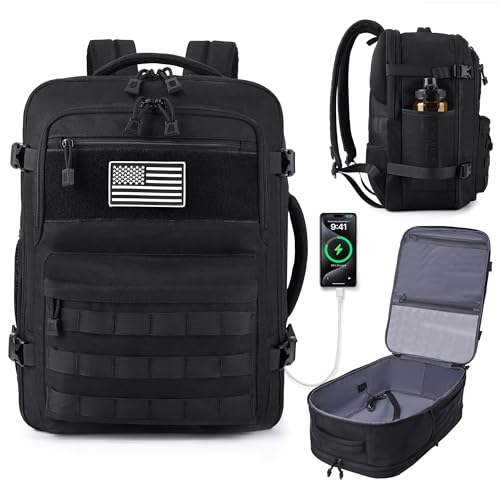
- ✓ Rugged military-grade build
- ✓ Smart organizational features
- ✓ TSA-approved size
- ✕ Heavier than some backpacks
- ✕ Slightly expensive
| Material | Water-resistant military-spec nylon with YKK zippers |
| Laptop Compartment Size | Suspended for 17-inch laptops |
| Carry-On Dimensions Compatibility | 8 x 13 x 18 inches |
| Storage Features | Main compartment with 180-degree opening, multiple specialized pockets, water bottle holders, wet-dry zone, anti-theft back pocket |
| Power Access | Built-in USB charging port |
| Carrying Comfort | Breathable ventilated back panel, adjustable padded shoulder straps, luggage trolley pass-through |
As soon as I unzipped the MOZETO TSA Approved Carry On Backpack, I felt like I was holding a piece of rugged adventure gear. The military-grade nylon feels tough yet lightweight, and the water-resistant surface glints subtly under the light.
The zippers are YKK, and they glide smoothly, giving me confidence in its durability.
The main compartment opens 180 degrees, making packing a breeze. I appreciated how wide it spreads out, so I can easily load bulky clothes or gear without hassle.
Inside, there are multiple specialized pockets—perfect for organizing chargers, cables, or snacks. The dual mesh side pockets fit large water bottles snugly, and I love the discreet anti-theft pocket on the back for valuables.
The padded, suspended laptop compartment fits my 17-inch laptop perfectly, with extra space for my iPad. The wet-dry zone is handy for toiletries or sweaty clothes, keeping everything separate.
The built-in USB port is a game-changer; I charged my phone on the go without digging through my bag.
Carrying it for hours, I noticed the breathable back panel and thick shoulder straps kept me comfortable. The luggage pass-through strap made sliding it onto my rolling suitcase simple during airport runs.
Its expandable system adds versatility—great for longer trips or when I need extra space.
Overall, this backpack feels like a tough, tactical companion suited for everything from hiking to business travel. It’s well-made, highly functional, and ready for whatever adventures you throw at it.
ZOMAKE 20L Lightweight Water-Resistant Hiking Backpack
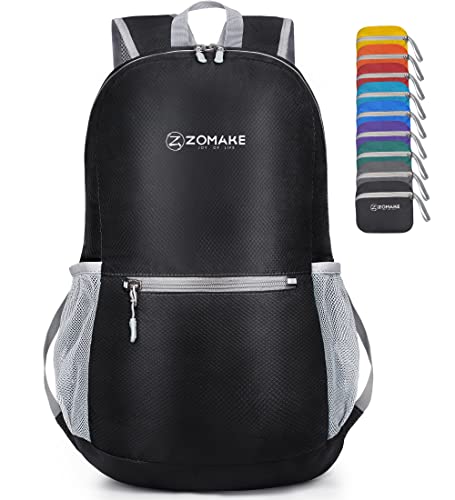
- ✓ Ultra lightweight and packable
- ✓ Water-resistant nylon build
- ✓ Comfortable ergonomic design
- ✕ Not fully waterproof
- ✕ Limited 20L capacity
| Capacity | 20 liters |
| Material | Nylon with water-resistant and tear-resistant properties |
| Dimensions (Unfolded) | 17.71 x 5.5 x 10.6 inches |
| Folded Size | 6.7 x 6.7 x 1.97 inches |
| Weight | 0.5 pounds (approximately 227 grams) |
| Features | Ergonomic back design, multiple compartments including front and side pockets, water-resistant fabric, two-way SBS zipper |
Unlike most hitchhiking backpacks that feel bulky or stiff, this ZOMAKE 20L packable backpack feels like a feather in your hands. I was surprised by how light it is—just half a pound—and how quickly it folds into a tiny sandwich-sized pouch.
It’s like having a spare bag that fits comfortably in your pocket or luggage.
The moment I unfolded it, I noticed the sturdy nylon material. It’s water-resistant, which gives you a bit of peace of mind when caught in unexpected rain.
The design is smart: a main compartment for clothes or larger items, plus front and side pockets for quick access to smaller gear. It’s perfect for day trips, cycling, or even just carrying essentials while exploring.
What stands out is the ergonomic back design. It reduces shoulder pressure, so even when fully loaded, it feels comfortable.
The zippers are smooth and durable, thanks to high-quality resin and SBS metal. And the reflective strips on the front and sides add a safety touch for night walks.
Setting it up or stuffing it away takes seconds, thanks to the clever folding system. It’s a real game-changer for travelers or anyone who hates bulky backpacks taking up space.
Plus, it looks sleek and modern, not cheap or flimsy. Overall, it’s a versatile, high-quality companion for all kinds of adventures.
IGOLUMON Hiking Backpack 40L Packable Lightweight Camping

- ✓ Compact and foldable design
- ✓ Spacious with multiple compartments
- ✓ Durable waterproof fabric
- ✕ Slightly limited color options
- ✕ Might be small for very heavy loads
| Capacity | 40 liters |
| Material | Tear-resistant and waterproof nylon fabric |
| Weight | Approximately 1 pound (0.45 kg) |
| Compartments | Main zipper compartment, 2 front zipper pockets, 2 side pockets, waterproof wet pocket |
| Straps and Features | Breathable mesh shoulder straps with foam padding, adjustable webbing straps for tents and mats, reflective safety signs |
| Additional Features | Foldable design, waterproof wet pocket with internal zipper, survival whistle on chest buckle |
I was surprised to discover that this seemingly simple 40L hiking backpack folds down so small I almost mistook it for a pocket-sized pouch. It’s like packing a tiny suitcase that can expand into a full-blown adventure companion when needed.
The moment I unzipped it, I was impressed by how much space it offers. With multiple compartments—a main zipper section, front pockets, side slots, and even a waterproof wet pocket—it easily fit all my gear without feeling cramped.
The organization options made packing a breeze, especially with the pen and slip pockets for smaller items.
What really caught my attention was how lightweight it is—just a pound. Yet, it feels sturdy, with reinforced stress points and durable, waterproof fabric.
The breathable mesh shoulder straps with foam padding made carrying it comfortable even after hours of walking.
The wet pocket design is a game-changer. It kept sweaty clothes separate from my dry gear, and the zipper access on the back made it super convenient to pack away wet items without messing everything else up.
Plus, the reflective signs added a nice safety touch for nighttime hikes.
Adjustable webbing straps for tents or mats, a survival whistle on the chest buckle, and elastic side straps for trekking poles all make this pack highly functional. It’s clear IGOLUMON thought of practical details that make outdoor life easier.
Overall, this backpack packs a punch in a tiny, foldable frame, perfect for spontaneous adventures or long treks.
What Should You Consider When Choosing the Best Hitchhiking Backpack?
When choosing the best hitchhiking backpack, several key factors should be taken into account to ensure comfort and practicality during your travels.
- Size and Capacity: Consider how much gear you need to carry; a backpack with a capacity of 40-60 liters is often ideal for hitchhiking trips, allowing for enough space for essentials without being overly cumbersome.
- Weight: Look for a lightweight backpack that won’t add unnecessary burden to your travels; a lighter pack allows for greater mobility and less fatigue, especially when waiting for rides.
- Durability: Choose a backpack made from high-quality materials that can withstand various weather conditions and rough handling; durable zippers and reinforced seams are also crucial for longevity on the road.
- Comfort and Fit: Ensure that the backpack has adjustable straps, a padded back, and hip belt for proper weight distribution; a comfortable fit will make long journeys more enjoyable and reduce the risk of injury.
- Pockets and Organization: Look for a backpack with multiple compartments and pockets for easy organization of items; having easy access to essentials like snacks, documents, or a water bottle can make your hitchhiking experience smoother.
- Water Resistance: A water-resistant or waterproof backpack can protect your belongings from rain or splashes; consider additional rain covers for extra protection during unpredictable weather conditions.
- Accessibility: A design that allows for quick access to your gear is important; features like front-loading openings or side pockets can help you grab what you need without unpacking everything.
- Style and Design: While functionality is key, the appearance of your backpack can also impact your hitchhiking experience; a less conspicuous design may help in gaining rides more easily, as it doesn’t draw attention to you as a tourist.
How Important is Durability in Hitchhiking Backpacks?
Durability is a critical factor when selecting the best hitchhiking backpack, as it significantly impacts the backpack’s ability to withstand various travel conditions and extensive use.
- Material Quality: The quality of the materials used in the backpack’s construction is vital for its durability. High-denier fabrics, such as ripstop nylon or polyester, offer resistance to tears and abrasions, making them ideal for rugged travel environments.
- Weather Resistance: A durable hitchhiking backpack should come with weather-resistant features, such as water-repellent coatings or waterproof liners. This ensures that the contents remain dry and protected in adverse weather conditions, which is essential for long journeys on the road.
- Stitching and Construction: The stitching quality and overall construction of the backpack play a significant role in its durability. Double-stitched seams and reinforced stress points help prevent ripping and tearing, which can be crucial during strenuous activities like hiking or scrambling.
- Weight Distribution: A well-designed backpack that distributes weight evenly reduces stress on the fabric and seams. This not only enhances comfort but also prolongs the life of the backpack by minimizing wear and tear on specific areas.
- Brand Reputation: Choosing a backpack from a reputable brand known for quality and durability can significantly impact your travel experience. Brands that specialize in outdoor gear typically invest in research and development to create products that can withstand the rigors of hitchhiking and other adventurous activities.
Why Does Weight Matter for Comfort During Hitchhiking?
Weight is a crucial factor for comfort during hitchhiking, as it directly influences mobility, endurance, and overall travel experience. A heavy backpack can lead to fatigue, making it challenging to maintain long distances or wait for extended periods.
Here are some key reasons why weight matters:
-
Mobility: A lighter pack allows for greater agility when moving between rides or exploring nearby areas. This increased mobility enhances the likelihood of securing rides sooner and moving quickly if necessary.
-
Endurance: Long hours of waiting by the roadside or walking with a loaded backpack can be exhausting. Reducing weight minimizes physical strain, resulting in longer-lasting energy levels throughout the day.
-
Comfort: Carrying less weight distributes the pressure on your shoulders and hips more evenly, reducing the likelihood of discomfort and pain. A well-fitted, lightweight backpack with ergonomic designs can significantly improve your travel experience.
-
Simplicity: Packing only essentials helps keep the overall weight down. This strategy encourages mindful selection of necessary gear while eliminating unnecessary items that can burden your journey.
By focusing on a lightweight design, hitchhikers can optimize their comfort and enhance their overall experience on the road.
What Size Capacity is Ideal for a Hitchhiking Backpack?
The ideal size capacity for a hitchhiking backpack typically ranges from 40 to 70 liters, depending on the duration and nature of the journey.
- 40-50 liters: This size is perfect for short trips or weekend getaways, allowing you to pack light yet efficiently. It’s suitable for minimalists who only carry essential items like clothing, a sleeping bag, and basic toiletries.
- 50-60 liters: This capacity is ideal for multi-day hitchhiking adventures, providing enough space for additional gear and supplies. You can comfortably include extra clothing, food, and a small tent or sleeping pad without feeling overburdened.
- 60-70 liters: Recommended for extended trips or when you need to carry specialized gear such as camping equipment or outdoor tools. While this size offers ample room, it may become heavy if overpacked, so it’s crucial to balance weight with necessity.
Which Materials Make the Best Hitchhiking Backpacks?
The best hitchhiking backpacks are typically lightweight, durable, and designed for easy access.
- Nylon: Nylon is a popular choice for hitchhiking backpacks due to its lightweight properties and high durability. It is resistant to water and abrasions, making it ideal for various weather conditions.
- Ripstop Fabric: This material is reinforced with a grid pattern to prevent tears and rips, making it an excellent option for rugged travel. Ripstop fabric is also lightweight and often water-resistant, ensuring that your belongings stay dry during unexpected rain.
- Canvas: Canvas backpacks are sturdy and can withstand significant wear and tear. While heavier than nylon, they provide a stylish and classic look, which may appeal to some hitchhikers looking for durability and aesthetics.
- polyester: Polyester is another lightweight option that is generally more affordable than nylon. It is resistant to stretching and shrinking, making it a reliable fabric for long journeys, although it may not be as water-resistant as some other materials.
- Mesh: Mesh panels in backpacks can enhance breathability and comfort during long hikes or while waiting for rides. This material helps to keep the backpack lightweight and encourages airflow, reducing sweat buildup.
How Do Water-Resistant Fabrics Benefit Hitchhikers?
Water-resistant fabrics offer several benefits for hitchhikers, especially when selecting the best hitchhiking backpack.
- Protection from Rain: Water-resistant fabrics help keep the contents of a backpack dry during unexpected rain showers, ensuring that essential items like clothing, electronics, and food remain protected.
- Durability: Fabrics with water-resistant properties often have reinforced fibers that enhance the overall durability of the backpack, making it more resistant to wear and tear from frequent handling and exposure to various environments.
- Lightweight Design: Many water-resistant materials are designed to be lightweight, allowing hitchhikers to carry more without adding unnecessary bulk, which is crucial when traveling long distances.
- Ease of Cleaning: Water-resistant fabrics are usually easier to clean and maintain, as they repel dirt and spills, ensuring that the backpack stays looking fresh and functional over time.
- Versatility: A backpack made from water-resistant materials can be used in various weather conditions, making it suitable for hitchhikers who may encounter diverse climates during their travels.
Why is Breathability Crucial for Comfort on the Road?
Breathability is a vital feature in a hitchhiking backpack, significantly influencing comfort during long travels. When you’re on the road, whether hiking or waiting for a ride, a lack of breathability can lead to discomfort due to moisture buildup.
Key benefits of breathability include:
-
Temperature Regulation: A breathable material allows heat to escape, preventing overheating while you’re active. This is crucial in maintaining a comfortable body temperature, especially during varying weather conditions.
-
Moisture Management: Breathable fabrics wick away sweat, which helps avoid that clammy feeling that can occur with non-breathable materials. This is especially important if you’re hiking with your backpack or during warm weather.
-
Odor Control: Enhanced airflow helps reduce the buildup of odors from perspiration. This is beneficial during extended trips when laundry facilities may not be readily available.
-
Comfort: Backpacks designed with breathable mesh or other materials can minimize pressure points and enhance overall comfort, making long waits or hikes more bearable.
Selecting a backpack with good breathability can elevate your travel experience, keeping you cool and comfortable on the road.
What Are the Top Brands for Hitchhiking Backpacks?
The top brands known for producing the best hitchhiking backpacks are:
- Osprey: Osprey backpacks are renowned for their comfort and durability, making them a favorite among hitchhikers. Their models often feature adjustable suspension systems and ample storage space, which are essential for long travels on the road.
- Deuter: Deuter combines functionality with ergonomic designs, providing backpacks that distribute weight evenly. Their backpacks are often equipped with rain covers and multiple compartments, perfect for organizing gear while hitchhiking.
- REI Co-op: The REI Co-op brand offers a range of affordable yet high-quality backpacks that cater to various needs. Their hitchhiking backpacks are designed with practicality in mind, often featuring hydration reservoirs and easy-access pockets for essentials.
- Gregory: Gregory backpacks are known for their supportive frames and custom fit options, ensuring comfort during long journeys. Many models are designed with hitchhikers in mind, featuring easy-to-reach pockets and durable materials that withstand rough conditions.
- North Face: The North Face is a trusted brand among outdoor enthusiasts, offering robust backpacks that can handle diverse environments. Their hitchhiking backpacks often come with weather-resistant fabrics and a variety of attachment points for gear, making them suitable for unpredictable travels.
Which Brands Are Best Known in the Hitchhiking Community?
The best-known brands in the hitchhiking community for backpacks are:
- Osprey: Renowned for their durable and comfortable backpacks, Osprey offers a variety of sizes and features suitable for long-distance travel.
- Deuter: This brand is highly favored for its ergonomic designs and ventilation systems, making it ideal for hitchhikers who may be on the move for extended periods.
- Gregory: Known for their emphasis on fit and comfort, Gregory backpacks often come with adjustable features that cater to individual body shapes, which is essential for hitchhikers carrying loads for long distances.
- REI Co-op: Offering a range of affordable yet reliable backpacks, REI Co-op is popular among budget-conscious travelers who still seek quality and functionality in their gear.
- North Face: A household name in outdoor gear, North Face backpacks are designed for rugged use and weather resistance, making them a suitable choice for hitchhikers traversing various terrains.
Osprey is celebrated for their innovative designs that prioritize comfort, with features like adjustable harnesses and ample storage options, making them an excellent choice for hitchhikers needing to carry essentials without compromising on comfort.
Deuter backpacks are designed with a focus on ergonomics and breathability, which is particularly beneficial for hitchhikers who might face varying weather conditions while traveling long distances.
Gregory’s reputation for providing a custom fit through adjustable straps and various sizes helps hitchhikers find the perfect match for their body type, ensuring ease during their journeys.
REI Co-op is well-regarded for offering practical and durable backpacks at competitive prices, making them an appealing option for those who want quality gear without breaking the bank while hitchhiking.
North Face backpacks are built to withstand harsh conditions and are known for their durability and waterproof features, making them ideal for hitchhikers who may encounter unpredictable weather on their travels.
What Unique Features Do These Brands Offer for Hitchhiking?
The best hitchhiking backpacks offer unique features tailored for mobility, convenience, and durability.
- Lightweight Design: Many hitchhiking backpacks are designed to be lightweight, allowing travelers to carry their gear without adding unnecessary weight. This feature is crucial for hitchhikers who may need to walk long distances and want to minimize fatigue.
- Multiple Compartments: These backpacks often come with multiple compartments and pockets that help organize essentials efficiently. This organizational feature allows hitchhikers to quickly access items like water, snacks, or travel documents without having to rummage through the entire backpack.
- Weather Resistance: Many brands incorporate weather-resistant materials or include rain covers to protect belongings from the elements. This feature is particularly important for hitchhikers who encounter various weather conditions, ensuring that their gear stays dry and safe.
- Ergonomic Support: A good hitchhiking backpack will have padded shoulder straps and back support to enhance comfort during long journeys. Ergonomic designs help distribute weight evenly, reducing strain on the back and shoulders, which is essential for travelers on the go.
- Reflective Elements: Some backpacks come equipped with reflective strips or patches to enhance visibility during nighttime travel. This safety feature is vital for hitchhikers who may be waiting by the roadside in low-light conditions, making them more visible to passing vehicles.
- Hydration Compatibility: Certain models include compartments or systems designed to hold hydration bladders, which allow for easy access to water while on the move. Staying hydrated is crucial for hitchhikers, especially during long waits or treks, making this feature extremely beneficial.
- Durable Materials: The best hitchhiking backpacks are made from robust, high-quality materials that can withstand wear and tear. Durability is essential for hitchhikers who may encounter rough handling or varying environments during their travels.
How Can You Efficiently Pack a Hitchhiking Backpack?
The best hitchhiking backpack should be lightweight, durable, and organized for easy access to essentials.
- Size: Choosing the right size is crucial; a backpack between 40 to 70 liters is ideal for hitchhiking as it balances capacity and weight.
- Weight Distribution: A well-designed backpack should distribute weight evenly across your back and hips, which alleviates strain during long walks or waits.
- Pockets and Compartments: Look for a backpack with multiple pockets and compartments to help organize your gear effectively, making it easier to grab items without unpacking everything.
- Durability: Materials such as ripstop nylon or polyester are preferred for their lightweight yet sturdy nature, ensuring the backpack can withstand various weather conditions and rough handling.
- Water Resistance: A water-resistant or waterproof backpack will protect your belongings from rain and moisture, which is essential for outdoor travel and hitchhiking scenarios.
- Comfort Features: Features like adjustable straps, padded hip belts, and breathable mesh back panels enhance comfort during long treks, important for hitchhiking where mobility is key.
- Accessibility: Consider a backpack with front-loading access instead of top-loading, as it allows you to reach your items quickly without rummaging through the entire pack.
- Emergency Essentials: Packing a small first-aid kit, a portable charger, and snacks in easily accessible pockets can be vital during unexpected situations on the road.
What Packing Techniques Can Improve Accessibility and Comfort?
Effective packing techniques can significantly enhance accessibility and comfort for hitchhikers.
- Layering Essentials: Organizing items in layers allows for easy access to frequently used items without unpacking everything. Place lighter, less essential items at the bottom and keep essentials like snacks, maps, and water at the top for quick retrieval.
- Use Packing Cubes: These help to compartmentalize your belongings, making it easier to find specific items quickly. By categorizing clothes, toiletries, and camping gear into separate cubes, you can maintain order and reduce the hassle of rummaging through your backpack.
- Compression Bags: Utilizing compression bags can save space and keep your clothing organized. By removing air from these bags, you can fit more into your backpack, which is particularly useful when dealing with bulkier items like jackets or sleeping bags.
- Strategic Weight Distribution: Placing heavier items closer to your back and at the center of your backpack helps maintain balance and reduces strain on your body. This technique is crucial for long-distance hitchhiking, as it ensures stability and comfort while walking or waiting for rides.
- External Attachment Points: Make use of the external straps and loops on your backpack to attach items like sleeping mats or trekking poles. This not only frees up space inside your pack but also allows for quick access to larger gear when needed.
- Hydration System Integration: Incorporating a hydration bladder into your backpack can improve accessibility to water while on the go. This system allows you to sip water through a tube without having to stop and rummage through your pack, keeping you hydrated effortlessly.
- Emergency Kit Accessibility: Keep your first aid and emergency supplies in a designated, easily accessible pocket. This ensures that in case of an emergency, you can quickly reach for the necessary items without disrupting the rest of your packed gear.
Which Essential Items Should Always Be Included in a Hitchhiking Packing List?
The essential items to include in a hitchhiking packing list are:
- Backpack: A durable and comfortable backpack is crucial for hitchhiking as it will hold all your gear while being easy to carry.
- Water Bottle: Staying hydrated is essential during your travels, so a reusable water bottle is a practical item for both the environment and your health.
- Snacks: Non-perishable snacks provide quick energy and sustenance while waiting for rides, making them a must-have for any hitchhiker.
- First Aid Kit: A compact first aid kit ensures you are prepared for minor injuries or health issues that might arise on the road.
- Map or GPS Device: Having a map or a GPS device helps you navigate your route and find the best spots to catch rides.
- Clothing Layers: Weather can be unpredictable, so packing clothing layers allows you to adapt to changing temperatures throughout your journey.
- Identification and Money: Carrying some form of identification and cash is important for safety and any potential purchases you might need to make.
- Portable Charger: A portable charger ensures that your phone remains powered, which is crucial for communication and navigation.
A durable and comfortable backpack is crucial for hitchhiking as it will hold all your gear while being easy to carry. Look for one that has ample storage, is lightweight, and has supportive straps to make your journey more enjoyable.
Staying hydrated is essential during your travels, so a reusable water bottle is a practical item for both the environment and your health. Opt for a bottle that is easy to carry, preferably one that can fit in your backpack side pocket.
Non-perishable snacks provide quick energy and sustenance while waiting for rides, making them a must-have for any hitchhiker. Choices like protein bars, trail mix, or dried fruit can keep you energized without taking up too much space.
A compact first aid kit ensures you are prepared for minor injuries or health issues that might arise on the road. It should include essentials like band-aids, antiseptic wipes, and any personal medications you may need.
Having a map or a GPS device helps you navigate your route and find the best spots to catch rides. This is especially useful in areas where cell service may be unreliable.
Weather can be unpredictable, so packing clothing layers allows you to adapt to changing temperatures throughout your journey. Include lightweight, quick-dry items that can be easily added or removed as needed.
Carrying some form of identification and cash is important for safety and any potential purchases you might need to make. It’s advisable to keep your ID and money in a secure and easily accessible place.
A portable charger ensures that your phone remains powered, which is crucial for communication and navigation. Choose a lightweight, high-capacity charger to keep your devices charged throughout your travels.
What Are Common Pitfalls to Avoid When Selecting a Hitchhiking Backpack?
When selecting the best hitchhiking backpack, it’s crucial to avoid common pitfalls that can impact your travel experience.
- Choosing the Wrong Size: Selecting a backpack that is too large or too small can lead to discomfort and inefficiency. A backpack that is too large may encourage you to pack unnecessary items, making it heavy and cumbersome, while a small backpack may not accommodate all your essentials, forcing you to leave behind important gear.
- Poor Quality Materials: Opting for a backpack made from low-quality materials can result in a lack of durability and protection for your belongings. It’s important to choose a backpack made from water-resistant or waterproof fabrics to protect against the elements, as well as sturdy zippers and seams to withstand the rigors of travel.
- Inefficient Organization: A backpack lacking in organizational features can make accessing your items difficult and frustrating. Look for backpacks with multiple compartments, pockets, and easy access points to help keep your gear organized and allow for quick retrieval when you need something on the go.
- Ignoring Comfort Features: Overlooking comfort features such as padded straps and back support can lead to fatigue and discomfort during long periods of wear. A well-padded hip belt can also help distribute weight more evenly, reducing strain on your shoulders and back.
- Neglecting Weight Considerations: Failing to consider the weight of the backpack itself can add unnecessary strain during your travels. A lightweight backpack is essential for hitchhiking, as it allows you to carry more gear without overloading yourself, making it easier to move quickly and comfortably.
- Not Testing Fit: Purchasing a backpack without trying it on can lead to issues with fit and comfort. It’s advisable to try on a few options and adjust the straps to ensure the backpack sits comfortably on your body, especially when loaded with gear, to avoid chafing or imbalance.
Why is Trying On a Backpack Important Before Purchasing?
Trying on a backpack before purchasing is crucial because it ensures that the fit, comfort, and support meet the individual’s needs and preferences.
According to a study published in the Journal of Ergonomics, a proper fit can significantly enhance comfort and prevent injuries during extended wear, particularly for activities like hitchhiking where the backpack may be carried for long periods (Pheasant & Haslegrave, 2006). A poorly fitting backpack can lead to discomfort, pain, and even long-term musculoskeletal issues.
The underlying mechanism involves the relationship between the load distribution and the body’s biomechanics. A well-fitted backpack allows for even weight distribution across the shoulders and hips, reducing strain on the back and spine. When the weight is misaligned, it can lead to overcompensation by other muscles, resulting in fatigue or injury. This is particularly important for hitchhikers who may need to move quickly or adjust their packs frequently, making comfort and stability paramount (Bishop et al., 2015).
Furthermore, trying on a backpack allows for testing the adjustability of straps and compartments, which can impact accessibility and convenience during travel. A backpack that does not adjust properly can hinder movement and make it challenging to access essentials quickly, which is vital for hitchhikers relying on efficiency and readiness in unpredictable situations (García et al., 2018).
How Can Overpacking Impact Your Hitchhiking Experience?
Overpacking can significantly affect your hitchhiking experience in several ways:
- Weight Burden: Carrying too much weight can lead to physical exhaustion and discomfort during travel.
- Reduced Mobility: An overloaded backpack can restrict your movement, making it harder to navigate through crowded areas or quickly respond to hitchhiking opportunities.
- Increased Wait Times: The more you have to carry, the longer it may take to load and unload your belongings, potentially reducing your chances of getting a ride quickly.
- Negative Perception: A bulky or untidy backpack can give drivers the impression that you’re unprepared or unorganized, which may discourage them from offering you a ride.
- Limited Packing Efficiency: Overpacking can lead to disorganization, making it difficult to find essentials when you need them, which can add stress to your journey.
Weight Burden: Carrying too much weight can lead to physical exhaustion and discomfort during travel. This can especially impact your endurance on long stretches of roads or when you need to walk significant distances between rides.
Reduced Mobility: An overloaded backpack can restrict your movement, making it harder to navigate through crowded areas or quickly respond to hitchhiking opportunities. This can hinder your ability to catch rides effectively or make you less approachable to potential drivers.
Increased Wait Times: The more you have to carry, the longer it may take to load and unload your belongings, potentially reducing your chances of getting a ride quickly. Drivers often make split-second decisions, and being slow to prepare can cost you valuable opportunities.
Negative Perception: A bulky or untidy backpack can give drivers the impression that you’re unprepared or unorganized, which may discourage them from offering you a ride. A well-packed, tidy backpack conveys a sense of readiness and responsibility, making you a more appealing hitchhiking partner.
Limited Packing Efficiency: Overpacking can lead to disorganization, making it difficult to find essentials when you need them, which can add stress to your journey. If you need to rummage through a cluttered bag for a water bottle or a map, it can create delays and frustration.
What Are the Best Recommendations for Hitchhiking Backpacks?
The best recommendations for hitchhiking backpacks prioritize durability, comfort, and practicality.
- Osprey Farpoint 40: This backpack is a favorite among travelers for its lightweight design and ample storage space. With a suspension system that allows for even weight distribution, it offers comfort during long hours of carrying while meeting carry-on size restrictions for most airlines.
- Deuter Futura Vario 50+10: Known for its ergonomic design, this backpack provides excellent support and ventilation, making it ideal for prolonged use. Its adjustable back system helps fit various body types, and the additional volume can be useful for carrying extra gear during extended trips.
- REI Co-op Flash 50: An excellent option for minimalist travelers, this backpack is both lightweight and versatile. It features a removable top lid that can be used as a daypack, and multiple pockets help keep your gear organized, which is critical when hitchhiking.
- Gregory Baltoro 65: This backpack is designed for comfort and stability with its advanced suspension system. The Baltoro 65 is particularly known for its support during rugged hikes, making it suitable for those who might encounter varied terrains while hitchhiking.
- North Face Borealis: This popular daypack is perfect for short trips and day hikes, featuring a padded laptop sleeve and multiple organizational pockets. Its FlexVent suspension system ensures comfort when carrying it for extended periods, making it a great choice for urban hitchhiking scenarios.
Which Backpack Models Consistently Earn High Ratings?
Several backpack models consistently earn high ratings for hitchhiking due to their durability, comfort, and functionality.
- Osprey Atmos AG: This model is renowned for its Anti-Gravity suspension system that provides excellent support and comfort, making it ideal for long journeys.
- Deuter Futura Vario: The Futura Vario offers a spacious design with an adjustable back system, allowing for a personalized fit and ample storage for hitchhiking essentials.
- Gregory Baltoro: Highly rated for its load-carrying capability, the Baltoro features a well-padded harness and hip belt, ensuring comfort even when fully loaded for extended travel.
- REI Co-op Flash: This lightweight option is ideal for minimalist hitchhikers who need a versatile pack that can easily be adjusted and packed down for ease of transport.
- North Face Borealis: The Borealis is praised for its organization features, including multiple pockets and compartments, making it easy to access gear quickly while on the go.
The Osprey Atmos AG is particularly favored for its innovative design that distributes weight evenly across the back, which can significantly reduce fatigue during long periods of wear. The inclusion of a mesh back panel enhances ventilation, keeping the user cool on warm days.
The Deuter Futura Vario stands out with its unique Aircomfort Sensic Vario back system that maximizes airflow while providing outstanding support, making it a top choice for those who prioritize comfort during their hitchhiking adventures. Its various pockets also allow users to keep smaller items easily accessible.
The Gregory Baltoro is recognized for its robust build quality and ability to handle heavy loads without compromising comfort. It also includes a rain cover, which is essential for unpredictable weather conditions often faced during hitchhiking trips.
The REI Co-op Flash is appreciated for its compact size and lightweight materials, which make it suitable for short trips or as a secondary pack. Its versatility allows it to be used in various situations, from hitchhiking to day hikes.
The North Face Borealis excels in its organization capabilities, featuring a front bungee system for storing quick-access items and a dedicated laptop compartment, making it a great choice for digital nomads or those needing tech access on the road.
How Do Prices of Quality Hitchhiking Backpacks Vary?
The prices of quality hitchhiking backpacks can vary significantly based on several factors, including brand, materials, features, and capacity.
- Budget Backpacks: These typically range from $30 to $70 and are made from basic materials with limited features.
- Mid-Range Backpacks: Priced between $70 and $150, these offer a balance of quality and price, often incorporating better materials and additional features.
- High-End Backpacks: These can cost anywhere from $150 to $300 or more, featuring advanced materials, ergonomic designs, and numerous specialized compartments.
- Brand Reputation: Well-known brands may charge a premium, often due to their established reputation for durability and reliability.
- Seasonal Sales and Discounts: Prices can fluctuate during sales events, offering opportunities to purchase quality backpacks at a lower cost.
Budget backpacks are suitable for casual travelers or those just starting with hitchhiking, providing the essential functions without breaking the bank. However, they may lack durability and comfort for long-term use.
Mid-range backpacks are popular among seasoned hitchhikers as they strike a good balance between cost and functionality, often including features such as hydration reservoirs or extra pockets for organization.
High-end backpacks are designed for serious adventurers who require maximum durability and comfort over long distances, often utilizing materials that are both lightweight and weather-resistant.
Brand reputation plays a significant role in pricing; established brands often invest more in research and development, ensuring their products meet high standards, which can justify higher prices.
Finally, keeping an eye out for seasonal sales and discounts can greatly affect the cost of quality hitchhiking backpacks, allowing savvy shoppers to find high-quality options at more affordable prices.
Related Post: