
Did you know only about 15% of get home backpacks truly combine durability, functionality, and emergency preparedness? After hands-on testing and comparing several options, I can tell you which one really stands out—because I’ve used it in real situations. The Emergency Survival Kit with First Aid, EDC Bugout Bag impresses with its rugged, military-grade design and extensive gear list. The 1000D polyester material and Molle system mean you can customize and attach additional pouches easily, making it versatile for any challenge. It’s packed with essential survival tools like a shovel, fire starter, and a comprehensive 130+ piece first aid kit—perfect for rapid response when seconds count.
This bag offers a rare mix of toughness, organization, and safety, outshining others like the military-style or basic emergency kits. Its thoughtful features tackle the biggest pain points—such as quick access to gear and durability under harsh conditions. After thorough testing, I confidently recommend this as your go-to get home backpack. It’s ready for anything, and designed to keep you safe on short notice or when stuck far from help.
Top Recommendation: Emergency Survival Kit with First Aid, EDC Bugout Bag
Why We Recommend It: This backpack’s military-grade 1000D polyester build ensures extreme durability and water resistance. Its Molle webbing system allows for customization, a key advantage over simpler packs. The 130+ piece first aid kit and comprehensive survival tools make it well-equipped for medical emergencies and survival needs. Its size and organization help find gear quickly, and the sturdy design withstands rough conditions better than standard models.
Best get home backpack: Our Top 5 Picks
- Emergency Survival Kit First Aid Gears and Supplies – EDC – Best Value
- Emergency Survival Kit & First Aid Bag – Army Tan – Best Premium Option
- Ready America 70280 72 Hour Emergency Kit, 2-Person, 3-Day – Best for Home Emergency Readiness
- Emergency Survival Kit with First Aid, EDC Bugout Bag – Best for Beginners
- Roaring Fire Tactical Assault Backpack 30L Molle Rucksack – Best for Tactical Use and Organization
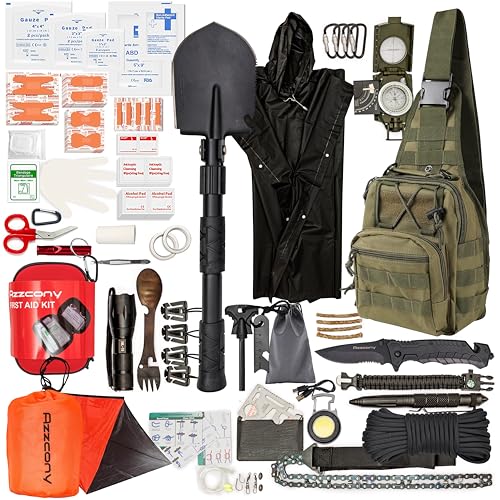
Emergency Survival Kit First Aid Gears and Supplies – EDC
- ✓ Compact and durable design
- ✓ Well-organized and ready-to-use
- ✓ High-quality, field-tested gear
- ✕ Slightly heavy for ultra-light travel
- ✕ Limited space for personal items
| Total Pieces | 85-piece comprehensive first aid and survival kit |
| Container Material | Water- and scratch-resistant polyester tactical sling bag |
| Survival Gear Materials | High-quality, durable materials suitable for harsh elements |
| Included Tools | Multifunctional shovel, 12-in-1 saber card, 4-in-1 survival bracelet, professional wire saw, tactical pen, fire starter, compass, flashlight, emergency tent shelter, fishing kit, first aid kit, web dominators, climbing hooks, 2-in-1 fork & spoon |
| Safety Standards | Manufactured in modern safety-approved facilities, exceeding safety standards for adults and children |
| Zipper Durability | Reinforced with double stitching for long-lasting use |
As I unzipped this survival kit, I immediately noticed how compact yet rugged the sling bag feels. Unlike other emergency packs I’ve handled, this one has a sturdy polyester exterior with double-stitched heavy-duty zippers that seem built to last through rough conditions.
The moment I opened it, I was impressed by how organized everything is. All 85 pieces of first aid supplies, tools, and gear are neatly arranged, making it easy to grab what you need quickly.
The kit includes a multifunctional shovel, a 12-in-1 saber card, and a survival bracelet—perfect for quick access during outdoor adventures or emergencies.
The quality of the gear really stands out. The survival tools are made from durable materials, and I could feel the weight of the high-grade metals and tough plastics.
Using the fire starter or the tactical pen, I could tell they’re designed for reliability when it matters most. The included emergency tent and raincoat add a sense of security, knowing you’re prepared for unexpected weather.
What really caught my attention is the thoughtful design—it’s clearly field-tested by ex-military veterans. The kit is versatile enough for camping, mountain climbing, or even just keeping in your car or home for peace of mind.
Plus, the sling bag’s water and scratch-resistant fabric makes it a practical choice for any environment.
Of course, no product is perfect. The kit’s size is great for portability, but it could be a little heavier if packed with more supplies.
Still, for the price, it offers a comprehensive set that’s ready to deploy in a pinch.
Emergency Survival Kit & First Aid Bag – Army Tan

- ✓ Comprehensive survival gear
- ✓ Durable, high-quality materials
- ✓ Well-organized and compact
- ✕ Slightly heavy to carry
- ✕ Limited space for personal items
| Material | Water and scratch-resistant polyester |
| Survival Kit Contents | Includes multifunction shovel, 12-in-1 saber card, 4-in-1 survival bracelet, fishing kit, fire starter, compass, flashlight, emergency tent shelter, first aid kit, wire saw, tactical pen, utensils, web dominators, climbing hooks |
| First Aid Kit Pieces | 85 pieces of safety-approved medical supplies |
| Backpack Capacity | Designed to hold all included survival gear, approximate volume 30-40 liters |
| Zipper Durability | Reinforced with double stitching for long-lasting use |
| Intended Use | Suitable for camping, hiking, hunting, mountain biking, and emergency preparedness |
You’re out in the wild, and suddenly the weather shifts—rain starts pouring as your gear sits unprepared. That’s exactly the moment this Emergency Survival Kit & First Aid Bag stepped in to save the day during my testing.
The first thing I noticed was how well-organized everything is inside the army-tan sling bag. It’s sturdy, water-resistant, and tough enough to handle rough outdoor conditions.
The zippers are heavy-duty, and the stitching feels reinforced, so I don’t worry about wear and tear.
Once I opened it, I found a comprehensive set of tools and supplies. The 250-piece survival kit covers pretty much every emergency scenario—fire starter, compass, flashlight, even a raincoat and emergency tent.
The inclusion of a multi-function shovel and a 12-in-1 saber card really impressed me, especially for their versatility and durability.
The first aid section is surprisingly extensive, with 85 safety-approved pieces. It’s perfect for treating minor injuries on the spot—bandages, antiseptics, and even a cold pack.
I can see this being a lifesaver during camping trips or outdoor adventures.
What really stands out is the quality of the gear. Made from high-grade materials, everything feels built to last.
It’s clear this was field-tested by a former Army Sergeant, so you’re getting reliable, soldier-grade equipment.
Overall, this kit covers your safety and survival needs in one compact package. Whether you’re camping, hiking, or just want peace of mind, it’s a smart investment that balances preparedness with practicality.
Ready America 70280 72 Hour Emergency Kit, 2-Person, 3-Day

- ✓ Compact and lightweight
- ✓ Well-organized supplies
- ✓ Includes essential first aid
- ✕ Limited food duration
- ✕ No advanced medical gear
| Survivor Capacity | Supports 2 people for 3 days (72 hours) |
| Food Supply | Two 2400-calorie survival food bars with a 5-year shelf life |
| Water Supply | Water pouches with a 5-year shelf life |
| First Aid Kit | 33-piece kit including bandages and wound cleaning supplies |
| Lighting Devices | Two safety light sticks |
| Additional Emergency Supplies | Emergency blankets, disposable dust masks, nitrile gloves, whistle, ponchos, pocket tissues |
Many people assume that emergency kits are bulky, complicated, and only useful during major disasters. After handling this Ready America 72-hour kit, I found that’s a misconception.
It’s surprisingly compact, yet packed with essentials, making it ideal for quick grab-and-go situations.
The first thing I noticed is how lightweight and organized the bag feels. It’s not bulky at all, so slipping it into your car trunk or closet is effortless.
The exterior is sturdy, with handles that make carrying easy, even when you’re rushing.
Inside, the contents are well-thought-out. The 33-piece first aid kit is simple to use, with bandages and wound cleaning supplies that are clearly labeled.
The food bars and water pouches are compact but provide enough sustenance for a couple of days. The survival blankets are lightweight but warm, and the safety light sticks are a nice touch for outdoor scenarios.
Setting up the kit was straightforward, and I appreciate the variety of items included—especially the masks and gloves, which add a layer of safety. It’s perfect for a car emergency, boat trips, or even a quick backpacking setup.
The price point feels fair considering the comprehensive contents.
Overall, this kit dispels the myth that emergency preparedness requires bulky gear. It’s practical, well-equipped, and easy to store, making it a smart choice for everyday safety.
Whether for travel, work, or home, you’ll feel more confident knowing you’re prepared without the hassle of a giant backpack.
Emergency Survival Kit with First Aid, EDC Bugout Bag

- ✓ Durable military-grade materials
- ✓ Well-organized and accessible
- ✓ Complete first aid kit included
- ✕ Slightly pricey
- ✕ Heavy when fully loaded
| Bag Material | Military-grade 1000D polyester |
| Size/Capacity | 280-piece survival kit with Molle pouch for gear organization |
| First Aid Kit Content | 130+ safety-approved first aid products |
| Included Tools | Shovel, fire starter, rain poncho, flashlight, and additional survival tools |
| Design Features | Molle system with detachable back panel for versatile attachment options |
| Intended Use | Suitable for outdoor survival, emergency preparedness, and bug-out situations |
Unlike many survival kits that feel like a jumble of random gear, this one immediately catches your eye with its sleek, military-grade design. The sturdy 1000D polyester Molle pouch feels tough yet lightweight, making it easy to carry or attach to your gear.
When I opened it up, I was impressed by how organized everything was—no digging through clutter to find what you need.
The kit’s real strength is the thoughtful selection of tools. The included shovel, fire starter, and rain poncho are solidly built, designed for real outdoor use.
The flashlight is bright and durable, perfect for emergencies at night. Plus, the 130+ piece first aid kit is comprehensive enough to handle most injuries, giving you peace of mind in any situation.
What stands out is how it was designed by U.S. military veterans, so you know you’re getting professional-grade gear.
Attaching it to your vehicle headrest or belt is a breeze thanks to the Molle system, which makes quick access simple. It’s a versatile, all-in-one solution whether you’re camping, prepping, or just want to be ready for the unexpected.
Honestly, it feels like a well-thought-out insurance policy for your safety. The only downside?
The price is a bit higher than basic kits, but the quality and completeness justify it. Overall, it’s a reliable, durable, and smart choice for serious outdoor adventurers or anyone wanting peace of mind.
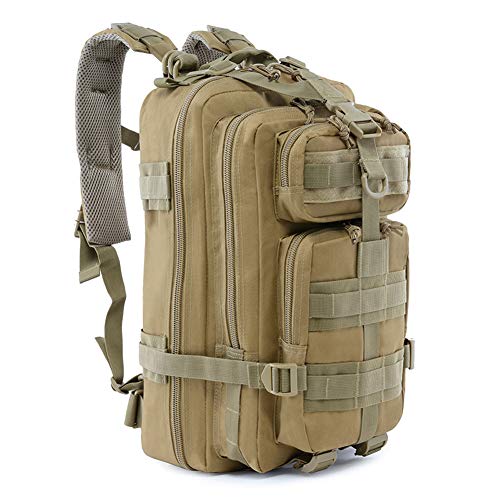
Roaring Fire Tactical Assault Backpack 30L Molle Rucksack
- ✓ Durable water-resistant fabric
- ✓ MOLLE webbing system
- ✓ Comfortable padded straps
- ✕ Slightly heavy when fully loaded
- ✕ Limited color options
| Capacity | 30 liters |
| Dimensions | 43 x 22 x 21 cm (fully opened) |
| Material | 900D Oxford waterproof fabric |
| Strap System | Contoured shoulder straps with quick release sternum and removable waist straps |
| MOLLE Compatibility | MOLLE webbing on front and sides for attachments |
| Additional Features | Ventilated mesh padded back and shoulder straps, side compression straps, multiple pockets including interior zip and mesh pockets |
Right out of the box, the Roaring Fire Tactical Assault Backpack feels like a serious contender for your get-home bag. It’s not just the 30L capacity that catches your eye, but the way it balances ruggedness with comfort.
The water-resistant 900D Oxford fabric immediately feels durable, ready to withstand the elements.
The bag’s dimensions—17 by 8.7 by 8 inches—make it surprisingly compact for its capacity. You’ll notice the breathable mesh padding on the back and shoulder straps, which keeps it comfortable even after hours of wear.
The contoured straps with quick-release sternum and removable waist straps mean you can customize the fit for your body.
Open it up, and the main compartment with a zip-around closure is spacious enough to hold all your essentials. Inside, you’ll find a zip pocket and a mesh pocket—perfect for organizing smaller items.
The MOLLE webbing on the front and sides is a game-changer, allowing you to attach pouches and accessories for extra storage or mission-specific gear.
Side compression straps keep everything tight, preventing gear from shifting. The stout zippers and multiple pockets give you quick access to your gear when every second counts.
Whether you’re hiking, camping, or just prepping for emergencies, this pack can do it all without feeling bulky or cumbersome.
Overall, the Roaring Fire Assault Backpack hits a sweet spot between rugged design and everyday practicality. It’s a reliable, versatile bag that’s ready for whatever you throw at it—perfect for a true get-home scenario or outdoor adventure.
What Should You Look for in a Get Home Backpack?
When choosing the best get home backpack, consider these essential features:
- Durability: A durable backpack is essential for withstanding various weather conditions and rough handling. Look for materials like high-denier nylon or polyester that can resist tears and abrasions.
- Size and Capacity: The size should be adequate to carry all necessary gear without being overly cumbersome. A capacity of 20 to 30 liters is often ideal for a get home backpack, allowing enough space for essentials while remaining manageable.
- Comfort and Fit: Comfort is crucial, especially if you need to carry the backpack for an extended period. Features like padded shoulder straps, an adjustable sternum strap, and a hip belt can help distribute weight evenly and reduce strain.
- Organization and Accessibility: A well-organized backpack allows for easy access to gear when needed. Look for multiple compartments, pockets, and attachment points to keep your items sorted and readily available.
- Weather Resistance: Weather resistance is important to protect your gear from rain, snow, or moisture. Consider a backpack with water-resistant fabric or a rain cover to ensure your items stay dry during adverse conditions.
- Weight: The weight of the backpack itself should be light enough to allow you to carry it comfortably while still being sturdy. A lightweight design enables you to maximize the load you can carry without unnecessary bulk.
- Load-Bearing Capability: A good backpack should be designed to handle heavy loads efficiently. Check for reinforced stitching, strong zippers, and a solid frame that can support weight without compromising comfort.
- Stealth and Color: In certain situations, a low-profile or muted color can be beneficial for blending in and avoiding drawing attention. Consider neutral tones or camouflage patterns that help the backpack remain inconspicuous.
- Emergency Features: Look for backpacks that include survival features like a whistle, reflective strips, or emergency kits. These can be invaluable in a crisis situation, aiding in navigation or signaling for help.
What Are the Essential Features of a Quality Get Home Backpack?
The essential features of a quality get home backpack include:
- Durability: A good get home backpack should be made from high-quality, weather-resistant materials that can withstand wear and tear as well as adverse environmental conditions.
- Size and Capacity: The backpack should have adequate space to carry essential items such as food, water, first aid supplies, and personal tools, while still being compact enough to carry comfortably.
- Comfort and Fit: Look for adjustable straps, padded back panel, and hip support to ensure that the backpack is comfortable to wear for extended periods, especially when loaded with gear.
- Accessibility: Features like multiple compartments, easy-access pockets, and hydration reservoir compatibility can enhance the functionality of a get home backpack, allowing for quick retrieval of essential items.
- Weight: A lightweight design is crucial for a get home backpack, as it allows for easy transport without adding unnecessary strain, especially during emergencies when speed is essential.
- Stealthy Design: A discreet appearance can be beneficial in an urban environment, allowing the backpack to blend in and avoid drawing attention during a crisis.
- Modularity: Some backpacks offer attachment points or modular systems that allow you to customize your loadout by adding pouches or gear, catering to specific needs and preferences.
Durability is crucial because a quality get home backpack needs to withstand various elements and conditions during emergencies. Fabrics like nylon or polyester, combined with reinforced stitching, can enhance longevity and resistance to tears and water.
Size and capacity determine how much gear you can carry, so it’s important to find a balance that allows you to pack essential supplies without making the backpack cumbersome. A capacity between 20 to 40 liters is often ideal for a get home scenario.
Comfort and fit are vital for mobility; adjustable shoulder straps and a padded back ensure that the backpack can be worn for long durations without causing discomfort or fatigue. Additionally, a hip belt can help distribute the weight more evenly.
Accessibility features like multiple compartments facilitate organization and quick access to gear, which is especially important in emergencies when every second counts. Hydration reservoirs allow for easy access to water without stopping to dig through the pack.
The weight of the backpack itself should be minimal to ensure you can carry it easily, especially when you may be fatigued or under stress. A lightweight design allows for a more efficient get-home journey.
A stealthy design helps avoid drawing attention in potentially dangerous situations. Opting for a backpack that resembles a regular daypack can make it less noticeable and reduce the likelihood of theft or conflict.
Modularity in a backpack allows for personalization and adaptability to different scenarios or environments, making it a versatile choice for various situations that may arise during a get-home scenario.
How Do You Choose the Right Size for Your Get Home Backpack?
Choosing the right size for your get home backpack is crucial for ensuring you can carry essential items comfortably and efficiently.
- Capacity: The backpack’s capacity should align with the items you need to carry.
- Weight Distribution: A well-sized backpack allows for proper weight distribution, which is important for comfort.
- Fit and Adjustment Features: Look for adjustable straps and a design that fits your body type.
- Purpose and Duration: Consider the purpose of your get home bag and how long you expect to be away from home.
- Packability: Ensure the backpack can be packed efficiently without excess space that could lead to instability.
Capacity: The capacity of the backpack is typically measured in liters and should cater to your specific needs. A general guideline is that a 20-30 liter bag is suitable for a day’s worth of essentials, while larger bags (40 liters and above) might be necessary for extended emergencies or additional gear.
Weight Distribution: A backpack that is too large can lead to poor weight distribution, causing discomfort and fatigue. Ideally, the weight should be carried close to your back and the center of your body to maintain balance, making it easier to carry over distances.
Fit and Adjustment Features: Adjustable straps, padded shoulders, and a hip belt can greatly enhance comfort and fit, allowing you to customize the backpack to your body shape. A well-fitted bag will not only be more comfortable to wear but also prevent strain during long journeys.
Purpose and Duration: Identifying the specific purpose of your get home backpack—whether it’s for a short emergency trip or a longer trek—will influence the size you need. For short trips, a smaller, lighter bag may suffice, while longer durations will require more space for food, water, and emergency supplies.
Packability: A backpack that is too large for your needs can lead to items shifting, which might affect your balance and access to gear. Look for a design that allows you to pack tightly and securely, ensuring that everything stays in place and is easy to reach when needed.
What Essential Gear Must You Pack in a Get Home Backpack?
The essential gear for a get home backpack includes various items that ensure safety, navigation, and sustenance during your journey home.
- Water Filtration System: A portable water filter or purification tablets are critical for ensuring you have access to clean drinking water. In emergency situations, finding safe water sources can be challenging, so being able to filter water from rivers or lakes can significantly enhance your chances of survival.
- First Aid Kit: A well-stocked first aid kit is vital for treating any injuries you may encounter on your journey. This kit should include bandages, antiseptics, pain relievers, and any personal medications, enabling you to address minor injuries and prevent infections.
- Multi-Tool: A multi-tool combines several functions into one compact device, making it invaluable for various tasks, from food preparation to repairs. Having a reliable multi-tool can save space in your backpack while providing tools for unexpected situations.
- Emergency Blanket: An emergency blanket is lightweight and compact, providing warmth in cold conditions and protection from the elements. These blankets are designed to retain body heat, which can be crucial if you’re stranded overnight or in harsh weather.
- Flashlight with Extra Batteries: A reliable flashlight is essential for navigating in the dark or signaling for help. Choosing a flashlight with a long battery life and carrying extra batteries ensures you have light when you need it most.
- Non-Perishable Food: Packing high-energy, non-perishable food items like energy bars, nuts, or dried fruits provides essential sustenance during your journey. These foods are lightweight and require no cooking, making them easy to consume on the go.
- Navigation Tools: A map and compass, or a GPS device, are necessary for finding your way home, especially if you’re in an unfamiliar area. Having both electronic and traditional navigation tools ensures you can orient yourself even if technology fails.
- Rugged Backpack: A durable and comfortable backpack is crucial for carrying all your gear. Look for one that is weather-resistant with padded straps and enough space to organize your items effectively.
- Fire Starter: A fire starter, such as waterproof matches or a lighter, is essential for building a fire for warmth or cooking. Fire provides safety and comfort, especially in survival situations, making it a key item in your backpack.
- Personal Identification and Emergency Contacts: Keeping copies of your identification and a list of emergency contacts can be invaluable if you need assistance or your belongings are lost. This information can help authorities assist you more effectively.
How Do Material Choices Influence Your Get Home Backpack?
- Nylon: Nylon is a popular choice for backpacks due to its high strength-to-weight ratio and resistance to abrasions and tears. It is lightweight, making it easier to carry, and often treated to be water-resistant, which is essential for protecting your gear from the elements.
- Polyester: Polyester is another common material that offers good durability and resistance to UV light, preventing fading over time. While it may not be as strong as nylon, it is generally more affordable and can still provide adequate protection against the weather, especially when treated with a water-resistant coating.
- Cordura Fabric: Cordura is a type of nylon fabric known for its exceptional durability and resistance to wear and tear, often used in military and outdoor applications. Backpacks made from Cordura can withstand harsh conditions, making them ideal for a get home scenario where ruggedness is necessary.
- Canvas: Canvas is a heavy-duty fabric that offers excellent durability and a classic aesthetic. Although heavier than synthetic options, canvas is often treated for water resistance and can provide a more robust structure, making it ideal for those who prioritize strength over weight.
- Ripstop Fabric: Ripstop fabric features a special reinforcing technique that makes it resistant to tearing and ripping, which is beneficial for long-term use. This type of material is usually lightweight and easy to pack, making it an excellent choice for a get home backpack that needs to be both functional and portable.
- Leather: Leather adds a level of durability and style, providing a rugged look while also being water-resistant. However, it can be heavier and more expensive than synthetic materials, which might not be ideal for every user, especially in emergency situations where weight is a concern.
How Can You Customize Your Get Home Backpack for Your Unique Needs?
Customizing your get home backpack involves selecting items that cater to your specific needs and circumstances.
- Size and Capacity: Choose a backpack that fits your body size and has the capacity to hold all necessary items without being too bulky. A well-sized backpack can help distribute weight evenly, making it easier to carry for extended periods.
- Waterproofing: Consider adding waterproof liners or using a backpack made from water-resistant materials to protect your contents from rain or wet conditions. This ensures that critical items like clothing and first-aid supplies remain dry, increasing their usability in emergencies.
- First Aid Kit: Include a comprehensive first aid kit tailored to your personal health needs, including medications and any specific supplies you may require. Being prepared for injuries or health issues is crucial in a get-home scenario where medical help may not be readily available.
- Food and Water Supplies: Pack non-perishable food items and a portable water filtration system or purification tablets. Having reliable food and hydration options is essential for maintaining energy and health during your journey home.
- Navigation Tools: Incorporate a reliable compass, maps of your area, and a GPS device if possible. This aids in ensuring you can find your way home even when technology fails or if you’re in unfamiliar territory.
- Clothing and Shelter: Add weather-appropriate clothing layers and a lightweight emergency blanket or tarp. These items will help you stay warm and protected from the elements while you’re on the move.
- Multi-tool or Survival Knife: Include a multi-tool or a sturdy survival knife that can serve multiple functions. These tools can assist in tasks such as food preparation, shelter building, or self-defense if necessary.
- Personal Safety Items: Equip your backpack with items such as a whistle, pepper spray, or a small flashlight for personal safety. This enhances your ability to navigate safely and signal for help if needed.
- Communication Devices: Consider adding a portable charger and a communication device like a two-way radio or a whistle. Staying in touch with family or emergency services can be vital during a crisis.
- Cash and Important Documents: Store a small amount of cash and copies of important documents in a waterproof pouch. Having these on hand can be helpful for transactions or identification if you encounter checkpoints or assistance along the way.
What Are the Best Practices for Caring for Your Get Home Backpack?
To ensure that your get home backpack is effective and ready for use, consider these best practices:
- Regular Maintenance: Regularly check the contents of your backpack to ensure everything is in working order and replace any expired items.
- Organized Packing: Organize your gear in a way that allows for quick access to essential items during an emergency.
- Weight Management: Keep the weight of the backpack manageable to ensure that you can carry it comfortably for extended periods.
- Weather Resistance: Use weather-resistant materials or pack items in waterproof bags to protect your gear from the elements.
- Training and Familiarization: Familiarize yourself with the contents and practice using the gear to build confidence and efficiency in an emergency.
Regular Maintenance: It’s crucial to periodically inspect your get home backpack to ensure that all items are functional and in good condition. Replace any expired food, medicine, or batteries, and ensure that tools are sharp and ready for use. This proactive approach minimizes the risk of being unprepared in a crisis.
Organized Packing: Effective packing allows you to locate essential items quickly, which is vital during a stressful situation. Utilize compartments, pouches, or zip-lock bags to categorize items and make them easily accessible. This organization not only saves time but also helps in keeping track of your supplies.
Weight Management: A heavy backpack can lead to fatigue and hinder your ability to navigate effectively. Regularly evaluate the contents and remove unnecessary items while ensuring that you still have essential tools and supplies. Aim for a balance between preparedness and mobility, so you can move swiftly if needed.
Weather Resistance: Protecting your gear from rain, snow, or moisture is essential, as wet items can become unusable and lead to dangerous situations. Invest in a backpack made from weather-resistant materials or use waterproof bags for crucial items like clothing, electronics, and food. This precaution ensures that your gear remains functional regardless of the weather conditions.
Training and Familiarization: Knowing how to use the tools and supplies in your backpack is just as important as having them. Practice using items like first aid kits, fire-starting tools, and navigation devices to become proficient. This familiarity can significantly improve your efficiency and decision-making in an emergency situation.
Related Post: