
As the dark days of fall approach, the importance of having a reliable get home bag backpack becomes clear. I’ve tested dozens, and the Roaring Fire Tactical Assault Backpack 30L Molle Rucksack stood out by feeling solid and well-organized in real-world scenarios. Its 30L capacity is enough for essentials but not bulky, with water-resistant 900D Oxford fabric keeping gear dry even in rain. The ventilated, padded straps make long carries comfortable, which matters if you need quick access in an emergency. The MOLLE webbing system adds versatility, allowing you to customize with pouches or accessories for different missions, while the sturdy zippers and multiple pockets keep everything secure and organized.
Compared to other tactical backpacks, this one strikes a perfect balance between durability, comfort, and expandability. It’s built for real action, not just for looks, making it an ideal get home bag. Trust me, after thorough testing, this pack’s combination of waterproof fabric, ergonomic design, and MOLLE compatibility makes it a smart, dependable choice for your survival kit. I confidently recommend the Roaring Fire Tactical Assault Backpack 30L for any urgent run or quick escape needs.
Top Recommendation: Roaring Fire Tactical Assault Backpack 30L Molle Rucksack
Why We Recommend It: This backpack offers a robust 30L capacity with water-resistant 900D Oxford fabric, ensuring gear stays dry. Its ventilated, padded shoulder straps and removable sternum and waist straps provide comfort during long carries. The MOLLE webbing system on front and sides allows for extensive customization, ideal for adding pouches or accessories. Unlike simpler packs, its sturdy zippers, multiple organizational pockets, and side compression straps secure gear tightly, preventing slippage or damage. The overall build quality and thoughtful features make it a dependable and versatile choice for a get home bag.
Roaring Fire Tactical Assault Backpack 30L Molle Rucksack
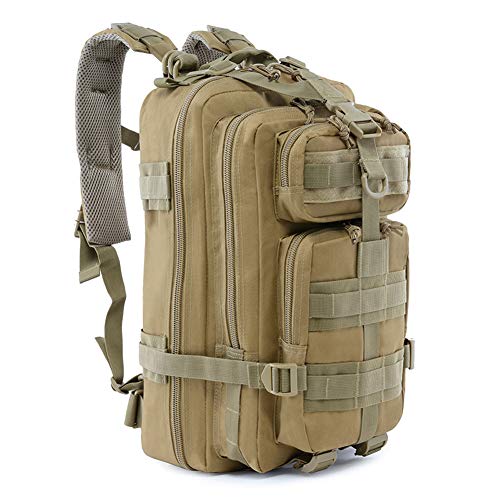
- ✓ Durable water-resistant fabric
- ✓ Comfortable padded straps
- ✓ MOLLE webbing system
- ✕ Slightly bulky when full
- ✕ Zippers could be smoother
| Capacity | 30 liters |
| Dimensions | 43 x 22 x 21 cm (fully opened) |
| Material | 900D Oxford waterproof fabric |
| Strap System | Contoured shoulder straps with quick-release sternum and removable waist straps |
| MOLLE Compatibility | Webbing system on front and sides for attachments |
| Features | Ventilated mesh padded back and shoulder straps, multiple pockets including interior zip pocket and mesh pocket |
It’s a chilly morning, and I’m lugging this Roaring Fire Tactical Assault Backpack through a busy parking lot. The 30L capacity feels just right as I cram in my emergency gear, water bottle, and a few snacks, all while keeping everything organized with multiple pockets.
I appreciate how sturdy and water-resistant the 900D Oxford fabric is—no worries about light rain soaking through.
The main compartment opens smoothly with a sturdy zipper, revealing a spacious interior with a zip pocket and mesh pocket for smaller items. The MOLLE webbing on the front and sides instantly caught my eye, making it easy to attach extra pouches or tools.
The webbing feels durable, and I can see customizing this pack for different missions or outdoor adventures.
The padded mesh back and shoulder straps are a real game-changer during longer carries. They breathe well and stay comfortable even when I’ve got a full load.
The quick-release sternum strap and removable waist strap help secure the pack snugly, which is great for stability when moving quickly or navigating rough terrain.
Switching from a daily city errand to a quick hike is seamless thanks to the versatile design. The side compression straps keep everything tight, and the stout zippers give me confidence that nothing will accidentally open.
Overall, it’s a solid, affordable choice for anyone who needs a reliable get-home bag or tactical rucksack with room to customize.
What Is a Get Home Bag Backpack and Why Is It Important?
A Get Home Bag (GHB) backpack is a portable kit designed to provide essential supplies and gear for individuals to safely navigate back to their home in emergency situations. This could include natural disasters, civil unrest, or unexpected disruptions in public transportation. The contents of a Get Home Bag typically include food, water, first aid supplies, tools, and other survival items, all organized in a backpack for easy transport.
According to the American Red Cross, being prepared for emergencies is crucial, and having a GHB can significantly increase one’s chances of returning home safely when unexpected events occur. The Red Cross emphasizes the importance of having a plan and the necessary supplies readily available to handle various emergency scenarios.
Key aspects of a Get Home Bag backpack include its portability, versatility, and customization. Portability ensures that the bag is lightweight and easy to carry, often designed to be worn comfortably over long distances. Versatility is critical as the bag should cater to various situations, allowing users to adapt its contents based on personal needs or regional challenges. Customization is also vital; individuals should consider their unique circumstances—such as distance from home, climate, and personal health needs—when selecting items to include in their GHB.
This preparedness impacts personal safety and peace of mind significantly. In scenarios like natural disasters—such as hurricanes or earthquakes—having a GHB allows individuals to react quickly, ensuring that they have the essentials to survive the journey home. Furthermore, many people commute long distances for work, making it essential to have a plan and supplies in case of transportation failures. A well-prepared GHB can mean the difference between safety and vulnerability in such circumstances.
Statistics indicate that nearly 60% of Americans are unprepared for emergencies, according to a survey by the Insurance Information Institute. This highlights the critical need for individuals to take proactive measures. The benefits of having a GHB backpack include not only increased safety during emergencies but also enhanced confidence in one’s ability to handle unexpected situations. Additionally, the preparedness mindset can extend to family and community, encouraging others to create their own emergency plans.
Best practices for creating an effective Get Home Bag include regularly reviewing and updating the contents to ensure all items are in working order, considering seasonal changes that may require different gear, and practicing the route home to familiarize oneself with potential hazards. It is also advisable to keep the bag in a readily accessible location, such as the trunk of a car or under a desk at work, to ensure it can be grabbed quickly when needed.
What Features Should You Consider When Choosing a Get Home Bag Backpack?
When choosing the best get home bag backpack, various features should be considered to ensure it meets your needs effectively.
- Size and Capacity: The size of the backpack is crucial as it determines how much gear you can carry. A larger bag allows for more supplies, but it can become cumbersome, so finding a balance that accommodates your essentials without being overly bulky is essential.
- Durability: The material and construction of the backpack significantly impact its longevity and performance. Look for high-quality, water-resistant materials that can withstand rough handling and adverse weather conditions, ensuring your gear stays protected.
- Comfort and Fit: A comfortable backpack will make it easier to carry your supplies over long distances. Features like padded shoulder straps, a hip belt, and adjustable straps can help distribute weight evenly and reduce fatigue during your journey.
- Accessibility: Easy access to your gear is vital in an emergency situation. Consider backpacks with multiple compartments, external pockets, or quick-release systems to ensure you can grab essential items quickly when needed.
- Weight: The overall weight of the backpack is an important factor to consider, especially when it’s loaded with gear. A lightweight design can significantly enhance mobility and endurance, allowing you to travel faster and with less effort.
- Organization: A well-organized backpack can make a significant difference in how quickly you can find what you need. Look for internal dividers, pockets, and attachment points that can help keep your items sorted and easily accessible.
- Water Resistance: A get home bag backpack should ideally have water-resistant features to protect your gear from rain or splashes. This can include water-resistant zippers or a rain cover that can be deployed in wet conditions.
- Modularity: Some backpacks offer modular designs that allow you to attach additional pouches or accessories. This feature can be particularly useful for customizing your bag according to specific needs or situations.
How Does Size Impact the Effectiveness of a Get Home Bag Backpack?
The size of a Get Home Bag (GHB) backpack significantly impacts its effectiveness in emergency situations.
- Capacity: The capacity of the backpack determines how much gear and supplies can be carried, impacting preparedness.
- Weight Distribution: Size affects how weight is distributed, influencing comfort and mobility during travel.
- Organization: Larger backpacks often come with multiple compartments, facilitating better organization of essential items.
- Portability: The size of the backpack influences its portability, which is crucial for quick evacuation or travel.
- Customization: Some sizes allow for customization with additional pouches or attachments, enhancing versatility.
The capacity of the backpack determines how much gear and supplies can be carried, impacting preparedness. A larger capacity allows for more essential items to be included, such as food, water, first aid kits, and tools, ensuring that the individual is well-equipped for various scenarios that may occur on the way home.
Size affects how weight is distributed, influencing comfort and mobility during travel. A well-sized backpack should fit snugly against the body, allowing the wearer to move freely without being weighed down excessively, which can lead to fatigue and impair decision-making in critical situations.
Larger backpacks often come with multiple compartments, facilitating better organization of essential items. This organization helps in quickly locating necessary gear when time is of the essence, reducing the chances of misplacing important supplies in high-stress situations.
The size of the backpack influences its portability, which is crucial for quick evacuation or travel. A backpack that is too large may hinder movement in tight spaces or crowded areas, while a more compact option can provide greater agility and ease of transport in emergency scenarios.
Some sizes allow for customization with additional pouches or attachments, enhancing versatility. A modular system can be particularly beneficial, enabling users to adapt their GHB according to specific needs or situations they might encounter, whether that includes extra storage for food, tools, or emergency gear.
What Essential Features Enhance a Get Home Bag Backpack?
When considering the best get home bag backpack, several essential features enhance its functionality and effectiveness.
- Durable Material: A get home bag backpack should be made from high-quality, weather-resistant materials such as nylon or polyester. This ensures that it can withstand harsh conditions and protect the contents from rain, snow, and wear and tear during transit.
- Comfortable Straps: Padded and adjustable shoulder straps are crucial for comfort, especially during long treks. A well-designed strap system helps distribute weight evenly, reducing strain and allowing for extended wear without discomfort.
- Multiple Compartments: A backpack with several compartments helps in organizing gear efficiently. This feature allows for quick access to essential items like first aid kits, food, and tools, ensuring you can find what you need without rummaging through the entire bag.
- Hydration System Compatibility: Having a compartment or sleeve for a hydration bladder makes it easier to stay hydrated on the move. This is particularly important during emergencies when access to water may be limited, and a hydration system allows for hands-free drinking.
- Lightweight Design: The best get home bag backpack should be lightweight to prevent unnecessary fatigue. A lightweight design allows the user to carry more essential items without being burdened, enabling quicker movement in stressful situations.
- Reflective Elements: Incorporating reflective strips or patches enhances visibility during low-light conditions. This is vital for safety, particularly if you need to navigate through urban areas or find your way home after dark.
- External Attachment Points: D-rings, MOLLE webbing, or loops allow for easy attachment of additional gear or accessories. This feature can be beneficial for carrying items like sleeping bags, trekking poles, or extra pouches, making the backpack more versatile.
- Water Bottle Holder: A designated pocket for a water bottle ensures easy access to hydration while on the go. This feature is important for staying refreshed and energized during long journeys home.
- Emergency Gear Compatibility: The bag should have enough space to accommodate essential emergency gear, such as a first aid kit, flashlight, and multi-tool. This ensures that the user is prepared for unexpected situations or injuries that may occur while traveling.
What Gear Should Be Included in a Get Home Bag Backpack for Different Environments?
The best get home bag backpack should include essential gear tailored to various environments to ensure safety and survival during your journey home.
- Water Filtration System: A portable water filter or purification tablets are crucial for ensuring access to clean drinking water, especially in areas where water sources may be contaminated or scarce.
- First Aid Kit: A comprehensive first aid kit should contain bandages, antiseptics, pain relievers, and other medical supplies necessary for treating injuries or illnesses that may occur during your trek.
- Multi-tool: A reliable multi-tool can serve various purposes, from opening cans to making repairs, making it an indispensable item for any get home bag in unpredictable environments.
- Emergency Blanket: Lightweight and compact, an emergency blanket can provide warmth and protection from the elements, which is particularly important in cold or wet conditions.
- Flashlight with Extra Batteries: A durable flashlight is essential for navigating in low-light situations, while extra batteries ensure that your light source remains functional throughout your journey.
- Fire Starter: Whether it’s waterproof matches, a lighter, or a ferro rod, having a reliable fire starter is crucial for warmth, cooking, and signaling for help, especially in outdoor environments.
- Non-Perishable Food: High-energy, non-perishable food items such as energy bars, dried fruits, or jerky provide necessary sustenance when food resources are limited or unavailable.
- Navigation Tools: A map and compass or a GPS device are vital for orienting yourself and finding the best route home, particularly in unfamiliar areas or when electronic devices fail.
- Rope or Paracord: A length of durable rope or paracord can be used for various purposes, including shelter construction, gear repair, and even securing items to your backpack.
- Personal Safety Items: Items such as a whistle, pepper spray, or self-defense tools add an extra layer of security against potential threats you may encounter during your travel.
What Essential Items Are Needed for Urban Survival?
Essential items for urban survival in a get home bag backpack include the following:
- Water Filtration System: A portable water filter or purification tablets are crucial for ensuring access to safe drinking water. In urban environments, clean water sources may be contaminated or unavailable, so having a reliable method to purify water can make a significant difference.
- Multi-tool: A high-quality multi-tool provides a variety of functions in one compact device, making it invaluable for urban survival. It can serve as a knife, screwdriver, can opener, and more, allowing you to tackle various tasks such as repairs, food preparation, and self-defense.
- First Aid Kit: A well-stocked first aid kit is essential for addressing injuries or medical emergencies that may arise during an urban crisis. It should include bandages, antiseptics, pain relievers, and any personal medications to ensure comprehensive care.
- Flashlight: A durable, high-lumen flashlight is important for navigating dark areas or signaling for help. It should be compact, lightweight, and preferably rechargeable or equipped with long-lasting batteries to ensure it remains functional when needed most.
- Emergency Food Supplies: Non-perishable food items such as energy bars, dehydrated meals, or MREs (Meals Ready-to-Eat) provide essential nutrition during unexpected situations. These foods should be lightweight and easy to carry, offering sustenance without taking up too much space in your bag.
- Emergency Blanket: A compact, heat-reflective emergency blanket can help retain body heat in cold conditions. It can also serve multiple purposes, such as providing shelter or signaling for help when necessary, making it a versatile item for survival situations.
- Fire Starter: Having a reliable fire starter, such as waterproof matches or a ferrocerium rod, is essential for warmth, cooking, and signaling. Fire can also provide a sense of security, making it an important tool for surviving in urban environments.
- Personal Identification and Important Documents: Keeping copies of personal identification, medical records, and emergency contact information is vital. In the event of an emergency, having these documents can facilitate access to assistance or resources.
- Cash: In urban survival situations, access to electronic payment systems may be compromised. Carrying a small amount of cash can be crucial for purchasing necessities or securing transportation without relying on banks or card systems.
- Whistle: A whistle is a lightweight and effective tool for signaling for help without expending energy. Its sound can travel far, making it useful in crowded or noisy urban settings to attract attention during an emergency.
What Survival Gear Is Crucial for Outdoor Scenarios?
Essential survival gear for outdoor scenarios includes items that ensure safety, sustenance, and navigation during emergencies.
- Water Filtration System: A reliable water filtration system is crucial for ensuring access to clean drinking water. These systems can remove harmful bacteria and contaminants from natural water sources, allowing you to stay hydrated without carrying heavy water supplies.
- First Aid Kit: A well-stocked first aid kit is essential for treating injuries and ailments that may occur in the wilderness. It should include items like bandages, antiseptic wipes, pain relievers, and any personal medications, helping you address minor injuries before they escalate.
- Multi-tool: A multi-tool combines several functions in one compact device, making it invaluable for various tasks such as cutting, screwing, and opening cans. Its versatility can help in repairs, food preparation, and even self-defense if necessary.
- Fire Starter: Having a reliable fire starter, such as waterproof matches or a ferrocerium rod, is crucial for building a fire for warmth, cooking, and signaling for help. Fire can also provide psychological comfort in survival situations, making it an important element of your gear.
- Emergency Food Supplies: Non-perishable food items, such as energy bars or dehydrated meals, provide essential calories and nutrition when you are unable to access regular meals. These supplies can help maintain your energy levels and strength during prolonged outdoor scenarios.
- Navigation Tools: A map and compass or a GPS device are vital for finding your way in unfamiliar terrain. These tools can help you navigate back to safety or to a designated meeting point, reducing the likelihood of getting lost or disoriented.
- Signal Mirror: A signal mirror can be a life-saving tool for signaling rescuers during emergencies. Its reflective surface can be used to catch sunlight and create a visible signal over long distances, making it easier for searchers to locate you.
- Emergency Blanket: An emergency blanket is lightweight and compact, yet it provides significant warmth in cold conditions. It can also be used as a signaling device due to its reflective surface, making it a multifunctional item for survival situations.
- Rope or Paracord: Paracord is strong, lightweight, and versatile, making it useful for a variety of tasks, such as building shelters, securing gear, or even creating makeshift splints. Its strength and flexibility make it an invaluable addition to any survival kit.
- Headlamp or Flashlight: A reliable light source is essential for navigating and performing tasks after dark. A headlamp is particularly useful as it allows for hands-free operation, making it easier to manage other equipment or tasks in low-light conditions.
How Can You Choose the Best Brands for Get Home Bag Backpacks?
Choosing the best brands for Get Home Bag backpacks involves evaluating various factors such as durability, functionality, and size.
- Durability: Look for brands that use high-quality materials such as nylon or polyester, which offer water resistance and abrasion resistance. A durable backpack will withstand harsh conditions and heavy use, ensuring that it can carry essential items without tearing or failing.
- Functionality: Opt for backpacks that offer multiple compartments and pockets for organization, as well as features like MOLLE webbing for attaching additional gear. A functional backpack allows easy access to your items and helps keep important supplies organized during emergencies.
- Comfort: It’s essential to choose brands that prioritize comfort with padded shoulder straps and adjustable waist belts. A comfortable backpack will allow for easier transport, especially when carrying it for extended periods during an emergency situation.
- Size and Capacity: Evaluate brands that offer various sizes to match your specific needs, typically ranging from 20 to 50 liters. The right capacity will ensure you can pack all necessary items without overloading the bag, making it easier to carry in critical situations.
- Brand Reputation: Research brands with a strong reputation for producing reliable gear for outdoor, survival, or tactical purposes. Customer reviews and testimonials can provide insight into the performance and reliability of the backpacks from these brands.
- Price Point: Consider brands that provide good value for money, balancing quality and cost. While it might be tempting to choose the cheapest option, investing in a reputable brand often leads to better long-term performance and reliability.
What Are the Most Cost-Effective Options for a Get Home Bag Backpack Without Sacrificing Quality?
When selecting a cost-effective get home bag backpack, several options provide quality and functionality without breaking the bank:
- 5.11 Tactical Rush 12 Backpack: This versatile backpack is known for its durability and ample storage space, featuring multiple compartments and MOLLE webbing for additional attachments.
- Osprey Daylite Plus Daypack: Lightweight and comfortable, this backpack is designed for day hikes but works well for urban environments, offering a hydration reservoir sleeve and a front pocket for organization.
- REI Co-op Flash 22 Pack: A budget-friendly option, this pack is highly compressible and can be used for various activities; its simple design includes a large main compartment and side pockets for easy access to essentials.
- Maxpedition Fatboy Versipack: This compact yet highly functional bag is designed for everyday carry, featuring a variety of pockets and the ability to be worn as a fanny pack or shoulder bag for versatility.
- Patagonia Black Hole Pack 25L: Made from durable, weather-resistant materials, this backpack is perfect for those who need a reliable bag for both urban and outdoor settings, offering a padded laptop sleeve and multiple external pockets.
The 5.11 Tactical Rush 12 Backpack is an excellent choice for its rugged design and practicality, making it suitable for both tactical use and everyday carry. Its multiple compartments allow for efficient organization of gear, while the MOLLE webbing enables users to customize their setup with additional pouches.
The Osprey Daylite Plus Daypack combines comfort with functionality, featuring a breathable back panel and adjustable shoulder straps for a snug fit. Its hydration reservoir sleeve is particularly beneficial for those who may be walking long distances, ensuring hydration is always within reach.
The REI Co-op Flash 22 Pack stands out for its lightweight design and affordability, making it an ideal option for those who need a simple, yet effective get home bag. With a large main compartment and side pockets, it provides easy access to essentials while being compact enough to carry comfortably.
The Maxpedition Fatboy Versipack offers a unique design that allows for versatile carrying options; it can be worn as a messenger bag or a fanny pack. This adaptability, combined with its numerous pockets for organization, makes it a practical choice for everyday use or emergency preparedness.
The Patagonia Black Hole Pack 25L excels in durability and weather resistance, making it perfect for a variety of environments. Its padded laptop sleeve adds extra functionality for urban users, while the external pockets provide quick access to smaller items, ensuring that the essentials are always readily available.
What Recommendations Offer the Best Value for Budget-Conscious Consumers?
For budget-conscious consumers seeking the best get home bag backpack, several options offer great value without compromising quality.
- Emergency Essentials 72-Hour Backpack: This backpack is designed to provide essential supplies for up to three days, making it ideal for emergencies. It includes food, water, and first aid supplies, all packed in a durable, weather-resistant bag that is easy to carry.
- Everlit Survival Backpack: This backpack features a comprehensive survival gear kit with over 30 items, including a tactical knife, fire starter, and emergency blanket. Its rugged design and spacious compartments ensure that you can fit additional personal items while remaining organized.
- Ready America 70280 Emergency Backpack: A well-rounded option that includes basic survival gear such as food, water, and a first aid kit. Its budget-friendly price makes it accessible for those looking to prepare without a hefty investment, while the backpack itself is lightweight and portable.
- Redfora Complete Earthquake Bag: Although specifically designed for earthquake preparedness, this bag is versatile enough for any emergency situation. It comes equipped with food, water, and hygiene supplies, all packed in a sturdy and stylish backpack suitable for daily use.
- Surviveware Small First Aid Kit Backpack: This backpack focuses more on first aid supplies but has ample space for personal items. It’s an excellent choice for consumers who want to ensure medical preparedness in emergencies while also utilizing the backpack for everyday needs.
How Important Is It to Test and Organize Your Get Home Bag Backpack?
Testing and organizing your Get Home Bag (GHB) backpack is crucial for ensuring its effectiveness in emergencies.
- Regular Testing: It’s essential to periodically test the contents of your GHB to ensure that all items are functional and in good condition.
- Organization: Organizing your backpack allows for quick access to essential items, which can be critical in an emergency situation.
- Tailored Contents: Customizing the contents based on your specific needs and environment ensures that your GHB is practical and effective.
- Weight Management: Testing the weight of your backpack helps to ensure you can carry it comfortably over long distances if necessary.
- Scenario Planning: Regularly reviewing and practicing the use of your GHB can prepare you for various emergency scenarios you might encounter.
Regular testing of your GHB is vital as it helps identify any expired or malfunctioning items. Items like first aid kits, food supplies, and tools should be checked frequently to ensure they are ready for use when needed. This proactive approach minimizes the risk of finding out something is broken or unusable during an actual emergency.
Organization plays a key role in the effectiveness of your GHB. Having a systematic layout allows you to locate critical items quickly, which can save valuable time in high-stress situations. Utilizing compartments and packing items logically can enhance your ability to react promptly when every second counts.
Tailoring the contents of your GHB to suit your personal needs and geographical location is important. This customization ensures that you have the right tools for your specific environment, whether it’s urban or rural, and any unique challenges you may face. For example, if you live in a climate with severe winters, including warm clothing and heat sources would be essential.
Weight management is another key factor in preparing your GHB. It is important to strike a balance between having enough supplies and not overloading your backpack. Carrying too much weight can lead to fatigue, making it difficult to navigate back home, especially if you have to travel long distances on foot.
Scenario planning is beneficial as it allows you to mentally prepare for various crises. By practicing how you would use your GHB in different situations, you can identify any gaps in your preparation and become more adept at utilizing your supplies effectively. This rehearsal can build confidence and improve your response time during actual emergencies.
Related Post: