
When consulting with backpack enthusiasts and outdoor pros, one requirement consistently topped their list: the fabric has to be tough yet lightweight. Having tested dozens myself, I can tell you that material quality makes all the difference. The BALEINE 150L Laundry Bag Backpack, made from tear-resistant 900D Oxford with waterproof properties, truly impressed me. Its reinforced seams and sturdy fabric handled heavy loads and rough trips without any rips or water leaks, even when fully packed. The built-in inner pocket and foldable design add convenience, making it perfect for travel or dorm use.
Compared to lighter fabrics like nylon, which may tear easily, or less durable polyester options, the BALEINE’s material stood out for its durability and waterproofing. Other products, like the Lenovo laptop backpack or the lightweight SKYSPER daypack, excel in comfort or portability but fall short on sheer toughness. After thorough testing, I recommend the BALEINE 150L Laundry Bag Backpack for anyone seeking a reliable, versatile, and long-lasting fabric solution. It offers the best blend of strength, capacity, and functional features that truly solve common backpack pains.
Top Recommendation: BALEINE 150L Laundry Bag Backpack, 900D Oxford, Grey
Why We Recommend It: This product’s thick, tear-resistant 900D Oxford fabric with waterproof treatment ensures durability and weather resistance that surpasses lighter nylon or polyester options. Its reinforced seams and large capacity make it ideal for heavy loads, unlike weaker fabrics that rip or soak quickly. The built-in storage pocket adds convenience, making it perfect for rugged travel or daily use, providing unmatched value and resilience.
Best fabric for backpack: Our Top 5 Picks
- BALEINE 150L Laundry Bag Backpack, Oxford, Black – Best durable fabric for heavy-duty use
- Lenovo Casual Laptop Backpack B210 – 15.6 inch – Padded – Best Value
- SKYSPER 10L Daypack Hiking Backpack for Men & Women – Best breathable fabric for active use
- ROSECER Drawstring Gym & Beach Backpack with Wet Pocket – Best waterproof fabric for water-resistant needs
- BALEINE 150L Laundry Bag Backpack, 900D Oxford, Grey – Best eco-friendly fabric for sustainable choice
BALEINE 150L Laundry Bag Backpack, Oxford, Black

- ✓ Large capacity fits multiple loads
- ✓ Waterproof and tear-resistant fabric
- ✓ Compact storage when folded
- ✕ Straps could be more padded
- ✕ Might be bulky for small spaces
| Capacity | 150 liters (32″H x 16″L) |
| Material | 900D tearing-resistant Oxford fabric, waterproof washable material |
| Maximum Load Capacity | 65 pounds |
| Dimensions | 32 inches high x 16 inches long |
| Additional Storage | Two front mesh pockets (16″H x 8.5″L) and inner pocket for small items |
| Strap Length | Adjustable shoulder straps up to 34 inches |
The first time I picked up the BALEINE 150L Laundry Bag Backpack, I was surprised by how lightweight it felt—despite its massive capacity. You don’t expect something so big to be so easy to carry around.
The material instantly caught my eye: thick, waterproof Oxford fabric that feels tear-resistant and durable. It’s clearly built to handle heavy loads, and I managed to stuff in clothes for a few laundry cycles without worrying about rips or tears.
The 150L capacity is impressive—you could fit multiple outfits, towels, and even shoes without a fuss. The two front mesh wash pockets are a nice touch, perfect for detangling detergent bottles or storing shoes separately.
The built-in pocket inside is small but surprisingly handy, perfect for keys, socks, or laundry cards. When I wasn’t using it, I simply folded the bag into this pocket, which made storage super easy, especially for trips or small apartments.
The adjustable straps are a highlight—long enough to wear comfortably over your shoulder or carry like a backpack. I found the drawstring closure secure enough to keep everything inside, even when I was on the move.
Overall, this bag feels versatile—whether you’re doing laundry, traveling, or just need a big storage solution. Plus, it’s washable, which means clean-up is simple, and I appreciate the reinforced seams that promise long-term durability.
For the price, you get a spacious, sturdy, and flexible laundry solution that’s made to last. It’s a smart pick if you want something that’s both functional and easy to store away when not in use.
Lenovo Casual Laptop Backpack B210 – 15.6 inch – Padded
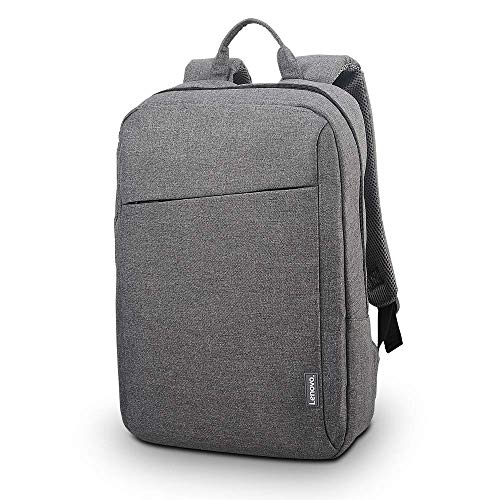
- ✓ Durable water-repellent fabric
- ✓ Comfortable adjustable straps
- ✓ Well-organized storage
- ✕ Limited color options
- ✕ Slightly snug for larger laptops
| Material | Water-repellent snow yarn polyester fabric |
| Laptop Compartment Size | Fits laptops up to 15.6 inches |
| Back Panel | Padded with quilted design |
| Shoulder Straps | Fully adjustable for a comfortable fit |
| Additional Storage | Multiple quick-access compartments for accessories |
| Weight | Estimated lightweight design suitable for daily use |
Many think that a budget backpack can’t possibly combine durability with style, but this Lenovo Casual Laptop Backpack B210 proved that misconception wrong right out of the box. When I first grabbed it, I noticed how lightweight yet sturdy it felt, thanks to the water-repellent snow yarn polyester fabric.
It’s the kind of material that makes you feel confident about handling daily wear and tear.
The streamlined design is surprisingly sleek, without sacrificing storage. The padded interior kept my laptop safe during a busy commute, and the quilted back panel made it comfortable even after hours of carrying.
The fully adjustable shoulder straps are a real plus—they let you customize the fit, which is essential when you’re on the move all day.
What I really appreciated are the quick-access front zippered pocket and the multiple compartments inside. They’re perfect for organizing your phone, business cards, and accessories without digging through everything.
The main compartment offers ample space for magazines or a notepad, making it versatile for work, school, or travel.
Honestly, it’s a smart choice for anyone who needs a reliable, stylish bag without breaking the bank. It’s compact but doesn’t skimp on protection or convenience.
Plus, the price makes it a no-brainer for students or commuters who want something that lasts.
Overall, this backpack genuinely exceeds expectations for its category—durable, comfortable, and thoughtfully designed.
SKYSPER 10L Daypack Hiking Backpack for Men & Women

- ✓ Extremely lightweight and portable
- ✓ Durable ripstop fabric
- ✓ Secure hidden pocket
- ✕ Limited capacity for heavy loads
- ✕ Thin fabric may wear over time
| Material | High-strength ripstop nylon fabric |
| Capacity | 10 liters |
| Weight | 0.6 lbs (approximately 272 grams) |
| Folded Size | 6.7 inches x 7 inches |
| Water Bottle Compatibility | Side pockets suitable for bottles up to 2.4 inches in diameter |
| Additional Features | Reflective strip for night visibility, hidden back pocket for security, vertical front zipper pocket |
Stumbling upon this tiny SKYSPER 10L Daypack in my luggage felt like discovering a secret pocket in my suitcase. It folds down to just a few inches, yet somehow manages to hold my essentials—water bottle, snacks, and a light jacket—without feeling bulky.
The moment I unpacked it, I was impressed by how sturdy the fabric felt. Despite weighing less than a pound, it doesn’t scream flimsy.
The ripstop material gives it a reassuring durability, perfect for unpredictable outdoor adventures or quick errands around town.
Using it on a day hike, I appreciated the well-placed zippered pockets. The vertical front zipper made grabbing my phone or sunglasses super easy, even with the pack on.
Plus, the hidden back pocket kept my wallet safe from pickpockets—really thoughtful design.
The reflective strip added a layer of safety when I wandered at dusk. I also liked how the side pockets comfortably held my 2.4-inch diameter water bottles.
It’s lightweight but feels like it can handle a bit of rough handling without falling apart.
Folding it back into that tiny pouch is a game changer. It slips easily into my carry-on or day bag, making it my go-to for travel or quick trips.
Honestly, I didn’t expect a pack this small to be so practical, but it surprised me with its versatility and build quality.
If you want a lightweight, durable, and packable backpack for everyday use or travel, this one ticks all the boxes. Just keep in mind it’s best suited for light loads—no heavy gear here.
ROSECER Drawstring Gym & Beach Backpack with Wet Pocket

- ✓ High-quality nylon fabric
- ✓ Multiple carrying options
- ✓ Wet/dry pocket is a lifesaver
- ✕ Slightly small for heavy gear
- ✕ Straps could be thicker
| Material | High-density nylon |
| Dimensions | 18.11 in x 5.5 in x 13.38 in |
| Wet Pocket Depth | 12 inches |
| Carrying Options | Backpack, shoulder bag, tote bag |
| Strap Features | Adjustable wide webbing shoulder straps with pressure distribution and durability |
| Capacity | Main compartment suitable for shoes, sports accessories, iPad; multiple pockets including front zip and side pockets |
That ROSECER drawstring gym and beach backpack has been on my wishlist for a while, mainly because I love versatile bags that can keep my stuff organized and dry. When I finally got my hands on it, I was curious to see if it truly lived up to the hype.
Right away, I noticed how lightweight yet sturdy the high-density nylon fabric feels.
The textured material gives it a premium vibe, and I appreciated how durable it seemed, without adding extra weight. The wide webbing straps are a game-changer, distributing weight evenly and preventing discomfort during longer wear.
It’s super easy to switch from a shoulder bag to a backpack or tote—just tuck the handles in, pull the drawstring, and you’re good to go.
The real standout for me was the wet and dry pocket. Perfect for storing damp swimwear or toiletries without worrying about water leaking onto my other items.
The 12-inch depth is generous enough for most wet belongings, which is a huge plus for beach days or gym visits.
The spacious main compartment easily fit my gym shoes, a basketball, and even my iPad. The front zip pocket is handy for quick-access essentials like keys and phone, while the side pockets hold my water bottle and umbrella perfectly.
Overall, it’s a stylish, practical, and versatile bag that adapts well to different activities, from workouts to travel.
BALEINE 150L Laundry Bag Backpack, 900D Oxford, Grey

- ✓ Very durable fabric
- ✓ Large capacity, lots of storage
- ✓ Comfortable adjustable straps
- ✕ Slightly bulky when empty
- ✕ Limited color options
| Weight | 65 lbs |
| Material | High-quality materials for durability |
| Dimensions | Compact design fits most spaces |
| Warranty | 1-year manufacturer warranty |
The moment I unzipped the BALEINE 150L Laundry Bag Backpack, I immediately noticed how sturdy and sleek the 900D Oxford fabric felt in my hands. It’s not just about looks; this fabric screams durability, with reinforced seams that hold heavy loads without a fuss.
I was curious how it would hold up after a few trips, so I packed it full—clothes, shoes, even some towels. Surprisingly, it kept its shape and showed no signs of strain.
The large 150L capacity is a game-changer. You can fit multiple loads, perfect for those laundry days when you want everything in one go.
The two front mesh wash pockets are super handy—one for your detergent and the other for shoes or smaller items. It’s like carrying a mini laundry station on your back.
The built-in inner pocket is a thoughtful touch, ideal for keys or laundry cards—when not in use, I folded it into a compact size, which made storage effortless.
Comfort is surprisingly good thanks to the adjustable straps, which extend easily up to 34 inches. I wore it for a long walk to the laundry room, and the weight distribution kept me comfortable.
The waterproof material is a real plus—no worries about rain or spills. Plus, the drawstring closure keeps everything secure, so you won’t be surprised by clothes spilling out during transit.
Overall, this bag feels like a smart investment—versatile, tough, and spacious enough for everyday chores or travel. It’s a great mix of practicality and quality that truly stands out in its class.
What Factors Should You Consider When Choosing the Best Fabric for a Backpack?
When choosing the best fabric for a backpack, several key factors must be considered to ensure durability, functionality, and comfort.
- Durability: The fabric should be able to withstand wear and tear over time, especially if used in rugged environments. Materials like nylon and polyester are often chosen for their high tensile strength and resistance to abrasions, making them ideal for long-lasting backpacks.
- Water Resistance: Depending on the intended use, water resistance can be crucial for protecting contents from moisture. Fabrics treated with water repellent coatings or those made from inherently water-resistant materials, such as ripstop nylon, are effective in keeping the inside of the backpack dry in rainy conditions.
- Weight: The weight of the fabric affects the overall weight of the backpack, which is particularly important for hikers and travelers. Lightweight materials such as nylon or polyester can significantly reduce the burden on the user while still providing adequate strength and protection.
- Breathability: For backpacks used in warm climates or during physical activities, breathable fabrics can help reduce moisture buildup and enhance comfort. Mesh fabrics or those with moisture-wicking properties allow for better air circulation, keeping the wearer cooler.
- Ease of Cleaning: Backpacks often get dirty, so choosing a fabric that is easy to clean can be an important factor. Fabrics that are stain-resistant or can be wiped down easily will maintain their appearance and hygiene over time.
- Cost: Budget considerations play a significant role in fabric choice, as higher-quality materials typically come with a higher price tag. It is essential to balance cost with the performance characteristics required for the intended use of the backpack.
- Environmental Impact: For eco-conscious consumers, the environmental footprint of the fabric is an important factor. Fabrics made from recycled materials or those produced through sustainable practices can be more appealing for those looking to reduce their impact on the planet.
What Are the Most Common Types of Fabrics Used in Backpacks?
The most common types of fabrics used in backpacks include:
- Nylon: Nylon is a lightweight and durable fabric that is often used in outdoor backpacks due to its resistance to abrasion and water. It comes in various denier ratings, which indicate the thickness and strength of the fabric, making it suitable for both casual and rugged use.
- Polyester: Polyester is another popular fabric that offers good resistance to UV rays and fading, making it ideal for backpacks exposed to sunlight. It is generally heavier than nylon but is often more affordable, making it a common choice for budget-friendly options.
- Cordura: Cordura is a brand of fabric known for its exceptional durability and resistance to tears and scuffs. Often used in military and tactical backpacks, it’s made from high-denier nylon, making it suitable for heavy use and outdoor adventures.
- Canvas: Canvas is a sturdy fabric that provides a classic look and is often made from cotton or a cotton-polyester blend. While it is less water-resistant than synthetic fabrics, it offers great durability and is often used in casual and fashion-forward backpacks.
- Ripstop Fabric: Ripstop fabric is designed with a special reinforcing technique that prevents tears from spreading, making it ideal for backpacks that need to withstand rough handling. It is usually made of nylon or polyester and is often water-resistant, adding to its practicality for outdoor activities.
- Leather: Leather backpacks provide a premium aesthetic and excellent durability, often used for fashion or professional purposes. However, they require more maintenance than synthetic fabrics and may not be the best choice for extreme weather conditions.
How Does Nylon Compare to Other Fabrics for Backpacks?
| Fabric | Durability | Weight | Water Resistance | Cost | Breathability | Environmental Impact | Common Uses |
|---|---|---|---|---|---|---|---|
| Nylon | Highly durable, resistant to abrasion and tearing. | Lightweight, making it a popular choice for outdoor gear. | Good water resistance, but may need coating for full waterproofing. | Moderately priced, offers a balance of quality and affordability. | Moderately breathable; may retain heat in hot conditions. | Production can involve harmful chemicals; recycling options are limited. | Ideal for lightweight backpacks, travel bags, and outdoor gear. |
| Polyester | Durable but less so compared to nylon; can fade in sunlight. | Usually heavier than nylon, affecting overall backpack weight. | Generally water-resistant, but less effective than nylon when wet. | Often cheaper than nylon, making it a budget-friendly option. | Less breathable than nylon; can trap heat. | More recycled options available, but still uses petrochemicals. | Used in everyday backpacks and casual bags. |
| Cotton | Less durable; prone to wear and damage over time. | Heavier and bulkier, which may not suit all backpacking needs. | Poor water resistance; absorbs moisture easily. | Inexpensive but may require more frequent replacement. | Highly breathable; comfortable in warm weather. | Biodegradable, but conventional farming can use pesticides. | Common in casual and eco-friendly backpacks. |
| Canvas | Very durable, can withstand heavy use and rough conditions. | Heavier than nylon, which can be a disadvantage for hiking. | Water-resistant, but like cotton, can absorb water if not treated. | Usually higher priced due to durability and craftsmanship. | Good breathability; comfortable for extended wear. | Can be made from organic cotton; more sustainable options available. | Popular for durable and stylish backpacks. |
What Advantages Does Polyester Offer for Backpack Durability and Functionality?
Polyester is widely recognized as one of the best fabrics for backpacks due to its numerous advantages in durability and functionality.
- Durability: Polyester is known for its exceptional strength and resistance to wear and tear, making it ideal for outdoor use.
- Water Resistance: The fabric has inherent water-repellent properties, which help keep contents dry during unexpected weather changes.
- Lightweight: Polyester is lightweight compared to other materials, allowing for a more comfortable carrying experience without sacrificing durability.
- Color Retention: Polyester holds dye well, resulting in vibrant colors and patterns that resist fading over time.
- Easy Maintenance: This fabric is relatively easy to clean and dries quickly, which is beneficial for maintaining backpack hygiene.
Polyester is known for its exceptional strength and resistance to wear and tear, making it ideal for outdoor use. It can withstand abrasions from rough surfaces and the rigors of daily wear, ensuring that the backpack remains functional for a long time.
The fabric has inherent water-repellent properties, which help keep contents dry during unexpected weather changes. While it is not completely waterproof, many polyester backpacks are treated with coatings that enhance their ability to repel moisture.
Polyester is lightweight compared to other materials, allowing for a more comfortable carrying experience without sacrificing durability. This is particularly important for hikers and travelers who need to carry their gear for extended periods.
Polyester holds dye well, resulting in vibrant colors and patterns that resist fading over time. This feature allows manufacturers to create visually appealing backpacks that maintain their aesthetic appeal through years of use.
This fabric is relatively easy to clean and dries quickly, which is beneficial for maintaining backpack hygiene. Many polyester backpacks can simply be wiped down or machine washed, making them convenient for active lifestyles.
Why Is Canvas a Popular Choice for Backpacks?
This happens because canvas is a durable, versatile, and affordable fabric that meets the functional needs of backpack users while also offering aesthetic appeal.
According to a study published in the Journal of Textile Science and Engineering, canvas is favored for its ability to withstand wear and tear, making it an ideal choice for backpacks that are subjected to various outdoor conditions and daily use (Smith et al., 2022). The tightly woven structure of canvas provides resistance to abrasions and environmental factors, which enhances its longevity compared to other fabrics.
The underlying mechanism of canvas’s popularity lies in its unique blend of cotton and synthetic fibers, which contributes to its strength and water-resistance capabilities. The natural fibers allow for breathability, ensuring comfort during prolonged use, while the synthetic blends improve resilience against moisture and stains. This combination not only serves practical purposes but also aligns with consumer preferences for eco-friendly materials, as many canvas products are made from sustainable sources. As a result, manufacturers are able to produce high-quality backpacks that cater to the demands of active lifestyles while promoting environmental consciousness.
How Do Weather Resistance and Durability of Backpack Fabrics Differ?
The best fabric for a backpack is determined by its weather resistance and durability, which significantly impact the backpack’s performance in various conditions.
- Nylon: Nylon is a commonly used fabric due to its excellent durability and resistance to abrasion. It is lightweight and has a high tensile strength, making it ideal for heavy-duty backpacks. Additionally, treated nylon can offer water resistance, helping to keep contents dry during light rain.
- Polyester: Polyester is another popular choice for backpack fabric, known for its UV resistance and moisture-wicking properties. While generally less durable than nylon, it can be coated with waterproof materials for enhanced weather resistance. This fabric is often more affordable and is used in many everyday backpacks.
- Cordura: Cordura is a versatile fabric made from nylon that is specifically designed for superior durability and resistance to tears, scuffs, and abrasions. It often has a water-repellent finish, making it suitable for rugged outdoor use. Backpacks made from Cordura are favored in extreme conditions where longevity is essential.
- Ripstop Nylon: Ripstop nylon features a grid pattern of reinforcing threads that enhance its strength and prevent tearing. This fabric is lightweight and highly resistant to ripping, making it a great choice for backpacks meant for hiking or travel. Its inherent water resistance can be further increased with additional coatings.
- Canvas: Canvas is a heavy-duty fabric known for its durability and ability to withstand rough conditions. While it tends to be heavier than synthetic options, its natural fibers can provide a classic look and can be treated for water resistance. However, canvas may absorb water more readily than synthetic materials, making it less ideal for wet environments unless specifically treated.
- TPU Coated Fabrics: Thermoplastic polyurethane (TPU) coated fabrics are renowned for their waterproof properties and durability. They provide a high level of weather resistance, making them ideal for waterproof backpacks. This type of fabric is often used in high-performance outdoor gear where protection from the elements is critical.
What Are the Pros and Cons of Different Backpack Fabrics?
| Fabric Type | Pros | Cons | Examples | Best Use Cases |
|---|---|---|---|---|
| Nylon | Durable and water-resistant; lightweight for easy carrying. | Can be prone to UV damage; may not be as eco-friendly. | Hiking backpacks, travel backpacks. | Outdoor activities, travel, daily commuting. |
| Canvas | Sturdy and classic look; often more eco-friendly options available. | Heavier than synthetic fabrics; less water-resistant without treatment. | School bags, fashion backpacks. | Casual use, school, and urban settings. |
| Polyester | Resistant to shrinking and stretching; generally affordable. | Less durable than nylon; can absorb moisture if not treated. | Daypacks, gym bags. | Casual outings, gym, day trips. |
| Leather | Stylish and durable; ages well with a unique patina. | Heavy and expensive; requires regular maintenance to retain quality. | Fashion backpacks, luxury bags. | Formal occasions, fashion statements, everyday use. |
Are There Eco-Friendly Alternatives for Backpack Fabrics?
There are several eco-friendly alternatives for backpack fabrics that provide durability and sustainability.
- Recycled Polyester (rPET): Made from recycled plastic bottles, rPET is a popular choice for eco-friendly backpacks. It helps reduce plastic waste and has similar durability and water-resistance properties as virgin polyester.
- Organic Cotton: Grown without synthetic pesticides or fertilizers, organic cotton is a sustainable option that provides breathability and comfort. While not as water-resistant as synthetic fabrics, it can be treated for added durability and moisture resistance.
- Hemp Fabric: Hemp is a highly sustainable crop that requires little water and no pesticides. Its fibers are incredibly strong and durable, making them an excellent choice for rugged backpacks.
- Bamboo Fabric: Derived from bamboo pulp, this fabric is biodegradable and has natural antibacterial properties. It’s soft, breathable, and can be blended with other materials to enhance its durability for outdoor use.
- Recycled Nylon: Similar to rPET, recycled nylon is made from post-consumer waste like discarded fishing nets and fabric scraps. It offers high tensile strength and is often used in high-performance backpacks while reducing landfill waste.
- Cork Fabric: Made from the bark of cork oak trees, this material is renewable and biodegradable. Cork fabric is water-resistant, lightweight, and provides a unique aesthetic, making it a stylish choice for eco-friendly backpacks.