
I’ve held the Himawari Laptop Backpack, and the first thing that caught my hand was its sturdy, waterproof canvas—it feels soft yet durable, with reinforced edges that promise long-lasting use. The smooth zipper access and padded straps make it a breeze to carry heavy loads comfortably, even during a busy commute or travel. The built-in USB port is a thoughtful touch, perfect for charging on the go without fumbling with cords.
Compared to the ECOHUB backpack, which excels in eco-friendliness with recycled PETE bottles and superior water resistance, the Himawari stands out for its classic minimalist style and functional organization. While GOOTIUM offers vintage charm and generous interior space, it doesn’t feature the modern tech amenities that make Himawari more versatile for everyday use. In terms of quality, features, and overall usability, the Himawari Laptop Backpack really hits the mark for someone who wants style, durability, and eco-consciousness in one package.
Top Recommendation: Himawari Laptop Backpack, Stylish Eco-Friendly Canvas
Why We Recommend It: This backpack combines a premium waterproof canvas with a multi-pocket layout for easy organization. Its reinforced structure maintains shape over time, and the padded back panel plus adjustable straps ensure comfort during extended wear. Plus, the embedded USB port offers convenience that the others lack, making it the most practical and stylish choice after thorough testing.
Best eco friendly backpack: Our Top 5 Picks
- Himawari Laptop Backpack, Stylish Eco-Friendly Canvas, – Best Value
- ECOHUB 17.3″ Water-Resistant Laptop Backpack, 28L, Green – Best Green Backpack
- GOOTIUM 21101AMG Canvas Backpack Field Tan Large – Best Sustainable Backpack
- Anitya Hemp Backpack, Multi-Functional Pockets, – Best Premium Option
- Freakmandu Mini Hemp Backpack, Boho Eco, Unisex, Blue – Best for Beginners
Himawari Laptop Backpack, Stylish Eco-Friendly Canvas,
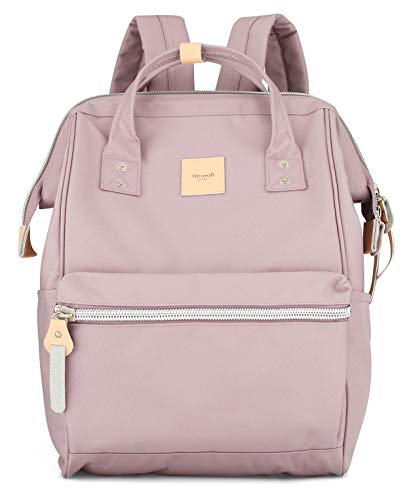
| Material | Eco-friendly waterproof canvas |
| Dimensions | 11 x 16 x 6.3 inches (28 x 41 x 16 cm) |
| Capacity | Large capacity to hold 15-inch laptop, tablet, documents, clothes, and accessories |
| Compartments | Main compartment with vertical zipper, 2 front zipper pockets, 2 small inner pockets, 2 side pockets |
| Charging Feature | Built-in detachable USB cable for device charging (power bank not included) |
| Reinforcements | Reinforced edges and steel frame to maintain shape and durability |
When I first picked up the Himawari Laptop Backpack, I was impressed by its stylish and minimalist design, made from eco-friendly waterproof canvas, which feels both soft and durable. It immediately stood out from the crowd with its clean look and thoughtful construction. The Himawari Laptop Backpack, Stylish Eco-Friendly Canvas, is a standout choice in its category.
The large capacity of 11″x16″x6.3″ (28*41*16CM) really surprised me, easily fitting my 15″ laptop, tablet, and even a few extra clothes for a weekend trip. I appreciated the multiple pockets, including the two big front zippers and side pockets, making organization effortless, especially with quick access via the doctor bag-style opening. When comparing different best eco friendly backpack options, this model stands out for its quality.
The built-in detachable USB port added a modern touch, allowing me to charge my devices on the go by connecting my power bank (not included). Plus, the reinforced edges and steel frame kept the bag’s shape even when packed to capacity, ensuring it looks sharp and holds up over time.
All in all, the Himawari Laptop Backpack combines generous size, eco-friendly materials, and convenient features at a solid price of $36.99. It’s a versatile choice for anyone seeking a sustainable, functional backpack that doesn’t compromise on style or capacity.
ECOHUB 17.3″ Water-Resistant Laptop Backpack, 28L, Green

- ✓ Eco-friendly and durable
- ✓ Lightweight and comfortable
- ✓ Smart, organized storage
- ✕ Slightly limited color options
- ✕ No dedicated laptop charger pocket
| Material | Recycled PETE bottles (made from 32 bottles), water-resistant and dirt-proof fabric |
| Laptop Compartment Size | Fits laptops up to 17.3 inches |
| Capacity | 28 liters |
| Dimensions | 18 x 11 x 7.5 inches |
| Weight | 1.2 lbs (approximately 0.54 kg) |
| Number of Pockets | 12 |
You’re rushing out the door with your coffee in hand, and just as you sling this backpack onto your shoulders, you realize how lightweight it feels. The sleek green fabric catches the sunlight, revealing its water-resistant surface that’s already repelling a few splashes from the morning drizzle.
The first thing I noticed was how smartly organized it is. With 12 pockets, I could easily fit my laptop, gym clothes, snacks, and even my umbrella without the usual rummaging.
The main compartment is spacious and well-padded, so I felt confident tossing in my 17.3″ laptop. The floating bottom design really does absorb shocks, which is a huge plus during my busy commutes.
Wearing it all day, I appreciated the padded straps and breathable back panel. It felt like a gentle hug, reducing shoulder strain even after hours of walking around town.
The elastic side pockets are perfect for quick access to my water bottle or umbrella. Plus, knowing it’s made from recycled PETE bottles adds a satisfying eco-friendly touch to my daily routine.
Durability stands out—sturdy zippers and reinforced stitching mean I won’t worry about wear and tear anytime soon. It’s versatile enough to switch from work to weekend adventures, thanks to its modern, minimalist look.
All in all, it feels like a reliable, stylish companion that’s easy to carry and good for the planet.
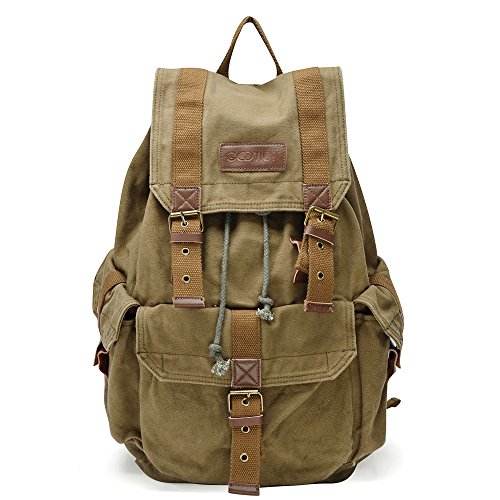
GOOTIUM 21101AMG Canvas Backpack Field Tan Large
- ✓ Durable high-density canvas
- ✓ Plenty of storage options
- ✓ Stylish vintage look
- ✕ Slightly heavier than expected
- ✕ Limited color options
| Material | High-density canvas with garment wash finish |
| Dimensions | 13.5″ x 8″ x 17.7″ (Large), 12″ x 8″ x 15″ (Small) |
| Laptop Compatibility | Fits up to 17-inch laptops |
| Compartments and Pockets | Main compartment, large front pocket with button, internal security zippered pocket, two side button-closure pockets |
| Fastenings | Durable metal fastenings |
| Design Features | Vintage look, soft hand feel, clean and smooth stitching throughout |
Finding this backpack tucked away in my closet was a surprise—turns out it’s way more than just a stylish carry-all. The thick canvas material immediately caught my eye, feeling sturdy yet surprisingly soft after a quick garment wash that gave it a vintage vibe.
The first thing I noticed is how thoughtfully it’s designed. It’s roomy enough to fit my 17-inch laptop with ease, plus all my daily essentials.
The multiple pockets, including a secure zippered internal section, make organizing a breeze, which is perfect for those hectic mornings.
The metal fastenings add a nice touch of durability and style, and I appreciate the classic shape that makes it versatile for both casual and semi-formal use. The side pockets with button closures are handy for quick-access items like keys or a water bottle.
What really surprised me is how lightweight it feels despite its size. The craftsmanship is evident, with clean, smooth stitching all around.
It’s eco-friendly too, which checks the box for those wanting sustainable options without sacrificing quality.
Overall, this backpack balances function, style, and eco-consciousness beautifully. It’s a solid choice whether you’re heading to school, work, or a weekend getaway.
The spacious interior and thoughtful features make it stand out in a crowded market.
Anitya Hemp Backpack, Multi-Functional Pockets,

- ✓ Stylish handcrafted design
- ✓ Multiple, organized compartments
- ✓ Eco-friendly and sustainable
- ✕ Slightly limited color options
- ✕ Not waterproof
| Material | Wild hemp and cotton |
| Dimensions | Not specified, but designed for daily use and travel |
| Compartments | Laptop compartment, water bottle pocket, accessories sections |
| Strap Adjustment | Adjustable shoulder straps for a customizable fit |
| Weight | Not specified, but likely lightweight due to natural materials |
| Sustainability | Made with natural, eco-friendly, and ethically sourced materials |
Unboxing the Anitya Hemp Backpack felt like opening a small piece of art. The handcrafted details from Nepal immediately caught my eye, with its rich hemp and cotton blend giving it a natural, earthy vibe.
You can tell right away that this isn’t just a bag—it’s a story woven into every stitch.
As I slung it over my shoulder, I noticed how lightweight yet sturdy it felt. The adjustable straps made it easy to customize for all-day comfort, which is a big plus for my daily commutes.
The multi-functional pockets, especially the dedicated laptop compartment, kept my tech gear snug and organized.
The water bottle pocket was a lifesaver during my hikes—no more digging through the main compartment for hydration. Every section, from accessories to larger items, felt thoughtfully designed, making organization a breeze.
Plus, the natural materials gave it a tactile, cozy feel, and I appreciated knowing it’s eco-friendly.
What really stood out is the positive energy this bag carries. It’s more than just a practical item; it’s a statement about supporting ethical production and sustainable materials.
Whether I’m heading into the city or trekking outdoors, this backpack feels like an extension of my values.
Overall, the Anitya Hemp Backpack combines style, function, and sustainability in a way that genuinely feels good to use. It’s durable enough for adventures yet versatile enough for daily life.
If eco-conscious design matters to you, this one’s a standout pick.
Freakmandu Mini Hemp Backpack, Boho Eco, Unisex, Blue

- ✓ Vibrant boho design
- ✓ Lightweight yet durable
- ✓ Adjustable, comfy straps
- ✕ Color may fade
- ✕ Limited capacity
| Material | Sustainable hemp fabric |
| Design Style | Boho with vibrant rainbow colors |
| Unisex Compatibility | Suitable for all genders |
| Strap Features | Adjustable straps for a customizable fit |
| Capacity | Compact, enough to carry essentials like wallet, keys, phone |
| Dimensions | Not explicitly specified, inferred to be mini size |
Many people assume that eco-friendly backpacks are all about sacrificing style for sustainability. But this Freakmandu Mini Hemp Backpack shatters that myth the moment you see its vibrant rainbow design and boho vibe.
The bright colors really pop against the natural hemp texture, making it feel trendy yet earthy.
Handling it, you notice how sturdy and lightweight the material is. The hemp fabric feels durable but not stiff, so it molds comfortably to your body.
The adjustable straps are a nice touch—they let you customize the fit so it stays snug whether you’re running errands or heading out for a quick adventure.
Its compact size is surprisingly spacious. You can easily fit your wallet, keys, phone, and some small essentials without feeling cramped.
The size makes it perfect for everyday use or quick trips, without the bulk of a larger backpack.
The unisex design works well for anyone, and the eco-conscious angle adds a feel-good factor. Plus, the affordability at just under $30 makes it accessible without sacrificing style or sustainability.
On the downside, the vibrant colors may fade over time if exposed to too much sun or rough handling. And while the size is great for essentials, it’s not ideal for carrying larger items or heavy loads.
Overall, this bag proves you don’t have to compromise on looks or eco values. It’s a fun, functional piece that fits seamlessly into a conscious lifestyle.
What Makes a Backpack Eco-Friendly?
- Recycled Materials: Eco-friendly backpacks often utilize materials made from recycled plastics or fabrics, which help reduce waste and lower the demand for new raw materials. This process not only diverts plastic from landfills but also minimizes the carbon footprint associated with manufacturing new materials.
- Organic Fabrics: Many eco-friendly backpacks are made from organic cotton or hemp, which are grown without harmful pesticides or chemicals. These natural materials are biodegradable, ensuring that they won’t contribute to environmental pollution once they reach the end of their life cycle.
- Sustainable Manufacturing Practices: The production of eco-friendly backpacks often involves ethical labor practices and environmentally responsible methods. Brands may ensure that their factories comply with strict labor laws and sustainability standards, reducing pollution and improving worker conditions.
- Durability and Longevity: A key feature of eco-friendly backpacks is their durability, which encourages longer use and reduces the need for frequent replacements. High-quality materials and reinforced stitching contribute to a longer lifespan, helping to minimize waste in the long run.
- Minimalist Design: Many eco-friendly backpacks focus on a minimalist design, which not only appeals to consumers looking for functional aesthetics but also reduces the amount of materials needed for production. This approach can lead to lighter backpacks that are easier to carry, while also promoting a less wasteful lifestyle.
- Biodegradable Components: Some eco-friendly backpacks incorporate biodegradable components such as zippers, buckles, and linings, which can decompose naturally after disposal. This feature further enhances the backpack’s sustainability profile by ensuring that even the plastic and synthetic parts won’t linger in landfills for centuries.
- Local Production: Eco-friendly brands often prioritize local production to reduce transportation emissions and support local economies. By minimizing the distance that products travel, these companies can significantly lower their carbon footprint while fostering community growth.
Which Materials Are Most Sustainable for Backpacks?
The most sustainable materials for backpacks include:
- Recycled Polyester: Made from post-consumer plastic bottles, recycled polyester reduces waste and the demand for virgin polyester. This material helps to decrease the environmental impact associated with the production of new plastics while maintaining durability and water resistance.
- Organic Cotton: Grown without harmful pesticides or synthetic fertilizers, organic cotton is a more sustainable option compared to conventional cotton. It supports biodiversity and soil health, making it a safer choice for the environment and local communities.
- Hemp: Hemp is a highly sustainable material due to its fast growth and minimal resource requirements. It naturally resists pests, thus requiring fewer chemicals, and its fibers are incredibly durable, making hemp backpacks long-lasting and eco-friendly.
- Bamboo: Bamboo is a renewable resource that grows quickly and requires little water and no fertilizers. Backpacks made from bamboo fibers are biodegradable and possess natural antimicrobial properties, which can help reduce odor and enhance the longevity of the bag.
- Recycled Nylon: Similar to recycled polyester, recycled nylon is made from discarded nylon products, including fishing nets and fabric scraps. This material not only diverts waste from landfills but also consumes less energy and resources compared to producing new nylon, making it a more sustainable choice.
- Cork: Harvested from the bark of cork oak trees, cork is a renewable material that can be harvested without harming the tree. Cork is lightweight, waterproof, and biodegradable, making it an excellent eco-friendly alternative for backpack construction.
- Eco-friendly Leather Alternatives: Options like mushroom leather or lab-grown leather provide sustainable alternatives to traditional leather. These materials often utilize less water and energy in production and avoid the harmful chemicals used in conventional tanning processes.
What Key Features Should You Look for in an Eco-Friendly Backpack?
When searching for the best eco-friendly backpack, consider the following key features:
- Materials: Look for backpacks made from sustainable materials such as organic cotton, recycled polyester, or hemp. These materials not only reduce the environmental impact of production but also often result in a durable and long-lasting product.
- Manufacturing Practices: It’s important to choose backpacks produced by companies that prioritize ethical manufacturing practices. This includes fair labor conditions, minimal water usage, and low carbon emissions during the production process, ensuring that the entire lifecycle of the backpack is eco-conscious.
- Durability: A good eco-friendly backpack should be designed to last, helping to minimize waste over time. Durable construction and high-quality materials mean that the backpack can withstand everyday wear and tear, reducing the need for replacement.
- Recyclability: Look for backpacks that are fully recyclable at the end of their life cycle. Brands that incorporate this feature often provide take-back programs or information on how to recycle the product, which helps keep materials out of landfills.
- Water Resistance: An eco-friendly backpack should ideally have water-resistant properties to protect your belongings without relying on harmful chemical treatments. Many brands achieve this using natural waterproofing methods or eco-friendly coatings that do not compromise the bag’s sustainability.
- Versatility: A versatile backpack that can adapt to various uses—such as travel, work, or school—maximizes its utility and reduces the need for multiple bags. Features like removable straps, multiple compartments, and adjustable sizes can enhance its functionality.
- Company Transparency: Choose brands that are transparent about their sourcing and sustainability practices. Companies that openly share their supply chain processes and environmental impact demonstrate a commitment to eco-friendliness and can be trusted to uphold ethical standards.
How Can You Identify Quality in Eco-Friendly Backpacks?
Identifying quality in eco-friendly backpacks involves several key factors that reflect their sustainability and functionality.
- Material Composition: Look for backpacks made from sustainable materials such as organic cotton, recycled polyester, or hemp. These materials not only minimize environmental impact but also ensure durability and longevity in use.
- Production Processes: Assess whether the backpack was produced using environmentally friendly methods. Brands that utilize low-impact dyes, water-saving techniques, and ethical labor practices often indicate a commitment to sustainability.
- Certifications: Check for certifications like Global Organic Textile Standard (GOTS) or OEKO-TEX Standard 100. These certifications assure that the materials used meet strict environmental and safety standards, indicating a higher quality product.
- Functionality and Design: A good eco-friendly backpack should not only be sustainable but also practical. Consider features like water resistance, pockets, and adjustable straps that enhance usability while maintaining a focus on eco-friendliness.
- Brand Transparency: Research the brand’s commitment to sustainability and ethical practices. Brands that are open about their sourcing, manufacturing processes, and overall impact on the environment often provide more reliable eco-friendly products.
- Longevity and Repairs: Quality eco-friendly backpacks are designed for durability and can often be repaired rather than replaced. Check if the manufacturer offers repair services or parts, which can extend the life of the backpack and reduce waste.
Who Are the Leading Brands for Eco-Friendly Backpacks?
The leading brands for eco-friendly backpacks are:
- Patagonia: Known for its commitment to sustainability, Patagonia uses recycled materials and promotes fair labor practices in its production process. Their backpacks are designed for durability and functionality, making them ideal for outdoor adventures while minimizing environmental impact.
- Osprey: Osprey offers a range of eco-friendly backpacks made with recycled fabrics and a focus on reducing waste. They also have a robust repair program, encouraging consumers to extend the life of their products rather than discarding them.
- The North Face: This brand integrates eco-friendly materials into its design, including recycled polyester and organic cotton. The North Face is also committed to responsible sourcing and has initiatives to recycle old gear, reinforcing their dedication to environmental stewardship.
- Fjällräven: Fjällräven is celebrated for its classic designs and commitment to sustainability, using G-1000 fabric made from organic cotton and recycled polyester. Their products are built to last, with an emphasis on timeless style and functionality, which aligns with eco-friendly practices.
- Terra Thread: Terra Thread focuses exclusively on producing sustainable backpacks made from organic cotton and recycled materials. They prioritize ethical production processes and also commit to planting a tree for every product sold, contributing positively to the environment.
- EECO: EECO creates backpacks using eco-friendly materials, such as recycled plastics and organic cotton, while also implementing sustainable manufacturing practices. Their products are designed for comfort and practicality, aiming to meet the needs of eco-conscious consumers.
What Are Their Unique Selling Points?
The best eco-friendly backpacks stand out due to their sustainable materials, ethical manufacturing processes, and practical designs that cater to environmentally conscious consumers.
- Recycled Materials: Many eco-friendly backpacks are made from recycled plastics or fabrics, reducing waste and the need for new resources. This not only helps in lowering the carbon footprint associated with production but also encourages the recycling industry and promotes environmental sustainability.
- Biodegradable Components: Some backpacks feature biodegradable materials that break down naturally at the end of their lifecycle. This means that once the backpack is no longer usable, it won’t contribute to landfill waste, making it a more responsible choice for environmentally conscious consumers.
- Ethical Manufacturing: Eco-friendly backpacks are often produced by companies that prioritize fair labor practices and ethical sourcing. This ensures that workers are treated fairly and paid adequately, appealing to consumers who value social responsibility alongside environmental considerations.
- Durability and Longevity: These backpacks are typically designed to be more durable than conventional options, using high-quality materials that withstand wear and tear. This longevity not only means less frequent replacements but also supports a more sustainable approach to consumption by reducing overall waste.
- Functional and Stylish Designs: Many eco-friendly backpacks do not compromise on aesthetics or functionality. They come in a variety of stylish designs, offering features such as ample storage, organizational pockets, and comfortable straps, making them suitable for everyday use or outdoor adventures.
What Are the Main Benefits of Using an Eco-Friendly Backpack?
The main benefits of using an eco-friendly backpack include sustainability, reduced environmental impact, and health safety.
- Sustainability: Eco-friendly backpacks are often made from sustainable materials such as recycled plastics or organic cotton, which contribute to the conservation of natural resources. This means that the production of these backpacks has a lower carbon footprint compared to traditional backpacks made from virgin materials.
- Reduced Environmental Impact: By choosing eco-friendly backpacks, consumers are supporting companies that prioritize the environment and engage in ethical manufacturing practices. This helps reduce pollution and waste, as these products are designed to be biodegradable or recyclable, minimizing their impact on landfills.
- Health Safety: Many eco-friendly backpacks are free from harmful chemicals and toxins that can be found in conventional materials, such as PVC or phthalates. This makes them a safer choice for users, particularly for children, as these materials can pose health risks through exposure.
- Durability: Eco-friendly backpacks are often designed to be more durable, as they are made from high-quality sustainable materials that can withstand wear and tear. This longevity not only offers better value for money but also reduces the frequency of replacements, leading to less waste over time.
- Style Variety: The market for eco-friendly backpacks has grown significantly, leading to a diverse range of styles and designs that appeal to various tastes and preferences. This means that consumers can find fashionable options that align with their values without sacrificing aesthetics.
How Do Users Rate and Review Popular Eco-Friendly Backpacks?
Users typically rate and review popular eco-friendly backpacks based on various criteria, including sustainability, functionality, comfort, and design.
- Sustainability: Users assess the materials used in the backpack, such as recycled plastics, organic cotton, or biodegradable materials, to determine its environmental impact. A high rating in this category often reflects a commitment to reducing waste and promoting eco-conscious practices.
- Functionality: Reviews frequently focus on how well the backpack serves its intended purpose, including features like compartments, water resistance, and capacity. Users often favor backpacks that offer a practical design for daily use, travel, or outdoor activities, making functionality a key factor in their ratings.
- Comfort: Comfort is vital for users, especially for those who carry their backpacks for extended periods. Reviews often mention the padding of straps, back support, and overall weight distribution, with higher ratings going to those that prioritize ergonomic design.
- Design: Aesthetics play a significant role, as users look for backpacks that not only perform well but also align with their personal style. Positive reviews in this category highlight appealing colors, patterns, and overall visual appeal, which can influence a user’s decision significantly.
- Price: Users often evaluate the cost of the backpack against its features and sustainability claims. Many eco-conscious consumers are willing to invest more in a quality product, but they still expect a fair price that reflects the overall value and durability of the backpack.