
Before testing this gear, I didn’t realize how much a poorly designed day pack could ruin a hike. I struggled with uncomfortable straps, limited storage, and water-resistant fabrics that didn’t hold up. Trust me, a good backpack makes all the difference. I’ve carried everything from lightweight essentials to full gear, and I’ve found that durable, well-organized, and comfortable features truly stand out.
After comparing multiple options, the SKYSPER 20L Hiking Backpack for Men and Women impressed me most. Its water-resistant material, reinforced stress points, and breathable design stood up to all my outdoor tests. Plus, the anti-theft zipper and reflective safety features provide extra peace of mind. It’s lightweight yet sturdy, with enough compartments to keep everything organized on your quick getaways. If you want a reliable, versatile backpack that blends function with comfort, this one’s your best bet.
Top Recommendation: SKYSPER 20L Hiking Backpack for Men and Women
Why We Recommend It: This backpack combines high-density 600D polyester and 210D nylon fabric, ensuring water resistance, tear strength, and durability. Its ergonomic, breathable design reduces sweating and discomfort during long hikes. The anti-theft zipper adds security, and the adjustable straps ensure a customized fit. Compared to smaller foldable models, its larger capacity and reinforced construction make it perfect for day trips while remaining lightweight.
Best day trip hiking backpack: Our Top 5 Picks
- SKYSPER 20L Hiking Backpack for Men and Women – Best durable hiking backpack for day hikes
- G4Free 11L Packable Hiking Backpack for Men & Women – Best compact hiking backpack for day trips
- SKYSPER 15L Foldable Hiking Backpack with Chest Strap – Best lightweight hiking backpack for day trips
- Osprey Sportlite 25L Hiking Backpack Tungsten/Grey Wolf S/M – Best ventilated hiking backpack for day trips
- ZOMFELT 15L Water-Resistant Foldable Hiking Backpack – Best budget hiking backpack for day hikes
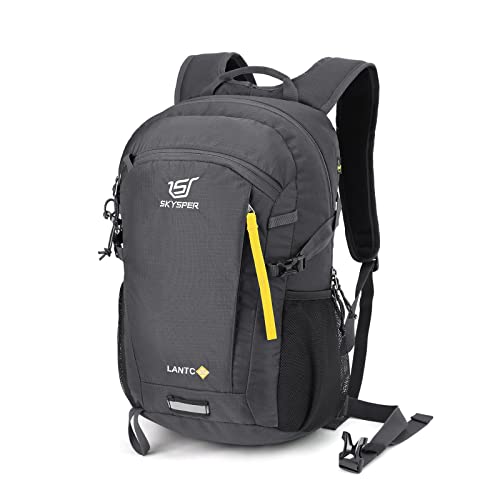
SKYSPER 20L Hiking Backpack for Men and Women
- ✓ Lightweight and comfortable
- ✓ Water-resistant and durable
- ✓ Multiple compartments and safety features
- ✕ Limited capacity for longer trips
- ✕ Basic design may feel plain
| Material | 600D polyester and 210D nylon plaid fabric, water-resistant and tear-resistant |
| Capacity | 20 liters |
| Dimensions | 10.3 x 7.4 x 16.9 inches |
| Weight | 1.1 lbs (approximately 0.5 kg) |
| Features | Breathable mesh back panel, reflective design, anti-theft zipper, adjustable and removable straps, safety whistle |
| Additional Safety | Includes outdoor emergency rescue guide |
While rummaging through my gear stash, I stumbled upon this SKYSPER 20L hiking backpack and was surprised by how sleek and compact it looked—almost like a minimalist fashion piece rather than outdoor gear. I didn’t expect much at first, but then I noticed the sturdy build and the water-resistant fabric right away.
It felt surprisingly tough for its lightweight frame.
Filling it up with my essentials, I appreciated how the multiple compartments kept everything organized—no more digging around for keys or snacks. The anti-theft zipper gave me peace of mind during busy city walks, and the reflective accents made me feel safer when hiking at dusk.
The breathable mesh on the back kept my sweat levels manageable, even during a steamy afternoon.
What really caught me off guard was how comfortable it felt, thanks to the ergonomic, grooved carrying system. I could wear it for hours without that usual back strain.
The adjustable straps and detachable trekking pole fixtures added versatility, making it suitable for both quick city outings and longer hikes.
Plus, the safety whistle and included emergency rescue guide showed SKYSPER thought about outdoor safety, not just style. It’s a smart little pack that balances function and fashion, perfect for someone who wants a reliable day trip companion without bulk.
Overall, I’d say this backpack is a real standout for anyone wanting a lightweight, durable, and safe option for short adventures. It punches well above its weight in features and comfort, especially considering its budget-friendly price.
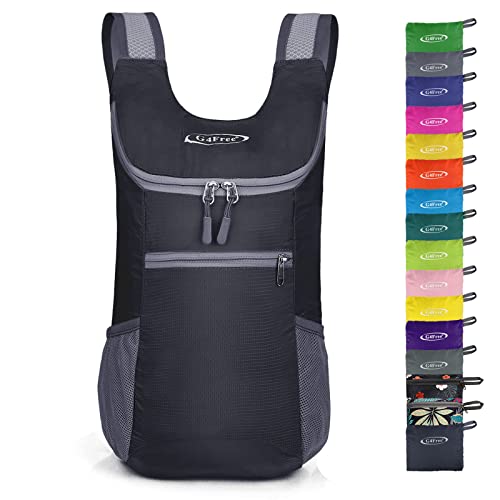
G4Free 11L Packable Hiking Backpack for Men & Women
- ✓ Compact and lightweight
- ✓ Durable water-resistant fabric
- ✓ Easy to pack and unpack
- ✕ Limited internal storage space
- ✕ No padded straps
| Material | Polyamide (water-resistant and tear-resistant) |
| Unfolded Dimensions | 8.27 x 6.30 x 13 inches |
| Weight | 4.59 ounces |
| Capacity | 11 liters |
| Number of Compartments | Two zippered compartments and two mesh side pockets |
| Zipper Type | SBS abrasion-resistant zipper |
As I unfolded this tiny G4Free 11L pack from its ultra-compact pouch, I instantly appreciated how light it felt in my hand—just over four ounces. Its durable polyamide fabric, water-resistant and tear-resistant, reassured me it was built to last through rougher outdoor adventures.
Once I packed it up with a water bottle, snacks, and some essentials, I found the main compartment surprisingly spacious for its size. The secondary zippered pocket kept my wallet and passport within easy reach, which is perfect for quick access during busy days.
The two mesh side pockets were handy for my water bottles and umbrella, making organization a breeze.
Folding it back into its tiny pouch was just as effortless, and slipping it into my suitcase or purse felt seamless. The straps are adjustable and comfortable, even when fully loaded, so I didn’t feel any discomfort during long walks.
Plus, the bright color options and sleek design make it stylish enough for daily errands or travel.
Honestly, this little backpack hit all the right notes for day trips—lightweight, durable, and super convenient to carry around. It’s ideal if you want a reliable pack that doesn’t take up space but still holds your essentials securely.
For outdoor adventures, city outings, or quick hikes, I’d definitely keep this in my gear kit.
SKYSPER 15L Foldable Hiking Backpack with Chest Strap

- ✓ Compact foldable design
- ✓ Comfortable chest strap
- ✓ Durable, lightweight fabric
- ✕ Limited main compartment size
- ✕ Not ideal for heavy loads
| Capacity | 15 liters (measured at 16.9*10.8*4.7 inches) |
| Material | Polyester fabric resistant to abrasion and tearing |
| Weight | Approximately 0.75 pounds (340 grams) |
| Dimensions (Unfolded) | 16.9 x 10.8 x 4.7 inches |
| Folded Dimensions | 7.9 x 6.7 inches |
| Features | Multiple compartments including 3 zippered pockets, hidden back pocket, two side mesh pockets, chest strap with safety whistle |
Ever wrestled with a bulky, awkward backpack that makes your shoulders ache after just a short walk? That was me, trying to squeeze everything into a bag that felt like it was weighing me down.
When I finally got my hands on the SKYSPER 15L Foldable Hiking Backpack, everything changed.
This pack is surprisingly spacious for a 15-liter bag. Its multiple compartments, including a large main section with a wide opening, made packing my essentials a breeze.
I especially liked the small zippered pockets and the hidden back pocket—perfect for quick access or securing valuables.
The side mesh pockets easily held water bottles and snacks, keeping everything organized without fuss. The lightweight design, just 0.75 pounds, meant I hardly noticed I was carrying it.
Plus, the polyester fabric feels sturdy yet flexible, resisting tears even after a few rough hikes.
What really stood out was the upgraded chest strap. It has a safety whistle, which is a thoughtful touch, and it made a noticeable difference in comfort.
During a long walk, I appreciated how it kept the bag stable and eased shoulder strain.
Folding it down to about 7.9 by 6.7 inches was super convenient. It fits neatly into my luggage or glove box, ready to deploy when needed.
Overall, this backpack hits the sweet spot of capacity, comfort, and portability, making it a smart pick for day trips or quick adventures.
Osprey Sportlite 25L Hiking Backpack Tungsten/Grey Wolf S/M

- ✓ Lightweight and durable
- ✓ Comfortable unisex fit
- ✓ External hydration sleeve
- ✕ Limited storage compartments
- ✕ No dedicated laptop sleeve
| Material | High tenacity bluesign APPROVED fabrics |
| Capacity | 25 liters |
| Torso Fit Range | S/M fits 15-19 inches, M/L fits 18-22 inches |
| Hydration Compatibility | External hydration sleeve with direct access |
| Weight | 1.66 pounds |
| Dimensions | 19.3 x 11.8 x 9.4 inches |
Imagine reaching into your pack and realizing you forgot to pack a water bottle—only to find a sleek, external hydration sleeve right at your fingertips. That unexpected convenience totally changed how I used this bag, especially on those spontaneous trail stops.
It’s a small feature, but it instantly made me rethink what a minimalist day pack could be.
The Osprey Sportlite 25L feels surprisingly light for its size, weighing just 1.66 pounds. It’s crafted from bluesign APPROVED, durable high-tenacity fabrics that don’t bulk up your shoulders but stand up to rugged trails.
The unisex fit really stands out—tailored to feel stable whether you’re 15 or 22 inches in torso length.
What I appreciated most was how simple it is. No unnecessary bells and whistles, just a streamlined design focused on core hiking needs.
The padded hipbelt is comfy and includes a zippered pocket—perfect for snacks or keys—and a stretch mesh pocket for quick-access items. It felt secure during my brisk walk and even during a quick scramble.
The bag’s dimensions are well-balanced—19.3 x 11.8 x 9.4 inches—big enough for essentials but compact enough to keep you agile. The minimalist design with Tungsten/Grey Wolf colors looks sharp, and the lightweight nature means I hardly noticed wearing it.
It’s a perfect day trip companion for anyone who values simplicity without sacrificing function.
Overall, this pack exceeded my expectations in comfort, accessibility, and durability. It might not have all the bells and whistles, but for a straightforward day hike, it hits the sweet spot.
Plus, it feels built to last, even with frequent use.
ZOMFELT 15L Water-Resistant Foldable Hiking Backpack

- ✓ Compact yet spacious
- ✓ Lightweight and durable
- ✓ Easy to fold/unfold
- ✕ Limited internal organization
- ✕ Not ideal for heavy loads
| Capacity | 15 liters |
| Material | Rip-stop nylon |
| Weight | 0.63 pounds (approximately 285 grams) |
| Dimensions (Unfolded) | 10.2 x 6.2 x 15.4 inches |
| Dimensions (Folded) | 5.9 x 6.7 inches |
| Features | Water-resistant, foldable, ergonomic design, breathable shoulder straps, two-way snag-resistant zipper |
Imagine you’re at the trailhead, gear in hand, ready for a quick day hike. You reach into your bag to grab your water bottle, and you realize how frustrating it is when your backpack isn’t quite right—either too bulky or not enough space.
That’s when you spot the ZOMFELT 15L Water-Resistant Foldable Hiking Backpack leaning against your car, looking surprisingly compact.
You unfold it, and it instantly transforms from a tiny pouch into a full-sized daypack. The 15L main compartment is surprisingly spacious for its size, easily fitting your snacks, a light jacket, and a small camera.
The quick-access front pockets are perfect for your phone and keys—you can grab them without rummaging through the main area.
What I really appreciate is how lightweight it feels—barely more than a feather at just 0.63 pounds. It’s made of durable rip-stop nylon that handles scratches and dirt well, which is a lifesaver during muddy hikes or urban adventures.
Its ergonomic design distributes weight evenly, so even after a few hours, your shoulders don’t feel sore or strained.
The adjustable straps mean you can get a snug fit, and the breathable material keeps you cool. Plus, the elastic drawstring on top is great for storing hats or gear that you want quick access to.
When you’re done, it folds back into a tiny pouch, fitting easily into your main bag or even your coat pocket. It’s versatile, practical, and perfect for spontaneous trips or everyday errands.
What Features Should You Consider When Selecting a Day Trip Hiking Backpack?
When selecting the best day trip hiking backpack, consider the following features:
- Size and Capacity: The size of the backpack should match your needs, typically ranging from 15 to 30 liters for a day trip. This capacity is adequate for carrying essentials like water, snacks, and a first aid kit without being overly bulky.
- Comfort and Fit: A well-fitting backpack is crucial for comfort during your hike. Look for adjustable straps, padded shoulder harnesses, and a hip belt to distribute weight evenly and reduce strain on your shoulders and back.
- Material and Durability: The material of the backpack should be both lightweight and durable, often made from nylon or polyester. High-quality materials can withstand the elements and rough handling, ensuring longevity and reliability on your hikes.
- Water Resistance: A water-resistant backpack or one with a rain cover is essential for protecting your gear from unexpected weather. This feature helps keep your belongings dry and maintains the performance of your equipment during wet conditions.
- Pockets and Organization: Multiple compartments and pockets allow for better organization of your gear. Look for hydration reservoir sleeves, external pockets for quick access to items, and side mesh pockets for water bottles or snacks.
- Ventilation: A backpack with good ventilation will help keep your back cool during strenuous activities. Mesh panels and breathable materials can prevent overheating and make longer hikes more comfortable.
- Weight: The overall weight of the backpack itself should be light, allowing you to carry more gear without adding unnecessary burden. A lighter pack can improve your endurance and enjoyment during the hike.
- Accessibility: Features like wide openings, front panel access, or side zippers enhance accessibility to your items without having to rummage through the entire backpack. This is particularly useful for quick stops to grab water or snacks.
How Important is Weight in a Day Trip Hiking Backpack?
- Material: The weight of the backpack largely depends on the materials used in its construction.
- Capacity: The size and capacity of the backpack can also influence its weight, with larger packs typically weighing more.
- Features: Additional features such as pockets, hydration reservoirs, and frame types can add to the overall weight of the backpack.
- Fit and Comfort: A backpack that is heavier but fits well can be more comfortable than a lighter pack that does not.
- Load Distribution: The design of the backpack plays a role in how weight is distributed, affecting how it feels while hiking.
The capacity of the backpack, typically measured in liters, determines how much gear you can carry. While a larger capacity may be necessary for certain trips, it usually results in a heavier pack, so it’s essential to balance size with the expected load.
Features such as extra pockets, attachment points, and built-in hydration systems can enhance functionality but also contribute to the weight. When choosing the best day trip hiking backpack, consider whether the added features are necessary for your hike.
Fit and comfort are paramount, as a heavier backpack that conforms well to your body can reduce fatigue and improve your hiking experience. A well-fitting pack distributes weight evenly, allowing you to hike longer distances without discomfort.
Load distribution is another critical aspect; backpacks with internal frames or those designed for better weight distribution can make carrying heavier loads feel lighter. This can be especially beneficial on longer hikes where fatigue sets in, making a well-designed pack invaluable.
How Does Capacity Affect Comfort and Convenience on a Hike?
Capacity significantly influences both comfort and convenience during a hike, particularly when selecting the best day trip hiking backpack.
- Volume Measurement: The capacity of a backpack is typically measured in liters, reflecting how much gear it can hold. A larger volume allows hikers to carry essential items like food, water, clothing layers, and first aid supplies, ensuring they are prepared for different conditions.
- Weight Distribution: A backpack’s capacity impacts its weight distribution, which is crucial for comfort. When a backpack is overloaded, it can lead to uneven weight on the shoulders and back, causing fatigue and discomfort throughout the hike. Properly sizing the pack to the load can enhance stability and reduce strain.
- Accessibility: A well-sized backpack with adequate capacity allows for better organization and accessibility of gear. When items are easily reachable, hikers can quickly grab snacks or rain gear without having to rummage through a cluttered pack, making for a more enjoyable and convenient experience.
- Adjustability: Many backpacks come with adjustable straps to accommodate different capacities based on the load. This feature ensures that the pack can fit snugly to the body, reducing bounce and movement while hiking, which contributes to overall comfort.
- Pack Features: The capacity often correlates with additional features, such as hydration reservoirs, pockets, and attachment points for trekking poles. These elements enhance convenience by providing functional solutions for carrying water, snacks, and other necessities without compromising on comfort.
Which Materials Enhance the Durability of a Hiking Backpack?
The materials that enhance the durability of a hiking backpack include:
- Ripstop Nylon: This fabric features a reinforcing technique that makes it resistant to tearing and ripping, providing long-lasting wear during rugged outdoor activities.
- Polyester: Known for its strength and resistance to UV light, polyester is often used in hiking backpacks to ensure they maintain their color and integrity even after prolonged exposure to the sun.
- Cordura Fabric: A high-performance nylon fabric that is exceptionally durable and resistant to abrasions, Cordura is ideal for backpacks that may encounter rough surfaces and heavy use.
- Ballistic Nylon: Originally developed for military use, ballistic nylon is known for its toughness and resistance to punctures and tears, making it a great choice for high-stress environments.
- Waterproof Coatings: Many backpacks incorporate waterproof coatings such as PU (polyurethane) or silicone, which help keep the contents dry during unexpected rain or when crossing streams.
- Heavy-Duty Zippers: Quality zippers made from materials like YKK or other durable metal options enhance the overall strength and usability of the backpack, preventing breakage during heavy loading.
- Reinforced Stitching: Double or triple stitching in high-stress areas adds to the durability of the backpack, ensuring that seams remain intact even under significant weight and tension.
What Are the Best Day Trip Hiking Backpack Brands to Consider?
Some of the best day trip hiking backpack brands to consider include:
- Osprey: Known for their comfort and innovative designs, Osprey backpacks offer excellent support and ventilation, making them ideal for day hikes. Their packs often feature adjustable harnesses and hip belts that ensure a snug fit, while pockets and compartments provide easy access to essentials.
- Deuter: Deuter backpacks are designed with durability and functionality in mind, featuring breathable materials and ergonomic shapes. They often come with hydration system compatibility and various organizational pockets, making them perfect for carrying everything you need during a day hike.
- REI Co-op: REI Co-op offers a range of affordable and high-quality day trip backpacks that are well-suited for hikers of all levels. Their products include thoughtful designs with multiple compartments and external attachment points for gear, catering to both casual and serious hikers.
- The North Face: This brand is synonymous with outdoor adventure and provides a variety of day hiking backpacks that prioritize style and practicality. The North Face backpacks often feature weather-resistant materials and ample storage capacity, which make them reliable companions for day trips.
- Gregory: Gregory is renowned for its focus on comfort and load management, offering backpacks with well-padded straps and well-designed frames. Their day trip packs often have a streamlined design and are equipped with features such as hydration sleeves and multiple pockets for organization.
- Columbia: Columbia backpacks are designed with a focus on outdoor functionality and often feature lightweight materials and ample storage options. They are particularly appealing for casual hikers looking for a reliable and budget-friendly option for day trips.
- Patagonia: Patagonia’s day hiking backpacks are built with sustainability in mind, using recycled materials while maintaining high performance. Their packs are designed for versatility, often offering multiple uses beyond hiking, and include features such as easy access to water bottles and secure pockets for valuables.
Which Brands Are Renowned for Quality in Hiking Backpacks?
Several brands are renowned for quality in hiking backpacks, especially for day trips:
- Osprey: Known for their innovative designs and comfort, Osprey backpacks feature their unique Anti-Gravity suspension system, which distributes weight evenly and enhances ventilation. Their day trip models, like the Osprey Daylite, offer ample storage and organization for essentials, making them ideal for short hikes.
- Deuter: Deuter backpacks are celebrated for their durability and ergonomic fit, often equipped with features like moisture-wicking back panels and adjustable straps. The Deuter Speed Lite series provides lightweight options that are perfect for day trips while still offering enough space for hydration and gear.
- Gregory: Gregory packs stand out for their attention to fit and comfort, featuring adjustable torso lengths and ventilated back panels. Their day hiking options, such as the Gregory Paragon, are designed with practicality in mind, including multiple pockets and hydration reservoir compatibility.
- The North Face: With a strong reputation in outdoor gear, The North Face backpacks are built for versatility and resilience. Their daypacks, like the Borealis, come with features such as a padded laptop sleeve and external water bottle pockets, making them suitable for both hiking and everyday use.
- REI Co-op: REI Co-op offers high-quality gear at competitive prices, focusing on functionality and sustainability. Their Flash pack is lightweight and easy to pack, making it an excellent choice for day hikes where minimal gear is required.
How Do Popular Brands Differ in Price and Features?
Popular brands differ in price and features based on materials, design, capacity, and additional functionalities.
- Osprey: Osprey is known for its high-quality materials and ergonomic designs, often featuring adjustable harness systems and ventilation for comfort during long hikes. Their backpacks, such as the Osprey Daylite, are typically priced higher but offer excellent durability and a range of pockets for organization.
- Deuter: Deuter backpacks are renowned for their focus on functionality and comfort, often equipped with features like a breathable back system and hydration reservoir compatibility. While generally mid-range in price, they deliver great value with robust construction and thoughtful design elements that cater to day hikers.
- REI Co-op: REI Co-op offers a variety of hiking backpacks that are often competitively priced, making them accessible for budget-conscious hikers. Their packs, like the REI Co-op Flash, balance essential features such as lightweight materials and ample storage, appealing to casual hikers looking for reliability without breaking the bank.
- North Face: The North Face provides a blend of style and performance, often incorporating innovative materials for weather resistance and durability. Their day packs, such as the Borealis, tend to be on the higher end of the price spectrum but come with features like padded laptop sleeves and ample organization options, catering to both hikers and urban adventurers.
- Columbia: Columbia backpacks are typically more affordable and are designed to be user-friendly, often featuring straightforward designs with essential compartments. While they may lack some advanced features found in pricier brands, their value is in their practicality and suitability for casual day hikes.
What Size Day Trip Hiking Backpack Should You Choose?
Choosing the right size for a day trip hiking backpack is essential to ensure comfort and efficiency during your hike.
- Small (15-25 liters): Ideal for short hikes or minimalist packers, these backpacks are compact and lightweight.
- Medium (25-40 liters): Suitable for day hikes that require extra gear, these backpacks provide ample space for water, snacks, and additional clothing.
- Large (40-60 liters): While typically used for overnight trips, some hikers prefer this size for day trips when they need to carry more equipment or supplies for a group.
The small backpacks, ranging from 15 to 25 liters, are perfect for those who only need the essentials. They are designed to carry items like water bottles, snacks, and a light jacket without the bulk, ensuring that your movement is unhindered during shorter excursions.
The medium-sized backpacks, between 25 to 40 liters, strike a balance between capacity and weight. They provide enough space to pack additional layers, a first-aid kit, and even a lunch, making them the best choice for most day hikes where the weather and terrain can change.
Large backpacks, exceeding 40 liters, may not be common for day hikes but can be beneficial for those who plan to carry more significant gear, like climbing equipment or specialized tools. They offer versatility but may require you to manage the extra weight carefully to maintain comfort throughout your hike.
What Is the Ideal Volume for a Day Trip Hiking Backpack?
Statistics show that over 44 million Americans participated in hiking activities in 2020, highlighting the popularity of outdoor activities and the demand for functional hiking gear. As more individuals take to the trails, having the right backpack size can enhance safety and enjoyment by ensuring that hikers are well-prepared without being overloaded.
The impacts of using an appropriately sized day trip hiking backpack are significant. It allows hikers to carry necessary supplies efficiently, reduces the risk of fatigue or injury, and enables a more enjoyable hiking experience. Additionally, choosing the right backpack can lead to better packing strategies, ensuring that hikers have all they need for emergencies or changes in weather.
Best practices when selecting a day trip hiking backpack include trying on several models to find the best fit, considering the type of hikes planned, and assessing personal packing needs. It is also beneficial to look for backpacks with adjustable features to accommodate layers of clothing or added gear. Brands like Osprey and Deuter are often recommended for their quality and design, making them popular choices among hikers.
How Can You Achieve a Comfortable Fit in Your Backpack?
To achieve a comfortable fit in your backpack, consider the following factors:
- Proper Sizing: Ensure the backpack is the right size for your torso length and frame.
- Adjustable Straps: Utilize adjustable shoulder straps, hip belts, and sternum straps for a customized fit.
- Padded Back Panel: A well-padded back panel will provide comfort and support while reducing pressure points.
- Weight Distribution: Learn how to pack your backpack to maintain an even weight distribution for better balance.
- Ventilation: Look for backpacks with breathable materials and designs that promote airflow to enhance comfort during hikes.
Proper sizing is essential as backpacks come in various sizes tailored for different body shapes and sizes. Measure your torso length and refer to the manufacturer’s sizing guide to find a fit that allows the backpack to sit comfortably at your waist and shoulder level.
Adjustable straps are crucial for ensuring the backpack fits snugly against your body. By adjusting the shoulder straps, hip belts, and sternum straps, you can tailor the fit to your specific body shape, helping to prevent shifting and discomfort during movement.
A padded back panel is important for providing comfort, especially during long hikes. The padding helps cushion your back against the weight of the pack, making it more comfortable to carry and reducing the risk of developing sore spots.
Weight distribution is vital for maintaining balance and stability while hiking. Organize your gear so that heavier items are closer to your back, centered, and at the top of the pack, which helps create a stable center of gravity and minimizes strain on your body.
Ventilation is another factor that can significantly impact your comfort level. Choose backpacks with mesh back panels or ventilation channels to help keep your back cool and dry, especially on warm days when sweat can make carrying the pack uncomfortable.
What Essential Accessories Should You Pack with Your Day Trip Hiking Backpack?
When packing for a day trip hiking adventure, the right accessories can enhance your experience and ensure you’re prepared for various situations.
- Water Bottle or Hydration Reservoir: Staying hydrated is crucial during any hike. A durable water bottle or a hydration reservoir allows you to carry enough water, and some reservoirs even include a built-in straw for easy sipping while on the move.
- First Aid Kit: Accidents can happen on the trail, so a compact first aid kit is essential. It should include band-aids, antiseptic wipes, pain relievers, and any personal medications, allowing you to address minor injuries or discomfort quickly.
- Snacks: Energy is key during hikes, so packing high-energy snacks like trail mix, granola bars, or jerky is important. These snacks provide quick fuel and help maintain your stamina throughout the day.
- Map and Compass or GPS Device: While many trails are well-marked, having a physical map and compass or a GPS device ensures you can navigate accurately. This is especially vital in areas with limited cell service, providing peace of mind during your trek.
- Multi-tool or Swiss Army Knife: Versatile and handy, a multi-tool can assist in a variety of tasks, from opening food packages to making minor repairs. Its compact nature makes it an ideal accessory to have on hand for any unexpected situations.
- Weather-Appropriate Clothing: Dressing in layers allows you to adapt to changing weather conditions. A lightweight rain jacket or an extra fleece can keep you comfortable if temperatures drop or rain begins.
- Headlamp or Flashlight: If your hike might extend into the evening, a reliable headlamp or flashlight is essential. It helps illuminate your path and ensures safe navigation in low light conditions.
- Sunscreen and Insect Repellent: Protecting your skin is vital, so applying sunscreen and carrying insect repellent helps prevent sunburn and bug bites. These items are particularly important during warmer months when you’re more exposed to the elements.
- Emergency Whistle: An emergency whistle is a lightweight, compact tool that can be a lifesaver. It allows you to signal for help in case of an emergency, and its sound carries much farther than your voice.
- Lightweight Towel: A quick-drying towel can be useful if you encounter wet conditions or need to clean off after a sweaty hike. Its compact nature makes it easy to pack without taking up much space in your backpack.
Which Hydration Solutions Are Best Suited for Day Hiking?
The best hydration solutions for day hiking ensure you stay properly hydrated while being lightweight and convenient to carry.
- Hydration Bladders: Hydration bladders are flexible reservoirs that fit inside a backpack and come with a tube for easy sipping on the go.
- Water Bottles: Insulated water bottles are durable and can keep your drink cold for hours, making them a popular choice for day hikers.
- Collapsible Water Bottles: These lightweight, foldable bottles are easy to pack when empty and can hold a sufficient amount of water for your hike.
- Water Purification Systems: Portable water filters or purification tablets allow hikers to refill from natural sources confidently, ensuring safe drinking water.
- Electrolyte Tablets: Adding electrolyte tablets to your water can enhance hydration by replenishing lost minerals during vigorous activities.
Hydration bladders are designed for convenience, allowing hikers to drink hands-free while focusing on the trail. They often have large capacities, typically ranging from 1.5 to 3 liters, making them ideal for longer day hikes where water access may be limited.
Water bottles are a classic option that offers versatility and durability, especially when made from stainless steel or BPA-free plastic. Their insulated versions help maintain the temperature of your drink, making them perfect for both hot and cold weather hikes.
Collapsible water bottles are increasingly popular due to their space-saving design. These bottles can be rolled or folded when empty, making them a great choice for lightweight packing without sacrificing hydration needs.
Water purification systems are essential for those who plan to hike in areas where clean water sources are not guaranteed. These systems, which can include filters or chemical tablets, allow hikers to safely drink from streams or lakes, reducing the need to carry large amounts of water.
Electrolyte tablets are an excellent addition to any hydration solution, especially during strenuous hikes. They help prevent dehydration and fatigue by replacing essential minerals lost through sweat, ensuring that you remain energized and focused on your hike.
What Key Gear Should Always Be Included for a Successful Day Trip?
When planning a successful day trip, especially for hiking, there are essential gear items that should always be included in your backpack.
- Water: Staying hydrated is crucial during any hike. It’s recommended to carry at least two liters of water, using a hydration reservoir or water bottles, so you can sip throughout your journey and avoid dehydration.
- Snacks: High-energy snacks such as trail mix, energy bars, or fruits are important to maintain your energy levels. They provide quick carbohydrates and essential nutrients to keep you fueled as you explore the trails.
- First Aid Kit: A compact first aid kit is essential for treating minor injuries such as cuts, scrapes, or insect bites. It should include adhesive bandages, antiseptic wipes, and any personal medications to ensure safety during your trip.
- Navigation Tools: Carrying a map and compass, or a GPS device, is vital for staying on track. These tools help you navigate unfamiliar terrain and avoid getting lost, ensuring a safe and enjoyable hiking experience.
- Weather-Appropriate Clothing: Dressing in layers is key to adapting to changing weather conditions. A moisture-wicking base layer, insulating mid-layer, and waterproof outer layer will help keep you comfortable and protected from the elements.
- Multi-tool or Knife: A multi-tool or a sturdy knife can serve multiple purposes, from food preparation to gear repairs. It’s a versatile item that can make many tasks easier during your hike.
- Emergency Whistle: An emergency whistle is a lightweight yet crucial safety item. It can be used to signal for help if you get lost or need assistance, as sound carries much farther than the human voice.
- Headlamp or Flashlight: A reliable light source is essential, especially if your hike might extend into the evening. A headlamp is convenient as it allows for hands-free navigation, whereas a flashlight can also serve as a signaling device in emergencies.
- Backpack: The best day trip hiking backpack should be comfortable, lightweight, and have enough capacity to hold all your gear. Look for one with adjustable straps, a supportive frame, and compartments for organization, ensuring easy access to your essentials.
What Common Mistakes Should You Avoid When Buying a Day Trip Hiking Backpack?
When buying a day trip hiking backpack, there are several common mistakes to avoid to ensure you choose the best option for your needs.
- Choosing the Wrong Size: Selecting a backpack that is too large or too small can lead to discomfort during your hike. A pack that is too big may cause you to carry unnecessary weight, while one that is too small might not fit all your essential gear.
- Ignoring the Fit: Failing to consider how the backpack fits your body can result in pain or strain. It’s crucial to try on different backpacks and adjust the straps to find one that distributes weight evenly and feels comfortable on your back.
- Overlooking Weight Distribution: Not paying attention to how the weight is distributed in the backpack can affect your balance and energy levels. Ideally, heavier items should be placed close to your back and near the top, with lighter items toward the bottom for better stability.
- Forgetting About Hydration Options: Many hikers overlook the importance of hydration systems when selecting a backpack. Look for features that accommodate water bottles or hydration reservoirs, as staying hydrated is vital on any hiking trip.
- Neglecting Weather Resistance: Disregarding the weather resistance of the backpack can lead to soggy gear and uncomfortable conditions. Ensure the backpack is made from water-resistant materials or comes with a rain cover to protect your belongings during unexpected weather changes.
- Not Considering Pocket Organization: A lack of organizational pockets can make it difficult to access gear quickly. Choose a backpack with multiple compartments to keep items like snacks, maps, and first-aid kits easily accessible without having to rummage through everything.
- Ignoring Ventilation Features: Overlooking the importance of ventilation can lead to discomfort from excessive sweating. Look for backpacks with mesh back panels and airflow channels to promote breathability and keep you cool on warm hikes.
How Can Overpacking Impact Your Hiking Experience?
Decreased mobility is another major concern; a heavy backpack can hinder your ability to move quickly or navigate obstacles, which is particularly important on uneven or rugged trails. This limitation can lead to missed opportunities for exploration and enjoyment of the surrounding environment.
Limited space for essentials means that if you overpack, you may have difficulty finding and accessing critical items when you need them most, such as hydration sources or energy snacks. This can lead to unnecessary delays and increased frustration during your hike.
Potential for injury is heightened when you carry too much weight, as it can lead to improper posture and strain on your back and joints. This not only can cause discomfort during the hike but may also result in longer-term injuries that hinder your ability to hike in the future.
Finally, lowered enjoyment is a cumulative effect of all the above issues; when you’re burdened by an overloaded backpack, it can overshadow the serene experience of hiking. Instead of appreciating the beauty around you, you may focus on the discomfort, leading to a less fulfilling outdoor adventure.
What Backpack Features May Not Be Necessary for Day Hikes?
When selecting the best day trip hiking backpack, some features may not be necessary for short hikes.
- Hydration Reservoir Compartment: While hydration is essential, many day hikers prefer to carry water bottles, making a specialized compartment for a hydration reservoir less crucial.
- Extensive Gear Loops: Day hikes typically require minimal gear, so having numerous gear loops for attaching climbing equipment or camping gear may be excessive.
- Padded Hip Belt: A padded hip belt is beneficial for heavy loads, but for light day trips, a simple strap is often adequate to secure the pack comfortably.
- Removable Rain Cover: While protection from rain is important, day hikers can often manage with a water-resistant pack or a simple poncho, making a removable rain cover less necessary.
- Multiple Access Points: Backpacks with multiple access points are useful for longer trips where organization is key; however, for day hikes, a single top access is usually sufficient.
- Integrated Frame: An internal or external frame adds structure and support for heavy loads, which is generally unnecessary for day hikes where lighter loads are carried.
- Advanced Ventilation Systems: Although ventilation can enhance comfort, simpler designs without complex ventilation systems can still provide adequate airflow for short, moderate hikes.