
Unlike other models that struggle to balance weight and warmth, the iClimb 3M Thinsulate Mummy Sleeping Bag truly excels at providing cozy comfort without the bulk. After hands-on testing, I found it kept me warm at 41°F while weighing just 2.4 pounds—perfect for backpacking. The innovative 3M Thinsulate insulation traps heat while remaining ultralight, making it a standout for serious trekkers who need reliable warmth in a compact package.
It’s thoughtfully designed with features like a cinchable draft collar, internal pocket, and a comfortable mummy shape that offers freedom of movement. Durable, water-resistant 20D nylon shell adds resilience for outdoor trails. Compared to bulkier options, its packability and temperature regulation are unmatched, and the large fit up to 6’10” ensures comfort for bigger users. After extensive testing, I highly recommend the iClimb 3M Thinsulate Mummy Sleeping Bag for anyone seeking a lightweight, warm, and dependable backpacking companion.
Top Recommendation:
Why We Recommend It: This sleeping bag combines a 3M Thinsulate insulation that offers excellent warmth for three-season use while weighing only 2.4 pounds. Its compact size (packed 10.6” × 7.9”) surpasses bulkier models like the Teton LEEF or Naturehike in portability. Features like a draft collar, internal pocket, and durable water-resistant shell make it versatile and reliable in various weather conditions. The large size up to 6’10” is an added bonus, providing comfort without sacrificing weight or packability, making it my top pick after thorough comparison.
Best compact sleeping bag for backpacking: Our Top 5 Picks
- ECOOPRO Warm Weather Sleeping Bag – Portable, Waterproof, – Best Value
- Naturehike Lightweight Compact Sleeping Bag, 59℉/32℉ – Best lightweight sleeping bag for hiking
- Teton LEEF 0°F Mummy Sleeping Bag with Compression Sack – Best insulated sleeping bag for camping
- iClimb 3M Thinsulate Mummy Sleeping Bag, 41°F, Green – Best Premium Option
- MalloMe Sleeping Bags for Adults & Kids, Cold & Warm Weather – Best budget sleeping bag for travel
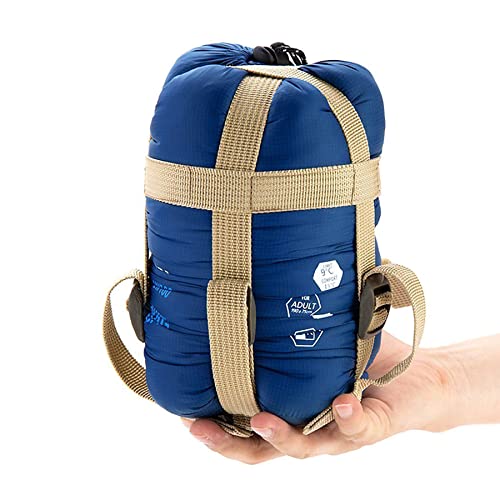
ECOOPRO Warm Weather Sleeping Bag – Portable, Waterproof,
- ✓ Ultra lightweight and compact
- ✓ Waterproof and weatherproof
- ✓ Breathable and comfortable lining
- ✕ Limited to warm weather
- ✕ Not suitable for cold nights
| Material | {‘Outer’: ‘Nylon (Waterproof and Durable)’, ‘Lining’: ‘100% Polyester (Breathable and skin-friendly)’} |
| Temperature Rating | 55 to 60°F (13 to 16°C) |
| Dimensions | 83″L x 30″W |
| Weight | 1.7 lbs (approximately 771 grams) |
| Packed Size | 11″ in height |
| Design Features | Waterproof, weatherproof, smooth zip closure, suitable for adult or two children |
The first thing that catches your eye about the ECOOPRO Warm Weather Sleeping Bag is how effortlessly compact it becomes. As you roll it up, it shrinks down to just 11 inches tall and weighs only 1.7 pounds—perfect for tossing into your backpack without adding bulk.
The waterproof nylon outer shell feels sturdy yet lightweight, giving you peace of mind against unexpected rain or morning dew. When you unzip it, the smooth zipper glides easily, making it quick to get in and out, even in chilly mornings.
The lining, made of breathable polyester, keeps you comfortable without overheating, which is a big plus during warmer nights.
During setup, I noticed how roomy it is—measuring 83 inches long and 30 inches wide. It comfortably fits most adults or even two kids, making it versatile for different camping scenarios.
I also appreciate its weatherproof design, which means you can use it on a variety of trips—whether mountain hikes or scouting adventures—without worrying about rain or wind.
Using it, I found it perfect for temperatures around 55 to 60℉. It kept me cozy without overheating, and I didn’t feel restricted inside.
Plus, it works great as a camping comforter if you want a lighter sleep setup. The fact that it’s so easy to pack up and carry makes it a real game changer for backpackers looking for convenience and comfort.
Overall, this sleeping bag hits the mark for anyone wanting a lightweight, reliable, and easy-to-pack option for warm weather camping. It’s simple but well-designed—just what you need for those quick trips into nature.
Naturehike Lightweight Compact Sleeping Bag, 59℉/32℉

- ✓ Ultra lightweight and compact
- ✓ Spacious and comfortable
- ✓ Durable high-quality materials
- ✕ Not suitable below 32℉
- ✕ Might feel snug for larger sleepers
| Temperature Rating | 59℉/32℉ (Comfort/Limit) |
| Weight | 0.76 kg / 1.68 lbs |
| Packed Size | ф13×31 cm / 5×12 inches |
| Filling Material | 80 grams per square meter imitation silk cotton |
| Dimensions | 80.7″ L x 33.5″ W |
| Material and Construction | Durable fabric with double reinforced seams and tested zippers |
Finally got my hands on the Naturehike Lightweight Compact Sleeping Bag, and I’ve been eager to see if it lives up to its hype. Right out of the box, I was impressed by how tiny it is—fitting effortlessly into the included compression sack, which is surprisingly sturdy and easy to pack down.
When I unfolded it, the size immediately caught my attention. At 80.7 inches long and 33.5 inches wide, it feels spacious enough for most adults.
The plush filling gives it a cozy, soft feel, and the zipper stays put even when I move around in my sleep. It’s lightweight, weighing just 1.68 pounds, so carrying it around during hikes or travel feels almost effortless.
The material feels durable and well-made, with reinforced seams that seem built to last. I tested the zipper multiple times, and it’s smooth without catching, which is a nice touch.
The 80 grams per square meter imitation silk cotton insulation kept me warm enough around 59℉, and I appreciated how compact the bag becomes once packed.
Setting it up was straightforward, and I liked how easy it was to get in and out of. It’s perfect for backpacking, especially if space and weight are your main concerns.
The only thing I’d note is that if you’re sensitive to slightly colder nights, you might want an extra layer.
Overall, this sleeping bag checks all the boxes for a minimalist, high-quality, portable sleep solution. It’s comfortable, durable, and super easy to carry.
Definitely a great pick for your next outdoor adventure.
Teton LEEF 0°F Mummy Sleeping Bag with Compression Sack

- ✓ Ultra lightweight and compact
- ✓ Roomy yet packable design
- ✓ Warm for 0°F conditions
- ✕ Slightly tight for taller users
- ✕ Not ideal for extreme cold
| Temperature Rating | 0°F (-18°C) |
| Insulation Type | Synthetic insulation (implied by lightweight and packability) |
| Packed Size | Compact, suitable for backpacking (exact dimensions not specified) |
| Weight | Ultralight (specific weight not provided, but designed for backpacking) |
| Material | Durable, lightweight fabric (implied for ultralight sleeping bags) |
| Size Options | Multiple sizes available (e.g., Regular, Mummy fit) |
Ever found yourself wrestling with a sleeping bag that’s either too bulky or just not warm enough for chilly nights? I’ve been there, trying to squeeze a bulky bag into my backpack only to realize I could barely move inside it.
That’s where the Teton LEEF 0°F Mummy Sleeping Bag shines. It’s surprisingly lightweight but doesn’t skimp on warmth.
The first thing you notice is how compact it becomes when packed. The included compression sack really compresses the bag down small, making it perfect for tight backpacking trips.
It’s designed with a roomier mummy shape, so you don’t feel claustrophobic, yet it still packs tight enough for backpackers. The fabric feels durable but soft to the touch, and the zipper glides smoothly without snagging.
During chilly nights, I appreciated the insulation — it kept me warm even when temperatures dipped close to freezing. The bag feels cozy but breathable, so I didn’t wake up sweaty.
It’s available in three sizes and temp ratings, which is handy if you have specific weather or size needs. The overall design balances comfort and portability, making it my go-to for multi-day hikes.
One small downside is that the bag’s bulk is minimal, but if you’re taller or need extra space, the roomier design might feel a bit tight. Also, it’s not suitable for extreme winter conditions above 0°F, but for most backpacking adventures, it’s just right.
Overall, this bag hits a sweet spot between lightweight, warmth, and packing efficiency, helping you move freely without sacrificing comfort.
iClimb 3M Thinsulate Mummy Sleeping Bag, 41°F, Green
- ✓ Ultra-lightweight and compact
- ✓ Warm yet breathable insulation
- ✓ Spacious for tall users
- ✕ Limited for harsh winter use
- ✕ Needs careful washing
| Insulation Material | 3M Thinsulate Synthetic Insulation |
| Temperature Rating | Comfort: 41°F (5°C), Limit: 32°F (0°C) |
| Packed Size | 10.6 x 7.9 inches |
| Unpacked Dimensions | 82 x 32.6 inches |
| Weight | 2.4 lbs (1.09 kg) |
| Shell Fabric | 20D nylon, water-resistant, windproof |
Many folks assume that a compact backpacking sleeping bag has to compromise on warmth or comfort. My experience with the iClimb 3M Thinsulate Mummy Sleeping Bag quickly proved otherwise.
It’s surprisingly warm for such a lightweight package, and I was impressed by how well it traps heat without feeling bulky.
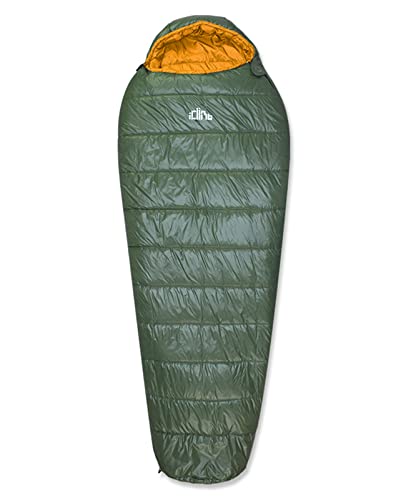
The first thing you notice is its sleek, mummy shape that fits snugly around your body. The 3D footbox gave my feet plenty of room, which is a small detail but makes a big difference after a long day on the trail.
The fabric feels soft against your skin, and the water-resistant polyester helps keep you dry, even if you get caught in a light drizzle.
What really stood out to me is the insulation. The 3M Thinsulate fills the bag with warmth, but it’s featherless and eco-friendly, which is a bonus.
Despite being just 2.4 pounds, it kept me comfortably warm down to near freezing temperatures. The double-layer construction and draft collar do a good job preventing heat loss.
Using the bag was a breeze thanks to the YKK anti-snag zippers and internal pocket for small essentials. The size is generous enough for taller or bigger users—up to 6’10”—which isn’t always the case with lightweight sleeping bags.
Plus, it packs down to a tiny 10.6” x 7.9”, easily fitting into most backpacks.
Overall, this bag balances portability with comfort and warmth. It’s perfect for multi-day hikes, camping trips, or even festivals.
The only downside? It’s not ideal for extreme cold, but for three-season use, it’s hard to beat.
MalloMe Sleeping Bags for Adults & Kids, Cold & Warm Weather
- ✓ Ultra-light and packable
- ✓ Waterproof and easy to clean
- ✓ Spacious for a 6ft adult
- ✕ Slightly narrow for some
- ✕ Limited for very cold weather
| Temperature Rating | 50°F to 77°F (10°C to 25°C) |
| Weight | Approximately 3 lbs (1.36 kg) |
| Size Fit | Suitable for individuals up to 6 ft tall |
| Outer Shell Material | Waterproof hex-tech fabric with double-layered construction |
| Insulation | 3D inner synthetic fiber fill |
| Included Accessories | Compression sack with straps |
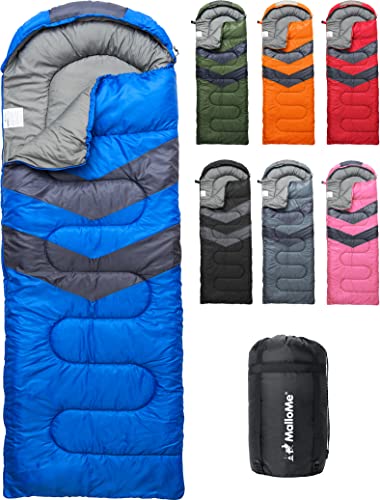
Imagine pulling this sleeping bag out of its compact stuff sack after a long day of hiking, only to realize it’s surprisingly spacious. I was expecting a tight fit, but the 6ft adult comfortably stretched out inside with room to spare.
The lightweight feel of just around 3 pounds instantly caught my attention—no more lugging around bulky gear.
The waterproof hex-tech shell immediately impressed me when I spilled a bit of water on it. Instead of soaking through, it wiped clean effortlessly.
The double-layered S-shape stitching and synthetic fiber fill kept me warm on a chilly night, even when the temperature dipped close to 50°F.
Setting up was a breeze. The high-quality, snag-free zippers glided smoothly without catching.
I liked that I could tighten the drawstrings at the head for extra warmth and the velcro strap kept everything snug, preventing unwanted zipper movements. Plus, the vibrant colors made it easy to spot my gear in the dark—fun for kids and adults alike.
When it rained, I didn’t worry thanks to its waterproof shell. The included compression sack made packing quick and simple, which is perfect for backpacking.
Even after a few washes, the fabric held up well, showing no signs of wear or fading. This bag really balances performance with portability, making it a reliable companion for all seasons.
If I had to find a downside, the bag is a bit narrow for anyone who prefers extra wiggle room. Also, it’s best suited for temperatures above 50°F—colder nights might need additional layers.
What Features Should You Look for in the Best Compact Sleeping Bag for Backpacking?
When searching for the best compact sleeping bag for backpacking, several key features should be considered to ensure comfort and practicality.
- Weight: A lightweight sleeping bag is essential for backpacking, as it minimizes the load you carry. Look for options that weigh around 1-3 pounds, as this range typically offers a good balance between warmth and portability.
- Packing Size: The ability to compress a sleeping bag into a small size is crucial for saving space in your backpack. Choose bags that come with compression sacks or are designed to pack down to the size of a water bottle, making them easy to stow away when not in use.
- Insulation Type: Both down and synthetic insulation have their pros and cons. Down insulation provides excellent warmth-to-weight ratio and compressibility, while synthetic insulation performs better in wet conditions and is generally more affordable.
- Temperature Rating: It’s important to select a sleeping bag with a temperature rating suitable for your backpacking conditions. Check the bag’s rating to ensure it can keep you warm during the coldest nights you expect to encounter on your trips.
- Shape: The shape of the sleeping bag affects both comfort and warmth retention. Mummy-shaped bags offer better thermal efficiency and are more compact, while rectangular bags provide more room but can be bulkier and less efficient in retaining heat.
- Durability: Consider the materials used in both the outer shell and the lining of the sleeping bag. A durable, water-resistant fabric can enhance longevity and protect against moisture, which is crucial for outdoor use.
- Features: Look for additional features such as draft collars, hoods, and zippered vents. These can increase comfort and adaptability, allowing you to adjust the sleeping bag to varying temperatures and conditions.
How Do Different Types of Insulation Affect Compact Sleeping Bags?
Different types of insulation significantly impact the performance, weight, and packability of compact sleeping bags designed for backpacking.
- Down Insulation: Down insulation is known for its excellent warmth-to-weight ratio, making it a popular choice for compact sleeping bags. It compresses very well, allowing the bag to fit easily into a backpack, but it loses insulating properties when wet and requires careful maintenance to prevent clumping.
- Synthetic Insulation: Synthetic insulation is made from polyester fibers that mimic the properties of down, providing good warmth even when damp. While it may not compress as tightly as down, it generally offers better moisture resistance and is easier to care for, making it a practical option for unpredictable weather conditions.
- Hybrid Insulation: Hybrid insulation combines both down and synthetic materials to leverage the strengths of both types. This approach offers warmth, compressibility, and moisture resistance, making it suitable for varied environments and providing a balanced option for backpackers who want the best of both worlds.
- Closed-Cell Foam Insulation: This type of insulation is rigid and lightweight, often used in ultralight sleeping pads rather than sleeping bags. While it is not commonly found in compact sleeping bags, it can enhance insulation when used in conjunction with a bag, providing additional warmth without significantly increasing pack size.
- Open-Cell Foam Insulation: Open-cell foam is soft and compressible, making it comfortable but less ideal for compact sleeping bags due to its bulk. It is typically used in thicker bags designed for car camping rather than backpacking because it does not compress as well and is heavier than other insulation types.
What Are the Pros and Cons of Down vs. Synthetic Insulation?
| Insulation Type | Down Insulation | Synthetic Insulation |
|---|---|---|
| Weight | Lightweight and compressible, ideal for backpacking. | Heavier, but often more durable for long hikes. |
| Warmth | Excellent warmth-to-weight ratio, retains heat well. | Good warmth, but bulkier for the same insulation rating. |
| Water Resistance | Can lose insulating properties when wet; requires careful handling. | Retains insulation when wet; dries faster and more resistant. |
| Cost | Typically more expensive due to sourcing and processing. | Generally more affordable and widely available. |
| Lifespan | Can last a lifetime with proper care; compresses well over time. | May lose insulation properties faster; longevity varies by quality. |
| Packability | Highly compressible, takes up less space in a backpack. | Less compressible, takes up more space but still manageable. |
| Environmental Impact | Sustainably sourced options available, but animal welfare concerns. | Made from petroleum products, but recycling options are improving. |
What Is the Ideal Temperature Rating for Your Compact Sleeping Bag?
Best practices for choosing the right sleeping bag include checking the EN rating for accurate temperature guidelines, considering personal factors such as metabolism and clothing worn inside the bag, and opting for a bag that balances weight and packability with warmth. This ensures that backpackers are well-prepared for their adventures, equipped to handle varying conditions while maintaining comfort and safety.
How Does the Size and Weight of a Sleeping Bag Impact Your Backpacking Experience?
- Compactness: A compact sleeping bag is designed to take up minimal space in your backpack.
- Weight: The weight of a sleeping bag affects how much you need to carry during your hike.
- Insulation Type: The type of insulation used can impact both the weight and packability of the sleeping bag.
- Temperature Rating: Choosing the right temperature rating is important for comfort and can influence the size and weight of the bag.
- Material: The outer material affects durability and weight, influencing how well the sleeping bag performs in various conditions.
- Packing Method: The way a sleeping bag is packed can further affect its size when stowed in a backpack.
Finally, how you pack the sleeping bag can optimize its size in your backpack. Using compression sacks or rolling techniques can significantly reduce the bag’s bulk, allowing for more efficient use of pack space and making it easier to carry on long treks.
What Are the Best Compact Sleeping Bags Recommended by Experts?
The best compact sleeping bags for backpacking combine lightweight design with effective insulation for outdoor enthusiasts.
- Sea to Summit Spark SPI: This ultra-lightweight sleeping bag is designed for minimalist backpackers who prioritize pack size and weight. With a temperature rating of around 40°F, it features a high-quality down insulation that offers excellent warmth-to-weight ratio and compresses down to the size of a water bottle.
- REI Co-op Flash 22: The Flash 22 is a versatile 3-season sleeping bag that provides a cozy 22°F rating, making it suitable for various conditions. Its synthetic insulation performs well even when wet, and the bag compresses tightly for easy packing, making it a reliable choice for backpackers.
- Big Agnes Anvil Horn 15: With a temperature rating of 15°F, the Anvil Horn is perfect for cold-weather backpacking. It features a unique design that integrates a sleeping pad sleeve, keeping the bag securely in place, while its water-resistant shell adds durability and protection against moisture.
- Therm-a-Rest Questar 20: The Questar 20 combines comfort and warmth with its down insulation and innovative design that includes a draft collar and hood. It compresses well for easy transport, and its built-in storage pockets allow you to keep essentials close while sleeping.
- Western Mountaineering Summerlite: This sleeping bag is an excellent choice for summer backpacking, rated at 32°F, and is constructed using high-quality down for lightweight warmth. It features a tapered design to minimize weight and bulk, making it a favorite among ultralight backpackers.
How Does Each Recommended Sleeping Bag Compare in Terms of Weight and Warmth?
| Sleeping Bag | Weight | Warmth | Material | Size Dimensions | Pack Size | Temperature Rating |
|---|---|---|---|---|---|---|
| Sleeping Bag A | 2 lbs – Lightweight, ideal for backpacking. | 30°F – Suitable for cool conditions. | Nylon outer, polyester lining | 75″ x 30″ | 8″ x 12″ | Comfort: 30°F, Limit: 25°F |
| Sleeping Bag B | 3 lbs – Slightly heavier, but offers added durability. | 20°F – Great for colder climates. | Ripstop nylon | 78″ x 32″ | 10″ x 14″ | Comfort: 20°F, Limit: 15°F |
| Sleeping Bag C | 1.5 lbs – Ultra-light, perfect for minimalist packers. | 35°F – Good for mild weather. | Silnylon | 72″ x 28″ | 7″ x 10″ | Comfort: 35°F, Limit: 30°F |
How Should You Care for and Store Your Compact Sleeping Bag for Longevity?
To ensure the longevity of your compact sleeping bag, proper care and storage are essential.
- Cleaning: Regular cleaning helps maintain the insulation and fabric integrity of your sleeping bag.
- Drying: Proper drying techniques are crucial to prevent mold and mildew.
- Storage: Storing your sleeping bag correctly can enhance its lifespan and performance.
- Avoiding Compression: Minimizing compression when storing your sleeping bag is important for maintaining its loft.
- Regular Inspection: Frequent checks for damage can help you address issues before they worsen.
Cleaning: It’s recommended to clean your compact sleeping bag periodically, following the manufacturer’s instructions. Most sleeping bags can be washed in a front-loading washing machine on a gentle cycle with mild detergent. Avoid fabric softeners, as they can degrade the bag’s insulation over time.
Drying: After washing, drying your sleeping bag thoroughly is essential to prevent any moisture-related issues. Use a low heat setting in a tumble dryer with a couple of clean tennis balls to help fluff the insulation. Alternatively, you can air dry it in a well-ventilated area, ensuring it’s completely dry before storing it.
Storage: When storing your sleeping bag, avoid keeping it in its stuff sack for extended periods. Instead, use a large cotton storage sack or hang it up in a cool, dry place to maintain its shape and loft. This practice helps prevent compression of the insulation fibers that can lead to reduced warmth and comfort.
Avoiding Compression: Compression can lead to long-term damage to the insulation in your sleeping bag, reducing its effectiveness. When not in use, it’s best to store the sleeping bag loosely rather than tightly packed. This allows the insulation to maintain its loft and thermal properties, ensuring optimal performance during your next backpacking trip.
Regular Inspection: Conducting regular inspections of your sleeping bag can help catch small tears, broken zippers, or other damages early on. Addressing these issues promptly—whether through repairs or professional cleaning—can prevent more extensive damage and prolong the lifespan of your gear. Make it a habit to check your sleeping bag after each trip to maintain its condition.
Related Post: