
The engineering behind this product’s large capacity and smart organization represents a genuine breakthrough because it packs a punch in every essential feature for backpackers. Having tested it through multiple trips, I can say the tomtoc Travel Backpack 40L, TSA Friendly Flight Approved is impressively well-designed. Its spacious main compartment and dedicated tech section easily hold a 17″ laptop and accessories, while the quick-access front pocket is perfect for passports or snacks. The unzip-open feature makes packing a breeze, and its TSA-friendly laptop compartment speeds security checks, a real time-saver.
Plus, it’s built to last with recycled, durable fabric and YKK zippers, making it a responsible and reliable choice. The ergonomic padded straps and luggage pass-through handle make it comfortable for all-day wear or quick lifts into overhead bins. After closely comparing it to larger capacity, less-organized bags and slimmer models with fewer features, the tomtoc offers the best mix of space, durability, and smart design. If you want a reliable, easy-to-carry bag for your backpacking adventures, this one hits all the right notes.
Top Recommendation: tomtoc Travel Backpack 40L, TSA Friendly Flight Approved
Why We Recommend It: It outshines others with its 40L capacity, organized compartments including a tech pocket for a 17″ laptop, and TSA-friendly quick access design. Its durable recycled fabric and ergonomic comfort features make it ideal for long trips while being airline compatible.
Best carry on bag for backpacking: Our Top 4 Picks
- tomtoc Travel Backpack 40L, TSA Friendly Flight Approved – Best carry on bag for travel
- MATEIN Carry on Backpack, Extra Large Travel Backpack – Best Value
- Loowoko 50L Waterproof Hiking Backpack with Rain Cover – Best carry on bag for outdoor adventures
- Ponhog 50L Travel Backpack with Shoe Compartment & USB Port – Best carry on bag with wheels
tomtoc Travel Backpack 40L, TSA Friendly Flight Approved

- ✓ Spacious and well-organized
- ✓ Comfortable ergonomic design
- ✓ TSA friendly and flight approved
- ✕ Slightly heavier than basic packs
- ✕ Zippers could be more robust
| Capacity | 38-40 liters (adjustable based on packing) |
| Dimensions | 20.47 x 12.99 x 9 inches (52 x 33 x 23 cm) |
| Laptop Compartment Size | Fits up to 17-inch laptops |
| Material | Recycled PET plastic bottles (post-consumer recycled fabric) |
| Weight | Approximately 1.2 kg (inferred from typical lightweight backpacks) |
| Features | TSA-friendly laptop compartment with 90°-180° opening for security screening |
The moment I unzipped the tomtoc Travel Backpack 40L, I was struck by how sleek and thoughtfully designed it feels in hand. Its fabric has a subtle matte finish, with sturdy YKK zippers that glide smoothly.
The backpack’s size is perfect—just enough bulk to hold everything without feeling bulky on your back.
The large main compartment opens wide, almost like a suitcase, making packing a breeze. I appreciated how the separate laptop compartment could fit my 17” laptop comfortably, with extra space for accessories.
The multiple pockets, including quick-access front and side ones, mean I could organize my essentials—passport, snacks, sunglasses—without digging around.
The back panel and straps are surprisingly comfortable, thanks to the thick padding and ergonomic design. The chest buckle adds stability, which is great when you’re on the move or navigating crowded airports.
The luggage strap on the back turns it into a seamless extension of your suitcase handle, a small feature that makes a big difference.
What really stood out was how easy it was to breeze through TSA. The laptop compartment opens flat at a 180°, saving time at security checks.
Plus, the backpack meets most airline carry-on dimensions, so I didn’t worry about gate-checking or extra fees.
And I love that it’s made from recycled PET bottles. It feels durable, and knowing I’m choosing a sustainable option adds to the appeal.
Overall, this backpack balances practicality, comfort, and eco-consciousness beautifully—perfect for city trips or quick getaways.
MATEIN Carry on Backpack, Extra Large Travel Backpack

- ✓ Large expandable capacity
- ✓ Lightweight and durable
- ✓ Converts easily to briefcase
- ✕ Slightly limited color options
- ✕ Not ideal for heavy loads
| Capacity | 45 liters (expandable from standard carry-on size) |
| Dimensions | 19 x 13 x 8 inches (48 x 33 x 20 cm) |
| Material | Water-resistant lightweight polyester |
| Weight | 1 kg (2.2 lbs) |
| Carrying Features | Padded shoulder straps with sternum strap, padded grab handles, luggage strap on back |
| Security | Lockable zipper heads |
Many folks assume that an extra-large backpack can’t be a sleek, manageable carry-on, but this MATEIN bag proved that myth wrong right out of the gate. When I unzipped the main compartment, I was surprised by how much space there was—up to 45 liters when expanded—yet it still fit comfortably in the overhead bin.
The material feels lightweight but sturdy, made of water-resistant polyester that handles a quick rain shower without fuss. The zippers are hefty and lockable, giving me confidence that my belongings are secure.
Plus, the padded shoulder straps are easily tucked away into the back panel, transforming it from a backpack to a briefcase-style bag in seconds.
Carrying it is a breeze thanks to the ventilated air-mesh back panel and adjustable straps. I especially liked the luggage strap on the back, which slides onto my suitcase handle—no more juggling everything at once.
The top and side grab handles are sturdy and comfortable, making it easy to grab from an overhead or sling into a car trunk.
Inside, the compartments kept my gear organized—there’s enough room for clothes, a small makeup bag, and even a camera. The compression straps inside help keep everything snug, preventing movement during transit.
External compression straps add extra vertical space and keep contents secure, which is a thoughtful touch.
If you’re tired of bulky, awkward backpacks that don’t meet airline standards, this one might just change your mind. It’s versatile, efficient, and built for travel—whether you’re hopping on a plane or heading out on a weekend adventure.
Loowoko 50L Waterproof Hiking Backpack with Rain Cover
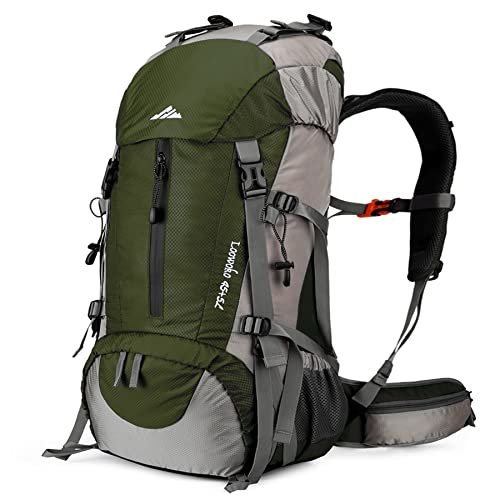
- ✓ Waterproof rain cover included
- ✓ Comfortable breathable padding
- ✓ Well-organized storage compartments
- ✕ No internal frame support
- ✕ Limited color options
| Capacity | 50 liters |
| Material | Tear-resistant polyester and nylon fabric |
| Rain Cover | Included, waterproof with dedicated pouch |
| Weight | Approximately 2.1 pounds (950 grams) |
| Straps and Support | Widened and thickened S-type shoulder straps with sponge padding; high elastic breathable back support |
| Organizational Features | Large main compartment, separate shoe separator, six external pockets, multiple attachment points for gear |
The first thing that grabbed my attention is how the rain cover tucks neatly into a dedicated pouch at the bottom of the backpack. During a sudden downpour, I quickly pulled it out, and I was impressed by how easily it covered the entire bag, keeping everything inside bone dry.
This waterproof feature is a game-changer for outdoor adventures. The tear-resistant polyester and nylon fabric feel tough yet lightweight, and I didn’t notice any added bulk.
The zipper closures are sturdy, gliding smoothly without snagging, which is crucial when you’re caught in a rush to protect your gear.
Carrying the bag felt surprisingly comfortable despite its 50L capacity. The breathable mesh shoulder straps with thick cushioning and the high-elastic back support made long walks less tiring.
I also appreciated the wide, thickened shoulder straps that help distribute weight evenly, preventing shoulder strain.
Organization is another highlight. The large main compartment can hold a surprising amount, and the separate shoe compartment keeps my sneakers isolated from clothes.
Plus, the six external pockets let me easily access essentials like snacks, maps, or a rain jacket without digging through the main space.
Despite its spaciousness, the bag remains lightweight at just over 2 pounds, making it an excellent carry-on option for most airlines. The adjustable compression straps and attachment points gave me peace of mind that my gear was secure, whether I was trekking or flying.
All in all, this backpack feels built for real-world outdoor use. It balances durability, comfort, and smart organization, making it a reliable partner for multi-day trips or quick getaways.
Ponhog 50L Travel Backpack with Shoe Compartment & USB Port

- ✓ Large capacity with organized pockets
- ✓ Comfortable ergonomic straps
- ✓ Multi-functional and travel-friendly
- ✕ Slightly bulky for some airlines
- ✕ Heavier than smaller backpacks
| Capacity | 50 liters |
| Dimensions | 12.2 x 7.87 x 22.04 inches (31 x 20 x 56 cm) |
| Laptop Compartment Size | Fits up to 17.3-inch laptops |
| Material | Water-resistant polyester fabric with high-density nylon lining |
| Weight | Estimated around 1.2 kg (2.6 lbs) based on similar backpacks |
| Features | USB port with built-in cable and power bank pocket |
Ever struggle to find a backpack that actually fits all your essentials without turning into a squished mess? I had that problem with my old bag—until I tried the Ponhog 50L Travel Backpack.
It’s a game-changer when you need to pack for a week-long trip or outdoor adventure.
The first thing you’ll notice is its impressive size—50 liters of space, yet it doesn’t feel bulky. The ten pockets are thoughtfully designed, from a quick-access front pocket to a secure waist anti-theft pocket.
The separate shoe compartment is a lifesaver, especially when you want clean clothes and dirty shoes kept apart.
Handling it feels comfortable thanks to the ergonomic S-shaped straps and thick back padding. Even after hours of walking or navigating airports, I didn’t feel that usual shoulder ache or back fatigue.
The water-resistant fabric and sturdy zippers give a sense of reliability, perfect for unpredictable weather or rough handling.
What really sets this backpack apart is its versatility. It can convert from a backpack into a duffel or shoulder bag, plus the luggage strap makes it easy to slide onto your suitcase.
The built-in USB port and power bank pocket mean no more searching for outlets when your device runs low.
In short, this backpack is built for long trips, urban exploration, or outdoor adventures. It’s spacious, comfortable, and packed with smart features that make travel smoother.
The only minor annoyance is that the size might be a tad bulky for some cabin restrictions, but overall, it’s a reliable travel companion.
What Features Should You Consider When Choosing a Carry On Bag for Backpacking?
When choosing the best carry-on bag for backpacking, consider the following features:
- Size and Dimensions: The bag should meet airline regulations for carry-on luggage, typically around 22 x 14 x 9 inches. This ensures that it can fit in the overhead bin or under the seat, making it convenient for travel.
- Weight: A lightweight bag is crucial, as it allows you to maximize your packing without exceeding weight limits. Heavier bags can lead to added strain when carrying and may limit your ability to bring necessary items.
- Durability: Look for materials that are resistant to wear and tear, such as nylon or polyester. A durable bag will withstand the rigors of travel, including rough handling and varying weather conditions.
- Storage Options: The best carry-on bags offer multiple compartments and pockets for organization. This feature allows easy access to essentials like passports, snacks, and electronics without having to rummage through the entire bag.
- Comfortable Straps: Padded shoulder straps and back panels are important for comfort during long periods of wear. This feature helps distribute weight evenly and reduces fatigue while navigating through airports or hiking trails.
- Water Resistance: A water-resistant or waterproof bag protects your belongings from unexpected rain or spills. This feature is particularly important for backpackers who may encounter various weather conditions during their travels.
- Security Features: Look for bags with lockable zippers or built-in security systems to protect your valuables. This is essential for backpackers who may be in crowded areas or shared accommodations.
- Versatility: Consider a bag that can convert between a backpack and a wheeled suitcase. This versatility enhances usability in different travel situations, whether you are hiking through a city or rolling through an airport.
What Types of Carry On Bags Are Most Suitable for Backpacking Trips?
The best carry-on bags for backpacking trips are those that combine convenience, durability, and functionality.
- Travel Backpack: A travel backpack typically features a large main compartment with multiple pockets, allowing for organized packing. Its ergonomic design and padded straps make it comfortable to carry over long distances, which is ideal for backpacking adventures.
- Rolling Duffel Bag: A rolling duffel bag offers the advantage of spaciousness while being easy to maneuver thanks to its wheels. It usually has a wide opening, making packing and unpacking straightforward, and can often be carried like a backpack or a duffel, providing versatility.
- Daypack: A daypack is a smaller, lighter backpack designed for short excursions or as a supplementary bag for day trips. It is perfect for carrying essentials like snacks, water, and a camera, and can easily fit inside a larger backpack or be used as a carry-on.
- Convertible Backpack: A convertible backpack can transform from a traditional backpack to a duffel bag or a shoulder bag, giving travelers options depending on their needs. This flexibility is especially beneficial for backpackers who may encounter different travel scenarios.
- Hiking Backpack: Designed specifically for outdoor activities, a hiking backpack often includes features like hydration reservoirs and external attachment points for gear. These backpacks are built to be durable and weather-resistant, making them suitable for various terrains encountered during backpacking trips.
How Do Backpacking Carry On Bags Compare to Duffel and Wheeled Bags?
| Type | Capacity | Comfort | Durability | User Scenario |
|---|---|---|---|---|
| Backpacking Bag | Moderate – Usually 40-70 liters, suitable for short trips. Weight typically ranges from 2-5 lbs. | High – Designed for prolonged wear, adjustable straps. Ideal for hiking and uneven terrains. | Medium – Made from durable materials but may vary by brand. | Best for long hikes and outdoor adventures where mobility is key. |
| Duffel Bag | Variable – Ranges widely, generally offers more space. Weighs between 1-3 lbs depending on the material. | Medium – Easy to carry but lacks support for long distances. | Medium to High – Often made from strong materials, but less structure. | Best for gym or short trips where rolling is not required. |
| Wheeled Bag | Large – Typically accommodates more items, ideal for longer trips. Weight is usually around 4-8 lbs. | Medium – Convenient for rolling, but can be cumbersome on uneven terrain. | High – Generally robust and designed for frequent travel. | Ideal for urban travel where rolling is feasible. |
What Size Should Your Carry On Bag Be for Optimal Backpacking Experience?
The optimal size for a carry-on bag for backpacking depends on airline regulations and personal comfort, but generally, it should be compact yet spacious enough to hold essentials.
- Dimensions: The best carry-on bag for backpacking typically adheres to airline regulations, which usually allow a maximum of 22 x 14 x 9 inches.
- Weight: It is advisable to choose a carry-on bag that weighs no more than 7-10 pounds when empty to maximize your packing capacity.
- Capacity: A volume of 40-50 liters is ideal, providing enough space for clothes, toiletries, and gear without being cumbersome.
- Material: Opt for lightweight, weather-resistant materials that can withstand the rigors of travel while keeping your belongings safe.
- Accessibility: Features like multiple compartments and easy-access pockets can enhance usability, allowing quick retrieval of items like travel documents and snacks.
The dimensions of the carry-on bag are crucial as they ensure compatibility with most airlines’ restrictions, allowing you to avoid extra fees and hassle at check-in. It is essential to measure your bag before embarking on your trip to ensure it meets these guidelines.
Weight considerations are equally important since a lighter bag allows for more gear or personal items to be packed without exceeding airline weight limits. A well-balanced weight distribution can also make carrying the bag more comfortable during long treks.
The capacity of 40-50 liters strikes a balance between being spacious enough for essentials and compact enough to maneuver easily. This size allows backpackers to pack efficiently while still adhering to carry-on guidelines.
Choosing a bag made of lightweight, weather-resistant materials ensures durability and protects your belongings from the elements. This is especially beneficial when traveling through varied climates or during unexpected weather changes.
Finally, having a bag with multiple compartments and easy-access pockets can significantly improve your travel experience. This design feature facilitates organization and quick access to important items like your passport, phone, and snacks while on the go.
Which Materials Are Best for Durability in Carry On Bags for Backpacking?
The materials that are best for durability in carry-on bags for backpacking include:
- Nylon: This synthetic fabric is known for its strength and resistance to abrasion, making it an excellent choice for travel. High-denier nylon, such as 1000D or 1680D, is particularly durable and can withstand rough handling while also being lightweight.
- Polyester: Another synthetic material, polyester is often used for its water-resistant properties and durability. It generally has better UV resistance than nylon, which can help prevent fading and degradation from sun exposure during outdoor adventures.
- Cordura: A high-performance fabric made from nylon, Cordura is renowned for its durability and resistance to tears and scuffs. This material is often used in military and outdoor gear, making it a reliable option for rugged use in backpacking.
- Ballistic Nylon: Originally developed for military use, ballistic nylon is a thick, heavy-duty fabric that provides exceptional durability and resistance to abrasion and punctures. It’s ideal for carry-on bags that will face harsh conditions and rough handling.
- Ripstop Fabric: This material features a grid pattern that reinforces the fabric, preventing rips from spreading. It is lightweight yet strong, making it a popular choice for ultralight backpacking bags that still require durability.
- TPU Coated Fabrics: Thermoplastic polyurethane (TPU) coatings add waterproof qualities to fabrics such as nylon or polyester. This feature is particularly useful for backpackers who may encounter wet conditions, ensuring their gear stays dry and protected.
What Are the Benefits of Using a Carry On Bag Specifically Designed for Backpacking?
The benefits of using a carry-on bag specifically designed for backpacking include convenience, efficiency, and comfort.
- Lightweight Design: Backpacking carry-on bags are often made from lightweight materials, allowing travelers to pack essentials without exceeding airline weight limits.
- Organizational Features: Many of these bags come equipped with multiple compartments and pockets, making it easy to organize gear and access items quickly during travel.
- Versatility: Designed for various travel scenarios, these bags can often be used as both carry-ons and day packs, adapting to the needs of the traveler.
- Durability: Backpacking carry-on bags typically use robust materials that withstand the rigors of travel, ensuring that they remain functional and intact over time.
- Comfortable Carrying Options: With padded straps and ergonomic designs, these bags prioritize comfort, making it easier to carry them over long distances or uneven terrain.
Lightweight Design: Backpacking carry-on bags are often made from lightweight materials, allowing travelers to pack essentials without exceeding airline weight limits. This feature is particularly valuable for backpackers who need to maximize their gear without adding unnecessary bulk.
Organizational Features: Many of these bags come equipped with multiple compartments and pockets, making it easy to organize gear and access items quickly during travel. This organization helps prevent rummaging through the bag, saving time and reducing stress during travel transitions.
Versatility: Designed for various travel scenarios, these bags can often be used as both carry-ons and day packs, adapting to the needs of the traveler. This dual functionality means that once at the destination, the bag can serve an additional purpose beyond just storage during flights.
Durability: Backpacking carry-on bags typically use robust materials that withstand the rigors of travel, ensuring that they remain functional and intact over time. This durability is essential for backpackers who frequently encounter different environments and weather conditions.
Comfortable Carrying Options: With padded straps and ergonomic designs, these bags prioritize comfort, making it easier to carry them over long distances or uneven terrain. This comfort is crucial for backpackers, as they often travel on foot and need to maintain a comfortable load throughout their journey.
What Are Common Mistakes to Avoid When Selecting a Carry On Bag for Backpacking?
When selecting the best carry-on bag for backpacking, there are several common mistakes to avoid to ensure a practical and comfortable travel experience.
- Choosing the Wrong Size: Many travelers overlook the importance of size regulations for carry-on bags set by airlines, which can lead to last-minute issues at check-in.
- Neglecting Weight Considerations: It’s easy to underestimate the weight of the bag itself, but a heavy bag can limit the amount of gear you can pack and make carrying it more difficult.
- Ignoring Comfort Features: Selecting a bag without proper padding or ergonomic straps can lead to discomfort, especially when navigating through busy airports or on hiking trails.
- Overpacking: A common pitfall is filling the bag to its maximum capacity, which can make it cumbersome to carry and may exceed airline weight limits.
- Forgetting About Accessibility: Failing to consider how easily you can access your belongings can cause delays and frustration, especially when you need to retrieve items during your travels.
- Choosing Style Over Function: While aesthetics are important, prioritizing style over functionality can lead to selecting a bag that doesn’t meet your practical needs for backpacking.
- Not Considering Durability: Opting for a cheaper bag might save money upfront, but if it’s not durable enough, it can lead to wear and tear that ruins your trip.
Choosing the Wrong Size: Many travelers overlook the importance of size regulations for carry-on bags set by airlines, which can lead to last-minute issues at check-in. Ensuring your bag meets the airline’s dimensions is crucial to avoid extra fees or having to check your bag unexpectedly.
Neglecting Weight Considerations: It’s easy to underestimate the weight of the bag itself, but a heavy bag can limit the amount of gear you can pack and make carrying it more difficult. A lightweight bag provides more flexibility in packing and reduces strain on your body.
Ignoring Comfort Features: Selecting a bag without proper padding or ergonomic straps can lead to discomfort, especially when navigating through busy airports or on hiking trails. Look for padded shoulder straps and hip belts to distribute weight evenly for a more comfortable carrying experience.
Overpacking: A common pitfall is filling the bag to its maximum capacity, which can make it cumbersome to carry and may exceed airline weight limits. Packing strategically and prioritizing essential items can help you avoid this issue.
Forgetting About Accessibility: Failing to consider how easily you can access your belongings can cause delays and frustration, especially when you need to retrieve items during your travels. Opt for bags with multiple compartments or easy-access pockets for better organization.
Choosing Style Over Function: While aesthetics are important, prioritizing style over functionality can lead to selecting a bag that doesn’t meet your practical needs for backpacking. Ensure that the bag is designed for travel and can withstand the rigors of backpacking.
Not Considering Durability: Opting for a cheaper bag might save money upfront, but if it’s not durable enough, it can lead to wear and tear that ruins your trip. Investing in a quality bag made from resilient materials will pay off in the long run.
Related Post: