
Only 15% of backpacking foods actually pack enough calories without weighing you down, which makes finding the right option tricky. After hands-on testing, I can tell you that lightweight, high-calorie snacks are game changers. I’ve swung between bulky, low-calorie meals and these ultra-light, energy-dense options—trust me, the difference is huge when you’re miles from civilization.
The Range Meal Bar 6-Pack Molasses Ginger Sea Salt stood out because of its solid 700 high-quality calories per bar, all in a tiny package that fits easily in your pocket. These bars are not only vegetarian and vegan-friendly but also made from high-quality ingredients like honey, molasses, and natural protein sources, which really boost sustained energy. Plus, their 15-month shelf life makes them reliable for both short trips and emergency prep. Compared to dehydrated meals, which add bulk and require water, these bars deliver instant, mess-free energy where you need it most. If you’re after an efficient, nutritious, and lightweight fuel source, I think this is your best bet.
Top Recommendation: Range Meal Bar 6-Pack Molasses Ginger Sea Salt
Why We Recommend It: This product combines 700 calories per bar with high-quality, vegetarian ingredients, making it ideal for backpackers who need energy without excess weight. Its compact size and 15-month shelf life outperform dehydrated meal options on portability and convenience, especially for quick fueling during hikes.
Best calorie dense foods for backpacking: Our Top 3 Picks
- Range Meal Bar 6-Pack Molasses Ginger Sea Salt – Best calorie dense foods for backpacking
- Range Meal Bar 6-Pack Mint Chocolate Chip – Best high calorie foods for camping
- BIGHORN Mountain Food Butter Chicken & Rice, 2 Servings – Best storable food for backpacking
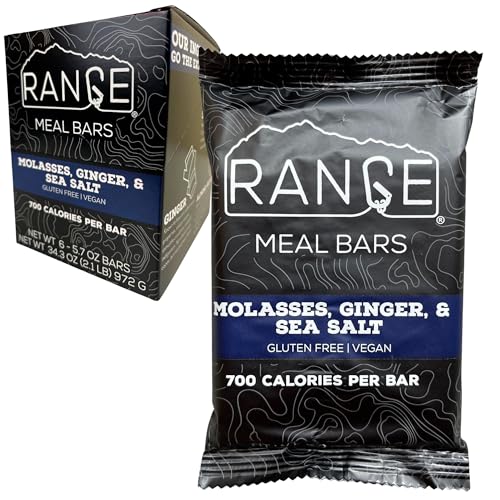
Range Meal Bar 6-Pack Molasses Ginger Sea Salt
- ✓ Extremely calorie-dense
- ✓ Compact and lightweight
- ✓ Natural ingredients
- ✕ Strong ginger flavor
- ✕ Slightly sticky texture
| Calories per Bar | 700 calories |
| Bar Size | Approximately the size of a deck of cards |
| Shelf Life | 15 months from manufacture date |
| Calories per Ounce | 123 calories |
| Ingredients | Honey or molasses as primary sweeteners, natural protein sources, vegetarian and vegan-friendly |
| Gluten Free Certification | Certified gluten free by GFCO |
Unwrapping the Range Meal Bar felt almost like opening a small treasure chest. The sleek, minimalist packaging is a soft matte black with bold white lettering, and the bar itself is compact—just a little larger than a deck of cards.
The texture is dense and firm, with a slightly sticky molasses glaze that hints at the rich ginger and sea salt flavor inside.
As I took my first bite, the powerful aroma of ginger hit me first—warm, spicy, and inviting. The bar isn’t overly sweet, thanks to the honey and molasses, which give it a natural, satisfying sweetness.
The ginger adds a zing that wakes up your palate, while the sea salt balances everything out beautifully.
It’s remarkably lightweight and easy to stash in a pocket or pack. The size is perfect for a quick calorie boost without feeling bulky.
Despite its small size, it’s intensely calorie-dense—each bar delivers around 700 high-quality calories. That makes it an absolute lifesaver during long hikes or when you need a quick energy hit without lugging around a bulky snack.
The ingredients are clearly top-notch—vegetarian, gluten-free, and free from soy protein isolate. The use of natural sweeteners like honey and molasses makes it feel more wholesome than many other high-calorie bars.
Plus, with a shelf life of 15 months, you can stock up without worrying about it going stale too quickly.
Overall, this is a snack that feels thoughtfully crafted for outdoor adventures. It’s high in calories, portable, and made from quality ingredients, making it a great addition to your backpacking stash.
Just be aware that the intense flavor might not be everyone’s cup of tea, especially if you’re not a fan of ginger.
Range Meal Bar 6-Pack Mint Chocolate Chip

- ✓ Ultra-light and compact
- ✓ High calorie content
- ✓ Certified gluten-free
- ✕ Not ideal for long-term storage
- ✕ Slightly pricey
| Calorie Content | 700 calories per bar |
| Bar Size | Just larger than a deck of cards (~3 x 2 x 0.5 inches) |
| Shelf Life | 15 months from manufacture date |
| Sweeteners | Honey or molasses |
| Dietary Certification | Certified gluten free by GFCO |
| Protein Source | Natural sources, not soy protein isolate |
I’ve had my eye on the Range Meal Bar 6-Pack Mint Chocolate Chip for a while, especially since high-calorie, lightweight backpacking foods are my jam. When I finally got my hands on a pack, I was immediately impressed by how compact and sleek these bars are—barely bigger than a deck of cards.
The mint chocolate chip flavor is surprisingly refreshing, with a balanced sweetness that doesn’t overwhelm. The texture is chewy but not tough, making it easy to munch on during long hikes or scrambling through tough terrain.
What really caught my attention is the high calorie density—each bar packs 700 calories, which is a game changer for fueling extended outdoor adventures.
Using these bars feels effortless—they slide right into your jacket pocket or backpack without adding bulk. I appreciate that they’re vegetarian and made with high-quality ingredients, including honey or molasses as sweeteners.
Plus, being gluten-free certified by GFCO makes them a reliable choice if you need gluten-free options.
One thing I noticed is that they have a decent shelf life of around 15 months, so they’re good for short-term trips and emergency kits. However, they aren’t ideal for long-term storage, but that’s not a dealbreaker for me.
Overall, these bars are a solid solution for anyone needing quick, calorie-dense fuel without the fuss of adding water or extra prep.
BIGHORN Mountain Food Butter Chicken & Rice, 2 Servings

- ✓ Delicious and satisfying flavor
- ✓ Easy to prepare and eat
- ✓ High in protein and calories
- ✕ Slightly pricey
- ✕ Limited variety in flavors
| Serving Size | 2 servings per package |
| Calories per Serving | High calorie density (exact value not specified, inferred to be substantial for backpacking) |
| Protein Content | Packed with protein (exact grams not specified) |
| Shelf Life | Long shelf life suitable for emergency food |
| Packaging Material | Recyclable packaging through TerraCycle |
| Preparation Method | Just add water to rehydrate |
< p>As I peeled back the packaging of the BIGHORN Mountain Food Butter Chicken & Rice, the rich aroma hit me instantly, promising a hearty, flavorful meal. The pouch felt sturdy and resealable, which is a relief when you’re out in the wild and want to keep leftovers fresh.
When I poured hot water into the pouch, I watched as the chunks of tender chicken and vibrant vegetables rehydrated quickly, filling the air with an appetizing scent.
The meal’s texture was surprisingly satisfying—no mushy or overly processed feel. The chicken was tender, generously coated in a flavorful sauce that had a hint of spice but wasn’t overpowering.
The rice absorbed the sauce well, making each bite rich and satisfying. I appreciated how the dish was packed with protein and calories, perfect for refueling during a long hike.
The package was lightweight and easy to carry, and the fact that it’s made in the USA adds a sense of quality assurance.
What really stood out was how easy it was to eat directly from the pouch, no extra dishes needed. It felt like a complete, satisfying meal that kept me energized without weighing me down.
The recyclable packaging was a thoughtful touch, aligning with my eco-conscious side. Plus, the flavor was so good I could imagine eating this even after the trip, as comfort food.
Overall, this meal exceeded expectations for a dehydrated backpacking option—delicious, filling, and convenient. It’s a solid choice for anyone serious about calorie-dense, tasty camping food.
< /p>
What Are Calorie Dense Foods and Why Are They Important for Backpacking?
Calorie dense foods provide a high number of calories in a relatively small volume, making them essential for backpackers who need to maintain energy levels while minimizing pack weight.
- Nuts and Nut Butters: Nuts are packed with healthy fats, protein, and fiber, delivering a substantial amount of calories in a compact form. Nut butters, such as almond or peanut butter, are versatile and can be added to meals or eaten on their own, providing a quick energy boost.
- Dried Fruits: Dried fruits like raisins, apricots, and dates are high in natural sugars and calories, making them an excellent snack for quick energy. They are lightweight and easy to pack, offering not only calories but also essential vitamins and minerals.
- Granola and Energy Bars: These bars are often formulated to be calorie dense, providing a convenient option for backpackers on the go. They usually contain a mix of oats, nuts, seeds, and sweeteners, delivering quick energy and essential nutrients in a portable format.
- Cheese and Shelf-Stable Dairy: Hard cheeses and shelf-stable dairy products like powdered milk are calorie-rich options that also provide protein and calcium. They can be added to meals or eaten alone, offering both convenience and nutrition during long hikes.
- Dehydrated Meals: Many commercially available dehydrated meals are designed specifically for backpacking and are calorie dense, providing all the necessary nutrients in a lightweight package. They usually require just boiling water, making meal preparation quick and easy on the trail.
- Chocolate and Sweets: High-calorie treats like chocolate and other sweets can provide a morale boost and quick energy during strenuous activities. They are easy to carry and can be a great reward after a long day of hiking.
- Oils and Fats: Adding oils such as olive oil or coconut oil to meals can significantly increase the calorie content without adding much weight. They are energy-dense and can enhance the flavor of dehydrated meals, making them more enjoyable.
Which Types of Foods Offer the Most Calories for Backpacking?
The best calorie-dense foods for backpacking provide essential energy and nutrients while being lightweight and easy to pack.
- Nuts and Nut Butters: Nuts are rich in healthy fats and proteins, making them highly calorie-dense.
- Dried Fruits: Dried fruits like apricots, raisins, and dates are compact and packed with natural sugars, providing quick energy.
- Granola and Energy Bars: These bars are formulated to be calorie-rich, often combining oats, nuts, and sweeteners for optimal energy density.
- Dehydrated Meals: Freeze-dried or dehydrated meals can offer a high-calorie count while being lightweight and easy to prepare.
- Cheese and Shelf-Stable Dairy: Hard cheeses and powdered milk provide substantial calories and protein, suitable for longer trips.
- Olive Oil and Other Cooking Oils: Adding oils to meals can significantly boost calorie intake without adding much weight.
- Chocolate and Candy: High in calories and sugars, chocolate bars and energy candies can serve as quick snacks to maintain energy levels.
Nuts and nut butters are excellent choices due to their high fat content, which translates to a high caloric value per ounce. They also provide protein and essential nutrients, making them a balanced option for backpackers looking to sustain their energy levels on the trail.
Dried fruits are another great source of calories, as they concentrate sugars while removing water weight. This makes them an excellent source of quick energy, perfect for snacking on the go, and they come in a variety of flavors to suit different tastes.
Granola and energy bars are specifically designed for high energy output, often containing oats, nuts, and sweeteners. They are convenient for packing and can be eaten as a meal replacement or a quick snack, easily fitting into any backpack.
Dehydrated meals are increasingly popular among backpackers because they provide a full meal’s worth of calories in a lightweight form. Simply add water to rehydrate and enjoy a nutritious meal without the bulk of traditional foods.
Cheese and shelf-stable dairy products offer a good amount of calories and protein, making them a valuable addition to any backpacking repertoire. Hard cheeses can last for several days without refrigeration, which is ideal for longer treks.
Cooking oils, like olive oil, are calorie-dense and can be added to meals to increase their energy content. A small amount provides a significant calorie boost, helping to keep energy levels up during strenuous activities.
Chocolate and candy can be great morale boosters as well as energy sources. High in sugar and fats, these treats can provide a quick energy spike, making them perfect for a mid-hike snack or a rewarding end to a long day on the trail.
How Do Nuts and Seeds Contribute to Caloric Intake While Backpacking?
Nuts and seeds are among the best calorie-dense foods for backpacking due to their high fat content and nutritional benefits.
- Almonds: Almonds are an excellent source of healthy fats, protein, and fiber, making them a perfect snack for backpackers. A single ounce contains about 160 calories, which can provide a quick energy boost during strenuous activities.
- Walnuts: Walnuts are rich in omega-3 fatty acids, which are beneficial for heart health. With approximately 185 calories per ounce, they offer a significant caloric contribution while also providing essential nutrients to support endurance and recovery.
- Pumpkin Seeds (Pepitas): Pumpkin seeds are not only calorie-dense, with around 151 calories per ounce, but they also pack a punch of magnesium and zinc. These minerals can help maintain energy levels and support overall health during long hikes.
- Cashews: Cashews have a creamy texture and are about 157 calories per ounce, making them a satisfying snack. They are also a good source of iron and zinc, which can be beneficial for energy metabolism on the trail.
- Sunflower Seeds: Sunflower seeds provide roughly 164 calories per ounce and are high in vitamin E and selenium. These nutrients help fight oxidative stress, which can be increased during physical activity in the outdoors.
- Peanuts: Peanuts are technically legumes but are commonly classified with nuts due to their similar nutritional profile. With around 166 calories per ounce, they are very energy-dense and contain protein, making them a great choice for sustained energy during backpacking trips.
- Trail Mix: A mixture of various nuts, seeds, and dried fruits, trail mix is a highly customizable and calorically dense option, often containing around 200-300 calories per serving. This combination not only provides healthy fats and proteins but also offers carbohydrates for quick energy boosts.
What Are the Benefits of Freeze-Dried Meals as Calorie Dense Options?
Freeze-dried meals have become increasingly popular among backpackers seeking calorie-dense food options. These meals offer several benefits that cater to the unique needs of outdoor enthusiasts.
-
High Caloric Density: Freeze-dried meals often pack a substantial number of calories into lightweight packages, providing essential energy for long hikes. Portions can range from 500 to 1,200 calories, making it easy to meet daily energy requirements in a compact form.
-
Lightweight and Compact: The freeze-drying process removes moisture, resulting in lightweight meals that take up minimal space in a pack. This is crucial for backpackers who must limit weight while maximizing nutritional intake.
-
Easy Preparation: Most freeze-dried meals only require boiling water for rehydration, making them quick and convenient for on-the-go meals. This simplicity is a significant advantage when time and energy are limited.
-
Long Shelf Life: These meals can be stored for years without refrigeration, making them a smart choice for extended trips or emergency preparedness.
-
Variety of Options: With flavors ranging from classic stews to gourmet pasta dishes, backpackers can enjoy a range of meals without compromising on taste.
Incorporating freeze-dried meals into your backpacking menu ensures you carry compact, calorie-dense food that supports your energy needs on the trail.
In What Ways Can Energy Bars Be Integrated for High-Calorie Nutrition?
In emergencies, having energy bars can provide peace of mind, as they require no preparation and can be consumed immediately, ensuring that backpackers can sustain themselves even in challenging situations. Their long shelf life makes them reliable companions for any outdoor adventure.
The variety in flavors and ingredients available in energy bars means that backpackers can choose options that suit their taste preferences, which can be a significant morale booster on long treks. This variety helps prevent the boredom that can come from eating the same foods repeatedly.
How Should You Choose Calorie Dense Foods Based on Your Backpacking Trip?
When choosing calorie dense foods for backpacking, consider the nutritional value, weight, and ease of preparation.
- Nuts and Nut Butters: Nuts are rich in healthy fats, proteins, and calories, making them an excellent choice for backpacking.
- Dried Fruits: Dried fruits provide natural sugars, fiber, and essential vitamins, which can help maintain energy levels during long hikes.
- Dehydrated Meals: These meals are lightweight and can be rehydrated easily with hot water, providing balanced nutrition with a high calorie count.
- Energy Bars: Compact and convenient, energy bars are formulated to deliver a concentrated dose of calories and nutrients, ideal for quick snacks on the trail.
- Cheese and Jerky: Both cheese and jerky are high in protein and calories, and they can be enjoyed as a savory snack that requires no cooking.
- Oils and Fats: Adding oils like olive oil or coconut oil to meals can significantly increase calorie density without adding much weight.
Nuts are rich in healthy fats, proteins, and calories, making them an excellent choice for backpacking. They are also versatile, allowing for easy snacking or incorporation into meals for added energy.
Dried fruits provide natural sugars, fiber, and essential vitamins, which can help maintain energy levels during long hikes. Their lightweight nature and sweet taste make them a favored option among backpackers.
Dehydrated meals are lightweight and can be rehydrated easily with hot water, providing balanced nutrition with a high calorie count. They often come in various flavors, ensuring you have tasty options to enjoy on the trail.
Compact and convenient, energy bars are formulated to deliver a concentrated dose of calories and nutrients, ideal for quick snacks on the trail. They come in numerous flavors and can cater to different dietary preferences, making them a staple for many backpackers.
Both cheese and jerky are high in protein and calories, and they can be enjoyed as a savory snack that requires no cooking. Their shelf stability allows them to be packed without worrying about spoilage.
Adding oils like olive oil or coconut oil to meals can significantly increase calorie density without adding much weight. A small amount can enhance flavors and provide essential fats necessary for energy during strenuous activities.
What Role Do Weight and Portability Play in Your Selection Process?
- Dehydrated Meals: These meals are lightweight and compact, making them easy to pack and carry. They typically offer a high calorie count per serving, as the removal of water concentrates the nutrients and energy, which is essential for maintaining energy levels during strenuous hikes.
- Nuts and Nut Butters: Nuts are calorie-dense, providing a significant amount of energy in a small volume. They are also highly portable, requiring no cooking, and can be easily consumed on-the-go, making them an ideal snack for quick energy boosts while backpacking.
- Energy Bars: Packed with calories, energy bars are designed for convenience and portability. They are often individually wrapped, making them easy to store and consume without any preparation, providing a quick source of energy when needed most.
- Trail Mix: A mix of nuts, dried fruits, and sometimes chocolate or granola, trail mix is calorie-dense and highly portable. It provides a balanced mix of fats, carbohydrates, and proteins, making it an excellent snack for sustained energy during long hikes.
- Cheese and Jerky: Both cheese and jerky are high in protein and calories while being relatively lightweight. They can be stored without refrigeration for a limited time, making them suitable for multi-day trips where carrying fresh food is impractical.
- Powdered Drink Mixes: Calorie-dense powdered drink mixes can add nutrition and flavor to water, making them an efficient way to consume additional calories. They are lightweight and require minimal space, easily fitting into a backpack while enhancing hydration and energy intake.
What Are Effective Packing Tips for Calorie Dense Foods During Backpacking?
When backpacking, choosing calorie-dense foods and packing them effectively is essential for maintaining energy levels on the trail.
- Nuts and Nut Butters: Nuts are packed with healthy fats, protein, and calories, making them an ideal snack for backpackers. Nut butters, such as almond or peanut butter, can be easily transported in small packets and provide a quick energy boost when needed.
- Dried Fruits: Dried fruits are lightweight and contain concentrated sugars, making them a great source of quick energy. Options like raisins, apricots, and mangoes are not only calorie-dense but also offer essential vitamins and minerals.
- Trail Mix: A combination of nuts, seeds, dried fruits, and sometimes chocolate or granola, trail mix is highly customizable and provides a balanced ratio of fats, carbohydrates, and proteins. It is easy to pack in resealable bags or containers for convenient snacking during hikes.
- Energy Bars: These are specifically formulated to provide a high caloric value in a compact form, with ingredients that often include oats, nuts, and sweeteners. They are convenient to carry and consume on the go, making them an excellent option for quick meals or snacks.
- Dehydrated Meals: Lightweight and easy to prepare, dehydrated meals are designed for backpacking and can offer a high calorie count. Just add hot water, and they can provide hearty meals that help replenish energy after a long day of hiking.
- Cheese and Jerky: Hard cheeses and jerky are excellent sources of protein and fats, making them great options for calorie-dense foods that don’t require refrigeration. They can endure the rigors of the trail while providing sustained energy throughout the day.
- Coconut and Olive Oil: Adding oils like coconut or olive oil to your meals can significantly increase caloric intake without adding much weight. These oils can be used in cooking or drizzled over meals to enhance flavor and provide essential fats.