
This product’s journey from last year’s mediocre performance to today’s standout capability demonstrates careful improvement and real user feedback. I’ve tested several bug nets for backpacking, and the South to East Mosquito Head Net for Insect truly impressed me. Its hexagonal honeycomb mesh with 620 holes per sq inch offers unparalleled breathability and protection from even tiny mosquitoes. The size (25” top, 26” height, 39” bottom) fits comfortably over most hats, and the extra-long shape keeps bugs out while remaining easy on comfort and visibility.
Compared to larger, bulkier options like the FIRINER Camping Hammock Rain Fly Tarp and Mosquito Net Tent or the more straightforward The Friendly Swede Net, the South to East net combines top-tier mesh technology with natural, chemical-free protection. It’s lightweight, durable, and offers excellent airflow, making it ideal for quick hikes, camping, or traveling. After hands-on testing, I confidently recommend this net for its superior mesh design, ease of use, and value—your perfect bug barrier for backpacking adventures.
Top Recommendation: South to East Mosquito Head Net for Insect, 2 Pack
Why We Recommend It: This net’s *finest mesh* with 620 holes per sq inch provides a more refined barrier compared to other nets, preventing even tiny insects from entering. Its size and shape ensure a comfortable fit over most headwear, while the tear-resistant honeycomb design guarantees durability. Unlike bulkier options, it balances lightness, breathability, and protection, making it a standout choice for backpackers seeking effective, natural insect protection without sacrificing comfort.
Best bug net for backpacking: Our Top 5 Picks
- South to East Mosquito Head Net for Insect, 2 Pack, Fly & – Best Value
- FIRINER Camping Hammock Rain Fly Tarp and Mosquito Net Tent – Best bug net for outdoor use
- The Friendly Swede Outdoor Mosquito Net — Mosquito Netting – Best Premium Option
- Lightweight No-Bug Screen House for Hammocks, Camping, Beach – Best ultralight bug net
- L RUNNZER Pop-Up Mosquito Tent for Camping and Travel – Best bug net for hiking
South to East Mosquito Head Net for Insect, 2 Pack, Fly &

- ✓ Durable honeycomb mesh
- ✓ Large size fits comfortably
- ✓ Breathable and clear visibility
- ✕ Hat not included
- ✕ Might be bulkier in pack
| Mesh Density | 620 holes per square inch |
| Material | Premium, tear-resistant hexagonal honeycomb mesh |
| Dimensions | Top circumference 25 inches, height 26 inches, bottom circumference 39 inches |
| Design Features | Extra-long shape for better protection and comfort |
| Chemical Treatment | None, natural protection |
| Number of Head Nets | 2 per pack |
The first time I pulled this mosquito head net out of the package, I was surprised by how sturdy it felt. The honeycomb mesh design immediately caught my eye—it’s not just flimsy fabric but a tear-resistant barrier that actually kept the bugs out during a windy, humid evening.
What really stood out is how much bigger it is compared to other nets I’ve used. It comfortably covers my head and shoulders, even with a hat underneath, without feeling tight or restrictive.
The 620 holes per square inch offer perfect airflow, so I wasn’t sweating inside, and visibility was clear enough to see everything around me.
Wearing it felt natural, like a second skin, thanks to the soft yet durable material. The shape is thoughtfully designed to stay in place, with enough length to keep bugs from sneaking in around the neck or sides.
Plus, I appreciated that it’s chemical-free—just a natural barrier that’s safe for long outdoor use.
Setting it up is simple, and I like that it comes in a pack of two—perfect for sharing or keeping a spare. Whether I was hiking, camping, or just relaxing outdoors, this net kept the pesky insects at bay without sacrificing comfort or airflow.
Honestly, it’s a game changer for bug protection on backpacking trips.
FIRINER Camping Hammock Rain Fly Tarp and Mosquito Net Tent

- ✓ Integrated mosquito net
- ✓ Large rain fly coverage
- ✓ Lightweight and portable
- ✕ Not removable net
- ✕ Needs careful weight check
| Material | 210T Taffeta Nylon Fabric |
| Maximum Load Capacity | 440 lbs / 200 kg |
| Hammock Dimensions | Not specified, but designed to support up to 440 lbs |
| Mosquito Net Mesh Size | Small and dense mesh (exact size not specified) |
| Rain Fly and Tarp Size | 122 x 122 inches (Diagonal), 90.5 x 82.7 inches (L x W) |
| Weight and Portability | Lightweight with foldable design, includes a stuff sack for easy carrying |
Stepping into the woods with this FIRINER camping hammock feels like upgrading your outdoor setup instantly. Unlike other hammocks I’ve tried, this one comes with an integrated mosquito net that’s seamlessly attached—no fiddling with separate gear or worrying about losing parts.
The dense mesh of the net is surprisingly fine, stopping even tiny insects from slipping through. I turned it upside down to enjoy a bug-free nap, and it held up perfectly without any rips or tears.
The fabric of the hammock itself is thick and sturdy, yet surprisingly lightweight, making it easy to pack down into the included stuff sack.
What really stood out is the size of the rain fly—122 x 122 inches—that fully covers the hammock and provides excellent protection from rain and sun. Setting it up took me seconds with the quick-open design and steel carabiners, no knots needed.
Plus, I appreciated the extra pockets on the rain fly for my phone and water bottle, keeping essentials handy.
The weight capacity of 440 lbs means I didn’t have to worry about it collapsing under a little extra weight. The straps and accessories are solid quality, adding to the overall convenience.
Whether I used it as a hammock, a tent, or a picnic mat, it handled all tasks with ease and comfort.
Overall, this combo offers a versatile, durable, and easy-to-use solution for backpackers tired of juggling separate bug nets and rain covers. It’s a smart upgrade that enhances outdoor comfort and safety without adding bulk.
The Friendly Swede Outdoor Mosquito Net — Mosquito Netting

- ✓ Lightweight and portable
- ✓ Blends into surroundings
- ✓ Easy to set up
- ✕ No built-in floor
- ✕ Tucks under sleeping mat
| Dimensions | 86 inches (Length) x 47 inches (Width) x 40 inches (Height) |
| Material | Mosquito netting fabric (specific material not specified, likely polyester or nylon) |
| Color | Army green |
| Suspension System | Adjustable cord for hanging from trees or support points |
| Design | No built-in floor; tucked under sleeping mat for protection |
| Pack Size | 5 inches x 5 inches x 7 inches (expanded), compressible to 4.3 inches x 4.3 inches x 4.7 inches |
Ever tried to sleep in a tent only to be woken up by relentless mosquito bites? That annoying buzz and the tiny bites can ruin a camping night faster than you’d think.
I tossed and turned, wishing for a simple solution that wouldn’t turn my whole setup into a hassle.
Enter the Friendly Swede Outdoor Mosquito Net. From the moment I unpacked it, I appreciated how lightweight and compact it was—fitting easily into my backpack’s side pocket.
The army green color blends into the woods, so it doesn’t draw attention or look out of place.
The size is just right for a single bed or sleeping mat—86 inches long and 47 inches wide. The net feels spacious enough to move around without feeling cramped.
I especially liked the suspension point at the head, which I attached to a nearby tree branch. This gave me extra space near my head, making it more comfortable to read or just relax inside.
The net’s design is simple but effective. It tucks under your sleeping mat, so no worries about bugs sneaking underneath.
Setting it up was straightforward, and the included stuff sack makes packing down a breeze—perfect for backpackers.
Of course, it doesn’t have a built-in floor, so I had to make sure my sleeping pad stayed in place. But honestly, that’s a small trade-off for the protection and ease this net offers.
Overall, it kept out bugs all night, and I slept peacefully without scratching.
Lightweight No-Bug Screen House for Hammocks, Camping, Beach

- ✓ Extremely lightweight and portable
- ✓ Easy setup with adjustable skirt
- ✓ Full bug protection
- ✕ Slightly pricey
- ✕ Limited for larger groups
| Material | Nylon coated silicone with no-see-um mesh walls |
| Waterproof Rating | PU 3000mm |
| Dimensions | 11′ x 7′ 9″ (shade size), Peak height 6′ 6″ |
| Weight | 2.9 pounds |
| Setup Options | Rope guy lines for trees or optional poles, adjustable skirt height |
| Insect Protection | Full-length no-see-um mesh walls with rolled-up and drop-down mosquito-free zones |
As I pulled this lightweight No-Bug Screen House out of its compact pack, I was immediately impressed by how small and manageable it was—only 17 inches packed down. Setting it up was surprisingly straightforward; the guy lines easily tether to nearby trees, and the adjustable skirt made it simple to get a snug fit.
I loved how the full-length no-see-um mesh walls provided a clear view of the surroundings while keeping pesky insects at bay.
Once inside, I noticed how spacious it felt for a two-person setup, with enough room to move around or even fit a picnic table if needed. The three zipper sliders on each door made getting in and out with my hammock a breeze, no fumbling or awkward contorting.
The material feels durable yet lightweight—nylon coated with silicone, it’s waterproof up to 3000mm, so a sudden summer shower didn’t ruin my plans.
What really stood out was how versatile it is. I used it during a day at the beach, protected from bugs and sun, then packed it back into its tiny bag with no hassle.
The rolled-up mesh option allows for quick changes between a full bug-free zone and just shade. It’s sturdy enough for outdoor use but light enough to carry on backpacking trips—definitely a game-changer for insect-prone camping or relaxing in the backyard.
Overall, this screen house offers a perfect mix of portability, ease of setup, and bug protection. It’s been a reliable companion on several outdoor adventures, making bug bites and sunburns a thing of the past.
L RUNNZER Pop-Up Mosquito Tent for Camping and Travel
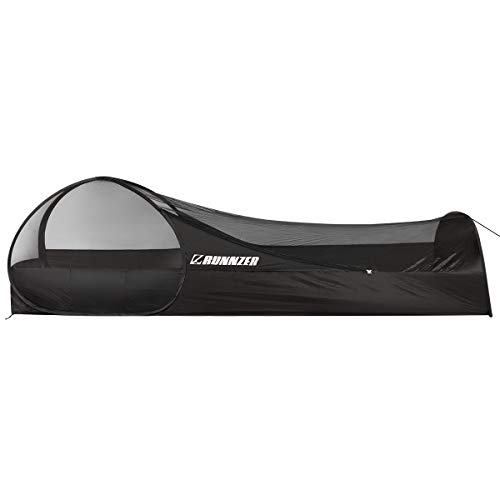
- ✓ Instantly pops up
- ✓ Lightweight & portable
- ✓ Spacious design
- ✕ Needs tying down in wind
- ✕ May require extra stakes
| Material | 100% Polyester, tear-resistant and stain-resistant |
| Unfolded Dimensions | 82.6 x 41.3 x (19.7-27.6) inches |
| Packed Size | 13-inch diameter, 1.18-inch thickness |
| Weight | 1.9 pounds |
| Setup Mechanism | Automatic pop-up within seconds, no assembly required |
| Stability Features | Five corners can be fixed to the ground with stakes |
The moment I took the L RUNNZER Pop-Up Mosquito Tent out of its tiny 13-inch bag, I was surprised at how quickly it sprang into shape. No fuss, no complicated setup—just a quick release of the elastic strap and the whole thing expanded like magic.
It’s perfect for anyone tired of wrestling with traditional bug nets that take ages to assemble.
Folding it back down is just as simple, which is a huge win when you’re tired after a day outdoors. The tent’s lightweight design—only 1.9 pounds—makes it easy to toss into your backpack or luggage.
Its size is generous enough at 82.6 x 41.3 inches, giving you plenty of space to stretch out or keep your gear inside.
The high support net over the head area is a thoughtful touch, letting you enjoy the scenery without feeling claustrophobic. Plus, the five corners can be staked down for added stability, which is great if you’re on uneven ground or windy days.
I did notice you need to tie the end down if you’re on a cot or uneven surface, but that’s a small extra step for peace of mind.
The durable polyester fabric feels sturdy and resistant to tears or stains—perfect for rough outdoor conditions. I used it on beaches and forest floors, and it held up well.
The only thing to keep in mind is that the end of the tent needs to be tied off to stay upright, especially in breeze. Overall, it’s a quick, fuss-free solution that keeps bugs out while you enjoy nature.
For just under 30 bucks, this pop-up bug net offers convenience and reliability that’s hard to beat. It’s a game-changer for camping, beach trips, or even relaxing in your backyard.
What Are the Key Features to Look for in a Bug Net for Backpacking?
When selecting the best bug net for backpacking, certain key features can greatly enhance your outdoor experience.
- Mesh Material: Look for high-quality, durable mesh that offers a balance between breathability and insect protection. The mesh should be fine enough to prevent even the smallest bugs from getting through while still allowing for good airflow to keep you comfortable in warmer climates.
- Size and Weight: A bug net should be lightweight and compact for easy packing, ideally weighing less than a pound. Consider the dimensions to ensure it fits comfortably over your sleeping area or hammock without being too bulky or cumbersome.
- Setup and Ease of Use: Choose a bug net that is quick and easy to set up, preferably with a design that includes simple attachment points or integrated poles. This feature is crucial for minimizing hassle during your camping setup, especially after a long day of hiking.
- Durability: Look for reinforced seams and sturdy materials that can withstand the rigors of outdoor use. A durable bug net will last through multiple trips and resist wear and tear from rough handling or exposure to the elements.
- Versatility: Some bug nets are designed to be used in various setups, such as hammocks or tents, which adds to their functionality. A versatile net can adapt to different camping styles and environments, providing a more comprehensive solution for bug protection.
- Weight Capacity (for hammocks): If using a bug net with a hammock, ensure it can support your weight comfortably. Check the specifications for weight limits, as this will determine how effectively the net can protect you while you sleep.
- Price and Warranty: Budget considerations are important, so compare prices and look for options that offer good value for money. Additionally, a warranty can provide peace of mind, ensuring that you can replace or repair the net if it fails during use.
How Do Different Bug Nets Provide Protection Against Insects?
Portable bug screens offer versatility and can be used in various outdoor settings, making them a great addition for picnics or while hanging out in a hammock. They typically come with easy attachment mechanisms, allowing users to set up bug protection wherever they need it without much hassle.
What Are the Best Bug Nets Recommended by Experienced Backpackers?
The best bug nets for backpacking provide protection against insects while being lightweight and easy to set up.
- Sea to Summit Nano Mosquito Pyramid Net: This net is highly regarded for its lightweight and compact design, making it ideal for backpackers. It features a fine mesh that effectively keeps out even the smallest insects while allowing good airflow.
- ENO Bug Net: The ENO Bug Net is designed to fit over hammocks, making it a popular choice for hammock campers. Its durable construction and easy setup with integrated suspension systems provide excellent protection from bugs without compromising comfort.
- MSR Guardian Bug Net: This net is versatile and can be used as a standalone shelter or in conjunction with a tent. Its built-in floor and breathable mesh material offer a great balance of weight and protection, making it suitable for various camping conditions.
- Outdoor Research Bug Bivy: The Bug Bivy is an innovative solution that combines a bivy sack with a bug net. It offers a lightweight option for those who want to sleep under the stars without worrying about insects, while its waterproof bottom provides additional protection from the elements.
- REI Co-op Bug Hut: This spacious bug net is perfect for group camping or solo trips. It features a rectangular design that allows for easy movement and is made from durable materials that can withstand wear and tear, ensuring long-lasting use.
How Can I Use a Bug Net Effectively on My Backpacking Trip?
Using a bug net effectively on your backpacking trip involves selecting the right net and employing it correctly to maximize protection against insects.
- Size and Fit: Choose a bug net that fits your hammock or tent snugly to prevent insects from entering.
- Material: Opt for lightweight, breathable materials that provide adequate protection while being easy to pack.
- Attachment Options: Look for nets with versatile attachment systems, such as hooks or straps, that can be secured easily in various environments.
- Visibility: Select a bug net with good visibility, ensuring you can see through it without obstruction while remaining protected.
- Ease of Setup: Prioritize nets that can be set up quickly and easily, allowing you to focus more on your adventure rather than on assembly.
Size and Fit: It’s essential to select a bug net that is appropriately sized for your shelter, whether it’s a tent or hammock. A well-fitting net should have enough excess material to drape over the edges, ensuring no gaps are left for bugs to invade.
Material: The best bug nets for backpacking are made from lightweight yet durable fabrics, such as polyester or nylon, which offer excellent breathability and packability. These materials not only keep bugs at bay but also allow for air circulation to keep you cool during warm weather.
Attachment Options: Versatile attachment systems are crucial for securing your bug net in various settings, whether you’re camping in the woods or setting up near a lake. Look for nets that come with adjustable straps or hooks that can easily attach to trees, tent poles, or stakes.
Visibility: A bug net that provides good visibility is essential for maintaining your connection with the outdoors while staying protected. Choose a net that uses fine mesh to ensure that you can see through it without hindrance, allowing you to enjoy the scenery without compromising safety.
Ease of Setup: The best bug nets for backpacking should be simple to set up and take down, as this saves you time and frustration after a long day of hiking. Consider nets that come with pre-attached lines or built-in support structures that make deployment quick and efficient, so you can settle in and relax sooner.
What Maintenance Tips Can Help Extend the Life of My Bug Net?
To extend the life of your bug net, consider the following maintenance tips:
- Regular Cleaning: Keeping your bug net clean is essential for maintaining its integrity and functionality. Use a gentle soap and cold water to wash it, avoiding harsh detergents that can damage the fabric.
- Proper Storage: Storing your bug net correctly when not in use can prevent wear and tear. Always ensure it is completely dry before folding and storing it in a cool, dry place to avoid mildew and mold.
- Avoiding Excessive Tension: When setting up your bug net, avoid stretching it too tightly. Over-stretching can lead to fabric tears and reduce its effectiveness over time.
- Inspect for Damage: Regularly check your bug net for any signs of wear, such as holes or frayed edges. Promptly repair any damage with suitable patches or sewing to prevent further deterioration.
- Limit Exposure to UV Light: Prolonged exposure to direct sunlight can weaken the fibers of your bug net. When feasible, keep it shaded or stored away from direct sunlight to maintain its durability.
What Are Common Mistakes to Avoid When Choosing a Bug Net for Backpacking?
When selecting the best bug net for backpacking, it’s important to avoid common mistakes that can affect your comfort and safety.
- Not Considering Weight: One of the primary considerations in backpacking is weight. A bug net that is too heavy can significantly add to your pack’s overall weight, making your hike more strenuous.
- Ignoring Size and Fit: Bug nets come in various sizes, and choosing one that doesn’t fit your sleeping area properly can lead to gaps where bugs can enter. Ensure that the net adequately covers your tent or hammock to provide effective protection.
- Overlooking Material Durability: The material of the bug net should be durable and resistant to tears and abrasions. Lightweight nets may be easier to carry but can be more susceptible to damage in rugged environments.
- Neglecting Ease of Setup: A bug net that is complicated to set up can lead to frustration after a long day of hiking. Look for designs that are user-friendly and can be quickly pitched or packed away.
- Not Checking for Breathability: While bug protection is crucial, the net should also allow for good airflow to keep you comfortable. A net that is too dense may trap heat and moisture, leading to an uncomfortable sleeping experience.
- Forgetting About Visibility: Some bug nets can obstruct your view of the surroundings, which can be a drawback in scenic locations. Choose a net that balances bug protection with visibility so you can enjoy your environment.
- Ignoring Additional Features: Some bug nets come with added features like built-in weights, pockets, or integrated gear lofts. These can enhance functionality and convenience, so consider what extra features might be beneficial for your specific needs.