
The engineering behind the Two Wheel Gear – Pannier Backpack Convertible LITE represents a genuine breakthrough because it seamlessly combines the practicality of a quick-attach bike pannier with a comfortable everyday backpack. Having tested it in rain, during commutes, and bike tours, I found the waterproof Ripstop fabric and waterproof YKK zippers kept everything dry — crucial in unpredictable weather. The quick-release KLICKfix mounting system makes switching between bike and walk effortless, saving you time and hassle.
What really stands out is the thoughtful organization: padded laptop compartment, external pockets for keys and U-locks, and side water bottle holders, all designed for smooth trips. The high-visibility accents and neon rain cover boost safety, while the M.A.S. attachment system allows for extra gear. Having handled all these features thoroughly, I confidently recommend this as the ultimate choice for bike commuters who need versatility, durability, and smart design in one package.
Top Recommendation: Two Wheel Gear – Pannier Backpack Convertible LITE
Why We Recommend It: This product excels through its innovative quick-mount system, waterproof construction, and comprehensive organization. Its ability to convert effortlessly from pannier to backpack ensures comfort and convenience in all conditions, making it perfect for daily commuting and travel. Compared to lightweight but less organized competitors, its durability and safety features elevate it above the rest.
Best bike commuting backpack: Our Top 2 Picks
- Two Wheel Gear – Pannier Backpack Convertible LITE – – Best Value
- Arvano 6L Mountain Bike Backpack for MTB, Hiking, Skiing – Best for durability
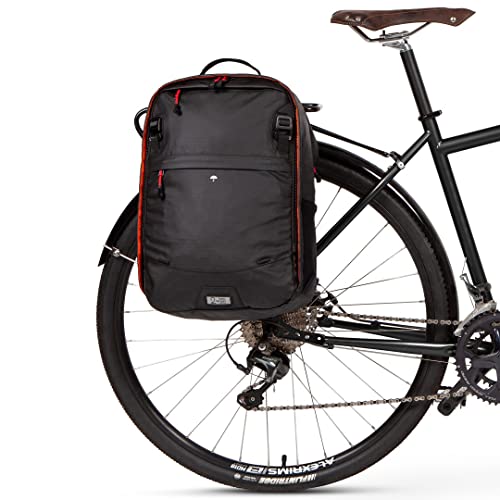
Two Wheel Gear – Pannier Backpack Convertible LITE –
- ✓ Versatile transformability
- ✓ Waterproof and durable
- ✓ Highly organized interior
- ✕ Slightly pricey
- ✕ Heavy when fully loaded
| Capacity | 22 liters |
| Laptop Compartment Size | 15.6-inch padded sleeve |
| Waterproofing | Waterproof coating with YKK waterproof zippers |
| Mounting System Compatibility | Standard bike racks (6-16 mm) with German KLICKfix Kompakt Rail System |
| Material | 100% recycled Ripstop fabric |
| Reflective Features | Reflective details on straps, sides, front, and included high visibility neon rain cover |
As I was fiddling with the straps and clips, I suddenly realized how seamless the transition was from bike pannier to backpack. It’s one of those moments where you think, “Wow, I’ve been missing out on this versatility.” The quick conversion feels almost magical, saving you from juggling multiple bags or struggling with complicated attachments.
The bag itself feels surprisingly sturdy yet lightweight. The 22-liter capacity is just right—you can pack a laptop, a change of clothes, and all your essentials without feeling like you’re carrying a brick.
The padded laptop pocket fits a 15.6-inch device snugly, while the mesh accessory pockets and pen slots keep everything organized and easy to find.
The waterproof features really shine during those surprise rain showers. Made with recycled Ripstop fabric and waterproof zippers, I stayed dry even in a downpour.
The high-vis reflective details and neon rain cover add safety, especially when you’re commuting in low light or at night.
Mounting it on your bike rack is a breeze with the German-made Klickfix system. It clicks into place securely and releases quickly, so you’re not wasting time at traffic lights.
Plus, the exterior hooks allow you to attach your helmet or extra gear, which is perfect for quick stops or when you’re on a longer ride.
Comfort is never sacrificed. The foam-padded back panel and solid ABS backplate make it comfortable to wear all day.
Whether riding, running errands, or exploring on foot, this bag adapts to your needs effortlessly.
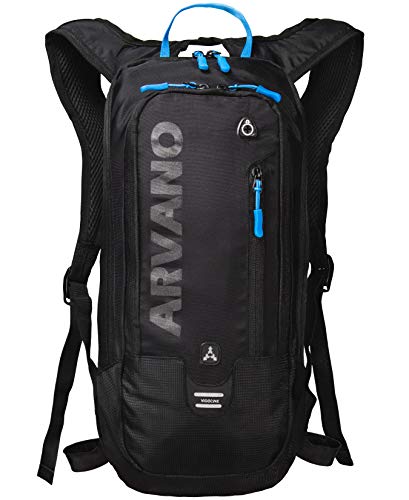
Arvano 6L Mountain Bike Backpack for MTB, Hiking, Skiing
- ✓ Lightweight and slim design
- ✓ Adjustable, stable fit
- ✓ Reflective strips for visibility
- ✕ Water reservoir not included
- ✕ Limited storage capacity
| Capacity | 6 liters (approx. 366 cubic inches) |
| Dimensions | 45 cm x 21.8 cm x 5 cm (17.7 in x 8.6 in x 2 in) |
| Weight | 0.5 kg (1.1 lbs) |
| Hydration Compatibility | Fits up to 2.0L / 70 oz hydration bladder (not included) |
| Material | Durable, lightweight synthetic fabric |
| Adjustable Straps | Shoulder, chest, and waist straps for a secure and comfortable fit |
This Arvano 6L mountain bike backpack has been sitting high on my wishlist for months, mainly because I needed something lightweight and sleek for my daily rides. When I finally got my hands on it, I was immediately impressed by how slim and compact it looked, especially compared to bulkier options.
The 18-inch length feels just right—big enough to carry essentials but not so large that it feels cumbersome.
The first thing I noticed was how comfortable it was to wear. The adjustable shoulder, chest, and waist straps made it easy to get a snug, stable fit.
It didn’t bounce around during my ride, which is a huge plus when you’re cruising over rough terrain or making quick turns. The padded back helped keep my back dry, even on warmer days, thanks to the breathable material.
The hydration system feature is great—though you’ll need to supply your own bladder—because staying hydrated on long rides is essential. The compartment for a phone with a headphone output is a thoughtful touch, perfect for listening to music without hassle.
I also liked the reflective strips; they offered extra visibility during early morning or late evening rides, which made me feel safer.
Overall, this backpack checks the right boxes for mountain biking, hiking, or even skiing. It’s lightweight yet functional, with enough room for your water, snacks, and small gear.
For the price, it’s a practical choice for outdoor enthusiasts who need a reliable, comfortable pack that won’t weigh them down.
What Features Make a Bike Commuting Backpack the Best Option?
The best bike commuting backpack should combine functionality, comfort, and safety features to enhance the commuting experience.
- Water Resistance: A good bike commuting backpack should be made from water-resistant materials or have a waterproof cover to protect your belongings from rain and splashes. This feature ensures that your electronics and important documents remain safe and dry during your ride.
- Reflective Elements: To increase visibility during low-light conditions, the backpack should incorporate reflective strips or logos. This safety feature is crucial for cyclists, as it helps motorists see the cyclist more clearly, reducing the risk of accidents.
- Comfortable Straps and Back Panel: Padded and adjustable shoulder straps, along with a breathable back panel, enhance comfort for the cyclist. These elements help distribute weight evenly and prevent discomfort during longer rides, making the backpack suitable for daily commutes.
- Storage Compartments: An ideal bike commuting backpack should have multiple compartments, including a padded section for a laptop and smaller pockets for everyday items like keys, a phone, and tools. This organization allows easy access to essentials while keeping everything secure and in place during the ride.
- Hydration Features: Some backpacks come with a built-in hydration system or designated pockets for water bottles. Staying hydrated is essential for cyclists, and these features make it easy to carry water without compromising space for other items.
- Lightweight Design: A lightweight backpack is crucial for comfort, especially on longer commutes. Heavy bags can become cumbersome and lead to fatigue, so the best bike commuting backpacks are designed to be durable yet lightweight without sacrificing functionality.
- Adjustable Fit: Look for backpacks that have adjustable straps or a hip belt to ensure a snug fit while riding. This feature enhances stability and prevents the backpack from swaying, allowing for a more comfortable and focused cycling experience.
- Ventilation: Some backpacks have mesh panels or airflow channels that promote ventilation to reduce sweat build-up on the back. This feature is especially important for commuters who want to arrive at their destination feeling fresh.
How Essential Is Waterproofing in a Bike Commuting Backpack?
Waterproofing is a crucial feature to consider when selecting the best bike commuting backpack.
- Protection from Rain: Waterproofing ensures that your belongings stay dry during unexpected rain showers or wet conditions. This is particularly important for electronic devices, documents, and clothing that can be damaged by moisture.
- Durability: A waterproof backpack often uses high-quality materials and construction methods that enhance durability. These materials are typically resistant to wear and tear, making them suitable for daily use in various environments.
- Comfort and Breathability: Many waterproof backpacks are designed with features that enhance comfort during long rides. This includes breathable back panels and adjustable straps that help distribute weight evenly, making it easier to carry your gear without discomfort.
- Visibility: Some waterproof backpacks come with reflective elements that increase visibility during low-light conditions. This is essential for safety when commuting in early mornings or late evenings, ensuring you are seen by other road users.
- Versatility: Waterproof backpacks are often versatile enough to handle different types of weather and activities. Whether you’re commuting in the rain or going on a weekend adventure, these backpacks can adapt to your needs while keeping your gear safe.
What Size Should a Bike Commuting Backpack Be for Daily Use?
The ideal size for a bike commuting backpack is influenced by your daily needs and the items you carry.
- Small (15-20 liters): A small backpack is perfect for minimalists who only need to carry essentials like a laptop, a water bottle, and a few personal items.
- Medium (20-30 liters): A medium-sized backpack strikes a good balance, allowing for added gear such as a change of clothes and lunch, which makes it suitable for daily commuters.
- Large (30-40 liters): A larger backpack is ideal for those who need to transport more substantial items, such as gym clothes, a laptop, and other work-related materials, but may be bulkier for everyday use.
Small backpacks typically have a sleek design, making them less cumbersome while riding, and are great for short commutes or light loads. They usually feature enough room for a few basic items while maintaining a lightweight profile.
Medium backpacks are versatile, providing ample space for daily commuting needs without being overly large. They often include additional compartments for organization, making it easier to access items like electronics or snacks quickly.
Large backpacks offer significant capacity for carrying various items, making them suitable for longer commutes or days when you need to bring extra gear. However, their size can lead to discomfort if not designed with proper support and ventilation for cycling.
Which Brands Are Known for the Best Bike Commuting Backpacks?
Some of the top brands known for producing the best bike commuting backpacks include:
- Osprey: Renowned for their functional designs and durability, Osprey backpacks often feature hydration reservoirs and ergonomic support, making them ideal for daily commutes.
- Deuter: Deuter backpacks are designed with comfort and ventilation in mind, incorporating features like Aircomfort back systems that help reduce sweat and improve airflow during rides.
- Timbuk2: Known for their urban style and practical features, Timbuk2 backpacks often come with customizable options and weather-resistant materials, perfect for city commuting.
- Patagonia: Patagonia focuses on eco-friendly materials and sustainable practices, offering versatile backpacks that are both stylish and functional for daily bike use.
- Arc’teryx: Arc’teryx backpacks are known for their high-quality construction and technical features, providing excellent weather resistance and organizational compartments for bike commuters.
Osprey backpacks often include features like reflective accents for visibility and multiple compartments for organizing daily essentials. Their focus on comfort includes padded shoulder straps and adjustable harnesses to ensure a snug fit while riding.
Deuter prioritizes rider comfort with innovative designs that minimize back fatigue and promote airflow. Many models come equipped with a variety of pockets for easy access to tools, snacks, and personal items, making them practical for long commutes.
Timbuk2 blends style with functionality, offering a range of colors and designs that appeal to urban commuters. Their bags often include features like a laptop compartment, external pockets for quick access, and weather-resistant fabrics to protect belongings from the elements.
Patagonia’s commitment to sustainability is evident in their use of recycled materials and fair trade practices. Their backpacks are designed to withstand wear and tear while providing ample storage for essentials, making them a great choice for eco-conscious commuters.
Arc’teryx backpacks are crafted for outdoor enthusiasts with a focus on high-performance materials and advanced ergonomic design. They often feature water-resistant zippers and waterproof fabrics to ensure your gear stays dry during unexpected rain showers.
What Are the Comfort Considerations When Choosing a Commuting Backpack?
When choosing the best bike commuting backpack, comfort is a crucial factor to ensure an enjoyable ride.
- Fit: A well-fitted backpack should conform to your back and shoulders without excessive bulk. Look for adjustable straps and a design that allows for weight distribution, reducing strain during your commute.
- Weight: The weight of the backpack itself matters significantly, as a heavy bag can lead to fatigue. Opt for lightweight materials that provide durability without adding unnecessary weight to your load.
- Padding: Adequate padding on the shoulder straps and back panel enhances comfort, especially over long distances. This cushioning helps to alleviate pressure points and prevents chafing against your skin during the ride.
- Breathability: A backpack with breathable materials and ventilation features can prevent overheating and sweating. Look for mesh back panels or moisture-wicking fabrics that allow for airflow, keeping you cool during warm commutes.
- Storage Organization: The layout of pockets and compartments affects how comfortable the bag is to use. A well-organized backpack makes it easy to access your belongings, reducing the need to dig through your bag while riding.
- Stability: A backpack that stays in place while biking is essential for comfort. Features like sternum straps, hip belts, and load lifters can help keep the bag secure, minimizing movement and allowing for a more stable ride.
- Reflective Elements: While not a direct comfort feature, having reflective elements can enhance safety and peace of mind during nighttime rides. Knowing you are visible to others can contribute to a more relaxed commuting experience.
What Are the Advantages of Using a Backpack Over Other Carrying Options for Cycling?
The advantages of using a backpack for cycling over other carrying options include convenience, comfort, and storage capacity.
- Hands-Free Convenience: A backpack allows cyclists to keep their hands free, enabling better control of the bike and enhancing safety during rides.
- Comfort and Weight Distribution: Well-designed backpacks distribute weight evenly across the back, reducing strain and increasing comfort for long rides.
- Storage Capacity: Backpacks often provide ample space for essentials such as tools, food, water, and personal items, accommodating various commuting needs.
- Weather Protection: Many bike commuting backpacks are made from water-resistant materials, ensuring that contents remain dry during unexpected rain showers.
- Versatility: Backpacks can be used for various activities beyond cycling, making them a practical investment for daily life and travel.
Hands-free convenience is a significant advantage as it allows cyclists to maintain better balance and control while navigating traffic or uneven terrain, leading to a safer riding experience.
The comfort and weight distribution of a backpack are critical for long-distance cycling, as a well-structured pack minimizes fatigue and prevents soreness by ensuring that the load is balanced across the back.
When it comes to storage capacity, backpacks typically feature multiple compartments and pockets that help organize items efficiently, making it easy to access what you need while on the go.
Weather protection is an essential factor, especially for commuters, as a backpack designed with water-resistant features can keep laptops, clothing, and other items safe and dry during inclement weather.
Versatility is another key benefit; a good backpack can transition from a cycling companion to a daily bag for work, school, or gym use, adding value and functionality to your purchase.
How Much Should You Expect to Spend on a Quality Bike Commuting Backpack?
The cost of a quality bike commuting backpack can vary widely depending on several factors such as brand, features, and materials used.
- Budget Range ($50 – $100): In this range, you can find functional backpacks designed for commuting with basic features such as water resistance and reflective elements.
- Mid-Range ($100 – $200): These backpacks typically offer better durability, more advanced features like hydration reservoirs, and additional compartments for organization.
- High-End ($200 and above): High-end backpacks often come with premium materials, ergonomic designs, and specialized features such as rain covers, laptop compartments, and advanced ventilation.
Backpacks in the budget range are generally suitable for casual commuters who need something simple and effective for short rides. They offer decent protection against light rain and have enough space for essentials like a change of clothes and basic tools.
In the mid-range, you can expect enhanced comfort and functionality, making them ideal for daily commuters who may carry more gear, such as a laptop or work documents. Features like better padding, adjustable straps, and reflective materials can significantly improve safety and usability.
High-end backpacks cater to serious cyclists or those who commute long distances regularly. These models often feature advanced ergonomics for comfort during extended rides, as well as weatherproof materials to keep your belongings dry in heavy rain, making them a worthwhile investment for dedicated users.
Related Post: