
When consulting with experienced elk hunters about their backpacking tent needs, one requirement consistently topped their list: durability combined with lightweight design. Having tested various options myself, I can tell you that a tent’s waterproof ability, stability in rough weather, and ease of setup make or break your trip. The best backpacking tent for elk hunting must stand up to rain and wind while remaining portable.
From my experience, the GEERTOP 4-Season Ultralight Waterproof Backpacking Tent shines as the top choice. Its high-tech seam taping ensures reliable waterproofing, even in heavy rain. The double-layer design with snow skirts insulates against cold, while the aluminum poles promise strength without extra weight. It’s roomy enough for two but sleek enough for solo trips, and quick to set up. After thorough testing and comparison, this tent balances quality, features, and value perfectly — an excellent companion for demanding outdoor hunts.
Top Recommendation: GEERTOP 4-Season Ultralight Waterproof Backpacking Tent
Why We Recommend It: Its high waterproof rating (PU3000mm), double-layer structure, snow skirts for insulation, and lightweight, sturdy aluminum poles make it ideal for rugged elk hunting scenarios. The quick setup and compact size further enhance its outdoor performance, surpassing competitors in durability and packability.
Best backpacking tent for elk hunting: Our Top 3 Picks
- camppal 1 Person Tent for Camping Hiking Mountain Hunting – Best for Solo Hikers
- OneTigris Rock Fortress 4-6 Person Hot Tent with Stove Jack – Best for Rugged Terrain and Cold Weather
- GEERTOP 4-Season Ultralight Waterproof Backpacking Tent – Best Lightweight and Weather-Resistant
camppal 1 Person Tent for Camping Hiking Mountain Hunting

- ✓ Very lightweight and portable
- ✓ Fast, easy setup
- ✓ Excellent waterproof protection
- ✕ Slightly bulky carry bag
- ✕ Limited headroom
| Tent Size (Inner) | L8.2ft x W2.95ft x H2.95ft |
| Water Resistance | 3500-4000mm hydrostatic head |
| Material | Rip-stop fabric with seam taping, aluminum pole construction |
| Weight | 3.75 lbs |
| Setup Time | Approximately 3 minutes |
| Additional Space | Extended length of 8.2ft for taller users and extra storage |
You’re out in the wild, and the forecast suddenly shifts to heavy rain. Your old tent leaks, and now you’re dealing with a soaked sleeping bag and a damp mess.
That’s exactly where the camppal 1 Person Tent stepped in to save the day during my recent trip.
This tent feels like a real upgrade from typical lightweight options. It weighs just 3.75 pounds, so carrying it on rugged hikes or elk hunting expeditions isn’t a chore.
The setup is impressively quick — I had it pitched in less than three minutes, even in a stiff breeze, thanks to its single ridge pole design.
The waterproofing is solid, with a 3500mm water resistance rating and sealed seams on zippers and corners. During a heavy downpour, I stayed completely dry inside, which is a big relief.
The fabric feels durable, with anti-tearing ripstop material that handled some wind gusts without any issues.
What surprised me was the extra length — at 8.2 feet, it’s enough for taller folks to stretch out comfortably. Plus, the extra space inside made it easy to store gear without cluttering the sleeping area.
The extended length also gives you a bit more elbow room and convenience for organizing your belongings.
Overall, this tent hits a sweet spot for solo adventurers. It’s lightweight, quick to set up, and keeps you dry in tough weather.
The only minor hiccup was the slightly bulky carry bag, but it still packs reasonably well. If you want a reliable, easy-to-carry shelter for your outdoor adventures, this one’s worth considering.
OneTigris Rock Fortress 4-6 Person Hot Tent with Stove Jack
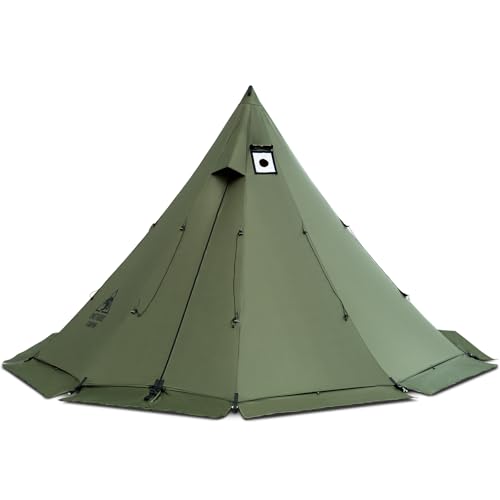
- ✓ Spacious and comfortable
- ✓ Easy to set up
- ✓ Good weather resistance
- ✕ Heavy for ultralight hikers
- ✕ Slightly bulky when packed
| Material | 70D coated nylon fabric with 3000mm waterproof rating |
| Dimensions | 12.4 ft (3.8 m) diameter, 7.8 ft (2.4 m) height |
| Capacity | Up to 6 people |
| Weight | 9.2 lbs (4.2 kg) |
| Frame | Aluminum alloy tent poles |
| Features | Stove jack for tent stove, wind-proof snow skirt with heat retention, double-door design with snag-free waterproof zippers |
The OneTigris Rock Fortress 4-6 Person Hot Tent immediately caught my attention with its versatile design perfect for all seasons, especially with the stove jack that allows for cozy heating during cold elk hunting mornings. Its spacious 12.4-foot diameter offers ample room for up to six people, making it ideal for family camping or group hunting trips. The OneTigris Rock Fortress 4-6 Person Hot Tent with Stove Jack is a standout choice in its category.
Setting up this tent was straightforward thanks to the included aluminum alloy poles and the complete kit of stakes and guy-lines. The wind-proof snow skirt with heat retention functionality really made a difference in keeping warmth inside when temperatures dipped below freezing, while the double-door design provided easy access and ventilation when needed. When comparing different best backpacking tent for elk hunting options, this model stands out for its quality.
Overall, the OneTigris Rock Fortress stands out as a reliable and roomy option for cold-weather adventures, combining durable 70D coated nylon fabric with a 3000mm waterproof rating that held up well even in heavy snow. At just over 9 pounds, it’s surprisingly portable considering its size, making it a top pick for serious backpackers and elk hunters alike.
GEERTOP 4-Season Ultralight Waterproof Backpacking Tent

- ✓ Lightweight and compact
- ✓ Easy to set up
- ✓ All-season waterproofing
- ✕ Slightly tight for two large people
- ✕ No footprint included
| Tent Material | 210T anti-tear checkered polyester with high-tech seam tape |
| Waterproof Level | PU3000mm |
| Inner Tent Dimensions | 82.6 x 55 x 45 inches (L x W x H) |
| Number of Poles | 2 aluminum poles |
| Weight | Less than 7 pounds (approximately 3.2 kg) |
| Pack Size | 17 x 7 x 7 inches |
You’re halfway up a rugged mountain trail when you realize just how much thought went into the GEERTOP 4-Season Ultralight Waterproof Backpacking Tent. It’s surprisingly spacious for a two-person tent — I was expecting a cramped setup, but the inner dimensions of 82.6 by 55 inches felt roomy enough for two, with extra space to store gear in the vestibules.
The moment you unfold it, you notice how quick and straightforward the assembly is. The free-standing design with aluminum poles makes pitching in uneven terrain a breeze — no fuss, no frustration.
Even a beginner can set it up in under 8 minutes, which is a real lifesaver after a long day of hiking or hunting.
Now, the real test came when I faced some heavy rain. Thanks to the rugged 210T polyester flysheet with a 3000mm waterproof rating, I stayed bone dry.
The snow skirt is a thoughtful addition for winter conditions, and the high-tech taped seams give extra peace of mind. Ventilation was impressive, with mesh inner layers that kept things cool in the summer heat.
At under 7 pounds, it’s incredibly lightweight and packs down small — perfect for backpacking, kayaking, or even bike trips. The durable build and sturdy design make it suitable for all seasons, whether camping on the beach, in the woods, or on snow.
Honestly, I was surprised how versatile and easy it is to carry and set up, making it a great choice for elk hunting or any outdoor adventure requiring reliable shelter.
What Should You Consider When Choosing a Backpacking Tent for Elk Hunting?
When selecting the best backpacking tent for elk hunting, several key factors should be considered to ensure comfort, durability, and effectiveness in the field:
-
Weight: Choose a lightweight tent that is easy to carry over long distances. Look for models that weigh under four pounds for a two-person tent, as this allows for easier transport without sacrificing space.
-
Weather Resistance: Opt for a tent with a robust waterproof rating (typically 3000mm or more) and quality fabric. Consider a full-coverage rainfly, as elk hunting often involves unpredictable weather.
-
Space and Layout: A tent should provide ample room for you and your gear. Look for options with a peak height that allows you to sit up comfortably and vestibules for external gear storage.
-
Setup Simplicity: Choose a tent that allows for quick setup and takedown. Features like color-coded poles and intuitive designs can expedite the process, particularly in adverse weather.
-
Ventilation: Good airflow prevents condensation build-up, which is critical during extended trips. Look for tents with mesh panels and adjustable vents.
-
Durability: As elk hunting may involve rugged terrains, ensure your tent is made from high-quality materials, such as ripstop nylon, to endure rough conditions.
These considerations will help you select a tent that meets the demands of elk hunting, providing a comfortable shelter during your adventures.
How Does the Weight of a Tent Affect Backpacking for Elk Hunting?
- Weight-to-Size Ratio: A tent’s weight relative to its size can significantly impact a backpacker’s ability to carry essential gear.
- Material and Durability: The materials used in a tent influence its weight, durability, and weather resistance, which are vital for elk hunters.
- Packing Efficiency: The way a tent packs down affects how easily it fits into a backpack, which can affect balance and overall load.
- Comfort vs. Weight Trade-off: There is often a trade-off between comfort features and weight, which can influence a hunter’s decision on the best tent.
- Weather Conditions: Heavier tents may provide better protection in harsh weather, which is a consideration for safety during long hunts.
Packing efficiency is another important factor; a tent that compresses into a small size is easier to manage in a backpack, allowing for better weight distribution and balance. This can be particularly advantageous when navigating rough terrains common in elk hunting areas.
The comfort versus weight trade-off is a common dilemma for backpackers. A heavier tent might come with additional features like vestibules or more robust insulation, but if the weight is too high, it can lead to exhaustion over time, making it crucial to find a balance that suits individual needs.
Finally, considering weather conditions is essential for elk hunting. While lightweight tents are easier to carry, they may not withstand severe weather as effectively as heavier options, making it vital to choose a tent that offers the right protection based on the expected conditions during the hunt.
Which Materials Offer the Best Weather Resistance for Elk Hunting Tents?
The best materials for weather resistance in elk hunting tents include:
- Ripstop Nylon: This lightweight material is known for its durability and resistance to tearing. It often features a polyurethane coating that enhances waterproofing while remaining breathable, making it ideal for varying weather conditions encountered during elk hunting.
- Polyester: Polyester tents are resistant to UV rays and maintain their shape better than nylon when wet. These tents often come with a silicone coating for water resistance, making them a reliable choice for long-term outdoor use.
- Cotton Canvas: Canvas is naturally breathable and offers excellent insulation properties, making it suitable for colder climates. While heavier than synthetic materials, its durability and ability to withstand harsh weather can provide a cozy shelter for extended trips.
- Silnylon (Silicone Nylon): This lightweight and ultra-durable material is coated with silicone on both sides, ensuring exceptional waterproofing and minimal stretch when wet. Silnylon is favored by backpackers for its packability and weather resistance, making it a top choice for elk hunting.
- Dyneema (Cuben Fiber): Known for its incredible strength-to-weight ratio, Dyneema is a waterproof fabric that is also resistant to UV damage and abrasion. Its high performance in extreme conditions makes it a premium choice for serious elk hunters looking for an ultralight option.
What Size Tent Works Best for a Successful Elk Hunting Trip?
Ultralight tents cater specifically to backpackers who prioritize weight reduction. These tents often sacrifice some durability and space but excel in portability, making them ideal for long-distance hikes in search of elk.
Family or group tents, while offering expansive room for multiple occupants, are generally unsuitable for elk hunting due to their bulkiness and weight, which can hinder mobility in rugged terrain. They are better suited for car camping or base camps where transportation is not an issue.
How Can You Optimize Comfort and Space in a Backpacking Tent for Elk Hunting?
To optimize comfort and space in a backpacking tent for elk hunting, consider the following factors:
- Size and Capacity: Choose a tent that accommodates the number of occupants comfortably, allowing for gear storage.
- Weight and Packability: Select a lightweight design that is easy to pack and carry, which is essential for long hunts.
- Weather Resistance: Ensure the tent has a robust waterproofing system and good ventilation to handle varying weather conditions.
- Interior Features: Look for tents with pockets, gear lofts, and vestibules to maximize organizational space and keep the interior clutter-free.
- Setup Process: Opt for a tent that can be quickly and easily pitched, especially in adverse weather conditions or during the twilight hours.
- Durability: Invest in high-quality materials and construction that can withstand rough terrains and the wear and tear of extended use.
Size and Capacity: When selecting a backpacking tent for elk hunting, consider not just the number of people it will host but also the amount of gear you need to store inside. A tent with a higher peak height and a more spacious floor area allows for greater comfort, especially during long trips where you may need to spend extra time inside due to weather or other factors.
Weight and Packability: Since elk hunting often involves trekking over long distances, a lightweight tent is crucial. Look for models that balance durability with weight, typically made from advanced materials that pack down small but still provide ample living space when set up.
Weather Resistance: The unpredictability of mountain weather necessitates a tent that can protect against rain, wind, and snow. Features like a high waterproof rating, a rainfly, and well-designed seams will keep you dry, while good ventilation prevents condensation buildup inside, which can be uncomfortable and detrimental to gear.
Interior Features: A well-organized interior can significantly enhance your camping experience. Tents equipped with multiple pockets, overhead gear lofts, and vestibules allow for efficient use of space, keeping essential items within reach and protecting your gear from the elements.
Setup Process: The ability to quickly set up your tent can be a game-changer, especially when arriving at a campsite late or facing inclement weather. Look for tents that offer a simple pole system or color-coded clips for fast assembly, ensuring you can focus on more critical tasks like preparing for your hunt.
Durability: The rugged terrain associated with elk hunting can put your tent through its paces, so it’s vital to choose one made from strong materials. Investing in a tent with reinforced seams, a sturdy floor, and high-quality zippers can provide peace of mind that it will withstand the rigors of the outdoors and last for many hunting seasons to come.
What Are the Best Practices for Setting Up Your Backpacking Tent in the Elk Woods?
Setting up a backpacking tent in the elk woods requires careful consideration to ensure comfort and safety.
- Choose the Right Location: Selecting a flat, dry area away from potential hazards is crucial.
- Check the Weather: Understanding the weather forecast helps in anticipating conditions that might impact your tent setup.
- Use the Right Footprint: A footprint can protect the tent floor from abrasions and moisture, extending its lifespan.
- Stake Down Securely: Properly securing your tent with stakes prevents it from being moved by wind or wildlife.
- Keep Gear Organized: Arranging your gear within the tent can maximize space and maintain a tidy environment.
- Practice Tent Setup: Familiarizing yourself with your tent before the trip ensures a smoother setup in the field.
Choosing the right location involves looking for a flat and dry area that is free from rocks, dead branches, or other debris. It’s also wise to set up your tent at least 200 feet away from water sources to minimize the impact on the environment and avoid potential flooding.
Checking the weather is essential for planning your setup; knowing if rain, wind, or snow is expected allows you to adjust your tent placement accordingly. It’s also beneficial to look for natural windbreaks like trees or hills to provide additional protection.
Using the right footprint can significantly enhance your tent’s durability while also providing an extra layer of insulation from cold ground. A footprint is typically a tarp-like material that fits the dimensions of your tent, protecting it from sharp objects and moisture.
Staking down your tent securely is vital, especially in windy conditions. Make sure to use all available guy lines and stakes, and consider using rock or snow anchors if you’re in a particularly unstable environment.
Keeping your gear organized inside the tent helps maximize space and makes it easier to find what you need. Use gear lofts, pockets, and stuff sacks to keep items off the floor and avoid clutter.
Practicing tent setup before your trip is a great way to ensure you know how to pitch it efficiently. This not only saves time in the field but also helps you identify any accessories you might need, such as extra stakes or guylines.
How Can Regular Maintenance Enhance the Longevity of Your Backpacking Tent?
Regular maintenance can significantly enhance the longevity of your backpacking tent, especially when considering its use in demanding environments like elk hunting.
- Cleaning: Regularly cleaning your tent helps remove dirt, sap, and other residues that can degrade the fabric over time.
- Waterproofing: Applying a waterproofing treatment periodically ensures that seams and fabrics remain water-resistant, which is crucial for staying dry in unpredictable weather.
- Storage: Proper storage of your tent when not in use, such as keeping it in a cool, dry place, prevents mold and mildew growth that can damage the material.
- Inspecting for Damage: Routine inspections for rips, tears, or damage allow for timely repairs, which can prevent small issues from becoming major problems.
- Seam Sealing: Reapplying seam sealant helps maintain the integrity of the tent’s seams, preventing leaks and ensuring durability during heavy rain.
Cleaning your tent after each trip is essential, as dirt and sap can adhere to the fabric, leading to deterioration. Use a mild soap and water to gently scrub the surface, avoiding harsh chemicals that can weaken the material.
Waterproofing your tent is critical, especially for backpacking in wet conditions. Applying a waterproofing spray or treatment creates a barrier against moisture, helping to ensure that you stay dry during your elk hunting excursions.
Proper storage is often overlooked but is vital for maintaining your tent’s longevity. Store your tent in a breathable, dry bag rather than leaving it compressed in its carry bag, as this prevents moisture buildup and protects it from UV damage.
Inspecting your tent regularly for any signs of wear or damage allows for early intervention. Catching small rips or tears can often be repaired quickly with adhesive patches or seam tape, saving you from needing a replacement tent later.
Seam sealing is another important maintenance task, as tents often develop leaks at the seams over time. By applying seam sealant before your trips, you can reinforce these areas and help ensure a leak-proof experience during rainy weather.
Related Post: