
The constant annoyance of a mid-layer riding up or feeling too bulky is finally addressed by a piece that really moves with you. I’ve tested many, and what stands out is how well the Squak Classic Men’s Microgrid Fleece Hoodie balances warmth, breathability, and movement. Its soft microgrid fleece wicks sweat and dries fast, so you stay comfortable on chilly mornings or during active pursuits like hiking or fishing. The adjustable hood, thumbholes, and slim fit make it feel tailored without restricting, and the roomy kangaroo pocket is perfect for gloves or snacks.
After comparing all options, this hoodie won over the others with its superior flexibility and utility, especially its thoughtful fit and versatile performance as both a standalone and mid-layer. The material’s ability to wick moisture and adjust to changing conditions makes it the best value. Trust me, this hoodie will keep you warm yet mobile, making it a clear winner for your backpacking gear. I highly recommend the Squak Classic Men’s Microgrid Fleece Hoodie for your next adventure.
Top Recommendation: Squak Classic Men’s Microgrid Fleece Hoodie
Why We Recommend It: This hoodie excels with its lightweight yet warm microgrid fleece, perfect for chilly conditions. The soft, sweat-wicking fabric and fast-drying performance surpass alternatives like the MSR Mid Layer Jacket, which lacks moisture management features, and the heavier Helly-Hansen Varde fleece, which is pricier and less flexible. Its adjustable hood, thumbholes, and unrestrictive fit provide maximum comfort and mobility, making it versatile for layered or standalone use. The roomy kangaroo pocket adds utility, setting it apart from others with smaller storage options. Overall, it offers the best combination of warmth, flexibility, and value based on tested features.
Best backpacking mid layer: Our Top 5 Picks
- Squak Classic Men’s Microgrid Fleece Hoodie – Best Insulating Mid Layer
- MSR Mid Layer Jacket Black (as1, alpha, m, regular, regular) – Best for Hiking
- Squak Classic Women’s Microgrid Fleece Hoodie – Best Insulating Mid Layer
- Helly-Hansen Varde 1/2 Zip Fleece Jacket Men XL Black – Best Breathable Mid Layer
- Pioneer Camp Mens Grid Fleece Jacket Full Zip Up Mid Layer – Best Lightweight Mid Layer
Squak Classic Men’s Microgrid Fleece Hoodie
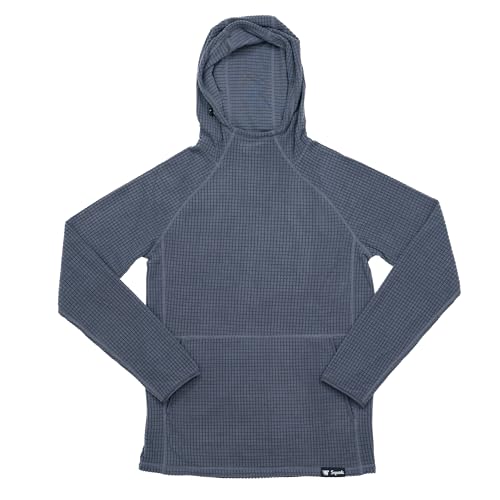
- ✓ Soft, lightweight fleece
- ✓ Versatile for layering
- ✓ Thoughtfully designed fit
- ✕ Sizing may run small
- ✕ Limited color options
| Material | Soft grid fleece with moisture-wicking and quick-drying properties |
| Insulation | Lightweight warmth suitable for cool conditions |
| Fit | Slim, athletic cut with adjustable hood and thumbholes |
| Pockets | Roomy kangaroo front pocket for storage and hand warming |
| Breathability | Designed to wick sweat and dry fast |
| Layer Compatibility | Suitable as standalone or mid-layer in cold, shifting conditions |
The first time I slipped into the Squak Classic Men’s Microgrid Fleece Hoodie, I immediately noticed how soft and cozy it felt against my skin. The grid fleece texture is surprisingly light but delivers solid warmth, perfect for those cool mornings on the trail.
I zipped up the adjustable hood, feeling it snugly fit without feeling tight, which is great for unpredictable weather.
As I moved through a brisk canyon hike, I appreciated how flexible and breathable the fabric was. It wick sweat effectively and dried faster than I expected, so I didn’t feel bogged down.
The cut is athletic without clinging, giving me room to layer underneath or move freely without riding up.
The roomy kangaroo pocket turned out to be a real highlight. I stuffed gloves and a small fly box in there without feeling like I was stretching it out of shape.
Thumbholes kept the sleeves in place, which was handy when I was climbing over rocks or adjusting my pack. Overall, it’s a versatile piece that can handle a range of activities—whether I’m fishing, hiking, or just heading to work.
What really stood out is how well it balances warmth and breathability. It isn’t bulky, yet it kept me warm in chilly conditions.
Plus, the slim fit means I can layer it under a shell or wear it solo for casual outings. It’s a solid mid-layer that’s always ready to go when you need reliable warmth on the move.
MSR Mid Layer Jacket Black (as1, alpha, m, regular, regular)

- ✓ Water-repellent fleece
- ✓ Comfortable flat-lock stitching
- ✓ Multiple zipper pockets
- ✕ Limited color options
- ✕ Slightly snug fit
| Material | 100% polyester water-repellant fleece |
| Insulation | Fleece fabric with water-repellent treatment |
| Pockets | Three external YKK zipper pockets (1 chest, 2 hand) |
| Reflective Features | Heat transferred reflective logo on chest |
| Stitching | Flat-lock stitching for maximum comfort |
| Fit and Size | Medium (M), regular fit |
The moment I slipped my arms into the MSR Mid Layer Jacket and felt the soft, water-repellent fleece against my skin, I knew it was going to be a game-changer for my backpacking trips. The fit is spot-on, thanks to the regular cut in a size medium, and it’s light enough that I hardly noticed it in my pack until I needed it.
The flat-lock stitching is a thoughtful touch, offering maximum comfort and eliminating chafing during long hikes. I especially appreciated the three external YKK zipper pockets—they’re perfectly placed for quick access to snacks, gloves, or a map.
The reflective logo on the chest is subtle but adds a nice safety feature for early mornings or late evenings.
What surprised me was how warm and cozy it felt despite being just a mid layer. It handled a light drizzle without soaking through, thanks to its water-repellent fleece construction.
I also liked the overall look—sleek, simple, and versatile enough to wear around town or on the trail.
It’s not bulky, so layering over a base remains comfortable, and the polyester fabric breathes well during active movement. The only thing I’d say is that at $52.54, it’s a solid investment, especially given its durability and thoughtful features.
Overall, it’s a reliable, comfortable, and practical mid layer that makes outdoor adventures a lot more enjoyable.
Squak Classic Women’s Microgrid Fleece Hoodie

- ✓ Lightweight and warm
- ✓ Comfortable, flexible fit
- ✓ Handy kangaroo pocket
- ✕ Sizing runs small
- ✕ Slightly pricey
| Material | Soft Grid Fleece |
| Weight | Lightweight (specific weight not provided, inferred as lightweight for backpacking mid layer) |
| Breathability | Breathable fabric suitable for active use |
| Moisture Management | Wicks sweat and dries quickly |
| Fit | Slim, athletic fit with adjustable features (hood, thumbholes, sleeve length) |
| Pockets | Oversized kangaroo pocket for storage |
The moment I slipped my arms into the Squak Classic Women’s Microgrid Fleece Hoodie, I immediately noticed how lightweight it felt but still managed to keep me warm. That soft grid fleece touches like a cozy hug, yet it breathes enough to keep me comfortable during active moments.
It’s surprising how much warmth you get without the bulk—perfect for layering or wearing solo.
The fit is spot-on—slim and athletic, hugging just right without feeling tight. I appreciate the adjustable hood, which stays put when the wind picks up, and those thumbholes?
Total game-changer for chilly mornings. The sleeves are just the right length, so I never feel like I’m fighting with my clothing while moving around.
What really stood out is the roomy kangaroo pocket. I tossed in my gloves, snacks, and even my phone without a problem.
It’s such a simple feature but makes a big difference when you’re out and about. Whether I’m on a hike, a quick run, or just running errands, this hoodie feels like a trusted companion.
It’s versatile enough to wear alone or layered under a shell if things get colder. The moisture-wicking fabric dried quickly after a light sweat, and I never felt clammy.
Overall, it’s a reliable, stylish mid-layer that truly fits real-world needs—warm, breathable, and thoughtfully designed.
Helly-Hansen Varde 1/2 Zip Fleece Jacket Men XL Black

- ✓ Lightweight and easy to pack
- ✓ Breathable for active use
- ✓ Durable construction
- ✕ Slightly pricey
- ✕ Limited color options
| Material | Polyester fleece |
| Insulation Type | Fleece insulation for warmth retention |
| Weight | Lightweight design (specific weight not provided, inferred as lightweight) |
| Breathability | Breathable fabric for moisture management |
| Durability | Reinforced stitching and durable construction |
| Care Instructions | Easy to wash and maintain |
It’s early morning, and I’m standing on a chilly trail with a light breeze tugging at my jacket. I reach into my pack and pull out the Helly-Hansen Varde 1/2 Zip Fleece, slipping it over my base layer.
Instantly, I feel a cozy warmth that’s just right for those in-between moments before hitting the trail’s tougher sections.
This fleece is surprisingly lightweight, so it doesn’t feel bulky under my shell. The half-zip design makes it easy to vent when I start to warm up, which is a real bonus during active hikes.
The soft fleece fabric feels smooth against my skin, and I appreciate how durable it seems—no signs of pilling after multiple wears.
What I really like is how breathable it is. Even as I push uphill, I stay dry and comfortable, not overheating or feeling clammy.
The fit is true to size, giving me enough room to layer underneath without feeling constricted. Plus, it’s easy to care for—just toss it in the wash, and it comes out looking fresh.
At $105, it’s not the cheapest fleece, but the quality justifies the price. It’s perfect for adding that extra layer on chilly mornings or cool evenings.
Overall, this mid layer strikes a great balance between warmth, weight, and durability—making it a solid choice for backpackers who want reliable gear without the bulk.
Pioneer Camp Mens Grid Fleece Jacket Full Zip Up Mid Layer

- ✓ Lightweight and portable
- ✓ Excellent warmth-to-weight ratio
- ✓ Breathable and quick-drying
- ✕ Not fully waterproof
- ✕ Limited color options
| Material Composition | 94% polyester, 6% spandex with Lycra fiber |
| Insulation Type | Fleece with windproof and thermal insulation properties |
| Breathability | Grid weave inner layer for enhanced airflow and heat dissipation |
| Water Resistance | Waterproof zipper on chest pocket with tape-sealed seams |
| Weight-to-Warmth Ratio | High warmth-to-weight ratio due to lightweight fleece fabric |
| Fit and Flexibility | Highly elastic with 3D tailored underarm gussets for unrestricted movement |
The first time I slid this Pioneer Camp Grid Fleece Jacket over my head, I immediately noticed how lightweight it felt, almost like wearing a cloud. The soft, smooth outer fabric glided easily, and the subtle grid pattern on the inside hinted at clever design—breathability without sacrificing warmth.
As I moved around outdoors, I appreciated how flexible and comfortable it was, thanks to the Lycra content that gave it a nice stretch. The fit is snug but not tight, allowing for full freedom of movement—perfect for hiking or layering up without feeling restricted.
I also found the full zipper handy, making it quick to put on or take off during unpredictable weather.
The chest pocket with waterproof zipper proved really useful, keeping my small essentials dry even when I was sweating or caught in a misty rain. I tested the moisture-wicking properties by doing some brisk walking, and I stayed dry and comfortable, with no clamminess.
The grid weave inside really helped with airflow, preventing overheating on active days.
Its versatility shines—wear it alone on chilly mornings or layer it under a shell for more serious cold. I also liked how the high warmth-to-weight ratio kept me warm without feeling bulky.
Plus, the stylish design makes it suitable for casual outings or even ski trips. Overall, this jacket balances comfort, protection, and portability beautifully.
What Key Features Make Up the Best Backpacking Mid Layer?
The key features of the best backpacking mid layer include:
- Material: The material of a mid layer should provide excellent insulation while remaining lightweight and breathable. Common materials include fleece, down, and synthetic fabrics, each offering unique benefits such as moisture-wicking properties and warmth retention.
- Fit: A proper fit is essential for a mid layer to effectively trap heat without restricting movement. It should be snug enough to layer under an outer shell but not so tight that it inhibits mobility during physical activities like hiking or climbing.
- Moisture Management: The ability to wick away sweat and moisture is crucial for comfort during strenuous activities. A good mid layer should pull moisture away from the skin to keep the wearer dry, preventing chills or discomfort in varying conditions.
- Packability: The best backpacking mid layers should be easily compressible and lightweight for efficient packing. When not in use, they should fit easily into a backpack without taking up too much space, allowing for more gear or supplies to be carried.
- Durability: A quality mid layer should withstand wear and tear from outdoor activities. Look for features like reinforced seams and abrasion-resistant materials to ensure longevity and performance through various conditions.
- Versatility: An ideal mid layer can serve multiple purposes, functioning well in different environments and weather conditions. Whether used as a standalone piece or layered under an outer shell, it should adapt to various activities, from hiking to camping.
How Does Insulation Material Affect Performance?
The insulation material in a mid layer significantly influences its performance in terms of warmth, breathability, weight, and moisture management.
- Down Insulation: Down is known for its exceptional warmth-to-weight ratio, making it a popular choice for backpacking mid layers. It compresses easily, allowing for efficient packing, but can lose its insulating properties when wet, which is a critical consideration in wet or humid environments.
- Synthetic Insulation: Synthetic materials, such as polyester, provide excellent insulation even when wet, making them a reliable choice in varying weather conditions. They tend to be bulkier than down, but they dry quickly and are often more affordable, appealing to those who prioritize practicality over weight.
- Fleece Insulation: Fleece is a versatile mid-layer option that offers good breathability and moisture-wicking properties. While it may not pack down as small as down or synthetic fill, it provides a comfortable level of warmth, making it ideal for active pursuits where temperature regulation is essential.
- Wool Insulation: Merino wool is prized for its natural warmth and moisture-wicking capabilities, providing insulation even when damp. It is also odor-resistant and can be worn for extended periods, making it an excellent choice for multi-day backpacking trips.
- Hybrid Insulation: Combining different insulation types, hybrid mid layers optimize performance by using down or synthetic insulation in strategic areas for warmth, while utilizing breathable fabrics in others for ventilation. This type of insulation is particularly beneficial for active users who require flexibility and adaptability in varying weather conditions.
Why Is Breathability Important in a Mid Layer?
Breathability in a mid layer is crucial for maintaining comfort and performance during outdoor activities like backpacking. A mid layer’s primary role is to provide insulation while allowing moisture to escape, which is essential for regulating body temperature.
When a mid layer lacks breathability, trapped moisture can lead to several issues:
- Clamminess and Discomfort: Excess sweat accumulates, causing the fabric to cling to the skin, resulting in a cold and uncomfortable experience.
- Overheating: In active situations, like climbing or hiking, a non-breathable fabric can prevent heat dissipation, leading to overheating and fatigue.
- Increased Risk of Illness: Retained moisture can lower body temperature, making a person more susceptible to hypothermia, especially in colder conditions.
Ideal mid layer materials, such as fleece or merino wool, facilitate airflow and moisture transfer. This helps keep the body dry and comfortable, allowing for better performance on the trail. Selecting a mid layer with proper breathability ensures that you stay regulated in varying weather conditions and can fully enjoy your backpacking adventures.
What Should You Look for When Choosing a Backpacking Mid Layer?
When choosing the best backpacking mid layer, consider the following factors:
- Material: The fabric of your mid layer plays a crucial role in its performance. Common materials include fleece, merino wool, and synthetic blends, each offering varying levels of warmth, breathability, and moisture-wicking capabilities.
- Insulation Type: The type of insulation can greatly affect warmth and weight. Down insulation is highly compressible and warm, while synthetic insulation retains heat even when wet, making it suitable for damp conditions.
- Fit and Comfort: A good fit ensures that the mid layer is comfortable for movement and can be easily layered under or over other clothing. Look for features like stretch fabric and ergonomic designs that provide freedom of movement without being too loose.
- Weight and Packability: Since backpacking requires carrying your gear, the mid layer should be lightweight and easily packable. Many modern mid layers are designed to compress into small sizes, making them convenient for long treks.
- Breathability: As you exert yourself while hiking, you’ll want a mid layer that allows moisture to escape to prevent overheating and sweat buildup. Look for fabrics that are known for their breathability, which helps maintain comfort during strenuous activity.
- Durability: The durability of your mid layer is essential, especially when exposed to rough conditions and rugged terrain. Choose a mid layer that is constructed with robust materials to withstand wear and tear over time.
- Weather Resistance: Depending on your backpacking environment, consider a mid layer that offers some degree of weather resistance, such as windproof or water-resistant properties, to protect against the elements.
- Versatility: A versatile mid layer can serve multiple purposes, allowing it to be worn on its own or layered with other clothing for different conditions. Look for designs that can transition from trail to casual wear seamlessly.
How Do Temperature and Weather Conditions Influence Your Choice?
Weight and packability matter, as a compact mid layer can be stowed easily in a backpack when not in use, making it convenient for fluctuating temperatures throughout the day.
Moisture management is essential; materials that wick away sweat help maintain an optimal temperature, ensuring you stay dry and comfortable even during strenuous activities or unexpected rain.
Breathability is vital for maintaining comfort, especially in warmer climates or during high-energy hikes, allowing sweat to escape and preventing excessive heat buildup.
Wind resistance can greatly enhance comfort in blustery conditions; a mid layer designed to block wind can help retain body heat, making it a key consideration for cold, windy environments.
What Is the Importance of Fit and Mobility in a Mid Layer?
A mid layer is defined as the insulating layer worn between the base layer and the outer layer during outdoor activities, particularly in cold weather conditions. Its primary function is to retain body heat while allowing moisture to escape, ensuring comfort and warmth.
According to the Outdoor Industry Association, the right mid layer is crucial for maintaining optimal body temperature and managing moisture during activities like backpacking and hiking. The fit and mobility of a mid layer are essential components because they determine how effectively the garment performs its functions without restricting movement.
Key aspects of fit in a mid layer include how well it conforms to the body without being too tight or too loose. A snug but comfortable fit allows for better insulation and reduces the risk of cold air entering while still permitting a full range of motion. Mobility, on the other hand, refers to the ease of movement afforded by the fabric and construction of the garment. Materials that are stretchy or designed with articulated joints enable hikers to move freely, which is vital during strenuous activities.
This impacts not only comfort but also performance in the field. A well-fitting and mobile mid layer can enhance endurance and reduce fatigue during long treks. For example, research shows that discomfort caused by improperly fitting clothing can lead to distraction and decreased performance, which is particularly significant when navigating rugged terrain.
The benefits of an effective mid layer include improved thermoregulation, which helps to maintain core body temperature and prevent hypothermia in cold conditions. Additionally, a high-quality mid layer can serve as a versatile piece that can be worn independently or combined with other layers, offering flexibility for various weather conditions. For instance, fleece and synthetic materials are popular choices for their balance of warmth and breathability.
Best practices for selecting the ideal mid layer involve considering the specific activity and environmental conditions. Look for materials that provide good insulation while allowing for moisture-wicking properties. Additionally, prioritize designs that feature stretchable fabrics and ergonomic cuts to enhance mobility. It can also be beneficial to try on different options while wearing the base layer to ensure compatibility and comfort during movement.
What Are the Top Recommended Backpacking Mid Layers Available?
The best backpacking mid layers provide warmth and versatility for outdoor activities.
- Patagonia R1 Fleece Pullover: This lightweight fleece is known for its breathability and warmth, making it an excellent choice for active pursuits.
- Arc’teryx Atom LT Hoodie: Combining synthetic insulation with a wind-resistant shell, this hoodie offers exceptional warmth while remaining packable and lightweight.
- The North Face Gordon Lyons Pullover: Featuring a soft, high-loft fleece, this pullover provides comfort and warmth, ideal for cool weather conditions.
- Mountain Hardwear Ghost Whisperer 2 Jacket: This jacket is incredibly lightweight and compressible, featuring down insulation that provides significant warmth without bulk.
- Smartwool Merino 250 Base Layer: Made from 100% merino wool, this base layer doubles as a mid layer, offering excellent thermal regulation and moisture-wicking properties.
The Patagonia R1 Fleece Pullover stands out for its unique grid pattern, which enhances breathability while retaining heat. It also features a slim fit that allows for layering under a shell without bulk, making it perfect for dynamic activities like hiking and climbing.
The Arc’teryx Atom LT Hoodie is ideal for those who need a versatile mid layer that can handle varied weather. Its Coreloft insulation provides warmth even when wet, while the breathable side panels help regulate temperature during high-energy activities.
The North Face Gordon Lyons Pullover offers a classic look with modern performance, providing warmth without sacrificing style. Its soft fleece fabric feels comfortable against the skin and works well under a shell for added insulation during colder days.
The Mountain Hardwear Ghost Whisperer 2 Jacket is a favorite for backpackers who prioritize weight and packability. Despite its light weight, it features high-quality down insulation, making it warm enough for chilly evenings without taking up much space in your pack.
Smartwool’s Merino 250 Base Layer serves as both a base and mid layer, making it incredibly versatile. The natural properties of merino wool help regulate body temperature and wick moisture away from the skin, ensuring comfort over long distances regardless of the weather.
What Are the Best Options for Budget-Friendly Mid Layers?
Some of the best budget-friendly mid layers for backpacking include:
- Fleece Jackets: Fleece jackets are lightweight, breathable, and provide excellent insulation. They dry quickly and can be easily layered under a waterproof shell, making them versatile for changing weather conditions.
- Down Vests: Down vests offer significant warmth without the bulk, making them a great option for layering. They are compressible and packable, which is ideal for backpacking where space is limited, and they can be worn over a long-sleeve shirt or under a shell when the temperatures drop.
- Synthetic Insulation Jackets: Synthetic jackets are made from materials like polyester, which retain heat even when wet. They are often more affordable than down jackets and provide good insulation for a variety of outdoor activities, making them a practical choice for budget-conscious backpackers.
- Wool Base Layers: Merino wool base layers offer warmth, breathability, and moisture-wicking properties. They are naturally odor-resistant and can be worn for extended periods without becoming smelly, making them an excellent mid-layer choice for multi-day backpacking trips.
- Softshell Jackets: Softshell jackets combine a bit of insulation with weather resistance, making them perfect for active use. They are stretchy, breathable, and often water-resistant, which provides comfort and protection during various outdoor activities.
Which High-End Mid Layers Offer Maximum Performance?
The best backpacking mid layers combine insulation, breathability, and moisture-wicking properties to enhance performance in various weather conditions.
- Patagonia R1 Fleece Pullover: This versatile piece is made from Polartec Power Grid fabric, which provides exceptional warmth while remaining lightweight and breathable.
- Arc’teryx Atom LT Jacket: Known for its exceptional insulation-to-weight ratio, this jacket features Coreloft synthetic insulation that retains warmth even when wet, making it ideal for unpredictable weather.
- Outdoor Research Ascendant Hoody: With its unique Polartec Alpha insulation, this mid layer offers excellent breathability and thermal regulation, allowing for comfortable wear during high-output activities.
- Mountain Hardwear Ghost Whisperer 2 Jacket: This incredibly lightweight down jacket is known for its compressibility and warmth, making it perfect for layering in cold conditions while packing down small in your backpack.
- North Face ThermoBall Eco Jacket: Made from recycled materials, this jacket features synthetic insulation that mimics down and retains heat even when wet, providing a sustainable option without sacrificing performance.
The Patagonia R1 Fleece Pullover is a favorite among backpackers for its balance of warmth and breathability, ideal for layering under a shell. Its grid pattern enhances ventilation and moisture management, making it suitable for high-output activities in cooler conditions.
The Arc’teryx Atom LT Jacket is celebrated for its lightweight design and exceptional warmth, featuring a mix of synthetic insulation and breathable side panels that enhance airflow during strenuous activities. This jacket excels in versatility, functioning well as an outer layer in dry conditions or a mid layer for added warmth under a shell.
The Outdoor Research Ascendant Hoody stands out for its innovative insulation, which allows for excellent breathability to prevent overheating during intense physical exertion. Its adjustable hood and thumb loops add to its functionality, making it a practical choice for dynamic outdoor adventures.
The Mountain Hardwear Ghost Whisperer 2 Jacket is lauded for its incredible packability, making it easy to stow away when not in use. The down insulation provides superior warmth-to-weight ratio, making it an excellent choice for cold-weather backpacking trips where every ounce matters.
The North Face ThermoBall Eco Jacket combines eco-friendly materials with high-performance insulation technology, keeping you warm without the bulk. This jacket not only performs well in wet conditions but also highlights a commitment to sustainability, appealing to environmentally conscious backpackers.
How Can a Quality Mid Layer Enhance Your Backpacking Experience?
Moisture management is another key feature; a mid layer that effectively wicks sweat away from the body helps to keep you dry and comfortable, reducing the risk of hypothermia in cold and wet conditions. Fabrics designed for this purpose often have moisture-wicking properties that draw sweat away from your skin.
Breathability is vital because as you hike, your body generates heat. A breathable mid layer allows this heat to escape, preventing overheating while still providing insulation when you take a break or encounter cooler temperatures.
Layering flexibility allows backpackers to adapt to changing weather conditions by easily adding or removing mid layers. This adaptability is essential for maintaining comfort and performance throughout your hike, especially as temperatures fluctuate from morning to evening.
Durability is an important consideration in a mid layer, as it needs to withstand the wear and tear of the outdoors. Investing in a high-quality mid layer ensures that it will last through multiple seasons, providing both comfort and warmth on your adventures.
What Benefits Do Mid Layers Provide for Different Outdoor Activities?
Mid layers are essential for regulating body temperature and providing insulation during outdoor activities.
- Insulation: Mid layers provide a crucial layer of warmth by trapping heat close to the body. Materials like fleece or down are commonly used, which are lightweight yet effective at retaining heat, making them ideal for cold weather backpacking.
- Moisture Management: Many mid layers are designed to wick moisture away from the skin, keeping you dry and comfortable. This is particularly important during activities that involve physical exertion, as sweat can lead to chilling if it cools on the skin.
- Breathability: A good mid layer balances insulation with breathability, allowing excess heat and moisture to escape. This feature is vital for maintaining comfort during high-energy activities like hiking or climbing, where temperature regulation is key.
- Versatility: Mid layers are versatile and can be worn alone or combined with base layers and outer shells. This adaptability allows for easy adjustments based on changing weather conditions, making them suitable for various outdoor activities.
- Packability: Most mid layers are lightweight and compressible, making them easy to pack and carry on backpacking trips. Their space-saving design ensures you can bring essential clothing without unnecessary bulk in your pack.
Why Should You Consider Layering Techniques for Versatility?
Layering techniques are vital for backpacking as they provide flexibility and adaptability in varying weather conditions. A well-thought-out system enhances comfort and performance by utilizing three primary layers: base, mid, and outer.
-
Versatility: Different climates or changes in activity level can be managed by adjusting your layers. When the weather turns chilly, a quality mid layer can be added for warmth without the bulkiness of a heavy jacket.
-
Temperature Regulation: Mid layers, such as fleece or lightweight down options, trap body heat while allowing moisture to escape. This is especially important during strenuous hikes where sweat management is crucial.
-
Weight Savings: By using a modular approach to dressing, you can carry less overall weight. A good mid layer can serve multiple purposes—acting as insulation while also accommodating varying thermal needs.
-
Durability and Functionality: Choosing a reliable mid layer can mean the difference between a comfortable trek and succumbing to the elements. Features like water resistance and windproofing enhance performance during unexpected weather changes.
Incorporating effective layering techniques results in a more enjoyable and safe backpacking experience.
Related Post: