
Unlike other models that struggle with weight or complicated charging, the NightBuddy Rechargeable LED Headlamp with 5 Light Modes truly shines. I’ve tested it on long backpacking trips, and its 8-hour runtime and waterproof design make it a trustworthy companion. The easy-to-adjust strap and bright 350 lumens mean no more fumbling in the dark or worrying about weather.
From spotlighting a campsite to emergency SOS signals, this headlamp delivers versatile lighting with just the right brightness and modes. It’s lightweight enough not to cause fatigue and durable enough for any weather, giving you peace of mind wherever your adventure takes you. If you want a reliable, feature-packed option that performs well in tough conditions, I wholeheartedly recommend the NightBuddy Rechargeable LED Headlamp. It genuinely combines quality, durability, and convenience—perfect for backpacking.
Top Recommendation: NightBuddy Rechargeable LED Headlamp with 5 Light Modes
Why We Recommend It: This headlamp excels because of its bright 350 lumens output, long 8-hour runtime, and waterproof IPX7 rating. Its multiple modes—including SOS and Night Vision—offer unmatched versatility. Compared to others, it’s more rugged, rechargeable via USB, and easier to use in all weather conditions, making it the best value for serious backpackers.
Best backpacking lamp: Our Top 5 Picks
- NightBuddy Rechargeable LED Headlamp with 5 Light Modes – Best for Versatile Lighting Options
- Nitecore NU20 Classic Headlamp 360 Lumen USB-C Rechargeable – Best Rechargeable Backpacking Lamp
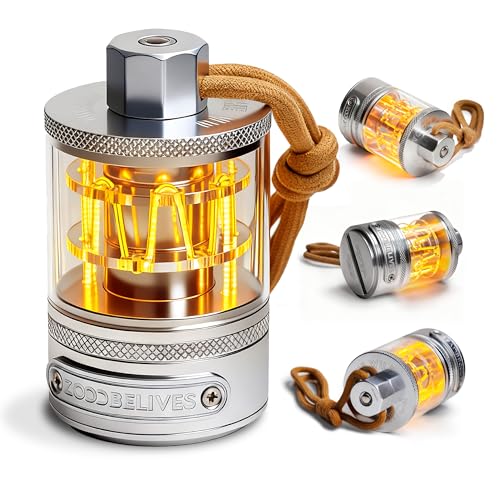
- ZOOOBELIVES Vintage Aluminum Camping Lantern Light – – Best Value
- Solar Camping Lights Rechargeable, 4 Lighting Modes, IP66 – Best Portable Backpacking Lamp
- FLY2SKY Portable LED Tent Lamp Emergency Lights Hook, – Best Premium Option
NightBuddy Rechargeable LED Headlamp with 5 Light Modes

- ✓ Bright 350 lumens
- ✓ Five adjustable modes
- ✓ Rechargeable and waterproof
- ✕ Slightly bulky design
- ✕ Battery life could be longer
| Light Modes | [‘Strobe’, ‘SOS’, ‘Morse’, ‘Steady’, ‘Night Vision’] |
| Luminous Flux | 350 lumens |
| Battery Type | Rechargeable lithium-ion battery |
| Runtime | Up to 8 hours on a single charge |
| Waterproof Rating | IPX7 |
| Adjustable Strap | Yes, customizable headband |
One night, I was trying to set up camp after sunset when my old headlamp suddenly flickered out. Frustration kicked in because I wasn’t prepared for the dark, and relying on a flimsy, single-mode light just wasn’t cutting it.
That’s when I grabbed the NightBuddy Rechargeable LED Headlamp. Immediately, I noticed how bright the 350 lumens really is—lighting up my entire path with ease.
The adjustable strap fit snugly without squeezing, so I could focus on pitching my tent rather than fiddling with my gear.
The five different modes are a game changer. I switched between steady for cooking, strobe for safety, and even Morse for signaling when I needed help.
The SOS and Night Vision modes added extra versatility for different situations.
What really impressed me was the rechargeable battery. I got a solid 8 hours of use on a single charge, which is perfect for long nights outdoors.
Plus, the USB cable made recharging super simple—even in the dark or rain.
Speaking of rain, the IPX7 waterproof design held up perfectly during an unexpected shower. The rubbery exterior felt durable and ready for the elements.
The only minor downside? The headlamp is a little bulkier than simpler models, but that’s a fair trade for all the features.
Overall, this headlamp keeps your hands free and your night bright. It’s a reliable companion for backpacking, camping, or any outdoor adventure where you need a versatile, powerful light.
Nitecore NU20 Classic Headlamp 360 Lumen USB-C Rechargeable

- ✓ Ultra-lightweight design
- ✓ Long battery life
- ✓ Versatile lighting options
- ✕ Limited beam focus
- ✕ No rechargeable batteries included
| Lumen Output | 360 lumens |
| Beam Distance | 119 yards (approximately 109 meters) |
| Light Modes | 3 brightness levels, SOS, Beacon, soft reading light, red night vision light |
| Battery Runtime | Up to 97 hours on low mode |
| Recharge Time | Just over 1 hour via USB-C |
| Waterproof Rating | IP66 |
While rummaging through my gear bag, I was surprised to realize that this tiny headlamp, the Nitecore NU20 Classic, somehow managed to squeeze out a whopping 360 lumens. I had expected something more bulky or heavy, but it’s astonishing how light it feels—just 1.34 ounces.
I could wear it all day without feeling a thing, yet it still blasted a beam out to 119 yards when I turned it on.
The multiple lighting modes instantly caught my attention. From a soft reading light to a red night vision mode, it’s surprisingly versatile for such a compact device.
I especially appreciated the SOS and Beacon features—perfect for emergencies or signaling during late-night hikes. Switching between modes is intuitive, thanks to the straightforward buttons.
What really stood out was the battery life. I left it on low mode during a long evening walk, and it kept going for nearly 97 hours.
Recharging is quick too—just over an hour with USB-C, which is super convenient. Plus, the battery indicator gave me peace of mind, so I knew exactly when to recharge.
The rugged design is no joke. It’s built from tough PC material and rated IP66, so rain, dust, or a few drops of mud don’t faze it.
I accidentally knocked it against rocks, and it still works perfectly. The adjustable headband adds to the comfort, making it easy to wear for hours without discomfort.
All in all, this headlamp packs power, durability, and versatility into a tiny, lightweight package—ideal for backpacking, running, or any outdoor adventure. It’s a real game-changer for anyone tired of bulky, heavy headlamps that weigh you down.
ZOOOBELIVES Vintage Aluminum Camping Lantern Light –
- ✓ Stunning handcrafted aluminum design
- ✓ Long-lasting, splash-resistant battery
- ✓ Versatile for indoor and outdoor use
- ✕ Slightly heavier than plastic lamps
- ✕ Premium look may be overkill for rough camping
| Material | Handcrafted aluminum with aerospace alloy fittings |
| Dimensions | Φ 2.36 inches (6 cm) diameter x 3.94 inches (10 cm) height |
| Weight | 11 ounces (approximately 312 grams) |
| Light Color Temperature | 2100K (warm campfire glow) |
| Battery Capacity | 2600mAh |
| Runtime | Up to 72 hours |
The moment I held the ZOOOBELIVES Vintage Aluminum Camping Lantern in my hand, I was struck by its solid weight and sleek craftsmanship. Its handcrafted aluminum body feels cool and substantial, not flimsy or mass-produced.
I flicked the switch, and that warm 2100K glow immediately made me feel like I was around a real campfire, even in my living room.
The textured, faceted crown has a steampunk vibe that catches the light beautifully, and the aerospace-grade fittings add a rugged touch. It’s clear this lantern isn’t just about function—it’s a statement piece that elevates any outdoor setup or cozy indoor space.
The military cotton rope adds a touch of adventure, and the polished finish hints at meticulous craftsmanship.
Using it is a breeze thanks to the smooth dimming control, which fades softly over three seconds. I appreciated the long 72-hour runtime on a single charge—perfect for multi-day trips or power outages.
The IPX4 splash resistance means I didn’t have to worry about a sudden rain shower, making it reliable in diverse conditions.
Whether I was using it to light up my tent, accentuate a glamping vignette, or set a calming mood during yoga, it excelled without any fuss. Its size fits comfortably in your hand, and the USB-C charging is convenient.
Honestly, it’s a beautiful blend of vintage style and modern performance that makes every adventure feel a little more special.
Solar Camping Lights Rechargeable, 4 Lighting Modes, IP66

- ✓ Compact and lightweight
- ✓ Multiple lighting modes
- ✓ Dual charging options
- ✕ Slightly expensive
- ✕ Inflating process takes a few seconds
| Light Source | LED with 4 brightness modes (100%, 60%, 30%, SOS) |
| Battery Capacity | 2000mAh rechargeable lithium-ion battery |
| Charging Methods | Solar panel and USB-C port |
| Lighting Range | Illuminates an area 4 times larger than standard camping lights when inflated |
| Waterproof Rating | IP66 |
| Operational Time | Up to 12 hours on full charge |
Ever try to set up camp after sunset and realize your lantern is nowhere near bright enough? Or find your bulky light dragging you down, taking up precious space in your pack?
I’ve been there, fumbling in the dark with a fragile, underwhelming light that barely covers the tent walls.
This solar camping light from BILTRTE completely flips the script. When I first took it out, I was surprised by how compact it is—folded it’s about the size of my phone, super easy to tuck into any pocket or small backpack compartment.
But don’t let its size fool you. Inflate it in just five seconds, and it transforms into a 24-inch tube, covering a much larger area than typical camping lights.
The multiple lighting modes are a game changer. I especially liked the SOS function for emergencies, and the adjustable brightness levels made it easy to dial in just the right amount of light.
Hanging it from a tent pole or magnetically attaching it to a metal surface was effortless, freeing up my hands for other tasks.
Charging options are flexible—solar or USB-C—and the 2000mAh battery lasts up to 12 hours, so I didn’t worry about running out of light during long nights. Plus, it doubles as a phone charger, which is a huge bonus when you’re off-grid and need a quick power boost.
Durability is impressive. It’s waterproof (IP66) and drop-resistant, so I didn’t hesitate to use it in rough weather.
Whether camping, fishing, or power outage, this light has become my reliable outdoor companion.
FLY2SKY Portable LED Tent Lamp Emergency Lights Hook,

- ✓ Compact and lightweight
- ✓ Bright 150 Lumens
- ✓ Water resistant design
- ✕ Requires 3 AAA batteries
- ✕ Not rechargeable
| Light Source | 3 LED beads |
| Brightness | 150 Lumens |
| Power Source | 3 x AAA alkaline batteries (not included) |
| Lighting Duration | 10 to 15 hours in high mode |
| Water Resistance | IPX8 |
| Light Modes | High, Low, Strobe |
Many folks assume that a small, portable LED tent light can’t really cut through the darkness or last long enough for a full night’s adventure. I’ve found that to be a misconception, especially after handling this FLY2SKY lamp.
Its palm-sized body feels surprisingly sturdy, with a textured surface that’s easy to grip—even for kids or in wet conditions.
The built-in 3 LED beads pack an impressive 150 lumens, making it bright enough to illuminate your entire campsite without needing a bulky lantern. I tested it during a late-night walk, and the light was steady and clear, with no flickering.
Switching between the three modes—HIGH, LOW, and STROBE—is quick and intuitive, perfect for different needs from reading to signaling for help.
The water resistance is a real plus. I accidentally spilled a bit of water on it, and it kept shining without a hiccup thanks to the IPX8 rating.
The anti-fall hook is versatile—clamped to a tree, hung from a tent, or attached to a backpack, it stayed secure and stable. It even served as a fun indoor night light and a handy reading aid before bed.
What I really appreciated was its long-lasting battery life—up to 15 hours on high mode with just three AAA batteries (not included). That’s great for multi-day trips, saving you from constant battery swaps.
Plus, the colorful markers for different team activities add a playful touch if you’re camping with friends or family.
Overall, this little light is versatile, durable, and surprisingly powerful. It’s a perfect addition to your outdoor gear, especially if you want something lightweight but reliable for all kinds of adventures.
What Are the Essential Features to Consider in a Backpacking Lamp?
When selecting the best backpacking lamp, it’s important to consider several essential features that enhance functionality and usability.
- Brightness Level: The brightness level, measured in lumens, determines how well the lamp illuminates your surroundings. For backpacking, a range of 100 to 300 lumens is typically sufficient, providing enough light for cooking, reading, or navigating at night.
- Battery Life: Battery life is critical, especially on longer trips where access to power sources may be limited. Look for lamps with efficient energy consumption and options for rechargeable batteries or extended runtime, ensuring your lamp lasts through the duration of your adventure.
- Weight and Size: A lightweight and compact design is essential for backpacking, as you want to minimize the load you carry. Opt for lamps that are easily packable without compromising on performance, ensuring they fit comfortably in your backpack.
- Durability and Weather Resistance: Backpacking often involves exposure to harsh environments, so durability is key. Choose a lamp that is impact-resistant and has an IP rating for water resistance, allowing it to withstand rain, drops, and rough handling.
- Lighting Modes: Versatility in lighting modes can greatly enhance usability. Look for lamps that offer multiple settings, such as high, low, and strobe modes, as well as color options like red light for preserving night vision, making your lamp more adaptable to different situations.
- Ease of Use: User-friendly features such as intuitive controls, a stable base for hands-free use, or the ability to hang the lamp can make a significant difference during your trip. Consider how easy it is to operate, especially when wearing gloves or in low-light conditions.
- Power Source: The type of power source affects both convenience and sustainability. Options include disposable batteries, rechargeable batteries, or solar power, and considering the availability of these power sources on your trip can help you choose the right lamp.
How Important is Brightness When Choosing a Backpacking Lamp?
Brightness is a crucial factor when selecting a backpacking lamp, as it directly impacts visibility and safety during outdoor activities.
- Lumens: The brightness of a lamp is often measured in lumens, indicating how much light it emits.
- Light Modes: Different light modes can enhance the versatility of a backpacking lamp, allowing for adjustable brightness levels.
- Beam Distance: The distance the light can effectively reach is important for navigation and spotting potential hazards.
- Battery Life: A brighter lamp may consume more power, so understanding the battery life at various brightness settings is essential.
- Weight vs. Brightness: Finding a balance between a lamp’s weight and its brightness is crucial for maintaining pack efficiency.
Lumens: The brightness of a lamp is often measured in lumens, indicating how much light it emits. A higher lumen count typically means a brighter light, which is essential for illuminating your campsite, cooking area, or trail during nighttime hikes. When choosing the best backpacking lamp, aim for at least 200-300 lumens for adequate visibility in most situations.
Light Modes: Different light modes can enhance the versatility of a backpacking lamp, allowing for adjustable brightness levels. Many lamps feature settings such as low, medium, and high, as well as specialized modes like strobe or SOS for emergencies. This flexibility helps conserve battery life while providing sufficient light when needed.
Beam Distance: The distance the light can effectively reach is important for navigation and spotting potential hazards. A lamp with a longer beam distance allows you to see further ahead on the trail, which can aid in avoiding obstacles and safely navigating your surroundings. Look for lamps with a beam distance of at least 50-100 meters for effective long-range visibility.
Battery Life: A brighter lamp may consume more power, so understanding the battery life at various brightness settings is essential. Many users prefer a lamp that can maintain a balance between brightness and longevity, especially during extended trips. Checking the estimated run time for each mode can help ensure you won’t be left in the dark.
Weight vs. Brightness: Finding a balance between a lamp’s weight and its brightness is crucial for maintaining pack efficiency. Backpackers often carry limited gear, so a lightweight lamp that still offers sufficient brightness is ideal. Consider how many lumens you need against the weight of the lamp to make an informed choice that won’t burden your pack.
Why Should Weight Be a Consideration for Backpackers?
The underlying mechanism involves biomechanics and the body’s response to load. As load increases, the muscles and joints must work harder to maintain balance and forward motion, which can lead to quicker fatigue and even injuries such as tendonitis or stress fractures. Furthermore, lighter gear can enhance the hiker’s ability to navigate challenging terrains, as it allows for more fluid movement and less strain on the body, ultimately promoting a safer and more enjoyable backpacking experience.
What Are the Different Power Sources for Backpacking Lamps?
The different power sources for backpacking lamps include:
- Batteries: Many backpacking lamps operate on disposable or rechargeable batteries, providing a convenient and portable power source.
- USB Rechargeable: Some modern lamps come equipped with USB ports, allowing users to charge them via solar panels, power banks, or car chargers.
- Solar Power: Solar-powered lamps harness energy from the sun, making them an eco-friendly option for extended trips in sunny conditions.
- Fuel Canisters: A few backpacking lamps use liquid fuel or gas canisters, which can be advantageous for their bright output and long burn times.
- Hand Crank: These lamps utilize a manual cranking mechanism to generate power, ensuring that users have light even in emergencies without relying on batteries.
Batteries are a popular choice due to their widespread availability and ease of use, allowing for quick replacements or recharging. They can come in various sizes and types, such as AA or lithium-ion, each offering different runtimes and brightness levels.
USB rechargeable lamps are favored for their versatility, as they can be charged using various devices, making them ideal for those who carry power banks or have access to electricity. This type often features built-in batteries that can be reused countless times, reducing waste over the long term.
Solar power lamps are particularly useful for longer trips in sunny areas, as they can recharge during the day and provide light at night without the need for additional resources. However, their effectiveness can be limited by weather conditions and the duration of sunlight exposure.
Fuel canister lamps are known for their intense brightness and efficiency, making them suitable for serious outdoor use, although they require careful handling and transportation of fuel. This option is often chosen by campers who need reliable light for cooking or campsite activities.
Hand crank lamps are unique because they do not depend on external power sources, making them a great backup option for emergencies. Users can generate light simply by cranking a handle, but these lamps typically have limited brightness and runtime compared to other power sources.
How Do Different Types of Backpacking Lamps Compare?
| Feature | LED Lamp | Fuel Lamp | Solar Lamp |
|---|---|---|---|
| Brightness | High lumens, suitable for large areas. | Moderate brightness, effective for close-up tasks. | Variable brightness, depends on sunlight exposure. |
| Weight | Lightweight, easy to carry for long distances. | Heavier due to fuel canister. | Moderately lightweight, varies with battery type. |
| Battery Life | Long-lasting, typically rechargeable. | Depends on fuel availability, can be refueled. | Limited by solar charging, may require backup power. |
| Price | Affordable options available, generally low running cost. | Higher initial cost due to fuel needs. | Varies widely, often mid-range but eco-friendly. |
| Durability | Generally durable; some models are shock-resistant. | Durable but can be affected by fuel leaks. | Durable; some models are designed for rugged use. |
| Ease of use | User-friendly, often with simple controls. | Requires more setup and handling of fuel. | Easy to use, but may require sunlight for charging. |
| Weather resistance | Often water-resistant; check specifications. | May not perform well in wet conditions. | Typically weather-resistant, but check for specifics. |
What Advantages Does a Lantern Offer Over a Headlamp?
A lantern offers several advantages over a headlamp, especially in the context of backpacking.
- 360-Degree Illumination: Unlike a headlamp, which primarily illuminates a focused area in front of you, a lantern provides light in all directions. This makes it ideal for group settings, allowing everyone to see clearly without needing to adjust their position.
- Hands-Free Convenience: While headlamps are designed to be worn on the head, lanterns can be placed on the ground or hung up, allowing for a more flexible use of both hands. This is particularly useful when cooking, setting up camp, or managing gear, as it frees you from the need to hold a light source.
- Stability and Durability: Lanterns are typically designed to stand upright or be hung, which can provide more stability than a headlamp that can easily shift or fall off. This design helps in situations where the light source needs to remain steady, such as during windy conditions or when placed on uneven ground.
- Longer Burn Time: Many lanterns, especially those that use fuel or larger batteries, can often provide longer run times compared to headlamps. This is beneficial for extended trips where access to power sources may be limited, ensuring you have light throughout the night.
- Variable Brightness Settings: Lanterns often come with multiple brightness settings, allowing users to adjust the intensity of light based on their needs. This flexibility can help conserve battery life and create a cozy atmosphere, making it suitable for both practical tasks and relaxation around the campsite.
- Safety and Visibility: With a lantern, it’s easier to create a visible light source in your campsite, which can help in preventing trips or falls and making your presence known to others. This can be particularly important in areas where wildlife may be present or when camping in larger groups.
When Should You Use a Candle Lamp Instead of an Electric Model?
Candle lamps can be an excellent choice for specific situations when compared to electric models.
- Weight and Portability: Candle lamps are typically lighter and more compact than electric lamps, making them ideal for backpacking. Their simplicity allows for easier packing and less strain on your load, which is crucial for long hikes.
- Fuel Availability: In remote areas, finding batteries or electricity can be challenging. Candle lamps use readily available materials like wax, which can be easier to transport and replace, ensuring you have a reliable light source during your trip.
- Ambiance and Warmth: The soft glow of a candle lamp creates a cozy atmosphere that electric lamps often cannot replicate. This is particularly beneficial for social settings around a campfire or while relaxing at a campsite, providing both light and a sense of warmth.
- Reliability in Extreme Conditions: Candle lamps are less susceptible to weather-related issues compared to electric lamps, which may fail in cold or wet conditions. The flame from a candle lamp can provide light even when batteries are drained or electronics are affected by moisture.
- Minimal Maintenance: Candle lamps require less maintenance than electric models, which may need regular battery replacements or charging. With a simple candle, you can avoid the hassle of dealing with electrical components, making them easier to manage in the backcountry.
What Are the Top Recommendations for Backpacking Lamps on the Market?
The best backpacking lamps combine portability, brightness, and battery life for outdoor enthusiasts.
- Black Diamond Moji Lantern: This lightweight lantern is known for its compact size and powerful light output, making it ideal for backpacking. It features a dimming switch and can run up to 60 hours on low settings, ensuring long-lasting illumination for your campsite.
- Goal Zero Lighthouse 400: The Lighthouse 400 is a versatile, rechargeable lantern that offers both bright light and USB charging capabilities for your devices. It provides up to 400 lumens of brightness and has a built-in handle for easy carrying or hanging in your tent.
- Petzel Bindi: The Petzel Bindi is a headlamp that can easily double as a compact lantern when placed upside down. It’s ultra-lightweight and features multiple brightness settings, including a red light mode, making it perfect for night-time tasks and conserving battery life.
- Big Agnes Pumphouse Ultra: This unique lamp also doubles as a sleeping pad inflator, making it a multifunctional option for backpackers. It provides a soft, diffused light and has a low power consumption, allowing for extended use without frequent recharges.
- BioLite BaseLantern: The BioLite BaseLantern is a smart lantern that connects to your phone via Bluetooth, allowing you to control brightness and set timers. With a built-in battery that can charge your other devices, this lantern is perfect for tech-savvy campers looking to stay connected.
Which Lanterns and Headlamps Stand Out for Backpacking?
The best backpacking lamps and headlamps combine portability, battery life, and brightness for optimal outdoor experiences.
- Black Diamond Spot 400: This headlamp offers an impressive 400 lumens of brightness and a wide beam, making it perfect for navigating trails at night.
- Petzel Actik Core: A versatile headlamp that features a rechargeable battery and a red light mode, ideal for preserving night vision while camping.
- BioLite BaseLantern 250: This compact lantern doubles as a power bank and features Bluetooth connectivity, allowing you to control it from your smartphone.
- Goal Zero Lighthouse 400: A rechargeable lantern that delivers 400 lumens and can also serve as a power source for your devices, making it highly functional for multi-day trips.
- MSR PocketRocket 2 Mini Stove: While primarily a stove, it can also integrate a lightweight lantern attachment, providing a cooking and lighting solution in one.
The Black Diamond Spot 400 stands out for its long battery life and durability, making it a favorite among backpackers who need reliable illumination without the bulk. Its adjustable brightness settings ensure you can conserve battery life when necessary.
The Petzel Actik Core is notable for its rechargeable battery, offering convenience and eco-friendliness, while its red light mode is particularly useful for maintaining night vision in camp settings.
The BioLite BaseLantern 250 is unique with its power bank feature, allowing users to charge devices while camping. Its Bluetooth capability lets you customize brightness and set timers, adding a modern touch to traditional backpacking gear.
The Goal Zero Lighthouse 400 is perfect for larger groups, providing ample light for cooking and socializing at camp. Its ability to charge other devices ensures that you stay connected even in remote locations.
Lastly, the MSR PocketRocket 2 Mini Stove, though primarily a cooking tool, showcases innovation by being adaptable for lighting as well. This dual-purpose functionality is essential for minimalist backpackers looking to save weight without sacrificing utility.
How Can You Ensure the Longevity of Your Backpacking Lamp?
Proper storage is crucial; keeping your lamp in a cool and dry environment helps prevent moisture buildup and reduces the risk of rust or mold developing, which can damage electronic components. Additionally, using a protective case can further safeguard it from impacts during transportation.
Using quality batteries is essential because inferior batteries are more likely to leak, which can corrode the lamp’s internal components and lead to failure. Opting for rechargeable lithium-ion batteries can also be more economical and environmentally friendly in the long run.
Cleaning the lamp is vital for maintaining brightness and efficiency, as dirt and grime can accumulate on the lens and affect light output. A soft cloth or a mild cleaner can effectively remove any buildup, ensuring optimal performance.
Avoiding overuse of the lamp helps in preserving the lifespan of its bulbs and electronic components. Whenever possible, use lower settings or alternative light sources to minimize strain, especially during extended trips.
What Maintenance Tips Help Extend the Life of a Backpacking Lamp?
To extend the life of a backpacking lamp, consider the following maintenance tips:
- Regular Cleaning: Keeping the lamp clean from dirt and debris helps maintain its functionality and prevents any blockage in the light output.
- Battery Care: Proper management of the batteries, including using the right type and ensuring they are charged correctly, can significantly enhance the lamp’s lifespan.
- Storage Practices: Storing the lamp in a cool, dry place when not in use prevents damage from humidity and extreme temperatures.
- Inspecting Seals and Components: Regularly checking the seals and other components ensures that there are no cracks or wear that could lead to malfunctions or water damage.
- Using the Right Settings: Utilizing the appropriate brightness settings for the task at hand can prevent unnecessary strain on the lamp’s battery and bulbs.
Regular cleaning of the backpacking lamp is vital, as it prevents dust and grime from accumulating, which can obstruct the light output and affect performance. Wiping down the exterior and ensuring the lens is clear will help maximize illumination during your outdoor adventures.
Battery care is crucial for the longevity of your backpacking lamp; this includes using high-quality batteries and following the manufacturer’s charging guidelines. Overcharging or using incompatible batteries can lead to leaks or reduced performance, ultimately shortening the lamp’s lifespan.
Proper storage practices are essential when the lamp is not in use. Keeping it in a cool, dry environment prevents moisture damage and protects it from extreme temperatures that could affect its electronic components.
Inspecting seals and components regularly is an important maintenance step to ensure that the lamp remains waterproof and functional. Cracks or worn seals can allow moisture to enter, potentially damaging the internal circuitry and leading to costly repairs.
Finally, using the right settings on your backpacking lamp not only enhances your experience but also conserves battery life. By adjusting the brightness according to your needs—whether for reading or navigating—you can ensure that the lamp operates efficiently without unnecessary wear on its components.
Related Post: