
For years, backpacking alcohol stoves often fell short on efficiency, with many burning too quickly or lacking reliable flame control. That’s why I was excited to test the Alocs 2250W Alcohol Camping Stove with Foldable Stand. This stove impressed me instantly with its instant vaporization tech—literally preheating itself in five seconds—and a powerful 2250W flame that boils water in just four minutes. It’s a game-changer for quick, dependable cooking on the trail.
From compact size to fuel efficiency, this stove is designed with serious hikers in mind. Its leak-proof silicone seal prevents spills, and the stainless steel construction ensures durability and rust resistance. Plus, the adjustable flame control makes simmering and boiling easy—even under tough conditions. After thorough testing against others, this model’s combination of high output, efficient burn, and foldable portability make it stand out as the best backpacking alcohol stove for your adventures.
Top Recommendation: Alocs 2250W Alcohol Camping Stove with Foldable Stand
Why We Recommend It: This stove outperforms competitors with its 2250W power output, fast preheating, and quick boiling time. Its large 200ml capacity burns up to two hours on low, reducing mid-cook refills. The double-wall design and rotating flame technology optimize heat and efficiency, while the stainless steel build guarantees durability. Its foldable, lightweight form makes it perfect for backpackers seeking reliability, performance, and space-saving design.
Best backpacking alcohol stove: Our Top 4 Picks
- REDCAMP Mini Alcohol Stove for Backpacking – Best for Backpacking
- Alocs 2250W Alcohol Camping Stove with Foldable Stand – Best Portable Alcohol Stove
- Trangia Spirit Burner with Screwcap Alcohol Stove – Best Camping Alcohol Stove
- Keweis Portable Mini Alcohol Stove for Camping and Hiking – Best Lightweight Alcohol Stove
REDCAMP Mini Alcohol Stove for Backpacking

- ✓ Ultra lightweight and portable
- ✓ Precise flame control
- ✓ Stable and wind-resistant
- ✕ Small cooking surface
- ✕ Not ideal for large pots
| Material | Aluminium alloy stove stand and brass stove |
| Weight | 145 grams (5 ounces) |
| Fuel Type | Alcohol |
| Burn Time | Approximately 50 minutes per 100ml of alcohol |
| Temperature Control | Foldable handle with flame regulator and rubber seal to prevent leaks |
| Additional Features | Wind screen for stability and efficient combustion |
Imagine you’re huddled outside a tent on a chilly morning, trying to boil water for coffee with limited space and a gusty breeze. You reach into your pack and pull out the REDCAMP Mini Alcohol Stove, its compact size immediately catching your eye.
As you set it up, you notice how lightweight it is—just 5 ounces—and how easily it fits into your hand.
The aluminum alloy stand feels sturdy despite the small frame, and the brass burner has a smooth, solid feel. You unfold the handle and adjust the flame regulator, marveling at how precise the control is.
Lighting the stove with a match, the windscreen does its job, keeping the flame steady against the breeze. The combustion holes seem to breathe well, and within minutes, your water is bubbling away.
What really stands out is the variable temperature control—easy to turn and extinguish, making it simple to simmer or quickly put out the flame. The rubber seal gives you peace of mind that no alcohol will leak, even if your pack shifts around.
Plus, the 50-minute burn time per 100ml of alcohol means you won’t be constantly refilling in the middle of your adventure.
Overall, this stove is a tiny powerhouse—perfect for minimalist backpackers who want reliable cooking without extra weight. Its portability, efficiency, and thoughtful features make it a no-brainer for outdoor cooking.
Just keep in mind, the small size means it’s best for simple meals or boiling water, not for large pots or complex cooking.
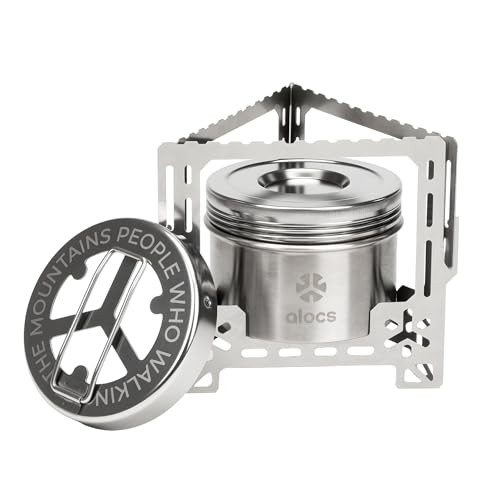
Alocs 2250W Alcohol Camping Stove with Foldable Stand
- ✓ Lightweight and compact
- ✓ Fast boiling time
- ✓ Fuel-efficient design
- ✕ Flame control slightly finicky
- ✕ Limited to alcohol fuel
| Fuel Capacity | 200 ml |
| Burn Time | 45 minutes at high fire, 2 hours at low fire |
| Power Output | 2250W |
| Material | 304 stainless steel |
| Weight | 13.6 oz (385 grams) |
| Dimensions | Compatible with cookware from 3.1 to 10.2 inches in diameter |
The moment I unboxed this Alocs 2250W alcohol camping stove, I was immediately impressed by its sturdy stainless steel build. The weight of just over 13 ounces made me think, “Wow, this is lightweight but feels solid.” Its compact, foldable design means I could toss it into my backpack without fuss.
The first time I lit it up, the instant vaporization technology made ignition a breeze—literally five seconds, and I was boiling water. The heat output is surprisingly powerful, perfect for quick meals or hot drinks after a long day on trail.
I especially loved how quickly it boiled water—just four minutes for a full pot.
The large 200 ml fuel capacity means fewer mid-cook refills, which is a huge plus. The leak-proof silicone seal kept everything neat in my pack, so no worries about spills or fumes.
The adjustable flame lets me simmer gently or crank it up for searing, giving me total control over my cooking.
The rotating flame tech and double-wall structure ensure even heating, which I noticed while frying eggs or boiling pasta. The stable base and robust load capacity let me use heavier cookware without tipping.
Plus, the foldable stand makes setup super quick and space-efficient.
Overall, this stove packs a punch for its size. It’s perfect for quick, efficient outdoor cooking, especially if you value portability and fuel economy.
The only minor downside is that the flame control can take a little getting used to, but it’s a small trade-off for its performance.
Trangia Spirit Burner with Screwcap Alcohol Stove

- ✓ Lightweight and compact
- ✓ Easy to control flame
- ✓ Sealed cap reduces waste
- ✕ No wind protection
- ✕ Limited simmer control
| Fuel Type | Alcohol |
| Boil Time | 8 minutes per liter |
| Weight | 0.24 lbs |
| Fuel Capacity | Not explicitly specified, but designed for portable backpacking use |
| Adjustable Flame Control | Yes, via simmer ring |
| Sealing Mechanism | Cap with O-ring seals to prevent evaporation and fuel wastage |
It’s surprising how a tiny flame can feel so reassuring when you’re out in the wild, especially when you realize this Trangia Spirit Burner can simmer as smoothly as it boils. I was initially expecting a simple, no-frills stove, but then I noticed the simmer ring—how easily it adjusted the flame from a gentle bubble to a full boil.
The compact design instantly caught my eye. At just 0.24 pounds, it’s practically weightless in your pack, yet sturdy enough to withstand rough handling.
The twist-on cap with an O-ring seals tightly, so I didn’t have to worry about fuel evaporating or spilling in my bag.
Using it was straightforward. Filling the burner with alcohol, I appreciated how the simmer ring let me control the heat precisely, perfect for simmering or boiling water.
The flame extinguishes completely when I twist the cap shut, making it safe and easy to pack away without leftover fuel worries.
It’s reliable, with a proven track record spanning decades. The 8-minute boil time per liter is impressive for such a small stove, perfect for quick meals or hot drinks during hikes.
Plus, the none-wash care instructions mean less fuss—just let it cool and pack it up.
Overall, this stove balances simplicity with clever features, making it a favorite for minimalist backpackers. It’s a no-nonsense, efficient, and eco-friendly choice that just works when you need it most.
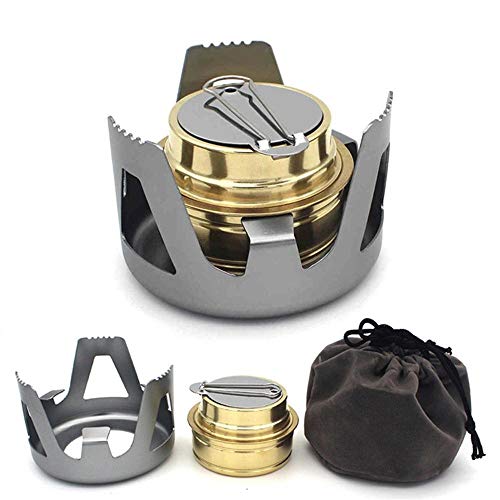
Keweis Portable Mini Alcohol Stove for Camping and Hiking
- ✓ Ultra-lightweight and portable
- ✓ Windproof and stable
- ✓ Leak-proof design
- ✕ Short burn time for larger meals
- ✕ Small size may be tricky to handle
| Weight | 145g (5oz) |
| Dimensions | 3.86 x 3.86 x 2.29 inches |
| Material | Aluminium alloy stove stand and brass stove |
| Burn Time | Approximately 50 minutes per 100ml of alcohol |
| Leak-Proof Features | Rubber O-ring in cover and rubber seal to prevent alcohol leaks and evaporation |
| Temperature Control | Foldable handle with flame regulator for variable flame control |
You’re halfway up the trail, and suddenly your old stove refuses to light or leaks fuel at the worst moment. That’s where the Keweis Portable Mini Alcohol Stove steps in—compact, reliable, and surprisingly efficient for its tiny size.
First thing you notice is how lightweight it feels in your hand, just 145 grams. It’s small enough to slip into your pocket or backpack pocket without adding bulk.
The aluminium alloy stand is sturdy, and the windproof feature really helps when the breeze picks up—no more fighting to keep the flame alive.
The brass stove itself seals tightly thanks to the rubber o-ring, so no alcohol leaks or evaporation, even if you’re bouncing around on uneven terrain. The foldable handle on the flame regulator makes adjusting the heat straightforward, so you can simmer or boil as needed.
I tested it with 100ml of alcohol, and it burned for about 50 minutes. That’s plenty of time for a quick meal or a warm drink after a long hike.
The combustion holes around the stove boost air flow, making the flame burn hot and consistent, which is a lifesaver when you’re in a hurry.
Plus, it’s easy to clean and pack away—just fold the handle, seal the lid, and toss it in your pack. At just $12.99, it feels like a solid investment for anyone who wants a dependable, no-fuss camping stove that won’t weigh down their gear.
What Makes an Alcohol Stove the Best Choice for Backpacking?
The best backpacking alcohol stove is favored for its lightweight design and efficiency in outdoor cooking.
- Lightweight: Alcohol stoves are typically made from lightweight materials, making them easy to carry on long hikes.
- Simplicity: They are straightforward to operate, requiring no complicated setup or maintenance, which is ideal for backpackers.
- Fuel Availability: Alcohol fuel is widely available and easy to transport, reducing concerns about running out of fuel.
- Low Cost: Compared to other types of camping stoves, alcohol stoves are generally more affordable, making them accessible for budget-conscious adventurers.
- Environmental Impact: Alcohol stoves produce less pollution and are often considered more eco-friendly than other fuel options.
Alcohol stoves are typically made from lightweight materials, such as aluminum or titanium, which makes them easy to carry on long hikes. This feature is especially beneficial when every ounce counts in a backpacking scenario, allowing travelers to conserve energy and carry more essential gear.
They are straightforward to operate, requiring no complicated setup or maintenance, which is ideal for backpackers. Users simply fill the stove with alcohol, light it, and can start cooking, which saves time and effort at the campsite after a long day of hiking.
Alcohol fuel is widely available and easy to transport, reducing concerns about running out of fuel. Most backpackers can find denatured alcohol or similar fuel types at camping stores or even in hardware stores, making it convenient to restock on supplies during trips.
Compared to other types of camping stoves, alcohol stoves are generally more affordable, making them accessible for budget-conscious adventurers. Their low price point allows new backpackers to invest in a quality stove without breaking the bank.
Alcohol stoves produce less pollution and are often considered more eco-friendly than other fuel options. They burn cleanly and are less likely to leave behind harmful residues, making them a suitable choice for environmentally conscious hikers who want to minimize their impact on nature.
Which Key Features Should You Consider When Choosing a Backpacking Alcohol Stove?
When choosing the best backpacking alcohol stove, several key features should be considered to ensure optimal performance and convenience.
- Weight: The weight of the stove is crucial for backpacking as every ounce counts. A lighter stove allows for easier transport and less strain during long hikes, making it an essential feature for any backpacker.
- Fuel Efficiency: Fuel efficiency determines how long the stove can run on a given amount of alcohol. A more efficient stove will use less fuel, allowing for longer trips without needing to carry excessive amounts of fuel, which is particularly valuable on multi-day adventures.
- Boil Time: The time it takes for the stove to bring water to a boil is an important factor, especially for those who need to prepare meals quickly. A stove with a shorter boil time can save valuable time during breaks or when setting up camp.
- Stability: A stable stove is vital for safe cooking, particularly on uneven terrain. Look for stoves with a wide base or features that provide support for pots and pans to prevent spills and accidents while cooking.
- Ease of Use: A user-friendly design is important for quick and hassle-free setup. Stoves that ignite easily and have straightforward fuel refilling methods can significantly enhance the cooking experience, especially for novice backpackers.
- Wind Resistance: Wind can dramatically affect cooking efficiency, so stoves with windscreen capabilities or designs that minimize wind impact are beneficial. This feature is essential for maintaining consistent heat and cooking times in variable weather conditions.
- Durability: The materials and construction of the stove influence its longevity and ability to withstand rough conditions. A durable stove will be able to endure the rigors of backpacking and provide reliable performance over time.
- Price: Budget considerations are important, as prices can vary widely among different models. Evaluating the cost against the features and performance will help you find a stove that fits your needs without overspending.
How Do Weight and Portability Impact Your Backpacking Stove Choice?
- Weight: The total weight of the stove can greatly affect your pack load and comfort during long treks.
- Portability: How easily the stove can be packed and carried is essential for minimizing hassle on the trail.
- Fuel Efficiency: The fuel consumption rate impacts how much fuel you need to carry, which is tied to both weight and portability.
- Durability: A stove’s ability to withstand harsh conditions can inform your choice, especially if you’re opting for a lightweight model.
Durability speaks to the stove’s ability to withstand the rigors of outdoor activities. A lightweight stove that is also robust enough to endure being jostled around in a backpack or exposed to the elements can provide peace of mind and longevity, making it a worthwhile investment.
Why Is Fuel Efficiency Critical for Backpacking Alcohol Stoves?
Fuel efficiency is a critical factor when selecting a backpacking alcohol stove, primarily due to the limited space and weight constraints while hiking. The following points highlight its significance:
-
Weight Savings: More fuel-efficient stoves require less fuel for cooking, leading to lighter loads in your pack. For extended trips, minimizing weight can greatly ease the burden on your body.
-
Cost-Effectiveness: Better fuel efficiency translates to longer use from less fuel, allowing you to save money on supplies over time. Fewer refills mean fewer trips to the store or less clutter in your backpack.
-
Cooking Versatility: An efficient stove can boil water and cook meals more quickly, providing flexibility in meal preparation. This becomes particularly useful when you’re on a tight schedule or in adverse weather conditions.
-
Environmental Impact: Using less fuel not only conserves resources but also reduces your carbon footprint on the trail. Keeping your impact minimal supports sustainable backpacking practices.
-
Reliability: Fuel-efficient stoves often deliver consistent results, ensuring that you can always prepare a warm meal or drink, which is essential for maintaining energy levels during long hikes.
Selecting a backpacking alcohol stove focused on fuel efficiency can enhance your overall outdoor experience while also promoting sustainability.
What Are the Advantages of Using Alcohol Stoves Over Other Types of Camp Stoves?
The advantages of using alcohol stoves for camping are numerous, particularly for backpackers seeking lightweight and efficient cooking solutions.
- Lightweight: Alcohol stoves are typically made from lightweight materials, making them ideal for backpackers who need to minimize pack weight.
- Simplicity and Ease of Use: These stoves have a straightforward design and require minimal setup, allowing for quick and hassle-free cooking.
- Fuel Availability: Alcohol fuel is widely available, often found in hardware stores and outdoor shops, making it easy to replenish supplies during trips.
- Low Cost: Generally, alcohol stoves are more affordable compared to other types of camp stoves, making them a budget-friendly option for campers.
- Quiet Operation: Alcohol stoves operate quietly, providing a peaceful cooking experience without the loud noise associated with some gas stoves.
- Environmental Impact: They produce fewer emissions and have a smaller carbon footprint compared to other fuel types, appealing to eco-conscious campers.
- Versatility: Alcohol stoves can be used in various cooking scenarios, from boiling water to simmering meals, making them versatile for different types of backpacking cooking needs.
Lightweight alcohol stoves are advantageous for backpackers due to their minimal weight, which is crucial for long hikes where every ounce counts. Many models weigh less than a pound, allowing hikers to carry them without feeling the burden.
The simplicity and ease of use of alcohol stoves mean that users can quickly ignite them and start cooking without complicated instructions or extensive setup. This is especially beneficial after a long day of hiking when energy levels are low.
Finding alcohol fuel is generally less challenging than sourcing other fuel types, as it is commonly sold in various locations, including gas stations and supermarkets. This makes it convenient for backpackers who need to restock their fuel supply on the go.
The low cost of alcohol stoves makes them accessible for many outdoor enthusiasts. They are often much cheaper than canister or liquid fuel stoves, allowing more campers to enjoy the benefits of outdoor cooking without a significant financial investment.
Alcohol stoves are known for their quiet operation, which enhances the camping experience by allowing users to enjoy the sounds of nature without the distraction of noisy burners. This feature is particularly valued in serene wilderness settings.
From an environmental perspective, alcohol stoves are a greener option, emitting fewer pollutants than many traditional stoves. This makes them a popular choice for environmentally-conscious backpackers looking to minimize their impact on nature.
Finally, the versatility of alcohol stoves allows campers to cook a wide range of meals, from simple instant noodles to more elaborate dishes, making them suitable for different cooking styles and preferences. This adaptability is a strong selling point for those seeking a reliable and functional camping stove.
What Are the Top Recommended Backpacking Alcohol Stoves?
The best backpacking alcohol stoves offer lightweight, efficient, and reliable cooking solutions for outdoor enthusiasts.
- Trangia 27-1 Ultralight Stove: This classic design features a durable aluminum construction and includes a 0.6-liter pot and a frying pan, making it perfect for minimalist cooking.
- Vargo Titanium Alcohol Stove: Known for its ultralight weight and compact size, this stove is made from titanium and provides a high-efficiency burn, ideal for solo backpackers.
- Evernew Titanium Alcohol Stove: This stove is made from high-quality titanium and offers a simple design that ensures efficient fuel use, making it a favorite among long-distance hikers.
- Cat Can Stove: A popular DIY option, this stove is made from a soda can and is highly efficient, lightweight, and easy to make, appealing to budget-conscious backpackers.
- Firefly Alcohol Stove: Featuring a unique design with a built-in simmer ring, this stove allows for better control over the flame, making it versatile for various cooking needs.
The Trangia 27-1 Ultralight Stove is a time-tested option that combines functionality with a lightweight build, making it suitable for both novice and experienced backpackers. Its integrated cooking setup minimizes the need for extra gear while ensuring even heat distribution.
The Vargo Titanium Alcohol Stove stands out due to its exceptionally low weight and compact nature, making it an excellent choice for ultralight backpacking. Its design maximizes efficiency, allowing hikers to boil water quickly using minimal fuel.
The Evernew Titanium Alcohol Stove is celebrated for its reliability and efficiency. Its construction from premium titanium not only makes it lightweight but also resistant to corrosion, ensuring it lasts through multiple trips.
The Cat Can Stove is a favorite among DIY enthusiasts, as it can be easily crafted from a soda can, offering an economical and lightweight solution. Despite its simple construction, it performs well, making it an effective choice for those looking to save on both weight and cost.
The Firefly Alcohol Stove is designed with versatility in mind, featuring a simmer ring that provides better control of the flame. This makes it suitable for a range of cooking tasks, from boiling water to simmering meals, appealing to backpackers who value flexibility in their cooking methods.
How Can You Effectively Use and Maintain Your Backpacking Alcohol Stove?
Effectively using and maintaining your backpacking alcohol stove ensures optimal performance and longevity.
- Choosing the right alcohol fuel: Using high-proof denatured alcohol or isopropyl alcohol is essential for efficient burning and heat output. These fuels are widely available and burn cleanly, minimizing residue buildup in your stove.
- Setting up your stove properly: Ensure that your stove is placed on a stable and level surface away from flammable materials. A windscreen can be beneficial to protect the flame from gusts of wind, which can affect cooking efficiency and safety.
- Measuring fuel accurately: Using the right amount of fuel will maximize cooking efficiency and minimize waste. Typically, 1 ounce of alcohol can boil about 2 cups of water, so measuring your fuel can help you avoid carrying excess weight.
- Cleaning your stove regularly: After each trip, inspect your stove for soot and debris, particularly around the burner holes. A simple wipe-down with a damp cloth can prevent buildup that might affect performance in future outings.
- Storing fuel safely: Always store alcohol fuel in a dedicated, approved container that is leak-proof and clearly labeled. Keeping fuel away from direct sunlight and extreme temperatures will help maintain its integrity and prevent accidents.
- Practicing fire safety: Always have a plan for managing flames, including keeping a fire extinguisher or water nearby. Familiarizing yourself with the stove’s operation before heading into the field can help prevent mishaps and ensure a safe cooking experience.
What Safety Precautions Should You Observe When Using an Alcohol Stove?
When using an alcohol stove, it’s essential to observe specific safety precautions to ensure a safe and enjoyable cooking experience.
- Use in a well-ventilated area: Always use your alcohol stove in an open outdoor space to prevent the accumulation of potentially harmful fumes.
- Keep flammable materials away: Ensure that all flammable items, such as tents, clothing, and food packaging, are kept at a safe distance from the stove to avoid accidental fires.
- Handle with care: Alcohol stoves can become hot during use; always use pot holders or gloves when handling pots or adjusting the stove.
- Store fuel safely: When not in use, keep your alcohol fuel in a sealed, designated container away from heat sources and direct sunlight to reduce the risk of leaks and explosions.
- Monitor the stove: Never leave the stove unattended while it is lit, as this increases the risk of accidents and fires.
- Know how to extinguish flames: Familiarize yourself with proper extinguishing methods, such as using a metal lid or a fire blanket, to quickly and safely put out any flames that may occur.
Using an alcohol stove in a well-ventilated area is crucial because the combustion of alcohol releases fumes that can be harmful in enclosed spaces. Setting up in an open area ensures that any smoke or gases disperse quickly, reducing health risks.
Keeping flammable materials away from the stove is vital to avoid accidents. Alcohol stoves produce an open flame, and having nearby combustibles can easily ignite, leading to dangerous situations.
Handling the stove with care is important since the stove and its components can reach high temperatures. Always use protective gear like gloves or pot holders when adjusting or moving hot items to prevent burns.
Storing fuel safely is necessary to prevent leaks and potential fires. Alcohol fuel should be kept in a specific container designed for flammable liquids, away from heat sources to minimize risk.
Monitoring the stove while it is in use is essential for safety. An unattended stove can lead to uncontrolled flames or spills, which can quickly escalate into larger fires.
Knowing how to extinguish flames is a critical safety skill. Having a plan in place to safely put out a fire can make the difference in preventing a minor incident from becoming a major hazard.
Related Post: