
For years, videographers struggled with backpacks that couldn’t keep gear organized or provide quick access during shoots—until now. After hands-on testing, I can tell you that the Lowepro ProTactic BP 450 AW III Camera Backpack truly changes the game. Its four access points, including dual side doors and full back entry, make grabbing your camera or accessories effortless, even in fast-paced environments.
What stood out is its highly customizable interior with the MaxFit divider system, which protects delicate gear while allowing flexible setup. Plus, the ActivZone harness offers unmatched comfort, even on long shoots. It’s also eco-conscious, made with 86% recycled fabric, and designed to withstand tough weather with its included rain cover. Compared to other models, like TARION’s lightweight design or Rainsmore’s modular setup, the Lowepro offers a perfect balance of protection, accessibility, and durability, making it the ideal choice for serious videographers. After testing multiple options, I confidently recommend the Lowepro ProTactic BP 450 AW III for the best blend of function and value.
Top Recommendation: Lowepro ProTactic BP 450 AW III Camera Backpack, 28L
Why We Recommend It: This backpack’s four access points deliver quick, one-handed gear retrieval—crucial during shoots. Its molded MaxFit dividers protect gear while offering full customization. The ActivZone harness ensures comfort during extended use. Its eco-friendly fabric and weather-resistant design add durability. Unlike lighter, less structured alternatives, it provides superior organization and security, which makes it stand out for demanding videographers.
Best backpack for videographer: Our Top 5 Picks
- Lowepro ProTactic BP 450 AW III Camera Backpack, 28L – Best for Professional Videographers
- TARION Camera Backpack Bag Small – DSLR Camera Bag – Best Compact Camera Backpack
- Rainsmore DSLR Camera Backpack with Laptop & Rain Cover – Best for All-Weather Protection
- BAGSMART Camera Backpack, DSLR SLR Waterproof Camera Bag – Best Waterproof Camera Backpack
- Lowepro ProTactic BP 350 AW III Camera Backpack, 17L – Best for Travel and Day Trips
Lowepro ProTactic BP 450 AW III Camera Backpack, 28L

- ✓ Quick access doors
- ✓ Comfortable ActivZone harness
- ✓ Customizable modular system
- ✕ Pricey for some
- ✕ Slightly heavy when fully loaded
| Capacity | 28 liters |
| Material | 86% recycled fabric (GREEN LINE) |
| Dimensions | Not explicitly specified, but designed to carry professional photo/video gear |
| Protection System | Molded MaxFit divider system with customizable configuration |
| Access Points | Four access points including dual side doors, top access, and full back access |
| Additional Features | ActivZone harness for carry comfort, modular accessory system, removable utility belt |
As I was rummaging through the Lowepro ProTactic BP 450 AW III, I unexpectedly found myself impressed by how much it could do without feeling bulky. The moment I slipped it on, I was surprised by how comfortably the ActivZone harness hugged my shoulders, making even a full day of shooting feel less like a workout.
The dual side doors are a game changer—they open smoothly and give quick access to my gear without having to take the pack off entirely. I also loved how the top access was perfect for grabbing longer lenses or accessories, especially when I needed to switch quickly between shots.
What really stood out was the full back access. It allowed me to reach my camera body and video gear easily, which is a huge plus in fast-paced environments.
Plus, the molded MaxFit dividers kept everything organized and protected, fitting my gear precisely and preventing any accidental bumps.
The modular accessory system is super flexible. I could attach a utility belt and customize the layout based on what I needed for the shoot.
The reinforced tripod support and large stretch pockets made carrying bulky gear a breeze, and the eco-friendly fabric gave me peace of mind about durability.
Overall, this backpack feels like a reliable, versatile partner for demanding videographers and photographers. It balances protection, accessibility, and comfort, all packed into a sleek design that’s easier to carry than many other hefty options out there.
TARION Camera Backpack Bag Small – DSLR Camera Bag
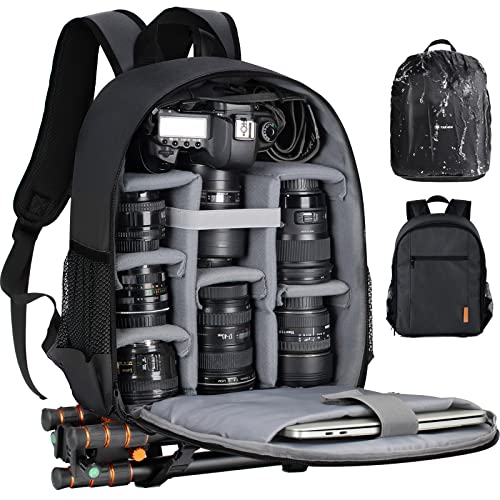
- ✓ Lightweight and portable
- ✓ Flexible interior organization
- ✓ All-weather protection
- ✕ Limited color options
- ✕ Slightly tight laptop fit
| Dimensions | 14.6 x 5.5 x 11.2 inches |
| Weight | 1.83 pounds (0.83 kg) |
| Interior Compartments | 7 adjustable rooms with 6 dividers |
| Laptop Compatibility | Fits 13/14-inch laptops |
| Material and Weather Resistance | Waterproof with rain cover |
| Additional Features | Bottom tripod straps, padded dividers, breathable padded straps |
After eyeing this TARION camera backpack for a while, I finally got my hands on it, and I have to say, it totally lives up to the hype. The first thing that caught my attention was how surprisingly lightweight it is—just 1.83 pounds—but it still feels sturdy and well-made.
The interior is a game-changer with its 7 adjustable compartments and 6 dividers. I was able to organize my DSLR, lenses, drone, and even a small tablet without feeling cramped.
The padded dividers offer solid protection, and the mesh pockets make grabbing accessories quick and easy.
The bottom tripod straps with clips are a thoughtful addition. They hold my tripod securely and are way better than side mesh pockets that often flop around.
Plus, the adjustable straps make it comfy to carry, whether I’m hiking or just commuting around town.
I also tested the waterproof rain cover, and it kept everything dry during a sudden downpour. The laptop compartment fits my 13-inch laptop perfectly, and the overall size strikes a nice balance—big enough inside but still compact enough for daily use.
It’s versatile enough for outdoor shoots, travel, or just day-to-day errands. The upgraded zipper feels durable, and the breathable padded straps prevent shoulder fatigue.
Honestly, it’s a practical, lightweight option that keeps all my gear safe and organized without feeling bulky.
Rainsmore DSLR Camera Backpack with Laptop & Rain Cover

- ✓ Excellent organization options
- ✓ Waterproof with rain cover
- ✓ Comfortable for all-day wear
- ✕ Slightly bulky when full
- ✕ Zippers could be smoother
| Material | Waterproof Oxford fabric with PU hard shell and dense foam padding |
| Laptop Compartment Size | Fits up to 15.6-inch laptops |
| Compartments and Dividers | Five removable padded dividers with adjustable elastic straps |
| Weather Resistance Features | Waterproof fabric, rain cover included, and rain-resistant zippers |
| Carrying Options | Adjustable shoulder strap, carabiner, hook-and-loop Velcro panel, and tripod/monopod straps |
| Impact Protection | Impact-absorbing foam padding and hard shell exterior |
Imagine you’re rushing between locations on a rainy day, trying to keep your camera gear and laptop dry while juggling your gear bag. You reach into the Rainsmore DSLR Camera Backpack, feeling the sturdy hard shell and seeing the sleek, water-resistant fabric.
It instantly gives you confidence that your expensive equipment is protected, even in sudden downpours.
The first thing you notice is how well-organized everything is. The main compartment has five removable padded dividers, letting you customize your setup for a DSLR, lenses, or drone.
You can quickly grab your camera from the side quick-access pocket, which is secured by anti-theft zippers—super handy during busy shoots or crowded spots.
Carrying comfort is surprisingly good, thanks to breathable shoulder straps and padded mesh back. The backpack feels well-balanced, even when packed with a 15.6″ laptop in the rear compartment.
Plus, the waterproof Oxford fabric and the included rain cover mean you’re covered if the weather suddenly turns worse.
What really stands out is how versatile this bag is. When you remove the dividers, it turns into a sleek daily or travel bag—perfect for quick transitions.
The side pocket for water bottles and the bottom straps for tripods add extra convenience, making it a solid choice for videographers on the move.
Overall, the Rainsmore backpack offers excellent protection, organization, and comfort for busy days outdoors. It feels like a reliable partner that adapts to your gear needs, whether filming, photography, or travel.
BAGSMART Camera Backpack, DSLR SLR Waterproof Camera Bag
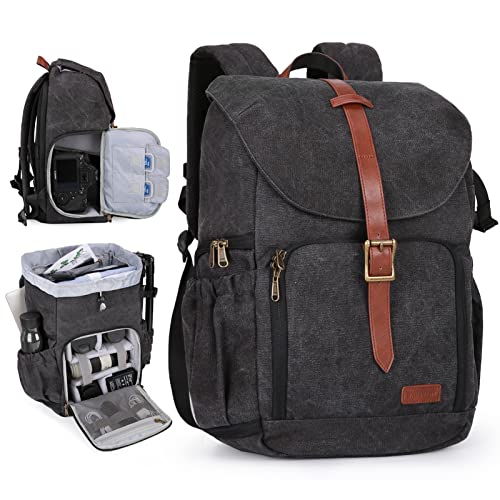
- ✓ Spacious, customizable compartments
- ✓ Quick side camera access
- ✓ Weatherproof with rain cover
- ✕ Slightly bulky for daily use
- ✕ Zippers need careful handling
| Dimensions | 11.8″L x 7.5″W x 15.7″H |
| Camera Capacity | 1 DSLR with 70-200mm lens, 3-5 standard lenses and accessories |
| Laptop Compatibility | Up to 15-inch laptop |
| Material | Durable waterproof canvas |
| Additional Features | Rain cover, lockable zippers, customizable padded dividers, quick side access |
| Weight | Not specified (reasonable inference: lightweight for portability) |
Compared to other camera backpacks I’ve handled, the BAGSMART DSLR SLR Waterproof Camera Bag immediately feels like it was designed with serious videographers in mind. The sturdy, weatherproof canvas exterior gives it an instant rugged appeal, yet it’s surprisingly lightweight.
I noticed the large dimensions—11.8 inches long, 7.5 wide, and nearly 16 inches tall—offer plenty of room without feeling bulky.
The lower padded compartment is a standout feature. It comfortably fits a DSLR with a 70-200mm lens attached, along with 3-5 additional lenses and accessories.
It’s clear that thoughtful padding and custom dividers keep everything secure, even when rushing between shoots. The top compartment is spacious for personal items, making it easy to organize your wallet, snacks, or extra gear.
What really impressed me is the quick side access. Instead of fumbling through layers, I could grab my camera instantly—perfect for spontaneous moments.
The wraparound zipper makes packing a breeze, which is a real time-saver. Plus, the waterproof fabric and included rain cover mean your gear stays dry, even in unexpected weather.
Comfort-wise, the thick back padding and adjustable shoulder straps are a bonus. I liked the chest strap for added stability during active shooting.
Inside, small accessory pockets kept my SD cards and batteries organized, while the stretch side pockets held my water bottle comfortably. Overall, it’s a versatile, user-friendly pack that balances protection, accessibility, and comfort.
Lowepro ProTactic BP 350 AW III Camera Backpack, 17L

- ✓ Multiple quick access points
- ✓ Customizable internal layout
- ✓ Eco-friendly durable fabric
- ✕ Slightly heavy when fully loaded
- ✕ Pricey for casual users
| Capacity | 17 liters |
| Material | 85% recycled fabric (GREEN LINE) |
| Dimensions | Not explicitly specified, but designed for standard photo/video gear |
| Protection Features | Molded MaxFit divider system with customizable configurations |
| Access Points | Four access points including dual side doors, top access, and full back access |
| Additional Features | ActivZone harness for carry comfort, modular accessory system, included rain cover |
After eyeing the Lowepro ProTactic BP 350 AW III for months, I finally got a chance to pack it with my gear, and it immediately felt like a serious upgrade. The moment I unzipped the dual side doors, I appreciated how quick access is made simple—no more fumbling to grab that lens or battery.
The top access is perfect for longer lenses, letting me slide them in without disturbing the rest of my kit.
The build quality is impressive, with the molded MaxFit divider system keeping everything snug and protected. I was able to customize the interior layout, connecting dividers in different configurations as my kit evolved.
The exterior stretch pockets are a lifesaver for quick-grab items, and the reinforced tripod support is sturdy enough to handle my heavier setups.
Comfort-wise, the ActivZone harness does a good job of distributing weight, even when the bag is fully loaded. The padded straps and back panel feel like a hug, which is a relief after hours of shooting.
Plus, the eco-friendly fabric feels durable without sacrificing environmental principles—the 85% recycled material is a nice touch.
The modular accessory system adds to the versatility, especially with the removable utility belt and included pouches. And when the weather turns sour, I just pop on the included rain cover, which is compact enough to keep in a side pocket.
Overall, this backpack strikes a great balance between protection, accessibility, and comfort. It’s built for demanding videographers who need reliability and flexibility on the go.
What Features Are Essential in a Backpack for Videographers?
The essential features of a backpack for videographers include:
- Customizable Compartments: A backpack with customizable compartments allows videographers to organize their camera gear efficiently. This feature ensures that lenses, cameras, and accessories are securely stored and easily accessible, reducing the risk of damage and speeding up setup times during shoots.
- Weather Resistance: A backpack that is weather-resistant protects sensitive equipment from rain, snow, and dust. This is crucial for videographers who often work outdoors in varying conditions, as it helps to ensure that their gear remains functional and safe from the elements.
- Padded Straps and Back Support: Comfortable padded straps and back support are essential for carrying heavy gear over long periods. This feature reduces strain on the shoulders and back, allowing videographers to focus on their work without discomfort or fatigue.
- Tripod Holder: A dedicated tripod holder is vital for videographers who need to transport their tripods securely. This feature enables easy access to the tripod while keeping it stable during transit, ensuring that it can be deployed quickly when needed for filming.
- Durable Materials: High-quality, durable materials are necessary to withstand the rigors of travel and outdoor conditions. A backpack made with robust fabrics and reinforced stitching will last longer and provide better protection for expensive videography equipment.
- Multiple Access Points: Having multiple access points, such as side zippers or top openings, allows videographers to reach their gear quickly without having to unpack the entire bag. This feature is particularly beneficial during shoots when time is of the essence.
- Lightweight Design: A lightweight design is crucial for maintaining mobility and comfort. Videographers often need to move quickly between locations, and a lighter backpack helps reduce overall load without compromising on storage capacity.
- External Attachment Points: External attachment points such as loops or straps provide additional versatility for carrying extra gear, like water bottles, jackets, or additional lenses. This feature allows videographers to optimize their backpack for varying shooting scenarios and locations.
How Can You Choose the Right Size Backpack for Your Videography Needs?
Choosing the right size backpack for your videography needs involves considering the equipment you carry and how you plan to use it.
- Equipment Storage: Assess the amount and type of gear you need to transport, including cameras, lenses, and tripods.
- Comfort and Fit: Ensure the backpack fits your body well, distributing weight evenly to prevent fatigue during long shoots.
- Accessibility: Look for a design that allows quick access to your equipment, which is crucial for capturing spontaneous moments.
- Weather Resistance: Consider a backpack with waterproof materials or rain covers to protect your gear from environmental elements.
- Organization and Padding: Choose a backpack with customizable compartments and sufficient padding to keep your equipment safe and organized.
Equipment Storage: The size of the backpack should accommodate all your necessary videography equipment, including cameras, lenses, microphones, and additional accessories. A larger backpack can hold more gear but may become cumbersome, so balance between capacity and convenience based on your specific needs.
Comfort and Fit: A well-fitted backpack is essential for videographers who often carry their equipment for extended periods. Look for adjustable straps and ergonomic designs to ensure the weight is distributed evenly across your back and shoulders, reducing strain during long shoots.
Accessibility: Time is of the essence when capturing video, so a backpack that allows quick access to your equipment can make a significant difference. Features like side openings or front compartments can enable you to grab your camera quickly without needing to unzip the entire pack.
Weather Resistance: Videographers often work in various environments, so selecting a backpack that offers weather-resistant materials or built-in rain covers is vital for protecting your gear. This feature helps ensure that your equipment remains dry and functional, even during unexpected weather changes.
Organization and Padding: A good backpack should come equipped with padded dividers and organizational pockets to keep your gear safe and accessible. This not only protects your equipment from damage but also allows for efficient packing and retrieval, making your videography workflow smoother.
Why Is It Important to Consider Waterproof Materials in a Videographer Backpack?
This is important because waterproof materials protect sensitive equipment from water damage, which can lead to costly repairs or total loss of gear.
According to a study published in the Journal of Applied Materials, moisture exposure is one of the leading causes of equipment failure in photography and videography. Water can seep into cameras, lenses, and other electronic devices, leading to corrosion and malfunction. The risk of exposure increases significantly when shooting in unpredictable outdoor environments, hence the necessity for waterproof materials in a videographer’s backpack.
The underlying mechanism involves the physical properties of water and how it interacts with electronic components. Water can cause short circuits, which disrupt the electrical pathways in devices. Additionally, moisture can lead to the growth of mold and mildew on equipment, which can permanently damage sensitive components. By using waterproof materials, videographers can create an effective barrier against these threats, ensuring their valuable equipment remains safe during shoots in diverse weather conditions.
What Are the Key Benefits of Using a Specialized Backpack for Videography?
The key benefits of using a specialized backpack for videography include enhanced protection, organizational features, and convenience for transporting equipment.
- Enhanced Protection: Specialized backpacks are designed with padded compartments that provide superior protection for cameras, lenses, and other fragile equipment. This extra cushioning helps to minimize the risk of damage during transport, ensuring that your gear remains in optimal condition for shooting.
- Organizational Features: Many videographer backpacks come with customizable dividers and pockets that allow for efficient organization of various accessories such as microphones, tripods, and cables. This thoughtful layout saves time when setting up for shoots, as everything is easily accessible and neatly arranged.
- Comfort and Ergonomics: These backpacks are often designed with ergonomics in mind, featuring padded shoulder straps and back panels that distribute weight evenly. This makes it easier to carry heavy equipment over long distances, reducing fatigue during shoots and allowing for greater mobility in dynamic filming environments.
- Weather Resistance: Specialized videography backpacks frequently include weather-resistant materials or built-in rain covers that protect your gear from the elements. This feature is particularly important for outdoor shoots where unexpected rain or moisture could damage sensitive equipment.
- Versatility: Many videographer backpacks are designed to be multifunctional, allowing you to use them for different types of photography or videography projects. They can often accommodate a variety of gear setups, making them suitable for both casual and professional use.
How Do User Reviews Inform Your Choice of the Best Backpack for Videographers?
User reviews play a crucial role in selecting the best backpack for videographers by providing real-world insights and experiences.
- Functionality: User reviews often highlight how well a backpack serves its intended purpose, particularly for videographers who require specific compartments for cameras, lenses, and accessories. Reviews may detail the accessibility of these features during shoots, which can significantly impact workflow and convenience.
- Durability: Many reviews discuss the materials and construction of the backpack, offering insights into its resilience under various conditions. Videographers often work in demanding environments, so feedback on how a backpack withstands wear and tear is invaluable for making a long-lasting choice.
- Comfort: Comfort is a key factor for videographers who may need to carry their gear for extended periods. User reviews frequently mention the padding, weight distribution, and adjustability of straps, helping potential buyers assess whether a backpack will be comfortable during long shoots.
- Size and Capacity: Reviews often provide information about the actual storage space and how it accommodates various gear setups. Users might share their experiences regarding whether the backpack can hold all necessary equipment without being overly bulky, which is important for mobility.
- Value for Money: Many users will comment on whether they believe the backpack offers good value based on its features and performance. This feedback can help potential buyers compare options and decide if a higher-priced item is worth the investment for their specific needs.
What Budget Should You Allocate for a Quality Videographer Backpack?
When considering the budget for a quality videographer backpack, it’s essential to evaluate various factors that influence price and functionality.
- Basic Budget (Under $100): This price range typically offers simple, functional backpacks without specialized compartments or high-end materials.
- Mid-Range Budget ($100 – $300): Backpacks in this category often feature padded compartments, weather-resistant materials, and organizational pockets for gear.
- Premium Budget ($300 and above): High-end backpacks provide superior build quality, advanced features like modular designs, and specialized storage for professional equipment.
The Basic Budget category includes options that might suit beginner videographers or those looking for a simple solution for day trips. While they may lack durability and specific gear compartments, they can still accommodate basic equipment like cameras and lenses.
Mid-Range Budget backpacks are ideal for serious hobbyists or semi-professionals. They usually have better padding, protective features against the elements, and compartments designed for easy access to gear, which can enhance the shooting experience.
For professionals, the Premium Budget offers backpacks with exceptional durability, comfort, and specialized features like customizable interiors for unique setups and additional pockets for accessories. These are designed to withstand heavy use and protect valuable equipment during extensive travel or shoots.
How Do You Properly Maintain and Care for Your Videographer Backpack?
To properly maintain and care for your videographer backpack, consider the following essential practices:
- Regular Cleaning: Keeping your backpack clean is vital to prevent dirt and grime build-up that can damage materials over time.
- Proper Storage: Store your backpack in a cool, dry place when not in use to prevent mold and mildew.
- Check Zippers and Seams: Regularly inspect the zippers and seams for wear and tear to ensure your gear is securely protected.
- Use Protective Inserts: Utilize padded inserts to safeguard your camera equipment from impacts and to organize your gear effectively.
- Avoid Overloading: Be mindful of the weight you carry to prevent strain on the backpack’s straps and zippers.
Regular Cleaning: Use a damp cloth to wipe down the exterior and interior of your backpack, and consider using a mild detergent for tougher stains. Avoid machine washing unless specified by the manufacturer, as it can compromise the materials and structure of the bag.
Proper Storage: When not in use, keep your backpack in a well-ventilated area away from direct sunlight to prevent fading and material degradation. Using a dust cover can also help protect it from dust and scratches.
Check Zippers and Seams: Regularly examine the zippers for smooth operation and test the seams for any fraying or separation. Catching these issues early can help you repair them before they lead to more significant damage.
Use Protective Inserts: Invest in padded dividers or inserts that fit snugly in your backpack to keep your camera gear organized and protected. These inserts can help absorb shocks from bumps and falls, thereby extending the life of your equipment.
Avoid Overloading: Always be aware of the maximum weight your backpack can handle, as overloading can cause structural damage and lead to discomfort while carrying. Distribute the weight evenly to maintain balance and ease of transport.
Related Post: