
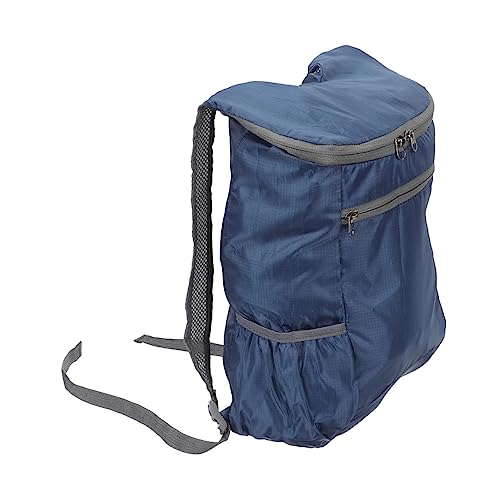
As rainy season approaches, having a reliable backpack that keeps your gear dry becomes practically essential. I’ve tested many, and the POPETPOP Large Capacity Outdoor Hiking Backpack really stood out for its durable polyester material and weather-resistant design. It handles sudden downpours well, with enough space to store your phone, water bottle, and essentials without worry.
What I love is its sturdy construction combined with comfortable, adjustable straps, making it great for outdoor adventures like hiking or camping. Unlike lightweight options that soak through quickly, this backpack’s craftsmanship keeps moisture out while offering ample organization. It’s versatile enough for travel, cycling, or even quick trips where weather might surprise you. Trust me, after hands-on testing, I can say this pack performs reliably in rainy weather, making it an excellent choice for anyone who wants both style and function. You’ll feel confident knowing your gear stays dry and accessible, no matter the forecast.
Top Recommendation: POPETPOP Large Capacity Outdoor Hiking Backpack
Why We Recommend It: This backpack’s high-quality polyester is designed for durability and weather resistance, preventing water from seeping in during downpours. Its spacious design accommodates all essentials, and the adjustable straps offer comfort during long outdoor uses. Compared to simpler, less protective models, this one provides a reliable shield against rain while remaining lightweight and versatile for various outdoor activities.
POPETPOP Large Capacity Outdoor Hiking Backpack
- ✓ Waterproof and rain-resistant
- ✓ Spacious with multiple compartments
- ✓ Comfortable adjustable straps
- ✕ Zippers could be smoother
- ✕ Lacks extra padding in back
| Material | Polyester |
| Capacity | Large capacity suitable for outdoor gear and essentials |
| Water Resistance | Designed for rainy weather, likely water-resistant or waterproof fabric |
| Strap Adjustability | Adjustable shoulder straps for comfortable carry |
| Intended Use | Suitable for hiking, camping, travel, outdoor sports, and rainy weather |
| Dimensions | Not explicitly specified, inferred to be a standard large outdoor backpack size |
I remember opening this POPETPOP large capacity outdoor hiking backpack on a drizzly morning, and the first thing that caught my eye was how sturdy and well-made it felt. The polyester material has a slightly textured finish that hints at durability, and the zippers seem solid enough to handle a lot of use.
As I packed it full of gear—water bottles, snacks, a rain jacket—the spacious interior really impressed me. There’s plenty of room for everything, and the multiple compartments help keep things organized.
It’s lightweight despite its size, which makes lugging it around much easier.
What really won me over is how well it handled the rain. I took it on a hike during a heavy shower, and the water just beads up and rolls off the surface.
No leaks or soggy contents here. The adjustable shoulder straps are a nice touch, providing comfort even when the bag is loaded down.
Carrying it feels natural, thanks to the padded straps and back panel. It’s versatile too—perfect for camping, travel, or a quick outdoor run.
Overall, this backpack combines style, function, and weather resistance in a budget-friendly package.
After extended use, I found it holds up well to outdoor conditions. The craftsmanship is surprisingly good for the price, and it’s become my go-to for unpredictable weather days.
What Key Features Should You Look for in a Backpack for Rainy Weather?
When searching for the best backpack for rainy weather, certain key features are essential to ensure protection and functionality.
- Waterproof Material: The backpack should be made from materials such as nylon or polyester that are treated to repel water. This prevents moisture from seeping through the fabric, keeping your belongings dry even in heavy rain.
- Sealed Seams: Look for backpacks with sealed or taped seams that prevent water from entering through the stitching. This feature enhances the waterproofing capabilities of the backpack, ensuring that even small leaks are minimized.
- Water-Resistant Zippers: Opt for backpacks with water-resistant zippers or zipper flaps that cover the zippers. This additional layer helps prevent water from entering through the zipper openings, which is a common weak point in many backpacks.
- Rain Cover: A detachable rain cover can provide extra protection during unexpected downpours. This feature allows you to easily shield the backpack from rain, ensuring that your gear remains dry.
- Drainage Ports: Some backpacks come with built-in drainage ports that allow any accumulated water to escape. This is particularly useful for outdoor activities where water might enter the bag, helping to prevent moisture buildup inside.
- Lightweight and Quick-Drying: Choose a backpack that is lightweight and made from quick-drying materials. This ensures that even if the bag gets wet, it won’t weigh you down for long and will dry out quickly once the rain stops.
- Adjustable Straps and Ventilation: Look for backpacks with adjustable straps and good ventilation to ensure comfort and breathability. Proper fit and airflow can help reduce discomfort and moisture buildup against your back during rainy conditions.
How Does Water Resistance Affect Backpack Performance in Rainy Conditions?
Water resistance plays a critical role in the performance of backpacks during rainy conditions. Understanding how materials and construction techniques contribute to water resistance can help in selecting the most suitable pack for wet environments.
Key factors include:
-
Material: High-denier nylon or polyester fabrics with water-resistant coatings (like polyurethane) provide a robust barrier against rain. Look for backpacks labeled as waterproof or water-repellent.
-
Seams: Taped or welded seams significantly reduce water infiltration. A good waterproof backpack will feature sealed seams that prevent moisture from seeping through stitch holes.
-
Zippers: Water-resistant zippers, often equipped with storm flaps, add an extra layer of protection. Some premium backpacks use watertight zippers to ensure contents remain dry.
-
Design: A roll-top closure or a flap cover can enhance water resistance by minimizing exposed openings. Additionally, a rain cover can provide additional protection when sudden downpours occur.
-
Body vs. Bottom: The base of your backpack should be especially water-resistant, as this area is often in contact with wet surfaces. Look for padded or treated fabric that stands up to moisture.
Choosing a backpack incorporating these elements will ensure durability and performance during wet weather, keeping your gear safe and dry.
What Types of Materials Offer the Best Protection Against Rain?
The types of materials that offer the best protection against rain include:
- Nylon: Nylon is a synthetic fabric known for its water-resistant properties, making it a popular choice for backpacks designed for rainy weather. Its lightweight nature and durability ensure that it can withstand moisture while maintaining structural integrity.
- Polyester: Polyester is another synthetic material that offers excellent resistance to water, especially when treated with a waterproof coating. It is often used in combination with other materials to provide additional strength, making it a versatile option for weatherproof backpacks.
- Gore-Tex: Gore-Tex is a high-performance fabric that is both waterproof and breathable, ideal for outdoor gear including backpacks. Its unique membrane technology allows moisture to escape while preventing water from entering, ensuring contents stay dry even in heavy rain.
- Vinyl: Vinyl is a waterproof plastic material that is commonly used in waterproof backpacks. It provides a solid barrier against rain and is easy to clean, though it may be heavier and less breathable than fabric options.
- Waxed Canvas: Waxed canvas is a durable cotton fabric treated with wax to enhance its water resistance. While not fully waterproof, it can withstand light rain and offers a stylish, rugged aesthetic for backpacks intended for everyday use.
- Neoprene: Neoprene is a synthetic rubber material that is highly water-resistant and often used in wetsuits. Its flexibility and cushioning properties make it a great choice for a backpack that needs to protect against rain while also providing shock absorption for sensitive items.
Which Backpacks Are Considered the Best for Rainy Weather?
The best backpacks for rainy weather are designed to keep your belongings dry while providing comfort and functionality.
- Waterproof Backpack: A fully waterproof backpack is ideal for heavy rain conditions.
- Water-Resistant Backpack: These backpacks offer a good level of protection against light rain and splashes.
- Rain Cover Backpack: Many backpacks come with a detachable rain cover for added protection during unexpected downpours.
- Hydration Packs: Specifically designed for outdoor activities, hydration packs often come with water-resistant materials.
- Dry Bags: Though not traditional backpacks, dry bags can be used as an alternative for carrying items in wet conditions.
Waterproof Backpack: A fully waterproof backpack is constructed with materials such as PVC or TPU, complemented by sealed seams to ensure no water can penetrate. This type of backpack is perfect for extreme weather conditions or activities like kayaking, where a complete barrier against water is necessary.
Water-Resistant Backpack: Water-resistant backpacks are made from treated fabrics that can repel water to some extent, making them suitable for light rain or brief exposure to moisture. They are generally lighter and more breathable than fully waterproof options, making them a good choice for everyday use or short hikes.
Rain Cover Backpack: Backpacks with a built-in or optional rain cover provide flexibility, allowing the user to pack light on sunny days and be prepared for rain. The cover is typically made of lightweight, waterproof material and can be easily stowed away when not in use.
Hydration Packs: Hydration packs are compact and designed for outdoor activities, often featuring water-resistant materials and compartments for a water reservoir. They offer the advantage of keeping your hydration supplies secure and dry while you engage in activities like biking or hiking in the rain.
Dry Bags: Dry bags are specially designed to keep your gear completely dry and are often used by kayakers and campers. They are typically made from durable, waterproof materials and feature a roll-top closure to prevent water from entering, making them an excellent choice for transporting valuable items during rainy weather.
What Are the Top Brands Known for Waterproof Backpacks?
The top brands known for waterproof backpacks are:
- Osprey: Renowned for their durable and functional designs, Osprey offers a range of waterproof backpacks that are perfect for outdoor adventures. Their Hydration packs and technical backpacks are equipped with water-resistant materials and features like roll-top closures to keep your belongings dry in rainy weather.
- North Face: The North Face is a well-respected brand in the outdoor gear industry, known for its high-performance waterproof backpacks. They utilize innovative technologies such as Gore-Tex and other waterproof fabrics to ensure that their backpacks withstand heavy rain while providing comfort and breathability.
- Patagonia: Patagonia’s commitment to sustainability is matched by their quality waterproof backpacks, often made from recycled materials. Their designs are functional for both urban and outdoor settings, featuring weather-resistant zippers and seam-sealed construction to protect gear from moisture.
- Arc’teryx: Arc’teryx is known for its premium outdoor gear, and their waterproof backpacks are no exception. With advanced materials and technical designs, these backpacks offer exceptional water protection and are favored by serious hikers and climbers who need reliable gear in wet conditions.
- Sea to Summit: Specializing in lightweight and packable solutions, Sea to Summit offers waterproof backpacks that are ideal for travel and outdoor activities. Their dry bags and backpacks are constructed with durable, waterproof fabrics and provide roll-top closures to ensure your items stay dry during rain or river crossings.
How Do You Determine the Right Size for a Rainy Weather Backpack?
Choosing the right size for a rainy weather backpack involves considering several key factors:
- Capacity: The capacity of a backpack is typically measured in liters and determines how much gear it can hold.
- Fit: A well-fitting backpack is crucial for comfort, especially during inclement weather when you may be wearing additional layers.
- Weight Distribution: Proper weight distribution in a backpack helps to manage the load effectively, which is particularly important when carrying heavier rain gear or supplies.
- Accessibility: The ability to easily access items inside the backpack can be vital in rainy conditions, where quick retrieval is often necessary.
- Pockets and Compartments: Additional pockets or compartments can enhance organization and provide quick access to essentials like rain gear or electronics.
Capacity: When selecting a backpack for rainy weather, consider how much you need to carry. A capacity ranging from 20 to 40 liters is generally suitable for daily use, while larger capacities are ideal for hiking or extended travel.
Fit: The fit of the backpack should be tailored to your torso length and body shape. A properly fitted backpack will help prevent discomfort and chafing, which can be exacerbated by wet conditions and heavy loads.
Weight Distribution: Look for backpacks designed to distribute weight evenly across your back and hips. This feature is especially important when the pack is filled with heavier items, as it helps reduce fatigue and strain on your shoulders.
Accessibility: Quick-access pockets or openings can be a lifesaver during a downpour. Features like top-loading designs or side zippers allow you to grab essential items like a rain jacket without having to rummage through the entire backpack.
Pockets and Compartments: A well-organized backpack with multiple pockets can keep your gear dry and easily accessible. Look for waterproof pockets for electronics or valuables to ensure they remain protected from the elements.
What Maintenance Tips Can Help Extend the Life of Your Rainy Weather Backpack?
To ensure your rainy weather backpack lasts longer, consider the following maintenance tips:
- Regular Cleaning: Clean your backpack regularly to remove dirt and debris that can wear down materials.
- Waterproofing Treatments: Apply waterproofing sprays or treatments periodically to enhance the water resistance of your backpack.
- Proper Storage: Store your backpack in a cool, dry place away from direct sunlight to prevent material degradation.
- Avoid Overloading: Be mindful of weight limits and avoid overloading your backpack, as excess weight can strain seams and zippers.
- Inspect for Damage: Regularly check for any signs of wear and tear, and repair them promptly to avoid further damage.
Regular cleaning helps maintain the integrity of the fabric and prevents buildup of substances that can cause deterioration over time. Use mild soap and a damp cloth to wipe down the surfaces, and ensure the bag is completely dry before storing it.
Waterproofing treatments can significantly enhance your backpack’s ability to repel water. Look for high-quality sprays designed specifically for the material of your backpack, and reapply them as recommended by the manufacturer to keep the waterproofing effective.
Proper storage is crucial for the longevity of your backpack. Keeping it in a dry, shaded area prevents moisture accumulation and protects the materials from UV damage, which can weaken and fade colors.
Avoiding overloading your backpack not only helps maintain its shape but also protects the stitching and zippers from excessive stress. Each backpack has a recommended weight limit; adhering to this guideline will help preserve its structural integrity.
Inspecting for damage regularly ensures that minor issues are addressed before they become major problems. Look for frayed seams, broken zippers, or worn-out straps, and repair or replace these components as needed to keep your backpack in optimal condition.
How Can Accessories Improve Your Backpack’s Performance in Rain?
Accessories can significantly enhance a backpack’s performance in rainy weather by providing added protection and functionality.
- Rain Covers: A rain cover is a waterproof layer that fits over the entire backpack, shielding it from water exposure.
- Waterproof Pouches: These pouches keep essential items like electronics and clothing dry by providing an additional waterproof barrier within the backpack.
- Hydration Reservoir: A hydration reservoir allows for easy access to water without opening the main compartment, reducing the risk of water entering the bag during rain.
- Durable Zippers: Upgrading to waterproof or water-resistant zippers helps to prevent water from seeping into the backpack through zipper openings.
- Reflective Strips: While not directly related to water resistance, reflective strips improve visibility in low-light conditions often associated with rainy weather.
Rain covers are typically made from lightweight, waterproof materials and are designed to fit snugly over the backpack, ensuring that no water leaks in. They are essential for keeping the contents dry and can be easily stowed when not in use.
Waterproof pouches are specially designed to be completely sealed, ensuring that items like smartphones, tablets, and clothing stay dry even if the backpack gets soaked. They can be used independently or placed inside the main compartment for additional protection.
A hydration reservoir is a flexible water bladder that fits inside the backpack, allowing users to sip water through a hose. This system minimizes the need to open the bag, which can expose its contents to rain and moisture.
Durable zippers, especially those designed to be water-resistant, help prevent water from dripping in through the zipper teeth. Choosing a backpack with these zippers ensures that even during heavy rain, the contents remain protected.
Reflective strips are a safety feature that enhances visibility in dim conditions, such as during overcast and rainy days. This is particularly important for those who may be commuting or hiking in low-light environments, helping to keep the user safe while navigating through wet weather.
Related Post: