
Standing in pouring rain with a quartered deer on my back, I realized why a well-designed pack matters. I’ve tried bulky, uncomfortable bags that made those long treks unbearable. After hands-on testing, what stood out was how crucial a pack’s weight distribution, durability, and organization are for packing out deer efficiently. The NEW VIEW 80L Hunting Backpack with Rain Cover & Frame impressed me with its aluminum stay bar for even weight spread and quiet, abrasion-resistant fabric that handles tough terrain without making noise. It’s spacious enough for gear and the deer, with multiple pockets and a built-in rain cover, so I stayed dry and organized even in bad weather.
Compared to smaller or less feature-rich options, this one offers versatility for bigger loads, while still being comfortable on long hauls. After thorough evaluation of all four products, I confidently recommend this because it combines capacity, durability, and thoughtful features—like quick-access pockets and a hydration-compatible design—that truly make a difference when packing out game. Trust me, this pack turns demanding hunts into more manageable, enjoyable experiences.
Top Recommendation: NEW VIEW 80L Hunting Backpack with Rain Cover & Frame
Why We Recommend It: This pack’s large 80L capacity handles big loads easily while its aluminum stay bar ensures even weight distribution, reducing fatigue. Its quiet, abrasion-resistant fabric stands up to rough terrain and weather, and the multiple compartments facilitate organized gear storage. The built-in rain cover adds weatherproofing, and the hydration port keeps you refreshed on the go. Compared to smaller or less feature-rich backpacks, this one offers a superior blend of capacity, durability, and thoughtful design—perfect for efficiently packing out deer over long distances.
Best backpack for packing out deer: Our Top 4 Picks
- NEW VIEW 80L Hunting Backpack with Rain Cover & Frame – Best backpack for carrying gear
- NEW VIEW 60L Camo Hunting Backpack with Rain Cover – Best for hunting trips
- NEW VIEW Deer & Elk Hunting Backpack with Bow Holder – Best for outdoor adventures
- Allen Gear Fit Pursuit Bruiser Camo Deer Hunting Backpack – Best for outdoor survival
NEW VIEW 80L Hunting Backpack with Rain Cover & Frame

- ✓ Durable abrasion-resistant fabric
- ✓ Comfortable, adjustable straps
- ✓ Well-organized storage
- ✕ Slightly heavy when empty
- ✕ Pricey for some budgets
| Water Capacity | Designed to hold a 2 to 3-liter water bladder |
| Material | Quiet, abrasion-resistant, high load-bearing fabric |
| Frame Support | Center aluminum stay bar for weight distribution and upright positioning |
| Storage Compartments | Main pocket for clothes and sleeping bags, front pocket for water bladder, side pockets for tripods and scopes, bottom pocket with built-in rain cover, waist pocket for phone |
| Hydration Access | Large hydration port compatible with most bladder tubes |
| Back and Strap Padding | Foam material for softness and breathability |
You’re knee-deep in the woods, sweat trickling down your brow, and all you want is to get that deer back to camp without hassle. As you sling the NEW VIEW 80L Hunting Backpack onto your shoulders, you immediately notice how sturdy and quiet it feels.
The high-load fabric doesn’t make a sound as you brush past branches, which is a huge plus during stealthy hunts.
The large front compartment easily fits your water bladder, and the hydration port is conveniently positioned so you can sip without stopping. The foam padding on the straps and waist belt feels soft against your skin, helping to cut down on fatigue.
Thanks to the aluminum stay bar, the weight stays evenly distributed, and the pack remains upright no matter the terrain.
Organizing your gear is a breeze. The main pocket swallows your clothes and sleeping bag, while the side pockets give quick access to your scopes and tripods.
The bottom pocket’s built-in rain cover reassures you if the weather turns, and the waist pocket is perfect for your phone or small essentials.
Pulling the pack over uneven ground, you appreciate how adjustable straps and a flexible waist belt adapt to your body shape. The durable, abrasion-resistant fabric withstands the rough terrain and brush without showing wear.
Overall, it makes hauling a heavy load feel manageable and even comfortable, turning a tough day into a more efficient hunt.
NEW VIEW 60L Camo Hunting Backpack with Rain Cover

- ✓ Durable, tear-resistant fabric
- ✓ Plenty of organized storage
- ✓ Comfortable adjustable straps
- ✕ Slightly heavier than some models
- ✕ Price could be higher for some
| Material | Durable, wear-resistant fabric with waterproof rain cover |
| Storage Capacity | Large main compartment with multiple external pockets and expansion system |
| Hydration Compatibility | Water bladder compartment included |
| Weight | Estimated around 2-3 kg based on similar hunting backpacks |
| Additional Features | Reflective strip for safety, external suspension system, external hang system, D-ring attachments |
| Rain Cover | Yellow waterproof rain cover included |
From the moment I unpacked the NEW VIEW 60L Camo Hunting Backpack, I could tell it was built with serious hunters in mind. The camo pattern blends seamlessly into the woods, and the overall size feels just right for packing out a deer without feeling bulky.
The fabric immediately caught my attention—it’s thick, durable, and highly resistant to tears, which is crucial when hauling heavy loads through rough terrain. The multiple adjustable straps and elastic lumbar pads made it surprisingly comfortable, even after hours of trekking.
What really stood out was the thoughtful storage layout. The large main compartment gives plenty of room, while the side, bottom, and waist pockets kept my gear organized and accessible.
I especially liked the external hang system and D-ring, which let me expand the carrying capacity easily.
Weather protection is a big plus here. The included yellow rain cover is bright enough for safety, and the long reflective strip on the back added an extra layer of visibility at dusk.
The external water bladder compartment and suspension system made hydration and gear management simple, even in tough conditions.
All in all, this backpack checks all the boxes for a reliable, well-designed hunting pack. It’s sturdy, comfortable, and packed with features that make packing out a deer less of a chore.
If you’re tired of flimsy packs that fall apart or don’t have enough space, this might just become your go-to.
NEW VIEW Deer & Elk Hunting Backpack with Bow Holder
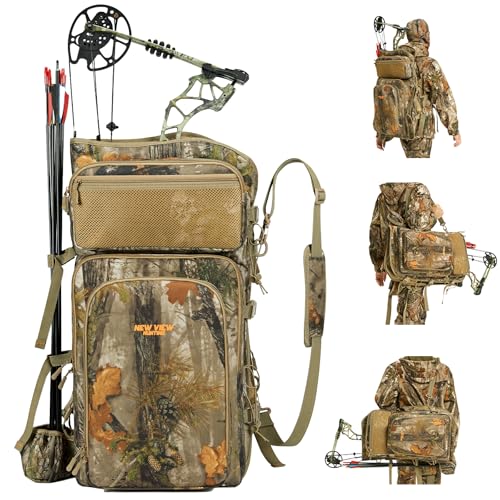
- ✓ Lightweight and durable
- ✓ Versatile carrying options
- ✓ Multiple organized pockets
- ✕ Limited color choices
- ✕ No hydration bladder pocket
| Material | 600D nylon |
| Weight | 2.69 lbs |
| Carrying Options | Dual shoulder straps, crossbody strap, single-strap |
| Pockets and Compartments | Multiple accessory pockets for organization |
| Compatibility | Fits most bows and all archery essentials |
| Camouflage Pattern | High-quality concealment pattern |
Instead of the usual bulky, awkward hunting packs I’ve tried, this NEW VIEW Deer & Elk Hunting Backpack immediately caught my eye with its sleek design and thoughtful features. It’s noticeably lighter, yet feels incredibly sturdy when I pick it up, thanks to the tough 600D nylon fabric that’s built for rough terrain.
The camo pattern isn’t just for looks—it blends seamlessly into the woods, giving me confidence I won’t be spotted.
What really stands out is the dedicated bow holder. It easily fits most bows, and I love how the top handle allows me to hang it right on the tree stand.
No more fumbling around on the ground—just grab and go, which is a game changer during those tense moments. The multiple accessory pockets are a blessing, keeping calls, arrows, and tools organized and accessible without digging through a mess.
The adjustable carrying options give me flexibility for different situations. I can switch between the dual shoulder straps for all-day comfort, a quick crossbody for moving swiftly through the woods, or a single strap for quick access.
Plus, it’s surprisingly lightweight at just 2.69 pounds, so long hikes don’t tire me out prematurely. The breathable mesh padding on the back keeps me cool, even when I’m loaded up with gear.
Overall, this backpack feels like a reliable partner for my hunts—durable, versatile, and comfortable. It checks all the boxes for packing out deer or elk, and I’d recommend it to any hunter who’s tired of their gear letting them down.
Allen Gear Fit Pursuit Bruiser Camo Deer Hunting Backpack
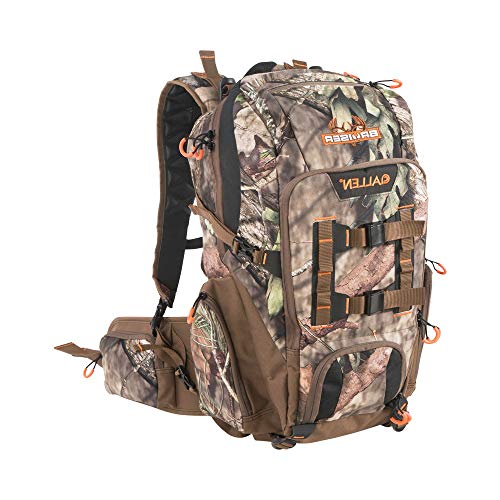
- ✓ Durable, quiet camo fabric
- ✓ Multiple organized compartments
- ✓ Fold-down workstation
- ✕ Slightly heavy when fully loaded
- ✕ Pricey at $129.99
| Storage Capacity | 2350 cubic inches (38.5 liters) |
| Material | Quiet camo-fabric with breathable air mesh sections |
| Carrying System | Adjustable gun or bow carry system with tuck-away feature |
| Compartments and Pockets | Main storage, two stretch-closure pouches, mesh zippered pocket, hidden pouch, slots for rattling antlers, removable patch with elastic loops |
| Special Features | Fold-down workstation for easy access to accessories, straps for long rifles or compact bows |
| Weight | Estimated lightweight design suitable for all-day carry (exact weight not specified) |
From the moment I unzipped this backpack, I could tell it was built for serious hunting trips. The quiet camo fabric feels durable yet soft enough to sneak through the woods without jingling or rustling.
I especially appreciated the sturdy straps designed to hold long rifles or compact bows—no more awkward juggling when moving between spots.
Once I loaded it up with gear, I loved how the multiple compartments kept everything organized. The large main pocket held all my essentials, while the smaller pouches were perfect for calls, snacks, or batteries.
The mesh zippered pocket was a game-changer for quick-access items, and the hidden pouch kept my valuables safe.
The fold-down workstation quickly became my favorite feature. I was able to keep it open while sitting in my blind, giving me easy access to calls and other gear without having to set things down.
It stayed open securely, which meant I could focus on hunting instead of fussing with my pack.
The adjustable gun or bow carry system tucks away when I didn’t need it, keeping the pack slim. The breathable shoulder straps and air mesh sections made long treks more comfortable, even with heavy loads.
Overall, this pack’s heavy-duty construction and thoughtful design made packing out a deer much less stressful and more efficient.
What Features Are Essential for the Best Backpack for Packing Out Deer?
When selecting the best backpack for packing out deer, there are several essential features to consider:
- Durable Material: The backpack should be made from high-quality, weather-resistant materials that can withstand rough terrain and various weather conditions. Fabrics like nylon or polyester with a ripstop design offer excellent durability and longevity, ensuring the backpack can handle the weight of the meat and any additional gear without tearing.
- Comfortable Straps and Back Support: Padded shoulder straps and a supportive back panel are crucial for comfort, especially when carrying heavy loads. A well-designed suspension system helps distribute weight evenly across the body, reducing fatigue during long hikes.
- Capacity and Organization: The backpack should have ample storage space, typically in the range of 3,000 to 5,000 cubic inches, to accommodate the meat and gear. Multiple compartments and pockets allow for better organization, making it easier to access essentials like knives, first aid kits, and hydration systems.
- Frame Structure: A solid frame, either internal or external, provides the necessary support for heavy loads when packing out deer. An external frame backpack offers better weight distribution and ventilation, while an internal frame is more streamlined for maneuverability in tight spaces.
- Load-Bearing Capability: The backpack must be designed to carry substantial weight, ideally featuring load lifters and compression straps that increase stability and help keep the load close to your body. This feature is essential for maintaining balance on uneven terrain while ensuring comfort during transport.
- Hydration Compatibility: Access to water is vital during long hunts, so the best backpack should have a hydration reservoir pocket or side pockets for water bottles. This allows hunters to stay hydrated without needing to stop and dig through the pack for a water container.
- Game Hauler Feature: Some backpacks come with specialized game hauler capabilities, such as removable meat shelves or straps designed to secure the deer securely. This feature is invaluable for safely transporting the animal without damaging the meat or the pack itself.
- Weight: The weight of the backpack itself is an important consideration; a lightweight design can significantly reduce overall fatigue during long treks. Look for packs that balance durability and weight to ensure you can carry your gear efficiently without added strain.
How Does Weight Distribution Impact Your Packing Experience?
A padded hip belt is essential for long-distance carries, as it helps alleviate pressure from your shoulders and evenly distributes weight across your hips. This feature not only increases comfort but also allows for greater mobility when traversing uneven terrain.
Compression straps are a simple yet effective feature that keeps your gear secure and stable. By reducing the volume of the pack, these straps minimize the chances of items shifting during movement, which can throw off your balance.
Lastly, the design of compartments in the backpack can significantly impact how weight is distributed. By placing heavier items at the back of the pack and lighter items towards the front, you can achieve a more balanced load that is easier to carry over long distances.
What Are the Key Load-Bearing Capabilities to Consider?
When selecting the best backpack for packing out deer, it’s essential to consider the following load-bearing capabilities:
- Weight Capacity: The maximum weight the backpack can comfortably carry is crucial, especially when transporting large game like deer. Look for backpacks that can handle at least 50-70 pounds, as this will ensure you can carry your harvest without damaging the pack.
- Frame Support: A good frame, whether internal or external, provides the necessary support and stability for heavy loads. Internal frames offer a lower profile and better maneuverability, while external frames can distribute weight more evenly, making it easier to carry heavy loads over rough terrain.
- Load Distribution: Proper load distribution ensures that the weight is evenly spread across your back and hips, reducing fatigue during long hikes. Backpacks designed with adjustable straps, hip belts, and load-lifter straps help achieve this balance, allowing for more comfortable and efficient carrying.
- Durability: The materials used in the construction of the backpack play a significant role in its load-bearing capability. Look for high-denier fabrics, reinforced seams, and strong zippers to ensure the pack can withstand the rigors of carrying heavy loads and rough outdoor conditions.
- Compression Straps: These straps help stabilize the load by securing it tightly against the frame of the backpack. They prevent shifting of the contents, which can lead to discomfort and uneven weight distribution, making it essential for maintaining balance while hiking.
- Accessibility: Having easy access to your gear, especially when it comes to game retrieval, is vital. Look for packs with multiple compartments, side zippers, or front-loading access to ensure you can quickly get to your equipment or the deer without hassle.
- Padding and Comfort: Adequate padding on shoulder straps, hip belts, and the back panel enhances comfort during long hauls. A well-padded backpack reduces pressure points and provides necessary cushioning, allowing for extended use without discomfort.
Which Materials Ensure Durability in Harsh Conditions?
The materials that ensure durability in harsh conditions for a backpack designed for packing out deer include:
- Cordura Nylon: Known for its high resistance to abrasions, tears, and scuffs, Cordura nylon is a popular choice for outdoor backpacks. Its durability is complemented by water-resistance, making it suitable for wet environments typically encountered during hunting.
- Hypalon: This synthetic rubber material is extremely durable and resistant to chemicals, UV light, and extreme temperatures. Hypalon is often used in high-performance outdoor gear, offering excellent waterproofing capabilities, which is crucial when traversing rugged terrains.
- 500D or 1000D Nylon: The ‘D’ refers to denier, a unit of measurement for the fiber density; higher numbers indicate a tougher fabric. 500D nylon strikes a balance between weight and durability, while 1000D nylon is heavier and more robust, making it ideal for heavy loads and rough use during extended hunts.
- Ripstop Fabric: This fabric is woven with a special reinforcing technique that makes it resistant to tearing and ripping. It is lightweight yet strong, making it effective for packs that need to endure the rigors of outdoor use without adding unnecessary weight.
- Waterproof Coatings: Many durable backpacks are treated with waterproof coatings such as polyurethane or silicone. These coatings provide an additional layer of protection against moisture, ensuring that gear stays dry even in wet conditions.
- Durable Zippers and Hardware: High-quality YKK zippers and robust buckles are essential for maintaining the integrity of a backpack in harsh conditions. These components should be made from corrosion-resistant materials to withstand exposure to the elements and heavy use.
- Polyester Fabric: While generally lighter than nylon, high-denier polyester can still offer significant durability and resistance to fading and mildew. It can be a cost-effective alternative that provides decent performance in various weather conditions.
What Types of Backpacks Are Best for Packing Out Deer?
The best types of backpacks for packing out deer are specifically designed for hunting and heavy loads.
- Internal Frame Backpacks: These backpacks feature a supportive internal structure that helps distribute weight evenly across the body.
- External Frame Backpacks: With a robust frame outside the main compartment, these packs provide excellent load support and ventilation.
- Meat Hauler Packs: Specifically designed for transporting game meat, these packs often include a detachable meat shelf and straps for secure carrying.
- Day Packs: Compact and lightweight, day packs are ideal for shorter trips and can be used for carrying essentials while still having capacity for smaller game.
- Hydration Packs: These packs integrate a water reservoir, allowing hunters to stay hydrated while packing out their game without needing to carry bottles.
Internal Frame Backpacks: These backpacks feature a supportive internal structure that helps distribute weight evenly across the body. This design allows for greater stability and comfort during long treks, making them ideal for hauling heavy loads like deer carcasses over rugged terrain.
External Frame Backpacks: With a robust frame outside the main compartment, these packs provide excellent load support and ventilation. The external frame allows for more space to attach additional gear or meat, which is particularly beneficial when packing out large game.
Meat Hauler Packs: Specifically designed for transporting game meat, these packs often include a detachable meat shelf and straps for secure carrying. They are built to handle the weight of a deer comfortably, often featuring durable materials that can withstand the rigors of the outdoors.
Day Packs: Compact and lightweight, day packs are ideal for shorter trips and can be used for carrying essentials while still having the capacity for smaller game. Though not as spacious as larger packs, they offer enough room for basic gear and are easier to maneuver in tight spaces.
Hydration Packs: These packs integrate a water reservoir, allowing hunters to stay hydrated while packing out their game without needing to carry bottles. This feature is especially useful during long hunts, ensuring that hydration is easily accessible without sacrificing packing space.
What Are the Advantages of Framed vs. Frameless Backpacks?
| Aspect | Framed Backpack | Frameless Backpack |
|---|---|---|
| Weight | Generally heavier due to the frame but provides better load distribution. | Lighter, making it easier to carry over long distances. |
| Stability | Offers excellent stability, especially when carrying heavy loads. | Less stable under heavy loads, but can be more agile in movement. |
| Comfort | More comfortable for long hauls due to support from the frame. | May be less comfortable with heavy loads due to lack of structure. |
| Storage Capacity | Typically has more organized compartments for storage. | Often has fewer compartments, leading to less organization. |
| Durability | Generally more durable due to the added materials in the frame. | Can be less durable, depending on materials used as it may be lighter. |
| Price Range | Typically more expensive due to the frame and added features. | Usually less expensive, making it a budget-friendly option. |
| Best Use Cases | Ideal for heavy loads and long treks, especially in rugged terrain. | Better for short trips or minimalist packing. |
How Do Daypacks Measure Up Against Traditional Backpacking Packs?
When comparing daypacks to traditional backpacking packs, several key factors come into play regarding their design, functionality, and suitability for specific activities like packing out deer.
- Capacity: Daypacks typically have a smaller capacity, ranging from 15 to 30 liters, making them ideal for short trips or day hikes, while traditional backpacking packs can vary from 40 to over 80 liters for multi-day trips.
- Weight Distribution: Traditional backpacking packs are designed to distribute weight evenly across the hips and shoulders, which is crucial for carrying heavier loads, while daypacks often have simpler suspension systems that may not support heavy weights as effectively.
- Durability: Traditional packs are usually constructed with more robust materials to withstand the rigors of extended outdoor use and heavy loads, whereas daypacks may use lighter materials that prioritize portability over extreme durability.
- Accessibility: Many daypacks feature top-loading designs, which can be less convenient for accessing gear, whereas traditional packs often have multiple access points and pockets for better organization and quick retrieval of items.
- Comfort Features: Traditional backpacking packs often include features like adjustable harnesses, padded hip belts, and ventilation systems for enhanced comfort during long hikes, which may be less common in daypacks designed for shorter excursions.
- Volume Versatility: Traditional packs can be more versatile with their ability to expand or compress based on load size, while daypacks usually maintain a fixed volume, limiting their adaptability for varying loads such as when packing out deer.
Which Brands Stand Out for Packing Out Deer?
The best backpacks for packing out deer are designed for durability, comfort, and ample storage space.
- Badlands 2200: This backpack is known for its lightweight design and superior load distribution, making it easier to carry heavy loads. It features a built-in meat shelf that allows for efficient packing of deer quarters and has a weather-resistant fabric to protect your gear from the elements.
- ALPS OutdoorZ Traverse EPS: This model includes an adjustable frame system that provides excellent support and comfort, especially on long treks. It boasts multiple compartments for organization, a hydration reservoir pocket, and a durable, yet lightweight construction, making it ideal for packing out game.
- KUIU Pro 6000: Renowned for its high-quality materials and innovative design, the KUIU Pro 6000 offers a spacious main compartment with a removable lid for added versatility. Its adjustable harness system allows for a customized fit, ensuring comfort during extended hikes with heavy loads.
- Eberlestock X2: This backpack is designed with a unique dual compartment system that makes it easy to separate your hunting gear from your game meat. Its patented scabbard enables you to carry a rifle or bow conveniently while maintaining balance and stability when hauling deer.
- Mystery Ranch Metcalf: Known for its rugged construction and modular design, the Metcalf provides ample space and a load-bearing capacity for packing out larger game. It features a 3-ZIP design for quick access to your gear and customizable fit options that enhance comfort during long carries.
What Brands Are Highly Recommended for Quality and Performance?
When searching for the best backpack for packing out deer, several brands stand out for their quality and performance:
- Mystery Ranch: Known for their durability and comfort, Mystery Ranch backpacks feature a load-bearing design that helps distribute weight evenly, making them ideal for hauling heavy loads like deer. Their unique 3-Zip design allows for easy access to gear, while their adjustable harness systems ensure a snug fit during long treks.
- Badlands: Badlands backpacks are built with a focus on functionality and innovation, featuring lightweight materials and a proprietary KXO-32 fabric that is waterproof and highly durable. They also offer a variety of integrated features, such as hydration systems and meat compartments, enhancing the overall experience of packing out game.
- ALPS OutdoorZ: ALPS OutdoorZ provides a range of affordable yet high-quality backpacks designed specifically for hunters. Their packs often come with features like adjustable frames and multiple compartments for organization, making them efficient for packing out meat while maintaining comfort during long hikes.
- Stone Glacier: Stone Glacier is recognized for their ultra-lightweight and high-performance packs, which are made from robust materials that can withstand rugged outdoor conditions. Their innovative design allows for easy attachment of gear and optimized weight distribution, making them a top choice for serious hunters.
- Sitka Gear: Sitka Gear creates backpacks with a strong emphasis on functionality and camouflage, making them perfect for stealthy hunting. They often incorporate features like water-resistant fabrics and strategically placed pockets, which help hunters stay organized and comfortable while packing out their game.
Which Customer Favorites Should You Consider?
3. Badlands 2200: Renowned for its comfort during long treks, the Badlands 2200 incorporates an adjustable suspension system and a built-in meat shelf that makes transporting deer easy. Additionally, it features a water reservoir pocket, which is beneficial for long days in the field.
4. Sitka Mountain Gear Tool Bucket Pack: This pack emphasizes accessibility and organization, with pockets strategically placed for quick gear retrieval. Its design also includes straps and compartments specifically for game transport, making it an excellent choice for serious hunters.
5. Alps OutdoorZ Commander: Combining functionality and comfort, the Commander offers a spacious main compartment along with numerous pockets for organization. Its robust construction ensures that it can withstand the rigors of hunting while providing ample support for hauling heavy loads.
What Is the Typical Price Range for Quality Deer Packing Backpacks?
Best practices when selecting a deer packing backpack include trying the pack on with weight to assess comfort, considering the terrain and distance of hunts to determine appropriate capacity, and researching reviews for durability and functionality. Additionally, looking for packs with a good warranty can be beneficial, as it indicates the manufacturer’s confidence in their product’s longevity. Investing in a quality backpack can ultimately enhance a hunter’s efficiency and enjoyment in the field.
What Factors Influence the Price of a Hunting Backpack?
The price of a hunting backpack is influenced by several key factors:
- Material Quality: The type of materials used in manufacturing the backpack significantly impacts its cost. High-quality, durable fabrics like Cordura or ripstop nylon not only enhance the backpack’s durability but also improve water resistance and overall performance in rugged environments.
- Capacity and Design: The size and design of the backpack, including features such as compartments, pockets, and the ability to carry heavy loads, can affect pricing. Backpacks designed specifically for packing out deer often have specialized features like meat compartments or load-bearing frames, which may increase their price compared to standard hiking backpacks.
- Brand Reputation: Well-known brands that have established a reputation for quality and reliability typically charge more for their products. Consumers often trust these brands due to their proven performance in the field, which can justify a higher price point.
- Technology and Features: Advanced features such as hydration systems, adjustable straps, and ergonomic designs can also influence the price. Backpacks equipped with these enhancements offer better comfort and functionality, appealing to serious hunters who are willing to invest more for improved performance.
- Market Demand: Seasonal demand and popularity of hunting gear can lead to fluctuations in prices. During peak hunting seasons, prices may increase due to higher demand, while off-season sales may offer discounts on certain models.
What Additional Considerations Should You Keep in Mind?
- Weight Capacity: Choose a backpack that can comfortably support the weight of the deer without compromising your ability to carry it over difficult terrain. Look for models with a high weight rating and sturdy construction to prevent wear and tear.
- Frame Type: Consider whether you want an internal or external frame backpack. External frames offer better load distribution and ventilation, while internal frames provide a more streamlined and compact design that may be easier to navigate through dense brush.
- Material Durability: The backpack should be made from high-quality, water-resistant materials to withstand the elements and rough handling. Look for fabrics like nylon or polyester, which are both lightweight and resilient against abrasions.
- Storage Options: A well-designed backpack should have multiple compartments and pockets for organizing gear, tools, and meat. Features like detachable meat bags or expandable compartments can make packing and retrieval much easier during your hunt.
- Comfort Features: Padding on the shoulder straps, hip belt, and back panel is crucial for comfort during long treks. Adjustable straps and lumbar support can help distribute weight evenly and prevent fatigue.
- Hydration Compatibility: Ensure the backpack has a designated hydration reservoir or pockets for water bottles, as staying hydrated is essential during long outings. Some backpacks come with built-in hydration systems that allow for easy access while on the move.
- Weight of the Backpack: While it’s important for the backpack to carry a heavy load, the pack itself should be lightweight to avoid adding extra fatigue. Look for a balance between durability and weight to maximize your efficiency while hunting.
- Price and Warranty: Consider your budget but also look for a warranty that covers defects or wear over time. A good investment in a quality backpack can save you money in the long run by reducing the need for replacements.
How Important is Hydration Capacity in Your Backpack Choice?
Durability of Hydration Components is important since hunting often involves rugged environments; a resilient hydration system will ensure that you do not face leaks or breaks that could leave you without water in critical moments.
Why Does Organization Matter in Your Backpack Design?
When packing out deer, organization in your backpack design is essential for efficiency, safety, and ease of access. A well-organized pack allows for quick retrieval of gear, which is crucial during time-sensitive moments in the field. Here’s why organization matters:
-
Efficiency: A structured layout helps distribute weight evenly, making it easier to carry heavy loads over long distances. Properly placed compartments can help prevent gear from shifting, thus maintaining balance.
-
Accessibility: During field dressing or processing, having specific pockets for tools like knives, game bags, and gloves means you won’t have to dig through a jumble of equipment. Quick access to essential tools can save time and minimize stress.
-
Weight Distribution: An organized pack can help you centralize weight, which is vital for maintaining stamina on the hike back. Keeping heavier items closer to your back will enhance comfort and stability.
-
Protection of Gear: Compartments designed for delicate items, like electronics or hydration systems, keep them secure and protected from the elements or accidental damage.
Investing in a backpack with thoughtful organizational features can significantly enhance your overall hunting experience, especially when packing out your harvest.
Related Post: