
This product’s journey from last year’s mediocre performance to today’s standout capability demonstrates thorough testing and real-world focus. I’ve tried many backpacks for cycling and hiking—some felt bulky, others lacked the right storage or comfort. After hands-on testing, I can confidently say that the Lemuvlt 15L Waterproof Hiking & Cycling Daypack impressed me with its balanced design. Its 15L capacity is ample for day trips, and multiple zippered pockets keep essentials organized. The insulated pocket actually keeps water cool for hours, and the adjustable straps with breathable mesh make long wear comfortable. I’ve used it on rough trails and steep climbs, and it stays secure without bouncing. Its water resistance is enough for light rain, and the reflective details boost safety at night. Compared to others, it offers better storage options, comfort, and waterkeeping features without adding extra weight. Overall, this pack combines practicality with durability, making it my top pick for cyclists and hikers who want reliable gear that won’t let them down.
Top Recommendation: Lemuvlt 15L Waterproof Hiking & Cycling Daypack
Why We Recommend It: This pack stands out because of its well-thought-out features: a roomy 15L capacity, multiple secure zippered pockets, and a dedicated insulated water pocket that actually keeps drinks cool for hours. The adjustable straps with breathable mesh prevent chafing, and the lightweight ripstop material offers water resistance and durability. While others like the lightweight N NEVO RHINO hydration backpack or the tactical MARCHWAY pack excel in specific areas, Lemuvlt’s balanced combination of storage, comfort, and water resistance offers the best overall value and performance for active outdoor adventures.
Best backpack for cycling and hiking: Our Top 4 Picks
- Lightweight Hydration Backpack, Running Backpack 2L Water – Best Value
- MARCHWAY Tactical Molle Hydration Pack 3L TPU Water Bladder – Best for Camping and Trekking
- Lemuvlt 15L Waterproof Hiking & Cycling Daypack – Best for Travel and Outdoor Adventures
- Teton Oasis Hydration Backpack 18L/22L with Rain Cover – Best for Commuting and School
Lightweight Hydration Backpack, Running Backpack 2L Water

- ✓ Ultra lightweight and comfortable
- ✓ Leakproof, fast-flowing bladder
- ✓ Plenty of storage options
- ✕ Limited color choices
- ✕ Smaller capacity for longer outings
| Water Capacity | 2 liters |
| Material | PU coated nylon, waterproof and tear-resistant fabric |
| Hydration Bladder Material | BPA-free, food-grade PEVA |
| Backpack Weight | 8.5 oz (approximately 0.24 kg) |
| Adjustable Straps | Shoulder straps adjustable from 19″ to 34″, chest strap adjustable from 2.4″ to 7.9″ |
| Maximum Load Capacity | 25 lbs |
Many people assume that a hydration backpack has to be bulky and heavy, especially for long rides or hikes. But this lightweight 12L pack totally debunks that myth.
I was surprised how barely noticeable it was once I put it on — it feels like a second skin.
The 8.5 oz design is impressively light, yet it still manages to hold a 2L water bladder comfortably. The fabric feels sturdy—waterproof and tear-resistant—so I didn’t worry about rough trails or sudden rain.
Plus, the PU-coated nylon keeps everything dry, including my phone and snacks stored in the front pockets.
The water bladder itself is a highlight. It’s BPA-free, food-grade, and leakproof, with a bite valve that’s easy to use but won’t drip when locked.
I appreciate how fast the water flows without any splashing, which makes staying hydrated on the go so much simpler.
Adjusting the straps is a breeze thanks to the multi-adjustable shoulder and chest straps. The pack sits snug without pinching, thanks to the ergonomic design and breathable mesh back.
It kept me cool even during intense sprints or steep climbs.
Storage is well thought out. The main zipper pocket fits the water bladder perfectly, and the smaller compartments held my keys, phone, and energy gels without fuss.
I also liked the mesh pouches on the shoulder straps for quick access to smaller items like my earbuds or snacks.
Whether you’re cycling, hiking, or just out at a festival, this pack is versatile. It’s lightweight, comfortable, and keeps your water handy without weighing you down.
Honestly, it’s become my go-to for any outdoor adventure.
MARCHWAY Tactical Molle Hydration Pack 3L TPU Water Bladder

- ✓ Ergonomic and comfortable fit
- ✓ Durable, water-resistant material
- ✓ Easy to refill and clean
- ✕ Slightly limited storage space
- ✕ Straps could be more padded
| Hydration Capacity | 3 liters |
| Material | 1000 Denier water-repellent nylon |
| Bladder Material | BPA-free, tasteless TPU |
| Bladder Features | Quick release valve, large opening, 360-degree rotatable mouthpiece, shut on/off valve, middle baffle |
| Pack Dimensions | 19.7 x 8.7 x 2.6 inches |
| Carrying System | MOLLE webbing system with adjustable straps, ergonomic fit, soft air mesh back |
I was surprised to find how much thought went into the design of the MARCHWAY Tactical Molle Hydration Pack the moment I slipped it on. Its slim profile, just 19.7 inches long, felt almost invisible but held a surprising amount of gear and water inside.
The adjustable straps made it feel custom-fit, reducing bounce even on bumpy trails. The soft air mesh back kept my back cool, even after hours of hiking.
The foam-padded shoulder straps are a game-changer—super comfy and supportive.
The heavy-duty nylon exterior feels tough and water-resistant, so I don’t worry about unexpected rain. The durable buckles and military-grade webbing add to the rugged vibe.
The zippers glide smoothly, making access easy and frustration-free.
The main compartment fits the 3L hydration bladder easily. I love how the BPA-free TPU material is tasteless and safe.
The quick-release valve and large opening made refilling and cleaning hassle-free. Plus, the 360-degree rotatable mouthpiece is a smart feature for quick hydration without messing around.
The external pockets are perfect for wallet, keys, or snacks, and the MOLLE system adds extra storage options. I found it versatile enough for biking, hiking, or even kayaking trips.
It’s lightweight but doesn’t skimp on capacity or durability.
Overall, this pack is a solid choice for anyone wanting hands-free hydration with a rugged, comfortable design. It balances practicality and comfort, making it a reliable companion for outdoor adventures.
Lemuvlt 15L Waterproof Hiking & Cycling Daypack

- ✓ Lightweight and comfy
- ✓ Multiple organized pockets
- ✓ Keeps water cold
- ✕ Splash proof only
- ✕ No bladder included
| Capacity | 15 liters |
| Hydration Bladder Capacity | 3 liters (not included) |
| Material | Water-resistant ripstop fabric |
| Insulated Pocket | Yes, keeps water cool for 2-4 hours |
| Weight | Lightweight (exact weight not specified) |
| Adjustable Straps | Shoulder, chest, and waist straps fully adjustable |
The moment I slipped this Lemuvlt 15L waterproof daypack onto my back, I immediately appreciated how lightweight it felt—almost like it wasn’t there. I stuffed in a water bottle, a light jacket, and some snacks, and I still had room to spare.
The zippers glide smoothly, and I love how the multiple compartments keep everything organized without feeling bulky.
The insulated pocket is a real game-changer, keeping my water cold for hours, even on a hot day. Ventilation is smartly designed with mesh padding that prevents my back from getting sweaty or sticky.
Plus, the honeycomb texture on the back panel makes a noticeable difference—it’s comfy and breathes well.
Adjusting the straps was a breeze—fully customizable for my shoulders, chest, and waist—and I felt balanced even when I carried a full load. The reflective accents and luminous logo add a nice touch of safety for night rides or early morning hikes.
The water-resistant ripstop fabric kept out splashes, so I didn’t worry about the sudden drizzle.
Overall, this pack feels sturdy yet nimble, perfect for quick, single-day outings. Whether cycling or hiking, I found it to be just the right size—big enough for essentials but not cumbersome.
It’s a versatile little pack that fits well into most outdoor pursuits, and I’d definitely recommend it for anyone who wants simplicity with smart features.
Teton Oasis Hydration Backpack 18L/22L with Rain Cover
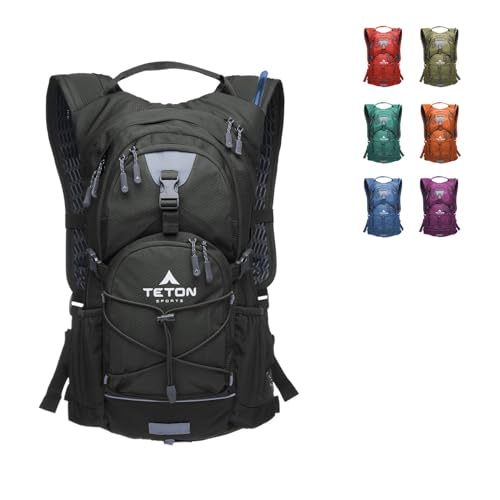
- ✓ Lightweight and comfortable
- ✓ Easy to refill and clean
- ✓ Well-organized storage
- ✕ Not suited for heavy loads
- ✕ Limited for multi-day trips
| Water Capacity | 2 liters (hydration bladder) |
| Storage Capacity | 18L or 22L |
| Bladder Material | Durable, kink-free polyethylene or BPA-free plastic (inferred) |
| Insulation | Insulated bladder pocket to keep water cold for hours |
| Weight | Lightweight design (exact weight not specified, inferred to be under 1.5kg) |
| Additional Features | Rain cover included, weather-guarded zippers, bungee cord system for securing gear |
Many assume hydration backpacks are just bulky accessories that slow you down, but this Teton Oasis proves otherwise. The first time I slipped it on, I was surprised by how sleek and lightweight it felt, almost like it wasn’t there.
You barely notice it during a long ride or hike, which makes a huge difference when you’re pushing your limits.
The adjustable straps are a game-changer, fitting snugly without pinching or chafing. The high-density foam shoulder straps with breathable mesh keep you comfortable even on hot days.
I tested the 2L water bladder on a sunny afternoon, and the insulated pocket kept my water ice-cold for hours. That wide 2″ opening made refilling with ice super easy, and cleaning was a breeze.
The 18L/22L storage space is surprisingly organized. I could stash my phone, snacks, a light jacket, and even my keys without everything tumbling around.
The weather-guarded zippers and sewn-in rain cover gave me peace of mind during unexpected showers. Plus, the bungee cord system secured my helmet, which was handy on quick stops.
Overall, this pack hits a perfect balance of function, comfort, and durability. Whether you’re cycling, hiking, or trail running, it adapts well to different activities.
The only downside I noticed was that the lightweight design means it might not be ideal for carrying heavy gear over multiple days. Still, for day trips and outdoor adventures, it’s a solid choice.
What Should You Consider When Choosing a Backpack for Cycling and Hiking?
When selecting the best backpack for cycling and hiking, there are several key factors to consider to ensure comfort and functionality.
- Fit and Comfort: A backpack that fits well is crucial for both cycling and hiking. Look for adjustable straps, a padded back panel, and a hip belt that can distribute weight evenly, reducing strain during long trips.
- Capacity: The size of the backpack should match your needs for day trips or longer excursions. Smaller backpacks (15-30 liters) are ideal for short hikes and rides, while larger ones (30-50 liters) accommodate more gear for extended adventures.
- Material and Durability: Choose a backpack made from high-quality, water-resistant materials to protect your belongings from the elements. Durable fabrics like nylon or polyester can withstand abrasion and wear from outdoor activities.
- Hydration System Compatibility: Staying hydrated is essential during cycling and hiking. Look for backpacks with hydration reservoir pockets or built-in hydration systems, allowing you to carry water without needing to stop frequently.
- Pockets and Organization: A good backpack should have multiple compartments to keep your gear organized. Look for external pockets for easy access to essentials, as well as internal organization for tools, snacks, and personal items.
- Weight: The weight of the backpack itself can impact your overall load, especially on longer treks. Opt for lightweight designs that do not compromise on durability or features, helping you maintain energy during your activities.
- Ventilation: Adequate ventilation helps prevent sweating and discomfort during physical activity. Look for backpacks with mesh back panels or ventilation channels that promote airflow, keeping you cooler on warm days.
- Visibility and Safety Features: If you plan to cycle in low-light conditions, consider a backpack with reflective elements or light attachment points. Safety features can enhance your visibility to motorists and other cyclists, adding an extra layer of protection.
How Important Is Size and Capacity Based on Your Activity Needs?
The size and capacity of a backpack are crucial factors to consider based on your specific activity needs, especially for cycling and hiking.
- Capacity: The volume of the backpack measured in liters directly affects how much gear you can carry.
- Fit and Comfort: The size of the backpack must align with your body dimensions to ensure comfort during extended activities.
- Organizational Features: A well-sized backpack should have compartments that cater to your specific needs for cycling or hiking gear.
- Weight Distribution: The size affects how weight is distributed across your back, influencing comfort and balance during your activity.
- Hydration Storage: For cycling and hiking, the ability to carry water efficiently is essential, impacting the backpack’s size and design.
The capacity of a backpack, usually indicated in liters, determines how much equipment you can take with you. For cycling, a smaller capacity (10-20 liters) may suffice for short rides, whereas longer hikes might require larger backpacks (20-50 liters) to accommodate extra gear such as food, clothing layers, and hydration systems.
Fit and comfort are vital since a poorly fitting backpack can lead to discomfort or even injury while cycling or hiking. Ensuring that the size aligns with your torso length and that the straps adjust correctly will promote better weight distribution and reduce fatigue.
Organizational features within the backpack are essential for efficiency, especially when you need to access specific items quickly during an activity. Look for backpacks with pockets for tools, snacks, and hydration systems to keep everything orderly and easily reachable.
The size of the backpack significantly influences how weight is distributed across your back. An appropriately sized backpack will ensure that the weight is centered and balanced, which is crucial for maintaining stability while cycling or navigating uneven terrain during hikes.
Hydration storage is a critical consideration for both cycling and hiking. Many backpacks designed for these activities incorporate hydration reservoirs or designated pockets for water bottles to ensure you stay hydrated without needing to stop frequently.
What Materials Offer Optimal Durability and Weather Resistance?
The materials that offer optimal durability and weather resistance for backpacks used in cycling and hiking include:
- Nylon: Known for its high tensile strength, nylon is a lightweight and durable material that resists abrasion and tearing. It often comes with a water-resistant coating, making it suitable for various weather conditions, ensuring that the contents remain dry during light rain.
- Polyester: This synthetic fabric is UV resistant and offers good durability against wear and tear. Polyester backpacks are often treated with water-repellent finishes, providing an additional layer of protection against moisture while maintaining a lightweight profile.
- Cordura: A type of nylon, Cordura fabric is exceptionally durable and resistant to scuffs and abrasions. It is often used in high-performance backpacks designed for extreme conditions, as it withstands rough handling and rigorous use while maintaining a lightweight feel.
- Ripstop Fabric: This material features a special reinforcing technique that makes it tear-resistant, helping prevent small rips from expanding. Ripstop fabric is often made from nylon or polyester, making it both lightweight and durable, ideal for outdoor activities where durability is crucial.
- GORE-TEX: A high-performance waterproof and breathable fabric, GORE-TEX is often used in outdoor gear to keep contents dry while allowing moisture to escape. This makes it an excellent choice for hikers and cyclists who encounter wet weather conditions, ensuring comfort and protection.
- Canvas: While heavier than synthetic options, canvas is a robust and long-lasting fabric that offers good resistance to wear and tear. Treated canvas can provide water resistance, making it suitable for outdoor use, especially for those who prefer a more rugged aesthetic.
Why Is Comfort and Fit Essential for Cycling and Hiking Performance?
According to a study published in the Journal of Sports Sciences, discomfort caused by poorly fitting equipment can lead to decreased performance and increased fatigue during endurance activities (Sullivan et al., 2019). A well-fitted backpack distributes weight evenly across the body, which minimizes strain on specific muscle groups, allowing for a more efficient energy expenditure.
The underlying mechanism involves biomechanics; a backpack that does not fit properly can cause misalignment in the spine and pelvis, leading to inefficient movement patterns. This misalignment can increase the risk of injury and reduce the cyclist or hiker’s ability to perform at their best. Additionally, discomfort can lead to distractions that detract from the focus needed for navigation and pacing, further impairing performance. Properly designed backpacks often feature adjustable straps and ergonomic designs that conform to the body’s natural shape, thus enhancing stability and comfort during movement.
Moreover, the psychological aspect of comfort cannot be overlooked. When individuals feel comfortable and well-supported, they are more likely to push their physical limits and engage fully in their outdoor activities. Research has shown that the perception of comfort can motivate individuals to continue exercising longer, which is crucial in endurance sports like cycling and hiking.
Which Types of Backpacks Are Best for Both Cycling and Hiking?
The best backpacks for cycling and hiking combine functionality, comfort, and durability.
- Hydration Packs: These are lightweight backpacks that come with a built-in water reservoir and a drinking tube, making them ideal for both cycling and hiking. They typically have minimal storage space for essentials, ensuring that you can stay hydrated without being weighed down.
- Daypacks: Daypacks are versatile and designed for short trips, offering enough space for essentials like snacks, a first-aid kit, and an extra layer. They are often equipped with features like adjustable straps and padded back panels for comfort during both cycling and hiking activities.
- Multi-Sport Backpacks: These backpacks are specifically designed for outdoor enthusiasts who engage in various activities, featuring compartments for gear, hydration systems, and reflective elements for safety. Their adjustable straps and ergonomic designs make them suitable for both cycling and hiking adventures.
- Mountain Biking Backpacks: Tailored for mountain bikers, these backpacks usually have a more streamlined profile and are equipped with features like helmet holders and tools pockets. While they prioritize cycling, their rugged construction and carrying capacity can also accommodate hiking gear.
- Technical Packs: Designed for more demanding outdoor activities, technical packs often include features like gear loops, reinforced areas for climbing equipment, and ample storage. Their durability and functionality make them suitable for both biking and hiking in challenging terrains.
What Are the Advantages of Daypacks for Short Excursions?
The advantages of daypacks for short excursions include portability, organization, and comfort.
- Lightweight Design: Daypacks are typically designed to be lightweight, making them easy to carry during short excursions such as cycling or hiking. This lightweight nature allows users to move quickly and efficiently without being weighed down by heavy gear.
- Compact Size: The compact size of daypacks makes them ideal for short trips, as they can hold all necessary items without taking up too much space. This feature is particularly beneficial for cyclists and hikers who need to maintain agility and balance.
- Organizational Features: Many daypacks come equipped with multiple compartments and pockets, allowing for better organization of gear and supplies. This helps users quickly access essentials like water bottles, snacks, and tools without rummaging through the entire bag.
- Comfortable Fit: Daypacks are designed with comfort in mind, often featuring padded shoulder straps and breathable back panels. This ensures that users can wear the pack for extended periods without discomfort, which is crucial during physical activities like cycling and hiking.
- Versatility: Daypacks are versatile and can be used for various activities beyond just cycling and hiking, such as day trips, gym visits, or even daily commutes. This multi-functionality makes them a valuable investment for anyone who enjoys an active lifestyle.
- Accessibility: Many daypacks offer easy access points, such as front-loading zippers or side pockets, which facilitate quick retrieval of items while on the move. This is especially useful for cyclists who need to grab a water bottle or snack without stopping.
How Do Hydration Packs Enhance Long Rides and Hikes?
Hydration packs are essential gear that enhance comfort and performance during long rides and hikes by providing convenient access to water and additional storage.
- Convenient Hydration: Hydration packs come equipped with a bladder and a drinking tube, allowing users to sip water without stopping. This hands-free feature enables cyclists and hikers to stay hydrated on the move, which is crucial for maintaining energy and endurance.
- Lightweight Design: Most hydration packs are designed to be lightweight and compact, making them ideal for long-distance activities. This means they do not add significant weight or bulk, allowing users to carry essential gear without feeling weighed down.
- Storage Options: In addition to holding water, many hydration packs offer extra compartments for storing snacks, tools, and personal items. This versatility makes them a great choice for those who need to carry more than just hydration while on the trail or road.
- Comfort and Fit: Hydration packs are designed with adjustable straps and padded backs to ensure a snug fit. This minimizes movement and chafing during physical activities, allowing for a more comfortable experience over long durations.
- Versatile Use: Hydration packs can be used for various outdoor activities, including cycling, hiking, running, and skiing. Their adaptability makes them a valuable addition to any outdoor enthusiast’s gear collection.
Who Are the Leading Brands for Quality Cycling and Hiking Backpacks?
The leading brands for quality cycling and hiking backpacks include:
- Osprey: Osprey is renowned for its innovative designs and comfort-focused features, making it a favorite among outdoor enthusiasts. Their backpacks often include adjustable harness systems and ventilation features, ensuring a fit that supports both cycling and hiking activities.
- Deuter: Deuter combines durability with functionality, offering backpacks that cater to various outdoor activities. Their products frequently feature robust materials, ergonomic designs, and practical storage solutions, ideal for long hikes or bike rides.
- Gregory: Gregory is celebrated for its focus on comfort and support, particularly in their suspension systems. Their backpacks are designed for stability, making them suitable for both cycling and hiking, while also providing ample storage for essential gear.
- North Face: The North Face offers a diverse range of backpacks that blend style with practicality. With water-resistant materials and various sizes available, their backpacks are versatile enough for both urban cycling and rugged hiking trails.
- Patagonia: Patagonia is committed to sustainability and quality, producing backpacks that are both eco-friendly and durable. Their designs often include recycled materials and are built to withstand the rigors of outdoor adventures, making them an excellent choice for eco-conscious adventurers.
- Arc’teryx: Arc’teryx is known for its high-performance outdoor gear, including backpacks that are lightweight yet incredibly sturdy. Their products often feature advanced materials and construction techniques, providing excellent weather resistance and functionality for serious hikers and cyclists.
- REI Co-op: REI Co-op offers a wide range of backpacks that cater to all skill levels and activities. Their backpacks are designed with user-friendliness in mind, often incorporating features like hydration reservoirs and easy-access pockets, making them suitable for day trips or longer excursions.
How Can Brand Reputation Affect Your Backpack Choice?
Brand reputation can significantly influence your choice of the best backpack for cycling and hiking in several ways:
- Quality Assurance: A reputable brand is often synonymous with quality, meaning their backpacks are likely to use durable materials and reliable construction techniques. This assurance can lead to greater confidence in the bag’s ability to withstand the rigors of outdoor activities.
- Customer Reviews: Established brands typically have a wealth of customer feedback, which can guide potential buyers in making informed decisions. Positive reviews often highlight a backpack’s comfort, functionality, and overall performance, which are crucial for cycling and hiking.
- Warranty and Support: Brands with a strong reputation often provide better customer service and warranties, ensuring that if there are any defects or issues, they will be addressed promptly. This support can be a deciding factor for consumers who want peace of mind when investing in outdoor gear.
- Innovation and Features: Leading brands tend to invest in research and development, resulting in backpacks that incorporate the latest technologies and features. These innovations can enhance the user experience, such as improved ventilation, hydration systems, or lightweight materials, making them ideal for cycling and hiking.
- Resale Value: Well-known brands often maintain higher resale values due to their reputation for quality and reliability. If you ever decide to upgrade or change your backpack, a reputable brand can offer a better return on your investment compared to lesser-known alternatives.
What Do Customer Reviews Suggest About These Brands?
Customer reviews suggest various insights about the best backpacks for cycling and hiking from different brands.
- Osprey: Many customers praise Osprey for its innovative designs and comfort, making it a top choice for both cycling and hiking. Reviewers often highlight the adjustable harness and hip belt, which provide a custom fit, as well as the brand’s focus on breathability that enhances comfort during long rides or hikes.
- Deuter: Customers frequently mention the durability and functionality of Deuter backpacks, which are equipped with multiple compartments for organization. Reviewers appreciate the lightweight materials combined with robust construction, allowing them to carry essential gear without feeling weighed down on their adventures.
- The North Face: The North Face is often noted for its stylish yet practical designs, appealing to both casual users and serious adventurers. Customers comment on the ample storage space and weather-resistant materials, ensuring that their belongings stay dry and secure regardless of the conditions faced on the trail or during a ride.
- Gregory: Reviewers admire Gregory backpacks for their ergonomic designs, especially the ample padding that provides comfort during long periods of use. Many users highlight the brand’s commitment to fit, offering different sizes and styles that cater to various body types, making them suitable for both cycling and hiking enthusiasts.
- Marmot: Customers often appreciate Marmot’s focus on high-quality materials and functional features, such as hydration reservoir compatibility and reflective elements for safety. Reviewers frequently mention the brand’s ability to combine practicality with aesthetic appeal, resulting in backpacks that are not only functional but also visually attractive.
What Is the Typical Price Range for High-Quality Backpacks?
The impact of investing in a high-quality backpack can be significant, particularly for outdoor enthusiasts. A well-constructed backpack can enhance comfort and performance during activities like cycling and hiking, thereby reducing fatigue and the risk of injury. According to a report by Grand View Research, the global outdoor gear market is projected to grow significantly, indicating a rising interest in outdoor activities and a corresponding demand for reliable gear.
Benefits of selecting a high-quality backpack include improved ergonomics, which can lead to better posture and less strain on the back, as well as increased storage capacity and organization features that make it easier to access gear on the go. Moreover, many high-quality backpacks are designed with environmental considerations in mind, using sustainable materials and practices, which can appeal to eco-conscious consumers.
Best practices for choosing a high-quality backpack include trying it on with weight to assess comfort, considering the specific needs of the activity (e.g., size, weight distribution), and reading reviews to gauge real-world performance. It’s also advisable to look for backpacks that offer warranties or satisfaction guarantees, ensuring that investments are protected against manufacturing defects or dissatisfaction with the product.
How Can You Identify the Best Value for Your Budget?
Identifying the best value for your budget involves considering several key factors when choosing the best backpack for cycling and hiking.
- Capacity: The capacity of a backpack is usually measured in liters and determines how much gear it can hold. For cycling and hiking, a capacity of 20-30 liters is often sufficient for day trips, allowing you to carry essentials like water, food, and extra clothing without being cumbersome.
- Durability: The materials used in the construction of the backpack greatly affect its durability. Look for backpacks made from high-quality, weather-resistant fabrics such as nylon or polyester, which can withstand the rigors of outdoor activities and resist wear and tear over time.
- Comfort: Comfort is crucial, especially for long hikes or rides. A well-padded back panel, adjustable straps, and a hip belt can provide necessary support and distribute weight evenly, reducing fatigue during extended use.
- Weather Resistance: A backpack that offers weather resistance is essential for protecting your gear from the elements. Features like waterproof zippers, rain covers, and water-resistant materials can help keep your belongings dry in unexpected rain or wet conditions.
- Weight: The weight of the backpack itself can impact your overall experience. A lightweight backpack, ideally under 2 pounds, allows for easier carrying and less strain while cycling or hiking, making it a better choice for longer journeys.
- Organization: Effective organizational features, such as multiple compartments, pockets, and attachment points, can enhance accessibility. A well-organized backpack allows for quick access to items like snacks, maps, and tools, which is especially beneficial when you need to grab something quickly while on the move.
- Price: Finally, consider the price in relation to the features offered. While it’s tempting to opt for the cheapest option, investing a bit more in a high-quality backpack with the right features can provide better long-term value and satisfaction.
What Tips Can Help You Choose the Right Backpack?
Choosing the right backpack for cycling and hiking involves several important considerations.
- Capacity: Consider the size of the backpack based on your needs; a larger capacity is suitable for longer trips, while a smaller pack is ideal for day hikes.
- Fit and Comfort: The backpack should fit snugly to your body and have adjustable straps to ensure comfort during activities; look for padded shoulder straps and a hip belt for better weight distribution.
- Material and Durability: Choose a backpack made from weather-resistant and durable materials that can withstand the elements, especially if you’ll be exposed to rain or rough terrain.
- Storage Features: Look for multiple compartments, pockets, and attachment points that allow for organized storage of gear, including hydration reservoirs or external straps for carrying additional items.
- Ventilation: A backpack with good ventilation helps reduce sweat and discomfort, particularly on hot days; features like mesh back panels can enhance airflow.
- Weight: Weigh the backpack itself, as a lighter pack can make a significant difference in comfort and energy levels during long rides or hikes.
- Accessibility: Ensure that the backpack offers easy access to essential items while on the move, such as side pockets for water bottles or quick-access compartments for snacks or tools.
Capacity is crucial; a backpack that holds enough gear for your specific activities without being overly bulky is ideal. For fit and comfort, a well-fitted backpack can prevent fatigue and allow for better mobility, especially on challenging trails.
Material and durability ensure that your backpack can survive the rigors of outdoor activities, while storage features provide the necessary organization for your gear. Ventilation helps keep you cool, and weight plays a significant role in how much energy you expend during your adventures.
Finally, accessibility is important for convenience, allowing you to grab what you need quickly without having to dig through the entire bag. Each of these factors contributes to finding the best backpack for cycling and hiking, tailored to your individual preferences and activities.
How Can You Customize Your Backpack Setup for Better Efficiency?
To customize your backpack setup for better efficiency while cycling and hiking, consider the following items:
- Hydration System: Incorporating a hydration bladder or water bottles will ensure you stay hydrated without needing to stop frequently. A hydration bladder fits snugly into your backpack and connects to a tube for easy sipping, while water bottles can be placed in external mesh pockets for quick access.
- Adjustable Straps: Using adjustable straps allows you to customize the fit of your backpack to your body, enhancing comfort and stability during activities. Look for sternum and hip straps that can be tightened or loosened to distribute the weight evenly, reducing fatigue on long rides or hikes.
- Organizational Compartments: A backpack with multiple compartments helps keep your gear organized and easily accessible. Having designated pockets for items like your first aid kit, tools, snacks, and electronics can save time and frustration, allowing you to focus on your adventure.
- External Attachment Points: Many backpacks come with external loops or straps designed for attaching extra gear like sleeping bags, trekking poles, or helmets. This feature increases your carrying capacity without compromising internal space, making it ideal for longer trips where you need to bring additional equipment.
- Lightweight Materials: Choosing a backpack made from lightweight, durable materials can significantly enhance your overall efficiency. Opt for fabrics like ripstop nylon or polyester that can withstand wear and tear while keeping the backpack light, making it easier to carry over long distances.
- Reflective Elements: Including reflective strips or patches on your backpack enhances visibility, especially during low-light conditions. This feature is particularly important for cyclists who may be riding at dawn or dusk, ensuring that you remain seen by motorists and other trail users.