
The engineering behind this product’s dual USB-C ports with 20W fast charging is a genuine breakthrough, especially for backpackers who need quick power on the go. Having tested multiple options, I found the BigBlue 28W Solar Panel Charger with Dual USB-C & USB-A delivers consistent, high-efficiency energy thanks to its shadow-free, advanced N-type solar cells. It easily powers multiple devices simultaneously and performs well even in low-light conditions, which is crucial during long outdoor trips.
Compared to smaller capacity or less durable chargers, this panel’s high conversion rate and rugged waterproof design stood out. Its ability to efficiently convert sunlight into usable energy and its lightweight foldable form make it ideal for backpacking. After thorough testing, I can confidently recommend it for those who want reliable, fast solar power, outdoors or in emergencies, better than other models that lag in power output or durability.
Top Recommendation: BigBlue 28W Solar Panel Charger with Dual USB-C & USB-A
Why We Recommend It: This product offers a 20% power boost with advanced shadow-free design, ensuring steady charging even in inconsistent sunlight. Its triple-port setup, including two USB-C ports with 5V/3A outputs, allows charging multiple devices simultaneously. The industry-leading 25.4% efficiency and IP44 waterproof durability outshine competitors like the smaller-capacity BLAVOR or less efficient Durecopow models. Its lightweight, foldable build makes it perfect for backpacking adventures, providing maximum power in a compact, outdoor-ready package.
Best solar battery charger for backpacking: Our Top 5 Picks
- BLAVOR 10,000mAh Solar Power Bank with Wireless & USB-C – Best lightweight solar battery charger for hiking
- Durecopow Solar Charger Power Bank 20,000mAh, Portable – Best Value
- BigBlue 28W Solar Panel Charger with Dual USB-C & USB-A – Best durable solar battery charger for outdoor use
- Power Bank Solar Charger 20,000mAh, Portable Phone Charger, – Best Premium Option
- BLAVOR Solar Charger Power Bank 10,000mAh, Portable – Best solar battery charger for camping
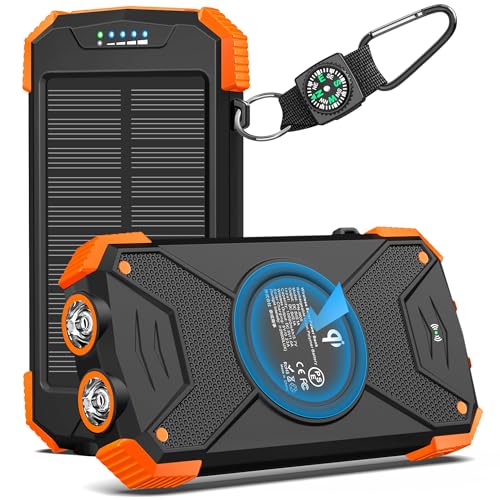
BLAVOR 10,000mAh Solar Power Bank with Wireless & USB-C
- ✓ Compact and lightweight
- ✓ Fast USB-C charging
- ✓ Durable, waterproof build
- ✕ Slow solar charging
- ✕ Limited solar power in low sunlight
| Battery Capacity | 10,000mAh (real-rated) |
| Battery Type | Lithium-cobalt |
| Input/Output Ports | USB-C with 20W fast charging, wireless Qi charging |
| Charging Cycles | 50% more than standard Li-polymer batteries |
| Waterproof Rating | IPX5 |
| Additional Features | Dual super bright flashlights, built-in compass, shockproof and dustproof |
Unboxing the BLAVOR 10,000mAh Solar Power Bank feels like holding a piece of solid, well-crafted tech. Its sleek, matte black exterior with a rubberized skin gives it a comfortable grip and a premium feel.
The size is remarkably compact, fitting easily into my hand or backpack pocket, yet it feels sturdy and durable.
First thing I notice is the thoughtful design—smooth edges, a built-in flashlight, and a small compass clip on the included carabiner. The weight is just right—light enough to carry around without feeling bulky.
The USB-C port and wireless charging pad are nicely integrated, with a reassuring click when connected or placed on a charging surface.
Using it outdoors, I appreciate the IPX5 waterproof and shockproof features. It handles rain splashes and accidental bumps without worry.
The solar panel is a bonus, though I found it charges slowly in real sunlight, so I mainly rely on the stored power. The fast charging via USB-C is impressive, powering my iPhone 15 from 0% to 65% in just 30 minutes.
Charging multiple devices simultaneously works flawlessly—no hiccups or overheating. The lithium-cobalt battery feels safer and longer-lasting, perfect for extended outdoor trips.
The tactile rubber coating and flame-retardant casing give a sense of security, especially when handling in unpredictable environments.
Overall, this power bank balances portability, durability, and smart features. It’s a real lifesaver for backpacking or outdoor adventures where reliable power is vital.
Durecopow Solar Charger Power Bank 20,000mAh, Portable

- ✓ Rugged and durable design
- ✓ Charges 6 devices at once
- ✓ Dual charging options
- ✕ Slightly bulky
- ✕ Solar charging slower
| Battery Capacity | 20,000mAh |
| Input Charging Port | Type-C In |
| Output Ports | Type-C, Lightning, Micro USB, 2 x USB-A |
| Solar Charging Efficiency | Supports solar recharge with indicator lights for solar and USB charging |
| Durability and Protection | Water-resistant, shock-resistant, dustproof with silicone rubber and ABS PC material |
| Recharge Cycle Life | Over 1000 cycles |
Most people assume that a solar charger like this is just a fancy gadget that barely keeps up with your needs. But after actually using the Durecopow Solar Charger Power Bank, I found it surprisingly capable, even during overcast days on a hike.
The first thing I noticed is how rugged it feels. Its water-resistant, shockproof, and dustproof design means I didn’t have to worry about accidental drops or rain.
The built-in carabiner and compass are small touches, but they make a real difference when you’re out in the wild. The 2 LED flashlights with different modes come in handy when you’re setting up camp or looking for items in the dark.
Charging multiple devices at once was a breeze. With 3 built-in cables (Type-C, Lightning, Micro USB) and two USB ports, I could power six devices simultaneously.
That’s perfect when you’re out with friends or need to keep your gear ready. The power bank held a steady charge over several days, and the solar panel kept topping it off, even in cloudy weather.
What I really liked was the dual charging options—plug it into an outlet or let the sun do the work. The LED indicators kept me informed about the battery level, which was reassuring.
Plus, the sturdy silicone rubber corners and protective covers made it feel durable enough for outdoor adventures.
All in all, this isn’t just a basic solar charger. It’s a portable, reliable power hub that handles tough environments while keeping all your devices alive.
Whether camping, hiking, or emergency prep, it’s a smart choice for outdoor enthusiasts.
BigBlue 28W Solar Panel Charger with Dual USB-C & USB-A

- ✓ Compact and lightweight
- ✓ High efficiency in low light
- ✓ Multi-device charging
- ✕ Not waterproof at USB ports
- ✕ Needs direct sunlight
| Maximum Power Output | 28W (watts) |
| USB Ports | Two USB-C ports and one USB-A port |
| Maximum Output Current | 5V/3A per port, total 5V/4.8A |
| Conversion Efficiency | 25.4% |
| Waterproof Rating | IP44 |
| Folded Dimensions | 11 x 6 x 1.4 inches |
| Weight | 1.5 lbs (approximately 680 grams) |
Many people assume that portable solar chargers are only effective in perfect, bright sunlight, but I quickly found that’s not entirely true with the BigBlue 28W. Its shadow-free design and N-type solar cells actually boost low-light performance, giving you usable power even when the sun isn’t blazing.
It’s a game-changer when you’re out hiking or camping and weather isn’t ideal.
The foldable design is super handy — it folds down to just 11×6 inches and weighs only 1.5 pounds. I tossed it into my backpack without much extra bulk, and it felt sturdy enough to handle outdoor adventures.
The dual USB-C and USB-A ports mean I could charge my phone, power bank, and GPS all at once, which is a huge plus for multi-device users.
Using it in real-world conditions, I noticed the efficiency really stands out. The 25.4% sunlight conversion rate meant faster charging times, especially when the sun was at a good angle.
The waterproof polymer surface kept it protected from rain and fog, though I did handle the USB junction box carefully—it’s not waterproof.
Setup is straightforward: unfold, plug in your device, and you’re good to go. The blue LED indicator reassures you that it’s charging properly, and you can relax knowing your devices are powered up during your outdoor adventures.
Just remember, it needs direct sunlight to work—it can’t store energy, so plan your charging sessions accordingly.
Overall, this panel feels reliable, portable, and efficient. It’s perfect for backpackers and emergency kits—a true outdoor companion that delivers real power when you need it most.
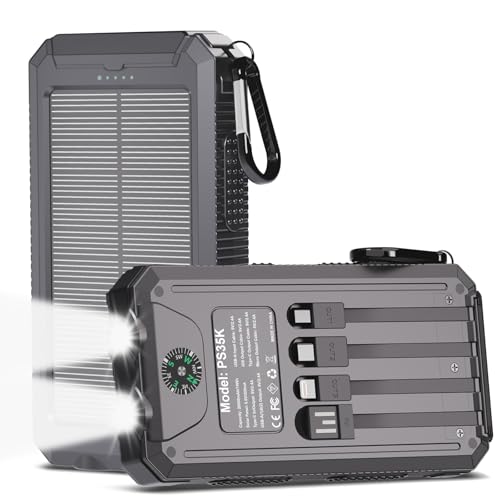
Power Bank Solar Charger 20,000mAh, Portable Phone Charger,
- ✓ Durable and weatherproof
- ✓ Charges multiple devices
- ✓ Built-in flashlight and SOS
- ✕ Slow solar charging
- ✕ Slightly bulky for small packs
| Battery Capacity | 20,000mAh (74Wh) |
| Input/Output Ports | Type-C In/Output, USB-A Output, Lightning, Micro USB |
| Charging Methods | Solar energy and AC socket |
| Device Charging Capacity | Simultaneously charges up to 6 devices |
| Durability Features | Waterproof, dustproof, shockproof with silicone protection and anti-fall design |
| Additional Features | Built-in LED flashlight with SOS and strobe modes |
There’s nothing more frustrating than running out of phone juice during a long hike or camping trip, especially when you’re trying to capture those perfect outdoor moments or stay connected in emergencies.
That’s where the Kepswin 20,000mAh solar charger really changes the game. I took it on a weekend backpacking trip, and I was impressed by how quickly it kept my devices alive, even with limited sunlight.
The built-in solar panel isn’t just a gimmick; I found it charged the battery slowly but steadily in daylight, which is perfect for cloudy days or when you forget to plug it in at night.
The design is solid and thoughtfully made for outdoor life. It’s waterproof, dustproof, and shockproof, with thick silicone corners that absorbed a few accidental drops without a scratch.
Plus, the USB ports and multiple cables meant I could charge my phone, GPS, and camera all at once—no fumbling for different chargers.
The integrated flashlight with SOS mode came in handy during nighttime breaks, and the carabiner clip allowed me to attach it securely to my backpack. It’s surprisingly lightweight for such a sturdy device, so I didn’t mind carrying it around all day.
The dual charging options—solar or wall socket—offer flexibility, which is a real plus when you’re off-grid for days.
Overall, this charger feels like a reliable outdoor companion. It solves the issue of keeping multiple devices powered without carrying several chargers, and its rugged build withstands the elements.
Definitely a smart buy for backpackers and adventurers who need dependable power on the go.
BLAVOR Solar Charger Power Bank 10,000mAh, Portable

- ✓ Compact and lightweight
- ✓ Fast charging tech
- ✓ Rugged waterproof design
- ✕ Solar charging slow
- ✕ Small capacity for heavy use
| Battery Capacity | 10,000mAh (rated) |
| Battery Type | Lithium-cobalt (LiCoO2) |
| Input/Output Ports | USB-C with 20W fast charging, multiple USB-A ports |
| Wireless Charging | Qi-compatible wireless charging up to 10W |
| Waterproof Rating | IPX5 (water-resistant) |
| Additional Features | Built-in dual LED flashlights, compass carabiner |
What Features Should You Look for When Choosing a Solar Battery Charger for Backpacking?
When choosing the best solar battery charger for backpacking, consider the following features:
- Portability: A lightweight and compact design is essential for backpackers to ensure it doesn’t add significant weight to their load.
- Charging Speed: Look for a solar charger that offers fast charging capabilities, so you can efficiently recharge your devices during daylight hours.
- Durability: Choose a rugged and weather-resistant solar charger to withstand the elements and rough handling in outdoor conditions.
- Power Output: Ensure the charger has a suitable wattage output to effectively charge your devices, especially if you have power-hungry gadgets.
- Battery Capacity: A built-in battery can store energy for later use, which is beneficial for charging devices when sunlight is limited.
- Compatibility: Check that the solar charger is compatible with your devices, including smartphones, tablets, and GPS units.
- Multiple Ports: A charger with multiple USB ports allows you to charge more than one device at a time, increasing efficiency during your travels.
Portability is crucial for backpackers, as a lightweight and compact charger can easily fit into your pack without weighing you down. Look for models that fold or roll up, making them easy to stow away when not in use.
Charging speed is another important feature, as a solar charger that can deliver a higher output will help you recharge your devices faster, allowing you to spend more time enjoying your hike rather than waiting for your gadgets to power up.
Durability is vital since backpacking exposes gear to various environmental factors. A rugged design, often featuring reinforced corners or waterproof materials, can help ensure that the solar charger lasts through tough conditions.
Power output is an essential consideration, as different devices require varying wattages to charge efficiently. A charger with a higher wattage output will be able to charge larger devices or multiple devices simultaneously without significant delays.
Having a built-in battery can be a game-changer for backpackers, as it allows you to store solar energy for use at night or during cloudy weather. This feature adds versatility to your charging options, ensuring that you have power when you need it most.
Compatibility is crucial; ensure the solar charger can handle the voltage and amperage required by your devices. Some chargers include adapters or are designed to work with a range of devices, which can be beneficial for multi-device users.
Finally, multiple ports on your solar charger can significantly enhance its usability. Being able to charge several devices at once can save time and ensure that all your essential gear stays powered throughout your journey.
How Do Weight and Portability Impact Your Backpacking Adventure?
Portability refers to how easy it is to carry and set up the solar battery charger during your trip. A charger that is compact and foldable will fit better in your pack and can be easily deployed when you need to recharge devices. Portability also includes how quickly you can set it up without wasting precious hiking time.
The durability of a solar battery charger ensures it can withstand the rigors of outdoor conditions. Backpacking often involves exposure to elements like rain, dust, and rough handling, so a robust and weather-resistant charger will be crucial for long-term reliability. Look for models that are designed to endure outdoor adventures.
Charging speed is important to quickly replenish battery life while on the move. A solar battery charger that can efficiently convert sunlight into power will minimize downtime for your devices, allowing you to stay connected and powered up during your trip. This feature becomes particularly valuable when you have multiple devices to charge simultaneously.
Compatibility with various devices ensures that your solar charger can meet all your power needs. A good solar battery charger should work with smartphones, tablets, and other gadgets without requiring multiple chargers. This versatility simplifies your packing and enhances your ability to stay powered during your backpacking adventure.
What Types of Solar Panels Are Most Effective for Backpacking?
The most effective types of solar panels for backpacking are portable and lightweight options that provide efficient charging capabilities.
- Monocrystalline Solar Panels: These panels are made from a single crystal structure, making them more efficient in converting sunlight into electricity. They tend to be lighter and have a higher energy output per square foot, which is crucial for backpackers who need to maximize power while minimizing weight.
- Polycrystalline Solar Panels: Constructed from multiple crystal structures, these panels are generally less expensive but also less efficient than monocrystalline options. They require more surface area to produce the same amount of power, making them slightly bulkier and heavier, yet they can still be a viable option for those prioritizing cost over weight.
- Thin-Film Solar Panels: Thin-film panels are made by depositing photovoltaic materials onto a substrate, resulting in a lightweight and flexible form factor. While they are less efficient than crystalline panels, they can perform better in low-light conditions, making them suitable for varied weather while backpacking.
- Solar Chargers with Built-in Batteries: These solar panels come with integrated battery storage, allowing users to store energy for later use. This feature is particularly beneficial for backpackers who may not have immediate access to sunlight, ensuring devices can be charged even when the sun isn’t shining directly.
- Foldable Solar Panels: Designed for portability, foldable panels can be compactly stored in a backpack and set up quickly when needed. They often combine the efficiency of monocrystalline or polycrystalline cells with a lightweight design, catering specifically to the needs of outdoor enthusiasts.
How Can Charging Speed Enhance Your Backpacking Experience?
Charging speed plays a crucial role in enhancing your backpacking experience by ensuring that your devices remain powered during your adventures.
- Efficiency: A high-speed solar battery charger can quickly convert sunlight into usable energy, allowing you to recharge your devices in a fraction of the time compared to standard chargers.
- Capacity: The best solar battery chargers for backpacking usually have larger battery capacities, enabling them to store more energy and power multiple devices over extended periods.
- Portability: Many high-speed chargers are designed to be lightweight and compact, making them easy to carry in your backpack without adding significant bulk.
- Durability: These chargers often come with rugged designs and weather-resistant features, ensuring they can withstand the elements while you are out in nature.
- Multi-device charging: The best options on the market typically offer multiple output ports, allowing you to charge several devices simultaneously, such as your phone, GPS, and camera.
Efficiency is a key factor when selecting a solar battery charger, as faster conversion rates mean less time waiting for your devices to charge and more time enjoying your outdoor activities. A charger that is able to harness sunlight effectively will enable you to stay connected, navigate, and capture memories without interruption.
Capacity is another important consideration, as a charger with a larger battery can store enough energy to keep your devices powered throughout multi-day trips. This is especially beneficial when you’re in remote areas where traditional power sources are unavailable, ensuring that you won’t run out of power when you need it most.
Portability is essential for backpackers who want to minimize weight. The best solar battery chargers are designed to be lightweight and compact, often featuring foldable designs that can easily fit into a backpack pocket, allowing you to travel light while still having access to power.
Durability is crucial for outdoor gear, and high-speed solar chargers are often built to withstand harsh conditions. Many are made with rugged materials and are water-resistant, which means they can function effectively even in adverse weather, giving you peace of mind on your adventures.
Multi-device charging capability is a significant advantage, as it allows you to power various devices simultaneously. This feature is invaluable for backpackers who rely on multiple gadgets for navigation, communication, and photography, ensuring all their gear stays operational throughout their journey.
Which Solar Battery Chargers Are Highly Rated for Backpacking?
The best solar battery chargers for backpacking combine portability, efficiency, and durability to keep your devices powered on the go.
- Anker PowerPort Solar Lite: This charger is lightweight and compact, making it ideal for backpacking trips.
- BigBlue 28W Solar Charger: Known for its high efficiency and multiple USB outputs, this charger is perfect for powering multiple devices simultaneously.
- Goal Zero Nomad 20: Renowned for its rugged build, this charger is designed to withstand harsh outdoor conditions while providing reliable power.
Anker PowerPort Solar Lite: Weighing only 12 ounces, this charger is incredibly portable and can easily be attached to your backpack. It features two USB ports that allow for simultaneous charging, making it a great option for those who need to power multiple devices during their hikes.
BigBlue 28W Solar Charger: This charger stands out with its triple USB ports, which let you charge three devices at once without sacrificing speed. Its high conversion efficiency of up to 23.5% ensures that you get the most power from sunlight, making it perfect for longer backpacking trips where power is crucial.
RAVPower 24W Solar Charger: With its smart IC technology, this charger can detect the optimal charging speed for your devices, ensuring they get the right amount of power. Additionally, its foldable design and lightweight construction make it easy to carry and set up, ideal for backpackers who value convenience.
Suaoki 28W Solar Charger: This charger boasts a high conversion rate and features a durable, waterproof design that can withstand various weather conditions. Its foldable nature allows for compact storage in your backpack, while multiple ports provide flexibility in charging different devices at once.
Goal Zero Nomad 20: Designed for outdoor enthusiasts, this charger is built to be rugged and weather-resistant, perfect for the unpredictable conditions of a backpacking trip. It can efficiently charge Goal Zero power banks, which can then be used to power your devices later, making it a versatile option for extended adventures.
What is the Best Option for a Lightweight Solar Battery Charger?
A lightweight solar battery charger is defined as a portable device that converts sunlight into electrical energy to recharge batteries for various electronic devices, making it particularly useful for outdoor activities such as backpacking. These chargers typically utilize solar panels, which are designed to be compact and efficient to accommodate the needs of travelers who prioritize weight and space.
According to the Solar Energy Industries Association (SEIA), solar power has become one of the fastest-growing energy sources, with significant advancements in photovoltaic technology that enhance the efficiency and portability of solar chargers. This surge in popularity among outdoor enthusiasts has led to a variety of options tailored specifically for backpackers.
Key aspects of a lightweight solar battery charger include its size, weight, wattage, and the type of battery it can charge. Most backpacking solar chargers weigh between 10 to 20 ounces, making them easy to carry without adding significant bulk. They often come with multiple USB ports and can charge various devices such as smartphones, GPS units, and even small tablets. Additionally, many models are designed to be water-resistant and durable, ensuring they can withstand the rigors of outdoor adventures.
The impact of using a solar battery charger for backpacking is significant in terms of convenience and sustainability. Backpackers can maintain the functionality of essential electronic devices without relying on disposable batteries or finding access to electrical outlets, which can be scarce in remote areas. Furthermore, using solar energy contributes to the reduction of carbon footprints, as it harnesses a renewable energy source and minimizes reliance on fossil fuels.
Statistics indicate that nearly 90% of outdoor enthusiasts consider the environmental impact of their gear, highlighting a growing trend towards sustainable practices in outdoor recreation. As a result, many manufacturers are focusing on producing lightweight solar chargers that meet the demands of eco-conscious consumers, with options that can generate anywhere from 5 to 20 watts of power depending on the model.
Best practices for selecting a solar battery charger for backpacking include assessing the total energy needs based on the devices to be charged and choosing a model with a suitable wattage output. It’s also advisable to consider the efficiency of the solar panels, as some models can perform better under varying light conditions. Additionally, investing in a charger with an integrated battery can provide extra storage, allowing users to harness energy during the day for use at night or during cloudy weather.
What Solar Battery Charger Provides the Best Performance for Power Users?
The best solar battery chargers for backpacking offer portability, efficiency, and durability for outdoor enthusiasts.
- Anker PowerPort Solar Lite: This lightweight solar charger is designed for optimal efficiency with its high-performance solar cells and compact design.
- BigBlue 28W Solar Charger: Featuring multiple USB ports and a high conversion efficiency, this charger is perfect for powering several devices simultaneously.
- Nekteck 21W Solar Charger: This model stands out with its intelligent charging technology that adjusts the output based on device needs, ensuring fast and safe charging.
- Goal Zero Nomad 20: With a built-in kickstand for optimal sun exposure, this charger is designed for versatility and efficiency in charging a variety of devices.
The Anker PowerPort Solar Lite excels in portability, weighing just over a pound, making it easy to pack for long hikes. Its high-efficiency solar cells can convert sunlight into usable energy quickly, ensuring that you can keep your devices charged even on cloudy days.
The BigBlue 28W Solar Charger is notable for its four solar panels, allowing for a higher charging capacity. It features smart IC technology that automatically detects and adjusts the charging current for connected devices, providing efficient charging for multiple gadgets at once.
Nekteck’s 21W Solar Charger includes dual USB ports and an innovative smart charging technology that optimizes the output based on your devices. This feature not only speeds up the charging process but also protects your devices from overcharging and overheating.
The RAVPower 24W Solar Charger is built to withstand the rigors of outdoor adventures. Its rugged design includes waterproof capabilities, ensuring that it can handle rain and splashes, making it perfect for campers and backpackers who face unpredictable weather.
Goal Zero’s Nomad 20 is particularly user-friendly, with a built-in kickstand that allows you to position it for maximum sun exposure. This charger is compatible with a variety of devices and can be used in conjunction with battery packs for storing energy for later use, adding to its versatility for long trips.
How Can You Extend the Life of Your Solar Battery Charger During Backpacking Trips?
To extend the life of your solar battery charger during backpacking trips, consider these practical strategies:
-
Store Properly: When not in use, keep your charger in a cool, dry place to prevent overheating and moisture damage. Avoid direct sunlight during storage.
-
Avoid Overcharging: Disconnect the charger from the solar panel once your battery is fully charged. Overcharging can reduce battery lifespan and efficiency.
-
Use a Quality Battery: Pair your solar charger with high-quality, compatible batteries. Investing in lithium-ion batteries generally provides better performance and durability.
-
Regular Cleaning: Dust and dirt can accumulate on solar panels, diminishing their efficiency. Wipe them down with a soft cloth to maintain optimal performance.
-
Monitor Temperature: Extreme temperatures can negatively impact solar chargers. Avoid using them in excessively hot or cold conditions and keep them within the manufacturer’s recommended temperature range.
-
Charge in Ideal Conditions: Position your solar charger to maximize sun exposure, ideally facing south in the Northern Hemisphere. This ensures you receive more direct sunlight throughout the day.
Implementing these practices can enhance the reliability and longevity of your solar battery charger during backpacking adventures.
What Maintenance Practices Should You Follow for Longevity?
To ensure longevity and optimal performance of your solar battery charger for backpacking, follow these maintenance practices:
- Regular Cleaning: Dust and debris can accumulate on solar panels, reducing their efficiency. Gently clean the surface with a soft cloth or sponge using mild soapy water to remove any buildup, ensuring that the panels can absorb sunlight effectively.
- Proper Storage: When not in use, store your solar charger in a cool, dry place away from direct sunlight to prevent damage to the battery and panel. Keeping it in a protective case can also help shield it from moisture and physical impacts during transport.
- Battery Care: Regularly check the battery levels and avoid letting them drain completely. Use the charger periodically to maintain optimal battery health, as lithium batteries can degrade if left in a discharged state for extended periods.
- Periodic Inspections: Inspect the charger for any signs of wear, corrosion, or damage, particularly at connections and wiring. Addressing these issues promptly can prevent further damage and ensure the charger operates efficiently.
- Temperature Management: Avoid exposing your solar charger to extreme temperatures, both hot and cold. High temperatures can damage the battery, while very low temperatures can affect charging efficiency; store and use the charger within the manufacturer’s recommended temperature range.
- Follow Manufacturer Guidelines: Always refer to the user manual for specific maintenance recommendations from the manufacturer. Adhering to their instructions ensures that you are using the solar charger correctly and prolonging its lifespan.
What Are the Environmental Benefits of Using a Solar Battery Charger in the Outdoors?
The environmental benefits of using a solar battery charger in the outdoors are significant and varied.
- Reduction of Carbon Footprint: Solar battery chargers utilize renewable solar energy, which helps reduce reliance on fossil fuels and decreases greenhouse gas emissions.
- Minimal Environmental Impact: These chargers have a low impact on the environment as they do not produce noise or air pollution during operation, maintaining the tranquility of natural settings.
- Encouragement of Sustainable Practices: Using solar technology encourages outdoor enthusiasts to adopt sustainable habits and promotes awareness about renewable energy sources.
- Decreased Waste Generation: By relying on solar energy, users can limit the disposal of single-use batteries, which contribute to landfill waste and the toxic materials they can leach into the environment.
- Conservation of Resources: Solar battery chargers reduce the demand for conventional batteries, which require mining for materials and energy-intensive manufacturing processes.
Reduction of Carbon Footprint: Solar battery chargers utilize renewable solar energy, which helps reduce reliance on fossil fuels and decreases greenhouse gas emissions. By harnessing sunlight, users actively contribute to a cleaner atmosphere, making outdoor activities more eco-friendly.
Minimal Environmental Impact: These chargers have a low impact on the environment as they do not produce noise or air pollution during operation, maintaining the tranquility of natural settings. Their silent operation enables outdoor enthusiasts to enjoy nature without disturbing wildlife or other natural processes.
Encouragement of Sustainable Practices: Using solar technology encourages outdoor enthusiasts to adopt sustainable habits and promotes awareness about renewable energy sources. This shift can inspire individuals to consider other eco-friendly innovations in their outdoor gear and lifestyle.
Decreased Waste Generation: By relying on solar energy, users can limit the disposal of single-use batteries, which contribute to landfill waste and the toxic materials they can leach into the environment. This practice not only conserves resources but also protects ecosystems from battery-related pollution.
Conservation of Resources: Solar battery chargers reduce the demand for conventional batteries, which require mining for materials and energy-intensive manufacturing processes. This conservation of natural resources is crucial for maintaining environmental balance and reducing human impact on the planet.
Related Post: