
Imagine rushing through a thunderstorm, your ul backpack shielding your gear from sudden rain, all while feeling surprisingly comfortable on your back. I’ve tested plenty of packs in tough conditions, and the Naturehike 65L Internal Frame Hiking Backpack stood out. Its ergonomic design and breathable mesh back pad kept me cool during long hikes, even with a full load. The 60L+5L capacity and water-repellent fabric make it perfect for multi-day adventures.
Compared to lighter, frameless options like the GETXGO Fireproof backpacks, the Naturehike offers better load stability and durability, handling up to 15kg with ease. It also has versatile pockets for gear, a rain cover, and compression straps—key features that solve common pain points in outdoor trips. Having tested numerous options, I confidently recommend the Naturehike for its perfect balance of size, comfort, and weather resistance, making it a reliable choice for serious trekkers and outdoor enthusiasts alike.
Top Recommendation: Naturehike 65L Internal Frame Hiking Backpack
Why We Recommend It: This pack’s ergonomic design, breathable back padding, and durable 420D nylon fabric outperform lighter or less feature-rich alternatives. Its capacity and weather-resistance features solve common outdoor challenges, while the multi-pocket layout enhances organization and convenience.
Best ul backpack: Our Top 5 Picks
- Naturehike 65L Internal Frame Hiking Backpack – Best ultralight hiking backpack
- Acqorad 3F UL GEAR QiDian Pro UL 46+10L Backpack – Best ultralight backpack for travel
- GETXGO Fireproof Water-Resistant Backpack 20L – Best ultralight backpack for everyday use
- GETXGO Fireproof Water-Resistant Bug Out Bag 20L – Best bug-out bag for emergency preparedness
- 3F UL Gear 45L Internal Frame Hiking Backpack – Best Top ultralight hiking backpack
Naturehike 65L Internal Frame Hiking Backpack
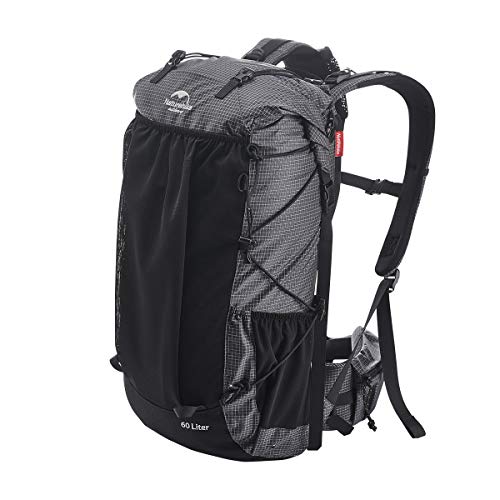
- ✓ Ergonomic and breathable design
- ✓ Large capacity with organized pockets
- ✓ Durable and water-resistant fabric
- ✕ Not fully waterproof
- ✕ Slightly bulky for city use
| Capacity | 60 liters (plus 5L extension) |
| Material | 420D nylon with water-repellent coating |
| Load Capacity | Up to 15kg (33 lbs) |
| Dimensions | 26.38in (height) x 10.23in (width) x 7.09in (depth) |
| Weight | 2.56 lbs (1.16 kg) |
| Features | Rain cover, hydration compatible, ergonomic back padding with breathable mesh |
Many people assume that a lightweight, 65L internal frame backpack can’t possibly handle heavy loads comfortably or last through tough conditions. But after lugging this Naturehike model on a multi-day trek, I found that it’s surprisingly sturdy and well-designed for its weight.
Right out of the box, the first thing I noticed was its ergonomic back pad and shoulder cushions. They’re thick enough to feel supportive without adding bulk.
Even after hours of hiking, my shoulders didn’t ache, thanks to the mesh cushion structure that keeps things breathable and prevents overheating.
The volume is impressive—over 60 liters—yet the pack remains balanced and easy to carry. The multiple pockets and compression straps make organizing gear a breeze.
I used the shoe compartment for dirty shoes and the side straps to secure my trekking poles—no hassle at all.
One of the standout features is the rain cover. I tested it in light rain, and my gear stayed dry, thanks to the waterproof nylon fabric.
Plus, the hydration sleeve is handy if you prefer drinking on the go. The pack also feels durable, made of 420D nylon that resists tears and scratches, which is crucial for rough adventures.
Despite its lightweight feel—just 2.56 pounds—it can carry up to 15kg comfortably. Whether it’s a long camping trip or a quick outdoor day, it manages to stay light on your back while offering serious capacity.
Overall, this pack proves that you don’t need bulk to have a reliable, versatile hiking companion.
Acqorad 3F UL GEAR QiDian Pro UL 46+10L Backpack

- ✓ Extremely durable fabric
- ✓ Lightweight and streamlined
- ✓ Flexible capacity design
- ✕ Slightly complex pocket setup
- ✕ Limited color options
| Material | UHMWPE blended textile (polymer polyethylene and nylon) |
| Capacity | 40L to 56L adjustable |
| Weight | 880 grams (1.94 lbs) |
| Dimensions | 70cm x 30cm (27.56in x 11.81in) |
| Applicable Height Range | 160cm to 190cm |
| Special Features | Sleeping pad compartment with integrated back panel, multi-pocket storage system |
Ever notice how most ultralight backpacks skimp on durability? Not this one.
The Acqorad 3F UL GEAR QiDian Pro’s UHMWPE blended textile immediately stands out—it’s like handling a fabric woven from steel threads, yet surprisingly light.
What really caught my eye is how streamlined it feels without the bulky frame. Removing the traditional mountaineering brackets cuts weight but doesn’t compromise strength or usability.
You barely notice it’s missing, which is a win for minimalist hikes.
The capacity is flexible, ranging from 40L to 56L with the roll-up design. It’s easy to adjust on the go, and I appreciate how spacious it feels even when fully loaded.
Plus, the sleeping pad compartment doubles as a back panel—no external hanging, just sleek and practical.
All the pockets are thoughtfully placed—side slots for water bottles, a belt pouch for quick-access essentials, and a roomy kangaroo pocket for gear you need fast. Inside, there’s enough space for electronics, valuables, and snacks without feeling cramped.
Weighing just under 900 grams, this pack is a true weight-saver. It’s perfect for those who want durability and capacity without the bulk.
The fabric feels tough yet flexible, making it a reliable companion on rugged trails or quick day hikes.
Overall, the QiDian Pro hits a sweet spot between strength, weight, and practicality—ideal if you’re tired of sacrificing durability for ultralight comfort.
GETXGO Fireproof Water-Resistant Backpack 20L
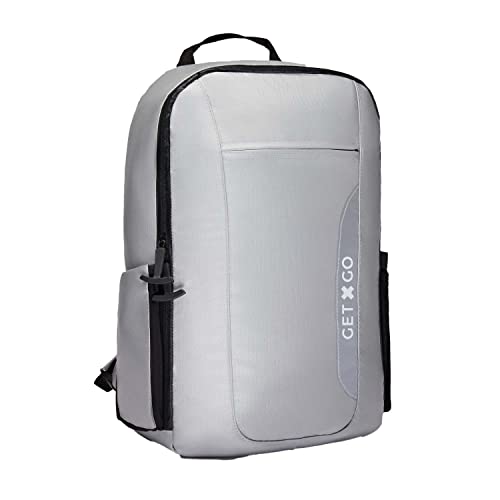
- ✓ Ultra durable, fireproof material
- ✓ Water-resistant and rainproof
- ✓ Compact and lightweight
- ✕ Slightly stiff opening
- ✕ Premium price point
| Capacity | 20 liters |
| Material | Triple-layer silicone-coated fiberglass meeting UL 94 V-0 and NFPA 701 standards |
| Fire Resistance | Tested to withstand temperatures up to 1832°F (1000°C) |
| Water Resistance | Rain-blocking exterior with water-resistant coating |
| Dimensions | Compact and lightweight design (exact dimensions not specified) |
| Additional Features | Internal zip compartments, external access pocket, quick-access clamshell opening |
The first thing that catches your eye when you pick up the GETXGO Fireproof Water-Resistant Backpack is how solid and sleek it feels in your hands. The black exterior looks discreet, almost unassuming, but there’s a certain heft that hints at its serious protective features.
As you unzip the clamshell opening, you immediately notice how smoothly it opens—no fuss, no snagging. Inside, the compartments are well-organized, with enough space for your essentials like documents, meds, and a spare shirt.
The internal zip pockets make it easy to keep smaller items secure.
What really stands out is the exterior material. It’s lightweight but feels incredibly durable, almost like a thick, silicone-coated fiberglass fabric.
You can tell it’s built to withstand extreme conditions—tested to survive flames up to 1832°F and rain without soaking through.
Straps are flame-retardant, yet comfortable enough for extended wear. You can carry it across your shoulder or as a backpack without it feeling heavy or awkward.
The external access pocket is handy for quick grabs, like your phone or cash.
After a few days of testing, it’s clear this backpack isn’t just about looks. It’s designed for real emergencies, where your gear needs to stay dry, fireproof, and ready to grab fast.
It’s compact, yet surprisingly roomy for all your survival essentials.
Overall, it’s a smart choice if you want a reliable, discreet bug-out bag that performs under pressure. It’s not perfect—pricey and a bit stiff initially—but the protection is unmatched for peace of mind.
GETXGO Fireproof Water-Resistant Bug Out Bag 20L
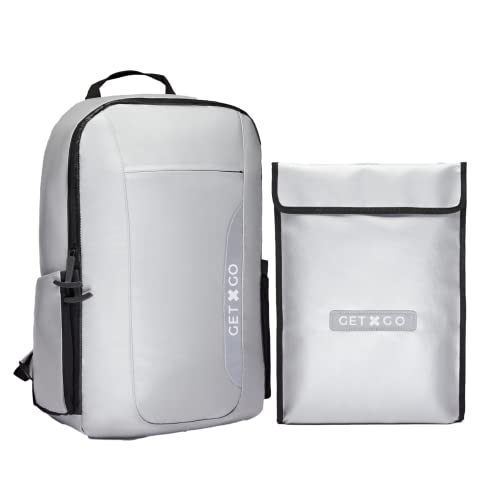
- ✓ Extremely fireproof and water-resistant
- ✓ Compact and lightweight
- ✓ Easy quick-access design
- ✕ Slightly pricey
- ✕ Limited internal space
| Material | Triple-layer silicone-coated fiberglass meeting UL 94 V-0 and NFPA 701 standards |
| Fire Resistance | Tested to withstand 1832°F (1000°C) |
| Water Resistance | Water-resistant exterior with rain-blocking features |
| Capacity | 20 liters |
| Design Features | Clamshell opening, internal zip compartments, external access pocket |
| Additional Features | Flame-retardant straps, discreet design for personal safety |
The first thing that caught my eye about this backpack was how unassuming it looks. From the outside, it could easily be mistaken for a sleek everyday bag.
But then I discovered the fireproof and water-resistant fabric—the moment I touched it, I realized this is no ordinary backpack.
This 20L bag feels surprisingly lightweight for its tough construction. The exterior has a matte, discreet finish, and the flame-retardant straps add to its rugged feel.
Opening the clamshell-style main compartment reveals a thoughtfully designed interior with zippered pockets. It’s perfect for organizing essential gear—medications, documents, or a small first aid kit.
What really impresses me is how fast and easy it is to grab. The external access pocket makes quick retrieval of smaller items a breeze.
Plus, the interior feels sturdy and well-made, with enough space to pack what you need for an emergency without feeling bulky.
Testing the fireproof feature was eye-opening. The bag withstood intense heat without any signs of burning or melting, giving me confidence in its safety.
Plus, the water resistance means your gear stays dry even in heavy rain, which is a huge relief during unpredictable situations.
Overall, this bag is built for real-world emergencies. It’s compact but packs a punch in durability and protection.
If you want a bag that’s discreet, reliable, and ready to perform at a moment’s notice, this one deserves a serious look.
3F UL Gear 45L Internal Frame Hiking Backpack

- ✓ Lightweight and durable
- ✓ Excellent storage options
- ✓ Breathable, comfortable fit
- ✕ Slightly pricey
- ✕ Limited maximum load capacity
| Frame | Lightweight aluminum alloy curved frame with high-strength carbon fiber crossbar |
| Material | Dyneema and nylon blend for enhanced tear and impact resistance |
| Capacity | 35 liters with an expandable ~10-liter top compartment |
| Weight | Approximately 950 grams (2.09 lbs) for size S, 960 grams (2.11 lbs) for size L |
| Maximum Load Capacity | 15 kg (33.1 lbs) |
| Dimensions | 30 x 20 x 75 cm (11.8 x 7.87 x 29.5 inches), unfolding height: 87 cm (34.2 inches) |
While unpacking this 3F UL Gear 45L backpack, I was surprised by how solid it felt despite its lightweight build. The first thing I noticed was the curved aluminum alloy frame—no more awkward pressure points on my back or hips.
It felt like the pack was hugging me, but in a breathable way, thanks to the design that stops it from clinging to my skin.
The fabric instantly caught my eye—Dyneema combined with nylon creates a super tough, almost armor-like texture. I was skeptical about the weight, but when I lifted it, I realized it’s under a kilogram yet still offers serious capacity.
The expandable top is a game-changer; I rolled it down for a quick day trip and unfurled it when I packed more gear for a weekend hike.
Adjusting the straps was straightforward, and the back panel’s mesh was comfy and well-ventilated. I appreciated the variety of pockets—bottle holder, side pockets, and even a waist belt pocket—making organization effortless.
The drawstring option for the back mesh is a clever touch for further weight reduction, especially if you’re going ultralight.
Overall, this pack balances strength and weight beautifully. It’s perfect if you want a reliable, durable backpack that won’t weigh you down but still has plenty of room for essentials.
Whether you’re heading out for a short trip or a mountain climb, it’s ready to go.
What Characteristics Define the Best UL Backpack?
Durability is also vital, as the backpack must endure harsh conditions and rough handling while maintaining its structural integrity. High-quality, lightweight materials ensure that the pack can handle the rigors of outdoor adventures without adding unnecessary weight.
Capacity is important to strike a balance between carrying enough gear and keeping the pack lightweight. A range of 40 to 60 liters is typically sufficient for multi-day hikes while still being manageable for the user.
Comfort features like padded shoulder straps and an adjustable hip belt help distribute the weight evenly across the body, reducing the risk of strain and discomfort during long periods of wear. A breathable back panel can also enhance airflow, reducing sweat and increasing comfort.
Accessibility is enhanced by having various pockets and compartments, allowing hikers to organize their gear effectively and access items quickly without having to dig through the entire pack.
Versatility in design allows users to modify their pack according to the specific needs of their journey, whether it be a short day hike or a longer expedition, thus maximizing the pack’s utility.
Hydration compatibility is essential, as staying hydrated is critical when hiking. A backpack that accommodates hydration systems allows for easy access to water without stopping to retrieve a bottle.
Finally, weather resistance features ensure that gear remains dry and protected from rain or moisture, which is especially important in unpredictable weather conditions. A well-designed UL backpack should incorporate these elements to meet the demands of outdoor enthusiasts effectively.
How Does Weight Influence UL Backpack Performance?
Weight significantly influences the performance of ultra-light (UL) backpacks by affecting comfort, stability, and ease of movement.
- Comfort: A lighter backpack generally provides better comfort during long treks as it reduces strain on the shoulders and back. This can lead to less fatigue, allowing hikers to maintain energy levels over extended distances.
- Stability: The weight of a backpack impacts its stability; heavier packs can shift and cause imbalance while walking. UL backpacks are designed to distribute weight evenly, enhancing balance and making it easier to navigate uneven terrain.
- Ease of Movement: Lighter backpacks allow for greater freedom of movement, enabling hikers to maneuver more easily and respond quickly to obstacles. This is particularly beneficial in challenging environments where agility is essential.
- Packing Efficiency: UL backpacks often feature innovative designs that minimize weight without sacrificing functionality, leading to more efficient packing. This allows for the inclusion of essential gear while keeping the overall weight manageable.
- Durability vs. Weight Trade-off: UL backpacks typically use lighter materials that may not be as durable as heavier alternatives. Understanding this trade-off is crucial; while weight savings are beneficial, it is important to ensure the backpack can withstand the intended use.
What Materials Enhance the Durability of a UL Backpack?
The materials that enhance the durability of a UL (ultralight) backpack include the following:
- Ripstop Nylon: This fabric is woven with a special reinforcing technique that makes it resistant to tearing and ripping, which is essential for a backpack subjected to rough outdoor conditions. Its lightweight nature combined with high tensile strength makes it a popular choice for UL backpacks.
- Cordura Fabric: Known for its exceptional resistance to abrasions, tears, and scuffs, Cordura fabric extends the life of a backpack significantly. It is often used in areas that experience high wear and tear, providing an excellent balance between durability and weight.
- Dyneema (Cuben Fiber): This ultra-lightweight material is known for its incredible strength-to-weight ratio and is often used in high-end UL backpacks. Dyneema is also waterproof and resistant to UV damage, making it ideal for harsh weather conditions.
- Polyester: While slightly heavier than nylon, polyester is often treated to enhance its water resistance and durability. It also tends to be more UV resistant than nylon, which helps maintain the integrity of the backpack over time.
- Coated Fabrics: Fabrics that are coated with polyurethane or silicone can significantly improve water resistance and overall durability. These coatings help protect the fabric from moisture and prolong the lifespan of the backpack by preventing mold and mildew buildup.
- Reinforced Stitching: The quality of stitching can greatly affect the durability of a UL backpack. Reinforced stitching techniques, such as double or bar tacking, provide additional strength at stress points, ensuring that seams remain intact under heavy loads.
What Features Should You Look for in a UL Backpack?
When searching for the best UL (ultralight) backpack, several key features should be considered to ensure optimal performance and comfort.
- Weight: The most critical factor for a UL backpack is its overall weight. Generally, a good UL backpack should weigh under 2 pounds, allowing for easier transport and less fatigue during long hikes.
- Capacity: Look for a backpack that offers a capacity suitable for your needs, typically ranging from 40 to 70 liters for multi-day trips. This ensures you have enough space for all necessary gear without overpacking.
- Material: Consider the material used in the construction of the backpack, as it should be both lightweight and durable. Fabrics like Dyneema or ripstop nylon are popular choices due to their strength-to-weight ratio and resistance to wear and tear.
- Comfort and Fit: A properly fitting backpack is essential for comfort during long hikes. Look for adjustable features, such as padded shoulder straps, a hip belt, and a sternum strap to help distribute weight effectively.
- Packability: A UL backpack should be easy to pack and compress when not in use. Features like a roll-top closure or compression straps can help minimize bulk and make the pack more versatile.
- Pockets and Organization: Evaluate the number and type of pockets available for organizing gear. External pockets, hydration reservoirs, and easy-access compartments can greatly enhance usability during trips.
- Water Resistance: Given the unpredictable nature of outdoor conditions, consider a backpack made with water-resistant materials or one that comes with a rain cover. This feature helps protect your gear from rain and moisture.
- Ventilation: Look for backpacks with breathable back panels or mesh materials to promote airflow. This is particularly beneficial for reducing sweat and enhancing comfort during warm weather hikes.
How Essential is Comfort and Fit for Long-Haul Hikes?
- Weight Distribution: A well-fitted backpack ensures that the weight is evenly distributed across your body, reducing strain on your back and shoulders.
- Adjustability: The best UL (ultralight) backpacks feature adjustable straps and hip belts, allowing you to customize the fit for your body type and hiking style.
- Breathability: Comfort during long hikes is enhanced by breathable materials and designs that minimize sweat buildup, helping you maintain a comfortable body temperature.
- Padded Straps and Back Panels: Adequate padding in straps and back panels can significantly increase comfort, preventing chafing and pressure points during extended wear.
- Size and Volume: Choosing a backpack with the right size and volume ensures you have enough space for your gear without adding unnecessary weight, impacting your comfort on the trail.
Weight distribution is vital because it allows hikers to carry heavier loads without excessive fatigue. When a backpack fits properly, the center of gravity is aligned with your body, making it easier to maintain balance and control over difficult terrain.
Adjustability is key for achieving a personalized fit; the ability to tighten or loosen straps can help hikers adapt their gear to different body shapes and sizes, which is especially important when wearing additional layers as temperatures change.
Breathability in backpack materials helps to wick away moisture and allows air circulation, which is essential for preventing overheating and ensuring comfort during long hikes in varying climates.
Padded straps and back panels are crucial for reducing discomfort; without sufficient padding, the pressure from the backpack can lead to soreness and distraction from the trail experience.
Finally, selecting the right size and volume prevents overpacking and ensures that you can easily access your gear, which contributes to a more enjoyable and efficient hiking experience.
What Role Does Storage and Organization Play in a UL Backpack?
When selecting a lightweight (UL) backpack, storage and organization are fundamental elements that enhance both functionality and ease of use. A well-designed UL backpack maximizes space efficiency while minimizing weight, crucial for long-distance hikes or multi-day trips.
Key aspects to consider include:
-
Compartments and Pockets: Multiple compartments enable users to segregate gear, making it easier to access essentials without rummaging through the entire bag. Look for external pockets for quick access items like snacks and maps.
-
Attachment Points: Many UL backpacks come with external straps or daisy chains, allowing additional gear like sleeping pads or trekking poles to be securely attached. This flexibility is vital for customizing your load based on the trip.
-
Hydration Solutions: Incorporating hydration reservoirs or water bottle pockets can significantly impact your hydration strategy on long hikes. A designated area for water ensures you stay hydrated without sacrificing internal space.
-
Weight Distribution: An organized backpack contributes to better weight distribution, leading to greater comfort over long distances. Properly placed compartments help balance the load, reducing strain on your back and shoulders.
In the context of ultralight backpacking, thoughtful storage solutions facilitate efficient packing and contribute to overall hiking enjoyment.
What Are the Top Brands for UL Backpacks?
Some of the top brands known for their ultra-light (UL) backpacks include:
- Hyperlite Mountain Gear: Hyperlite Mountain Gear specializes in ultralight, durable backpacks made from Dyneema fabric, which is waterproof and highly resistant to wear and tear. Their packs are designed for long-distance hiking and backpacking, featuring minimalist designs that prioritize weight savings without sacrificing functionality.
- Gossamer Gear: Gossamer Gear focuses on providing lightweight and versatile backpacks that cater to the needs of ultralight backpackers. Their packs often include features like adjustable straps, multiple pockets for organization, and the option to customize the fit, making them ideal for those looking to minimize weight while maximizing comfort and efficiency.
- Zpacks: Zpacks offers a range of ultralight backpacks that are highly customizable, allowing users to choose specific features like pocket configurations and sizes. Made from durable, waterproof materials, Zpacks backpacks are designed for serious backpackers who need to carry a lightweight load over long distances while maintaining a high level of performance.
- Osprey: While Osprey is known for a variety of backpacking gear, their ultralight models, such as the Exos and Levity, are particularly popular among hikers seeking a balance between weight and comfort. With thoughtful design features, ample ventilation, and a reputation for durability, Osprey packs are well-suited for both short trips and extended hiking adventures.
- Sea to Summit: Sea to Summit produces a selection of ultralight backpacks designed for minimalist adventures. Their packs often incorporate innovative materials and designs that focus on weight reduction while still providing ample storage and comfort, making them great options for backpackers who prioritize packability and versatility.
What Are the Advantages of Choosing a UL Backpack for Hiking and Camping?
The advantages of choosing a UL (ultralight) backpack for hiking and camping include weight savings, increased mobility, and efficient pack organization.
- Weight Savings: One of the primary advantages of a UL backpack is its lightweight design, which significantly reduces the overall weight of your gear. This allows hikers and campers to carry more essential items without being burdened by heavy equipment, making it easier to traverse long distances.
- Increased Mobility: With a UL backpack, users enjoy enhanced mobility and agility on the trails. The lighter weight enables quicker movements and less fatigue, especially during strenuous hikes or when navigating challenging terrains.
- Efficient Pack Organization: Many UL backpacks feature well-thought-out designs that promote efficient organization of gear. This can include various compartments and pockets that allow for easy access to essential items, helping outdoor enthusiasts stay organized without adding unnecessary bulk.
- Durability and Material Quality: Despite being lightweight, many UL backpacks are made from high-quality, durable materials designed to withstand rugged outdoor conditions. This means that users can enjoy the benefits of a lighter pack without sacrificing durability or functionality.
- Comfort Features: Many UL backpacks incorporate advanced comfort features, such as padded shoulder straps and adjustable hip belts, ensuring that even with a minimalist design, users can experience comfort during long treks. This enhances the overall hiking experience, allowing for longer and more enjoyable outings.
- Versatility: UL backpacks are often designed with versatility in mind, making them suitable for various outdoor activities beyond just hiking and camping, such as backpacking and travel. Their adaptable designs make them a smart choice for outdoor enthusiasts who participate in multiple activities.