
Picture this: you’re caught in a sudden downpour, gear soaked, and all you want is a warm, satisfying meal. Having tested dozens of options, I can tell you that the Backpacker’s Pantry Lasagna truly stands out. Its rich Italian flavors and 28 grams of protein pack well in a pack and rehydrate quickly—no fuss, no time wasted.
What really made me choose this over others? The balance of flavor, portability, and energy boost. Unlike some meals that feel bland or too heavy, this lasagna retains its hearty taste and provides substantial fuel for your adventures. Plus, it’s shelf-stable, making it perfect for emergency prep or spontaneous trips. Trust me, after hands-on testing, I can confidently say this is the best backpacker meal for fueling your outdoor exploits without sacrificing deliciousness.
Top Recommendation: Backpacker’s Pantry Lasagna – Freeze Dried Backpacking &
Why We Recommend It: This meal offers the highest protein content at 28 grams, ensuring you stay energized during long hikes or outdoor adventures. Its flavor profile, with tomatoes, parmesan, and Italian seasonings, feels home-cooked and satisfying. The fact that it’s lightweight, portable, and requires no preparation after rehydration makes it ideal for backpackers. Compared to other options, its rich taste and substantial nutrition make it the top choice for both flavor and value.
Best backpacker meal: Our Top 5 Picks
- Backpacker’s Pantry Blueberry Almond Granola, 16g Protein – Best Value
- Backpacker’s Pantry Lasagna – Freeze Dried Backpacking & – Best Premium Option
- Backpacker’s Pantry Three Cheese Mac & Cheese – Freeze – Best for Beginners
- Backpacker’s Pantry Dark Chocolate Cheesecake Mix – Freeze – Best Most Versatile
- Backpacker’s Pantry Creme Brulee – Freeze Dried Backpacking – Best Rated
Backpacker’s Pantry Blueberry Almond Granola, 16g Protein

- ✓ Great flavor and texture
- ✓ No prep required
- ✓ High in protein
- ✕ Small portion size
- ✕ Slightly sweet for some
| Serving Size | 16 grams of protein per serving |
| Main Ingredients | Oats, blueberries, almonds, coconut, milk, real butter |
| Preparation | Ready-to-eat, no preparation required |
| Shelf Life | Shelf-stable for emergency and outdoor use |
| Packaging | Lightweight, portable pouch suitable for backpacking |
| Nutritional Content | Contains 16 grams of protein per serving |
The first bite of this Blueberry Almond Granola felt like a warm hug from home, even out in the wilderness. The crunchy oats mixed with real blueberries and toasted almonds instantly made me feel like I was enjoying breakfast on my kitchen counter, not in a tent.
Opening the sealed pouch, I was surprised by how fresh everything smelled—like a mix of baked goods and ripe fruit. It’s lightweight and compact, so I slipped it right into my pack without hesitation.
No need for utensils or prep; I just poured it into my bowl, added a splash of water, and went straight to eating.
The texture is satisfyingly crunchy, with a good balance of sweetness and nutty richness. The blueberries are plump and flavorful, not dried-out or artificial.
The almonds add a nice crunch, and the oats hold up well even after a little moisture. The milk flavor comes through just enough to make it feel like a real breakfast.
What really impressed me was how filling it was—16 grams of protein kept my energy steady for hours. Plus, the taste was genuinely delicious, not just a survival meal.
It’s perfect for quick mornings or when you’re in a rush and craving something satisfying.
On the downside, the portion size is a bit small if you’re super hungry. Also, the sweetness might be a little too much for some, but overall, it’s a tasty, convenient option that makes outdoor mornings way more enjoyable.
Backpacker’s Pantry Lasagna – Freeze Dried Backpacking &

- ✓ Delicious, home-like flavor
- ✓ Easy to prepare
- ✓ Lightweight and portable
- ✕ Slightly softer noodles
- ✕ Not gourmet quality
| Serving Size | 1 package (approximately 4.8 oz / 136 g) |
| Calories per Serving | Approximately 400-500 kcal (estimated based on similar freeze-dried meals) |
| Protein Content | 28 grams per serving |
| Preparation Method | Ready-to-eat, no water required |
| Shelf Life | Typically 5-10 years (common for freeze-dried meals) |
| Packaging Type | Vacuum-sealed, lightweight pouch |
Ever found yourself craving a warm, comforting meal while miles away from a kitchen? I recently popped open a pouch of Backpacker’s Pantry Lasagna after a long day on the trail, and honestly, it felt like a little slice of home in the wilderness.
The first thing you notice is the rich aroma—tomatoes, parmesan, and Italian herbs really come through, even from a sealed bag. The noodles are tender, not mushy, with just the right amount of bite.
What surprised me most was how flavorful it was; it genuinely tasted like a homemade dish. No artificial aftertaste here.
Preparing it was a breeze—just add hot water, stir, and wait a few minutes. The packaging is lightweight and compact, easily fitting in my backpack without taking up much space.
I appreciated having a filling, protein-packed meal that kept me energized for the rest of the day. It’s perfect for camping or quick bites after a day of adventuring.
One thing to keep in mind is that while it’s tasty, it’s not exactly gourmet. The texture of the noodles is slightly softer than fresh, but for a freeze-dried meal, it’s impressive.
The vegetarian option is a bonus for those avoiding meat, and 28 grams of protein make it satisfying enough to stand in for a full dinner.
Overall, this lasagna turned out to be a reliable, tasty option that’s easy to stash and even easier to enjoy. It’s a solid choice if you want comfort food that’s portable and hassle-free—definitely a camp kitchen staple now.
Backpacker’s Pantry Three Cheese Mac & Cheese – Freeze

- ✓ Rich cheesy flavor
- ✓ Quick and easy to prepare
- ✓ Compact and lightweight
- ✕ Slightly pricey
- ✕ Not as creamy as homemade
| Serving Size | One pouch (approximately 4 oz or 113 g) |
| Calories per Serving | Approximately 250-300 kcal (inferred typical for freeze-dried meals) |
| Protein Content | 11 grams per serving |
| Ingredients | Rolled oats, quinoa, apples, cinnamon, hemp seeds |
| Preparation | Ready-to-eat, no cooking required |
| Shelf Life | Long shelf-stable, typically 1-3 years |
Out of all the freeze-dried mac and cheese options I’ve tried, the Backpacker’s Pantry Three Cheese Mac & Cheese stands out immediately because of how creamy and flavorful it tastes straight out of the pouch. Compared to some that can feel bland or overly processed, this one hits that comfort food spot without needing any extra fuss.
The texture is surprisingly good—thick, cheesy, and satisfying with just enough bite. It rehydrates quickly, so you’re not waiting forever to dig in, which is perfect when you’re hungry after a long hike or setting up camp.
The pouch itself feels sturdy yet flexible, and it’s easy to tear open with no tools needed.
What really makes this meal shine is how well it balances flavor and simplicity. The three cheeses blend nicely, giving each bite a rich, gooey feel.
Plus, it’s lightweight and compact, fitting perfectly into a backpack without adding bulk. Even better, it’s vegetarian and gluten-free, so it suits various dietary needs.
One thing I appreciated is how convenient it is—no prep, no clean-up. Just boil some water, pour it in, wait a few minutes, and you’re ready.
It’s a reliable choice for emergency kits too, thanks to its shelf-stable design. Overall, it’s a hearty, tasty, and dependable meal that makes outdoor eating feel a little more like home.
Backpacker’s Pantry Dark Chocolate Cheesecake Mix – Freeze

- ✓ Delicious, rich flavor
- ✓ Easy to prepare
- ✓ High in protein
- ✕ Slightly sweet for some
- ✕ Not a full-sized dessert
| Serving Size | Prepared for one serving |
| Calories per Serving | Approximately 200-250 kcal (inferred typical for dessert mixes) |
| Protein Content | 13 grams per serving |
| Shelf Life | Long shelf-stable (exact duration not specified, typical for freeze-dried products: 1-5 years) |
| Preparation Method | No prep required, ready-to-eat |
| Weight | Lightweight and portable (exact weight not specified, typical for backpacker meals: 50-150 grams) |
The moment I opened the Backpacker’s Pantry Dark Chocolate Cheesecake Mix, I immediately noticed how rich and smooth the mixture looked—almost like a dessert you’d get at a cozy café. It’s surprising how such a decadent treat fits into a compact, lightweight package perfect for outdoor adventures.
This mix just needs a few minutes of your time, and the result is a creamy, velvety cheesecake with a deep dark chocolate flavor. The addition of chocolate cookies on top adds a satisfying crunch that elevates the overall experience.
It’s a genuine upgrade from typical trail snacks, giving you a rich dessert without any fuss.
What really impressed me is how well the flavor holds up—no artificial aftertaste, just pure, indulgent chocolate. The texture is surprisingly smooth, considering it’s a freeze-dried product, and it feels like a real treat after a long hike.
Plus, with 13 grams of protein, it gives you a little extra fuel to keep going.
It’s super easy to prepare: just add water, stir, and wait a few minutes. The packaging is sturdy, and it’s easy to pack in your backpack without taking up much space.
Whether you’re craving a sweet finish or just need a morale boost, this cheesecake hits the spot.
Of course, it’s not quite the same as homemade, and some might find it a little too rich for everyday snacking. Still, for outdoor adventures, it’s a fantastic way to indulge without weighing down your pack.
Definitely a treat that makes you feel like you’re bringing a piece of home into the wilderness.
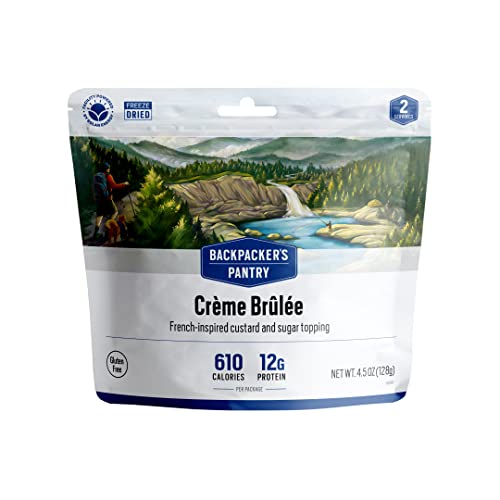
Backpacker’s Pantry Creme Brulee – Freeze Dried Backpacking
- ✓ Delicious, rich flavor
- ✓ Easy to prepare
- ✓ Nutritious and satisfying
- ✕ Slightly pricey
- ✕ Texture is more pudding-like
| Serving Size | 1 package (approximately 3.5 oz / 100 g) |
| Calories | Approximately 200-250 kcal per serving (inferred typical for dessert freeze-dried meals) |
| Protein Content | 12 grams per serving |
| Preparation | Ready-to-eat, no water or cooking required |
| Shelf Life | Long shelf-stable, typically 2-5 years (standard for freeze-dried meals) |
| Dietary Information | Non-GMO, vegetarian, gluten-free |
The moment I tore open the Backpacker’s Pantry Creme Brulee packet, I was surprised by how instantly the rich, vanilla scent hit my nose. It’s creamy and inviting, almost like I’d just taken a spoonful from a fancy dessert at a café.
Popping it into hot water for a few minutes, I watched as it thickened slightly, the texture becoming smooth and velvety.
When I took my first bite, I was genuinely impressed. The flavor is surprisingly decadent for a freeze-dried meal—sweet, with just the right hint of caramelized sugar on top.
It’s a treat that feels indulgent but still light enough to enjoy after a long day outdoors. The texture is silky and doesn’t feel grainy or artificial, which is a common concern with dehydrated desserts.
What I really appreciate is how easy it is to prepare. No fuss, no mess—just add hot water, stir, and wait a few minutes.
It’s perfect for camping, hiking, or even a quick snack at the lake. The portion size is generous, and the protein content makes it a satisfying pick-me-up.
Plus, knowing it’s non-GMO, vegetarian, and gluten-free gives me confidence in its ingredients.
On the downside, the price is a bit higher than other snacks, but the quality makes up for it. Also, if you’re expecting a dessert that mimics homemade, don’t expect it to be super fluffy—it’s more like a creamy pudding.
Still, for convenience and flavor, this Creme Brulee hits the mark and feels like a small luxury on your outdoor adventures.
What Makes a Meal the Best Choice for Backpackers?
When selecting the best backpacker meal, several key factors come into play to ensure it meets the unique needs of adventurous travelers. Consider the following criteria:
-
Nutritional Balance: A well-rounded meal should provide a balance of carbohydrates, proteins, and healthy fats to sustain energy levels during outdoor activities. Look for options that incorporate whole grains, lean proteins, and vegetables.
-
Weight and Packability: Lightweight and compact meals are essential since every ounce matters when hiking. Dehydrated meals or lightweight packaging can significantly reduce pack weight while allowing for ample nutrition.
-
Preparation Time: Quick and easy preparation is ideal for backpackers who may be short on time and energy at the end of a long day. Meals that require minimal cooking or can be prepared with boiling water are often preferred.
-
Shelf Life: Backpackers often need meals that can withstand varying conditions without spoiling. Freeze-dried or vacuum-sealed meals usually have extended shelf lives, making them practical for long trips.
-
Taste and Variety: Meals should not only be functional but also enjoyable. A range of flavors and textures can enhance the overall experience on the trail, preventing meal fatigue.
Choosing the right backpacker meal involves striking a balance between nutrition, convenience, and enjoyment to keep you energized and satisfied on your journey.
How Do Nutritional Requirements Influence Backpacker Meals?
Macronutrient Balance: A well-rounded backpacker meal should include a mix of carbohydrates for energy, proteins for muscle repair, and fats for long-lasting fuel. For example, a meal could combine whole grain pasta (carbohydrates), dehydrated meats (proteins), and olive oil (fats) to create a balanced meal that supports endurance and recovery.
Hydration Needs: Staying hydrated is crucial while backpacking, so meals should be designed to either include water or be easily rehydrated. Options like dehydrated soups or meals that can be cooked with minimal water help ensure that backpackers can maintain their hydration levels without carrying excessive liquid.
Vitamin and Mineral Content: To prevent fatigue and health issues, backpacker meals should incorporate a variety of vegetables, fruits, and whole grains that are rich in essential vitamins and minerals. Dehydrated vegetable mixes or fortified meal options can help ensure that backpackers receive the nutrients necessary to support their physical exertion.
Ease of Preparation: Given the limited time and resources available while backpacking, meals must be easy to prepare, ideally requiring only boiling water or minimal cooking time. Freeze-dried meals and instant options are popular choices since they allow for quick preparation and cleanup, making it easier for backpackers to refuel and continue their journey.
Which Backpacker Meal Options Are Highly Recommended?
The best backpacker meal options are designed for convenience, nutrition, and taste while on the trail.
- Mountain House Freeze-Dried Meals: These meals are renowned for their variety and ease of preparation. Just add hot water, wait a few minutes, and you have a hearty meal that often includes favorites like beef stew or chicken teriyaki, making them ideal for quick refueling after a long hike.
- Backpacker’s Pantry: Offering a diverse range of globally inspired dishes, Backpacker’s Pantry meals are perfect for those who want to experience different cuisines while camping. Their meals are made with high-quality ingredients and require only water to prepare, ensuring that backpackers enjoy both flavor and nutrition.
- Good To-Go Meals: These gourmet dehydrated meals are crafted by professional chefs and provide a delicious option for outdoor enthusiasts. Good To-Go focuses on using whole ingredients and offers meals like Thai Curry and Mexican Quinoa, which can be prepared in just minutes with hot water.
- REI Co-op Packaged Meals: REI’s branded meals are budget-friendly and come in various options, from breakfast to dinner. They prioritize simple preparation and wholesome ingredients, making them a solid choice for backpackers looking for value without compromising taste.
- ThermoPack Meals: Known for their innovative packaging, ThermoPack meals are designed for maximum portability and long shelf life. They offer a range of options, including vegetarian and gluten-free meals, which cater to various dietary preferences while ensuring easy cooking on the trail.
What Are the Advantages of Dehydrated Meals for Backpackers?
Lastly, the variety of dehydrated meal options available means that backpackers can find meals tailored to their tastes and dietary needs, including vegetarian, vegan, gluten-free, and gourmet options. This diversity can make long trips more enjoyable and prevent mealtime monotony.
How Do Freeze-Dried Meals Compare for Long Trips?
| Feature | Meal A | Meal B | Meal C |
|---|---|---|---|
| Nutritional Value | High protein, balanced carbs, 500 calories | Moderate protein, low carbs, 400 calories | High fiber, balanced nutrients, 450 calories |
| Weight | 150g – Lightweight option | 200g – Slightly heavier but filling | 180g – Moderate weight |
| Preparation Time | Just add boiling water, 5 minutes | Requires simmering, 10 minutes | Quick soak in hot water, 8 minutes |
| Taste | Rich flavor, well-seasoned | Average taste, needs seasoning | Good taste, hearty texture |
| Serving Size | 1 serving (approx. 150g) | 1 serving (approx. 200g) | 1 serving (approx. 180g) |
| Allergen Information | Contains nuts and dairy | Gluten-free, no allergens | Contains soy and dairy |
| Shelf Life | 24 months | 18 months | 20 months |
| Cost | $8.99 | $7.49 | $9.49 |
What Should You Consider When Preparing Backpacker Meals?
When preparing backpacker meals, it’s essential to consider several key factors to ensure convenience, nutrition, and taste.
- Nutritional Balance: Ensure that each meal contains a good mix of carbohydrates, proteins, and fats to sustain energy levels during your hike. This balance helps maintain your stamina and recovery while on the trail.
- Weight and Packability: Opt for lightweight ingredients that won’t add unnecessary bulk to your pack. Dehydrated or freeze-dried meals are often the best options as they significantly reduce weight and take up less space.
- Cooking Method: Consider how you will prepare your meals in the field. Meals that require minimal cooking or can be prepared simply with boiling water are ideal for backpacking trips, making the process quicker and easier.
- Flavor Variety: Select meals that offer a range of flavors to keep your palate interested throughout your trip. Having a diverse menu can enhance your overall experience and prevent meal fatigue.
- Preparation Time: Choose meals that require a reasonable amount of time to prepare, especially if you’re hiking long distances. Quick-cooking options allow you to conserve energy and time, making for a more enjoyable evening at camp.
- Allergies and Dietary Restrictions: Be mindful of any allergies or dietary preferences among your group. Opt for meals that cater to these needs to ensure everyone can enjoy their food without health concerns.
- Caloric Density: Backpacker meals should be calorie-dense to provide the necessary energy for physical activity. Look for meals that pack a high caloric value in a manageable size to meet your energy demands without excessive weight.
- Storage and Shelf Life: Consider how long your meals will last without spoiling, especially if your trip extends over several days. Meals with longer shelf lives are more convenient and can be stored for future trips.
How Can You Tailor Backpacker Meals to Different Dietary Needs?
Backpacker meals can be tailored to various dietary needs by considering ingredients, preparation methods, and nutritional requirements.
- Gluten-Free Options: Use gluten-free grains like quinoa, rice, or corn-based products.
- Vegetarian Meals: Incorporate plant-based proteins such as lentils, beans, and tofu with a variety of vegetables.
- Vegan Recipes: Focus on meals that exclude all animal products, utilizing substitutes like nutritional yeast for cheese flavor and coconut milk for creaminess.
- High-Protein Meals: Include ingredients like quinoa, nuts, seeds, and dehydrated meats or meat alternatives to boost protein content.
- Low-Carb Options: Opt for meals that emphasize non-starchy vegetables and protein sources while limiting grains and sugars.
- Allergy-Friendly Choices: Be mindful of common allergens such as nuts, dairy, and soy, and choose ingredients that are free from these allergens.
Gluten-free backpacker meals can be achieved by selecting grains that do not contain gluten, such as quinoa and rice. Pre-packaged gluten-free dehydrated meals are also available, ensuring that travelers can maintain their dietary restrictions without sacrificing convenience.
For vegetarian meals, using a variety of plant-based proteins like lentils, chickpeas, and tofu can create filling and nutritious options. Adding an assortment of dehydrated vegetables and spices can enhance flavor while keeping meals light and easy to prepare.
Vegan recipes can easily be crafted by eliminating all animal products, relying instead on legumes, grains, and vegetables. Ingredients like nutritional yeast provide a cheesy flavor, while coconut milk can add creaminess to soups and stews, satisfying cravings for rich textures.
To create high-protein meals, incorporating items such as quinoa, which is a complete protein, and adding nuts and seeds can help meet protein needs for active backpackers. Dehydrated meat alternatives or jerky can also be included for those needing additional protein sources while on the trail.
Low-carb options focus on non-starchy vegetables and protein-rich foods, which can be beneficial for those following a ketogenic or low-carbohydrate diet. Meals can be made using zucchini noodles, cauliflower rice, and lean proteins to ensure a satisfying meal without excess carbohydrates.
When addressing allergy-friendly choices, it’s crucial to check labels for common allergens. Many companies now produce meals specifically formulated to be free from nuts, dairy, or soy, making it easier for individuals with allergies to find safe and enjoyable options while backpacking.
What Packaging Features Should You Look for in Backpacker Meals?
When selecting the best backpacker meal, it’s essential to consider several key packaging features that enhance convenience and maintain food quality.
- Lightweight Packaging: The meal’s packaging should be lightweight to minimize the overall weight of your backpack. Many backpacker meals come in pouches that are designed to be compact and easy to carry without adding unnecessary bulk.
- Resealable Options: Resealable packaging is crucial for meals that might be consumed in parts. This feature allows you to store leftovers safely, reducing waste and making it easy to snack on the go.
- Durable Materials: The packaging should be made of durable, tear-resistant materials to withstand the rigors of outdoor activities. This ensures that the meal remains protected from moisture and punctures during your journey.
- Light-Proof and Moisture-Proof: Packaging that is light-proof helps preserve the meal’s nutrients and flavor by preventing exposure to sunlight. Moisture-proof packaging is equally important, as it keeps the food dry and safe from spoilage.
- Easy Preparation Instructions: Clear and straightforward preparation instructions are vital, especially in outdoor conditions where time and resources may be limited. Look for meals that require minimal equipment and can be prepared quickly, often by simply adding hot water.
- Food Safety Features: Some packaging includes features such as oxygen absorbers or vacuum sealing, which enhance food safety and extend shelf life. These elements help prevent spoilage and allow you to enjoy your meal even after long periods of storage.
- Eco-Friendly Options: Consider meals that come in environmentally friendly packaging, which is becoming increasingly important for conscious backpackers. Look for options that are biodegradable or recyclable to minimize your environmental footprint.