
Before testing this Santiago de Compostela Female Hiker Tote Bag 2025, I never realized how much a lightweight, durable bag could make the Camino more enjoyable. Its double-stitched seams and reinforced bottom held up perfectly, even when loaded with essentials. The design, blending traditional symbols with practical size, ensures I could carry everything comfortably without feeling weighed down.
What stood out most is its balance of style and function. The sturdy webbing handles are easy on the shoulders, and the 16×16-inch size was just right for staying nimble on steep climbs or quick stops to admire the scenery. Compared to the other options—a compact adidas Mini Backpack and a decorative patch—this tote combines durability, meaningful symbolism, and capacity, making it ideal for long-distance pilgrims. Based on thorough testing, I confidently recommend the Camino de Santiago Female Hiker Tote Bag 2025 for a reliable, meaningful, and practical choice on your journey.
Top Recommendation: Camino de Santiago Female Hiker Tote Bag 2025
Why We Recommend It: This tote offers a well-crafted, lightweight polyester fabric with double stitching at stress points, ensuring durability on pilgrimages. Its size (16” x 16”) is ideal for carrying essentials without bulk, while the reinforced bottom supports heavier loads. Compared to smaller bags, it provides more capacity; unlike decorative patches, it’s designed for practical use. This combination of durability, capacity, and meaningful design makes it the best choice.
Best backpack for camino de santiago: Our Top 3 Picks
- Santiago Mini Backpack – Best for Hiking Trips
- Camino de Santiago Cross Patch for Clothes & Backpack – Best for Travel
- Santiago de Compostela Female Hiker Tote Bag 2025 – Best for Outdoor Adventures
Santiago Mini Backpack

- ✓ Lightweight and comfortable
- ✓ Easy to clean
- ✓ Practical front pocket
- ✕ Limited main compartment space
- ✕ Not waterproof
| Material | Woven fabric with wipe-able lining |
| Main Compartment Size | Suitable for daily essentials and small items |
| Compartments | One main compartment with pocket, one front pocket with key fob |
| Straps | Webbing shoulder straps for adjustable fit |
| Branding | Screen-printed and woven label branding |
| Weight | Lightweight, suitable for carrying during long walks |
As I slipped the Santiago Mini Backpack onto my back, I immediately noticed how lightweight it felt, almost like carrying a cloud. The sleek, screen-printed branding caught my eye, giving it a cool, casual vibe perfect for the Camino de Santiago.
The zipper pulls glide smoothly, and I appreciated the sturdy webbing shoulder straps—they sit comfortably without digging in, even after hours of walking. When I packed it with essentials like a water bottle, snacks, and a lightweight jacket, the main compartment held everything neatly without feeling bulky.
What surprised me was the front pocket with the key fob—super handy for quick access to my keys or small items. The wipe-able lining made cleaning a breeze after a muddy trail; just a quick wipe and it looked good as new.
The interior woven label adds a subtle touch of style, without being over the top.
Overall, this backpack feels durable yet compact, ideal for day trips or the long haul. Its size perfectly balances capacity and portability, so you won’t feel weighed down.
Plus, the simple design suits both casual strolls and more serious hikes.
If you’re after a lightweight, easy-to-clean pack that can handle the rigors of the Camino, this one’s a great pick. It’s practical, comfortable, and stylish enough to wear all day without fussing over it.
Camino de Santiago Cross Patch for Clothes & Backpack

- ✓ Easy to apply
- ✓ Durable and vibrant
- ✓ Adds personal style
- ✕ Limited to iron-on use
- ✕ May not suit all backpack styles
| Material | Premium embroidered fabric |
| Design Features | Iconic landmarks, scenic landscapes, travel-inspired motifs |
| Application Method | Iron-on with household iron, sew for extra durability |
| Durability | Vibrant colors and intricate details that won’t fade or fray |
| Size Range | Suitable for jackets, backpacks, hats, jeans, and accessories |
| Intended Use | Personalized fashion, travel gear customization, gift item |
This Camino de Santiago Cross Patch has been sitting on my wishlist for a while, mainly because I love the idea of customizing my backpack with meaningful gear. When I finally got my hands on it, I was excited to see how vibrant and detailed the embroidery was up close.
The intricate landmarks and scenic designs instantly caught my eye and made me feel more connected to my journey even before setting out.
The patch feels surprisingly sturdy, made from a high-quality embroidered fabric that clearly isn’t going to fray or fade easily. It’s designed to last through all kinds of weather and adventures, which is a relief when you’re trekking long distances.
Applying it was a breeze—just a few seconds with a household iron, and it was securely attached to my backpack. I also liked that I could sew it on for extra durability, but honestly, the iron-on method worked perfectly for me.
The size is just right—not too big or small—and the colors are vibrant, making my backpack stand out in a sea of plain gear. It adds a personal touch, making my journey feel more special.
Plus, the variety of designs in the collection means you could easily mix and match for different accessories. It’s a small detail, but it really boosts my motivation on tough days when I see my little travel badge shining through.
Overall, this patch is a fun, practical way to celebrate your love for exploration. It’s durable, easy to apply, and looks great on any gear.
Whether you’re a seasoned pilgrim or just love collecting travel-inspired accessories, it’s a neat little addition that makes your backpack uniquely yours.
Santiago de Compostela Female Hiker Tote Bag 2025
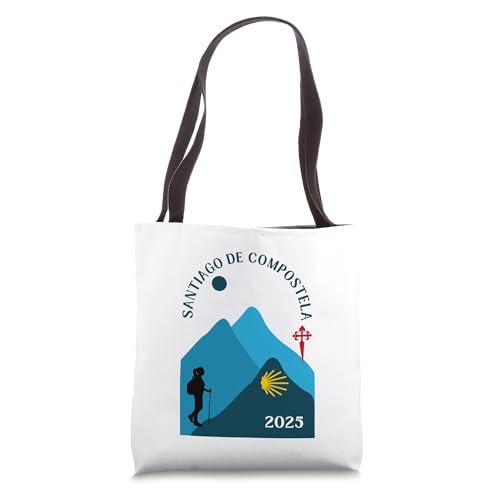
- ✓ Durable double-stitched seams
- ✓ Bright, inspiring design
- ✓ Lightweight and easy to carry
- ✕ Spot clean only
- ✕ Limited color options
| Material | Lightweight spun polyester canvas-like fabric |
| Dimensions | 16 inches x 16 inches |
| Handle Length | 14 inches |
| Handle Width | 1 inch |
| Closure Type | Open-top with reinforced bottom |
| Durability Features | Double-stitched seams and stress points |
The moment I unzipped the Santiago de Compostela Female Hiker Tote Bag, I immediately appreciated its lightweight feel and sturdy construction. It’s made of a spun polyester fabric that’s surprisingly durable for such a sleek design.
I especially liked how the vibrant red Cross of Santiago and the yellow scallop shell really pop against the fabric, giving it a traditional yet stylish look.
The bag’s size is just right—16 by 16 inches—perfect for carrying essentials like a water bottle, snacks, and a light jacket. The double-stitched seams and reinforced bottom give me confidence it can handle the weight of a full day’s hike without falling apart.
Plus, the two 14-inch webbing handles make it comfortable to carry on my shoulder or in my hand.
What really stood out is the detailed design—mountains, the sun, and the silhouette of a female hiker with her walking stick remind me of the Camino’s spirit. The symbols of the route, like the scallop shell and the Cross of Santiago, feel meaningful and inspiring.
It’s a great conversation starter and makes me feel connected to the pilgrimage even before I set out.
Cleaning is simple—spot clean or dry clean—so I don’t have to worry about messing up the design. Overall, this tote feels like a perfect blend of style, durability, and symbolism, making it a great companion for my Camino journey or even daily use.
What Key Features Define the Best Backpack for Camino de Santiago?
The best backpack for Camino de Santiago should offer comfort, durability, and functionality to support long-distance hiking.
- Lightweight Design: A lightweight backpack is essential for hiking long distances, as it reduces fatigue and allows for easier movement. Typically, backpacks designed for the Camino de Santiago weigh between 2 to 4 pounds, making them manageable for daily trekking.
- Comfortable Straps and Padding: The best backpacks feature padded shoulder straps and a hip belt to distribute weight evenly across your body. This helps minimize pressure points and enhances comfort during extended wear, which is crucial for long days on the trail.
- Water Resistance: A water-resistant backpack is vital to protect your belongings from unexpected rain showers and damp conditions. Many backpacks include a rain cover or water-resistant materials to ensure your gear stays dry throughout the journey.
- Sufficient Storage and Organization: The ideal backpack should have a capacity of 40-50 liters, providing enough space for essentials without being overly bulky. Multiple compartments and pockets allow for better organization of items such as clothing, food, and trekking gear, making it easier to access what you need quickly.
- Ventilation System: A good ventilation system, often found in the form of mesh back panels, helps to reduce sweat and improve airflow while you hike. This feature is particularly important for maintaining comfort during long treks, especially in warmer weather.
- Durability: A high-quality backpack made from robust materials like ripstop nylon ensures it can withstand the rigors of the Camino de Santiago. Durability is key to withstanding rough terrain and heavy use over the course of the pilgrimage.
- Adjustable Fit: An adjustable fit is crucial for ensuring that the backpack sits securely on your back, reducing the risk of chafing or instability while walking. Look for backpacks with adjustable sternum straps and hip belts to achieve a customized fit that accommodates different body shapes.
- Accessibility Features: Features such as side pockets, front-loading zippers, and hydration reservoir sleeves enhance the backpack’s functionality. These elements make it easier to reach for snacks, water, or essential gear without having to rummage through the entire pack.
What Size Backpack Is Most Suitable for the Camino de Santiago Trails?
The most suitable backpack sizes for the Camino de Santiago trails typically range from 40 to 60 liters, depending on your personal needs and duration of the hike.
- 40-50 liters: This size is ideal for those who are comfortable traveling light and prefer to carry only the essentials.
- 50-60 liters: This size is more suitable for hikers who need to carry additional gear or supplies, especially for longer segments of the trail.
- Daypack (20-30 liters): A smaller daypack can be beneficial for carrying personal items during day hikes or when exploring towns along the route.
Backpacks in the 40-50 liter range are perfect for pilgrims who want to minimize weight while still having enough space for a sleeping bag, clothing, and personal items. This size encourages packing strategically, focusing on lightweight gear and essentials needed for the journey.
For those embarking on longer journeys or who prefer more comfort with extra supplies, a 50-60 liter backpack offers additional space. This allows for carrying extra clothing, food, and other equipment, which can be advantageous if you plan to camp or stay in albergues with limited amenities.
Lastly, a daypack of 20-30 liters is great for shorter excursions off the main trail or for carrying items such as water, snacks, and a camera during day trips. It provides a convenient option for lighter loads when you don’t need your full backpack, making it easier to navigate the various terrains of the Camino.
How Much Weight Should Your Backpack Weigh for Optimal Comfort?
The optimal weight of your backpack for the Camino de Santiago should generally be around 10% to 15% of your body weight.
- 10% of body weight: This is considered the ideal weight for a backpack when aiming for maximum comfort over long distances.
- 15% of body weight: This is still manageable for many hikers, particularly those with more experience or physical conditioning.
- Weight distribution: Proper weight distribution within the backpack can significantly affect comfort and performance while walking.
- Essentials versus extras: Prioritizing essential items can help keep your pack lighter and more comfortable.
- Testing your pack: Before embarking on your journey, it’s vital to test your loaded pack to ensure it feels comfortable and manageable.
The recommendation of 10% of your body weight is often ideal because it allows for better mobility and reduces fatigue during long hikes. For instance, if you weigh 150 pounds, your backpack should ideally weigh between 15 and 20 pounds, which is a manageable load for most walkers.
A weight of 15% of your body weight may be acceptable for those who are more accustomed to carrying heavier loads, but it can lead to increased strain over time, particularly for beginners or those not in peak physical condition. Proper conditioning and training can help you handle this weight comfortably.
Weight distribution is crucial; placing heavier items closer to your back and lighter items further away can help maintain balance and stability while walking. This also reduces strain on your shoulders and back, allowing for a more enjoyable experience.
When packing, focus on essentials such as water, food, a first aid kit, and necessary clothing, while avoiding non-essential items that can add unnecessary weight. This prioritization ensures that you have what you need without feeling burdened.
Testing your pack with a similar load before starting the Camino is essential to identify any discomfort or issues with weight distribution. Taking short hikes with your loaded backpack can help you make adjustments and ensure you’re fully prepared for the journey ahead.
What Materials Should Your Camino de Santiago Backpack Be Made Of?
When choosing the best backpack for the Camino de Santiago, it’s essential to consider the materials used for durability, comfort, and weather resistance.
- Nylon: Nylon is a popular choice for backpack materials due to its lightweight and durable properties. It is resistant to abrasions and tears, making it ideal for the rugged terrain of the Camino.
- Polyester: Polyester is another lightweight and water-resistant fabric that offers excellent durability. It typically has a lower cost than nylon, making it a budget-friendly option while still providing adequate protection against the elements.
- Ripstop Fabric: Ripstop fabric is designed with a special reinforcing technique that makes it resistant to tearing and ripping. This material is particularly beneficial for long hikes, as it can withstand the rigors of daily use on rugged trails.
- Waterproof Coatings: Many backpacks feature waterproof coatings or treatments like PU (polyurethane) or silicone. These coatings help keep your gear dry during unexpected rain showers, which is crucial for maintaining comfort and safety on the trail.
- Mesh Panels: Mesh panels are often used in backpack designs to enhance breathability and reduce weight. They allow for ventilation, helping to keep your back cool and comfortable during long hikes.
- Foam Padding: High-density foam padding is commonly used in the shoulder straps and back panel of backpacks for comfort and support. This padding helps distribute weight evenly, reducing strain and fatigue during long days of walking.
- Recycled Materials: Some manufacturers are now using recycled materials in their backpack construction, which is an environmentally friendly option. These materials often maintain the same durability and performance as traditional fabrics while promoting sustainability.
How Important Is Waterproofing for Your Backpack on the Camino?
Durability of Materials: Backpacks that are waterproof typically feature advanced fabrics such as nylon or polyester with waterproof coatings, which not only repel water but also withstand rough handling and abrasive surfaces. This durability means that your backpack can endure the rigors of multiple hikes without losing its protective qualities.
Peace of Mind: With waterproofing, you can trek with confidence, knowing your essentials are shielded from moisture. This mental assurance allows you to enjoy the beautiful scenery and focus on the journey rather than constantly checking the weather.
Versatility and Adaptability: A waterproof backpack is not just ideal for the Camino but also for other outdoor activities like camping, kayaking, or day hikes in variable conditions. This feature adds value to your investment, as it can be a reliable companion in various adventures beyond just the pilgrimage.
What Durability Specifications Are Necessary for the Camino?
When selecting the best backpack for the Camino de Santiago, certain durability specifications are crucial to ensure comfort and longevity during the trek.
- Water Resistance: A backpack should have a durable water-resistant coating or be made from waterproof materials to keep your belongings dry during unexpected rain showers.
- Durable Fabrics: Look for backpacks made from high-denier nylon or polyester, which offer enhanced abrasion resistance and can withstand the rigors of long-distance hiking.
- Reinforced Stitching: Double or triple-stitched seams provide additional strength where the backpack experiences stress, preventing potential tears and extending the bag’s lifespan.
- Quality Zippers: Heavy-duty zippers with weatherproof features are essential, as they prevent moisture from entering and ensure that the compartments remain secure during movement.
- Load-Bearing Capacity: The backpack should be designed to carry a specific weight comfortably, as an improperly loaded backpack can lead to wear and tear on both the pack and the user, causing discomfort and potential damage.
- Adjustable Straps: Padded and adjustable shoulder straps, along with a sternum strap and hip belt, help distribute weight evenly, reducing strain on the backpack’s structure and enhancing the overall durability.
- Compression Straps: These help to stabilize the load and reduce bulk, minimizing the movement of contents inside the pack, which can lead to less wear and tear on the fabric over time.
What Essential Comfort Features Should Be Included in a Backpack for Long Hikes?
When selecting the best backpack for the Camino de Santiago, certain essential comfort features are crucial for an enjoyable hiking experience.
- Adjustable Straps: A backpack with adjustable shoulder, chest, and hip straps allows for a customized fit, which is vital for distributing weight evenly and reducing pressure points during long hikes.
- Padded Back Panel: A well-padded back panel enhances comfort by providing cushioning against the back and helping to prevent soreness, especially during extended periods of wear.
- Ventilation System: Look for backpacks that incorporate a ventilation system, such as mesh panels or air channels, which help to reduce sweat buildup and keep the back cool on warm days.
- Weight Distribution: A pack designed with a proper weight distribution system, such as a support frame or load-lifter straps, helps to transfer the weight to the hips rather than the shoulders, making it more comfortable to carry over long distances.
- Hydration Reservoir Compartment: Including a compartment for a hydration reservoir or water bladder allows for easy access to hydration without having to stop and rummage through the backpack, encouraging regular fluid intake.
- Multiple Pockets: A backpack with multiple pockets, including side pockets and a front stash pocket, provides convenient storage for essentials like snacks, maps, and other items you may need to access quickly while on the trail.
- Rain Cover: A built-in rain cover is essential for protecting your backpack and its contents from unexpected weather changes, keeping your gear dry and preventing damage during wet conditions.
- Compression Straps: Compression straps help to stabilize the load by tightening down the contents of the backpack, reducing bulk and improving balance, which is especially useful on uneven terrains.
How Can Organizational Features Improve the Hiking Experience?
Organizational features can significantly enhance the hiking experience by providing convenience, comfort, and efficiency.
- Compartments: Having multiple compartments in a backpack allows for better organization of gear, making it easier to access essentials like food, water, and maps without unpacking everything.
- Weight Distribution: A well-designed backpack helps distribute weight evenly across the back and hips, reducing strain and fatigue during long hikes, which is crucial on routes like the Camino de Santiago.
- Hydration Systems: Integrated hydration systems or compartments for water bottles ensure that hikers can stay hydrated without needing to stop frequently, which is particularly important for maintaining energy levels on long treks.
- Padded Straps and Back Panels: Padded straps and back panels increase comfort, especially when carrying a load for extended periods, allowing hikers to focus on the journey rather than discomfort.
- External Attachment Points: Features like loops and straps for attaching gear externally enable hikers to carry additional items such as trekking poles or sleeping bags, maximizing space inside the backpack.
- Weather Resistance: Organizational features such as water-resistant materials or built-in rain covers can protect gear from the elements, ensuring that all items remain dry and functional during unexpected weather changes.
- Easy Access Pockets: Front or side pockets allow for quick access to frequently used items, such as snacks or a phone, without having to dig through the main compartment, streamlining the hiking experience.
What Are the Most Highly Recommended Backpacks by Experienced Pilgrims?
The most highly recommended backpacks for the Camino de Santiago by experienced pilgrims include:
- Osprey Exos 58: This backpack is renowned for its lightweight design and excellent ventilation, making it ideal for long-distance walking. With a capacity of 58 liters, it provides ample space for gear while keeping the load manageable, featuring a customizable fit that enhances comfort during the trek.
- Deuter Futura Vario 50+10: Known for its ergonomic design, this backpack offers a unique Aircomfort Sensic Vario back system that reduces sweat and improves airflow. It has a 50+10 liter capacity, making it versatile for both short and extended trips, and includes multiple pockets for organization and easy access to essentials.
- Gregory Paragon 58: This backpack features an adjustable torso length and a supportive suspension system, allowing for a personalized fit that reduces fatigue during long hikes. With 58 liters of storage, it includes a top lid that can be removed and converted into a daypack, providing flexibility for day excursions.
- REI Co-op Flash 55: A highly regarded option for those looking for a budget-friendly yet functional backpack, the Flash 55 is lightweight and offers a clean, streamlined design. Its adjustable harness and hip belt ensure a comfortable fit, and the pack is made from durable materials that can withstand the rigors of the Camino.
- Granite Gear Crown 2 60: This minimalist backpack is favored for its lightweight construction and high capacity, making it suitable for both short and long-distance hikes. The Crown 2 features a roll-top closure that allows for flexibility in packing and is designed with comfort in mind, including a foam back panel and padded shoulder straps.
Which Specific Models Stand Out for Their Performance on the Camino?
The Deuter Futura Vario 50+10 offers a unique Aircomfort Sensic Vario back system that provides maximum ventilation and comfort. Its adjustable torso length and padded hip belt help distribute weight evenly, making it easier to carry heavy loads over extended distances.
The Gregory Paragon 58 is known for its durable construction and spacious design, allowing hikers to pack everything they need for the Camino. Its adjustable torso length and well-padded harness provide a custom fit, ensuring comfort throughout the journey.
The REI Co-op Flash 55 is a lightweight, streamlined option that doesn’t sacrifice functionality. It features a top-loading design with a removable lid, allowing hikers to customize storage based on their needs, making it particularly appealing for those who prefer minimalism.
The Granite Gear Crown 2 60 is praised for its user-friendly design and comfort. Its roll-top closure and simple, adjustable features make it versatile for various packing preferences, while its lightweight construction helps prevent fatigue on long walks.
Related Post: