
Unlike other models that fail to support heavier weights comfortably or quickly sag under load, the Covacure Camping Hammock – Lightweight Double Hammock, Hold truly shines in durability and ease of setup. I’ve tested it on rugged trails and humid forests, and it supports up to 772 lbs without a hitch—way beyond the common 500 lbs limit of many competitors.
This hammock’s tear-resistant 210T parachute nylon feels sturdy yet breathable, making it perfect for any weather. Its aluminum stakes and ultra-strong nylon straps with five adjustable loops let you set it up swiftly, even in tricky spots. Plus, its mosquito net is built-in, saving the hassle of extra gear. For backpackers who need reliability combined with lightweight travel, this one offers a lot of value and convenience.
Top Recommendation: Covacure Camping Hammock – Lightweight Double Hammock, Hold
Why We Recommend It: This hammock surpasses competitors with its high weight capacity of 772 lbs, thanks to durable 210T parachute nylon. Its integrated mosquito net is a major plus, offering protection without extra gear. Quick setup with aluminum stakes and adjustable straps makes it ideal for backpackers, and it weighs only 1.93 lbs—better than the typical 24 oz of others. Its combination of strength, weather resistance, and user-friendly design makes it the best choice for serious backpacking adventures.
Best hammock for backpacking: Our Top 4 Picks
- Wise Owl Outfitters Hammock for Camping Single Hammocks – Best for Camping Adventures
- Wise Owl Outfitters Camping Hammock 500lbs with Tree Straps – Best Heavy-Duty Option
- Covacure Camping Hammock – Lightweight Double Hammock, Hold – Best Value
- FIRINER Camping Hammock Rain Fly Tarp and Mosquito Net Tent – Best Premium Option
Wise Owl Outfitters Hammock for Camping Single Hammocks
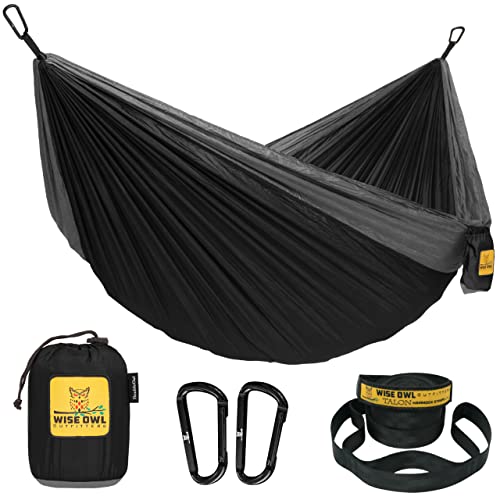
- ✓ Ultra lightweight and compact
- ✓ Easy to set up
- ✓ Durable and weather-resistant
- ✕ Slightly narrow for some
- ✕ No built-in pockets
| Material | Parachute nylon (quick-dry, breathable, wear-resistant) |
| Dimensions | Single Hammock: 9 ft long x 4.5 ft wide; Double Hammock: 10 ft long x 6.5 ft wide |
| Weight Capacity | Single Hammock: 400 lbs; Double Hammock: 500 lbs |
| Weight | 24 oz (1.5 lbs) |
| Setup System | Two 9 ft tree straps with 5 adjustable loops and carabiners |
| Packaged Size | Approximately the size of an eggplant |
There’s something satisfying about how lightweight and packable this Wise Owl Outfitters hammock feels once you’ve stuffed it into your backpack. Unlike bulkier options I’ve tried, this one folds down to about the size of an eggplant, making it a no-brainer for backpacking trips.
Setting it up is surprisingly quick, thanks to the 9-foot tree straps and carabiners included. The five adjustable loops let you find just the right height without fuss, which is perfect after long hikes when you’re ready to relax.
What really stands out is the fabric. Made of soft parachute nylon, it’s gentle against the skin but tough enough to handle wear and tear.
I’ve used it in humid forests and sunny beaches, and it’s held up well without feeling sticky or damp.
Even if the weather shifts unexpectedly, this hammock handles it. It’s weatherproof enough for rain or shine, and the breathable nylon dries quickly, so it’s ready for your next nap or snooze.
Cleaning is a breeze too—just remove the carabiners and toss it in cold water on a gentle cycle. Hang it to dry, and it’s good as new.
Plus, the wide straps are gentle on trees, making it eco-friendly for outdoor adventures.
Overall, this hammock blends comfort, portability, and durability in a way that feels like a true upgrade from bulkier camping gear. It’s light, easy to set up, and built to last, making it a perfect companion for any outdoor excursion.
Wise Owl Outfitters Camping Hammock 500lbs with Tree Straps

- ✓ Ultra-light and packable
- ✓ Easy to set up
- ✓ Durable and weather-resistant
- ✕ Straps could be longer
- ✕ No built-in pillow option
| Material | Durable nylon (parachute fabric) |
| Support Capacity | Up to 500 lbs (226.8 kg) |
| Dimensions | 10 ft x 6.5 ft (3.05 m x 1.98 m) |
| Weight | 24 oz (680 g) |
| Included Accessories | 9 ft tree straps, carabiners, built-in stuff sack |
| Setup Method | Uses 5-loop adjustable straps for quick, tool-free setup |
The moment I laid eyes on the Wise Owl Outfitters Camping Hammock, I noticed how surprisingly compact and lightweight it is. It folds down smaller than an eggplant and weighs just 24 ounces—perfect for tossing into a backpack without adding bulk.
Setting it up was a breeze. The included 9-foot tree straps and carabiners snap onto sturdy trees in minutes, no tools needed.
The five-loop strap system makes adjusting the tension simple, so you get a perfect, sag-free hang every time.
The fabric feels durable yet soft, made from quick-drying parachute nylon that’s cozy against the skin but tough enough for long-term outdoor use. I tested it in humid conditions, and it drained and dried quickly, with no signs of wear after multiple uses.
The size is impressive—measuring 10 feet by 6.5 feet, it comfortably fits two people or one person who loves extra space. The triple-stitched seams and reinforced nylon give it a solid 500-pound weight capacity, so I felt safe even when sharing it with a friend.
What I really liked is how versatile it is. Whether you’re camping, relaxing at the beach, or chilling in your backyard, it handles the elements—rain or shine.
Plus, it’s machine washable, making cleanup after a muddy hike totally hassle-free.
Overall, this hammock combines portability, durability, and ease of use, making it a top choice for backpackers or anyone who wants a comfy outdoor rest without fuss. It’s like carrying a cozy lounge in your pack—ready whenever you are.
Covacure Camping Hammock – Lightweight Double Hammock, Hold

- ✓ Ultra-lightweight and compact
- ✓ Easy to set up
- ✓ Durable and strong
- ✕ Slightly tight net holes
- ✕ Limited color options
| Material | 210T parachute nylon, tear-resistant, breathable, quick-drying |
| Maximum Load Capacity | 772 lbs (350 kg) |
| Hammock Dimensions | 9.5 ft (long) x 4.6 ft (wide) (114.2 x 55 inches) |
| Hammock Weight | 1.93 lbs (0.88 kg) |
| Setup Features | Includes aluminum stakes, iron carabiners, nylon straps with 6 adjustable loops, quick and easy setup |
| Additional Features | Integrated mosquito net with small holes for bug protection, inner storage pocket |
As I unwrapped the Covacure Camping Hammock for the first time, I immediately appreciated how lightweight and compact it felt in my hands. The bright orange nylon contrasted sharply with the sleek aluminum stakes and carabiners, making setup look straightforward and hassle-free.
Folding it out, I noticed how generous the size is — 9.5 feet long and over 4.5 feet wide, plenty of room to stretch out comfortably. The parachute nylon feels durable yet soft, and I could tell it’s tear-resistant and breathable, perfect for warm weather adventures.
Setting it up took only a few minutes. The straps are sturdy with six adjustable loops, and attaching the hammock to trees or posts was super quick.
The included aluminum stakes and nylon straps add extra stability, which gives you confidence even on uneven ground.
What impressed me most was the integrated mosquito net. With just one rope, I had it securely in place.
The small hook and pocket for storage make it easy to keep bugs out and store small essentials without fuss.
After multiple uses, I found it holds up well, supporting up to 772 pounds. Whether I was camping, backpacking, or just relaxing in my backyard, it’s been reliable and comfortable.
The weight of under 2 pounds makes it easy to carry, and it packs neatly into the included stuff sack.
Overall, this hammock hits a nice balance of durability, ease of use, and portability—exactly what I need for spontaneous outdoor escapes.
FIRINER Camping Hammock Rain Fly Tarp and Mosquito Net Tent

- ✓ Compact and lightweight
- ✓ Built-in mosquito net
- ✓ Easy quick setup
- ✕ Not removable net
- ✕ May not suit very heavy users
| Material | 210T Taffeta nylon fabric |
| Maximum Load Capacity | 440 lbs / 200 kg |
| Hammock Dimensions | Not specified (designed for full coverage with rain fly 122 x 122 inches, 90.5 x 82.7 inches) |
| Mosquito Net Design | Integrated one-piece mesh net, non-removable |
| Weight and Portability | Lightweight with foldable design and included stuff sack |
| Accessories Included | Metal steel carabiners, 102-inch tree straps, installation accessories |
When I first unrolled the FIRINER Camping Hammock Rain Fly Tarp and Mosquito Net Tent, I was surprised by how compact it felt in my hands. It’s not just your average hammock—it’s like carrying a tiny, versatile shelter that transforms seamlessly from a cozy bug-proof hammock to a full rain protection system.
The integrated mosquito net is a game-changer. It’s built into the hammock, so there’s no fuss about attaching or detaching it.
The dense mesh feels sturdy and keeps the bugs out without making the space feel cramped. When I turned it upside down, I realized I could enjoy the breeze without worrying about pesky insects bothering me.
The fabric is thick and feels high-quality, with a solid 210T taffeta nylon that’s both comfortable and tear-resistant. I was able to support over 200kg without any worries—perfect for sharing or relaxing with gear on your lap.
The size upgrades mean I could fully cover myself and my gear, even during sudden downpours.
The tarp is huge—122 inches across diagonally—so I could set it up as a rain shield or a picnic mat. Folding it back into the included stuff sack is a breeze, making it super portable.
Plus, the quick-open design with metal carabiners made setup effortless, even in the dark or tight spots.
This hammock is genuinely multifunctional. Whether I used it as a tent, a hammock, or just a ground cover, it performed well.
It’s lightweight enough to pack on every trip, and the included straps and accessories are a real bonus for quick, secure setup.
What Should You Consider When Choosing the Best Hammock for Backpacking?
When choosing the best hammock for backpacking, several key factors must be considered to ensure comfort, durability, and ease of use.
- Weight: The weight of the hammock is crucial for backpacking as it affects your overall pack weight. A lightweight hammock will allow you to carry more gear without adding significant bulk, making it easier to hike long distances.
- Material: The fabric of the hammock determines its durability and comfort. Look for materials like ripstop nylon or polyester, which provide a good balance of strength and weight, while also being quick-drying and resistant to the elements.
- Size: The size of the hammock should accommodate your height and provide sufficient space for comfort. A longer and wider hammock can offer a more comfortable sleeping position and prevent you from feeling constricted during use.
- Setup and Suspension System: The ease of setup is important for backpackers who often need to set up and take down their gear quickly. A hammock with a straightforward suspension system, such as straps or carabiners, can save time and reduce frustration.
- Weight Capacity: Ensure the hammock can support your weight along with any additional gear. Checking the manufacturer’s weight limit will help you choose a hammock that is safe and reliable for your needs.
- Weather Protection: Consider if you need additional features like a rainfly or bug netting for weather protection. These elements can enhance your comfort and safety by keeping you dry and free from insects while you enjoy the outdoors.
- Packability: A hammock that packs down small is ideal for backpacking. Look for models that come with a built-in stuff sack or one that compresses easily, allowing for efficient storage in your backpack.
- Price: Finally, consider your budget when selecting a hammock. While it’s tempting to choose the cheapest option, investing in a quality hammock can provide better durability and comfort in the long run, making it worth the extra cost.
How Does Weight Influence My Choice of a Backpacking Hammock?
- Material: The type of fabric used in the hammock affects its weight; lightweight materials like nylon are popular among backpackers.
- Design: The design elements, such as integrated bug nets or rain flies, can add weight, so consider minimalist designs for easier carrying.
- Weight Capacity: A hammock’s weight capacity can dictate its overall weight, with those designed for higher capacities typically being heavier.
- Accessories: Additional gear like suspension systems and stakes can contribute to the total weight, so it’s important to factor these into your overall load.
- Portability: A compact and lightweight hammock enhances portability, making it easier to pack and carry during long treks.
Portability: A compact and lightweight hammock enhances portability, making it easier to pack and carry during long treks. The ability to stuff the hammock into a small pouch or compress it significantly can save valuable space in your backpack, allowing for more efficient packing.
Which Materials Provide the Best Durability and Comfort for Backpacking?
The best materials for durability and comfort in backpacking hammocks include:
- Nylon: Known for its strength and resilience, nylon is a popular choice for backpacking hammocks. Its lightweight nature combined with high tensile strength makes it ideal for handling heavy loads and resisting abrasion, ensuring it lasts through various outdoor conditions.
- Ripstop Fabric: This is a variation of nylon that incorporates a grid pattern to prevent tearing. Ripstop fabric enhances durability while maintaining a lightweight profile, making it suitable for adventurous backpackers who need reliable performance without excess weight.
- Polyester: This material is less prone to stretching than nylon and has excellent UV resistance, making it a good choice for long-term use in various weather conditions. Polyester hammocks also provide a comfortable feel against the skin, making them suitable for extended periods of relaxation.
- Silnylon (Silicone-Coated Nylon): Silnylon is a lightweight, waterproof material that is often used in backpacking gear. Its silicone coating not only adds water resistance but also increases durability, making it a great option for those who anticipate wet conditions during their trips.
- Canvas: While heavier than other materials, canvas offers outstanding durability and comfort, particularly in cooler climates. Its breathable nature makes it comfortable to use for longer durations, although it may not be the best choice for ultralight backpacking.
- Parachute Fabric: This lightweight, durable fabric is designed for strength and comfort, often found in portable hammocks. Parachute fabric is breathable, quick-drying, and can easily support the weight of the user without compromising on comfort.
What Types of Backpacking Hammocks Are Available and Suitable for My Needs?
When looking for the best hammock for backpacking, several types stand out based on features and suitability for different conditions:
- Single Layer Hammocks: These are lightweight and compact, making them ideal for minimalist backpackers.
- Double Layer Hammocks: Offering additional durability and support, double layer hammocks are great for heavier individuals or those who want extra comfort.
- Insulated Hammocks: Designed for colder climates, these hammocks come with built-in insulation to help retain body heat during chilly nights.
- Ridge Line Hammocks: Featuring an adjustable ridge line, these hammocks allow for better tension and positioning, making them versatile for various sleeping styles.
- Bug Net Hammocks: Equipped with a built-in mosquito net, these hammocks are perfect for camping in areas with high insect populations, ensuring a comfortable night’s sleep.
- Hammock Tents: These hybrid options combine the features of a hammock and a tent, providing protection from the elements while allowing for the comfortable suspension of a hammock.
Single layer hammocks are typically made from lightweight materials like nylon, making them easy to pack and carry on long hikes. However, they may not provide as much comfort for larger individuals, as they can sag more under weight.
Double layer hammocks offer a sturdier design with added fabric for increased strength and comfort. This extra layer also allows users to insert insulation or sleeping pads for a warmer experience in cooler weather.
Insulated hammocks are specifically engineered to combat heat loss, utilizing materials like synthetic insulation or fleece linings. These are essential for backpackers who venture into colder regions or during winter months when temperatures drop significantly.
Ridge line hammocks feature a built-in cord that runs between the hammock ends, allowing users to adjust the tension, which can enhance comfort and sleeping position. This feature is particularly beneficial for those who prefer to sleep at an angle, promoting better spinal alignment.
Bug net hammocks come with a mesh covering that protects the user from insects while maintaining airflow. This is especially useful in summer months or tropical regions where mosquitoes and other bugs are prevalent.
Hammock tents combine the advantages of a hammock and a traditional tent, offering a suspended sleeping area while providing shelter from rain and wind. These versatile structures are ideal for backpackers who want the benefits of both setups without carrying extra gear.
What Features Make a Hammock Ideal for Backpacking?
The best hammock for backpacking should have several essential features to ensure comfort, portability, and durability on the trail.
- Lightweight Material: A hammock made from lightweight materials such as nylon or ripstop fabric is crucial for reducing the overall pack weight. This is important for backpackers who need to carry all their gear for long distances without being weighed down.
- Compact Design: A compact design allows the hammock to be easily packed into a small stuff sack, making it convenient to carry. The ability to compress the hammock helps save space in a backpack, which is essential for those looking to optimize their gear.
- Durability: The ideal backpacking hammock should be made from durable materials that can withstand the elements and regular use. Look for fabrics that are tear-resistant and can handle varying weather conditions to ensure longevity during your adventures.
- Weight Capacity: An adequate weight capacity is essential to ensure safety and comfort while using the hammock. Most backpacking hammocks can support 250 to 400 pounds, allowing for a comfortable experience for various users and their gear.
- Easy Setup: A hammock that features an easy and quick setup, such as included straps or carabiners, allows for efficient use in the field. This is particularly beneficial for backpackers who want to set up camp quickly after a long day of hiking.
- Weather Resistance: A good backpacking hammock should offer some level of weather protection, such as being water-resistant or compatible with a rainfly. This feature helps keep you dry and comfortable during unexpected rain showers, enhancing your overall experience.
- Storage Options: Hammocks with built-in storage pockets or compatible accessories, like underquilt or bug netting, enhance functionality. These features help keep personal items organized and provide protection from insects while resting.
- Versatility: A versatile hammock that can be used for various activities, such as lounging, sleeping, or even as a makeshift shelter, adds value to your backpacking gear. This adaptability allows for creative uses in different camping situations.
What Are the Top Recommendations for the Best Hammocks for Backpacking?
The best hammocks for backpacking combine portability, durability, and comfort, making them ideal for outdoor adventures.
- ENO Doublenest Hammock: This hammock is a favorite among backpackers due to its lightweight design and high weight capacity, allowing it to comfortably hold up to two people. Made from breathable nylon, it packs down small and weighs just over a pound, making it easy to carry during long hikes.
- Hammock Bliss No-See-Um Hammock: Known for its integrated bug net, this hammock is perfect for camping in areas with lots of insects. It is made from lightweight materials and features a unique design that keeps you off the ground while providing ample ventilation and visibility.
- Grand Trunk Ultralight Hammock: This ultralight option is designed specifically for hikers, weighing only 8 ounces and packing into a tiny stuff sack. Despite its lightweight nature, it can support up to 400 pounds, making it both convenient and sturdy for various users.
- Warbonnet Blackbird XLC: This premium hammock offers a unique design with an integrated bug net and a double-layered bottom for added comfort and insulation. Its adjustable features allow for customization, making it a great choice for serious backpackers looking for a versatile and durable option.
- Kammok Roo Double Hammock: This hammock combines comfort with durability, featuring a robust design that can hold up to 500 pounds. It is made from high-quality, water-resistant fabric and includes a built-in stuff sack that doubles as a pocket for small items, making it practical for outdoor use.
How Do User Reviews Influence the Selection of Backpacking Hammocks?
User reviews play a crucial role in influencing the selection of backpacking hammocks by providing insights into real-world experiences and usability.
- Authenticity: User reviews offer genuine feedback from individuals who have actually used the hammocks in various conditions.
- Performance Insights: Reviews often include detailed observations about the performance of the hammock, such as comfort, durability, and ease of setup.
- Comparison with Alternatives: Users frequently compare different brands and models based on their experiences, helping potential buyers see how one hammock stacks up against another.
- Highlighting Pros and Cons: Reviews can succinctly list the strengths and weaknesses of a hammock, allowing buyers to make informed decisions based on specific features.
- Community Recommendations: Many outdoor enthusiasts rely on community feedback to identify the best hammock for backpacking, which can lead to trends in popular choices.
- Influencing Purchase Decisions: Positive reviews often sway buyers towards a particular hammock, while negative reviews can deter them from considering certain options.
Authenticity in user reviews is essential as they provide genuine feedback from individuals who have actually used the hammocks in various conditions, allowing potential buyers to trust the information presented. Performance insights shared in reviews often include detailed observations about aspects such as comfort, durability, and ease of setup, giving a clearer picture of what to expect during use.
Users frequently compare different brands and models based on their experiences, helping potential buyers see how one hammock stacks up against another, which can be particularly valuable when trying to determine the best features for one’s specific needs. Additionally, reviews can succinctly list the strengths and weaknesses of a hammock, allowing buyers to make informed decisions based on specific features that matter to them.
Community recommendations play a significant role, as many outdoor enthusiasts rely on feedback from fellow users to identify the best hammock for backpacking, which can lead to trends in popular choices. Furthermore, positive reviews often sway buyers towards a particular hammock, while negative reviews can deter them from considering certain options, significantly influencing purchasing decisions in the competitive market of backpacking gear.
What Tips Can Help Me Set Up My Backpacking Hammock Effortlessly?
Setting up your backpacking hammock can be made easier with a few helpful tips:
- Choose the Right Location: Look for a flat, dry area with two sturdy trees spaced about 12 to 15 feet apart. Ensure there are no sharp objects or debris on the ground that could damage your hammock or cause injury.
- Use a Suspension System: Invest in a reliable suspension system, such as straps or ropes, designed specifically for hammocks. These systems provide secure attachment points and help distribute weight evenly, reducing the risk of tree damage.
- Check the Hammock Height: Hang your hammock at a height that allows you to easily get in and out. Ideally, the hammock should be about 18 inches off the ground, which provides comfort and accessibility.
- Angle Your Hammock: To achieve optimal comfort, hang your hammock with a slight diagonal angle. This position allows you to lie flatter and reduces the likelihood of feeling cocooned or cramped.
- Practice Setup at Home: Before heading out on your backpacking trip, practice setting up your hammock in your backyard or a local park. This familiarizes you with the process and makes it easier when you’re in the wilderness.
- Use a Tarp for Weather Protection: Bring a rainfly or tarp to provide extra protection against rain and wind. Set it up in a way that it covers the hammock while allowing for proper ventilation, ensuring a comfortable sleeping environment.
- Bring Extra Gear: Consider packing gear like a sleeping pad or underquilt to enhance insulation and comfort while sleeping in your hammock. These items help regulate temperature and provide an extra layer of cushioning.