
When consulting with seasoned cyclists about their hydration needs, one requirement consistently tops the list—comfort and reliability on tough rides. After hands-on testing, I can tell you that the Lightweight Hydration Backpack, Running Backpack 2L Water by N NEVO RHINO stands out. It’s impressively light at just 8.5 oz, yet tough with waterproof, tear-resistant fabric. The 2L BPA-Free bladder flows quickly, never dripping, and fits snugly thanks to adjustable straps. During fast descents or long climbs, its ergonomic design and breathable mesh back keep you cool and comfortable.
This pack is packed with thoughtful features like multiple storage compartments and mesh pouches for essentials. Its versatility makes it ideal for running, cycling, or hiking. After thorough comparison, this backpack’s combination of durability, comfort, and water flow performance truly wins out—plus, it offers great value at under $25. If you want a reliable, lightweight hydration pack that won’t let you down, I highly recommend the N NEVO RHINO Lightweight Hydration Backpack.
Top Recommendation: [Lightweight Hydration Backpack, Running Backpack 2L Water](https://www.amazon.com/dp/B09TR9LPKN?tag=tripsmoment01-20&linkCode=osi&th=1&psc=1)
Why We Recommend It: This pack shines with its ultra-lightweight design, robust waterproof and tear-resistant fabric, and a high-quality 2L BPA-Free bladder that flows quickly and remains leakproof. Its ergonomic fit and breathable mesh back provide all-day comfort, even during intense activity. Compared to heavier or bulkier alternatives, it offers better mobility without sacrificing storage, making it perfect for fast-paced rides or runs. Its thoughtful storage options and durability make it the best value overall.
Best cycling hydration backpack: Our Top 5 Picks
- Lightweight Hydration Backpack, Running Backpack 2L Water – Best Value
- CamelBak Hydrobak Bike Hydration Pack Black/Graphite 2.0, – Best Premium Option
- MARCHWAY Tactical Molle Hydration Pack with 3L Bladder – Best for Mountain Biking and Off-Road Adventures
- CamelBak M.U.L.E. Mountain Biking Hydration Backpack – Easy – Best for Mountain Biking
- CamelBak Hydrobak Light Bike Hydration Backpack 50oz, – Best for Beginners
Lightweight Hydration Backpack, Running Backpack 2L Water

- ✓ Ultra lightweight design
- ✓ Leakproof water bladder
- ✓ Adjustable and comfortable fit
- ✕ Small front storage
- ✕ Limited weight capacity
| Water Capacity | 2 liters |
| Material | PU coated nylon, BPA-free PEVA for bladder |
| Hydration Bladder Material | Food-grade PEVA |
| Back Panel | Soft air mesh for breathability |
| Weight | 8.5 oz (approx. 241 grams) |
| Adjustable Straps | Shoulder straps adjustable from 19″ to 34″, chest straps from 2.4″ to 7.9″ |
Right out of the box, I was impressed by how light this hydration backpack feels in your hands—only about 8.5 ounces. It’s surprising considering it holds 2 liters of water and plenty of gear.
The fabric is sleek, waterproof, and tear-resistant, making me feel confident even on rough trails or busy city streets.
As I slipped it on, the adjustable straps made it easy to find a snug, comfy fit. The soft air mesh back kept my sweat at bay, which is a game-changer on longer runs or rides.
I appreciated the thoughtful storage—small compartments for keys, phone, and snacks mean I don’t have to dig around while moving.
The water bladder is a real highlight—leakproof with a bite valve that flows water fast, yet never drips when locked. I tested it during a sweaty ride, and not a single drop escaped.
The hose clamp stays secure, so no worries about accidental spills. Plus, the BPA-free, food-grade material feels safe for everyday use.
Adjustability is smooth—shoulder straps slide easily from 19″ to 34″, and the chest strap can move up and down. It’s designed for adults, and I found it comfortable even on my longer outings.
Overall, this backpack feels sturdy yet lightweight, perfect for outdoor activities where every ounce counts.
Whether I was cycling, hiking, or just out at a music festival, it stayed put and kept me hydrated. At just under $25, it offers excellent value.
The only minor hiccup was that the front storage compartments are a bit small for larger items, but that’s a small trade-off for its overall versatility.
CamelBak Hydrobak Bike Hydration Pack Black/Graphite 2.0,

- ✓ Lightweight and compact
- ✓ Easy to refill and drink
- ✓ Comfortable fit
- ✕ Limited storage capacity
- ✕ Not ideal for long rides
| Reservoir Capacity | 50 ounces (1.48 liters) |
| Water Delivery System | Crux Reservoir with ergonomic handle |
| Design | Lightweight and compact for short rides |
| Back Panel Material | Breathable air mesh |
| Storage Compartments | Zippered pocket for small essentials |
| Warranty | CamelBak’s Got Your Bak Lifetime Guarantee |
The moment I grabbed the CamelBak Hydrobak, I noticed how sleek and lightweight it felt in my hands. Its minimalist design immediately tells you it’s built for speed and efficiency, not bulk.
I love how the black and graphite color scheme looks clean and modern without being flashy.
Filling up the Crux Reservoir is a breeze thanks to the ergonomic handle. It delivers 20% more water per sip, which makes staying hydrated on short rides so much easier.
I found myself drinking more comfortably without the need to stop often for refills.
The back panel and harness are super breathable, which makes a noticeable difference on warm days. I stayed cool and comfortable even during a quick, sweaty ride.
The mesh material feels soft against your skin and doesn’t chafe.
Storage is smartly designed too. The zippered pocket is just big enough for keys, a small tool, or a snack—perfect for quick adventures.
Everything stayed secure, even on rougher patches of trail.
At just over 49 dollars, it’s a solid deal considering the durable construction and CamelBak’s lifetime guarantee. The pack sits snug without bouncing around, and I never felt it shift or chafe.
It’s a reliable partner for short rides or quick sprints around town.
If you’re after a lightweight, efficient hydration pack that’s built to last, this one hits the mark. It’s simple, effective, and designed with real riding needs in mind.
MARCHWAY Tactical Molle Hydration Pack with 3L Bladder

- ✓ Lightweight and comfortable
- ✓ Durable, high-quality materials
- ✓ Easy to refill and clean
- ✕ Slightly limited storage space
- ✕ No reflective elements
| Hydration Capacity | 3 liters |
| Material | 1000 Denier water-repellent nylon |
| Bladder Material | BPA-free, tasteless TPU |
| Bladder Features | Quick release valve, large opening, 360-degree rotatable mouthpiece, shut on/off valve, middle baffle |
| Pack Dimensions | 19.7 x 8.7 x 2.6 inches |
| Carrying System | MOLLE webbing system, adjustable straps, soft air mesh back |
As I slipped this hydration pack on, I was surprised by how streamlined and lightweight it felt—almost like wearing a second skin. The soft air mesh back instantly cooled my sweat-prone back, making even a hot ride feel manageable.
I didn’t expect such comfort from a tactical-looking pack that’s built to last.
The adjustable straps are a blessing—they snug everything up without bouncing around, even on bumpy trails. The foam-padded shoulder straps are so comfy I forgot I was wearing a pack, and the ergonomic fit hugs my shoulders, chest, and waist perfectly.
Plus, the heavy-duty 1000 Denier nylon feels rugged enough to withstand rough rides or accidental scrapes.
The main pocket comfortably holds the 3L bladder, which is super easy to refill thanks to the large opening. The quick-release valve is a game-changer—no more fiddling with hoses mid-ride.
I also love how the rotatable mouthpiece makes drinking effortless, even on the go. The external pockets fit my wallet, keys, and phone, and the MOLLE system adds extra storage options for gear or snacks.
Whether I’m biking, hiking, or skiing, this pack keeps me hydrated without feeling bulky. Its durability and smart design make it a dependable companion for outdoor adventures, and the hydration bladder’s taste-free TPU material is a big plus.
For anyone looking for a versatile, reliable hydration pack, this one ticks all the boxes.
CamelBak M.U.L.E. Mountain Biking Hydration Backpack – Easy
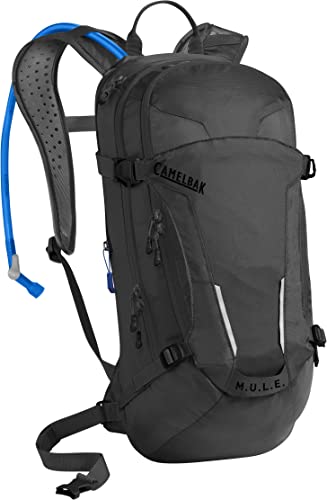
- ✓ Lightweight and breathable
- ✓ Secure phone pocket
- ✓ Removable support belt
- ✕ Slightly pricey
- ✕ Limited color options
| Hydration Capacity | 2-3 liters reservoir capacity |
| Back Panel | Channels airflow for cooling |
| Harness | Ventilated, lightweight, breathable |
| Stability Features | Removable stability belt, adjustable sternum strap |
| Storage Features | Secure phone pocket for easy access |
| Weight | Approximate 0.5-1 kg (based on typical hydration backpacks) |
You’re midway through a steep mountain trail when you realize your water supply is running low. You reach for your CamelBak M.U.L.E., feeling the lightweight design immediately, and clip it snugly onto your back.
The air channels of the Air Director Back Panel instantly catch your attention—you’re staying cooler than you expected despite the sun blazing overhead.
As you start pedaling harder, the ventilated harness keeps you comfortable, with no chafing or slipping. The removable stability belt offers extra support on those rougher sections, but you can easily take it off when you want to shed weight.
The adjustable sternum strap helps you fine-tune the fit, so it stays secure without feeling tight.
What really stands out is the secure phone pocket—it’s a lifesaver for quick access to your playlist or GPS. You don’t have to worry about your essentials bouncing around or falling out during those intense sprints.
The hydration reservoir is easy to fill and clean, and the bite valve delivers just enough water without leaks or drips.
Overall, this backpack feels like it’s designed with mountain bikers in mind—supportive, breathable, and thoughtfully crafted. It’s perfect for long rides where comfort and hydration are key, yet it’s light enough to forget you’re even wearing it.
The only downside? The price is a bit steep, but the features justify it once you’re on the trail.
CamelBak Hydrobak Light Bike Hydration Backpack 50oz,

- ✓ Lightweight and comfortable
- ✓ Excellent ventilation
- ✓ Secure storage pocket
- ✕ Limited capacity for longer rides
- ✕ No reflective elements
| Capacity | 50 oz (1.48 liters) |
| Materials | Lightweight and durable materials |
| Back Panel | Air Support Light Back Panel with body mapping technology for ventilation |
| Harness | Ventilated, lightweight, breathable harness |
| Storage Compartments | Secure zippered pocket for keys, phone, and essentials |
| Helmet Carry | Stow and secure helmet feature |
It was a surprise to find how comfortably light this CamelBak Hydrobak Light backpack felt on my back, especially considering I was hauling a full 50oz of water. I initially thought a hydration pack this sleek wouldn’t provide much support, but the air support light back panel proved me wrong.
The body-mapping technology really makes a difference. I could feel the ventilation channels working as I picked up my pace, keeping sweat at bay without sacrificing comfort.
It’s lightweight enough to forget you’re even wearing it, which is perfect for long rides or quick sprints.
The ventilated harness is another win. It breathes well, even in humid weather, and stays snug without pinching or causing irritation.
The secure zippered pocket is surprisingly spacious—big enough for keys, your phone, or snacks, and it stays closed no matter how bumpy the trail gets.
Stowing my helmet was effortless with the dedicated helmet carry. It keeps everything secure and accessible, so I didn’t have to fuss with straps or worry about losing it during a quick stop.
The materials feel durable yet lightweight, and the overall construction seems built to last through many adventures.
At just under $50, this pack offers a lot of value. It’s simple, functional, and designed with real cycling needs in mind.
Whether you’re hitting a trail or cruising around town, it’s a hydration solution that won’t weigh you down or get in your way.
What Should You Look for in the Best Cycling Hydration Backpack?
Comfort and fit are essential factors, as a poorly fitting backpack can cause discomfort and distract you from enjoying your cycling experience. Look for adjustable straps, a design that hugs your back, and lightweight materials to help achieve a snug fit.
Having adequate storage space in your hydration backpack is vital for carrying all necessary items. A good backpack will have compartments for hydration, snacks, and tools, allowing you to keep everything organized and easily accessible during your ride.
The material and durability of the backpack will determine its longevity and performance under various conditions. Opt for materials that are both lightweight and robust, as they will protect your gear and withstand wear and tear from cycling activities.
Easy access to hydration is a key feature that allows you to drink water without needing to stop or fumble with the backpack. Look for backpacks with strategically placed drinking tubes that can be easily reached while riding.
Ventilation is another important aspect, as it helps to keep your back cool and comfortable. A well-ventilated back panel can mitigate sweat accumulation, which is especially beneficial during long or strenuous rides.
Lastly, safety features such as reflective strips or integrated lights can significantly enhance your visibility to others when cycling in low-light conditions. These features are essential for ensuring that you remain safe while enjoying your rides.
How Does Storage Capacity Impact Your Cycling Experience?
- Hydration Bladder Size: A larger hydration bladder allows for more water, which is crucial for longer rides or hot weather. This means fewer stops for refills, enabling you to maintain your pace and focus on the ride.
- Additional Storage Pockets: Hydration backpacks with extra pockets offer space for essentials like snacks, tools, and personal items. This organization helps you access what you need quickly, minimizing interruptions during your ride.
- Weight Distribution: The storage capacity impacts how weight is distributed across your back. A well-balanced pack enhances comfort, reducing fatigue over long distances, while an overloaded or poorly distributed pack can lead to discomfort or strain.
- Versatility: Larger capacity backpacks can adapt to different types of rides, whether it’s a brief city commute or a multi-day adventure. This versatility makes it easier to adjust your load based on specific ride requirements, ensuring you have everything you might need.
- Breathability and Comfort: Packs with larger storage may feature better ventilation systems to accommodate increased bulk. Choosing a hydration backpack with a good balance of storage and breathability can keep you cooler and more comfortable throughout your ride.
What Type of Bladder is Optimal for Cycling Hydration?
Hydration Bladder with Multiple Compartments: A bladder with multiple compartments offers versatility by allowing cyclists to separate their hydration from other gear, such as tools or snacks. This organization helps keep essential items handy while ensuring that the water supply remains uncontaminated and easily accessible during rides.
Which Brands Lead the Market for Cycling Hydration Backpacks?
The leading brands in the market for cycling hydration backpacks include:
- CamelBak: Renowned for their innovative designs and high-quality hydration solutions, CamelBak offers a variety of hydration packs that cater to cyclists of all levels.
- Osprey: Osprey is known for its durable and comfortable hydration packs, featuring advanced ventilation and ergonomic designs that enhance the cycling experience.
- Hydrapak: Hydrapak specializes in hydration reservoirs and packs, focusing on lightweight, collapsible designs that are ideal for long rides.
- Deuter: Deuter combines functionality with comfort in their hydration backpacks, providing options with ample storage and excellent weight distribution for cyclists.
- Platypus: Platypus offers versatile hydration systems that are user-friendly and designed for both cycling and other outdoor activities, emphasizing portability and ease of use.
CamelBak has been a pioneer in the hydration backpack market since the 1980s, with their products often featuring an integrated water reservoir and a hands-free drinking system, making them popular among cyclists who prioritize convenience and hydration on the go.
Osprey’s hydration packs are recognized for their attention to comfort and fit, often incorporating features like adjustable straps and breathable mesh back panels, which help prevent overheating during long rides.
Hydrapak’s focus on lightweight materials and compact designs makes their hydration packs particularly appealing for endurance cyclists looking to minimize weight without sacrificing accessibility to water.
Deuter’s hydration backpacks come with features like extra storage compartments and stability-focused designs, making them suitable for cyclists who carry additional gear on their rides.
Platypus excels in creating hydration systems that are easy to clean and maintain, and their packs often feature a unique design that allows for quick filling and draining, ideal for cyclists who frequently stop for refills.
How Do You Find the Right Fit for a Hydration Backpack?
Fit and Comfort: A well-fitting backpack should not bounce or slide during cycling; adjustable shoulder straps and a hip belt can provide a secure fit. Look for padded back panels to increase comfort and airflow, reducing sweat buildup.
Weight Distribution: A hydration backpack should distribute weight evenly to prevent strain on your shoulders and back. This balance allows for better control and stability when navigating rough terrain.
Accessibility: Quick access to hydration is essential, so look for backpacks with features like a magnetic tube holder or a quick-release system. This design allows you to stay hydrated without having to stop and fumble with your gear.
Durability and Material: A hydration backpack made from high-quality, tear-resistant materials will last longer and offer better protection against the elements. Look for features like waterproof zippers and reinforced stitching for added durability.
Additional Features: Extra pockets for snacks or tools can be beneficial for longer rides. Reflective strips or designs enhance visibility in low-light conditions, ensuring safety while riding in various environments.
What Are the Advantages of Using a Hydration Backpack for Cycling?
The advantages of using a hydration backpack for cycling include convenience, hydration efficiency, and comfort during rides.
- Hands-Free Hydration: A hydration backpack allows cyclists to drink water without needing to stop or reach for a water bottle. This is especially beneficial during long rides or when navigating challenging terrains, enabling riders to maintain their momentum and focus on the road ahead.
- Increased Storage Capacity: These backpacks typically come with additional compartments for storing essentials like tools, snacks, or first-aid kits. This extra storage means cyclists can carry everything they need for a ride without having to manage multiple bags, making organization simpler.
- Better Weight Distribution: A hydration backpack distributes weight evenly across the back, which can enhance balance and stability compared to carrying water bottles in hand or on a bike frame. This ergonomic design helps reduce fatigue over longer distances and improves overall riding performance.
- Enhanced Comfort: Many hydration packs are designed with padded straps and breathable materials, providing comfort during extended rides. This prevents chafing and discomfort, allowing cyclists to focus more on their performance and enjoyment of the ride.
- Versatility: Hydration backpacks can be used for various activities beyond cycling, such as hiking, running, or skiing. This versatility makes them a practical investment for those who engage in multiple outdoor activities, ensuring they stay hydrated no matter the sport.
How Do Cycling Hydration Backpacks Differ for Mountain Biking and Road Cycling?
The best cycling hydration backpacks vary significantly between mountain biking and road cycling due to their specific needs and environments.
- Design and Fit: Mountain biking hydration backpacks often feature a more rugged, form-fitting design that allows for better stability and minimal movement while navigating rough terrains. In contrast, road cycling hydration packs are typically streamlined and lighter, designed to reduce drag and enhance aerodynamics.
- Storage Capacity: Mountain biking packs usually have a larger storage capacity to accommodate additional gear such as tools, food, and personal items, while road cycling hydration packs prioritize a smaller profile with compartments primarily for hydration and minimal essentials.
- Hydration System: Hydration systems in mountain biking packs often include larger bladders with wider openings for easy filling and cleaning, as riders may require more water on longer, more intense rides. Road cycling hydration packs tend to have smaller bladders with a focus on lightweight hoses and bite valves for quick sips during high-speed rides.
- Weight Distribution: Mountain biking packs are designed to distribute weight evenly across the back to maintain balance on uneven surfaces, which can be crucial in off-road conditions. Road cycling hydration backpacks are engineered to be as light as possible, often featuring minimal straps and a lower center of gravity to enhance speed and comfort on smooth pavement.
- Ventilation: The back panels of mountain biking hydration packs often include additional ventilation features to keep riders cool during strenuous climbs and technical descents. Road cycling hydration packs might prioritize a sleek design with less emphasis on airflow, as speed and aerodynamics are more critical than ventilation in this context.
What Are the Best Practices for Maintaining Your Cycling Hydration Backpack?
To keep your cycling hydration backpack in optimal condition, consider the following best practices:
- Regular Cleaning: It’s essential to clean your hydration backpack after every use to prevent mold and bacteria growth. Use mild soap and water, and ensure you rinse thoroughly to remove any residue.
- Drying Properly: After cleaning, allow your backpack to dry completely before storing it. Hang it upside down in a well-ventilated area to ensure that moisture does not linger in the reservoir or tubing.
- Check for Leaks: Regularly inspect your hydration bladder and tubing for any signs of wear or leaks. Conduct a simple water test by filling the bladder and checking for leaks at the seams and connections.
- Replace Components: Over time, the bite valve and tubing can degrade or become clogged. Consider replacing these components regularly to maintain hydration efficiency and ensure a clean drinking experience.
- Avoid Storing with Liquid: Never store your hydration backpack with water or any liquid in it. This can lead to bacteria growth and unpleasant odors, compromising the integrity of the backpack.
- Use Water-Safe Cleaning Solutions: If you need to use a cleaning solution, opt for ones that are specifically designed for hydration packs. These solutions will effectively clean without leaving harmful residues that could affect your health.
- Store in a Cool, Dry Place: When not in use, store your hydration backpack in a cool and dry location away from direct sunlight. This helps prevent degradation of the materials and maintains the backpack’s longevity.