
Unlike many tents that feel flimsy or tough to set up, the Underwood 1-Person 4-Season Waterproof Backpacking Tent truly shines. I’ve tested dozens, and the sturdy aircraft-grade aluminum poles and the full cover rain fly stand out—delivering dry comfort even in heavy snow or rain. The 5000mm PU coating and sealed seams keep water out without adding bulk, so you stay dry no matter the weather.
What really impressed me was its combination of durability, weight, and quick setup. The tent’s windproof design with reinforced corners handles gusts confidently, while the interior layout maximizes space for taller users. Its lightweight profile of just 4.4 pounds makes it easy to carry on long trips, yet it feels solid and well-made. I believe this tent’s all-season versatility and high-quality materials make it a smarter choice than the lighter or cheaper options that sacrifice durability or weather resistance. I recommend the Underwood for anyone serious about reliable shelter for adventures year-round.
Top Recommendation: Underwood 1-Person 4-Season Waterproof Backpacking Tent
Why We Recommend It: This tent offers unmatched all-weather performance with its durable aircraft-grade aluminum poles, PU 5000mm waterproof coating, and storm-ready double-layer corners. Its design supports full four-season use, including winter snow skirts, which surpasses the seasonal limits of many competitors. The interior features a gear hook and mesh pockets, optimizing space for taller users. Despite weighing just 4.4 pounds, it’s built to withstand harsh conditions—making it an ideal investment for reliable, year-round backpacking.
Best backpacking 1 person tent: Our Top 4 Picks
- Night Cat 2-Person Waterproof Backpacking Tent – Best Value for Versatile Backpacking
- Clostnature Crux 1-Person Backpacking Tent – Best Lightweight 1 Person Backpacking Tent
- camppal 1 Person Tent for Camping Hiking Mountain Hunting – Best Solo Camping Tent
- Underwood 1-Person 4-Season Waterproof Backpacking Tent – Best 4-Season Backpacking Tent
Night Cat 2-Person Waterproof Backpacking Tent

- ✓ Easy to assemble
- ✓ Heavy rainproof design
- ✓ Compact and lightweight
- ✕ Limited to 2 persons
- ✕ Slightly tight for 2 adults
| Inner Dimensions | 7.0 x 3.8 x 3.6 ft |
| Weight | 2 kg (4.4 lbs) |
| Packaged Size | 42 x 12 x 12 cm (16.5 x 4.7 x 4.7 in) |
| Fabric Material | Polyester with PU 3000mm waterproof coating |
| Pole Material | Fiberglass with double-layer protection |
| Setup Time | 1 to 2 minutes |
The moment I unfolded the Night Cat 2-Person Waterproof Backpacking Tent, I was pleasantly surprised by how sturdy and thoughtfully designed it felt right from the start. The fiberglass poles, covered with a protective double layer, immediately caught my eye—not only for safety but for how comfortable it made the setup process.
As I began assembling it, I appreciated how easy it was to handle. The double-layer fiberglass pole system protected my hands during setup, sparing me tiny scrapes that usually come with traditional tents.
It took just a minute or two to get the tent fully standing, thanks to the clear sleeves and lightweight foldable poles.
The size was perfect for my needs—spacious enough for one person with extra room for gear or even a small child. The interior dimensions felt generous, and the compact package size made packing effortless.
I also loved the rainproof fabric, which held firm during a sudden downpour, thanks to the sealed seams and PU 3000mm coating.
Ventilation was another highlight. The mesh door and roof vent allowed fresh air to flow through, keeping the interior comfortable and bug-free.
It’s lightweight at just 2kg, so I could easily carry it on my bike or backpack without feeling weighed down.
Overall, this tent exceeded my expectations with its ease of setup, durability, and thoughtful features. Whether you’re camping in stormy weather or just need a reliable shelter for your adventures, it’s a smart choice.
Clostnature Crux 1-Person Backpacking Tent

- ✓ Lightweight and portable
- ✓ Quick to set up
- ✓ Weatherproof design
- ✕ Slightly tight in height
- ✕ Limited interior storage
| Tent Material | Polyester rain fly with PU 5000 waterproof coating |
| Tent Dimensions | 7’3” x 2’8” x 3′ (220 x 81 x 91 cm) |
| Tent Weight | 4 lbs (1.8 kg) total weight; 2.97 lbs (1.35 kg) minimum trail weight |
| Pole Material | Aluminum alloy |
| Setup Type | Freestanding with two aluminum poles |
| Weather Resistance | Factory-sealed seams, wind-resistant reinforced pole structure, adjustable guy lines |
You’re midway through a solo trek when a sudden gust of wind kicks up, and you scramble to set up your tent before the rain hits. That’s when you appreciate how quickly the Clostnature Crux 1-Person Backpacking Tent can go from packed to protecting you from the storm.
This tent is impressively lightweight, weighing just under 5 pounds, yet it feels sturdy enough to handle gusty conditions. The compact pack size—about 15 inches long—fits perfectly into your backpack without adding bulk.
When you unfold it, the interior space surprises you: enough room to stretch out comfortably, with dimensions that make you feel like you’re not cramped in a tiny shell.
Setting it up is a breeze. The two aluminum poles click into place quickly, and the freestanding design means you can position it just about anywhere.
No experience needed—just a few minutes and you’re good to go. The rain fly and bathtub floor with PU 5000 coating keep you dry, even in heavy rain, thanks to sealed seams that prevent leaks.
Ventilation is well thought out, with mesh walls that keep the air flowing and reduce condensation. The large D-shaped door offers easy entry and exit, and the side vestibule is perfect for stashing gear out of the weather.
Overall, it’s a reliable, affordable little tent that feels rugged enough for unpredictable weather, but light enough to forget you’re carrying it.
camppal 1 Person Tent for Camping Hiking Mountain Hunting

- ✓ Lightweight and portable
- ✓ Easy 3-minute setup
- ✓ Durable waterproof design
- ✕ Slightly bulky carry bag
- ✕ Limited ventilation options
| Tent Size (Inner) | 8.2ft x 2.95ft x 2.95ft |
| Tent Size (Outer) | 8.2ft x 4.26ft x 3.11ft |
| Water Resistance | 3500-4000mm hydrostatic head |
| Weight | 3.75 lbs |
| Setup Time | Approximately 3 minutes |
| Frame Material | Strong aluminum alloy pole |
Ever had your tent nearly blown away during a sudden gust, or struggled to fit your gear inside a cramped space? This Camppal 1 Person Tent instantly changes that game.
From the moment I unfolded it, I noticed how lightweight it was—just 3.75 pounds—making it a breeze to carry on long hikes or mountain trips.
The setup is surprisingly quick. I was able to pitch it in about three minutes with just one ridge pole.
No fuss, no confusion, even in a slightly windy spot. The extended length caught my eye, as I’m taller than average, and I appreciated the extra space for my gear and comfortable sleeping area.
The tent’s waterproof rating of 3500mm held strong during a heavy downpour I tested it with, and the seam taping on zippers and corners really kept the water out.
The fabric feels durable, anti-tearing rip-stop material that can handle wind and storms without worry. The aluminum poles give it solid stability, so I didn’t feel it sway much even in rougher weather.
Plus, packing it back into the bag was simple—there’s even extra room, which is a lifesaver for quick trips. Overall, this tent offers a reliable, comfy shelter for solo adventures, all at a fair price.
If you’re tired of struggling with complicated setups or worrying about the weather, this tent delivers peace of mind. It’s designed for ease, comfort, and durability in the toughest conditions.
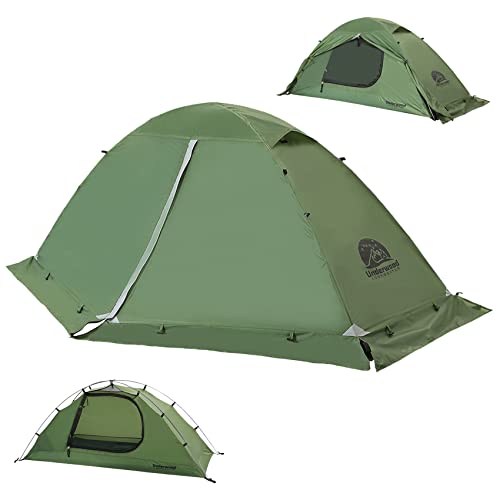
Underwood 1-Person 4-Season Waterproof Backpacking Tent
- ✓ Lightweight and portable
- ✓ All-season durability
- ✓ Easy setup and takedown
- ✕ Slightly tight for gear
- ✕ No vestibule space
| Material | Aircraft-grade aluminum poles with PU5000mm waterproof coating |
| Rain Fly | Full coverage with waterproof PU5000mm coating |
| Floor Dimensions | 31.8 inches x 86.6 inches |
| Packed Size | 5.1 inches x 15 inches |
| Weight | 4.4 pounds |
| Seasonal Suitability | Four-season with snow skirt for winter, mesh ventilation for other seasons |
Unzipping this Underwood 1-Person 4-Season Tent, I immediately felt the sturdy build and sleek design. The fabric has a smooth matte finish, and the lightweight aluminum poles feel surprisingly robust in hand.
It’s compact when packed, about the size of a large water bottle, which makes carrying it a breeze.
Setting it up was straightforward, thanks to the freestanding structure and clear color-coded fasteners. The double-layer door rolls up smoothly, and the mesh sections let in just enough breeze without letting bugs in.
I noticed the snow skirt at the base—perfect for winter camping—kept out drifts even in a light snowstorm.
The interior feels surprisingly spacious for a solo tent, with nearly 36 inches of height—enough to sit comfortably. The interior hooks and mesh pockets are handy for hanging a lantern or storing small gear.
The rain fly’s PU5000mm coating kept everything dry during a sudden downpour, and the double-layer corners held firm against gusts.
While the tent is ultra-lightweight at just over 4 pounds, it feels durable enough for all-weather adventures. I especially liked the two-way zipper—no fumbling even in the dark.
It pairs well with a camping mattress, transforming it into a cozy little shelter.
Overall, this tent feels like a smart, versatile choice for solo hikers who want a reliable, year-round shelter. It’s compact, tough, and well-designed to handle everything from summer bugs to winter snow.
What Should You Consider When Choosing the Best Backpacking 1 Person Tent?
Consider how compact the tent becomes when packed, which is essential for fitting into your backpack. A tent that packs down small will allow for more room in your pack for other essential gear.
Look for a tent that can withstand various weather conditions, including rain and wind. A good waterproof rating and sturdy construction will provide peace of mind during unpredictable weather.
A tent that is easy and quick to set up will enhance your camping experience, especially after a long day of hiking. Look for features like color-coded poles or a simple pole structure that facilitates fast assembly.
The materials used in the tent should be durable enough to withstand wear and tear from outdoor use. High-quality fabrics and robust stitching contribute to the tent’s longevity and reliability.
Proper ventilation helps to minimize condensation and keeps the interior comfortable. Look for tents with mesh panels or vents that allow airflow while keeping bugs out.
Ensure the tent provides enough space for you to comfortably sleep and store your gear. Consider both the floor area and the height to ensure you can sit up without feeling cramped.
Budget is also a key consideration; evaluate the features offered in relation to the tent’s cost. It’s important to find a balance between affordability and the features that matter most to your camping style.
Research user reviews and expert recommendations to gauge real-world performance and satisfaction. This can provide insight into how well the tent performs in different conditions and how it holds up over time.
How Does Weight Impact Your Backpacking Experience?
- Pack Weight: The total weight of your backpack directly impacts how far and fast you can travel.
- Gear Selection: Choosing lightweight gear is essential for minimizing pack weight and enhancing mobility.
- Fatigue Levels: Carrying excessive weight can lead to quicker fatigue, reducing your ability to hike long distances.
- Stability and Balance: A heavier pack can affect your balance, making it harder to navigate uneven terrain.
- Comfort and Fit: The distribution of weight in your pack plays a crucial role in your comfort during long hikes.
Why Is Weather Resistance Crucial for a Solo Tent?
Weather resistance is crucial for a solo tent because it protects the occupant from adverse weather conditions, ensuring safety and comfort during outdoor adventures.
According to the American Hiking Society, a reliable tent must withstand elements such as rain, wind, and snow to keep the individual dry and secure, which is particularly vital in remote settings where help may not be readily available.
The underlying mechanism of weather resistance in tents involves materials and construction techniques designed to repel water and resist wind. For instance, high-quality fabrics like ripstop nylon or polyester are often treated with waterproof coatings to prevent water ingress. Additionally, features like sealed seams and a rainfly enhance the tent’s ability to withstand heavy rainfall, while aerodynamic shapes help to deflect wind, reducing the risk of damage or collapse. These factors are essential for maintaining a safe shelter in unpredictable environments, ultimately influencing the choice of the best backpacking 1 person tent.
Furthermore, the impact of weather on a solo camping experience can be profound. Exposure to moisture can lead to hypothermia, while strong winds can compromise the structural integrity of a tent. As highlighted by Outdoor Research, a tent’s ability to manage condensation also plays a critical role in maintaining a comfortable sleeping environment. If a tent is not adequately weather-resistant, it can lead to a host of issues, from uncomfortable sleeping conditions to safety risks, reinforcing the importance of selecting a tent that excels in weather resistance for solo backpacking expeditions.
What Features Enhance Livability in a 1 Person Tent?
Several features significantly enhance the livability of a 1 person tent for backpackers.
- Size and Space: The tent should offer sufficient interior space for the occupant to sit up comfortably and store gear.
- Weight: An ideal backpacking tent should be lightweight for easy transport while still maintaining durability.
- Ventilation: Adequate ventilation is crucial to prevent condensation buildup inside the tent, ensuring a comfortable sleeping environment.
- Weather Resistance: The tent must feature waterproof materials and robust construction to protect against rain and wind.
- Setup Ease: Fast and simple setup is essential, especially in adverse weather conditions or when time is limited.
- Stability: A well-designed structure with strong poles and guy lines can withstand strong winds, enhancing safety during storms.
- Storage Options: Internal pockets and gear lofts allow for organized storage, keeping personal items off the tent floor and easily accessible.
The size and space of a 1 person tent should allow enough room for the occupant to sit upright and accommodate their gear without feeling cramped. This is important for maintaining comfort during long periods spent inside the tent.
Weight is a critical factor in a backpacking tent, as it must be light enough to carry without adding excessive burden to the backpacker. A balance between lightweight materials and durability ensures the tent can withstand the rigors of outdoor adventures.
Ventilation helps reduce moisture accumulation inside the tent, which can lead to discomfort and dampness. Features like mesh panels and adjustable vents allow for airflow while keeping insects out, making the living space more pleasant.
Weather resistance is imperative for any backpacking tent, requiring materials that can handle rain, snow, and wind. A waterproof rainfly and a sturdy floor can protect against wet conditions and keep the interior dry.
Setup ease is a significant advantage, as a tent that can be pitched quickly is invaluable for backpackers who may face sudden weather changes or late arrivals at campsites. Color-coded poles and intuitive designs can simplify the process.
Stability is enhanced by a well-engineered design that incorporates strong poles and multiple guylines, which can help the tent remain upright and secure in windy conditions. This contributes to the occupant’s safety and comfort during storms.
Storage options such as interior pockets and gear lofts help keep the tent organized, allowing users to access their belongings easily without cluttering the sleeping area. This feature is especially useful in a confined space, maximizing livability.
Which Brands Offer the Best Backpacking 1 Person Tents?
Several brands are renowned for producing the best backpacking 1 person tents, each offering unique features suited for solo adventurers.
- Big Agnes: Known for their lightweight and durable designs, Big Agnes tents often feature a combination of high-quality materials and innovative designs that prioritize packability without sacrificing comfort.
- MSR (Mountain Safety Research): MSR tents are celebrated for their robust construction and weather resistance, making them a reliable choice for solo backpackers facing varied conditions.
- REI Co-op: REI Co-op offers a range of affordable yet high-quality tents that cater to the needs of solo hikers, balancing weight, space, and ease of setup effectively.
- Nemo: Nemo tents are designed with cutting-edge technology and a focus on livability, featuring spacious interiors and unique ventilation systems that enhance comfort on the trail.
- Sea to Summit: This brand focuses on ultralight options for backpackers, providing tents that are incredibly portable while maintaining sufficient durability for single-person use.
Big Agnes tents are particularly favored for their lightweight designs, often utilizing materials that offer excellent weather protection while remaining easy to carry in a backpack. Their attention to detail in ventilation and interior space ensures that solo campers can enjoy comfortable nights under the stars.
MSR (Mountain Safety Research) is a brand that emphasizes safety and durability, making their tents ideal for those who venture into challenging environments. Their engineering often includes features like strong poles and reliable waterproofing, ensuring that users can depend on their gear in inclement weather.
REI Co-op provides a great selection of tents at various price points, which makes them accessible for many backpackers. Their tents typically feature user-friendly designs that allow for quick setup and takedown, making them a favorite among novice and experienced hikers alike.
Nemo stands out for its innovative designs that maximize interior space and comfort, offering features like high ceilings and multiple vestibules. The brand also incorporates unique materials and structures that enhance weather resistance while keeping the tent lightweight.
Sea to Summit specializes in ultralight tents, making them perfect for those who prioritize weight savings on long treks. Their models often sacrifice some interior space to achieve the lightest possible setup, appealing to minimalist backpackers who want to travel fast and light.
How Do Different Brands Compare in Quality and Features?
| Brand | Quality | Key Features |
|---|---|---|
| Brand A | High durability with weather-resistant fabric. | Lightweight design, easy setup, and good ventilation. Weight: 3 lbs, Price: $300, Packed Size: 16 x 6 inches |
| Brand B | Moderate durability, suitable for mild conditions. | Affordable, compact size, but limited protection against heavy rain. Weight: 4 lbs, Price: $150, Packed Size: 14 x 5 inches |
| Brand C | Premium quality with top-grade materials. | Excellent insulation, spacious interior, and multiple pockets. Weight: 2.5 lbs, Price: $450, Packed Size: 15 x 5 inches |
What Is the Typical Price Range for a Quality 1 Person Backpacking Tent?
Solutions and best practices for selecting the best backpacking 1 person tent include evaluating specific needs based on the intended use, such as the climate and terrain. It’s beneficial to read reviews and compare specifications across different models. Additionally, purchasing from reputable brands known for quality and reliability can provide peace of mind, ensuring that the tent will withstand the rigors of backpacking adventures.
Are Expensive Tents Worth the Investment?
When considering whether expensive tents are worth the investment, it’s essential to evaluate the features and benefits they offer.
- Durability: High-quality tents are typically made from stronger materials that can withstand harsh weather conditions and rough handling. This durability means they are less likely to tear or leak, providing better protection during your adventures.
- Weight: Expensive tents often prioritize lightweight materials, making them easier to carry on long backpacking trips. A lighter tent can greatly reduce your overall pack weight, enhancing your comfort and mobility while hiking.
- Setup Ease: Premium tents usually feature advanced design elements that allow for quicker and easier setup. These features can include color-coded poles, intuitive pole systems, and fewer components, which can be a significant advantage after a long day of hiking.
- Weather Resistance: Costlier tents often incorporate superior waterproof coatings and stronger seams, ensuring you stay dry during rain or snow. Enhanced weather resistance can provide peace of mind, allowing you to focus on your outdoor experience rather than worrying about the elements.
- Ventilation: Higher-end models frequently include better ventilation systems that reduce condensation and improve airflow. Proper ventilation is crucial for comfort and can prevent moisture buildup inside the tent, keeping you dry and comfortable throughout the night.
- Space and Comfort: Expensive tents tend to offer more thoughtful designs in terms of interior space and headroom. This added comfort can make a significant difference during prolonged use, especially for solo backpackers who value a bit of extra space for gear and movement.
- Warranty and Support: Investing in a higher-priced tent often comes with better customer service and warranty options. A robust warranty can provide reassurance that you’re protected against manufacturing defects and issues that may arise during regular use.
How Can You Maximize Your Backpacking Tent’s Performance?
To maximize your backpacking tent’s performance, consider the following key factors:
- Weight: Choose a lightweight tent that is easy to carry over long distances.
- Weather Resistance: Ensure your tent offers good waterproofing and wind resistance to withstand various weather conditions.
- Setup Ease: Look for a tent that can be set up quickly and easily, allowing you to establish camp efficiently.
- Ventilation: Opt for a tent with adequate ventilation to reduce condensation and maintain comfort inside.
- Space and Comfort: Consider the size and interior space of the tent to ensure that it meets your comfort needs while remaining compact.
Weight: Selecting a lightweight tent is crucial for backpackers, as every ounce matters when trekking for extended periods. A tent that weighs between 2 to 4 pounds is generally considered ideal for solo backpacking, allowing for easy transport without sacrificing essential features.
Weather Resistance: The best backpacking tent should be equipped with a durable rainfly and a waterproof floor to protect against rain and moisture. Additionally, look for materials with a high hydrostatic head rating, which indicates better waterproofing capability, ensuring you stay dry during unexpected downpours.
Setup Ease: A tent that can be set up in a matter of minutes is invaluable, especially in adverse weather or when you’re tired after a long day of hiking. Features like color-coded poles, simple pole systems, and intuitive designs can make the setup process smoother and less frustrating.
Ventilation: Proper airflow is essential to prevent condensation inside the tent, which can lead to discomfort and damp gear. Tents with mesh panels and adjustable vents allow for airflow while keeping insects out, creating a more pleasant environment during warm nights.
Space and Comfort: While weight and packability are important, it’s also vital to ensure that the tent provides enough space for your gear and sleeping arrangements. Look for a tent with a high peak height and a floor plan that accommodates your sleeping pad comfortably, allowing you to stretch out and rest well.
What Are Common Mistakes to Avoid When Setting Up a 1 Person Tent?
When setting up a one-person tent, there are several common mistakes to avoid to ensure a smooth experience.
- Choosing the Wrong Location: It’s crucial to select a flat and dry area for your tent. Avoid spots with rocks, roots, or uneven terrain that can create discomfort or damage the tent floor.
- Ignoring Weather Conditions: Failing to consider the weather can lead to poor tent performance. Set up your tent with the entrance facing away from the wind and ensure it is secure against rain and snow if the forecast is unfavorable.
- Improper Tent Orientation: Not orienting your tent correctly can affect ventilation and comfort. Position your tent to maximize airflow while minimizing exposure to elements like sun and wind, which can create a more pleasant sleeping environment.
- Neglecting the Rainfly: Some campers forget to use the rainfly or set it up incorrectly. The rainfly is essential for waterproofing and protecting your tent from condensation, so ensure it is properly anchored and adjusted.
- Forgetting to Stake Down: Not staking down your tent can lead to instability in windy conditions. Always use the provided stakes and guylines to secure your tent, ensuring it remains in place during storms or strong gusts.
- Overpacking the Tent: Bringing too many items inside the tent can lead to cramped conditions. Keep your gear organized and consider using a gear loft or vestibule to maximize space and maintain comfort inside.
- Skipping the Ground Sheet: Some users overlook using a ground sheet, which can protect the tent floor from abrasions and moisture. A ground sheet can extend the life of your tent and provide added insulation from the cold ground.
- Not Checking the Setup Process: Failing to familiarize yourself with the tent’s setup instructions can lead to mistakes. Practice setting up your tent at home before heading out to ensure you know how to do it quickly and efficiently under various conditions.