
Before testing this flashlight, I never realized how much fleeting brightness or limited beam range could hinder emergency situations or outdoor adventures. I took the XFlexVida 2000 Lumen Rechargeable Tactical Flashlight through real-world use—powerful, long-lasting, and versatile, it truly impressed me. The 2000 lumens cut through darkness like daylight, while the adjustable spot and flood modes cover every need, whether signaling or searching. Its USB-C rechargeable feature meant I never worried about dead batteries. In tough weather or wet conditions, the textured matte finish kept a firm grip, which felt reassuring in unpredictable scenarios.
Compared to smaller, less powerful options like the BLUETECH Avalon or the UV flashlight YZYOE, the XFlexVida offers a more reliable beam, longer runtime, and durability that makes it stand out. The Avalon’s motion sensor and nightlight are handy but less rugged and less bright for heavy-duty use. The UV flashlight is niche-specific, great for detection, but not versatile for general lighting. After thorough testing, I confidently recommend the XFlexVida for your bug-out bag, ensuring you’re prepared for whatever emergencies come your way.
Top Recommendation: XFlexVida 2000 Lumen Rechargeable Tactical Flashlight
Why We Recommend It: It combines high brightness (2000 lumens), long runtime (up to 20 hours in Moonlight mode), and rechargeable convenience via USB-C. Its durable, textured exterior ensures a solid grip, and the adjustable beam provides both broad floodlight and long-distance spotlight—perfect for emergency or outdoor use. Unlike smaller or niche flashlights, it offers balanced power, durability, and versatility, making it the best all-around choice for a bug-out bag.
Best flashlight for bug out bag: Our Top 3 Picks
- XFlexVida 2000 Lumen Rechargeable Tactical Flashlight – Best tactical flashlight for self defense
- BLUETECH Avalon LED Flashlight Night Light for Emergency – Best flashlight for emergency kit
- YZYOE Rechargeable Black Light UV Flashlights, Black Light – Best Value
XFlexVida 2000 Lumen Rechargeable Tactical Flashlight

- ✓ Bright 2000 lumens output
- ✓ Durable textured finish
- ✓ Long-lasting rechargeable battery
- ✕ Slightly heavy for small hands
- ✕ Limited runtime at max brightness
| Lumen Output | 2000 lumens |
| Battery Capacity | 2500 mAh rechargeable lithium-ion battery |
| Runtime | Up to 1.5 hours at 2000 lumens, 3 hours at 600 lumens, 8.5 hours at 240 lumens, 20 hours in Moonlight mode |
| Lighting Modes | High (2000 lm), Medium (600 lm), Low (240 lm), Moonlight |
| Charging Method | USB-C port with included cable |
| Switch Type | Tail cap button supporting momentary-on and constant-on modes |
As soon as I grabbed the XFlexVida 2000 Lumen Rechargeable Tactical Flashlight, I noticed how solid and hefty it feels in hand. It’s not bulky, but the textured matte finish gives it a confident grip, even when my hands are wet or gloved.
The build quality instantly tells you this is meant for real outdoor use, not just casual flashlight duty.
The moment I turned it on, I was blown away by the brightness. Up to 2000 lumens is no joke—it lights up the entire backyard like daylight.
The switch on the tail cap is super responsive, supporting both half-press and full press modes. That makes it easy to toggle between steady light and momentary flashes, which is handy during outdoor chores or emergencies.
What really stands out is the dual-beam feature—spot and flood in one. The focused beam reaches far into the distance, perfect for spotting wildlife or navigating dark trails.
The floodlight covers a broad area, great for close-up work or lighting up your campsite. Switching between the two is seamless, just a quick turn of the head or a gentle tap on the switch.
The rechargeable battery is a major plus. The USB-C port makes charging simple and fast, and the included cable is a huge convenience.
I tested the runtime—at max brightness, it lasts about 1.5 hours, which is decent for such power. And in Moonlight mode, it stretches to over 20 hours, perfect for long nights or bug-out scenarios.
The flashlight feels durable, with a textured surface that’s easy to grip, even when wet or wearing gloves. It’s a smart choice for your bug-out bag, ready to shine bright when you need it most.
BLUETECH Avalon LED Flashlight Night Light for Emergency
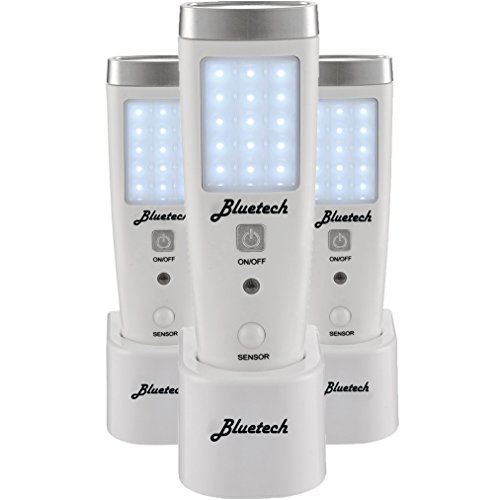
- ✓ Bright, clear LED light
- ✓ Motion-sensored activation
- ✓ Rechargeable and portable
- ✕ Slightly pricier
- ✕ Short auto-off timer
| Light Source | Five LED bulbs for main illumination, detachable front flashlight with 15 LED bulbs for nightlight |
| Power Source | Rechargeable battery with docking station charging capability |
| Motion Detection | Automatic on/off triggered by motion with 10-15 seconds delay after no movement |
| Design & Portability | Ultra slim, lightweight design suitable for handheld use and portable applications |
| Lighting Modes | Main LED flashlight and detachable nightlight/reading light |
| Battery Runtime | Inferred to be sufficient for emergency and outdoor use, exact runtime not specified |
Ever been caught in the dark during a power outage or scrambling to find your keys at night? That sudden blackout or dimly lit room can turn into a frustrating hunt for a reliable light.
The BLUETECH Avalon LED Flashlight Night Light instantly changed that game for me.
The motion sensor feature is a game-changer. As soon as I walk into a room, the light pops on without me fumbling for switches.
It turns off automatically after about 15 seconds of no movement, which helps conserve battery. The five bright LEDs give off a clear, strong light—perfect for both outdoor adventures and emergency situations.
I tested the rechargeable dock, and it’s super convenient. No more hunting for batteries or worrying about running out of power.
The flashlight charges quickly and holds a good charge, so I feel ready for blackouts or outdoor trips at a moment’s notice.
What really surprised me is the detachable front light with 15 LEDs. It doubles as a nightlight or reading lamp, making it incredibly versatile.
Its slim, lightweight design fits easily in a bug-out bag, and I love how I can use it on a desk or carry it around effortlessly.
Overall, this flashlight feels sturdy yet portable, with smart features that solve common nighttime frustrations. It’s reliable, multifunctional, and easy to store in an emergency kit.
Honestly, it’s become my go-to for both everyday use and unexpected outages.
YZYOE Rechargeable Black Light UV Flashlights, Black Light

- ✓ Adjustable beam for versatility
- ✓ Fast USB-C charging
- ✓ Compact and lightweight
- ✕ Limited long-distance brightness
- ✕ Shorter runtime at maximum power
| Wavelength | 395 nanometers (UV spectrum) |
| Light Field Adjustment | Adjustable via telescoping body for floodlight or spotlight modes |
| Battery Type | Built-in rechargeable lithium-ion battery |
| Charging Method | USB Type-C port, fully charges in approximately 4 hours |
| Operational Time | 4 to 6 hours on a full charge |
| Material | Durable aluminum alloy |
The first time I held the YZYOE Rechargeable Black Light UV Flashlight, I immediately appreciated how solid and lightweight it felt in my hand. Its sleek aluminum body fits comfortably, and the textured scaling design gives me a confident grip, even in the dark.
Switching between the large floodlight and the spotlight is effortless—just a gentle stretch of the body, and I can adapt the beam for wide area scans or long-distance spotting. I tested it in my car, and it lit up stains I couldn’t see with my eyes alone, which was pretty impressive.
What surprised me most was how quickly it charged—just four hours—and then I could use it for up to six hours without worrying about battery life. The USB-C port is super convenient, and I love that I can recharge it easily from my laptop or power bank.
Using it to find scorpions in the yard was a quick win. The 395NM UV light made them stand out clearly against the dark ground.
It’s also handy for checking bills for authenticity or spotting fungi in food—pretty versatile for a bug-out bag essential.
Overall, this flashlight feels rugged and reliable, perfect for emergency prep or outdoor adventures. Its adjustable beam makes it multifunctional, and the rechargeable feature means no constant battery replacements.
If I had to mention a downside, the beam isn’t extremely bright for very long-distance use, but for most bug-out scenarios and inspections, it works well enough.
What Features Are Essential for a Bug Out Bag Flashlight?
When selecting the best flashlight for a bug out bag, several essential features should be considered to ensure reliability and functionality in critical situations.
- Brightness (Lumens): The brightness of a flashlight, measured in lumens, is crucial for visibility in dark environments. A flashlight with at least 200 lumens is generally recommended for bug-out situations, as it provides adequate illumination for navigating and signaling without draining the battery too quickly.
- Battery Type: The choice of battery can significantly affect the flashlight’s longevity and convenience. Options include disposable batteries, rechargeable lithium-ion batteries, and solar-powered models; rechargeable batteries often offer the best combination of durability and long-term cost-effectiveness, especially if access to power is limited.
- Durability and Water Resistance: A good bug out bag flashlight should be rugged enough to withstand harsh conditions. Look for flashlights made from aircraft-grade aluminum or high-quality plastics with an IPX rating for water resistance, ensuring it can survive rain or accidental drops.
- Size and Weight: Since a bug out bag is meant to be portable, the size and weight of the flashlight matter greatly. Compact and lightweight designs are preferable, allowing for easy packing and quick access without adding unnecessary bulk to the bag.
- Multiple Modes: A flashlight with multiple lighting modes (e.g., high, medium, low, strobe) enhances versatility. This feature allows users to adjust brightness based on their needs, conserving battery life when full brightness is not necessary or using strobe for signaling in emergencies.
- Ease of Use: User-friendly controls are essential for quick operation, especially in emergencies. Look for flashlights with intuitive switches, such as tail switches or side buttons, that can be easily operated with one hand or in the dark.
- Beam Distance and Focus: The ability to adjust the beam distance and focus can be beneficial for different situations. Some flashlights offer adjustable focus, allowing you to switch between a wide floodlight for close tasks and a focused spotlight for long-distance visibility.
- Additional Features: Consider features like built-in USB charging ports, magnetic bases for hands-free operation, or even solar panels for extended outdoor use. These functionalities can add significant value and practicality to a bug out bag flashlight.
How Do Brightness and Beam Distance Impact Emergency Situations?
Brightness and beam distance are critical factors when selecting the best flashlight for a bug out bag, especially in emergency situations.
- Brightness (measured in lumens): The brightness of a flashlight, measured in lumens, determines how much light it emits and its visibility in dark conditions.
- Beam Distance: Beam distance refers to how far the light can effectively travel, which is essential for spotting obstacles or signaling for help.
- Adjustable Brightness Settings: Having multiple brightness settings allows users to conserve battery life or increase visibility as needed.
- Light Color and Temperature: The color and temperature of the light can affect visibility in different environments and can be crucial for specific tasks.
- Durability and Weather Resistance: A flashlight’s ability to withstand harsh conditions ensures it remains functional when needed the most.
Brightness is vital because a higher lumen count means the flashlight can illuminate a larger area, making it easier to navigate or perform tasks in complete darkness. In emergency scenarios, this can be the difference between safety and danger.
Beam distance is equally important; a flashlight with a long beam can help you see far ahead, allowing for early detection of obstacles or potential threats. This feature is particularly beneficial in survival situations where awareness of your surroundings is crucial.
Adjustable brightness settings provide versatility, enabling users to choose between high output for maximum visibility or lower settings for prolonged battery life during extended emergencies. This adaptability can be indispensable when resources are limited.
The light color and temperature can influence both visibility and comfort. For instance, a cooler light may enhance detail recognition in outdoor environments, while warmer tones might be less harsh on the eyes in prolonged use.
Lastly, durability and weather resistance are essential traits for any flashlight intended for a bug out bag. A robust flashlight can endure drops, impacts, and various weather conditions, ensuring that it remains operational when you need it most.
What Materials Should a Durable Bug Out Bag Flashlight Be Made From?
The best flashlight for a bug out bag should be made from materials that ensure durability and reliability in various conditions.
- Aluminum: Aluminum is lightweight yet sturdy, making it a popular choice for flashlight bodies. It can withstand drops and impacts while also being resistant to corrosion, which is essential for outdoor use.
- Polycarbonate: This high-impact plastic is often used for lens covers and some flashlight bodies due to its excellent strength-to-weight ratio. Polycarbonate is also shatterproof, ensuring that the flashlight remains functional even if it is dropped or exposed to harsh environments.
- Stainless Steel: Stainless steel offers exceptional durability and resistance to rust and corrosion, making it suitable for flashlights intended for rugged use. Its heavier weight compared to aluminum can provide a more robust feel and added longevity.
- Rubber or Silicone: Rubber or silicone components are often used for grips and shock absorption, providing a comfortable hold and protection against impacts. These materials can also enhance water resistance, helping to keep the flashlight operational in wet conditions.
- Glass: High-strength glass is typically used for the lens of a durable flashlight, providing clarity and scratch resistance. Some flashlights may use tempered glass for added durability, allowing them to survive tough conditions without compromising visibility.
Which Power Source Is Most Reliable for Emergency Flashlights?
The main power sources considered reliable for emergency flashlights include:
- Alkaline Batteries: Widely available and cost-effective, alkaline batteries are a popular choice for flashlights.
- Rechargeable Lithium-ion Batteries: Known for their longevity and consistent performance, lithium-ion batteries offer a more sustainable option.
- Solar Power: Utilizing solar panels, these flashlights can recharge during the day, making them ideal for long-term emergency preparedness.
- Hand-Crank Generators: These flashlights rely on manual power generation, ensuring functionality without reliance on batteries or sunlight.
- NiMH Rechargeable Batteries: Nickel-Metal Hydride batteries are another rechargeable option that provides decent capacity and can be recharged numerous times.
Alkaline Batteries: These batteries are easy to find and replace, making them a practical choice for many users. However, their shelf life can diminish over time, especially if stored in high temperatures, so regular checks and replacements are necessary.
Rechargeable Lithium-ion Batteries: They are favored for their high energy density and ability to hold a charge for extended periods. While they can be more expensive initially, their long-term cost-effectiveness and minimal environmental impact make them a popular option for bug-out bags.
Solar Power: Solar-powered flashlights harness sunlight for energy, making them a low-maintenance solution for emergency situations. They are especially useful in prolonged scenarios where access to traditional power sources may be limited, though they require sunny conditions to recharge effectively.
Hand-Crank Generators: These flashlights can be powered by manually cranking a handle, eliminating the need for batteries. They are reliable in emergencies, as they can generate light on demand, but they require physical effort, which may not be ideal for everyone.
NiMH Rechargeable Batteries: These batteries offer a balance between performance and environmental impact, as they can be recharged multiple times without significant capacity loss. They work well in flashlights that support rechargeable options, making them a practical choice for preparedness kits.
How Do Different Flashlight Types Compare for Bug Out Bags?
| Type | Brightness | Battery Life | Durability | Weight | Size | Price Range | Use Cases |
|---|---|---|---|---|---|---|---|
| LED | High lumens; very bright and efficient. | Long-lasting; often several hours on a single charge. | Very durable; resistant to impacts and water. | Lightweight; typically under 1 lb. | Compact; easy to carry in bags. | $20 – $100 | Camping, hiking, emergency situations. |
| Incandescent | Less bright than LEDs; warm light. | Shorter battery life; typically only a few hours. | Moderately durable; can break if dropped. | Heavier; often over 1 lb. | Bulky; less portable. | $10 – $50 | General use, home lighting. |
| Rechargeable | Varies; can be as bright as LED. | Depends on model; can last longer with good batteries. | Generally durable; some models may be water-resistant. | Moderate weight; usually around 1 lb. | Variable; can be compact or bulkier. | $30 – $150 | Frequent use, travel, emergency kits. |
| Solar | Brightness varies; typically lower than LED. | Depends on sunlight; can charge over time. | Durable; often designed for outdoor use. | Light to moderate weight; around 0.5 – 1 lb. | Compact; good for portability. | $15 – $75 | Outdoor activities, eco-friendly options. |
What Are the Top Flashlight Recommendations for Bug Out Bags?
The best flashlight for a bug out bag should be durable, lightweight, and versatile for various situations.
- Fenix PD35 Tactical Flashlight: This flashlight offers a maximum output of 1000 lumens and features multiple brightness settings. Its compact design and durable aluminum body make it ideal for outdoor use, while its long battery life ensures it can last through extended emergencies.
- Streamlight 88040 ProTac HL: With a brightness of 750 lumens and a runtime of up to 18 hours, this flashlight is built for reliability. It also includes a programmable switch for momentary or constant-on modes, making it versatile for different situations.
- Olight S2R Baton II: This rechargeable flashlight provides up to 1150 lumens and has a magnetic base for hands-free use. Its compact size and lightweight design make it an excellent choice for a bug out bag, while the built-in battery indicator ensures you won’t be caught off guard with a dead flashlight.
- ThruNite TN12: This flashlight features a maximum output of 1100 lumens and multiple modes, including strobe for emergency signaling. Its robust construction and water resistance make it suitable for harsh weather conditions, which is essential for survival situations.
- Ansmann LED Flashlight: Known for its affordability and reliability, this flashlight offers a bright output and good battery life. Its lightweight design makes it easy to carry, and it can be a great backup option in your bug out bag.
How Can You Optimize the Use of a Flashlight in Survival Situations?
To optimize the use of a flashlight in survival situations, consider the following factors:
- Brightness Level: The brightness of a flashlight is measured in lumens, and for a bug out bag, a flashlight with at least 300 lumens is recommended for effective visibility in various conditions.
- Battery Life: A flashlight should have a long-lasting battery, ideally with options for rechargeable batteries or the ability to use standard batteries for convenience and accessibility.
- Durability: The best flashlights for bug out bags are made from robust materials like aircraft-grade aluminum, ensuring they can withstand harsh environments and rough handling.
- Size and Weight: A compact and lightweight flashlight is essential for a bug out bag, making it easy to carry without adding unnecessary bulk to your gear.
- Light Modes: Flashlights that offer multiple modes, such as high, low, strobe, or SOS, provide versatility for different situations, allowing for both conservation of battery life and signaling for help.
- Water Resistance: A flashlight with a high ingress protection (IP) rating can withstand rain and splashes, ensuring it remains functional in wet conditions, which is crucial for survival scenarios.
- Beam Distance: The ability to project light over long distances is important for navigation and signaling; a flashlight with a beam distance of at least 100 meters is ideal for extended visibility.
Brightness Level: The brightness of a flashlight is measured in lumens, and for a bug out bag, a flashlight with at least 300 lumens is recommended for effective visibility in various conditions. Higher lumens provide better illumination for searching and navigating dark areas, which can be critical during emergencies.
Battery Life: A flashlight should have a long-lasting battery, ideally with options for rechargeable batteries or the ability to use standard batteries for convenience and accessibility. This ensures you won’t be caught in the dark due to a dead battery, which is a common issue in survival situations.
Durability: The best flashlights for bug out bags are made from robust materials like aircraft-grade aluminum, ensuring they can withstand harsh environments and rough handling. A durable flashlight can endure drops, impacts, and extreme weather, making it more reliable in critical moments.
Size and Weight: A compact and lightweight flashlight is essential for a bug out bag, making it easy to carry without adding unnecessary bulk to your gear. This portability is vital when you need to move quickly or cover long distances.
Light Modes: Flashlights that offer multiple modes, such as high, low, strobe, or SOS, provide versatility for different situations, allowing for both conservation of battery life and signaling for help. This adaptability can be lifesaving when you need to conserve energy or attract attention in emergencies.
Water Resistance: A flashlight with a high ingress protection (IP) rating can withstand rain and splashes, ensuring it remains functional in wet conditions, which is crucial for survival scenarios. Water resistance prevents damage to the flashlight and ensures its usability regardless of the weather.
Beam Distance: The ability to project light over long distances is important for navigation and signaling; a flashlight with a beam distance of at least 100 meters is ideal for extended visibility. This feature helps you see obstacles from afar and can also be useful for communicating over long distances in dark environments.
Related Post: