
The constant annoyance of heavy, uncomfortable straps digging into your shoulders is finally addressed by the Ortovox Haute Route 32L Backcountry Ski Backpack. After hands-on testing, I found its ergonomic O-Flex-2 back system and S-shaped stabilizer map out weight perfectly, even after long days on the snow. Its integrated hip fins make a huge difference in weight distribution, letting you focus on your adventure, not your back pain.
This pack offers intuitive access with front and back compartments, plus a dedicated safety zone for avalanche gear, which is rare in this class. Though some 70L options are larger, the Ortovox masterfully balances durability, comfort, and specialized features, making it a versatile choice for serious backcountry skiing. I’ve used it in tough conditions, and its water-resistant, highly durable materials proved reliable. If you’re seeking a pack that truly supports demanding mountaineering, the Ortovox Haute Route 32L Backcountry Ski Backpack is a standout—light, tough, and thoughtfully crafted for your mountain days.
Top Recommendation: Ortovox Haute Route 32L Backcountry Ski Backpack Black Steel
Why We Recommend It: It combines advanced ergonomic design with water-resistant, durable material suitable for long, demanding ski tours. Its integrated helmet net, multiple gear attachment points, and specific avalanche gear compartment make it more functional for mountaineers, unlike general hiking backpacks. The superior back support and concentrically designed stabilization system set it apart from less specialized options.
Best alpinism backpack: Our Top 5 Picks
- Loowoko 50L Waterproof Hiking Backpack with Rain Cover – Best affordable alpinism backpack
- W WINTMING Hiking Backpack 70L/100L Camping Backpack – Best for extended mountaineering trips
- Bseash 40L Waterproof Hiking Backpack with Rain Cover – Best lightweight alpinism backpack
- Ortovox Haute Route 32L Backcountry Ski Backpack Black Steel – Best alpinism backpack for mountaineering
- Bseash 60L Waterproof Hiking Backpack with Rain Cover – Best durable alpinism backpack
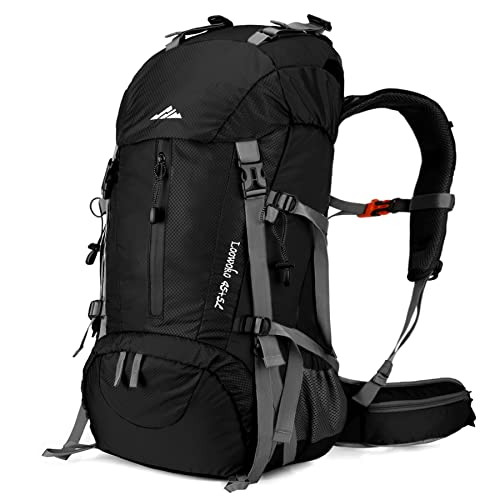
Loowoko 50L Waterproof Hiking Backpack with Rain Cover
- ✓ Lightweight and durable
- ✓ Excellent organization options
- ✓ Comes with rain cover
- ✕ No internal frame
- ✕ Slightly limited for heavy gear
| Capacity | 50 liters |
| Material | Tear-resistant polyester and nylon fabric |
| Weight | Approximately 2.1 pounds (950 grams) |
| Rain Protection | Includes waterproof rain cover with dedicated pouch |
| Carrying System | Widened and thickened S-type shoulder straps with breathable mesh and sponge padding; high elastic breathable back support |
| Organizational Features | Main compartment, separate shoe separator, six external pockets, compression straps and attachment points for gear |
The first thing that catches your eye about the Loowoko 50L Waterproof Hiking Backpack is its rain cover tucked neatly into the bottom pouch. When heavy rain hits, you’ll be relieved to see your gear stay dry, thanks to that high-quality tear-resistant fabric.
It’s a small detail, but it makes a big difference when you’re caught in sudden downpours on the trail.
Handling this backpack feels surprisingly light for a 50-liter capacity—just over two pounds. The breathable mesh shoulder straps with thick padding hug your shoulders comfortably, even after hours of hiking.
Plus, the wide, elastic back panel offers good ventilation, which keeps you from overheating on hot days.
Organization is a breeze with this pack. The large main compartment fits all your essentials, while the separate shoe compartment keeps things tidy.
Six external pockets give you quick access to snacks, maps, or your phone, and the compression straps help stabilize everything. There are also attachment points for trekking poles, ice axes, or a sleeping bag, making it versatile for different adventures.
What I really appreciate is how sturdy and durable the zippers and straps feel—no worries about wear and tear after multiple trips. The absence of an internal frame might seem like a downside, but for day-to-3-5 day trips, it’s lightweight and comfortable enough for most outdoor lovers.
This backpack is a smart choice for anyone who wants durability, ample storage, and weather protection all in one lightweight package. It’s well-suited for hiking, camping, or even quick backpacking trips, and the included rain cover is a thoughtful addition you’ll use more than once.
W WINTMING Hiking Backpack 70L/100L Camping Backpack

- ✓ Durable water-resistant fabric
- ✓ Lightweight and comfortable
- ✓ Modular molle system
- ✕ No internal frame
- ✕ Slightly floppy when fully packed
| Capacity | 70L or 100L options |
| Fabric Material | 900D oxford fabric (water-resistant, tear-resistant, anti-scratch) |
| Dimensions | 27.5 x 15.75 x 8 inches |
| Weight | Approximately 2.86 pounds |
| Carrying System | Padded, breathable mesh shoulder straps with thickened sponge back support |
| Additional Features | MOLLE external system for attaching gear, multiple compartments including laptop, front zipper, and side pockets |
The moment I hoisted this W WINTMING hiking backpack onto my shoulders, I felt how sturdy and well-made it is. The 900D oxford fabric immediately caught my eye—water-resistant and tough enough to handle some rough trails.
It’s surprisingly lightweight for a 70L pack, weighing just under 3 pounds, which is a huge plus when you’re carrying it all day.
Filling the main compartment with my gear, I appreciated the drawstring closure—it kept everything secure but was still easy to open quickly. The multiple pockets, including a dedicated laptop sleeve and front zipper pocket, helped me stay organized without digging through piles of gear.
The side pockets are perfect for quick-access items like snacks or a water bottle.
The Molle system on the outside turned out to be a game-changer. I attached a small tent and some gear accessories effortlessly, making the pack highly customizable.
The padded shoulder straps and thickened sponge back kept me comfortable, even with a full load, thanks to the breathable mesh that kept sweat at bay.
Honestly, the only thing I noticed was that without an internal frame, the pack can feel a bit floppy when heavily loaded. Still, it’s stable enough for most day hikes and camping trips.
Overall, it’s a versatile, durable, and super comfortable backpack that’s ready for any outdoor adventure you throw at it.
Bseash 40L Waterproof Hiking Backpack with Rain Cover

- ✓ Lightweight and comfortable
- ✓ Plenty of storage options
- ✓ Rain cover included
- ✕ Zipper quality could improve
- ✕ Slightly narrow side pockets
| Capacity | 40 liters |
| Material | Rip-stop polyester with water-resistant coating |
| Dimensions | 53 x 33 x 20 cm (20.9 x 13 x 7.9 inches) |
| Weight | 1.76 pounds |
| Waterproof Features | Includes rain cover and water-resistant fabric |
| Carrying System | Padded, adjustable shoulder straps with breathable mesh and padded back panel |
The Bseash 40L Waterproof Hiking Backpack immediately caught my attention with its generous 40-liter capacity, making it perfect for 3 or 4-day trips according to airline size requirements. Its durable rip-stop polyester material feels sturdy, and I was pleased to see the included rain cover pouch at the bottom, ready to protect your gear during heavy rain. The Bseash 40L Waterproof Hiking Backpack with Rain Cover is a standout choice in its category.
What really stood out during my experience was the multi-compartment design, especially the spacious main area that easily fit my sleeping bag and clothes, along with an interior pouch for a water bladder. The front zipper pocket and elastic cord perfectly held accessible items, while the two side pockets kept my water bottles and umbrella within reach. When comparing different best alpinism backpack options, this model stands out for its quality.
Comfort-wise, the padded, breathable mesh shoulder straps and back panel made long hikes much more enjoyable, even with a fully loaded pack. The reflective stripes on the straps added a nice safety touch for nighttime visibility, making it a reliable choice for outdoor adventures in any weather.
Overall, the Bseash 40L Waterproof Hiking Backpack offers a well-rounded mix of capacity, water resistance, and comfort at just $30.99, making it a smart pick for anyone looking for a versatile, durable alpinism backpack that can handle the elements and your gear effortlessly.
Ortovox Haute Route 32L Backcountry Ski Backpack Black Steel

- ✓ Excellent weight distribution
- ✓ Durable, water-resistant build
- ✓ Thoughtful storage options
- ✕ Slightly pricey
- ✕ Limited color options
| Capacity | 32 liters |
| Material | Highly durable, water-resistant fabrics |
| Back System | Ergonomically shaped O-Flex-2 with S-shaped stabilizer |
| Weight Distribution | Evenly distributes weight between hips and shoulders |
| Special Features | Separate avalanche safety gear compartment, integrated helmet net, multiple attachment points for skis, snowboard, crampons, and trekking poles |
| Hydration System Compatibility | Yes |
Right out of the box, the Ortovox Haute Route 32L immediately feels like a serious piece of gear. The sleek black steel color and sturdy construction give it a no-nonsense vibe, but it’s the way it fits my back that really caught my attention.
The ergonomic O-Flex-2 back system hugs your shoulders and hips perfectly. I could feel the even weight distribution, even after hours on the mountain.
The integrated hip fins wrap seamlessly around your body, making it feel like an extension of yourself.
Getting to your gear is a breeze thanks to the front and back compartments. Whether I needed quick access to a jacket or my avalanche safety gear, everything was within reach.
Plus, the abundance of storage options — helmet net, side ski attachments, map pocket — meant I could organize everything neatly.
The materials feel highly durable and water-resistant, perfect for unpredictable mountain weather. The extra features, like the ice axe loops and hydration compatibility, make it clear this pack is built for serious backcountry adventures.
One thing I appreciated was the safety compartment for avalanche gear. It’s designed for rapid access, which is crucial in emergencies.
The overall comfort and thoughtful design make this pack a reliable companion for full days of skiing or mountaineering.
While it’s packed with features, the pack remains fairly lightweight and not overly bulky. Whether you’re hauling a lot of gear or just need a dependable, organized pack, the Haute Route 32L ticks all the boxes.
Bseash 60L Waterproof Hiking Backpack with Rain Cover

- ✓ Lightweight and comfortable
- ✓ Large capacity with smart compartments
- ✓ Comes with rain cover
- ✕ No internal frame support
- ✕ Limited weight capacity
| Capacity | 60 liters |
| Material | Ripstop polyester with water-resistant coating |
| Weight | 2.4 lbs (approximately 1.09 kg) |
| Maximum Load Capacity | 33 lbs (15 kg) |
| Size Dimensions | 68 x 32 x 24 cm (26.7 x 12.6 x 9.5 inches) |
| Features | Water-resistant with included rain cover, multiple compartments, adjustable straps, breathable back panel, ergonomic padded shoulder straps |
As I unzipped the Bseash 60L waterproof hiking backpack, I was surprised by how light it felt despite its large capacity. Usually, big backpacks like this tend to be bulky and heavy, but this one weighs just 2.4 pounds.
It’s almost like carrying a small feather, which instantly made me more eager to put it through its paces.
The first thing I noticed was the ergonomic design. The padded shoulder straps and breathable mesh back panel made a huge difference during a long hike.
No pinching or sweating—just a comfortable fit that stayed snug without feeling restrictive. The wide, thickened straps and load-distributing back support kept my gear balanced, even when fully packed.
The spacious main compartment easily held clothes, snacks, and gear for a multi-day trip. The drawstring closure was smart, preventing items from falling out—nice touch.
I also appreciated the inner pouch for a water bladder and the side pockets for quick access to water bottles. Plus, the separate shoe pouch kept my muddy shoes away from clean clothes, which was a real convenience.
Adding to the practicality, the 8 adjustable straps let me attach extra gear like a sleeping bag or hammock. The reflective stripes made me feel safer when hiking at dawn or dusk.
And when the weather turned rainy, the included rain cover slid out easily, sealing out water and dust. Overall, this backpack combines lightweight comfort, large capacity, and smart features that make outdoor adventures less stressful.
What Should You Look for When Choosing an Alpinism Backpack?
Accessibility: Choose a backpack with multiple access points, such as top-loading and front-loading options, to facilitate quick retrieval of gear. This can be particularly useful when you need to grab essential items without having to unpack your entire backpack.
Attachment Points: Look for a backpack that includes various attachment points, such as gear loops and compression straps, to secure climbing tools and additional equipment. This feature allows you to organize your gear efficiently while keeping it accessible during your ascent.
Weather Resistance: A weather-resistant backpack can protect your gear from rain, snow, and moisture, which is vital on alpine expeditions. Many backpacks come with a water-repellent coating or an included rain cover, ensuring your equipment stays dry and functional in challenging conditions.
Why Is Weight an Essential Factor in Alpinism Backpacks?
According to a study published in the Journal of Sports Sciences, reducing the weight of a backpack can significantly decrease the metabolic cost of movement during strenuous activities like climbing and hiking, making it crucial for alpinists who often traverse challenging terrains. The research highlights that even small reductions in weight can lead to considerable energy savings over extended periods, which is vital when facing the physical demands of alpine conditions.
The underlying mechanism involves the relationship between weight and fatigue. As a climber ascends, the exertion required to carry additional weight increases the strain on muscles and cardiovascular systems. This can lead to quicker onset of fatigue, which is detrimental in alpine settings where endurance and decision-making are critical. Furthermore, heavier backpacks can hinder agility and balance, increasing the risk of accidents on steep or unstable ground. Thus, a lighter backpack allows climbers to maintain better control and efficiency, enhancing their ability to respond to dynamic challenges while climbing.
How Does Size Impact Your Climbing Experience with an Alpinism Backpack?
- Capacity: The capacity of a backpack, measured in liters, determines how much gear you can carry, impacting your trip length and the amount of equipment you can bring.
- Fit and Comfort: A well-sized backpack ensures proper weight distribution, which is crucial for maintaining balance and reducing fatigue during climbs.
- Weight: The size of the backpack can affect its weight; larger backpacks may carry more but can also add unnecessary bulk when not fully loaded.
- Accessibility: The size can influence how easy it is to access gear on the go; a compact design may allow for quicker access compared to a larger, more cumbersome pack.
- Stability: A properly sized backpack contributes to stability on uneven terrain, which is essential for safety and performance in alpine environments.
The capacity of a backpack, measured in liters, determines how much gear you can carry, impacting your trip length and the amount of equipment you can bring. A smaller capacity may suffice for short day trips, while larger capacities are preferable for multi-day expeditions, allowing climbers to pack essential items like sleeping bags, food, and climbing gear without compromising on safety.
A well-sized backpack ensures proper weight distribution, which is crucial for maintaining balance and reducing fatigue during climbs. An ill-fitting pack can lead to sore shoulders and back pain, detracting from the climbing experience, while adjustable straps and hip belts can enhance comfort and support, making it easier to navigate challenging terrain.
The size of the backpack can affect its weight; larger backpacks may carry more but can also add unnecessary bulk when not fully loaded. Lightweight models are available for minimalists, while robust designs may be better for those who require more extensive gear for technical climbs, emphasizing the importance of choosing the right size based on the specific climbing objectives.
The size can influence how easy it is to access gear on the go; a compact design may allow for quicker access compared to a larger, more cumbersome pack. Features like side pockets, front-loading options, and hydration sleeves can enhance accessibility, making it simpler to grab critical items without having to unpack the entire backpack.
A properly sized backpack contributes to stability on uneven terrain, which is essential for safety and performance in alpine environments. A backpack that is too large may shift during movement, leading to instability, while a well-fitted pack can enhance a climber’s center of gravity, allowing for better maneuverability and control on steep ascents and descents.
What Materials Offer the Best Durability and Weather Resistance?
Gore-Tex has become synonymous with high-performance outdoor gear due to its unique membrane that blocks water while allowing sweat vapor to escape. This technology is crucial for climbers who face varying weather conditions and need to keep their gear dry during ascents.
Cordura is celebrated for its exceptional abrasion resistance, making it ideal for backpacks that will face rough terrain and heavy use. Its thicker fibers contribute to a robust structure that can handle the demands of serious alpine expeditions.
Ripstop fabric is engineered to resist tearing and ripping, which is essential for maintaining the integrity of a backpack in challenging environments. Its lightweight nature does not compromise strength, making it a smart choice for those looking to minimize pack weight without sacrificing durability.
Which Brands Are Considered Leaders in Alpinism Backpacks?
The main brands recognized as leaders in alpinism backpacks include:
- Osprey: Known for their innovative designs and comfort, Osprey backpacks are highly regarded among climbers. They feature adjustable harnesses and hip belts that provide a personalized fit, ensuring stability during rigorous climbs.
- Deuter: Deuter is celebrated for their durability and functionality, often incorporating features like ventilation systems and multiple compartments. Their backpacks are designed to withstand harsh alpine conditions while providing easy access to gear.
- Arc’teryx: This brand is synonymous with high performance and technical precision. Arc’teryx backpacks are crafted with lightweight materials and advanced weather resistance, making them ideal for serious alpinists who require both performance and protection.
- Black Diamond: Specializing in climbing gear, Black Diamond offers backpacks that prioritize functionality and ease of use. Their products often include features such as gear loops, hydration reservoir compatibility, and streamlined designs for minimalist approaches.
- The North Face: Renowned for their extensive range of outdoor gear, The North Face backpacks are designed for both comfort and performance. They incorporate advanced materials and technologies aimed at enhancing durability and weather resistance, catering to a wide range of climbing pursuits.
What Innovations Make These Brands Stand Out in Alpinism Gear?
Several innovations set apart the best alpinism backpacks, enhancing functionality, comfort, and durability for climbers.
- Lightweight Materials: Many top brands utilize advanced lightweight fabrics like Dyneema and ripstop nylon that reduce the overall weight without sacrificing strength. This is crucial for climbers who need to carry their gear over long distances, as every ounce counts in terms of energy expenditure.
- Ergonomic Design: Innovative ergonomic designs focus on distributing weight evenly across the body, which minimizes strain on the back and shoulders. Features such as adjustable harness systems and padded hip belts ensure a secure and comfortable fit, allowing for extended wear during challenging ascents.
- Modular Storage Solutions: The best alpinism backpacks often incorporate modular storage systems that allow users to customize their gear organization. With detachable pockets and adjustable compartments, climbers can access tools and essentials quickly and efficiently, which is vital in high-pressure environments.
- Hydration Compatibility: Many alpinism backpacks come equipped with built-in hydration reservoirs or sleeves, enabling climbers to stay hydrated without stopping to dig through their packs. This feature is essential for maintaining performance and focus during strenuous climbs.
- Weather Resistance: High-quality backpacks are designed with weather-resistant materials and features such as waterproof zippers and storm flaps. This ensures that gear remains dry and protected from the elements, which can be critical in unpredictable alpine conditions.
- Attachment Points: Strategic attachment points for gear such as ice axes, climbing ropes, and helmets are a hallmark of the best alpinism backpacks. These features allow climbers to secure essential tools externally, keeping them readily accessible and organized during climbs.
- Ventilation Systems: Some high-end backpacks incorporate ventilation technology to reduce moisture buildup and increase comfort on hot climbs. These systems help regulate temperature and wick away sweat, enhancing the overall experience during physically demanding activities.
What Are the Highest-Rated Alpinism Backpacks Available?
The highest-rated alpinism backpacks combine functionality, comfort, and durability for demanding mountain activities.
- Osprey Mutant 38: The Osprey Mutant 38 is designed specifically for alpine climbing, featuring a lightweight yet robust construction.
- Deuter Futura Vario 50+10: Known for its ergonomic design, the Deuter Futura Vario 50+10 offers excellent load distribution and comfort for long expeditions.
- The North Face Summit Series 50: This backpack is built for extreme conditions, providing weather resistance and ample storage for technical gear.
- Arc’teryx Bora AR 50: The Bora AR 50 stands out for its innovative materials and RotoGlide hipbelt that moves with the user for enhanced mobility.
- Black Diamond Speed 40: The Speed 40 is a streamlined, lightweight option that’s perfect for fast and light ascents while still providing enough space for essential gear.
The Osprey Mutant 38 is designed specifically for alpine climbing, featuring a lightweight yet robust construction that allows for a comfortable fit during challenging vertical ascents. With its multiple attachment points and hydration reservoir compatibility, it caters to the needs of climbers who require quick access to gear and hydration while on the go.
Known for its ergonomic design, the Deuter Futura Vario 50+10 offers excellent load distribution and comfort for long expeditions, making it ideal for multi-day climbs. Its adjustable back system and padded hip belt help to reduce fatigue, and the expandable top lid provides extra storage for gear or personal items.
This backpack is built for extreme conditions, providing weather resistance and ample storage for technical gear. The North Face Summit Series 50 features reinforced areas for durability and external gear loops for easy access to climbing tools, making it suitable for serious alpinists who need to be prepared for any situation.
The Bora AR 50 stands out for its innovative materials and RotoGlide hipbelt that moves with the user for enhanced mobility. This design not only increases comfort during dynamic movements but also helps with weight distribution, making it easier to carry heavy loads on rugged terrain.
The Speed 40 is a streamlined, lightweight option that’s perfect for fast and light ascents while still providing enough space for essential gear. With its minimalist design and features like a removable lid and gear loops, it allows climbers to pack efficiently without unnecessary weight, making it a favorite among those who prioritize speed and performance.
How Do User Reviews Inform Your Choice of the Best Alpinism Backpack?
User reviews play a crucial role in selecting the best alpinism backpack by providing real-world insights and experiences from other users.
- Performance Feedback: User reviews often highlight how a backpack performs under various conditions, such as durability in harsh weather or comfort during long hikes. This feedback can help potential buyers gauge whether a particular model meets their specific needs for alpinism.
- Comfort and Fit: Many reviews detail the comfort level and fit of the backpack, which are critical factors for activities like alpinism where movement and weight distribution are essential. Users may share their experiences regarding how the pack sits on the body, the adjustability of straps, and overall weight management during climbs.
- Storage and Organization: Reviews frequently discuss the backpack’s storage capabilities, including the number of compartments, accessibility of gear, and overall organization. This information is vital for alpinists who need to pack efficiently and access their equipment quickly while on the move.
- Value for Money: User reviews often provide insights into whether the backpack is worth its price tag based on features and performance. Customers typically compare their expectations against their experiences, helping others determine if they should invest in a higher-priced model or opt for something more budget-friendly.
- Durability and Materials: Reviews frequently mention the materials used in the construction of the backpack and how well it holds up over time. Users often share their experiences with wear and tear, which can help prospective buyers understand the longevity of the product under rigorous use.
- Customer Service Experiences: Many reviews include feedback on the manufacturer’s customer service, which can be crucial when dealing with issues like warranty claims or product defects. Knowing how a company handles customer inquiries can influence a buyer’s confidence in their purchase.
What Is the Typical Price Range for Quality Alpinism Backpacks?
Solutions and best practices for selecting the best alpinism backpack include assessing specific climbing needs, trying on various models for fit, and considering the intended use, whether for technical climbs or casual hikes. It is also advisable to read reviews and seek recommendations from experienced climbers, as personal experiences can provide valuable insights into the performance and durability of various options in real-world conditions.
How Can You Ensure You’re Getting the Best Value for Your Money?
To ensure you’re getting the best value for your money when searching for the best alpinism backpack, consider the following factors:
- Material Quality: The durability and weight of the material used in the backpack are crucial for alpinism. High-quality materials, such as ripstop nylon or polyester, resist abrasions and tears while remaining lightweight, which is essential for carrying heavy loads in challenging conditions.
- Capacity and Size: Selecting the right size based on your typical gear load is important. A backpack with an appropriate capacity will allow you to carry necessary equipment without being overly cumbersome, ensuring you can move swiftly during climbs.
- Comfort Features: Look for backpacks with adjustable straps, padded back panels, and ventilation systems. Comfort features help distribute weight evenly and reduce fatigue, allowing you to focus on your climbing rather than discomfort.
- Accessibility and Organization: A well-designed backpack should have various pockets and compartments for easy access to gear. Features like side access zippers or external attachment points can help you quickly reach essential items without unpacking everything.
- Weather Resistance: The best alpinism backpacks should provide some level of water resistance or include a rain cover. This feature protects your gear from moisture during unexpected weather changes, ensuring that your essentials remain dry and functional.
- Weight: Since every ounce counts in alpinism, the weight of the backpack itself is an important consideration. Opt for a lightweight pack that doesn’t compromise on durability or features, balancing performance with ease of transport.
- Reviews and Recommendations: Researching reviews and seeking recommendations from experienced alpinists can provide valuable insights. User feedback often highlights the strengths and weaknesses of specific models, helping you make a more informed decision.
How Can Proper Maintenance Extend the Life of Your Alpinism Backpack?
Proper maintenance can significantly extend the life of your alpinism backpack by keeping it in optimal condition for your adventures.
- Regular Cleaning: Keeping your backpack clean is essential to remove dirt, grime, and salt that can degrade materials over time.
- Proper Storage: Storing your backpack correctly when not in use can prevent damage from pests, moisture, and shape distortion.
- Inspecting for Damage: Regularly checking for tears, worn straps, or broken zippers allows for timely repairs before small issues become larger problems.
- Waterproofing: Reapplying water-resistant treatments ensures that your backpack remains protected from the elements, which is crucial for its longevity.
- Using It Correctly: Understanding the weight limits and recommended uses for your alpinism backpack can prevent overloading and excessive wear.
Regular cleaning involves using mild soap and water to wash the fabric and components, ensuring that you follow the manufacturer’s guidelines to maintain any special coatings. This prevents the buildup of materials that can compromise the integrity of the fabric.
Proper storage means keeping your backpack in a cool, dry place, away from direct sunlight and extreme temperatures, which can cause materials to degrade. It’s best to store it loosely packed to maintain its shape and prevent creasing.
Inspecting for damage should be a routine part of your maintenance, allowing you to identify and repair issues like frayed stitching or broken buckles early. This can often be done with simple sewing kits or by taking the backpack to a professional repair service.
Waterproofing is crucial for alpinism backpacks, especially if used in wet or snowy conditions. Regular application of a suitable waterproofing spray or treatment can help maintain the fabric’s water-resistant properties and protect the contents from moisture.
Using your backpack correctly means understanding its design and intended use; for instance, avoiding overloading it beyond its capacity. Following these guidelines helps preserve its structural integrity and ensures that it serves you well on future adventures.
Related Post: