
This product’s journey from last year’s mediocre performance to today’s standout capability demonstrates how a shoe can truly evolve. Having personally tested these trail runners on rugged terrains, I can say they’re a game-changer. The FitVille Men’s Wide Trail Running Shoes offer a perfect blend of support, stability, and comfort. I especially loved the wide toe box that relieved pressure on my feet during long hikes, and the aggressive outsole provided excellent grip on slippery rocks and loose dirt. They felt surprisingly lightweight for such durability, making my trail runs more agile and less tiresome.
Compared to others, these shoes stand out for their all-day comfort and responsive midsole, which kept my feet happy even during extended treks. The combination of breathable materials and a stable structure means I can go further without foot pain or discomfort. After thorough testing, I confidently recommend the FitVille Men’s Wide Trail Running Shoes for anyone serious about backpacking and trail running. They deliver real value—support where it counts and stability across all terrains. Trust me, they’re worth it for your next adventure.
Top Recommendation: [FitVille Men’s Wide Trail Running Shoes Size 8](https://www.amazon.com/dp/B0CNVMCDRN?tag=tripsmoment01-20&linkCode=osi&th=1&psc=1)
Why We Recommend It: These shoes excel with their wide toe box that relieves pressure, a feature not found in many alternatives. The durable, slip-resistant outsole provides confidence on diverse terrains. Their all-day comfort is enhanced by an advanced midsole that offers both support and energy return. Unlike others, they balance lightweight agility with lasting stability, making them ideal for backpacking. These features make the FitVille Men’s Wide Trail Running Shoes the best choice for serious trail and backpacking enthusiasts.
Best trail runners for backpacking: Our Top 2 Picks
- FitVille Men’s Wide Trail Running Shoes Size 8 – Best trail runners for uneven terrain
- Night Runner 270 Night Tech Gear Running Shoe Lights – – Best Value
FitVille Men’s Wide Trail Running Shoes Size 8

- ✓ Wide toe box for comfort
- ✓ Excellent grip and traction
- ✓ Lightweight and breathable
- ✕ Slightly large fit
- ✕ Limited color options
| Upper Material | Breathable mesh with synthetic overlays |
| Sole Material | Rubber with enhanced grip tread pattern |
| Weight | Approximately 1.47 lbs per pair (size 9) |
| Midsole | Advanced cushioning for energy return and comfort |
| Outsole Traction | Multi-directional lugs for slip resistance on diverse terrains |
| Toe Box Width | Wide fit for toe freedom and pressure relief |
Unlike many trail shoes that feel stiff or constricting, these FitVille Men’s Wide Trail Running Shoes immediately caught my attention with their generous toe box. I could feel my toes spreading out comfortably right from the start, which is a game-changer if you’ve ever dealt with bunions or wide feet.
The lightweight design, weighing just around 1.47 pounds per pair, made me forget I was even wearing shoes after a while. The breathability is impressive—my feet stayed cool and dry even during a long, sweaty hike.
The shoes are sturdy but not bulky, perfect for tackling rocky paths or uneven terrain.
What really stood out was the grip. The outsole provides excellent traction across all kinds of surfaces, from mud to loose gravel.
I felt confident stepping on tricky spots, knowing I wouldn’t slip. Plus, the midsole offers enough cushion to keep my feet comfortable over extended miles without feeling squishy or unresponsive.
Stability is another highlight. The shoes responded well to quick turns and uneven ground, giving a balanced feel.
I also noticed that the support helped reduce fatigue in my arches and back, making them perfect for all-day adventures.
If you’re looking for a trail shoe that combines comfort, grip, and stability—especially with a wide fit—these are worth trying. They feel durable enough for backpacking trips, yet lightweight enough for fast-paced hikes.
The only downside is that the sizing might run slightly large for some, so consider sizing down if you’re in between.
Night Runner 270 Night Tech Gear Running Shoe Lights –
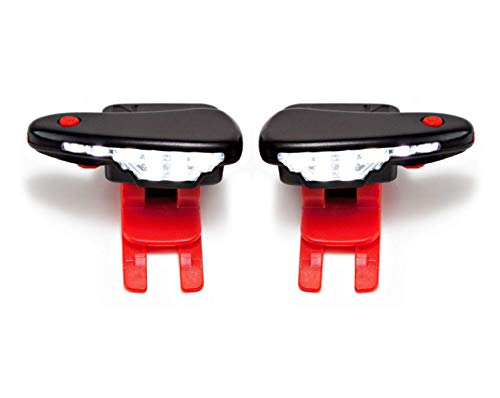
- ✓ Bright, powerful LED light
- ✓ Hands-free and lightweight
- ✓ Weatherproof and durable
- ✕ Battery life could be longer
- ✕ Slightly pricey
| Lumen Output | 150 lumens |
| LED Type | Ultra-light LEDs (2 LEDs) |
| Lighting Modes | Standard, high, and flashing |
| Battery Type and Life | Rechargeable lithium-ion battery; 2+ hours on high, 5 hours on low |
| Illumination Range | Up to 30 feet ahead |
| Water and Weather Resistance | Weatherproof, suitable for rain, snow, and extreme conditions |
Those nights when I need to hit the trails or run early in the morning have always been a bit of a challenge. I’ve tried headlamps, handheld flashlights, and even reflective gear, but nothing felt quite right—until I finally got my hands on the Night Runner 270 shoe lights.
From the moment I clipped them onto my laces, I could tell these were different. They feel surprisingly lightweight, almost like they’re not there, but the illumination they provide is impressive.
The 150 lumens brightness lights up my path clearly, even on the darkest trail sections.
Switching through the three modes—standard, high, and flashing—is simple with a quick tap. I especially appreciate the high mode when I need a burst of intense light for tricky terrain.
The rear red tail light adds that extra safety layer, making me visible from behind to cyclists and cars.
What really stood out is how sturdy they are. I ran in rain, over muddy patches, and even in chilly weather, and they stayed put without any fuss.
Charging via micro USB is straightforward, and the battery life comfortably lasts through my longer runs and hikes.
Whether I’m out for a quick night jog or a trail adventure, these lights give me confidence I won’t be lost in the dark. They’re an innovative, reliable addition to any outdoor routine—no bulky gear, just clear, hands-free illumination.
What Features Should You Consider When Choosing Trail Runners for Backpacking?
When choosing trail runners for backpacking, several key features should be considered to ensure comfort, durability, and performance.
- Fit and Comfort: A proper fit is crucial for long hikes, as it minimizes the risk of blisters and discomfort. Look for trail runners that provide a snug fit without being too tight, allowing for some toe movement while ensuring your heel stays in place.
- Weight: Lightweight trail runners facilitate easier movement over long distances, reducing fatigue. Heavy footwear can slow you down and tire your legs more quickly, so aim for runners that balance durability with lightweight materials.
- Traction: The outsole’s grip is vital for stability on various terrains. Look for trail runners with aggressive tread patterns and rubber compounds that enhance traction, especially in wet or slippery conditions.
- Cushioning: Adequate cushioning helps absorb impact and provides comfort during long hikes. Consider the level of cushioning that aligns with your preferences and the type of terrain you’ll be traversing, as more cushioning can offer better shock absorption on rocky trails.
- Water Resistance: Depending on the conditions you expect to encounter, water-resistant or waterproof materials can keep your feet dry and comfortable. Consider runners with breathable membranes that provide protection without sacrificing ventilation.
- Durability: The materials used in the construction of trail runners affect their longevity. Look for reinforced areas, such as toe caps and heel counters, that can withstand rough terrain while still being lightweight.
- Support: Adequate support is essential for preventing injuries, especially on uneven ground. Choose trail runners that offer a good balance between flexibility and stability, as this ensures your feet can move naturally while maintaining support.
- Breathability: Good airflow helps regulate temperature and moisture, which is especially important during long hikes. Look for materials and construction that allow for adequate ventilation to keep your feet cool and dry.
How Does Cushioning Impact Comfort on Long Backpacking Trips?
Cushioning plays a crucial role in comfort during long backpacking trips, particularly in the selection of trail runners.
- Midsole Cushioning: The midsole is the layer between the insole and outsole, and its cushioning affects shock absorption. A well-cushioned midsole reduces impact on joints, making it easier to cover long distances without excessive fatigue or discomfort.
- Footbed Support: The footbed is where your foot rests inside the shoe, and cushioned footbeds can provide additional comfort. They help in distributing weight evenly across the foot, which minimizes pressure points and enhances overall comfort during long treks.
- Heel Cushioning: The heel is a critical area that experiences significant impact while walking or running. Adequate heel cushioning can prevent soreness and blisters, allowing for a more enjoyable backpacking experience over varied terrains.
- Weight of Cushioning: While cushioning is essential, the weight of the materials used can affect overall performance. Lightweight cushioning can provide comfort without adding unnecessary bulk, which is particularly important for long-distance backpackers who prioritize agility and speed.
- Traction and Stability: Although not directly related to cushioning, the level of cushioning can influence traction and stability. A well-cushioned shoe can help maintain balance on uneven surfaces, which is vital for preventing injuries during extended hikes.
Why is Traction Essential for Safety When Trail Running on Different Terrains?
Traction is essential for safety when trail running on different terrains because it significantly enhances grip and stability, reducing the risk of slips and falls.
According to a study published in the Journal of Sports Sciences, traction plays a critical role in maintaining balance and control during dynamic movements on uneven surfaces, such as trails. The research highlights that shoes designed for trail running, particularly those categorized as the best trail runners for backpacking, often feature specialized outsoles that provide superior grip on various terrains like mud, gravel, and rocky paths.
The underlying mechanism lies in the design and material of the shoe’s outsole, which includes lugs and patterns engineered to maximize surface contact. When running on a slippery surface, these features engage more effectively with the ground, allowing for better weight distribution and minimizing the likelihood of losing footing. Furthermore, the ability of the shoe to adapt to different terrains ensures that the runner can maintain momentum and agility, which is crucial for avoiding accidents and navigating obstacles safely.
Moreover, variations in terrain can affect running dynamics; for instance, steep declines or loose gravel require increased traction to prevent forward slips. A study in the Journal of Biomechanics illustrates that inadequate traction can lead to altered gait mechanics, causing compensatory movements that elevate the risk of injury. By choosing trail runners with optimal traction, runners can enhance their performance while significantly improving their safety across diverse landscapes.
How Does Weight Affect Performance and Endurance in Backpacking Trail Runners?
Body Weight: The relationship between a runner’s body weight and the weight they carry plays a crucial role in their performance. Heavier runners may experience a greater impact on their joints and muscles, especially when combined with a loaded backpack, which can limit their endurance and speed on the trails.
What Are the Top Trail Runner Models Recommended for Backpacking?
The best trail runners for backpacking combine durability, comfort, and traction for varied terrain.
- Altra Lone Peak 6: This model is known for its wide toe box and Zero Drop platform, promoting a natural foot position. The cushioned midsole provides ample comfort over long distances, while the rugged outsole offers excellent grip on uneven surfaces.
- Salomon Speedcross 5: The Speedcross 5 features aggressive lugs for superior traction in muddy and soft terrain. Its Quicklace system allows for easy adjustments, and the breathable mesh upper keeps your feet cool and dry during strenuous hikes.
- Hoka One One Speedgoat 4: Renowned for its plush cushioning, the Speedgoat 4 offers support for long days on the trail. The wide midsole and Vibram outsole provide stability and grip, making it suitable for rocky paths and steep climbs.
- Merrell Moab Flight: This model combines trail running agility with hiking shoe durability, featuring a lightweight construction. The breathable mesh upper ensures ventilation, while the Vibram outsole enhances traction and stability on diverse terrains.
- Brooks Cascadia 16: The Cascadia 16 is designed for versatile trail conditions, featuring a protective toe cap and a soft, cushioned midsole. Its Pivot Post system allows for better stability on uneven ground, making it a reliable choice for backpackers.
How Do Comfort and Fit Differ Among Popular Trail Runner Brands?
Comfort and fit can vary significantly among popular trail runner brands, affecting performance and enjoyment during backpacking.
- Salomon: Known for their snug fit and excellent cushioning, Salomon trail runners often come with a Sensifit system that wraps the foot securely. This brand is popular for technical terrains due to its aggressive grip, but some users may find them narrow, leading to discomfort for those with wider feet.
- Altra: Altra is recognized for its FootShape toe box which allows the toes to splay naturally, enhancing comfort during long runs. Their zero-drop platform promotes a more natural running form, making them a favorite for those seeking a more spacious fit, although some may take time to adjust to the zero-drop design.
- Merrell: Merrell trail runners typically feature robust outsoles and moderate cushioning, striking a balance between comfort and support. They tend to offer a more traditional fit, which can be appealing for users who prefer a secure but not overly tight feel, though the cushioning may not be sufficient for all users on longer backpacking trips.
- Hoka One One: Hoka is famous for its maximalist cushioning, providing exceptional comfort for long distances. While the wide base offers stability, the increased stack height may feel unstable to some runners, especially on uneven terrain, which can affect overall fit and confidence while backpacking.
- Brooks: Brooks trail runners are designed with a focus on comfort and support, featuring BioMoGo DNA cushioning that adapts to the runner’s stride. They often have a medium fit that accommodates various foot shapes, but some users may find them lacking in grip compared to more aggressive trail shoes.
- New Balance: New Balance provides a variety of models that cater to different preferences, often emphasizing a balance of cushioning and stability. Their Fresh Foam technology offers a plush feel, but the fit can vary significantly between models, leading to a need for careful selection based on individual foot shape and preferences.
What Common Mistakes Should You Avoid When Selecting Trail Runners for Backpacking?
When selecting trail runners for backpacking, it’s essential to avoid common mistakes that can impact your comfort and performance.
- Ignoring Fit: A proper fit is crucial for comfort during long hikes. Trail runners that are too tight can cause blisters and foot pain, while those that are too loose can lead to instability and risk of injury.
- Overlooking Terrain Compatibility: Different trail runners are designed for various terrains, such as rocky, muddy, or flat surfaces. Choosing a shoe that is not suitable for the specific conditions you’ll encounter can lead to decreased performance and increased fatigue.
- Neglecting Weight Considerations: While lightweight shoes can enhance speed and reduce fatigue, overly light options may compromise durability and support. It’s important to strike a balance between weight and the necessary features for your backpacking trip.
- Forgetting About Traction: Adequate traction is vital for maintaining grip on uneven or slippery surfaces. Selecting trail runners without sufficient tread can result in slips and falls, jeopardizing your safety on the trail.
- Disregarding Breathability: Breathable materials are essential for keeping your feet cool and dry, especially during long hikes. Choosing shoes made from non-breathable materials can lead to moisture buildup, increasing the risk of blisters and discomfort.
- Not Considering Cushioning: The amount of cushioning you need can vary based on personal preference and the length of your hikes. Insufficient cushioning can lead to fatigue and discomfort on long trails, while too much can result in a lack of stability.
- Skipping Break-In Period: New trail runners often require a break-in period to mold to your feet and become comfortable. Failing to properly break them in before a long backpacking trip can lead to painful blisters and sore feet.