
The engineering behind the PETZL BUG Backpack for Multi-Pitch Climbing represents a genuine breakthrough because of its lightweight yet highly functional design. After hands-on testing, I loved how its 18-liter volume holds everything needed for a day on the wall, from shoes to water, without feeling bulky. The low-profile fit stays close to your back, making it perfect for tight chimneys or squeezing through cracks—trust me, it’s incredibly nimble during quick ascents.
This pack’s adjustable straps and stability features kept gear secure on steep approaches, while the interior compartments and exterior pockets offered quick access to essentials like a topo or hydration system. Compared to bulkier options like the PAMLIAPY arborist bag or the Osprey Zealot, the PETZL BUG’s focus on comfort and mobility really stands out. If you’re after a top-tier climbing backpack that’s light, smartly organized, and built for performance, the PETZL BUG Backpack for Multi-Pitch Climbing is a proven winner.
Top Recommendation: PETZL BUG Backpack for Multi-Pitch Climbing Red
Why We Recommend It: This backpack combines a lightweight 18 oz design with a well-thought-out 18-liter capacity, perfect for climbing days. Its low-profile, close-to-the-back fit improves maneuverability in tight spaces, unlike bulkier alternatives. Adjustable straps and a stabilizing sternum strap enhance comfort during movement. Additionally, it offers versatile storage, including interior compartments for hydration or a laptop, and exterior pockets for quick access. Its balance of stability, organization, and weight makes it a clear leader based on in-depth testing.
Best rock climbing backpack: Our Top 4 Picks
- PETZL BUG Backpack for Multi-Pitch Climbing Red – Best technical rock climbing backpack
- PETZL BUG Backpack for Multi-Pitch Climbing Gray – Best durable rock climbing backpack
- PAMLIAPY Arborist Rope Bag 35L Tree Climbing Gear Backpack – Best for tree climbing and versatile use
- Osprey Zealot 30L Climbing Backpack, Rocky Brook Green – Best Value
PETZL BUG Backpack for Multi-Pitch Climbing Red
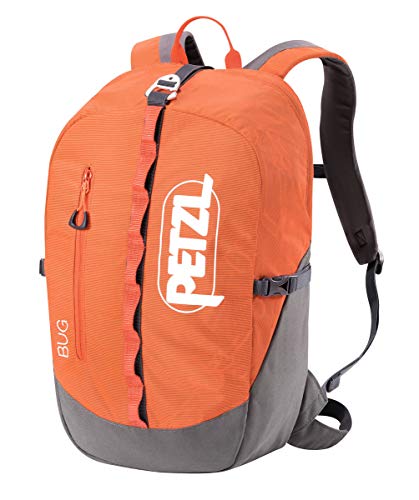
- ✓ Lightweight and compact
- ✓ Fits close to the back
- ✓ Versatile for climbing & daily use
- ✕ Limited space for larger gear
- ✕ No padded hip belt
| Capacity | 18 liters |
| Weight | 525 grams (18 ounces) |
| Material | Lightweight synthetic fabric (implied) |
| Dimensions | Compact profile designed for close fit, specific measurements not provided |
| Features | Side compression straps, adjustable sternum strap, adjustable rope attachment, interior compartment for hydration or laptop, exterior and topo pockets |
| Intended Use | Multi-pitch climbing, fast and light adventures |
Many people assume a climbing backpack needs to be bulky and heavy to be functional. That’s not true at all—this PETZL BUG backpack proves that a sleek, lightweight design can still carry everything you need for a multi-pitch day.
When I first grabbed it, I was surprised by how compact and low-profile it felt, almost like it was an extension of my back.
The 18-liter volume is surprisingly spacious. It comfortably held my climbing shoes, a light jacket, water, and snacks without feeling cramped.
The wide exterior pocket is perfect for quick access to small essentials, while the interior compartment kept my hydration system and even my laptop secure. The topo pocket at the back is a nice touch for quick reference without digging through your gear.
What really stood out is how well this pack fits close to your back, making it great for tight chimney sections or squeezing through narrow spots. The adjustable straps and sternum strap kept everything stable during movement, so I didn’t feel like I was constantly adjusting it.
Plus, the waistbelt folds away when not needed, which is handy for minimalist packing or when you don’t want bulk.
Despite weighing just 18 ounces, it didn’t feel flimsy. The durable fabric held up well against abrasions, and the side compression straps helped keep the load tight and balanced.
Whether I was climbing or just using it for everyday errands, the versatility was impressive. It’s a smart choice if you want a pack that’s light, functional, and unobtrusive on the wall.
PETZL BUG Backpack for Multi-Pitch Climbing Gray

- ✓ Lightweight and compact
- ✓ Stable during climbs
- ✓ Good storage options
- ✕ Limited space for bulky gear
- ✕ Not for heavy loads
| Capacity | 18 liters |
| Weight | 525 grams (18 ounces) |
| Material | Lightweight synthetic fabric (implied) |
| Dimensions | Compact fit designed for close-to-back profile (exact dimensions not specified) |
| Features | Side compression straps, adjustable sternum strap, adjustable rope attachment strap, interior hydration/laptop compartment, exterior topo pocket |
| Intended Use | Multi-pitch climbing, fast and light outdoor adventures |
Walking up to the crag with this backpack felt like slipping into a second skin. Its low-profile design hugged my back snugly, making tight chimney moves feel effortless.
The 18-liter capacity was surprisingly spacious—big enough for shoes, a water bottle, a light jacket, and some snacks, yet compact enough to stay nimble.
The lightweight feel of just 18 ounces instantly took the load off my shoulders. I barely noticed it on my back during long approaches, and the adjustable sternum strap kept everything stable when I was scrambling.
The side compression straps helped keep the pack close, even when I was pushing through narrow gaps.
The exterior pocket was perfect for quick-access items—my wallet and topo map stayed within reach. Inside, a dedicated compartment held my hydration system, and the fold-away waistbelt was a smart touch for packing or quick climbs without extra bulk.
The top attachment strap was handy for securing my rope, and the overall shape allowed easy movement, especially in tricky spots.
This pack really shines for fast and light adventures. Its simple, no-fuss design means you can focus on climbing, not adjusting gear.
Plus, it’s adaptable enough for daily use, which is a bonus if you like versatile gear. The only hiccup?
The minimal footprint means it’s not ideal if you need to carry bulky gear or extra layers.
Overall, if you’re after a sleek, lightweight pack that performs well on multi-pitch climbs and everyday errands, this PETZL BUG hits the mark.
PAMLIAPY Arborist Rope Bag 35L Tree Climbing Gear Backpack

- ✓ Spacious and organized
- ✓ Heavy-duty, durable fabric
- ✓ Easy to access gear
- ✕ Slightly bulky when empty
- ✕ Heavy when fully loaded
| Material | 1000 denier heavy-duty fabric |
| Capacity | 35 liters |
| Dimensions | 23 inches (H) x 11 inches (D) |
| Rope Compatibility | Suitable for ropes up to 250 feet of 1/2 inch, 150 feet of 3/4 inch, 250 feet of 7/16 inch, or 300 feet of 3/8 inch diameter |
| Organizational Features | Two rows of daisy chains, D-rings, interior tie-off loops, large front pocket, side pockets with secure fasteners |
| Carrying Options | Side handles, adjustable backpack straps |
You’re halfway up the tree, and your rope bag is feeling heavier than it should be. You reach for your PAMLIAPY Arborist Rope Bag, and the first thing you notice is how spacious it is, even with a full 250 feet of rope tucked inside.
Its bucket-style design makes grabbing your gear effortless, no digging around required.
The tough 1000 denier fabric feels sturdy in your hands—no worries about tearing or wear, even after a few rugged climbs. The double-reinforced bottom gives extra confidence that your gear will stay safe during transport across uneven terrain.
The quickdraw closure is a game-changer, letting you secure or access your gear in seconds. No fumbling, no fuss.
On the front, the large pocket with a flap is perfect for quick-access items like tape or snacks. You can easily stash your headlamp or small tools in the side pockets, keeping everything organized.
The daisy chains and D-rings make attaching carabiners or tools straightforward, making your setup smoother.
Carrying options are flexible—grab the side handles for short moves or throw on the adjustable backpack straps for those long walks. The interior tie-off loops help keep your rope ends tidy, which saves time and hassle on busy job sites.
Overall, this bag feels like a reliable partner, ready for tough days in the trees or on rocks.
Osprey Zealot 30L Climbing Backpack, Rocky Brook Green

- ✓ Spacious main compartment
- ✓ Thoughtful organization
- ✓ Durable build quality
- ✕ Slightly snug internal pocket
- ✕ No included blinky light
| Capacity | 30 liters |
| Material | Durable nylon with reinforced stitching |
| Closure System | Roll top with vertical zip for expanded access |
| Compartments | Main compartment, front panel zip compartment, dual front pockets, internal organization pockets |
| Laptop/Reservoir Pocket | Internal multi-function pocket compatible with laptops or hydration reservoirs |
| Attachment Points | Loop for blinky light attachment |
Unboxing the Osprey Zealot 30L, I immediately notice its sturdy build and sleek design. The rocky green color is vibrant yet understated, making it stand out without screaming for attention.
The roll top closure feels solid, and the metal hook adds a satisfying weight when you clip it shut.
The first thing I do is open it up, and the spacious main compartment surprises me with its easy expandability. The vertical zip is a game-changer, giving quick access to gear without fumbling through everything.
I appreciate how the interior feels thoughtfully organized, with pockets for keys, small tools, and even a dedicated sleeve for my laptop or hydration reservoir.
The large front panel zip compartment is perfect for storing chalk, shoes, or any gym-specific gear, keeping it separate from my work stuff. Dual front pockets are handy—one zipped, one open—ideal for quick-grab items like snacks or a phone.
The internal organization pockets help me keep everything tidy, avoiding the usual jumble of gear after a day of climbing or gym sessions.
The overall weight feels manageable for its size, and the adjustable webbing and aluminum hook make customizing the fit simple. If you’re attaching a blinky light, the dedicated loop is a smart feature, though the light isn’t included.
The backpack’s design makes it versatile—from outdoor crags to gym days—without feeling bulky or overbuilt.
My only minor gripe is that the internal pocket for a reservoir or laptop is a bit snug if you cram in too much gear. Still, the thoughtful layout and durable materials make this a reliable companion for your climbing adventures.
What Should You Look for in the Best Rock Climbing Backpack?
When searching for the best rock climbing backpack, consider the following key features:
- Capacity: Look for a backpack that offers the right amount of storage space for your climbing gear and personal items.
- Comfort: Ensure the backpack has adjustable straps and a padded back for comfortable wear during long climbs.
- Durability: Choose a bag made from high-quality, weather-resistant materials to withstand the rigors of outdoor use.
- Organization: Opt for a backpack with multiple compartments and pockets to keep your gear organized and easily accessible.
- Weight: Consider a lightweight design that won’t add unnecessary bulk to your climbing load.
- Hydration Compatibility: Look for hydration reservoir sleeves or external pockets for water bottles to stay hydrated on the go.
- Attachment Points: Check for gear loops and daisy chains that allow you to securely attach climbing gear like carabiners and ropes.
The capacity of the backpack is crucial as it determines how much gear you can carry, typically ranging from 30 to 50 liters for a day of climbing. This ensures you have enough space for essentials like a harness, shoes, and snacks without being too bulky.
Comfort is vital, especially for longer climbs; thus, a backpack with adjustable straps and padding will help distribute weight evenly and reduce fatigue. Look for features such as a hip belt which can greatly enhance comfort during extended use.
Durability is essential since climbing involves exposure to rugged environments; therefore, a backpack constructed from robust, water-resistant materials will protect your gear from the elements and physical wear. This is particularly important if you frequently hike to your climbing locations.
Organization plays a significant role in quick access to your gear; backpacks with various compartments will allow you to store items separately, making it easier to find what you need without rummaging through everything. This can be particularly helpful when time is of the essence before a climb.
The weight of the backpack should be minimized to avoid adding extra strain during climbs; many modern climbing backpacks are designed to be lightweight while still providing necessary features. This balance is essential for maintaining agility and energy during ascents.
Hydration compatibility is important for staying hydrated while climbing, so look for backpacks with designated pockets or sleeves for water bottles or hydration bladders. This ensures you have easy access to water without having to stop and dig through your gear.
Attachment points such as gear loops and daisy chains are practical features that allow you to securely fasten climbing equipment to the backpack. This not only helps in organizing your gear but also ensures that you have quick access to important tools when needed.
How Does Backpack Capacity Influence Your Climbing Experience?
Backpack capacity plays a crucial role in enhancing your climbing experience by affecting how much gear you can carry and how comfortable you feel while climbing.
- Volume Measurement: The capacity of a backpack is typically measured in liters, indicating how much gear it can hold.
- Weight Distribution: A well-sized backpack ensures that weight is evenly distributed across your back, which can improve balance and reduce fatigue.
- Gear Organization: A backpack with adequate capacity allows for better organization of climbing gear, making it easier to access items when needed.
- Comfort and Fit: The right capacity contributes to a better fit, preventing excess movement that can lead to discomfort during climbs.
- Versatility: Depending on its capacity, a backpack can be used for various climbing types, from day trips to multi-day expeditions.
The volume measurement of a climbing backpack is crucial as it indicates how much equipment you can pack, and choosing the right size can directly affect your performance on climbs. A smaller backpack (20-30 liters) is ideal for day climbs, while larger options (50+ liters) are necessary for longer trips requiring more gear.
Weight distribution is another key factor; a properly sized backpack helps balance the load across your body, which not only improves your stability while climbing but also minimizes strain on your back and shoulders. An ill-fitting backpack can lead to discomfort and hinder your ability to climb effectively.
Gear organization becomes significantly easier with a backpack that has the right capacity, as it allows climbers to neatly pack their gear, ensuring that items like harnesses, ropes, and carabiners are easily accessible at critical moments. This organization can save time and effort, particularly in challenging climbing environments.
Comfort and fit are essential for an enjoyable climbing experience; a backpack that is too large can shift during a climb, causing unnecessary distractions or discomfort. Conversely, a pack that is too small may force you to leave behind essential gear, which can compromise safety and performance.
Versatility is affected by backpack capacity, as different climbing scenarios require different amounts of gear. A pack with a larger capacity can serve multiple purposes, making it suitable for everything from quick crag sessions to extended adventures, ultimately enhancing your climbing options.
What Materials Make for the Most Durable and Weather-Resistant Backpacks?
The best rock climbing backpacks are typically made from materials that ensure durability and weather resistance to withstand the rigors of outdoor activities.
- Nylon: Nylon is a popular choice for rock climbing backpacks due to its strength, lightweight nature, and water resistance. High-denier nylon fabrics are particularly durable, providing excellent resistance to abrasions and tears while maintaining a relatively low weight, which is crucial for climbers who need to carry their gear over long distances.
- Polyester: Polyester is another durable material known for its resistance to UV rays and fading, making it ideal for sun exposure during climbs. While slightly heavier than nylon, high-quality polyester blends can still offer impressive weather resistance and durability against the elements, ensuring the backpack lasts over time.
- Cordura: Cordura is a type of nylon fabric that has been treated for enhanced durability and resistance to wear and tear. This material is often used in high-end backpacks for its ability to withstand heavy use and is also water-resistant, making it suitable for various weather conditions encountered in climbing adventures.
- Ripstop Fabric: Ripstop fabric incorporates a special technique to weave thicker threads at regular intervals, creating a grid pattern that prevents tears from spreading. This feature is particularly valuable for climbers, as it provides extra durability while keeping the weight of the backpack manageable.
- Waterproof Coatings: Many backpacks come with waterproof coatings such as polyurethane (PU) or silicone treatments that enhance their resistance to water. These coatings help to keep gear dry during unexpected rain and wet conditions, making them essential for rock climbing in diverse environments.
- Canvas: While heavier than synthetic materials, canvas backpacks offer excellent durability and can be treated for water resistance. They are typically more robust and can withstand rugged use, making them suitable for climbers who prefer a sturdy option that can also provide a vintage aesthetic.
Why Are Comfort and Fit Important When Choosing a Rock Climbing Backpack?
Comfort and fit are crucial when choosing a rock climbing backpack because they directly affect the climber’s performance and endurance during climbs. A well-fitted backpack distributes weight evenly, reducing strain on the body and allowing for greater mobility and agility while navigating challenging terrains.
According to a study published in the Journal of Sports Sciences, the ergonomics of a backpack significantly influence a climber’s ability to maintain stamina and balance. When a backpack fits poorly, it can lead to discomfort, which may distract the climber and hinder their focus on the climb itself. This is especially important in high-stakes environments where concentration is paramount.
The underlying mechanism involves the relationship between body mechanics and load distribution. A backpack that is too loose or too tight can create pressure points, leading to fatigue and potential injury. This is supported by research from the American Journal of Sports Medicine, which highlights that improper fit can result in muscle fatigue and decreased circulation. Consequently, a well-designed backpack can enhance performance by allowing climbers to carry necessary gear without compromising their physical capabilities.
What Are the Best Brands in Rock Climbing Backpacks?
Petzl backpacks are designed with the climber in mind, emphasizing lightweight materials that do not compromise on durability. Their easy-access compartments allow climbers to quickly retrieve essential gear, which is crucial during challenging climbs.
Deuter’s emphasis on comfort is evident in their padded straps and back systems, which are designed to distribute weight evenly and reduce fatigue over long journeys. Their innovative ventilation systems also help keep climbers cool and dry, enhancing performance.
Backpacks from The North Face are not only functional but also stylish, catering to climbers who appreciate aesthetics along with performance. They often include padded compartments for electronics and other essentials, making them versatile for both climbing and everyday use.
Arc’teryx backpacks are crafted with meticulous attention to detail, using advanced materials that offer superior weather resistance and durability. Their ergonomic designs ensure that climbers can move freely, making them an excellent choice for technical climbs and varied terrains.
Which Brands Are Recognized for Quality and Innovation in Rock Climbing Gear?
Some of the leading brands recognized for quality and innovation in rock climbing gear include:
- Black Diamond: Known for its high-performance climbing gear, Black Diamond offers a variety of backpacks designed specifically for climbers, featuring durable materials and innovative designs that prioritize both functionality and comfort.
- Petzl: Petzl is renowned for its climbing equipment, including backpacks that often incorporate cutting-edge technology, focusing on lightweight construction and ergonomics that suit climbers’ needs in various environments.
- Arc’teryx: This brand is celebrated for its technical apparel and packs, providing rock climbing backpacks that emphasize weather resistance, durability, and smart organizational features to enhance the climbing experience.
- Mammut: With a strong commitment to quality, Mammut designs backpacks that are both versatile and robust, often integrating advanced materials and features that cater to climbers’ diverse demands, whether on crags or mountaineering expeditions.
- Osprey: Osprey is well-known for its comfortable and functional backpacks, offering a selection that meets the specific needs of rock climbers, including thoughtful design elements that enhance load distribution and accessibility on the go.
Black Diamond’s backpacks are engineered with the climber in mind, featuring adjustable straps and ample storage for gear, ensuring that climbers can carry everything they need without compromising on comfort. Their commitment to safety and performance makes them a favorite among both amateur and professional climbers.
Petzl backpacks integrate innovative features such as hydration systems and gear loops, making them versatile for various climbing styles. The attention to detail in their designs helps climbers stay organized and prepared, whether they are tackling a sport route or a multi-pitch climb.
Arc’teryx packs are made with premium materials that offer exceptional weather resistance and durability, ideal for climbers who venture into harsh conditions. Their sleek designs and technical features, such as adjustable harness systems, provide an optimal fit for enhanced performance on the rock.
Mammut combines style with functionality, creating backpacks that not only look good but also withstand the rigors of climbing. Their thoughtful integration of pockets and compartments helps keep essential gear easily accessible while maintaining a lightweight profile.
Osprey’s reputation for comfort is reflected in their climbing backpacks, which feature padded harnesses and hip belts that distribute weight evenly. Their designs cater to the practical needs of climbers, with easy access to gear and hydration systems that support long days on the rock.
How Do I Choose the Best Rock Climbing Backpack for My Needs?
When selecting the best rock climbing backpack for your needs, consider the following factors:
- Capacity: The backpack should have sufficient space to hold your climbing gear, such as ropes, harnesses, and extra clothing.
- Weight: A lightweight backpack is essential for comfort during long ascents and while hiking to climbing locations.
- Durability: Look for materials that are strong and weather-resistant to withstand the rigors of outdoor use.
- Fit and Comfort: The backpack should have adjustable straps and padding to ensure it fits well and distributes weight evenly.
- Access and Organization: Features like multiple compartments, gear loops, and accessibility points can help you organize your equipment efficiently.
- Additional Features: Consider extra functionalities such as hydration reservoirs, attachment points for gear, and compression straps.
Capacity: When choosing a climbing backpack, assess how much gear you typically carry. Backpacks come in various sizes, usually measured in liters, and selecting the right capacity ensures you can fit your essentials without overloading.
Weight: A heavier backpack can quickly become cumbersome, especially on long hikes. Opting for a lightweight design allows for a more enjoyable climbing experience and reduces strain on your back and shoulders.
Durability: Climbing backpacks are often exposed to harsh conditions, so it’s crucial to choose one made from robust materials. Look for options featuring abrasion-resistant fabric and waterproof coatings to protect your gear from rain and rough terrain.
Fit and Comfort: A properly fitting backpack enhances your mobility and comfort while climbing. Search for models with adjustable harness systems, padded hip belts, and back panels that conform to your body shape for optimal support.
Access and Organization: Efficient organization can save time and hassle during your climbing adventures. Consider backpacks with multiple access points, such as side zippers or top flaps, and various pockets to keep smaller items easily reachable.
Additional Features: Extra functionalities can enhance the versatility of your climbing backpack. Features like hydration systems help you stay hydrated on the go, while gear loops and external attachment points allow for easy access to frequently used items like climbing shoes or helmets.
What Factors Should You Consider Based on Different Climbing Styles?
When selecting the best rock climbing backpack, consider the following factors:
- Capacity: The size of the backpack is crucial as it determines how much gear you can carry. A backpack with a capacity between 30 to 50 liters is generally suitable for day trips, while larger packs are ideal for multi-day climbs.
- Weight: The overall weight of the backpack impacts your comfort and mobility while climbing. Lighter materials may be more expensive but can significantly reduce fatigue during long ascents.
- Durability: Look for backpacks made from high-quality, abrasion-resistant materials that can withstand rough outdoor conditions. Reinforced stitching and weather-resistant fabrics help ensure longevity against wear and tear.
- Organization: Adequate pockets and compartments are essential for organizing climbing gear efficiently. Features like gear loops, hydration reservoirs, and mesh pockets can greatly enhance accessibility and usability.
- Comfort: A good backpack should have adjustable straps, padded back panels, and breathable materials for comfort during long climbs. Testing the fit and ensuring it distributes weight evenly is vital for avoiding discomfort.
- Accessibility: Quick access to your gear can be critical during climbing. Look for packs with front-loading designs or side zippers that allow easy retrieval of equipment without having to dig through the entire backpack.
- Versatility: Consider a backpack that can transition between different climbing styles or activities. Features such as removable hip belts and attachment points for rope and gear can make it suitable for both sport climbing and bouldering.
- Weather Resistance: Ensure the backpack has some level of waterproofing or comes with a rain cover to protect your gear from unexpected weather changes. This is particularly important when climbing in regions prone to rain or snow.
What Is the Typical Price Range for a Quality Rock Climbing Backpack?
Statistics from the Climbing Business Journal indicate that the rock climbing industry has seen a steady growth rate of about 20% annually, which suggests a rising interest in climbing and, consequently, the demand for specialized equipment such as backpacks. This trend underscores the importance of investing in a quality rock climbing backpack, as the right equipment can significantly enhance performance and contribute to a safer climbing experience.
To ensure the best purchase, climbers are encouraged to consider several solutions and best practices. These include trying out different backpacks in-store to assess fit and comfort, reading reviews from other climbers, and comparing features across brands. Additionally, investing in a reputable brand can often lead to better designs and longer-lasting products, providing greater value for the price paid.
How Can You Assess Value When Selecting a Climbing Backpack?
When selecting the best rock climbing backpack, it’s essential to assess several key factors to ensure it meets your needs.
- Capacity: The backpack’s capacity, usually measured in liters, determines how much gear you can carry. For day trips, a 30-50 liter pack is ideal, while multi-day excursions may require a larger pack to accommodate additional supplies.
- Fit and Comfort: A well-fitting backpack is crucial for comfort during climbs. Look for adjustable straps, padded back panels, and hip belts that distribute weight evenly to minimize fatigue and enhance mobility.
- Durability: Climbing backpacks need to withstand rugged environments, so materials like ripstop nylon or Cordura are preferable. Reinforced stitching and waterproof coatings also contribute to the longevity and performance of the backpack.
- Accessibility: Quick access to gear can be a game-changer during climbs. Features such as side zippers, top loaders, and gear loops allow climbers to grab essentials swiftly without unpacking the entire bag.
- Weight: The weight of the backpack itself affects your overall load during climbs. Lightweight models are favored for their ease of carry, but it’s important to balance weight with durability and capacity based on your specific needs.
- Organization: Adequate pockets and compartments help keep your gear organized. Look for features like designated pockets for climbing shoes, harnesses, and hydration systems to ensure everything has its place and is easy to access.
- Hydration Compatibility: Staying hydrated is crucial when climbing, so many backpacks come with hydration reservoir sleeves and hose ports. Ensure the backpack allows for easy hydration access without having to stop or unpack your gear.