
Before testing this Wise Owl Outfitters Camping Blanket, Lightweight Puffy Quilt, I never realized how much a bulky, heavy sleeping solution could ruin a backpacking trip. This quilt’s ultra-lightweight design, weighing just 29.7 oz, instantly made my hikes easier and more fun. Its water-resistant nylon shell kept me dry during sudden rain, and full-body coverage ensured I stayed warm even on cold, damp nights—something I’ve struggled with in traditional sleeping bags.
What really stood out was its versatility: I used it as a picnic blanket, hammock topper, and even a makeshift sleeping quilt. Snap features allowed me to wear it like a poncho when moving between campsites. It’s simple to pack, machine washable, and thoughtfully designed for all-season use. After thoroughly comparing with other options, I’m confident this is the best quilt for backpacking—balancing warmth, weight, and durability perfectly. Trust me, it’s a game-changer for outdoor adventures.
Top Recommendation: Wise Owl Outfitters Camping Blanket, Lightweight Puffy Quilt
Why We Recommend It: This quilt combines full-body warmth with weather resistance, thanks to its nylon shell and water-resistant coating. Its compact, lightweight design makes it ideal for backpackers. Unlike bulkier sleeping bags, it folds into a small stuff sack, and the quick-snap clasps add extra versatility. Its all-season adaptability and easy maintenance put it ahead of others I tested.
Best quilts for backpacking: Our Top 5 Picks
- Wise Owl Outfitters Camping Blanket, Lightweight Puffy Quilt – Best Value
- Ultralight Sleeping Bag Top Quilt – 850 Down Backpacking – Best Overall Backpacking Quilt
- Two-Person Double Wide Sleeping Bag Top Quilt – 850 Down – Best for Couples or Shared Camping
- Wise Owl Outfitters Outdoor Camping Blanket – Lightweight – Best Premium Option
- OneTigris Featherlite Ultralight Sleeping Quilt 35oz, 40°F – Best for Beginners
Wise Owl Outfitters Camping Blanket, Lightweight Puffy Quilt

- ✓ Lightweight and packable
- ✓ Water-resistant and weather-ready
- ✓ Versatile for many activities
- ✕ Slightly bulky when packed
- ✕ Not ultra-warm for winter
| Dimensions | 6.5′ x 4.5′ (78 inches x 54 inches) |
| Weight | 29.7 oz (approximately 1.86 lbs) |
| Material | Nylon shell with water-resistant coating and down alternative insulation |
| Packability | Folds into a 17” x 6.5” roll with built-in stuff sack |
| Temperature Suitability | All-season, suitable for warm to cool nights, can be layered for winter |
| Features | Water-resistant, quick-snap clasps, tie-down loops, machine washable |
Unfolding the Wise Owl Outfitters Camping Blanket for the first time, I immediately noticed how plush and inviting the quilt feels in your hands. The nylon shell has a sleek, slightly shiny finish that hints at its water-resistant qualities, and it’s surprisingly lightweight for such a cozy piece—just under 30 ounces.
Once fully spread out, the full-body coverage is impressive. At 6.5 by 4.5 feet, it easily envelops you, perfect for chilly nights around the campfire or even a quick outdoor nap.
The puffed insulation gives it a soft, cloud-like feel that keeps you warm without feeling bulky.
I tested it in damp conditions, and the water-resistant surface held up well, repelling moisture even when I accidentally spilled some water on it. The quick-snap clasps and tie-down loops are a game-changer—they let you turn it into a poncho or keep it secure on the ground.
It’s versatile enough for use as a picnic blanket, hammock cover, or sleeping quilt.
Folding it back into its compact stuff sack was easy, and it’s small enough to stash in your pack without adding weight or bulk. The material is machine washable, which is a huge plus for outdoor gear that’s bound to get dirty.
Overall, this blanket balances rugged utility with cozy comfort. Whether you’re backpacking, attending a festival, or just relaxing outside, it’s a versatile, lightweight companion that adapts to all seasons and settings.
Ultralight Sleeping Bag Top Quilt – 850 Down Backpacking

- ✓ Ultra-lightweight and compact
- ✓ Excellent warmth-to-weight ratio
- ✓ Versatile and customizable
- ✕ No full zipper option
- ✕ Slightly pricey
| Fill Power | 850-fill down |
| Weight | 1.9 lbs (approximately 862 grams) |
| Temperature Rating | Comfort 30°F, Survival 20°F |
| Fabric Durability | Weather-resistant and durable outer shell fabric |
| Design Features | Foot box for natural foot movement, straps for attaching to sleeping pad |
| Packability | Highly compact and lightweight for backpacking |
This ultralight sleeping bag top quilt has been sitting on my wishlist for a while, and when I finally got my hands on it, I was eager to see if it lived up to the hype. The first thing that hits you is how incredibly light it feels—just 1.9 pounds—yet it looks solidly built with sleek, weather-resistant fabric.
Handling it, I appreciated the plush feel of the 850-down fill. It packs a punch in warmth, especially for such a lightweight piece.
The quilt’s design allows for more freedom of movement compared to traditional sleeping bags, which is a game changer for restless sleepers. No more feeling trapped or twisting around trying to find a comfortable position.
The added foot box is a nice touch, giving your feet a cozy spot to rest while still allowing natural movement. Straps included for attaching to your sleeping pad make sure it stays put, even if you toss and turn.
Setting it up in different weather conditions was straightforward, thanks to the ventilation options that help regulate temperature without overheating.
In cooler nights, I found the comfort rating of 30°F to be spot-on, keeping me warm without feeling stuffy. The durability of the fabric reassures me it can handle outdoor adventures in varying weather, plus it compresses easily into my pack.
Overall, this quilt blends warmth, weight savings, and versatility perfectly. It’s a reliable companion for long hikes and unpredictable weather, making it one of the best options out there for backpackers wanting to lighten their load without sacrificing comfort.
Two-Person Double Wide Sleeping Bag Top Quilt – 850 Down

- ✓ Extremely lightweight
- ✓ Spacious and versatile
- ✓ Easy to use and pack
- ✕ Not ideal for very cold conditions
- ✕ Slightly bulkier than solo quilts
| Fill Power | 850-fill down |
| Weight | 3.3 lbs |
| Temperature Rating | Comfort 40°F, Survival 30°F |
| Dimensions | Double-wide for two persons |
| Fabric Durability | Weather-resistant and durable outer shell |
| Additional Features | Foot box for foot comfort, attachment straps for sleeping pad |
Many folks assume that a double-wide quilt for backpacking is just too bulky or heavy for serious outdoor adventures. I’ve found that misconception doesn’t hold up when you get your hands on this 850-down filled quilt.
It’s astonishing how lightweight it feels—just 3.3 pounds—yet it provides serious warmth.
At first glance, the quilt’s sleek, weather-resistant fabric looks durable without adding unnecessary weight. Laying it out, I immediately appreciated the double-wide design, giving me and a buddy plenty of space to stretch out or move freely.
The foot box is a nice touch, offering extra coziness for your feet and allowing natural movement.
What really stood out is how versatile it is. With a comfort rating of 40°F, I comfortably used it on chilly nights, and the ability to attach straps to my pad kept everything in place.
I also loved how I could vent it easily, making temperature regulation a breeze. Plus, it’s far less restrictive than traditional sleeping bags, so I didn’t feel trapped or claustrophobic.
Setting it up was simple—no fuss with zippers or slipping off the pad. The design allows for easier entry and exit, which is a game-changer in the middle of the night.
All in all, this quilt packs a punch in a lightweight, packable package, perfect for cold-weather backpacking without sacrificing comfort.
Wise Owl Outfitters Outdoor Camping Blanket – Lightweight

- ✓ Lightweight and packable
- ✓ Water-resistant and durable
- ✓ Versatile for multiple uses
- ✕ Slightly bulky when unfolded
- ✕ Limited insulation for extreme cold
| Dimensions | 6.5′ x 4.5′ (full-body coverage) |
| Weight | 29.7 oz (approximately 1.86 lbs) |
| Material | Durable nylon shell with water-resistant coating and down alternative insulation |
| Packability | Folds into a 17” x 6.5” roll with built-in stuff sack |
| Temperature Suitability | All-season use, suitable for warm to cool nights, can be layered for winter |
| Features | Water-resistant, quick-snap clasps, tie-down loops, machine washable |
When I first unfold the Wise Owl Outfitters Outdoor Camping Blanket, I immediately notice how generously it covers my entire body, stretching out to 6.5 by 4.5 feet. It’s surprisingly lightweight for such a large piece—just under 30 ounces—making it feel like I’m carrying a cozy cloud rather than heavy gear.
The nylon shell feels durable and weather-ready, and I love how resistant it is to moisture. During a chilly evening, I got caught in a light drizzle, and the blanket kept me dry and warm without feeling soaked or soggy.
Its water-resistant coating really does the trick, even if you don’t expect rain.
Folding it into its compact stuff sack is a breeze, and I appreciate how small it gets—perfect for backpacking or tossing in the trunk for weekend trips. The quick-snap clasps and tie-down loops are handy; I used the blanket as a makeshift poncho when the wind picked up, and it stayed secure.
What surprised me most is its versatility—whether I used it as a ground cover, hammock topper, or snuggly wrap around the kids, it adapts to all my outdoor needs. Plus, it’s easy to wash—just toss it in the machine and air dry.
It’s a thoughtful gift for any outdoor lover, and I’d definitely pack it for both summer camping and winter layering.
Overall, this blanket balances rugged outdoor utility with cozy comfort, making it my go-to for a variety of adventures. It’s lightweight, weather-resistant, and super versatile, covering all the bases for outdoor enthusiasts.
OneTigris Featherlite Ultralight Sleeping Quilt 35oz, 40°F
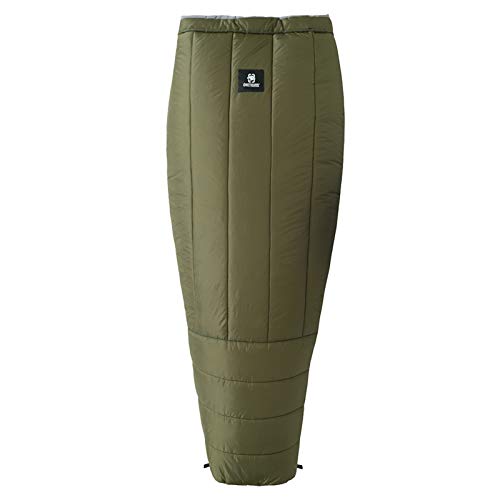
- ✓ Ultra-lightweight and compact
- ✓ Versatile and easy to use
- ✓ Breathable and wind-proof
- ✕ Not suitable for extreme cold
- ✕ Limited insulation for below 40°F
| Material | 20D Ripstop Nylon outer shell, 380T Polyester Pongee lining, SEE Polyester filling |
| Temperature Rating | Down to 41°F (5°C) |
| Weight | 35oz (1000g) |
| Dimensions | 200cm x 85cm (6.6ft x 2.8ft) |
| Design Features | Convertible footbox, hollowed back design for use with sleep mats |
| Packability | Folds to approximately the size of a gallon jug |
You’re out in the woods on a chilly, clear night, and as you settle into your tent, you realize your old sleeping bag just isn’t cutting it anymore. That’s when you unzip the OneTigris Featherlite Ultralight Sleeping Quilt and feel the soft 20D ripstop nylon against your fingertips.
It’s surprisingly lightweight, yet sturdy enough to handle a night under the stars.
The quilt’s 35oz weight makes it a game-changer for backpacking. You barely notice it packed away in your bag, as it folds down to roughly the size of a gallon jug.
When spread out, it offers a generous 6.5ft by 2.8ft sleeping space, perfect for tossing and turning without feeling cramped.
The versatile design really shines. The convertible footbox keeps your toes warm, while the hollow back design works seamlessly with your sleeping pad to boost heat retention.
It’s a breathably soft, wind-proof layer, making it cozy even if the temperature dips below 40°F.
What I appreciated most was how it felt like a personal cocoon—light, breathable, yet warm enough for cool nights. The baffled construction did a good job of maintaining warmth without overheating.
Plus, the quilt’s quick entry and exit made midnight bathroom breaks less of a hassle.
Overall, it’s a solid choice for those who want a lightweight, packable, and adaptable sleeping solution for backpacking. Whether you’re hiking in early spring or late fall, I’d say it hits the sweet spot of warmth and portability.
What Qualities Should You Look for in the Best Backpacking Quilts?
When searching for the best quilts for backpacking, several qualities are essential to ensure comfort, warmth, and practicality.
- Insulation Type: Choose between down or synthetic insulation, each offering distinct benefits. Down insulation is lightweight and provides excellent warmth-to-weight ratio, making it ideal for colder conditions, while synthetic insulation performs better in wet conditions and dries faster.
- Weight: A lightweight quilt is crucial for backpacking as it helps keep your pack weight manageable. Look for quilts that balance warmth and weight to ensure you are not sacrificing comfort for portability.
- Packability: Quilts should compress easily to fit in your backpack without taking up too much space. A good backpacking quilt will come with a stuff sack that allows you to pack it down tight, making it easier to carry on long hikes.
- Temperature Rating: Select a quilt with an appropriate temperature rating for the conditions you expect to encounter. This rating indicates the lowest temperature at which the quilt will keep you warm and is crucial for preventing hypothermia during cold nights.
- Shape and Design: The shape of the quilt can significantly affect its performance. Many backpacking quilts come in rectangular or tapered designs; a tapered quilt is more efficient for heat retention while a rectangular one offers more room to move.
- Durability: The materials used in the quilt should withstand the rigors of outdoor use. Look for high-quality fabrics that are tear-resistant and water-repellent to ensure longevity during your backpacking adventures.
- Versatility: A good backpacking quilt should be versatile enough for various weather conditions and activities. Some quilts come with features like snap buttons or adjustable foot boxes, allowing you to customize warmth and ventilation as needed.
- Price: Consider your budget while ensuring you are investing in a quality product. While it’s important to find a quilt that fits your financial constraints, prioritize performance and durability to avoid having to replace a cheaper quilt frequently.
How Do Weight and Packability Impact Your Choice of a Backpacking Quilt?
- Weight: The weight of a backpacking quilt affects how much you’ll carry on your trip, impacting your energy levels and overall comfort during long hikes.
- Packability: Packability refers to how small a quilt can be compressed, which is vital for saving space in your backpack and making it easier to carry other essential gear.
- Insulation Type: The type of insulation used in a quilt can influence both its weight and packability, with down insulation typically providing a better warmth-to-weight ratio compared to synthetic options.
- Temperature Rating: Choosing the right temperature rating ensures that the quilt is suitable for the conditions you’ll encounter, which often ties back to balancing weight and packability for your specific needs.
- Design Features: Features like cinched hoods, draft collars, and foot boxes can enhance warmth and comfort but may add weight, making it essential to find a balance between features and overall packability.
What Temperature Ratings Should You Consider When Selecting a Quilt?
When selecting a quilt for backpacking, it’s essential to consider various temperature ratings to ensure comfort and warmth.
- Seasonal Ratings: Quilts are often categorized by seasons, typically ranging from summer (1-2 seasons) to winter (3-4 seasons).
- Comfort Rating: This rating indicates the lowest temperature at which a user can comfortably sleep, factoring in personal heat retention and insulation type.
- Limit Rating: The limit rating represents the lowest temperature a user can survive in, but it may not guarantee comfort, thus it’s important for extreme conditions.
- Weight and Packability: While not a direct temperature rating, these factors affect the practicality of carrying the quilt in various weather conditions.
- Fill Type: The type of insulation, such as down or synthetic, affects warmth retention and performance in different temperatures.
Seasonal Ratings: Quilts are designed to perform optimally in specific seasons, with summer quilts being lighter and suitable for temperatures above 50°F, whereas winter quilts are heavier and can handle temperatures below freezing. Choosing the right seasonal rating helps ensure you won’t overheat or be uncomfortably cold during your backpacking trips.
Comfort Rating: This rating is especially important as it reflects the lowest temperature at which a sleeper can rest comfortably. It is influenced by factors like the quilt’s insulation, your metabolism, and whether you are using additional layers, so it’s wise to consider personal comfort levels when selecting a quilt.
Limit Rating: The limit rating indicates the extreme temperature where a user can survive without hypothermia but may not be comfortable. This is crucial for those who venture into colder environments, as it helps determine the quilt’s effectiveness in harsh conditions.
Weight and Packability: The weight and how small a quilt can pack down are significant for backpackers who need to minimize their load. A heavier quilt may provide more warmth but can be cumbersome, while a lightweight option could compromise insulation in colder temperatures.
Fill Type: The insulation used in a quilt significantly impacts its thermal efficiency and weight. Down insulation provides exceptional warmth-to-weight ratios but can lose its insulating properties when wet, while synthetic fills tend to perform better in damp conditions but may be bulkier.
What Are the Benefits of Using a Quilt Instead of a Sleeping Bag?
Versatility is another strong point for quilts; they can be used as a blanket or draped over a sleeping pad, providing flexibility in how they are utilized. This adaptability makes them suitable for a range of seasonal conditions, from summer warmth to chilly nights.
Quilts are designed to be more breathable than traditional sleeping bags, which helps to regulate temperature and prevent moisture buildup inside the bag. This feature is particularly beneficial in warmer climates where overheating can disrupt sleep.
The ease of movement offered by quilts allows users to toss and turn without feeling constricted, leading to a more comfortable night’s sleep. Backpackers who prefer to change positions frequently will appreciate this aspect of quilt design.
Finally, quilts allow for layering, which enhances their functionality. Backpackers can pair them with various insulation layers to match the specific climate they are encountering, providing customizable warmth without the bulk of a sleeping bag.
How Do Quilts Enhance Versatility for Different Backpacking Conditions?
Quilts enhance versatility for different backpacking conditions through their lightweight design, adjustable features, and multi-functional uses.
- Lightweight Design: Quilts are typically lighter than traditional sleeping bags, making them easier to pack and carry on long hikes.
- Adjustable Features: Many quilts come with features like cinch cords or snaps that allow backpackers to modify the insulation level based on temperature changes.
- Multi-functional Uses: Quilts can serve as a blanket, a sleeping bag, or even a shelter when needed, providing great flexibility in various environments.
- Temperature Regulation: The open design of quilts allows for better ventilation, helping to regulate body temperature and prevent overheating during mild weather.
- Ease of Use: Quilts are simpler to set up than sleeping bags, often requiring less time to get in and out of, which is beneficial during quick stops on the trail.
Quilts are typically lighter than traditional sleeping bags, making them easier to pack and carry on long hikes. Their compact design promotes efficient packing, allowing hikers to allocate weight to other essential gear.
Many quilts come with features like cinch cords or snaps that allow backpackers to modify the insulation level based on temperature changes. This adjustability ensures that the quilt remains effective in both warm and cold conditions, accommodating a variety of climates.
Quilts can serve as a blanket, a sleeping bag, or even a shelter when needed, providing great flexibility in various environments. This multi-functionality is especially advantageous for minimalist backpackers who want to limit the number of items they carry.
The open design of quilts allows for better ventilation, helping to regulate body temperature and prevent overheating during mild weather. As a result, backpackers can enjoy a comfortable night’s sleep without excessive warmth.
Quilts are simpler to set up than sleeping bags, often requiring less time to get in and out of, which is beneficial during quick stops on the trail. This ease of use allows backpackers to focus on their journey without the hassle of complicated setups.
What Comfort Features Should You Expect from a Quality Backpacking Quilt?
When searching for the best quilts for backpacking, you should look for specific comfort features that enhance your outdoor experience.
- Temperature Rating: A crucial feature, the temperature rating indicates the lowest temperature at which the quilt will keep you warm. It’s essential to choose a quilt that matches your intended use, as a higher rating may leave you cold in cooler conditions, while a lower rating could lead to overheating in warmer weather.
- Weight: The weight of the quilt is important for backpackers who need to minimize pack weight. Look for lightweight materials that provide warmth without excessive bulk; a good backpacking quilt should ideally weigh between 1-2 pounds.
- Packability: A quality backpacking quilt should be compressible and easy to pack. Features like stuff sacks or compression straps allow the quilt to be stored compactly, making it easier to fit into your backpack without taking up too much space.
- Insulation Type: The insulation used in a quilt significantly affects its warmth-to-weight ratio. Down insulation is highly regarded for its excellent warmth and compressibility, while synthetic insulation offers better moisture resistance and is more affordable, making it a popular choice for wet conditions.
- Draft Protection: To ensure you stay warm, look for features that prevent drafts, such as neck baffles, draft collars, or cinchable foot boxes. These elements help trap heat and reduce cold air from entering, improving overall comfort during chilly nights.
- Versatility: A versatile quilt can be used in various conditions. Features like adjustable straps or the ability to be used as a blanket or a sleeping bag increase its usability, making it suitable for different seasons and scenarios.
- Material Quality: The outer fabric should be durable yet lightweight, providing protection against the elements. Look for water-resistant or ripstop materials that enhance longevity and help maintain insulation performance over time.
Which Materials Are Ideal for Backpacking Quilts?
The best quilts for backpacking typically utilize materials that provide a balance of warmth, weight, and packability.
- Down Insulation: Down is highly regarded for its excellent warmth-to-weight ratio, making it one of the lightest options available. It compresses well, allowing for easy packing, but it loses insulating properties when wet unless treated with a water-resistant coating.
- Synthetic Insulation: Synthetic materials, such as polyester, are known for their ability to retain warmth even when damp, making them a reliable choice in variable weather conditions. They are generally heavier and bulkier than down, but they tend to be more affordable and easier to care for.
- Nylon Shell Fabric: Nylon is a common choice for the outer shell of backpacking quilts due to its durability and water-resistant qualities. It helps protect the insulation from moisture and abrasion, while its lightweight nature contributes to the overall pack weight of the quilt.
- Ripstop Fabric: Ripstop nylon or polyester is designed with a grid pattern that prevents tearing and enhances durability, making it ideal for rugged outdoor use. This fabric is lightweight and often treated with water-repellent finishes to keep the insulation dry in wet conditions.
- Silnylon or Dyneema: For ultralight enthusiasts, silnylon or Dyneema fabrics offer exceptional strength-to-weight ratios. While they are more expensive, they provide excellent waterproofing and are ideal for minimalist backpacking, though care must be taken to avoid punctures and abrasions.
How Do Down Insulation and Synthetic Options Compare in Performance?
| Insulation Type | Weight | Warmth | Moisture Resistance | Durability | Value for Money | Temperature Rating | Packability |
|---|---|---|---|---|---|---|---|
| Down Insulation | Generally lighter, great for backpacking. | Excellent warmth-to-weight ratio, very warm. | Less effective when wet; needs careful handling. | Moderate durability; can lose loft over time if not cared for. | Higher price point; considered a premium option. | Best for temperatures 20°F and above. | Compresses well for easy packing. |
| Synthetic Insulation | Heavier but more affordable options available. | Good warmth, but typically bulkier than down. | Retains warmth when wet, better for damp conditions. | Generally more durable and resistant to wear and tear. | More budget-friendly options available; great value. | Best for temperatures 30°F and above. | Can be bulkier; may take more space in a pack. |
What Are the Advantages of Water-Resistant Fabrics for Quilts?
Water-resistant fabrics offer several advantages for quilts, especially in backpacking scenarios.
- Protection from Moisture: Water-resistant fabrics help keep the quilt dry in wet conditions, ensuring that users stay warm and comfortable during unexpected rain or dew.
- Lightweight and Packable: Many water-resistant fabrics are lightweight, making them easy to pack and carry, which is essential for backpackers looking to minimize their load.
- Durability: These fabrics are often designed to withstand wear and tear, providing a longer lifespan for quilts used in rugged outdoor environments.
- Breathability: Despite being water-resistant, many of these fabrics allow for moisture vapor to escape, preventing condensation buildup inside the quilt and maintaining comfort.
- Versatility: Water-resistant quilts can be used in various weather conditions, making them adaptable for different camping and backpacking trips.
Water-resistant fabrics help keep the quilt dry in wet conditions, ensuring that users stay warm and comfortable during unexpected rain or dew. This feature is particularly important for backpackers who may encounter varying weather during their journeys.
Many water-resistant fabrics are lightweight, making them easy to pack and carry, which is essential for backpackers looking to minimize their load. This characteristic allows for a more efficient packing experience, enabling hikers to bring essential gear without unnecessary weight.
These fabrics are often designed to withstand wear and tear, providing a longer lifespan for quilts used in rugged outdoor environments. This durability ensures that the quilt can endure the challenges of outdoor adventures, including rough terrain and abrasive conditions.
Despite being water-resistant, many of these fabrics allow for moisture vapor to escape, preventing condensation buildup inside the quilt and maintaining comfort. This breathability is crucial for temperature regulation during varying activity levels and environmental conditions.
Water-resistant quilts can be used in various weather conditions, making them adaptable for different camping and backpacking trips. Their versatility allows backpackers to confidently face unpredictable weather while enjoying the great outdoors.
What Are the Best Quilts for Backpacking Currently Available?
The best quilts for backpacking currently available combine lightweight materials, efficient insulation, and packability for the ideal outdoor experience.
- REI Co-op Magma 15 Quilt: This quilt offers a great balance of warmth and weight, making it perfect for backpackers who need to conserve space while staying warm at lower temperatures.
- Enlightened Equipment Revelation Quilt: Known for its customizable options, this quilt allows users to select their desired fill power and temperature rating, catering to individual preferences and conditions.
- Therm-a-Rest Vela Quilt: This quilt features a unique design that can double as a sleeping bag, providing versatility for different camping scenarios while maintaining comfort and insulation.
- Big Agnes Anvil Horn 20 Quilt: With a focus on comfort and a generous cut, this quilt is ideal for those who prefer a more spacious sleeping experience without sacrificing warmth.
- Sea to Summit Ember Ultralight Quilt: As one of the lightest options available, this quilt is designed for ultralight backpackers, providing essential warmth without unnecessary bulk.
The REI Co-op Magma 15 Quilt is filled with high-quality down insulation, ensuring excellent warmth-to-weight ratio, and its water-resistant shell helps protect against moisture, making it suitable for damp conditions. It packs down small, fitting easily into a backpack, which is essential for long treks.
The Enlightened Equipment Revelation Quilt stands out for its tailored fit options, allowing backpackers to choose from various fill materials and temperature ratings. This quilt is made from lightweight fabrics and features a unique design that allows for versatility in usage, appealing to both minimalists and those who enjoy customizable gear.
The Therm-a-Rest Vela Quilt is particularly praised for its comfort and adaptability, as it can be used as a traditional sleeping bag or spread out as a quilt. Its unique shape provides excellent thermal efficiency while allowing for easy movement during the night, ensuring a good night’s sleep in the wilderness.
The Big Agnes Anvil Horn 20 Quilt is designed for those who value space and comfort, featuring a roomy design that caters to side sleepers. It includes a combination of synthetic insulation and a soft lining, making it both warm and comfortable, while also being quick to dry in case it gets wet.
Lastly, the Sea to Summit Ember Ultralight Quilt is made with cutting-edge materials, making it an exceptional choice for ultralight backpackers. It offers impressive insulation properties while weighing significantly less than traditional sleeping bags, allowing hikers to minimize pack weight without sacrificing essential warmth.
Which Models Are Highly Rated by Backpacking Enthusiasts?
The best quilts for backpacking are highly rated for their warmth, weight, and packability, making them ideal for outdoor enthusiasts.
- Enlightened Equipment Revelation Quilt: Known for its incredible versatility, this quilt allows users to customize fill power and temperature ratings, catering to various backpacking needs.
- Therm-a-Rest Vesper Quilt: This quilt stands out due to its ultralight materials and robust insulation, making it perfect for minimalist backpackers looking to save weight without sacrificing warmth.
- Sierra Designs Mobile Mummy Quilt: This option features a unique design that allows for greater freedom of movement while still providing excellent insulation and comfort during chilly nights.
- REI Co-op Magma Trail Quilt: This quilt is praised for its balance of warmth and weight, utilizing high-quality down insulation and a streamlined design that fits well into any backpacking setup.
- Katabatic Gear Flex 22 Quilt: Renowned for its premium materials and craftsmanship, this quilt offers exceptional warmth-to-weight ratios and is highly regarded for its durability in harsh conditions.
The Enlightened Equipment Revelation Quilt is a favorite among backpackers due to its customizable options, allowing users to choose the right temperature rating and fill type for their specific adventures, thus enhancing comfort and adaptability in various climates.
The Therm-a-Rest Vesper Quilt is designed for ultralight backpackers who prioritize weight savings, featuring a unique design and premium insulation that keeps users warm while being easy to pack and carry on long treks.
The Sierra Designs Mobile Mummy Quilt is innovative in its design, offering a more relaxed fit than traditional sleeping bags, which allows for movement and comfort while still providing effective insulation against cold weather.
The REI Co-op Magma Trail Quilt strikes a great balance between warmth and weight, with high-quality down insulation that keeps users cozy during cool nights without adding excessive bulk to their gear.
The Katabatic Gear Flex 22 Quilt is crafted with attention to detail, using top-tier materials that not only provide superior warmth but also ensure that the quilt withstands the rigors of backpacking, making it a long-lasting investment for serious outdoor enthusiasts.
What Should You Consider When Identifying Budget-Friendly Quilts?
When identifying budget-friendly quilts for backpacking, consider the following factors:
- Material: The type of material used in the quilt can affect both its weight and insulation properties.
- Weight: A lightweight quilt is essential for backpacking to minimize the load on your back.
- Packability: The quilt should be able to compress into a small size for easy packing.
- Temperature Rating: Selecting a quilt with the appropriate temperature rating ensures comfort during different weather conditions.
- Durability: Look for quilts that can withstand wear and tear from outdoor use.
- Price: Finding a quilt that balances quality and affordability is key to staying within budget.
Material: The material of the quilt, whether synthetic or down, plays a crucial role in its warmth and weight. Down quilts are usually lighter and more compressible but can be more expensive, while synthetic materials tend to be bulkier but offer better insulation when wet.
Weight: For backpacking, weight is a critical factor since every ounce counts. Quilts designed specifically for this purpose tend to be lighter than traditional sleeping bags, making them easier to carry over long distances.
Packability: A quilt that can easily compress into a small size is ideal for backpacking, as it leaves more room in your pack for other essentials. Look for quilts that come with a stuff sack or have the ability to be compacted for optimal storage.
Temperature Rating: Understanding the temperature rating of a quilt helps you choose one that will keep you warm enough for the conditions you expect to encounter. Make sure to factor in your personal comfort level and the expected temperatures during your trip.
Durability: Quilts made with durable fabric and construction methods will last longer through rugged use. Check for reinforced seams and high-quality materials to ensure your investment can withstand the rigors of outdoor adventures.
Price: Setting a budget is essential, but it’s also important to find a quilt that offers good value for its features. Compare different brands and models to find a balance between cost and quality, ensuring you’re not sacrificing performance for a lower price.
Related Post: