
The landscape for mountain biking hydration packs changed dramatically when advanced ventilation technology and smarter storage options entered the picture. I’ve tested several, and the one that truly stood out is the CamelBak M.U.L.E. 12 Mountain Bike Hydration Backpack. Its Body Mapping Technology’s Air Support Back Panel kept my back cool during intense climbs, and the ergonomic design meant no chafing or bounce even on long rides.
This pack’s Crux Reservoir with Quicklink delivers 20% more water per sip, which makes a real difference when you’re pushing hard. Plus, the magnetic Tube Trap kept my hydration tube secure and accessible, so I could stay focused on the trail. Compared to other models with basic ventilation, this one’s targeted cooling system and smart storage solutions—like tool organization and helmet carry—make it a comprehensive, high-performance choice. After hands-on testing and comparison, I recommend the CamelBak M.U.L.E. 12 Mountain Bike Hydration Backpack as the best all-around option for serious riders looking for comfort, durability, and smart features.
Top Recommendation: CamelBak M.U.L.E. 12 Mountain Bike Hydration Backpack
Why We Recommend It: It offers the redesigned ergonomic fit with Body Mapping Technology ventilation, a Crux Reservoir with Quicklink for fast refills, and a magnetic tube trap for quick access. These features outshine less sophisticated models by enhancing comfort, hydration efficiency, and quick accessibility, making it the ideal choice after thorough testing.
Best hydration backpack for mountain biking: Our Top 4 Picks
- CamelBak M.U.L.E. Mountain Biking Hydration Backpack – Easy – Best Value
- CamelBak M.U.L.E. 12 Mountain Bike Hydration Backpack – Best Mountain Bike Hydration Pack
- MARCHWAY Tactical Molle Hydration Pack 3L TPU Water Bladder – Best for Trail Running
- Lightweight Hydration Backpack, Running Backpack 2L Water – Best for Hiking
CamelBak M.U.L.E. Mountain Biking Hydration Backpack – Easy
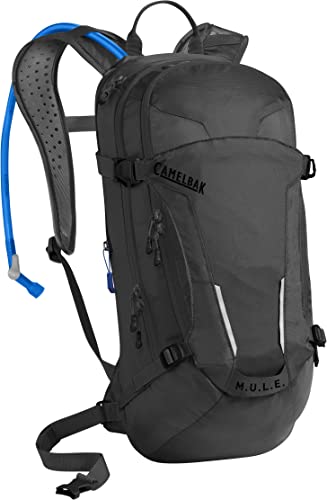
- ✓ Excellent airflow and cooling
- ✓ Comfortable adjustable fit
- ✓ Secure, accessible phone pocket
- ✕ Slightly pricey
- ✕ Limited storage space
| Hydration Capacity | 2-3 liters reservoir capacity |
| Back Panel | Air Director airflow channels for cooling |
| Harness | Ventilated, lightweight design |
| Stability Features | Removable stability belt and adjustable sternum strap |
| Storage | Secure phone pocket for essentials |
| Material | Durable, lightweight synthetic fabric |
The moment I slipped the CamelBak M.U.L.E. onto my back, I noticed how the Air Director Back Panel instantly made a difference.
Its channels of airflow kept my back from getting sweaty even during tough climbs. That breathable design is a game changer for long, hot rides.
The ventilated harness feels super lightweight, almost like it’s not there, but it’s sturdy enough to stay in place. I appreciated the adjustable sternum strap, which let me dial in a snug fit without feeling too tight.
The removable stability belt was a nice touch—supportive without adding bulk, and easy to detach when I wanted to shed weight.
The secure phone pocket is surprisingly roomy, easily fitting my phone with room to spare. It kept my device safe and accessible, which is a huge plus when you need quick access to your map or music.
The overall design feels well thought out, with just enough storage for snacks, tools, and essentials without feeling bulky.
Filling up the bladder was straightforward, thanks to the wide opening. Drinking from the easy-to-use bite valve was smooth, and I never had to worry about leaks.
Plus, the sleek look of the backpack makes it clear this is built for serious riding without sacrificing style.
All in all, this pack blends comfort, support, and practicality perfectly. It’s lightweight enough for all-day rides but tough enough to handle rough trails.
If you want a hydration pack that stays cool, fits well, and keeps your gear secure, this one’s a real winner.
CamelBak M.U.L.E. 12 Mountain Bike Hydration Backpack

- ✓ Excellent hydration delivery
- ✓ Targeted ventilation
- ✓ Smart, accessible storage
- ✕ Higher price point
- ✕ Slightly snug fit for bigger frames
| Reservoir Capacity | Crux Reservoir with Quicklink, delivers 20% more water per sip |
| Hydration Tube | Magnetic Tube Trap for secure and quick access |
| Ventilation System | Air Support Back Panel with Body Mapping Technology for targeted ventilation |
| Storage Compartments | Integrated tool organization, stretch overflow pocket, helmet carry, removable waist strap |
| Materials | Premium materials designed for long-lasting performance |
| Weight | Approximate weight not specified, inferred to be lightweight for mountain biking backpacks |
Stepping onto my mountain bike with the CamelBak M.U.L.E. 12, I was surprised to find how quickly I forgot I was even wearing a hydration pack.
The redesigned fit hugs my back without feeling bulky, and the ergonomic shape makes maneuvering through tight trails a breeze.
The Crux Reservoir really lives up to its promise—each sip feels noticeably bigger, which means fewer stops for water. Filling it up is straightforward thanks to the quicklink system, and I appreciate how secure the connection stays even on rough terrain.
The Air Support Back Panel is a game-changer. The body mapping technology keeps my back cool and dry, even during a sweaty climb.
The ventilation feels targeted and effective, making hot rides much more comfortable.
What I really like is how the magnetic tube trap keeps everything tidy. It’s easy to access without fumbling, and I can take quick sips without slowing down.
Plus, the smart storage options—like the tool organizer and overflow pocket—mean I have space for everything I need.
The helmet carry and removable waist strap add extra stability, which is especially helpful on bumpy descents. Overall, this backpack feels built for serious mountain biking—durable, functional, and comfortable.
If I had to mention a downside, the price is a little steep for some. Also, the pack might feel a bit snug for larger frames or those who prefer more room.
MARCHWAY Tactical Molle Hydration Pack 3L TPU Water Bladder

- ✓ Comfortable ergonomic fit
- ✓ Durable, high-quality materials
- ✓ Easy to refill and clean
- ✕ Slightly limited storage space
- ✕ Straps could be more padded
| Hydration Capacity | 3 liters |
| Material | 1000 Denier water-repellent nylon with TPU bladder |
| Bladder Material | BPA-free, tasteless TPU |
| Bladder Features | Quick release valve, large opening for easy cleaning and ice addition, 360-degree rotatable mouthpiece, shut on/off valve, middle baffle for flatness |
| Pack Dimensions | 19.7 x 8.7 x 2.6 inches |
| Carrying System | Adjustable shoulder, chest, and waist straps with MOLLE system for additional gear attachment |
Many folks think a hydration pack is just a simple water carrier tucked into your backpack, but the MARCHWAY Tactical Molle Hydration Pack 3L proves otherwise. Its sleek, streamlined design feels surprisingly compact, yet it holds enough water and gear for a serious ride or hike.
The first thing you’ll notice is how well it fits. The ergonomic shape hugs your shoulders, chest, and waist, with three adjustable straps that eliminate bounce.
I appreciated how quickly it settled into place—no shifting or wobbling even on rough trails.
The soft air mesh back speeds up airflow, keeping your back cool, which is a lifesaver during intense efforts. Foam-padded shoulder straps add comfort, so you forget you’re even wearing it after a while.
The heavy-duty nylon exterior feels durable but lightweight, and the military-grade webbing is a nice touch for adding extra gear via the MOLLE system.
The 3L hydration bladder is a standout. Made from BPA-free TPU, it’s tasteless and easy to clean, especially with the large opening.
The quick-release valve makes refilling painless, and the rotatable mouthpiece is a smart feature for convenience. Plus, the middle baffle keeps the bladder flat, making it easier to pack away.
Practical storage options include a main pocket for the water reservoir and two external pockets for your phone, wallet, or snacks. The impact-resistant buckle and durable zipper give added confidence that it can withstand tough conditions.
Whether you’re biking, hiking, or climbing, this pack does a great job of freeing your hands while keeping you hydrated and organized.
Lightweight Hydration Backpack, Running Backpack 2L Water

- ✓ Extremely lightweight
- ✓ Leakproof water bladder
- ✓ Adjustable, comfortable fit
- ✕ Limited storage space
- ✕ No extra padding on straps
| Water Capacity | 2 liters |
| Material | PU coated nylon, waterproof and tear-resistant |
| Hydration Bladder Material | BPA-free, food-grade PEVA |
| Back Panel | Soft air mesh for enhanced airflow and cooling |
| Adjustable Straps | Shoulder straps adjustable from 19″ to 34″, chest straps from 2.4″ to 7.9″ |
| Weight | 8.5 oz (approx. 241 grams) |
The first thing that catches your eye about this hydration backpack is how incredibly lightweight it feels—just 8.5 ounces, yet it can comfortably carry 2 liters of water. It’s like wearing a feather, so you barely notice it bouncing around on your back during a mountain bike ride.
The fabric is waterproof and tear-resistant, which is a huge plus when you’re navigating rough trails or unexpected rain. The PU-coated nylon withstands abrasions and keeps your gear dry, even if you wipe through some bushes or brush.
The water bladder is leakproof and designed with BPA-free, food-grade PEVA. When you take a sip, the bite valve flows water fast and never drips, even when locked.
It’s a small detail, but it really makes a difference when you’re on the move and don’t want to waste a single drop.
The adjustable straps are a breeze to customize—whether you’re tall or short, you can tighten or loosen the shoulder, chest, and waist straps for a snug fit. The soft air mesh back keeps your back cool and speeds up airflow, which is a lifesaver on hot days or intense climbs.
Storage is surprisingly thoughtful with multiple compartments for your phone, keys, and small essentials. There’s even mesh pouches for your water bottles or Bluetooth speakers, so everything stays organized without bouncing around.
This pack isn’t just for biking—it’s great for running, hiking, climbing, or even music festivals. At just $24.99, it’s a practical, versatile companion that won’t weigh you down or break the bank.
What Key Features Should You Consider When Choosing a Hydration Backpack for Mountain Biking?
When choosing the best hydration backpack for mountain biking, several key features should be considered to ensure comfort, functionality, and convenience.
- Hydration System: Look for a backpack that comes with a quality hydration reservoir or bladder, typically ranging from 1.5 to 3 liters in capacity. A good hydration system should also have a wide opening for easy filling and cleaning, as well as a hose with a bite valve for quick sipping while riding.
- Fit and Comfort: The fit of the backpack is crucial for mountain biking, as it should sit snugly against your back without bouncing or shifting during rides. Adjustable straps, a padded back panel, and a breathable mesh design can enhance comfort and stability, ensuring that the backpack does not interfere with your biking performance.
- Storage Space: It’s essential to have sufficient storage for necessary items like tools, snacks, and personal belongings. Look for compartments that allow for organized packing and easy access, as well as external attachment points for items like a bike pump or helmet.
- Weight and Design: A lightweight design is preferable to avoid adding unnecessary bulk during rides. Opt for a streamlined shape that minimizes wind resistance and allows for easy maneuverability on the trails.
- Durability and Weather Resistance: The backpack should be made from durable, high-quality materials that can withstand the rigors of mountain biking and various weather conditions. Features like water-resistant fabrics or rain covers can protect your gear from the elements.
- Reflective Elements: For safety purposes, especially when riding in low-light conditions, consider a hydration backpack that includes reflective strips or logos. This increases your visibility to other cyclists and motorists, helping to enhance your safety on the trails.
What Are the Most Popular Hydration Backpacks Among Mountain Bikers?
The most popular hydration backpacks among mountain bikers combine comfort, functionality, and storage capacity.
- CamelBak M.U.L.E.: This hydration backpack is renowned for its balance of hydration and storage capacity, featuring a 3-liter reservoir and ample room for gear. Its ergonomic design ensures a comfortable fit while riding, and the adjustable straps help to minimize movement during intense rides.
- Osprey Rev 1.5: The Rev 1.5 is designed for lightweight performance, featuring a 1.5-liter reservoir with a streamlined profile that enhances aerodynamics. It includes a front pocket for quick access to essentials and a breathable mesh back panel for enhanced ventilation during warm rides.
- Gregory Endo 15: This backpack stands out with its unique design that includes a 3-liter hydration reservoir and an integrated storage compartment for tools and snacks. The adjustable harness and hip belt provide a secure fit, making it ideal for technical trails and long-distance rides.
- Deuter Compact Lite: Known for its compact and lightweight design, the Deuter Compact Lite offers a 2-liter hydration system and a minimalistic approach to storage, making it perfect for shorter rides. The AirStripes back system enhances airflow and comfort, reducing sweat buildup during strenuous activities.
- Hydrapak Velocity 2L: This hydration reservoir is popular among mountain bikers for its versatility and compatibility with various packs, offering a 2-liter capacity. The lightweight and collapsible design allows riders to easily stow it when not in use, and the easy-to-clean features ensure it remains hygienic for repeated use.
- Evoc FR Enduro Protector Backpack: Combining hydration and protection, this backpack includes a 3-liter reservoir and built-in back protection, making it ideal for downhill and enduro riders. It features a well-organized compartment for tools and gear, along with a ventilated back panel for comfort during long descents.
What Makes the Osprey Hydration Pack Stand Out for Mountain Biking?
The Osprey Hydration Pack is renowned for its innovative features tailored specifically for mountain biking enthusiasts.
- Hydration System: The Osprey pack comes equipped with a high-quality hydration reservoir that allows for easy access to water while riding.
- Comfortable Fit: Designed with a harness and hip belt, the pack ensures a snug and secure fit, minimizing bounce during rides.
- Storage Options: It features multiple compartments for organizing essentials such as tools, snacks, and gear, making it highly functional for long rides.
- Durability: The materials used are robust and weather-resistant, ensuring the pack can withstand the rigors of outdoor biking.
- Ventilation: The design includes breathable mesh panels that enhance airflow, keeping the rider cool and comfortable even on warm days.
The hydration system is a standout feature, with a reservoir that offers a generous capacity and a tube that allows for hands-free drinking. This design is vital for mountain bikers who need to stay hydrated without interrupting their ride.
Comfort is paramount when biking, and the Osprey pack excels with its adjustable harness and hip belt, which provide a customized fit. This ensures that the pack remains stable and doesn’t shift around during intense movements on the trails.
Storage is cleverly designed with pockets that cater to various items, from energy bars to repair tools, allowing riders to keep their essentials organized and easily accessible. This level of organization is crucial for tackling long-distance rides where convenience matters.
Durability is another key attribute of the Osprey Hydration Pack, as it is constructed from high-quality materials that resist tears and abrasions. This makes it a reliable choice for mountain bikers who often encounter rough terrains.
Lastly, the pack’s ventilation features, including mesh panels, significantly improve airflow, preventing overheating. This added comfort helps riders maintain focus and performance during their rides.
How Does the CamelBak M.U.L.E. Enhance the Biking Experience?
The CamelBak M.U.L.E. is considered one of the best hydration backpacks for mountain biking due to its innovative features designed to enhance the biking experience.
- Hydration System: The CamelBak M.U.L.E. comes with a 3-liter reservoir, allowing bikers to stay hydrated during long rides without needing to stop frequently. The reservoir features a wide opening for easy filling and cleaning, while the bite valve provides a quick and convenient way to drink on the go.
- Storage Capacity: This backpack offers ample storage space with multiple pockets, including a main compartment for essentials and additional pockets for tools, snacks, and personal items. The organized storage helps keep everything in place, making it easy for riders to access what they need quickly.
- Comfort and Fit: Designed with adjustable straps and a ventilated back panel, the M.U.L.E. ensures a secure and comfortable fit during rides. Its lightweight design minimizes bulk, allowing for greater freedom of movement while maintaining stability on rough terrain.
- Durability: Made from high-quality, water-resistant materials, the CamelBak M.U.L.E. is built to withstand the rigors of mountain biking. This durability ensures that the backpack can handle various weather conditions and rough handling while maintaining its functionality.
- Safety Features: The M.U.L.E. includes reflective accents for increased visibility in low-light conditions, enhancing rider safety during evening or early morning rides. Some models also come with a safety whistle, adding an extra layer of security for outdoor adventures.
How Does Comfort Impact Your Choice of Hydration Backpack?
Comfort plays a crucial role in selecting the best hydration backpack for mountain biking, as it directly affects your performance and enjoyment on the trail.
- Fit: The fit of the backpack is essential for comfort, as it should sit snugly against your back without causing any restriction in movement. A well-fitting backpack minimizes bouncing and chafing, allowing you to focus on riding rather than adjusting your gear.
- Weight Distribution: Proper weight distribution in a hydration backpack enhances stability and reduces fatigue during long rides. Look for a design that evenly spreads the load across your back and shoulders, which helps maintain balance and comfort over rugged terrain.
- Padding: Adequate padding on the shoulder straps and back panel is vital for comfort, especially on longer rides. Cushioned areas can help absorb shock and prevent pressure points, making it easier to carry your hydration pack for extended periods.
- Breathability: A hydration backpack with breathable materials promotes airflow and helps regulate temperature during intense biking sessions. Fabrics that wick moisture away from the body can keep you cool and dry, enhancing overall comfort.
- Adjustability: Look for adjustable straps and sternum belts that allow you to customize the fit of the backpack. An adjustable design helps ensure that the pack stays secure while riding, which is crucial for maintaining comfort and preventing distractions.
What Size Hydration Reservoir is Ideal for Mountain Biking?
The ideal size of a hydration reservoir for mountain biking typically depends on the duration of your ride and personal hydration needs.
- 1. 1.5 to 2 liters: This size is often considered perfect for short to moderate rides lasting 1-2 hours.
- 2. 2.5 to 3 liters: Ideal for longer rides, this size can accommodate hydration needs for 2-4 hours of biking.
- 3. 3 liters or more: Best suited for endurance events or all-day rides, providing ample hydration without frequent refills.
- 4. Versatility and pack size: Consider a reservoir that fits well within a backpack designed for mountain biking, ensuring it doesn’t add unnecessary bulk.
1.5 to 2 liters is often the ideal choice for cyclists who engage in short to moderate rides, as it provides a balance between capacity and weight. This size allows for enough water to stay hydrated without being overly cumbersome, making it easier to maneuver on trails.
For riders planning on longer excursions of 2-4 hours, a 2.5 to 3-liter reservoir is recommended. This ensures that you have sufficient water to maintain hydration levels without needing to stop too often to refill, which can interrupt the flow of the ride.
A 3-liter reservoir or larger is best for those participating in endurance races or full-day mountain biking adventures, as it allows riders to carry enough water for extended periods without frequent stops. However, it’s crucial to ensure that the added weight does not hinder performance.
Finally, when choosing a hydration reservoir, versatility and pack size are essential considerations. The reservoir should fit snugly in a hydration backpack designed for biking, allowing for comfort and ease of access while ensuring that it does not add excessive bulk that could interfere with your riding experience.
What Advantages Does a Hydration Backpack Offer Over Traditional Water Bottles?
With the increased capacity, riders can stay hydrated for longer periods, making hydration backpacks ideal for longer trails or hot weather where frequent water stops may not be feasible.
The compact and lightweight nature of hydration packs means they can be worn comfortably for hours, allowing riders to experience less fatigue compared to carrying heavier, bulkier bottles.
Additionally, the extra storage space found in many hydration backpacks allows cyclists to carry necessities like tools, snacks, and even a light jacket, making it a versatile choice for outdoor adventures.
Finally, the even weight distribution enhances comfort and reduces the risk of back strain, which can occur when carrying uneven loads, allowing for a more enjoyable riding experience.
How Can You Properly Maintain and Clean Your Hydration Backpack for Longevity?
Proper maintenance and cleaning of your hydration backpack are essential for ensuring its longevity and optimal performance while mountain biking.
- Regular Rinsing: After each use, rinse the bladder and hose with clean water to remove any remaining liquid.
- Deep Cleaning: Periodically deep clean the bladder and hose using a specialized cleaning kit or a mixture of water and vinegar.
- Drying: Ensure that the bladder is completely dry before storing it to prevent mold and bacteria growth.
- Inspecting for Damage: Regularly check the backpack, hose, and bladder for any signs of wear or damage, replacing parts as necessary.
- Storage: Store the hydration backpack in a cool, dry place, avoiding direct sunlight to protect the materials.
- Cleaning the Outer Fabric: Use a mild soap solution and a soft cloth to clean the exterior fabric, keeping it free of dirt and grime.
- Avoiding Strong Chemicals: Refrain from using bleach or harsh chemicals that could degrade the materials of the backpack.
Regular rinsing helps remove residual fluids, which can lead to bacteria growth if left unchecked. Simply filling the bladder with water and shaking it before pouring it out is often sufficient for day-to-day use.
Deep cleaning is crucial at least once a month, especially if you use sugary sports drinks. A cleaning kit typically includes a brush for the hose and bladder, and using vinegar can effectively break down any build-up.
Drying your hydration bladder is vital; moisture trapped inside can lead to mold and unpleasant odors. You can use a drying rack specifically designed for hydration bladders or hang it in a well-ventilated area.
Inspecting the backpack for damage ensures that you can replace any worn-out parts before they fail during a ride. Pay attention to the hose and bite valve, as they are often the first to show wear.
Proper storage extends the life of your hydration backpack. Keeping it away from heat and light helps maintain the integrity of the materials, preventing premature aging.
Cleaning the outer fabric of the backpack not only keeps it looking good but also helps maintain the water resistance of the material. A gentle wash will prevent dirt from embedding into the fabric.
Avoiding strong chemicals is crucial as they can break down the materials used in hydration packs. Stick to mild soaps to keep your gear in top condition without risking damage.
Related Post: