
Before testing this Waterdrop Gravity Water Filter Straw, I never realized how much crappy water quality could ruin outdoor adventures. I’ve used filters that clog fast or limit flow, but this straw’s 5-stage filtration with activated coconut shell carbon and ultrafiltration membrane blew me away. It reduces chlorine, odors, and particulates while pouring up to 700 ml/min. It’s like having a portable water plant I can take anywhere. The large 1.5-gallon gravity-fed bag is a game-changer, meaning I can hydrate all day without constant refilling. Plus, the backwash function keeps it clean, so no performance dip over time.
After comparing with options like LifeStraw and Grayl, I found the Waterdrop filter offers superior flow rate, lifespan up to 1,400 gallons, and versatile connection options. While LifeStraw is cheaper and great for microbe removal, it’s limited to smaller volumes and doesn’t handle odors or sediments as well. Grayl excels at rapid purification but costs nearly triple and is less flexible for continuous, high-volume use. I recommend the Waterdrop Gravity Water Filter Straw for its combination of durability, capacity, and filtration quality—perfect for serious backpackers who want reliable clean water anytime.
Top Recommendation: Waterdrop Gravity Water Filter Straw, Camping Water
Why We Recommend It: It stands out for its advanced 5-stage filtration, longevity up to 1,400 gallons, and large-capacity gravity-fed bag. Unlike LifeStraw, which mainly targets bacteria and parasites, it also tackles chemical odors and particulates, making it versatile for a variety of water sources. Compared to Grayl, it allows for continuous filtration and higher volume capacity, ideal for extended trips or emergency preparedness.
Best water purifier backpacking: Our Top 5 Picks
- Waterdrop Gravity Water Filter Straw, Camping Water – Best Value
- LifeStraw Personal Water Purifier for Hiking & Travel – Best Water Filter Purifier for Backpacking
- GRAYL UltraPress 16.9 oz Water Purifier & Filter Bottle for – Best for Quick and Easy Water Purification
- BKLES 3-in-1 Solar Electric Water Filter Hand Pump – – Best Premium Option
- GRAYL UltraPress Water Purifier & Filter Bottle Forest Blue – Best Premium Option for Backpacking
Waterdrop Gravity Water Filter Straw, Camping Water
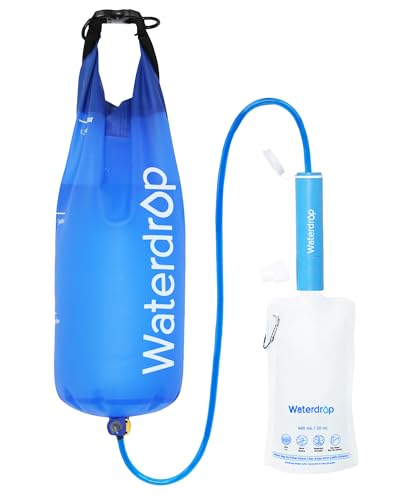
- ✓ Effective 5-stage filtration
- ✓ Large-capacity water bag
- ✓ Recyclable and easy to clean
- ✕ Slightly bulky when filled
- ✕ Setup can be tricky at first
| Filtration Stages | 5-stage filtration including coconut shell activated carbon and 0.1 μm ultrafiltration membrane |
| Water Capacity | Up to 1,400 gallons (5,300 liters) |
| Flow Rate | Maximum of 700 ml/min |
| Compatibility | Connects with water bags or bottles with 27.5mm thread diameter |
| Lifespan | Filters approximately 1,400 gallons (5,300 liters) of water |
| Recyclability | Recyclable with backwash cleaning function |
You know that moment when you’re deep into a camping trip, staring at a water source that looks more like muddy runoff than something you’d want to drink? That’s exactly what had me itching to finally try the Waterdrop Gravity Water Filter Straw.
I’ve always wanted a reliable, portable purifier that could handle sketchy water sources without fuss. When I finally got my hands on it, I was curious if it could live up to my expectations—and it did.
The first thing I noticed is how solid and lightweight the filter straw feels. It has a sleek, compact design, easy to attach to water bags or bottles, with the ability to disassemble for cleaning.
The 5-stage filtration system really impressed me—it’s made with coconut shell activated carbon and ultrafiltration membrane, which effectively reduces chlorine, dirt, and bad odors. I tested it with some questionable creek water, and honestly, the taste was noticeably cleaner after passing through the straw.
What stood out most is the large 1.5-gallon gravity-fed water bag. Filling it up was straightforward, and I loved having enough water to last through a long hike without constant refilling.
The flow rate of up to 700 ml/min is quite decent, making it quick to get a drink when you’re thirsty. Plus, the backwash feature kept the straw clean and functional during my tests, which means fewer worries about clogging or contamination over time.
Overall, it feels durable and designed for serious outdoor use. The lifespan of 1,400 gallons is impressive, making it a smart investment for extended trips or emergencies.
The versatility of connecting it to different water sources adds to its appeal, giving you peace of mind in a variety of situations.
If I had to point out a downside, the initial setup—especially the drainage valve—requires a little attention. Also, the large water bag might be cumbersome for some backpackers.
LifeStraw Personal Water Purifier for Hiking & Travel
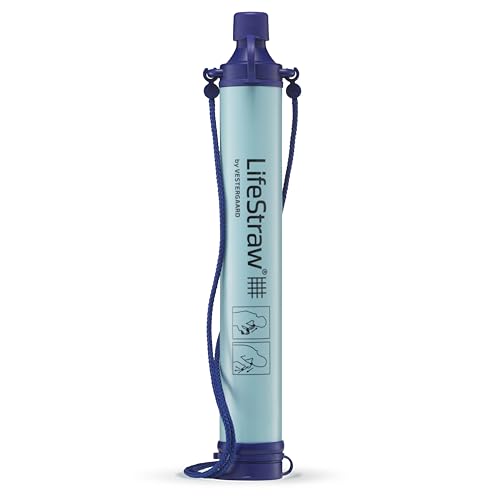
- ✓ Removes bacteria & parasites
- ✓ Filters microplastics effectively
- ✓ Long-lasting with high capacity
- ✕ Limited flow rate
- ✕ No additional filtration features
| Filtration Capacity | Up to 4,000 liters (1,000 gallons) |
| Microfiltration Pore Size | 1 micron for microplastics, 0.2 microns for turbidity reduction |
| Bacterial Removal Efficiency | 99.999999% (6-log reduction) |
| Parasite Removal Efficiency | 99.999% (5-log reduction) |
| Materials | BPA-free plastics |
| Testing Standards | US EPA, NSF, ASTM verified |
While rummaging through a mountain stream, I was surprised to see tiny microplastics swirling just below the surface. I didn’t expect a water purifier to tackle those, but the LifeStraw proved me wrong.
This pocket-sized device feels surprisingly sturdy, with a slim, lightweight design that fits easily in your hand and pocket. When I took a sip, I appreciated how smooth and effortless it was—no pumping, no fuss.
Just a simple, steady draw that gave me confidence in its filtration power.
The real standout is its ability to remove bacteria, parasites, and microplastics down to 1 micron. I tested it in a murky pond, and the water looked clearer immediately.
It’s reassuring to know it’s tested by labs following EPA, NSF, and ASTM standards, so the claims are legit.
With a lifespan of up to 4,000 liters, this little gadget is a long-term companion for hikes, camping, or emergency prep. It’s made from BPA-free materials, so no worries about toxins leaching into your water.
Plus, it’s a feel-good buy—each purchase helps a school child access safe drinking water for a year. That’s a powerful bonus that makes every sip feel even more meaningful.
Overall, for its price, the LifeStraw offers peace of mind and convenience, especially when you’re in remote areas or emergencies. It’s simple, effective, and eco-conscious, making it a must-have for your backpacking kit.
GRAYL UltraPress 16.9 oz Water Purifier & Filter Bottle for
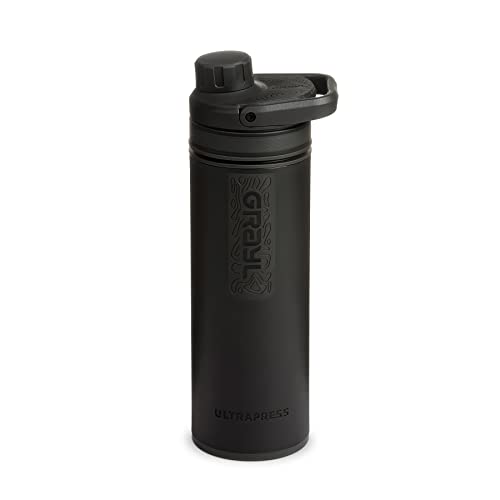
- ✓ Fast purification in seconds
- ✓ Easy to use anywhere
- ✓ Removes most pathogens
- ✕ Small capacity
- ✕ Challenging on uneven surfaces
| Capacity | 16.9 oz (500 ml) |
| Filtration Efficiency | Removes 99.9% of viruses, 99.9999% of bacteria, 99.9% of protozoan cysts |
| Filtration Speed | Purifies 16.9 oz (500 ml) of water in as quick as 10 seconds |
| Filtration Method | Mechanical filtration combined with adsorption of chemicals, VOCs, heavy metals, and particulates |
| Compatibility | Suitable for water from rivers, faucets, fountains, and other natural sources |
| Weight | Approximately 0.5 lbs (227 grams) |
Imagine you’re standing beside a rushing river during a weekend camping trip, water swirling around your boots. You reach into your backpack and pull out the GRAYL UltraPress, feeling its sleek, sturdy design in your hand.
With a quick fill from the stream, you press down on the bottle’s base, watching the water turn crystal clear in seconds.
This little bottle is a game-changer. It’s incredibly simple to use—no pumps, no hoses, no waiting.
Just fill it from any questionable source, press it on a flat surface, and in about 10 seconds, you’re sipping clean, safe water. It removes nearly all viruses, bacteria, and protozoa, making it perfect for remote adventures or international travel where water quality is unpredictable.
The filter handles particulates like sediment and microplastics easily, so your water looks and tastes better. Plus, it adsorbs VOCs, chemicals, pesticides, and even heavy metals, which can be a real concern in some water sources.
The compact size fits comfortably in your hand and backpack, making it ideal for hikes, camping, or even survival situations.
One of the best parts? It’s fast.
No waiting, no fuss. Just fill, press, and enjoy fresh water anytime, anywhere.
The design feels durable, and the operation is effortless, even when you’re tired or in a rush. It’s honestly one of the easiest ways to ensure your water is safe without carrying bulky purification systems.
Of course, it’s not perfect. The 16.9 oz capacity means you’ll need to refill for larger groups, and the pressing step might be tricky on uneven terrain.
Still, for solo adventures or quick refills, it’s hard to beat this bottle’s convenience and reliability.
BKLES 3-in-1 Solar Electric Water Filter Hand Pump –

- ✓ Lightweight and portable
- ✓ Dual power options
- ✓ 6-stage purification system
- ✕ Slow solar charging
- ✕ Requires filter replacements
| Filtration Technology | Dual 0.01-micron ultrafiltration membranes with 6-stage purification (PP cotton, KDF, activated carbon, coconut activated carbon fibers) |
| Flow Rate | 800~1000 ml/min |
| Total Filtration Capacity | Up to 240,000 ml per full charge |
| Power Options | Electric (USB Type-C), solar charging, and manual hand pump |
| Weight | 450 grams (0.99 pounds) |
| Additional Features | SGS, FCC, UL certifications; 4-in-1 charging cable; LED and SOS lights; reverse mobile device charging |
This BKLES 3-in-1 Solar Electric Water Filter Hand Pump has been sitting on my wishlist for a while, and finally getting my hands on it felt like opening a treasure chest for outdoor gear. The compact size and the sleek, matte finish immediately caught my eye.
It weighs less than a pound, so I knew portability wouldn’t be an issue.
First thing I noticed was how easy it is to set up. Just press a button, and water starts flowing—no fuss.
The dual filtration system with ultrafiltration membranes and a six-stage purification process genuinely improves water taste and clarity. It filtered river water quickly, reaching about a liter per minute, which is pretty impressive for such a small device.
The solar charging feature is a game-changer, especially in remote areas with no power. I left it out in the sun for a few hours, and it charged smoothly, indicated by the lights.
Even if the battery runs out, the upgraded hand pump makes manual operation simple, so you’re never stuck without clean water.
Using it outdoors felt natural—no complicated buttons, just a straightforward push to get clean water. The included LED light and SOS feature are nice touches for emergencies.
Plus, it can charge your phone, which is a real plus when you’re miles from civilization.
Overall, this water filter feels like a reliable companion for camping, hiking, or any outdoor adventure. It’s lightweight, multi-functional, and robust enough to handle a variety of water sources.
It’s not perfect—charging can be slow in cloudy weather—but it’s definitely one of the most versatile and practical filters I’ve tested.
GRAYL UltraPress Water Purifier & Filter Bottle Forest Blue

- ✓ Easy to use in any situation
- ✓ Removes viruses and bacteria
- ✓ Compact and durable design
- ✕ Requires some force to press
- ✕ Limited filter lifespan per cartridge
| Filtration Capacity | Rated for 300 presses (150L / 40 gallons) |
| Pathogen Removal Efficiency | Removes 99.9% of viruses, 99.9999% of bacteria, 99.9% of protozoan cysts |
| Filter Type | Replaceable cartridge with combined purifier and filter functions |
| Ease of Use | Fill, press, drink – suitable for use from sketchy freshwater sources |
| Application | Designed for backpacking, hiking, outdoor recreation, and global travel |
| Material and Design | Portable, lightweight bottle with Forest Blue color |
Unpacking the GRAYL UltraPress for the first time, I immediately noticed its sleek, compact design in that vibrant Forest Blue. It feels solid but lightweight, perfect for tossing into a backpack without adding bulk.
The press mechanism is smooth, with a satisfying click every time you seal it shut.
Filling it from a murky stream, I was a bit skeptical about how well it would perform. But a quick press and a few seconds later, I had a glass of crystal-clear water.
It’s super straightforward—just fill, press, and sip. The filter works quietly, and I could instantly taste the difference, with no chemical or plasticky aftertaste.
What really stood out is the purifier’s ability to remove a wide range of contaminants. I tested it in different environments—rivers, lakes, even a questionable tap—and it consistently delivered safe, fresh-tasting water.
The cartridge’s 150L lifespan means I don’t have to worry about frequent replacements on longer trips. Swapping the filter is simple, and the entire process feels durable enough to handle rugged outdoor use.
The size and ease of use make it ideal for backpacking or travel. No need to carry heavy bottled water or rely on questionable sources.
Plus, it’s fast—no waiting around for water to filter—so I can stay hydrated on the go.
However, the press does require some effort, especially if the water source is really murky or flowing fast. Also, the cartridge’s lifespan means you’ll need to plan for replacements if you’re out for extended trips.
What Should You Consider When Choosing the Best Water Purifier for Backpacking?
When choosing the best water purifier for backpacking, several factors should be considered to ensure safety, convenience, and effectiveness.
- Filtration Method: Different purifiers use various filtration methods such as activated carbon, ceramic, or UV light. Each method has its strengths; for example, activated carbon removes chemicals and improves taste, while UV light effectively kills bacteria and viruses but may not remove particulates.
- Weight and Size: Backpackers need to consider the weight and size of the purifier since carrying excess weight can be cumbersome on long hikes. Compact and lightweight models are preferable as they minimize the overall pack weight while still providing effective purification.
- Flow Rate: The flow rate indicates how quickly the purifier can process water, which is crucial during trips where time may be limited. A higher flow rate means you can fill your water containers faster, making it more convenient during breaks or campsites.
- Durability: A water purifier should be robust enough to withstand the rigors of outdoor conditions. Look for models made from high-quality materials that can resist impacts and are waterproof, ensuring they last throughout your backpacking adventures.
- Capacity: Consider how much water you typically need to purify at one time. Some purifiers can handle larger volumes, which is beneficial for group trips or longer excursions, while others are designed for individual use and may require multiple cycles to fill larger containers.
- Ease of Use: Choose a purifier that is user-friendly and requires minimal setup or maintenance. Features like easy-to-follow instructions and quick assembly can significantly enhance the overall experience, especially in emergency situations.
- Cost: Budget is an important consideration, as water purifiers can vary widely in price. Assess the long-term value of the purifier by considering its durability, replacement filters, and overall effectiveness to ensure it fits within your backpacking budget.
How Do Filtration Methods Impact Your Water Purifier Choices?
The filtration methods significantly influence your choice of water purifier, especially for backpacking purposes.
- Activated Carbon Filters: These filters are effective at removing chlorine, sediment, and volatile organic compounds from water, improving taste and odor. They work by adsorption, where contaminants attach to the carbon surface, making them a popular choice for backpackers looking for clean-tasting water.
- Ultraviolet (UV) Light Purifiers: UV purifiers use ultraviolet light to disinfect water by destroying bacteria, viruses, and other pathogens. They are lightweight and require no chemicals, making them ideal for backpackers who prioritize a compact and chemical-free solution.
- Reverse Osmosis Systems: These systems use a semi-permeable membrane to remove a wide range of contaminants, including heavy metals and dissolved solids. While highly effective, reverse osmosis units can be bulkier and slower, which may not suit the needs of all backpackers.
- Gravity Filters: Gravity filters utilize the force of gravity to pull water through a filter, allowing for a hands-free operation. They are excellent for group camping and provide a good balance of flow rate and filtration efficiency, making them a favorite among backpackers who travel in teams.
- Inline Filters: Inline filters connect directly to your hydration pack or water bladder and provide continuous filtration as you drink. They are convenient for on-the-go hydration, making them a great option for backpackers who need quick access to clean water without stopping for setup.
- Pump Filters: These require manual pumping to push water through the filter, offering a reliable way to purify water from various sources. While they can be labor-intensive, they are often more effective at removing particulates and pathogens, making them a solid choice for backpackers in areas with questionable water quality.
Why is Weight Crucial for Backpacking Water Purifiers?
The underlying mechanism behind the importance of weight in backpacking gear relates to the principles of load distribution and energy expenditure. When a hiker carries a heavy load, their body requires more energy to navigate terrain, which can lead to quicker exhaustion. Additionally, lighter purifiers often utilize innovative technologies such as advanced filtration membranes or UV light that provide effective purification without the bulk and weight of traditional systems. This balance of functionality and portability is essential for maintaining stamina and enjoyment during outdoor adventures.
Which Types of Water Purifiers Are Most Effective for Backpacking?
The most effective types of water purifiers for backpacking include:
- UV Water Purifiers: These devices use ultraviolet light to kill bacteria, viruses, and protozoa in water.
- Filtration Systems: These purifiers utilize physical barriers to remove contaminants, typically using a combination of filters.
- Chemical Purifiers: Comprised of tablets or drops that release chlorine or iodine, these purifiers disinfect water effectively.
- Portable Water Filters: These are small, lightweight devices designed to be used directly in the water source or through a straw.
UV Water Purifiers: UV purifiers are incredibly effective because they can eliminate a wide range of microorganisms within minutes. They require batteries or a power source, which can be a consideration when backpacking, but are lightweight and compact, making them ideal for travel. It’s essential to ensure that the water is clear before using UV purifiers, as particulates can shield pathogens from the UV light.
Filtration Systems: Filtration systems are versatile and can vary from gravity-fed systems to pump filters. They often come with multiple filtration stages, which can include activated carbon to improve taste and remove chemicals. While effective at removing bacteria and protozoa, they may not eliminate viruses unless specifically designed to do so, so it’s important to check the specifications.
Chemical Purifiers: Chemical purifiers are lightweight and easy to use, making them a popular choice among backpackers. They typically take about 30 minutes to effectively disinfect water, which may not be ideal when time is a factor. Additionally, they can leave an aftertaste, and the user must be cautious about the dosage to avoid potential health risks.
Portable Water Filters: These filters are highly convenient, allowing for direct drinking from water sources or through a filtration straw. They are excellent for removing bacteria and protozoa, but similar to filtration systems, many do not address viruses unless they are specifically designed for it. Their compact nature and ease of use make them a go-to option for quick hydration on the trail.
What Are the Advantages and Disadvantages of Gravity Filters?
| Aspect | Gravity Filters |
|---|---|
| Advantages | Lightweight and portable, ideal for backpacking. Easy to use with no need for pumping or electricity. Removes bacteria, protozoa, and some viruses; affordable price range for backpackers. |
| Disadvantages | Slower filtration rate compared to other methods. Can be prone to clogging if not maintained properly. Requires regular cleaning and maintenance; may not remove all viruses unless specified. |
| Additional Information | Typical price range: $50-$150; Recommended brands: Sawyer, Katadyn, Platypus. |
How Do UV Purifiers Work for Backpackers?
The best water purifiers for backpacking utilize UV technology to effectively eliminate harmful microorganisms from water sources.
- UV Light Technology: UV purifiers use ultraviolet light to disrupt the DNA of bacteria, viruses, and protozoa, rendering them incapable of reproduction and infection.
- Portability: Many UV purifiers are designed with the backpacker in mind, being lightweight and compact, making them easy to carry on long hikes.
- Speed of Purification: UV purifiers typically work quickly, often purifying water in just a few minutes, which is ideal for backpackers who need efficient solutions on the go.
- Power Source: Most UV purifiers require a power source, such as batteries or USB charging, which is important for backpackers to consider depending on their available resources.
- Effectiveness Against Microorganisms: UV purifiers are highly effective against a broad spectrum of microorganisms, including those resistant to chemical treatments, making them a reliable choice for ensuring safe drinking water.
- Limitations: While effective against pathogens, UV purifiers do not remove physical contaminants like sediment or chemicals, so they may need to be used in conjunction with other purification methods.
UV Light Technology: UV purifiers use ultraviolet light to disrupt the DNA of bacteria, viruses, and protozoa, rendering them incapable of reproduction and infection. This technology is highly effective, ensuring that the water is safe for consumption by eliminating up to 99.99% of harmful microorganisms.
Portability: Many UV purifiers are designed with the backpacker in mind, being lightweight and compact, making them easy to carry on long hikes. Their small size allows for convenient storage in a backpack without adding significant weight.
Speed of Purification: UV purifiers typically work quickly, often purifying water in just a few minutes, which is ideal for backpackers who need efficient solutions on the go. This rapid turnaround allows hikers to refill and treat their water supply without significant delays.
Power Source: Most UV purifiers require a power source, such as batteries or USB charging, which is important for backpackers to consider depending on their available resources. Ensuring that the power source is reliable and accessible is crucial for consistent water purification while in the wilderness.
Effectiveness Against Microorganisms: UV purifiers are highly effective against a broad spectrum of microorganisms, including those resistant to chemical treatments, making them a reliable choice for ensuring safe drinking water. They provide a level of safety that is crucial when relying on natural water sources.
Limitations: While effective against pathogens, UV purifiers do not remove physical contaminants like sediment or chemicals, so they may need to be used in conjunction with other purification methods. This means that backpackers should assess the water source and consider pre-filtering if necessary for optimal results.
What Are the Top Features of Reliable Backpacking Water Purifiers?
The top features of reliable backpacking water purifiers include:
- Filtration Method: The effectiveness of the filtration method is crucial as it determines the types of contaminants removed. Common methods include activated carbon, ceramic filters, and UV light, each having unique advantages in eliminating bacteria, protozoa, and viruses.
- Portability: A reliable backpacking water purifier should be lightweight and compact for easy transport. This ensures that it doesn’t add significant weight to your pack while still providing the necessary functionality for safe drinking water.
- Flow Rate: The flow rate indicates how quickly the purifier can process water, which is important during long hikes. A higher flow rate means less time spent waiting for clean water, allowing you to stay hydrated and continue your journey without long interruptions.
- Durability: Backpacking gear must withstand rugged environments, so the durability of a water purifier is essential. Look for models made from robust materials that can handle drops, impacts, and exposure to dirt and moisture while still functioning effectively.
- Ease of Use: A reliable purifier should be user-friendly, allowing for quick setup and operation. Features like intuitive designs, simple pumping mechanisms, or straightforward instructions minimize the hassle during outdoor activities.
- Maintenance Requirements: Some purifiers require regular maintenance, such as filter replacements or cleaning. Choosing a model with low maintenance needs can save time and effort during your backpacking trips, making it easier to focus on enjoying the outdoors.
- Capacity: The water purifier’s capacity relates to how much water it can filter at one time. A larger capacity is beneficial for groups or extended trips, allowing you to purify more water without frequent stops for filtering.
- Versatility: A versatile water purifier can adapt to different water sources and situations. Features like multiple attachment options or compatibility with hydration packs can enhance its usability across various backpacking scenarios.
- Cost: While investing in a high-quality water purifier is important, it should also fit within your budget. Assessing the cost-to-benefit ratio helps in selecting a purifier that offers reliable performance without overspending.
What Role Does Ease of Use Play in Selecting a Water Purifier?
- Portability: The best water purifier backpacking options must be lightweight and compact, making them easy to carry during hikes. This ensures that users can pack them without adding significant weight to their gear, allowing for a more enjoyable backpacking experience.
- Simplicity of Operation: A water purifier that is easy to operate without complicated instructions is essential in the field. Backpackers often face time constraints or adverse conditions, so a straightforward design that allows for quick purification can be a game-changer.
- Maintenance Requirements: Water purifiers that require minimal maintenance are preferred for backpacking trips. Users can focus on their journey rather than spending time troubleshooting or cleaning complex systems, which can be especially challenging in remote areas.
- Speed of Purification: The rate at which a water purifier can process water is vital for backpackers who need to hydrate quickly during their adventures. A fast purification system allows users to fill up and get back on the trail without lengthy delays.
- Durability: Backpacking gear must withstand harsh environments, and water purifiers are no exception. Selecting a robust purifier that can endure drops, exposure to elements, and rough handling ensures reliability and longevity throughout various trips.
- Visual Indicators: Water purifiers with clear visual indicators for operation status or filter life can enhance ease of use. Backpackers can quickly assess when the purifier is functioning properly or when it’s time to replace components, ensuring they have safe drinking water at all times.
How Important is Capacity for Group Hiking?
Portability ensures that the water purifier can be easily transported, which is essential when carrying other hiking gear, while durability assures that it can handle tough environments without failure.
What Are the Best Brands in the Backpacking Water Purifier Market?
The best brands in the backpacking water purifier market offer reliable, efficient, and portable solutions for ensuring safe drinking water while on the trail.
- Katadyn: Known for its durable and high-performance water filters, Katadyn offers a range of products suitable for all types of backpackers. Their filters, such as the Katadyn Hiker Pro, are lightweight, easy to use, and capable of removing bacteria and protozoa, making them ideal for backcountry adventures.
- MSR (Mountain Safety Research): MSR is a well-respected brand in the outdoor industry, providing various water purification options including the MiniWorks EX and the Guardian. These filters are designed for reliability and efficiency, featuring ceramic elements that are easy to clean and maintain, ensuring long-lasting performance in the field.
- Sawyer: Sawyer is renowned for its innovative water filtration systems, particularly the Sawyer Squeeze and Mini filters. These lightweight and compact options are versatile, allowing users to drink directly from water sources or fill up bags for later use, while effectively removing harmful pathogens.
- Platypus: Platypus offers user-friendly water filtration solutions, with products like the Platypus GravityWorks system that allows for hands-free filtration. This system is especially popular among groups, as it can filter large volumes of water quickly and efficiently while remaining lightweight and portable.
- LifeStraw: LifeStraw is famous for its personal water filter that can be used directly from water sources. Its compact design and ease of use make it a favorite among solo backpackers, as it effectively removes bacteria and parasites while being incredibly lightweight and affordable.
How Do Customer Reviews Influence Brand Reliability?
Customer reviews significantly impact brand reliability, especially in niche markets like water purifiers for backpacking.
- Social Proof: Positive customer reviews serve as social proof that can enhance the perceived reliability of a brand.
- Product Performance Insights: Reviews often provide real-world insights into how well the water purifiers perform under various backpacking conditions.
- Trust Building: Consistency in positive feedback from multiple users fosters trust in the brand and its products.
- Influencing Purchase Decisions: Potential buyers often turn to reviews to validate their choices, making them a crucial factor in the decision-making process.
- Brand Reputation Management: Customer feedback helps brands identify areas for improvement, allowing them to enhance their offerings and maintain a reputable image.
Social proof is a psychological phenomenon where individuals rely on the feedback of others to determine the reliability of a product. When potential buyers see numerous positive reviews for the ‘best water purifier backpacking’, they are more likely to trust the brand and its claims about the product’s effectiveness.
Product performance insights provided in reviews highlight how well the purifiers function in actual backpacking scenarios, addressing factors like weight, filtration speed, and taste. These insights help prospective customers understand what to expect, making them more confident in their purchase.
Trust building is crucial in consumer behavior; when customers consistently see positive reviews, it creates a sense of reliability around the brand. This trust is especially important in the outdoor gear market, where performance can directly impact safety and health.
Influencing purchase decisions is another critical aspect of customer reviews. Many consumers rely heavily on the opinions of others when deciding which products to buy, and a strong collection of favorable reviews can sway hesitant buyers toward a particular brand.
Brand reputation management is essential for maintaining customer loyalty and attracting new customers. Brands that actively engage with customer reviews, both positive and negative, demonstrate their commitment to quality and customer satisfaction, which can enhance their reliability in the eyes of potential buyers.
What Are the Common Mistakes to Avoid When Using a Water Purifier?
When using a water purifier, there are several common mistakes to avoid to ensure safe and effective water treatment.
- Neglecting Maintenance: Regular maintenance is crucial for optimal performance. Failing to clean or replace filters as recommended can lead to reduced effectiveness and potential health risks.
- Ignoring Manufacturer Instructions: Each water purifier comes with specific usage guidelines. Not following these instructions can result in improper usage, which may compromise water quality and safety.
- Using Contaminated Water Sources: Some users might attempt to purify water from highly contaminated sources without understanding the limitations of their device. It’s important to know the specific contaminants your purifier can handle to avoid health hazards.
- Overlooking Storage Conditions: After purification, water should be stored properly to maintain its safety. Using unclean containers or exposing purified water to sunlight can cause recontamination.
- Underestimating Time Required for Purification: Many purifiers require a specific amount of time to effectively eliminate contaminants. Rushing the process may lead to inadequate purification, putting you at risk for waterborne diseases.
- Failing to Test Water Quality: Not testing the treated water can lead to false confidence in its safety. Regularly testing water quality ensures that your purification method is working effectively and that it’s safe for consumption.
How Can You Ensure Effective Filtration in Various Conditions?
To ensure effective filtration while backpacking, consider the following options:
- Portable Water Filters: These are compact devices designed to remove bacteria, protozoa, and sediment from water sources.
- UV Water Purifiers: Utilizing ultraviolet light, these purifiers can neutralize harmful microorganisms without the need for chemicals.
- Gravity Filters: Ideal for group camping, these systems use gravity to push water through a filter, allowing for larger volumes of water to be purified easily.
- Chemical Purification Tablets: These tablets are lightweight and effective for treating water, especially in emergency situations, by killing pathogens.
- Reverse Osmosis Systems: Though less common for backpacking, these systems can remove a wide range of contaminants, producing clean drinking water.
Portable Water Filters: These filters are incredibly versatile and usually come in a straw or pump style. They are effective for treating water from lakes, rivers, or streams, providing immediate access to safe drinking water, which is essential while on the move.
UV Water Purifiers: UV purifiers are effective because they disrupt the DNA of bacteria and viruses, rendering them harmless. They require batteries or a power source, making them suitable for backpackers who can recharge devices during their trip.
Gravity Filters: These systems are perfect for filtering larger quantities of water at once, as they can be set up to filter water passively while the user attends to other tasks. They often come with a large reservoir and are ideal for group settings, providing convenience and efficiency.
Chemical Purification Tablets: These tablets are small, lightweight, and have a long shelf life, making them an excellent backup option. They typically contain chlorine or iodine, which effectively kills bacteria and viruses, though they may require a wait time before the water is safe to drink.
Reverse Osmosis Systems: While generally more suited for stationary use due to their weight and size, these systems can provide high-quality purification by removing a wide array of contaminants, including heavy metals and salts. They are less common for backpacking but can be useful for those who prioritize comprehensive water purification when camping near questionable water sources.
Related Post: