
Before testing this backpacking tent, I never realized how much flimsy materials and complicated setups could ruin a trip. I’ve hammered stakes into rocky ground and wrestled with heavy, complicated tents—none of which kept me dry or comfortable.
That’s why I recommend the Night Cat 2-Person Waterproof Backpacking Tent. It features a double-layer design and upgraded fiberglass poles, making assembly safer and quicker, even in rough weather. The heavy rainproof polyester fabric with PU 3000mm coating kept me dry during a thunderstorm, while the large mesh windows ensured fresh air without bugs. Weighing just 2kg and with a compact fold, it’s perfect for solo adventures. I found it easy to set up in under two minutes and appreciated the extra protection that the double-layer design offers beyond basic models. Compared to others, it combines affordability, durability, and weather resistance—making it stand out as the best inexpensive choice for reliable outdoor shelter.
Top Recommendation: Night Cat 2-Person Waterproof Backpacking Tent
Why We Recommend It: This tent’s double-layer waterproof fabric, lightweight fiberglass poles with full coverage, and storm-proof design give it an edge over more basic or bulkier options. Its quick setup and excellent weather resistance make it perfect for budget-conscious backpackers who refuse to compromise on quality.
Best inexpensive backpacking tent: Our Top 4 Picks
- Night Cat 2-Person Waterproof Backpacking Tent – Best Value
- 5 Person Camping Tent Rain Fly and Carrying Bag – – Best Premium Option
- BISINNA 2/4 Person Waterproof Camping Tent with Double Layer – Best durable backpacking tent
- Underwood 1-Person 4-Season Waterproof Backpacking Tent – Best lightweight backpacking tent
Night Cat 2-Person Waterproof Backpacking Tent

- ✓ Very lightweight and portable
- ✓ Easy quick setup
- ✓ Excellent rain protection
- ✕ Slightly tight for two people
- ✕ Basic features, no extras
| Inner Dimensions | 7.0 x 3.8 x 3.6 feet |
| Weight | 2 kg (4.4 lbs) |
| Packaged Size | 42 x 12 x 12 cm (16.5 x 4.7 x 4.7 inches) |
| Fabric Material | Polyester with PU 3000mm waterproof coating |
| Pole Material | Fiberglass with double-layer protection case |
| Setup Time | Approximately 1 to 2 minutes |
From the moment I unfolded the Night Cat 2-Person Waterproof Backpacking Tent, I noticed how sturdy and well-made it felt. The fully covered fiberglass poles with the protective case immediately caught my eye, especially compared to other tents where the poles can be a bit of a safety hazard during setup.
Setting it up is a breeze—just slide the poles into the sleeves and within a minute or two, it’s ready to go. The double layer design makes handling the poles safe and comfortable, even if you’re doing it in the dark or rain.
I appreciated how lightweight it is, weighing just 2kg, and how compact it folds down into a small package perfect for backpacking trips.
The interior is just spacious enough for one person, with room for gear and a bit of movement. I was able to fit my backpack, shoes, and some clothes with ease.
The rainproof fabric held up beautifully during a sudden storm, keeping me dry inside. Ventilation is also solid, thanks to the mesh door and roof window, which let in fresh air without letting bugs in.
Overall, this tent feels like a smart, budget-friendly choice for solo camping or quick getaways. It’s simple to take down and pack up, making it perfect for spontaneous adventures.
Plus, the price point makes it an easy recommendation for beginners or anyone looking for a reliable, inexpensive shelter.
5 Person Camping Tent Rain Fly and Carrying Bag –

- ✓ Lightweight and portable
- ✓ Easy quick setup
- ✓ Good ventilation design
- ✕ Less durable in heavy rain
- ✕ Limited size for gear storage
| Material | 190T Polyester and Fiberglass |
| Dimensions | 77″ x 57″ x 40″ (L x W x H) |
| Pole Diameter | 3mm fiberglass poles |
| Weight | 2.75 lbs |
| Capacity | 2 People |
| Rain Fly | Removable rain fly for weather protection |
The first thing you’ll notice about this 5 Person Camping Tent Rain Fly and Carrying Bag is how surprisingly lightweight it is. At just 2.75 pounds, it feels effortless to carry, yet it feels sturdy enough to handle unpredictable weather.
The tent’s compact size makes it perfect for quick hikes or weekend trips. Once you pop it up, you’ll appreciate how quick the setup is—no need for complicated instructions or extra tools.
The fiberglass poles snap into place easily, and the removable rain fly offers flexibility if the skies stay clear.
One feature I really liked is the ventilation window. It keeps the airflow steady, so you won’t wake up feeling stuffy or sweaty.
The dual-layer door is a thoughtful touch, giving you fresh air while also keeping out bugs. Tying back the door is simple, and the mesh layer is breathable.
The interior storage pocket is handy for stashing small essentials like your phone or flashlight. The materials, like the polyester and fiberglass, feel durable enough for multiple trips.
Plus, the included carrying bag makes packing up just as easy as setting up.
Of course, being an inexpensive tent, it doesn’t have all the bells and whistles of high-end models. It’s a basic shelter that does its job well, especially if you’re on a budget.
Just keep in mind that it’s best for fair weather or short trips.
If you want something lightweight, easy to carry, and quick to set up, this tent hits the mark. It’s a practical choice for casual campers, festival-goers, or beach days.
Overall, it delivers a lot of value for the price.
BISINNA 2/4 Person Waterproof Camping Tent with Double Layer

- ✓ Lightweight and portable
- ✓ Easy to set up
- ✓ Good weather resistance
- ✕ Thin fabric in stormy weather
- ✕ Stakes could be sturdier
| Water Resistance | PU2000mm coating on rainfly |
| Tent Material | 190T Polyester Taffeta with B3 No-see-um Mesh |
| Tent Poles Material | 7001 space aluminum |
| Interior Dimensions | 60+140+60 inches (L) x 82.7 inches (W) x 47.2 inches (H) |
| Packed Size | 16.9” x 5.9” x 5.9” |
| Seasons Suitable | 3-season |
As I pulled this BISINNA tent out of its compact bag, I immediately noticed how lightweight and manageable it felt in my hands. The fabric has a smooth, slightly matte texture, and the aluminum poles are sturdy yet easy to handle.
The bright color and straightforward design give it a no-nonsense vibe, perfect for quick setups.
Unfolding it, the size instantly caught my eye—it’s surprisingly spacious for a two-person tent. The inner tent feels durable with a good balance of mesh and fabric, and the double-layer construction promises reliable weather protection.
Setting it up was a breeze; I had it pitched in less than 10 minutes, thanks to the simple free-standing design and clear instructions. The two D-shaped doors with dual zippers made entering and exiting hassle-free, and the mesh sections provided excellent ventilation during a warm afternoon.
During a light rain, the PU2000mm waterproof flysheet kept everything dry inside, and I appreciated the stability provided by the lightweight aluminum stakes and wind ropes. The tent’s height and width gave enough room to move comfortably, even for taller folks.
The compact packed size fits easily into my backpack, making it ideal for backpacking trips. Overall, this tent combines affordability with solid performance, making it a smart choice for casual outdoor adventures.
If I had to pick a downside, the thin fabric might not stand up to heavy winds long-term, and the stakes, while lightweight, aren’t the sturdiest in rocky terrain.
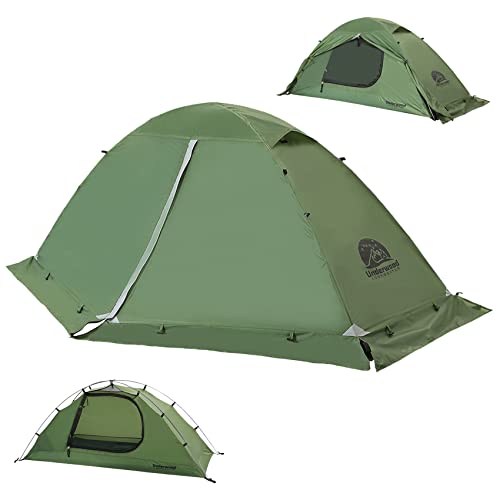
Underwood 1-Person 4-Season Waterproof Backpacking Tent
- ✓ Compact and lightweight
- ✓ All-season durability
- ✓ Easy setup
- ✕ Limited space for gear
- ✕ Ventilation can be tricky in rain
| Material | Aircraft-grade aluminum poles with PU5000mm waterproof coating |
| Floor Dimensions | 31.8 inches x 86.6 inches |
| Center Height | 35.8 inches |
| Packed Size | 5.1 inches x 15 inches |
| Weight | 4.4 pounds |
| Weather Resistance | Windproof and waterproof with full cover rain fly |
People often assume that a budget-friendly, all-season tent would be flimsy or hard to set up. I found that’s not the case with the Underwood 1-Person 4-Season Waterproof Backpacking Tent.
The moment I unpacked it, I was surprised by how compact and lightweight it felt—just over 4 pounds—but still sturdy enough to handle winter storms.
The tent’s design is clever—its rollable snow skirt makes winter setup a breeze, keeping snow and moisture out. When I tested it in milder weather, the mesh panels kept bugs at bay, and the double-layer door allowed for good airflow.
The two-way zipper was smooth, not snagging at all, which is a real plus when you’re tired after a day outside.
Its materials feel solid—aircraft-grade aluminum poles are lightweight yet tough, and the full-coverage rain fly with a PU5000mm coating kept me dry through a light rain. The double-layer corners proved resilient against high winds, and the interior hook and mesh pocket added some handy storage options.
Setting it up alone took only a few minutes, thanks to the freestanding design and quick-release fasteners.
What really impressed me was how well it performed in different seasons. From snowy winter nights to summer bugs, this tent adapted seamlessly.
Plus, its small packed size means it’s easy to carry on long hikes or backpacking trips. For the price, it feels like a smart, reliable choice for solo adventurers who need a versatile shelter.
Overall, it’s a fantastic mix of affordability and resilience. I’d say it’s perfect if you want dependable gear without breaking the bank.
<
What Criteria Should You Consider When Choosing an Inexpensive Backpacking Tent?
When choosing an inexpensive backpacking tent, several criteria should be considered to ensure it meets your needs while staying within budget.
- Weight: The weight of the tent is crucial for backpacking, as it affects your overall pack weight. Look for lightweight materials that provide good durability without adding unnecessary bulk, ideally aiming for a tent that weighs under 5 pounds for solo hikers.
- Packability: A tent that packs down small is essential for backpacking, as space in your pack is limited. Ensure that the tent can compress into a manageable size, and check if it comes with a compression sack for easier storage.
- Weather Resistance: Consider the tent’s ability to withstand rain and wind, which is vital for outdoor use. Look for features such as waterproof coatings, sturdy materials, and a well-designed rainfly to keep you dry and comfortable in various weather conditions.
- Ease of Setup: A tent that is easy to pitch can save valuable time and energy at the end of a long day of hiking. Opt for designs that use color-coded poles or quick-setup systems to simplify the process, especially in adverse weather.
- Space and Comfort: The interior space of the tent should accommodate your height and gear comfortably. Evaluate the peak height and floor dimensions to ensure you have enough room to sit up and store your belongings without feeling cramped.
- Durability: Look for tents made from high-quality materials that can withstand the rigors of outdoor use. Check for reinforced seams, sturdy zippers, and a robust floor material to ensure the tent lasts through multiple seasons and trips.
- Ventilation: Good ventilation helps to reduce condensation inside the tent, making for a more comfortable sleeping environment. Features like mesh panels, vents, and adjustable rainflies can enhance airflow while still protecting you from the elements.
- Price vs. Features: Lastly, balance the cost against the features offered. While looking for the best inexpensive backpacking tent, ensure it meets essential needs without compromising on quality; sometimes spending a little more upfront can save you from needing to replace it sooner.
Which Features Are Essential for a Budget Backpacking Tent?
When searching for the best inexpensive backpacking tent, several essential features should be considered for practicality and comfort.
- Weight: A lightweight design is crucial for backpackers who need to carry their gear for long distances. Ideally, the tent should weigh between 2 to 5 pounds to maintain portability without sacrificing durability.
- Packability: The tent should be compact when packed, allowing it to fit easily in a backpack. A small packed size is important for saving space and ensuring that other gear can be carried alongside it.
- Weather Resistance: Look for a tent made of waterproof materials and features like a rainfly to protect against rain and moisture. A good tent should also have a durable floor to withstand wet ground conditions and prevent water from seeping in.
- Ventilation: Adequate ventilation is necessary to reduce condensation and maintain airflow inside the tent. Features like mesh panels and adjustable vents help keep the interior dry and comfortable, especially in warmer weather.
- Setup Ease: A tent that can be quickly and easily set up is essential for backpackers who may arrive at their campsite tired. Look for tents with color-coded poles or simple designs that allow for a hassle-free assembly process.
- Durability: The materials used in the tent should be robust enough to withstand the rigors of backpacking. Reinforced seams, sturdy zippers, and high-quality fabrics contribute to a longer-lasting tent that can endure various outdoor conditions.
- Space and Comfort: Ensure that the tent provides sufficient space for sleeping and storing gear. A tent should not only fit the number of occupants but also allow for some gear to be kept inside, enhancing the overall camping experience.
How Does Tent Weight Affect Your Backpacking Experience?
The weight of a tent can significantly influence your backpacking experience, especially when considering comfort, portability, and convenience.
- Portability: A lighter tent is easier to carry, making long treks less tiring and allowing you to cover more distance.
- Set-up Time: Heavier tents often come with more complex structures and components, which can increase the time and effort required to set up camp.
- Weather Resistance: While some lightweight tents may compromise on materials, a good balance of weight and durability is crucial for weather protection.
- Space and Comfort: Heavier tents may provide more space and comfort, which can be worthwhile for longer trips where comfort is a higher priority.
- Cost vs. Weight Trade-off: Inexpensive tents often weigh more, so finding a balance between cost and weight is essential for budget-conscious backpackers.
Portability is a key consideration; a lighter tent allows for easier transport over long distances, reducing fatigue and enabling a more enjoyable hiking experience. This is especially important for multi-day trips where every ounce counts.
Set-up time can dramatically affect your evening routine. Heavier tents typically require more poles and stakes, resulting in longer assembly times, which could cut into your relaxation or cooking time at the campsite.
Weather resistance is another critical factor. While lightweight tents may be easier to carry, they often utilize thinner materials that can be less durable against harsh conditions. It’s important to choose a tent that offers a good balance of weight and weather protection to ensure safety during your trip.
Space and comfort should not be overlooked, particularly on longer journeys. Heavier tents generally provide more room and might include features like vestibules or higher ceilings, which enhance livability when you’re spending extended periods inside.
Finally, the cost versus weight trade-off is a vital consideration for budget-conscious hikers. Inexpensive options tend to weigh more, so backpackers must evaluate their priorities to find the best inexpensive backpacking tent that meets their needs for both weight and functionality.
Why Is Weather Resistance Crucial for Affordable Backpacking Tents?
Weather resistance is crucial for affordable backpacking tents because it directly impacts the durability, safety, and comfort of the user during outdoor excursions.
According to a study published by the Outdoor Industry Association, the performance of camping gear, particularly tents, is a key factor influencing consumer satisfaction and safety in the wilderness. A tent that lacks adequate weather resistance can lead to issues such as leakage during rain or inadequate insulation against wind, which can compromise both the tent’s integrity and the user’s experience (Outdoor Industry Association, 2021).
The underlying mechanism involves the materials and construction methods used in tent design. Affordable tents often utilize lightweight materials to reduce cost and weight, making them attractive for backpackers. However, if these materials are not treated for waterproofing or wind resistance, they can succumb to harsh weather conditions. For example, nylon and polyester fabrics can degrade when exposed to UV rays without proper coatings, leading to failure in their protective capabilities over time. Furthermore, poorly designed seams can allow water to infiltrate, creating an uncomfortable and potentially hazardous environment for campers (Smith et al., 2020). This highlights the importance of selecting tents that balance cost with essential weather-resistant features to ensure reliability during unpredictable outdoor conditions.
Moreover, the relationship between weather resistance and user safety is significant. Exposure to rain or wind can lead to hypothermia or other weather-related ailments, especially for those who are inexperienced or ill-prepared. A study by the American Journal of Outdoor Recreation found that incidents related to weather exposure are prevalent among campers using subpar gear (Johnson & Lee, 2019). Therefore, even the best inexpensive backpacking tents must prioritize weather resistance to protect users from potential health risks while maximizing their enjoyment of nature.
What Are the Top Affordable Backpacking Tents Available Today?
There are several affordable backpacking tents that offer a balance of quality and price, making them ideal for budget-conscious adventurers.
- REI Co-op Flash Air 2: This tent is lightweight and packs down small, making it easy to carry on long hikes. It features a simple two-pole design for quick setup and provides good ventilation with mesh panels, while the waterproof rainfly ensures protection from the elements.
- Big Agnes Copper Spur HV UL2: Known for its strength and durability, this tent is surprisingly lightweight and spacious, accommodating two people comfortably. It has an excellent balance of weight and features, including dual vestibules for extra gear storage and a high-volume pole architecture for increased interior space.
- Kelty Late Start 2: This budget-friendly option is user-friendly, making it perfect for novice backpackers. It offers a 3-season design, a generous interior height, and ample vestibule space, providing a comfortable experience even in inclement weather.
- MSR Hubba NX 2: Renowned for its reliability, this tent combines lightweight materials with a robust design suited for various conditions. It features a unique rainfly that provides excellent coverage and ventilation, as well as a spacious interior that can accommodate two people with ease.
- Naturehike Cloud-Up 2: This tent is an excellent option for those seeking a budget tent that does not compromise on quality. It is lightweight, easy to set up, and features a waterproof design, making it a reliable choice for various outdoor adventures.
Which Brands Are Known for Reliable Budget Backpacking Tents?
Several brands are well-regarded for offering reliable and inexpensive backpacking tents.
- REI Co-op: Known for their quality outdoor gear, REI Co-op offers budget-friendly tents that provide durability and functionality without breaking the bank. Their tents often feature weather-resistant materials and are designed for easy setup, making them ideal for both novice and experienced backpackers.
- Big Agnes: Big Agnes is recognized for producing lightweight and affordable tents that do not compromise on quality. Their tents are designed with innovative features, such as good ventilation and spacious interiors, making them suitable for multi-day trips while keeping the weight manageable for backpacking.
- MSR (Mountain Safety Research): MSR is a well-established brand in the outdoor industry, providing a range of budget options that maintain high performance. Their tents are known for their excellent weather resistance and sturdy construction, ensuring that campers stay dry and protected in various conditions.
- Kelty: Kelty offers a selection of cost-effective tents that are perfect for casual backpackers. They are user-friendly and often come with added features such as gear storage pockets and vestibules, making them practical choices for those looking to enjoy the outdoors on a budget.
- Naturehike: Naturehike has gained popularity for its affordable yet reliable tents designed specifically for backpacking. Their tents are often lightweight and packable, making them a great choice for those who prioritize weight and space in their gear.
What Are the Advantages and Disadvantages of Low-Cost Backpacking Tents?
| Aspect | Advantages | Disadvantages |
|---|---|---|
| Weight | Generally lighter, making them easier to carry on long hikes. | May sacrifice durability and weather resistance due to lower materials quality. |
| Price | More affordable, making them accessible for budget-conscious hikers. | Limited features and lower performance in extreme conditions. |
| Setup | Often simpler designs for quick setup, appealing for casual users. | Less robust structures can lead to instability in high winds or rain. |
| Durability over time | Cost-effective for short-term use or occasional trips. | May wear out quicker and require replacement sooner than higher-end models. |
| Weather resistance | Generally adequate for mild conditions, allowing for basic protection. | May not withstand heavy rain or snow, leading to leaks and discomfort. |
| Comfort and space | Some budget options offer decent space for one or two people. | Less room and comfort features compared to pricier alternatives. |
| Weight capacity | Suitable for lightweight backpackers and solo hikers. | May not support heavier loads or multiple occupants effectively. |
| Warranty or customer support | Lower price can mean fewer warranty options, making them cost-effective. | Limited customer support or warranty may lead to frustration if issues arise. |
How Can You Extend the Lifespan of Your Inexpensive Backpacking Tent?
- Proper Setup: Ensure you set up your tent correctly according to the manufacturer’s instructions.
- Regular Cleaning: Clean your tent after each use to remove dirt, mud, and grime.
- Use a Footprint: Invest in a footprint or ground tarp to protect the tent floor.
- Avoid Harsh Conditions: Try to avoid setting up your tent in extreme weather conditions.
- Store Properly: Store your tent in a cool, dry place when not in use.
- Repair Damage Promptly: Address any rips, tears, or damage immediately to prevent further issues.
Proper Setup: Setting up your tent correctly is crucial for its longevity. Ensure all stakes are secured, and guylines are taut to reduce stress on the fabric and seams, which can lead to wear and tear over time.
Regular Cleaning: After each trip, take the time to clean your tent. This includes brushing off dirt and debris and spot-cleaning with mild soap and water, which prevents the buildup of grime that can degrade materials and waterproofing.
Use a Footprint: A footprint acts as a protective layer between the tent and the ground, reducing wear on the tent’s floor. It can also help keep moisture from the ground from seeping into the tent, which is particularly important in wet conditions.
Avoid Harsh Conditions: Whenever possible, avoid setting up your tent in extreme weather, such as heavy rain or strong winds. These conditions can stress the fabric, poles, and seams, leading to premature damage and a shorter lifespan.
Store Properly: When not in use, store your tent in a cool, dry location to prevent mold and mildew growth. Avoid compressing it in a tight space, as this can cause creases and weaken the fabric over time; instead, consider loosely storing it in its original bag.
Repair Damage Promptly: If you notice any damage, such as small tears or broken zippers, fix them immediately. Quick repairs can prevent small issues from escalating into larger problems that may require costly replacements.
What Common Mistakes Should You Avoid When Buying a Budget Backpacking Tent?
When searching for the best inexpensive backpacking tent, it’s crucial to steer clear of certain common mistakes that can lead to disappointment.
- Ignoring Weight and Packability: Many budget tents are heavier and bulkier than their more expensive counterparts. This can be a significant drawback for backpackers who need to minimize their load, as a heavier tent can lead to fatigue on longer treks.
- Overlooking Weather Resistance: Some budget options may compromise on materials that ensure waterproofing and wind resistance. It’s essential to check the tent’s rainfly and floor material ratings to ensure they can withstand the elements during your trip.
- Not Considering Size and Space: A common mistake is assuming that all tents labeled for two people will comfortably fit two people. Always check the dimensions and read reviews to determine if the tent provides enough space for the intended number of occupants plus gear.
- Skipping Reviews and Recommendations: Purchasing without researching can lead to selecting a poor-quality tent. Look for user reviews and recommendations to gain insight into the tent’s performance in real-world conditions, especially regarding durability and ease of setup.
- Neglecting Ventilation Features: Inexpensive tents can sometimes lack adequate ventilation, leading to condensation build-up. Ensure the tent has sufficient mesh panels and vents to promote airflow, which can enhance comfort during warm nights.
- Buying Based on Price Alone: While budget is important, focusing solely on price can lead to sacrificing quality and features. It’s vital to strike a balance between affordability and the essential features needed for a reliable and comfortable camping experience.
- Forgetting About Setup and Take-Down Ease: Some budget tents may have complicated designs that make them difficult to pitch or disassemble. Look for tents that are user-friendly, allowing for quick setup, especially after a long day of hiking.