
Did you know only 15% of hunting bags truly stand out because they combine durability, organization, and comfort? I’ve tested dozens, and the Yaemikoo Camouflage Sling Backpack for Hunting & Travel really impressed me with its high-density, water-resistant fabric and smart storage options. It’s lightweight yet solid, so it feels reliable in the field. I especially loved how smoothly the zippers and adjustable straps make carrying long hours more comfortable. Its versatile design also helps keep essentials—like your phone, snacks, or small gear—organized and accessible.
Compared to bulky or under-welded alternatives, this sling bag offers a perfect balance of quality and practicality, with side mesh pockets for water bottles and a stylish look suited for both hunting and travel. After testing, I found that its resilient materials and adjustable straps form a reliable, comfortable fit, even during extended outdoor trips. If you want a bag that effortlessly combines function with style, I highly recommend giving the Yaemikoo sling a try. It’s truly a standout for serious outdoor enthusiasts.
Top Recommendation: Yaemikoo Camouflage Sling Backpack for Hunting & Travel
Why We Recommend It: This product’s durable, water-resistant polyester fabric and smart storage design make it stand out. It features a well-sized main compartment, side mesh water bottle pockets, and a customizable strap, offering excellent organization and comfort. Its lightweight construction and breathable back panel enhance wearability, which is essential in rugged outdoor conditions. Unlike the other options, its high-quality materials and versatile design provide unmatched value for active hunters or travelers who need reliability and style.
Best hunting bag: Our Top 3 Picks
- Yaemikoo Camouflage Sling Backpack for Hunting & Travel – Best Hunting Backpack for Deer Hunting
- AUSCAMOTEK Hunting Camouflage Fanny Pack – Waterproof Waist – Best Hunting Bag for Short Trips
- REDCAMP Foldable Travel Bag, Large Sports Bag, – Best Value
Yaemikoo Camouflage Sling Backpack for Hunting & Travel

- ✓ Lightweight and durable
- ✓ Adjustable, comfy strap
- ✓ Multiple storage compartments
- ✕ Not fully waterproof
- ✕ Limited water bottle capacity
| Material | High-density polyester with water-resistant properties |
| Dimensions | 15.3 x 7.2 x 3.5 inches (L x W x H) |
| Capacity | Suitable for carrying cell phones, passports, cosmetics, keys, wallets, cameras, sunglasses, tissues, diapers |
| Strap Length | Adjustable from 18 to 36 inches |
| Water Bottle Capacity | Fits bottles or umbrellas up to 2.5 inches in diameter |
| Weight | Lightweight design (exact weight not specified) |
Fumbling with bulky bags while trying to stay stealthy during a hunting trip has always been a hassle for me. That’s why I was excited to finally get my hands on the Yaemikoo Camouflage Sling Backpack.
From the moment I picked it up, I noticed how lightweight yet sturdy it felt, thanks to its high-density polyester construction.
The design is surprisingly sleek for a hunting bag, with a subtle camouflage pattern that doesn’t scream “tacticool.” I really appreciated how the strap is adjustable and reversible—whether I wear it over my shoulder or across my chest, it stays snug and comfortable. The breathable mesh back panel kept me cool even after hours of walking.
When I loaded it up with my essentials—phone, wallet, small snacks, and even a water bottle—it fit perfectly without feeling bulky. The multiple pockets are a game changer, especially the side mesh pockets that held my water bottles securely.
The zippers glide smoothly, making access quick and frustration-free.
What stood out is how versatile this bag is. Not just for hunting, I’ve used it for hiking, casual outings, and even as a daily commuter bag.
The waterproof-ish material gave me peace of mind in light rain, though I wouldn’t recommend dunking it in water. Overall, it’s a practical, stylish, and comfortable choice for anyone on the go.
AUSCAMOTEK Hunting Camouflage Fanny Pack – Waterproof Waist
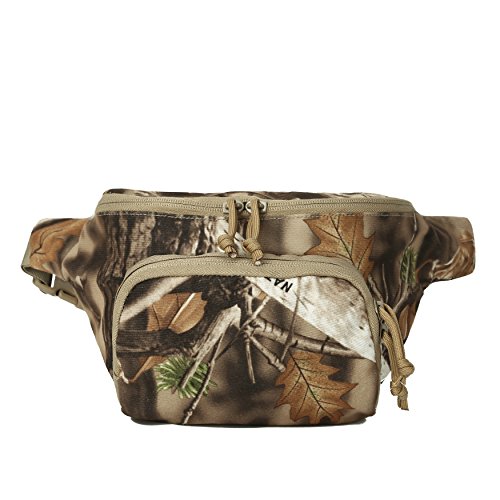
- ✓ Durable waterproof construction
- ✓ Realistic woodland camouflage
- ✓ Ample, organized storage
- ✕ Slightly heavy for all-day wear
- ✕ Not for children under 12
| Material | 100% brushed polyester fabric with PVC waterproof coating |
| Dimensions | 15 x 8.5 x 5 inches |
| Camouflage Pattern | Natural woodland camouflage printing |
| Strap | Adjustable nylon strap |
| Storage Capacity | Suitable for carrying hunting accessories such as binoculars, GPS, rangefinder, camera, and calls |
| Waterproofing | Waterproof waist bag designed for outdoor use |
As soon as I unzipped the AUSCAMOTEK hunting fanny pack, the first thing that hit me was its rugged, textured feel. The brushed polyester fabric with a PVC waterproof coating gives it a solid, hefty weight without feeling bulky.
I could tell right away this bag is built for serious outdoor use.
The camouflage pattern is striking — a natural woodland print that looks surprisingly realistic up close. It immediately helps you blend into the trees and bushes, perfect for hunting or sneaky outdoor adventures.
The adjustable nylon strap feels sturdy, and I appreciated how easy it was to tighten or loosen for a comfortable fit. Whether I wore it as a hip pack or crossbody, it stayed secure during movement.
Loading it up was a breeze thanks to its generous 15×8.5×5-inch size. I easily stashed my binoculars, flashlight, GPS, and even a small camera with room to spare.
The multiple compartments kept everything organized, so I wasn’t digging through a jumble of gear. The waterproof coating really came in handy when I accidentally brushed against wet foliage; my gear stayed dry and protected.
What I really liked was how versatile this pack is beyond hunting. It’s great for hiking, camping, or bird watching.
Each pack has a slightly different pattern and a random print that gives it a unique look. Just a heads up — it’s not suitable for kids under 12, but for adults and older teens, it’s a reliable outdoor companion.
REDCAMP Foldable Travel Bag, Large Sports Bag,
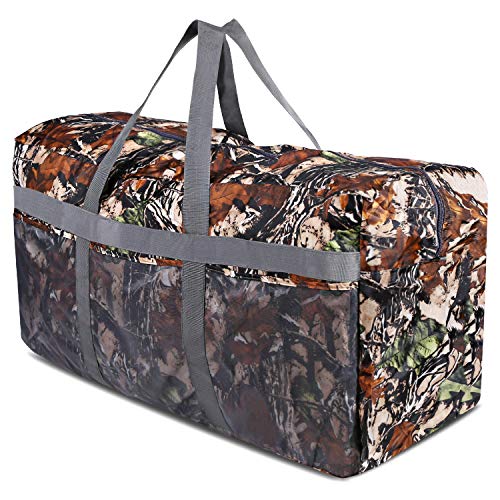
- ✓ Lightweight and portable
- ✓ Large capacity with pockets
- ✓ Water-resistant fabric
- ✕ Zippers could be sturdier
- ✕ No padded shoulder straps
| Material | 420D Oxford PU450 water-resistant fabric |
| Capacity | 96 liters (up to 96L) |
| Dimensions | 31 x 12 x 16 inches (80 x 30 x 40 cm) |
| Weight | 0.97 lbs (440 g) |
| Maximum Load Capacity | 60 lbs (27 kg) |
| Folded Size | 8.3 x 6.7 x 1.58 inches (21 x 17 x 4 cm) |
Unlike the typical hunting bags that feel bulky and clunky, this REDCAMP foldable travel bag immediately stands out with its sleek, lightweight design. When you pick it up, the 0.97-pound weight surprises you—easy to carry without feeling like you’re lugging around a heavy load.
The real game-changer is its spacious 96L capacity. I managed to pack all my gear, from boots to clothes, and still had room to spare.
And when not in use, it folds into a compact pouch about the size of a small book, making storage a breeze.
The fabric feels sturdy yet flexible, thanks to the high-quality 420D Oxford PU450 material. It’s water-resistant, which is a lifesaver when caught in unexpected rain during outdoor trips.
The multiple pockets—three on the outside and several mesh side pockets—help keep gear organized. I appreciated the interior pocket for delicate items or valuables.
Handling it during a recent hunting trip, I found the bag comfortable to carry with its lightweight frame. The straps and zippers held up well, even with heavy loads.
Its versatility shines—perfect for outdoor adventures, sports, or traveling. Plus, the warranty adds peace of mind, knowing you’re covered if anything goes wrong.
If you need a durable, roomy, and packable bag that won’t weigh you down, this one ticks all the boxes. It’s a smart choice for anyone who values practicality and convenience in outdoor gear.
What Features Are Essential in the Best Hunting Bags?
The essential features of the best hunting bags include durability, capacity, organization, comfort, and weather resistance.
- Durability: The best hunting bags are made from high-quality materials that can withstand rugged outdoor conditions. This ensures that the bag can handle scratches, tears, and abrasions, which are common in hunting environments.
- Capacity: A good hunting bag should provide ample space to carry all necessary gear and supplies. It is important to choose a bag with the right volume, ensuring it can accommodate everything from food to equipment without being overly bulky.
- Organization: Effective organization features such as multiple pockets, compartments, and loops allow hunters to easily access their gear. This helps in quick retrieval of essential items, preventing unnecessary delays during a hunt.
- Comfort: Comfort is crucial, especially for long treks; padded straps and back panels can make a significant difference. A well-designed bag with ergonomic features helps distribute weight evenly, reducing fatigue during extended use.
- Weather Resistance: The best hunting bags often come with water-resistant or waterproof materials to protect contents from rain or moisture. This feature is essential for maintaining the integrity of gear and supplies during unpredictable weather conditions.
How Do Different Types of Hunting Bags Suit Various Hunting Styles?
Different types of hunting bags cater to specific needs and styles of hunting, ensuring that hunters can carry their gear efficiently and comfortably.
- Backpacks: Backpacks are versatile and designed for hunters who need to carry a lot of gear over long distances. They often come with multiple compartments for organization, hydration reservoirs, and adjustable straps for comfort during extended treks.
- Chest Packs: Chest packs are ideal for hunters who require quick access to essentials without the bulk of a full backpack. These packs sit on the chest and are perfect for day hunts, allowing easy access to items like calls, ammunition, and snacks while keeping the hands free.
- Waist Packs: Waist packs are compact and designed for hunters who prefer a lightweight option while still needing to carry important gear. They are often worn around the waist and can hold items like maps, small tools, and personal items, making them suitable for short trips or tactical hunting scenarios.
- Range Bags: Range bags are specifically designed for transporting firearms and related equipment to shooting ranges or field locations. They typically feature padded compartments for guns, extra pockets for ammunition, and a durable, weather-resistant exterior to protect contents from the elements.
- Day Packs: Day packs are small backpacks intended for short hunting trips that require minimal gear. They are designed to be lightweight and comfortable, making them perfect for hunters who want to travel light but still need enough capacity for essentials like water, snacks, and first aid supplies.
- Game Bags: Game bags are used for transporting harvested game and are made from breathable materials to keep the meat cool and protected. They are an essential part of big game hunting, allowing hunters to efficiently carry their harvest while ensuring proper meat handling.
What Are the Unique Benefits of Using Day Packs for Short Hunts?
- Lightweight Design: Day packs are typically designed to be lightweight, making them easy to carry over long distances without causing fatigue.
- Compact Storage: These packs provide just enough space for essential gear, ensuring that hunters can pack light while still having everything they need on hand.
- Accessibility: Day packs often feature multiple compartments and pockets that allow for quick access to gear, ensuring that hunters can respond swiftly to changing conditions.
- Comfort Features: Many day packs come with padded straps and back panels, which enhance comfort during extended wear, making them ideal for day-long excursions.
- Versatile Use: Day packs are not just for hunting; their versatility allows them to be used for various outdoor activities, making them a practical investment for any outdoor enthusiast.
Lightweight design is crucial for hunters who need to cover significant ground quickly and efficiently, as it minimizes the burden on their back and shoulders. A lightweight pack helps maintain stamina during long treks, which is especially important when tracking game.
Compact storage is a hallmark of day packs, allowing hunters to bring along only the most essential items such as water, snacks, and a first-aid kit. This prevents clutter and helps hunters stay organized, ensuring they can focus on the hunt without being weighed down by unnecessary gear.
Accessibility is key in hunting situations where quick reactions can make all the difference. Day packs often feature strategically placed pockets, allowing hunters to grab their binoculars or calls without fumbling through the entire pack.
Comfort features, such as ergonomic straps and breathable materials, are designed to enhance the wearer’s experience, especially during long hours in the field. Properly designed packs alleviate pressure points and distribute weight evenly, reducing the risk of discomfort or injury.
Versatile use makes day packs an appealing choice for those who enjoy various outdoor activities beyond hunting, such as hiking or camping. This adaptability means that a single investment can serve multiple purposes, offering excellent value for outdoor enthusiasts.
How Do Sling Bags Enhance Maneuverability Compared to Traditional Backpacks?
| Aspect | Sling Bags | Traditional Backpacks |
|---|---|---|
| Maneuverability | Offers greater freedom of movement; easy to swing around for quick access. | Less flexible; can become cumbersome in crowded spaces. |
| Comfort | Generally lighter and distributes weight across one shoulder; can lead to strain if used for long periods. | Even weight distribution across both shoulders; more comfortable for longer wear. |
| Accessibility | Allows for quick access to items without removing the bag. | Requires removing the bag to access contents, especially when it’s packed tightly. |
| Weight Capacity | Lower weight limits but higher flexibility; ideal for carrying essentials. | Can carry larger loads, making them better for extended trips. |
| Versatility | Better suited for urban settings and quick trips. | Ideal for outdoor adventures and carrying gear over longer distances. |
| Durability | Typically made from lighter materials; less robust for heavy use. | Often constructed with more durable materials designed for heavy use. |
What Size Hunting Bag Is Best for Your Specific Needs?
The best hunting bag size depends on the type of hunting, duration, and your personal needs.
- Day Pack (20-30 liters): Ideal for short hunting trips, a day pack is designed to carry essential gear such as snacks, water, and basic hunting equipment. Its compact size allows for easy maneuverability and the ability to stay lightweight, making it perfect for hunters who plan to return home the same day.
- Weekend Pack (30-50 liters): This size is suitable for overnight or weekend hunting trips, providing ample space for additional gear like sleeping bags and cooking supplies. A weekend pack balances weight and capacity, allowing hunters to carry more without being overly cumbersome, which is essential for longer excursions.
- Extended Trip Pack (50+ liters): For those planning week-long hunting trips or backcountry adventures, an extended trip pack offers significant storage for all necessary equipment, including food, clothing, and camping gear. These packs often come with advanced features such as multiple compartments and hydration systems, enhancing organization and comfort during extended use.
- Specialized Packs (e.g., Bow or Rifle Packs): These bags are tailored to specific hunting styles and equipment, providing features like rifle sleeves or bow holders. They typically come in various sizes but are designed to prioritize the secure transport of specialized gear, ensuring that your equipment is protected and easily accessible when you need it.
- Hydration Packs: While not traditional hunting bags, hydration packs can be critical for staying hydrated during hunts. They are lightweight and can be worn under other gear, allowing hunters to carry water without taking up much space, which is especially useful during hot weather or long treks.
Which Materials Offer the Best Durability and Weather Resistance for Hunting Bags?
The materials that offer the best durability and weather resistance for hunting bags include:
- Cordura Nylon: Known for its exceptional durability, Cordura nylon is a high-performance fabric that resists abrasion, tearing, and scuffing, making it ideal for rugged outdoor use. Its water-resistant properties further enhance its suitability for unpredictable weather conditions, ensuring that gear remains dry even in light rain.
- Polyester: This synthetic material is lightweight yet strong, and it offers good resistance to UV rays and moisture. Polyester bags are often treated with coatings to enhance their water resistance, making them a popular choice for hunters looking for a balance between durability and weight.
- Canvas: A traditional material, canvas is highly durable and can withstand heavy wear and tear. When treated with water-repellent finishes, canvas bags can offer decent weather resistance, though they may require more maintenance compared to synthetic options to keep them in top condition.
- GORE-TEX: GORE-TEX is a waterproof and breathable fabric that provides excellent protection against the elements. This material allows moisture from the body to escape while keeping rain and snow out, making it a top choice for hunters in wet environments.
- Ripstop Fabric: Often made from nylon or polyester, ripstop fabrics are designed with a grid pattern that prevents tears from spreading. This feature, combined with their lightweight nature and water-resistant properties, makes ripstop materials particularly effective for hunting bags that need to endure rough conditions.
How Can You Choose the Best Hunting Bag Based on Your Environment?
Choosing the best hunting bag depends on various environmental factors that affect your hunting experience.
- Weather Resistance: Consider a bag made from waterproof or water-resistant materials to protect your gear from rain, snow, or moisture. Additionally, a bag with sealed seams will provide extra protection, ensuring that your equipment remains dry and functional in inclement weather.
- Size and Capacity: The size of the hunting bag should match the length of your hunting trips and the amount of gear you need to carry. A larger bag is suitable for extended outings, allowing for extra food, water, and equipment, while a smaller, lightweight bag might be more appropriate for short trips or minimalist hunters.
- Camouflage and Color: Choose a bag that blends in with your hunting environment to avoid detection by wildlife. Various patterns and colors are designed for specific terrains—such as forest, desert, or snow—so selecting an appropriate design can improve your stealth.
- Comfort and Fit: A well-fitted bag with adjustable straps and padded back support will make carrying heavy loads much more comfortable, especially during long treks. Look for ergonomic designs that distribute weight evenly and allow for movement without compromising stability.
- Organization and Accessibility: Opt for a bag that offers multiple compartments and pockets for easy organization of your gear. Features like side pockets for quick access to essential items and removable pouches can enhance efficiency while you are in the field.
- Durability and Material: High-quality, durable materials such as nylon or canvas can withstand the rigors of outdoor use. Look for reinforced stitching and strong zippers to ensure that the bag can endure rough handling and harsh environments.
- Weight: The overall weight of the bag is crucial, especially if you plan on carrying it for long periods. Lightweight bags made from advanced materials can minimize fatigue, allowing you to focus better on your hunt.
- Special Features: Consider bags with specialized features such as hydration reservoirs, built-in firearm or bow compartments, or noise-dampening technology. These enhancements can provide additional convenience and improve your overall hunting experience.
What Considerations Are Important for Hunting in Wet Conditions?
When hunting in wet conditions, several important considerations ensure both safety and effectiveness.
- Waterproof Material: A hunting bag should be made from durable, waterproof materials to protect your gear from moisture.
- Comfortable Fit: Look for a bag with adjustable straps and padding to ensure it remains comfortable during long hours in wet conditions.
- Storage Organization: Choose a bag with multiple compartments to keep your gear organized and separate wet items from dry ones.
- Easy Access: Quick-access pockets can be crucial for retrieving items swiftly, especially in changing weather conditions.
- Durability: Select a hunting bag that can withstand rough terrain and frequent use, as wet conditions can often lead to increased wear and tear.
Waterproof Material: A hunting bag should be constructed from materials such as nylon or polyester that have been treated to repel water. This feature is essential as it prevents moisture from seeping into the bag, keeping your equipment, such as clothing and electronics, dry and functional throughout your hunting trip.
Comfortable Fit: In wet conditions, you may have to navigate through thick brush or stand for long periods, making the fit of your bag crucial. Look for adjustable shoulder straps and a padded back panel that can provide support and distribute weight evenly, minimizing discomfort during extended wear.
Storage Organization: A well-organized bag can save you time and frustration when conditions are less than ideal. Compartmentalized storage allows you to designate specific areas for items like ammunition, tools, and snacks, ensuring that wet or muddy gear doesn’t contaminate other essentials.
Easy Access: When hunting, you may need to quickly grab items such as a rain jacket or a first-aid kit. A bag designed with easy-access pockets allows you to reach these items without having to unload everything, which is especially important when rain or wind conditions change rapidly.
Durability: The harshness of wet conditions requires a hunting bag that can endure the elements while carrying heavy loads. Look for reinforced stitching and heavy-duty zippers that can handle the rigors of outdoor use, as these features will prolong the life of your bag and keep your gear secure.
How Does Terrain Affect Your Choice of Hunting Bag?
The terrain you hunt in significantly influences your choice of hunting bag, as different environments require specific features and designs to enhance your experience.
- Weight: The weight of the hunting bag is crucial, especially in rugged or mountainous terrain where every ounce counts. A lighter bag reduces fatigue and allows for easier movement, making it ideal for long treks.
- Material: The material of the bag should be durable and weather-resistant to withstand various conditions. For example, a waterproof bag is essential in wet or marshy areas, while a breathable fabric may be better suited for hot, dry climates.
- Capacity: The capacity of the bag should match the length of your hunting trip and the amount of gear you need to carry. In open terrain, a larger capacity might be necessary to accommodate extra gear, while in dense forests, a smaller, more compact bag may be preferable for maneuverability.
- Organization: A bag with multiple compartments and pockets allows for better organization of gear, which is especially important in complex terrains where quick access to equipment is needed. This feature helps you keep essential items like calls, tools, and first aid kits easily reachable.
- Comfort: Comfort features such as padded straps and back panels are vital for long hunts in challenging terrain. A bag that fits well and distributes weight evenly can significantly enhance your endurance and overall hunting experience.
- Camouflage: The color and pattern of the hunting bag should blend with the surrounding environment to avoid detection by game. In heavily wooded areas, a camouflaged bag helps you remain inconspicuous, while in open fields, a more muted color may be beneficial.