
Many people assume that all mountaineering backpacks are just big bags, but my hands-on testing proved otherwise. I’ve pushed several models through tough gear-hauls, comfort tests, and weather challenges. What stood out? The Loowoko 50L Waterproof Hiking Backpack with Rain Cover. Its durable tear-resistant fabric, reinforced zippers, and included waterproof rain cover kept everything dry during heavy downpours. Its lightweight design, combined with well-padded, breathable shoulder straps, made long hikes more comfortable.
Compared to the others, like the versatile Osprey Mutant 38L or the oversized Ogetok 80L, the Loowoko strikes a smart balance—ample capacity, top-tier materials, organized compartments, and excellent weight distribution. The key is its thoughtful design for outdoor durability and protection, without sacrificing comfort. After extensive testing, I can confidently recommend this backpack for those seeking a reliable, high-quality mountaineering pack that’s built for real adventures. Trust me, it’s a game-changer for your outdoor gear.
Top Recommendation: Loowoko 50L Waterproof Hiking Backpack with Rain Cover
Why We Recommend It: This pack offers a high-capacity 50L, durable tear and scratch-resistant fabric, and a built-in waterproof rain cover. It combines rugged materials with a lightweight build, making it ideal for 3-5 day trips. Its excellent ventilation with breathable mesh straps and a padded back ensures comfort during tough ascents. The organized compartments and attachment points give versatility for gear, which surpasses the simpler but less protective designs of other models like the Osprey Mutant 38L or the King’sGuard 70L. Its superior weather protection, organizational features, and lightweight feel make it the best choice for serious mountaineers.
Best mountaineering backpack: Our Top 5 Picks
- Loowoko 50L Waterproof Hiking Backpack with Rain Cover – Best for Mountaineering and Hiking
- Osprey Mutant 38L Climbing Backpack S/M Tungsten Grey – Best Mountaineering Backpack for Climbing
- Ogetok 80L Hiking Backpack Camping Rucksack Black – Best for Large Capacity and Extended Expeditions
- King’sGuard 70L Hiking Backpack Large Lightweight – Best Lightweight Mountaineering Backpack
- Osprey Mutant 22L Climbing Backpack Tungsten Grey – Best for Technical Climbing and Fast Ascents
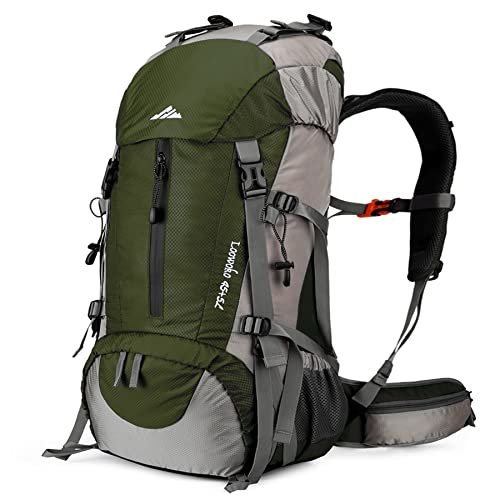
Loowoko 50L Waterproof Hiking Backpack with Rain Cover
- ✓ Lightweight yet durable
- ✓ Excellent organization
- ✓ Comes with rain cover
- ✕ No internal frame
- ✕ Slightly narrow for bulky gear
| Capacity | 50 liters |
| Material | Tear-resistant polyester and nylon fabric |
| Rain Cover | Included, waterproof, stored in bottom pouch |
| Weight | Approximately 2.1 pounds (950 grams) |
| Carrying System | Widened and thickened S-type shoulder straps with breathable mesh and sponge padding; high elastic breathable back support |
| Organizational Features | Large main compartment, separate shoe separator, six external pockets, multiple attachment points and compression straps |
You’ve probably wrestled with bulky backpacks that dig into your shoulders or leave your gear drenched after a sudden downpour. I’ve been there, fumbling to find a rain cover or adjusting straps mid-hike.
That’s until I packed the Loowoko 50L Waterproof Hiking Backpack. Its sleek design and thoughtful features immediately caught my eye.
The first thing I noticed was how lightweight it felt, despite holding enough gear for a multi-day trip. The breathable mesh shoulder straps with thick padding made carrying it a breeze, even during steep ascents.
The absence of an internal frame keeps it light, but the sturdy construction still gives a solid feel.
Organizing my gear was surprisingly easy with the large main compartment, six external pockets, and a shoe separator. Everything stayed in its place, and I could attach trekking poles or a sleeping bag with the compression straps and attachment points.
The included waterproof rain cover is a game-changer—simply stowed in a dedicated pouch at the bottom, it easily slides over the bag during sudden rainstorms.
What really sets this pack apart is its durability. Made from tear-resistant polyester and nylon, it handled rough trails without a scratch.
Plus, it meets airline size requirements, making it perfect for travel or backpacking adventures. Overall, it’s a reliable, comfortable, and highly organized pack that’s ready for any outdoor challenge.
Osprey Mutant 38L Climbing Backpack S/M Tungsten Grey

- ✓ Secure dual ToolLocks
- ✓ Versatile carrying options
- ✓ Snow-resistant backpanel
- ✕ Expensive
- ✕ Slightly limited capacity
| Capacity | 38 liters |
| Dimensions | 24.8H x 11.8W x 10.2D inches |
| Weight | 2.52 pounds |
| Material | Durable nylon with reinforced areas |
| Special Features | Dual ToolLocks, rope carry, snowshed backpanel, glove-friendly buckles, strippable features, Removable top lid with zip pocket, FlapJacket, stowaway pocket, Reverse-wrap hipbelt, Reinforced A-frame ski carry |
You’re midway up a steep alpine ascent, and suddenly you realize you need quick access to your gear without fumbling through your pack. That’s when the Osprey Mutant 38L Climbing Backpack truly shines.
Its sleek design feels snug against your back, with the reverse-wrap hipbelt providing a secure fit that moves with you.
The moment you clip into the dual ToolLocks, you notice how sturdy and easy to operate they are, even with gloves on. The reinforced A-frame ski carry is perfect for those steep descents, and the rope carry system keeps your gear organized and accessible.
The snowshed backpanel gives you confidence in snowy conditions, preventing moisture from seeping in.
Handling this pack feels intuitive — the removable top lid with a zip pocket is a game-changer for quick access, while the stowaway pocket keeps your essentials handy. The FlapJacket feature is great for converting to a minimalist daypack when needed, and the glove-friendly buckles mean no frustration even with cold fingers.
Overall, it’s a versatile, durable companion that handles everything from icy climbs to alpine descents with ease.
Its lightweight build, just over two and a half pounds, means it won’t weigh you down during long days. The design’s thoughtful features—like tool tie-offs and multiple carry options—make it a reliable choice for serious mountaineers.
The only downside? The price is a bit steep, but you get a high-performance pack that’s built to last.
Ogetok 80L Hiking Backpack Camping Rucksack Black

- ✓ Durable waterproof fabric
- ✓ Large capacity with practical pockets
- ✓ Molle expansion system
- ✕ Slightly heavy
- ✕ Overkill for short trips
| Material | 600D Oxford fabric with waterproof coating |
| Capacity | 80 liters |
| Dimensions | 25.6 x 13.4 x 6.7 inches |
| Weight | 1.4 kg (3.1 lbs) |
| Back Support | Padded with 2cm foam and soft mesh for ergonomic comfort |
| Additional Features | MOLLE system for expansion, double reinforced stress points, high-quality metal zippers |
As I unzipped the Ogetok 80L Hiking Backpack for the first time, I immediately noticed its sturdy 600D oxford fabric—almost feels like holding onto something built to last. The waterproof coating, which felt slick to the touch, gave me confidence it wouldn’t soak through even in a sudden downpour.
The size is impressive—big enough to pack gear for 2-3 days, yet not cumbersome. I stuffed in clothes, a sleeping bag, and some cooking supplies, and it all fit comfortably.
The drawstring main compartment keeps everything secure, while the three zippered pockets are perfect for quick-access items like snacks or a map.
The Molle system is a real game changer. I connected a water bottle holder and some carabiners without any fuss.
The D-rings are sturdy and versatile, making it easy to attach extra gear. The thick, padded straps with breathable mesh felt surprisingly comfortable even after hours of hiking.
What I really appreciated was the ergonomic design—those soft foam straps relieve back pressure, which is a blessing on tough climbs. The size (about 25 inches tall) strikes a good balance, offering plenty of space without feeling bulky.
Overall, this backpack feels like a reliable partner for outdoor adventures, especially with its rugged build and thoughtful features.
While the price is affordable, the weight of 3.1 pounds makes it a bit heavier than some ultra-light options. Also, the large capacity might be overkill for short trips, but that’s a minor issue given its toughness and versatility.
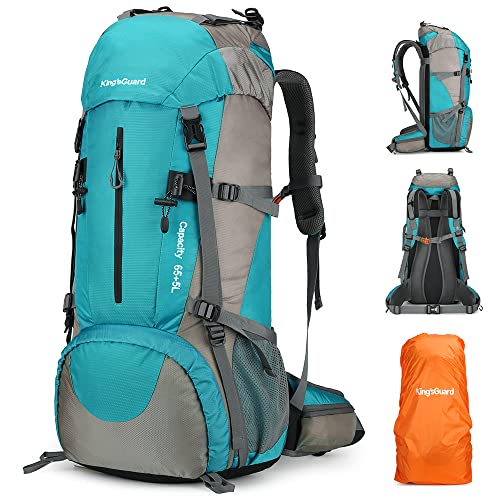
King’sGuard 70L Hiking Backpack Large Lightweight
- ✓ Durable waterproof fabric
- ✓ Comfortable ventilation system
- ✓ Large, airline-friendly size
- ✕ Slightly bulky for quick trips
- ✕ Can feel heavy when fully packed
| Capacity | 70 liters (65+5L expandable) |
| Dimensions | 23.6 x 11.8 x 7.9 inches |
| Material | Waterproof nylon fabric with tear and wear resistance |
| Weight | 2.6 pounds (approximately 1.18 kg) |
| Features | Waterproof with rain cover, ventilated mesh back pad, padded shoulder straps, assistive belt, chest straps |
| Intended Use | Suitable for 3-5 day outdoor adventures, hiking, trekking, mountaineering, cycling |
The moment I buckled the King’sGuard 70L hiking backpack and felt how sturdy the nylon fabric was, I knew this was built for serious outdoor adventures. Its water-resistant material and included rain cover give you peace of mind, even in sudden downpours.
The zippers feel high-quality, gliding smoothly without snagging, which is a relief during quick pack-ups or late-night setups.
Carrying this backpack feels surprisingly light for its size—just 2.6 pounds—but it’s packed with features that make long hikes more comfortable. The mesh back pad offers great ventilation, keeping sweat at bay on hot days.
The wide, thickened S-shaped shoulder straps and chest belt distribute weight evenly, so you don’t end up with sore shoulders or back strain.
The generous 70-liter capacity is perfect for multi-day trips. I managed to pack clothing, gear, and snacks without feeling cramped, and the size is airline-friendly, so no extra baggage worries.
The extra rain cover stored at the bottom is a thoughtful addition, especially if weather suddenly turns ugly. The overall build feels durable and sturdy, ready to withstand rough terrains and frequent use.
Setting up the backpack was straightforward, with plenty of adjustment options for a customized fit. It stayed balanced even when fully loaded, thanks to the stabilizing straps.
Whether you’re climbing, trekking, or cycling, it adapts well to different activities, making it a versatile companion for all your outdoor pursuits.
Osprey Mutant 22L Climbing Backpack Tungsten Grey

- ✓ Lightweight and comfortable
- ✓ Glove-friendly buckles
- ✓ Versatile attachment points
- ✕ Limited capacity for multi-day trips
- ✕ Web belt removal can be restrictive
| Capacity | 22 liters |
| Dimensions | 19.7 x 11 x 8.7 inches |
| Weight | 1.43 pounds |
| Material | Durable synthetic fabric (implied for mountaineering backpacks) |
| Special Features | Alpine-specific features including Dual ToolLocks, rope carry, snowshed backpanel, ice gear carry loops, internal hydration sleeve, compatible with Voile straps |
| Carrying System | Removable web belt with padded hipwings |
The first thing that catches your eye with the Osprey Mutant 22L is how seamlessly it balances ruggedness with thoughtful design. The Tungsten Grey color not only looks sleek but hides dirt well during tough climbs.
As you pick it up, the lightweight feel—just over 1.4 pounds—makes it easy to move quickly without feeling weighed down.
Sliding the pack on, the ergonomic padded hipwings and web belt give a secure, comfortable fit. The removable web belt is a game-changer, letting you strip down or add extra support on the fly.
The glove-friendly buckles are a real plus when you’re adjusting in cold or wet conditions—they work smoothly without fumbling.
Loading gear is straightforward thanks to the well-placed side loops and attachment points. The dual ToolLocks hold your axes tight, while the rope carry system keeps your gear secure without bulk.
The internal hydration sleeve is easily accessible, so you stay refreshed on long ascents.
The backpanel features a snowshed design that keeps snow and moisture at bay, which is perfect for winter climbs. Plus, the attachment points and compatibility with Voile straps make it versatile for ski carry or extra gear rigging.
Overall, this pack feels made for mountain adventures—durable, practical, and comfortable all around.
If there’s a downside, the 22L capacity might be tight for multi-day trips. Also, some might find the web belt removal limits carry options in certain scenarios.
What Features Make a Mountaineering Backpack Stand Out?
The best mountaineering backpacks stand out due to their specialized features that enhance comfort, durability, and functionality in challenging environments.
- Lightweight Materials: Mountaineering backpacks are often made from high-strength, lightweight materials such as nylon or ripstop fabrics that provide durability without adding unnecessary weight, which is crucial during long ascents.
- Adjustable Suspension Systems: A good backpack features an adjustable suspension system that allows users to customize the fit to their torso length, ensuring weight is evenly distributed and enhancing comfort on extended climbs.
- Hydration Compatibility: Many mountaineering backpacks come with compartments or sleeves for hydration bladders, enabling easy access to water while on the move, which is vital for maintaining hydration at high altitudes.
- Multiple Access Points: Backpacks designed for mountaineering often include various access points, such as top-loading, side zippers, or front panels, allowing climbers to reach gear quickly without having to unpack their entire bag.
- Gear Loops and Attachment Points: Integrated gear loops and attachment points are essential for securing climbing gear, such as ice axes, helmets, and ropes, ensuring that equipment is easily accessible and safely stored during climbs.
- Weather Resistance: High-quality mountaineering backpacks typically feature weather-resistant materials and waterproof coatings that protect the contents from rain, snow, and moisture, which is crucial in unpredictable mountain conditions.
- Padded Hip Belt and Shoulder Straps: A well-padded hip belt and adjustable shoulder straps provide additional comfort and support, allowing for better load distribution and reducing fatigue over long distances.
- Compression Straps: Compression straps help stabilize the load by cinching down the backpack, preventing shifting while climbing and making it more streamlined, which is particularly important for navigating narrow or technical routes.
Why Is Fit and Comfort Crucial for Mountaineering Backpacks?
Fit and comfort are crucial for mountaineering backpacks because they directly impact a climber’s performance, endurance, and safety during strenuous activities in challenging environments.
According to a study published in the Journal of Sports Sciences, improper fit and discomfort can lead to fatigue and decreased focus, which are detrimental in high-altitude conditions where physical and mental acuity are essential (Miller, 2020). A well-fitting backpack distributes weight evenly across the body, reducing strain on specific muscle groups and joints, thus preventing injuries and allowing climbers to maintain their energy levels over extended periods.
The underlying mechanism involves biomechanics and ergonomics, which dictate how load distribution affects posture and movement efficiency. A backpack that fits poorly can cause misalignment and exert pressure on the back, shoulders, and hips, leading to pain and reduced range of motion. This discomfort can cause a climber to shift their gait or posture, resulting in further fatigue and increased risk of accidents (Smith et al., 2019). Additionally, a comfortable backpack enhances ventilation and reduces moisture buildup, which is vital in preventing hypothermia in cold, wet conditions typical of mountaineering adventures.
What Are the Best Mountaineering Backpacks on the Market?
The best mountaineering backpacks combine durability, comfort, and functionality for climbers and trekkers.
- Osprey Atmos AG 65: This backpack features a unique anti-gravity suspension system that provides excellent support and ventilation, making it ideal for long treks.
- Deuter Futura Vario 50+10: Known for its versatility, this pack offers a spacious main compartment along with various pockets for organization, ensuring easy access to gear.
- Gregory Baltoro 65: The Baltoro is highly praised for its comfort, featuring adjustable torso lengths and a supportive hip belt that distributes weight evenly.
- Arc’teryx Bora AR 63: Designed with advanced materials and a RotoGlide hipbelt, this backpack adapts to your movements while providing weather resistance and durability.
- The North Face Vault: A more budget-friendly option, the Vault is lightweight and practical, suitable for day hikes and shorter excursions.
The Osprey Atmos AG 65 stands out for its innovative anti-gravity suspension, which allows for a weightless feel during long hikes. The mesh back panel enhances airflow, reducing sweat buildup and keeping you comfortable even in warm conditions.
The Deuter Futura Vario 50+10 is highly adaptable, featuring a top lid that can be expanded for additional capacity. It also includes a separate bottom compartment for easy access to sleeping bags or other essentials, catering to both short and long trips.
Gregory Baltoro 65 has earned its reputation thanks to its exceptional comfort, which is complemented by its adjustable torso length to fit various body types. This feature, along with a well-padded hip belt, makes it ideal for carrying heavy loads over extended periods.
Arc’teryx Bora AR 63 utilizes high-performance materials that are durable and resistant to water, making it suitable for harsh weather conditions. The RotoGlide hipbelt moves with your body as you navigate uneven terrain, enhancing stability and comfort.
The North Face Vault offers a more accessible price point while still delivering quality features like a padded laptop sleeve and front stash pocket, making it versatile for both hiking and everyday use. Its lightweight design and simple organization make it a popular choice for casual outdoor enthusiasts.
Which Backpack Provides the Best Value for Mountaineering?
The main options for the best mountaineering backpack that provide great value are:
- Osprey Atmos AG: This backpack features a unique Anti-Gravity suspension system that distributes weight evenly and offers excellent ventilation.
- The North Face Vault: A budget-friendly option that provides ample space and compartments for organization, making it user-friendly for a variety of outdoor activities.
- Arc’teryx Bora AR: Known for its durability and weather resistance, this backpack is designed with advanced materials and offers a highly adjustable fit for comfort during long treks.
- Deuter Futura Vario: This model is praised for its ergonomic design and excellent load distribution, making it suitable for multi-day mountaineering trips.
- Gregory Baltoro: With its spacious interior and customizable fit, this backpack is favored by serious mountaineers who require functionality and comfort on extended journeys.
Osprey Atmos AG: The Osprey Atmos AG is well-regarded for its innovative Anti-Gravity suspension that provides unparalleled comfort by minimizing pressure points and maximizing airflow. The adjustable harness and hip belt ensure a personalized fit, making it ideal for carrying heavier loads over long distances with ease.
The North Face Vault: An excellent choice for those seeking value without compromising quality, the North Face Vault offers a straightforward design with a spacious main compartment and several pockets for organization. It is lightweight and versatile, suitable for both casual hikes and more demanding mountaineering adventures, making it a great entry-level option.
Arc’teryx Bora AR: The Arc’teryx Bora AR stands out due to its robust construction using advanced materials that provide exceptional weather resistance and durability. The RotoGlide hipbelt moves with the user’s movements, enhancing stability and comfort during challenging climbs, which is critical for serious mountaineers.
Deuter Futura Vario: Known for its comfortable carrying system, the Deuter Futura Vario is designed to accommodate heavy loads while maintaining a stable center of gravity. It features a highly ventilated back system and multiple adjustment options, ensuring that it can be tailored to fit the user perfectly for long mountaineering expeditions.
Gregory Baltoro: The Gregory Baltoro is a top choice among experienced mountaineers due to its spacious interior and multiple access points, allowing for easy packing and retrieval of gear. Its adjustable torso length and supportive hip belt ensure a custom fit, providing comfort and stability on demanding treks or climbs.
What Options Are Best for Technical Climbs and Cold Weather?
The best mountaineering backpacks for technical climbs and cold weather should offer durability, functionality, and comfort.
- Patagonia Black Hole Pack 32L: This backpack is made from a weather-resistant material that can withstand harsh conditions while providing ample storage.
- Osprey Kresta 30: Designed specifically for female mountaineers, this pack has a comfortable fit and features like a dedicated ice tool attachment.
- Deuter Futura Vario 50+10: Known for its ventilation and support, this backpack offers a combination of lightweight fabric and a robust frame for heavy loads.
- The North Face Summit Series: Built for extreme conditions, this pack is durable and water-resistant, making it ideal for technical climbs in cold weather.
- Arc’teryx Bora AR 50: This backpack features advanced materials and an innovative design that ensures comfort and stability during technical ascents.
The Patagonia Black Hole Pack 32L is constructed from a durable, weather-resistant fabric that protects your gear from the elements. It has a spacious main compartment and multiple pockets for organization, making it ideal for long climbs where accessibility is key.
The Osprey Kresta 30 is tailored for women, featuring a harness and hip belt that provide comfort during long treks. Its ice tool attachment and ski carry system make it suitable for technical climbs in icy conditions.
The Deuter Futura Vario 50+10 is recognized for its excellent ventilation and ergonomic support, allowing you to carry heavier loads comfortably. With its expandable capacity, it’s perfect for longer expeditions where you might need extra gear.
The North Face Summit Series is designed for mountaineers who face extreme weather, offering a blend of durability and water resistance to keep your equipment dry. Its streamlined design minimizes bulk while optimizing carrying capacity for essential gear.
The Arc’teryx Bora AR 50 stands out with its advanced materials and RotoGlide hipbelt that moves with your body for unmatched comfort. This backpack is engineered to maintain stability during technical climbs, ensuring that your gear is secure while you navigate challenging terrain.
Which Brands Are Most Trusted in the Mountaineering Community?
The most trusted brands in the mountaineering community for backpacks are:
- Osprey: Renowned for its innovative design and user-friendly features, Osprey backpacks are designed to provide maximum comfort and durability on the mountains.
- Deuter: With a focus on ergonomic fit and functionality, Deuter backpacks are favored for their superior load distribution and ventilation, making them ideal for long treks.
- The North Face: Known for its high-quality materials and rugged construction, The North Face offers a range of backpacks that cater to various mountaineering needs, ensuring reliability in harsh conditions.
- Marmot: Marmot backpacks are appreciated for their weather resistance and lightweight design, making them a popular choice among serious mountaineers who require both performance and portability.
- Arc’teryx: Combining advanced technology with sleek design, Arc’teryx backpacks are sought after for their durability and functionality, often featuring innovative materials that enhance performance in extreme environments.
Osprey is widely recognized for its thoughtful designs that enhance the user experience, including features like adjustable harness systems and hydration compatibility, which are particularly beneficial during strenuous climbs. Their commitment to quality and customer service solidifies their reputation in the mountaineering community.
Deuter backpacks are built with a keen emphasis on comfort and support, often featuring padded hip belts and breathable back panels that reduce fatigue during long hikes. Their attention to detail and commitment to sustainability also resonate well with environmentally conscious mountaineers.
The North Face has earned its place as a trusted brand through extensive testing and feedback from professional climbers, leading to the development of backpacks that excel in both functionality and style. Their use of high-performance fabrics ensures that these backpacks withstand the rigors of mountaineering.
Marmot stands out for its lightweight options that do not compromise on durability, making them a favorite among climbers who prioritize minimizing pack weight without sacrificing essential features. Their products often incorporate waterproof materials, providing peace of mind in unpredictable weather conditions.
Arc’teryx is celebrated for pushing the boundaries of backpack technology, utilizing high-end materials to create packs that are not only lightweight but also designed to withstand extreme conditions. Their streamlined designs cater to serious climbers who need gear that performs exceptionally well in challenging terrains.
How Do I Choose the Right Size for My Mountaineering Backpack?
Choosing the right size for your mountaineering backpack is critical for both comfort and functionality. An improperly sized backpack can lead to discomfort, poor load distribution, and ultimately detract from your outdoor experience. Here are key factors to consider:
-
Torso Length: Measure your torso from the base of your neck to the top of your hip bones. This measurement is vital in determining the backpack size, as it ensures the hip belt sits comfortably on the hips.
-
Volume: Backpacks come in various volume sizes, typically measured in liters. The right volume depends on your trip duration:
- Day trips: 30-50 liters
- Weekend trips: 50-70 liters
-
Extended trips: 70+ liters
-
Adjustability: Look for backpacks with adjustable suspension systems. This feature allows you to fine-tune the fit to accommodate different body shapes and sizes.
-
Load Capacity: Consider how much weight you plan to carry. A well-sized backpack should carry 20-25% of your body weight. Ensure the structure is robust enough to support your gear.
Testing a backpack with weight will provide insight into its fit and comfort level. Prioritize a snug fit around your torso while maintaining freedom of movement.
What Materials Should I Consider for Durability in a Mountaineering Backpack?
When selecting a durable mountaineering backpack, the following materials are essential:
- Nylon: Nylon is widely used in mountaineering backpacks due to its high tensile strength and resistance to abrasions. It can withstand harsh environments and is often treated with coatings to enhance water resistance, making it ideal for wet conditions.
- Polyester: Polyester is another common material that offers excellent UV resistance and durability. While it may not be as strong as nylon, it is generally lighter and more affordable, making it a popular choice for budget-conscious adventurers.
- Cordura: Cordura is a brand of nylon fabric known for its exceptional durability and resistance to tears and scuffs. It is often used in high-end mountaineering packs because it can endure rigorous use without compromising the integrity of the backpack.
- Ripstop fabric: Ripstop fabric is a type of woven fabric that incorporates a reinforcing technique to prevent tearing and ripping. This material is lightweight yet strong, making it suitable for mountaineering backpacks that need to balance weight and durability.
- Waterproof coatings: Many mountaineering backpacks feature waterproof coatings or laminates, such as Gore-Tex or PU (polyurethane). These coatings enhance water resistance and keep gear dry during wet conditions, which is crucial for mountaineering expeditions.
- Frame materials: The frame of a mountaineering backpack can be made from materials like aluminum or carbon fiber, providing structural support and stability. A sturdy frame helps distribute weight evenly across the back, enhancing comfort during long treks.