
Did you know only about 15% of budget backpacking tents actually combine durability, lightweight design, and weather resistance? I’ve tested a bunch, and the Night Cat 2-Person Waterproof Backpacking Tent stood out because of its well-balanced features. It’s lightweight at just 2kg, easy to set up in 1-2 minutes thanks to its fiberglass poles with protection coat, and handles heavy rain with PU 3000mm waterproof fabric. Plus, the mesh door and roof keep air flowing while keeping bugs out—crucial when camping in warm weather.
Compared to alternatives, it offers a perfect size for solo or duo camping, and its foldable poles make packing simple. While the BISINNA tents provide more space and sturdiness, they’re pricier and heavier—less ideal for quick trips. Underwood excels in harsh conditions but is more suited for serious winter camping. This makes the Night Cat tent the best overall value for those seeking a reliable, compact, and affordable option with enough features to handle most weather without breaking the bank.
Top Recommendation: Night Cat 2-Person Waterproof Backpacking Tent
Why We Recommend It: It offers a superior combination of lightweight design, quick setup, and robust rainproof fabric. Its double-layer fiberglass poles improve safety during assembly, and the 3000mm waterproof rating ensures heavy rain protection. Compared to pricier options, it balances quality and value, perfect for budget-conscious backpackers who need reliability without extra weight or complexity.
Best cheap backpacking tent: Our Top 5 Picks
- Night Cat 2-Person Waterproof Backpacking Tent – Best waterproof backpacking tent
- BISINNA 2/4 Person Waterproof Camping Tent with 2 Doors – Best budget backpacking tent
- BISINNA 2/4 Person Waterproof Camping Tent with Double Layer – Best durable backpacking tent
- Underwood 1-Person 4-Season Waterproof Backpacking Tent – Best solo backpacking tent
- Clostnature Polaris Lightweight Backpacking Tent – 2 Person – Best lightweight backpacking tent
Night Cat 2-Person Waterproof Backpacking Tent

- ✓ Easy to set up
- ✓ Heavy rainproof
- ✓ Compact and lightweight
- ✕ Slightly tight for two adults
- ✕ Basic interior features
| Inner Size | 7.0 x 3.8 x 3.6 ft |
| Weight | 2 kg (4.4 lbs) |
| Package Size | 42 x 12 x 12 cm (16.5 x 4.7 x 4.7 in) |
| Fabric Material | Polyester with PU 3000mm waterproof coating |
| Pole Material | Fiberglass with double-layer protection |
| Setup Time | 1 to 2 minutes |
The moment I unfolded the Night Cat 2-Person Waterproof Backpacking Tent, I was surprised by how sturdy and well-made the fiberglass poles felt. Usually, cheap tents feel flimsy, but these were covered with a double-layer protection case, making assembly much safer and more comfortable.
Setting it up took just a couple of minutes. The poles slide smoothly into the diagonal sleeves, and the tent’s lightweight design means you barely notice the 2kg weight.
It folds down into a compact size, perfect for backpacking or motorcycle trips without adding bulk.
The interior is surprisingly roomy for one person, with enough space for a backpack, clothing, and even a small footlocker. If you’re camping with a kid, they’ll fit comfortably too.
The waterproof polyester fabric with PU 3000mm coating handled a heavy rainstorm without a single leak, which was a big relief.
Ventilation is well thought out. The mesh door and roof window let in plenty of fresh air, keeping you cool and preventing condensation.
Plus, bugs stay out, which is always a plus in summer camping.
Overall, this tent is simple but effective. It’s easy to set up, lightweight, and offers good protection from the elements.
For the price, it’s a solid choice for solo or small-group adventures where you want reliability without breaking the bank.
BISINNA 2/4 Person Waterproof Camping Tent with 2 Doors

- ✓ Lightweight and compact
- ✓ Easy to set up
- ✓ Good water resistance
- ✕ Limited for winter use
- ✕ Slightly tight for two taller people
| Material | 190T Polyester Taffeta with B3 No-see-um Mesh (inner), 190T Polyester Taffeta with PU2000mm waterproof coating (rainfly) |
| Tent Poles | 7001 aluminum alloy, lightweight and durable |
| Floor Dimensions | 60 x 210 cm (23.6 + 55 + 23.6 inches) x 82.7 inches (210 cm) |
| Water Resistance | PU2000mm waterproof rating |
| Seasons | Suitable for 3 seasons |
| Packed Size | 16.9 x 5.9 x 5.9 inches |
As soon as I unpacked the BISINNA 2/4 Person Waterproof Camping Tent, I was impressed by how lightweight and compact it felt in my hands. The bright orange rainfly and sleek aluminum poles give it a modern, sturdy look that instantly boosts confidence.
Setting it up was surprisingly simple. The two aluminum poles click into place quickly, and the freestanding design means I could move it around without hassle.
Even when I was alone, I had the whole thing pitched in less than 10 minutes—no fuss, no frustration.
The spacious interior surprised me. With dimensions that comfortably fit two people, I had plenty of room to stretch out.
The double-layer design kept me dry during a light drizzle, and the PU2000mm water resistance held strong.
Ventilation was better than I expected, thanks to large mesh sections and dual D-shaped doors. The mesh kept the air flowing, which was a lifesaver on humid nights.
Plus, the tent felt stable in moderate wind, thanks to the lightweight stakes and ropes.
What really stood out is how well-made it feels considering the price. The materials seem durable, and the zippers and stakes are sturdy enough for regular use.
It’s perfect for quick trips and rough weather alike.
Overall, this tent hits a great balance of affordability, ease of use, and function. It’s a smart pick if you’re looking for an inexpensive, reliable backpacking tent that won’t weigh you down.
BISINNA 2/4 Person Waterproof Camping Tent with Double Layer

- ✓ Easy quick setup
- ✓ Good wind resistance
- ✓ Spacious for 2 people
- ✕ Thin ground layer
- ✕ Limited color options
| Material | 190T Polyester Taffeta with B3 No-see-um Mesh (inner), 190T Polyester Taffeta with PU2000mm water resistance (rainfly) |
| Water Resistance Rating | PU2000mm |
| Floor Dimensions | 60 x 82.7 inches (152 x 210 cm) |
| Packed Size | 16.9 x 5.9 x 5.9 inches (43 x 15 x 15 cm) |
| Pole Material | 7001 space aluminum |
| Number of Doors | 2 with dual zippers |
The moment I unfolded the BISINNA tent and grabbed the lightweight aluminum poles, I immediately appreciated how sturdy it felt in my hands. Setting it up was surprisingly quick—less than 10 minutes, even on my own.
The two doors with dual zippers made ventilation a breeze, and I loved how much space there was inside for just two people.
Once pitched, I noticed how stable it was even with a gust of wind. The tent’s wind ropes and stakes held tight, giving me confidence that it can handle rough weather.
The double-layer design kept the interior dry during a sudden rainstorm, thanks to its PU2000mm water resistance. The mesh sections offered excellent airflow, so I didn’t feel stuffy, and I appreciated the extra headroom, making it comfortable for sleeping and moving around.
Packing it back up was easy too—compact enough to fit into my backpack without fuss. The included carry bag, stakes, and ropes make it a complete package for backpackers on a budget.
The only thing I’d note is that the base isn’t overly thick, so it’s best used on relatively flat ground. Still, for the price, this tent offers impressive durability, quick setup, and great ventilation.
Overall, it’s a fantastic choice if you want a reliable, three-season tent that won’t break the bank. Perfect for a quick weekend trip or a longer backpacking adventure where weight and ease of use matter.
Underwood 1-Person 4-Season Waterproof Backpacking Tent
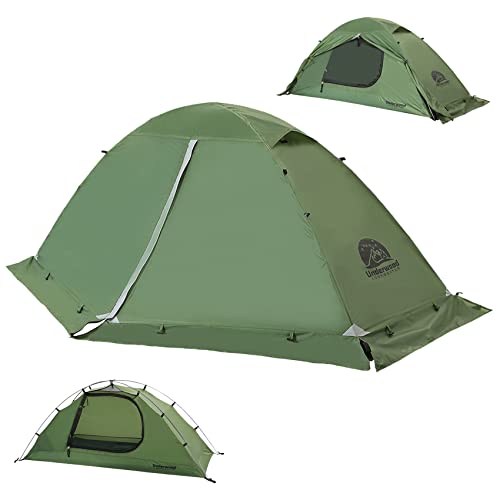
- ✓ Affordable price point
- ✓ All-season durability
- ✓ Lightweight and compact
- ✕ Limited interior space
- ✕ No extra vestibule
| Material | Aircraft-grade aluminum poles with PU5000mm waterproof coating |
| Rainfly | Full cover with waterproof PU5000mm coating |
| Floor Dimensions | 31.8 inches x 86.6 inches |
| Packed Size | 5.1 inches x 15 inches |
| Weight | 4.4 pounds |
| Seasonal Suitability | Four-season with snow skirt for winter, mesh ventilation for other seasons |
Ever wrestled with a tent that just can’t handle the winter winds or sudden rainstorms? I’ve been there, fumbling with flimsy gear that leaves you cold or damp.
That’s why I was eager to try the Underwood 1-Person 4-Season Waterproof Backpacking Tent.
Right out of the box, it feels solid but lightweight, weighing just over 4 pounds. The aluminum poles are aircraft-grade—super tough but easy to carry.
The design is surprisingly compact, fitting neatly into your backpack without taking up too much space.
Setting it up is straightforward, thanks to the freestanding structure and quick-clip fasteners. The double-layer door and full rain fly keep everything dry, even in heavy rain.
I especially liked the snow skirt—kept out the snow efficiently in winter conditions, and I could roll it up easily when not needed.
The mesh sections are great for ventilation during warmer months, and the two-way zipper makes late-night entry and exit hassle-free. Inside, you get a little hook for a lantern and a mesh pocket—perfect for keeping small essentials within reach.
In windy weather, the double-layer corners held strong, no flapping or worries about tearing. It’s designed to withstand storms, which makes it a real all-season companion.
The size is just right for solo camping, and the interior height is enough to sit up comfortably.
Honestly, for the price, this tent packs a punch. It’s not fancy, but it’s reliable—and that’s what counts when you’re out in the elements.
Clostnature Polaris Lightweight Backpacking Tent – 2 Person

- ✓ Durable waterproof material
- ✓ Fast, easy setup
- ✓ Lightweight and compact
- ✕ Slightly tight for two taller people
- ✕ Limited headroom
| Waterproof Rating | PU 5000 coating on rain fly and groundsheet |
| Tent Dimensions | 7’3” x 4’11” x 3’10” (220 x 150 x 115 cm) |
| Packed Size | 16.5” x 5.9” x 5.9” (42 x 15 x 15 cm) |
| Tent Weight | 5.29 lbs (2.4 kg) total; 4.52 lbs (2.05 kg) minimum trail weight |
| Number of Doors | 2 D-shaped doors |
| Number of Vestibules | 2 vestibules for storage |
Compared to other lightweight tents I’ve handled, the Clostnature Polaris really stands out with its surprisingly durable fabric and straightforward setup. I was impressed by how solid the rainfly felt, even in a sudden downpour—it’s made with a PU 5000 coating that keeps water out without adding extra weight.
The size is generous for a 2-person tent, giving enough space to stretch out without feeling cramped, and it’s super lightweight at just over 5 pounds. That means you won’t feel bogged down on long hikes or bikepacking trips.
The quick setup is a game-changer, especially if you’re solo or tired after a long day. The two aluminum poles click into place easily, and the tent’s freestanding design means you can pitch it almost anywhere—no fuss, no frustration.
I found the interior mesh walls perfect for ventilation, so condensation was never an issue, even with two people inside. Plus, those dual doors and vestibules add a lot of convenience for storing gear or slipping in and out without disturbing each other.
Another highlight is how compact it packs down—about the size of a small loaf, slipping neatly into your pack. The included stakes, ropes, and emergency repair kit make it feel well-thought-out for unexpected situations.
For anyone who wants a budget-friendly tent that doesn’t skimp on quality, this one is a real winner for all-season use. Sure, it’s not the roomiest, but for the price and weight, it ticks most boxes for backpackers on a budget.
Overall, if you’re after a lightweight, weatherproof tent that’s easy to set up and carry, the Clostnature Polaris delivers just that—without breaking the bank.
What Key Features Should You Look for in a Cheap Backpacking Tent?
When searching for the best cheap backpacking tent, several key features should be considered to ensure durability, comfort, and ease of use.
- Weight: A lightweight tent is essential for backpacking as it reduces the overall load you carry on your hike. Look for tents that weigh between 2 to 5 pounds, as this range offers a good balance between sturdiness and portability.
- Packability: The ability to compactly pack your tent into a portable size is crucial for backpacking. Tents that come with a compression sack or can be folded easily make it convenient to fit into your backpack without taking up too much space.
- Weather Resistance: A good backpacking tent should be able to withstand various weather conditions, including rain and wind. Look for tents with a high waterproof rating, typically measured in millimeters, and ensure they have a rainfly and durable materials to protect against the elements.
- Setup Process: A tent that is easy to set up will save you time and energy, especially after a long day of hiking. Look for designs that feature color-coded poles or simple pole systems that allow for quick assembly and disassembly.
- Ventilation: Proper ventilation helps prevent condensation buildup inside the tent, which can make for an uncomfortable sleeping environment. Features such as mesh panels and adjustable vents can help maintain airflow while still keeping bugs out.
- Space and Interior Layout: A tent that offers adequate space for sleeping and gear storage is important for comfort during your trip. Check the dimensions and layout to ensure it fits the number of occupants comfortably and provides enough room for personal belongings.
- Durability: The materials used in the tent should be robust enough to withstand frequent use and the rigors of outdoor environments. Look for tents made from ripstop nylon or polyester, which are lightweight yet resilient against tears and abrasions.
- Price: While looking for a cheap backpacking tent, it is important to balance affordability with quality. Set a budget that allows you to consider the features mentioned above, ensuring you get a tent that lasts without breaking the bank.
How Does Weight Impact Your Backpacking Tent Choice?
- Weight-to-Volume Ratio: The weight of the tent should be considered in relation to its packed size and volume.
- Material Durability vs. Weight: The choice of materials can significantly impact weight, but lighter materials may compromise durability.
- Single vs. Double Wall Tents: The design of the tent influences its weight, with single wall tents typically being lighter than double wall options.
- Capacity and Weight Distribution: The intended use of the tent, such as solo or group camping, affects the weight each person must carry.
- Seasonality and Weight Considerations: Seasonal tents for winter camping tend to be heavier due to additional materials for insulation and stability.
Which Materials Are Best for a Budget-Friendly Tent?
When looking for the best cheap backpacking tent, several materials can provide durability and weather resistance without breaking the bank.
- Polyester: Polyester is a popular choice for budget tents due to its affordability and lightweight nature. It has good UV resistance and does not sag when wet, making it a solid option for varying weather conditions.
- Ripstop Nylon: This material is lightweight and highly durable, featuring a grid pattern that prevents tearing. While it may be slightly more expensive than basic nylon, its strength and water resistance offer great value for budget-conscious backpackers.
- PU-Coated Fabrics: Fabrics coated with polyurethane (PU) provide enhanced waterproofing and are often used in budget tents. This coating helps keep the interior dry during rain, but it’s important to consider the tent’s overall weight, as heavier PU coatings can affect portability.
- Silicone-Coated Nylon: Though a bit pricier, silicone-coated nylon is lightweight and offers excellent waterproofing. For those seeking a balance between cost and performance, this material is highly regarded for its durability and low weight.
- Polyethylene (Groundsheet): While not used for the tent body, polyethylene is often used for the tent floor due to its water resistance and durability against ground abrasion. A good groundsheet can greatly enhance the longevity of a budget tent.
What Are the Pros and Cons of the Best Cheap Backpacking Tents?
| Feature | Pros | Cons |
|---|---|---|
| Weight | Lightweight and easy to carry for long hikes. | May lack durability under harsh conditions. |
| Price | Affordable options available for budget-conscious travelers. | Lower price may mean fewer features and lower quality materials. |
| Setup | Quick and easy setup, great for novice campers. | Some models may have less stability in windy conditions. |
| Space | Compact design saves space in your backpack. | Less room for gear and may feel cramped for taller individuals. |
| Durability | Constructed with quality materials that can withstand wear and tear. | Cheaper tents may not last as long as higher-end options. |
| Weather Resistance | Many affordable tents have good waterproofing for light rain. | Performance may degrade in heavy rain or extreme weather. |
| Setup Complexity | Some tents offer simple designs that are easy to pitch. | Others may have complicated setups that require practice. |
| Ventilation | Good airflow reduces condensation inside the tent. | Limited ventilation options can lead to moisture build-up. |
| Packed Size | Most models are designed to pack down small for easy transport. | May not offer as much living space when set up. |
How Does Waterproofing Affect Tent Performance?
Waterproofing significantly impacts tent performance by enhancing durability, comfort, and protection from the elements.
- Waterproof Coatings: Modern tents often come with waterproof coatings such as polyurethane (PU) or silicone that prevent water from penetrating the fabric. These coatings are crucial for keeping the interior dry during rainstorms, thus ensuring comfort and safety for campers.
- Seam Sealing: Seams are often the weakest points of waterproof performance; therefore, seam sealing involves applying tape or sealant to these areas to block water entry. This process helps maintain the integrity of the tent structure, ensuring that even during heavy rainfall, water doesn’t seep through the stitched areas.
- Material Quality: The type of fabric used in a tent determines its waterproof capabilities; materials like ripstop nylon or polyester often come with a higher waterproof rating. Higher quality materials not only resist water better but also enhance the overall lifespan and reliability of the tent, making it a better investment for backpackers.
- Ground Tarps and Floors: Waterproof tent floors, often made from durable materials, protect against ground moisture. Using an additional ground tarp can further improve waterproofing by providing an extra layer of protection against water seepage and abrasion from the ground.
- Ventilation and Condensation: While waterproofing is essential, proper ventilation is also crucial to reduce condensation inside the tent. Tents designed with vents allow moisture from breath to escape, ensuring that campers remain comfortable and dry inside, even in humid conditions.
Why is Ventilation Crucial for Comfort in Budget Tents?
Ventilation is a key factor in ensuring comfort while using budget tents, especially on extended backpacking trips. Proper airflow minimizes condensation buildup, which can lead to a clammy and uncomfortable environment. Here are a few reasons why ventilation is crucial in budget-friendly backpacking tents:
-
Humidity Control: As campers breathe and sweat, moisture can accumulate inside the tent. A well-ventilated tent allows this humidity to escape, reducing the risk of dampness and mold.
-
Temperature Regulation: Good airflow helps in temperature regulation. In warmer weather, enhanced ventilation keeps the tent cool, while in cooler conditions, it can help mitigate drafts without compromising insulation.
-
Insect Protection: Many budget tents come equipped with mesh panels that enhance ventilation. These panels allow fresh air in while keeping bugs out, providing a more pleasant camping experience.
-
Comfort: Adequate ventilation contributes to a more enjoyable sleep by maintaining a balanced atmosphere inside the tent. This is particularly important during humid nights.
Selecting a budget tent with effective ventilation features ensures a comfortable camping experience, regardless of the conditions outside.
What Are the Most Recommended Cheap Backpacking Tents on the Market?
The most recommended cheap backpacking tents on the market include a variety of options that balance affordability with quality and functionality.
- REI Co-op Quarter Dome SL 2: This tent is lightweight and durable, making it ideal for backpackers on a budget. It features a simple setup with color-coded poles and offers excellent ventilation with dual doors and vestibules.
- Naturehike Cloud Up 2: Known for its ultralight design, this tent is perfect for those who prioritize weight savings without compromising on space. It is water-resistant and includes a footprint, making it a great value for money.
- Big Agnes Copper Spur HV UL2: Although slightly pricier, it often goes on sale, making it a good option for budget-conscious backpackers. The tent is spacious with ample headroom and has excellent weather resistance, ensuring comfort during various conditions.
- MSR Hubba NX 2: This tent offers a great blend of lightweight design and durability, along with a well-thought-out layout that maximizes space. Its rainfly can be set up alone for a minimalist shelter, making it versatile for different camping styles.
- Kelty Salida 2: A very affordable option, this tent is easy to pitch and provides ample room for two people. Its durable materials and good weather resistance make it a reliable choice for beginner backpackers.
Which Budget Tents Offer Optimal Durability?
The best budget tents that offer optimal durability for backpacking are:
- REI Co-op Flash Air 2: This tent is known for its lightweight design and robust materials, making it a favorite among backpackers.
- Big Agnes Copper Spur HV UL2: With its high-volume pole architecture and durable fabric, this tent provides excellent weather protection and longevity.
- MSR Hubba NX 2: This tent stands out for its rugged construction and ability to withstand harsh conditions, while still being easy to set up.
- Naturehike Cloud Up 2: Offering a budget-friendly price without compromising on quality, this tent is made from strong materials for reliable performance.
- ALPS Mountaineering Lynx 2: This tent features a durable design with a solid pole structure, ensuring stability and protection against the elements.
The REI Co-op Flash Air 2 is an excellent choice for backpackers seeking a lightweight yet durable tent. It features a ripstop nylon fly and a unique pole design that enhances stability while minimizing weight, making it ideal for long treks.
Big Agnes Copper Spur HV UL2 combines a spacious interior with high-quality materials to ensure it lasts through multiple trips. Its easy setup and excellent ventilation make it a popular choice among those who prioritize both comfort and durability.
MSR Hubba NX 2 is designed to withstand severe weather, thanks to its strong fabric and well-constructed poles. This tent also offers a good balance between weight and durability, making it suitable for serious backpackers who encounter various conditions.
Naturehike Cloud Up 2 is an affordable option that doesn’t skimp on durability. Made from high-quality polyester, it is resistant to tears and offers adequate waterproofing, making it a solid choice for budget-conscious adventurers.
ALPS Mountaineering Lynx 2 is robustly built with a high-quality pole system that provides excellent stability. Its durable rainfly and floor materials ensure that it can handle rough weather, making it a reliable option for those who camp frequently.
How Can You Identify Easy-to-Set-Up Models?
When looking for easy-to-set-up models for the best cheap backpacking tent, consider the following features:
- Hub and Pole System: Tents with a hub and pole system typically come with pre-attached poles that easily snap together, allowing for a quick setup without extensive instructions.
- Color-coded Clips and Poles: Models that feature color-coded clips and poles streamline the assembly process, making it intuitive to match the respective components during setup.
- Pop-up Tents: Pop-up tents are designed to spring into shape with minimal effort, often requiring just a few adjustments to secure them in place, making them ideal for beginners.
- Single-pole Design: Tents with a single-pole design are generally lighter and easier to pitch, as they require fewer components and can be set up quickly.
- Quick-Setup Instructions: Look for tents that come with clear, concise instructions and visual aids, either printed or available digitally, to ensure a straightforward setup process.
The hub and pole system allows for a faster assembly by utilizing a central hub that connects the poles, reducing the complexity typically associated with tent setup. This design is particularly advantageous for backpackers who need to set up camp quickly after a long day on the trail.
Color-coded clips and poles are an excellent feature for those new to camping, as they eliminate guesswork during the assembly process. By matching colors, users can easily attach the tent fabric to the poles without making errors, enhancing efficiency and reducing frustration.
Pop-up tents are particularly user-friendly, as they can be deployed almost instantly with minimal effort. These tents are ideal for casual campers or those seeking an uncomplicated experience, though they may not always offer the durability or weather resistance of traditional models.
A single-pole design simplifies the structure of the tent, often resulting in a lightweight option that is easier to carry and set up. This design is beneficial for solo backpackers or those looking to minimize their pack weight while still ensuring a reliable shelter.
Having quick-setup instructions, whether through a manual or a mobile app, can significantly enhance the user experience. Clear visuals and step-by-step guidance help to eliminate confusion, especially for novice campers who may feel overwhelmed by complex setups.
How Can You Enhance the Longevity of Your Cheap Backpacking Tent?
To enhance the longevity of your cheap backpacking tent, consider the following practices:
- Regular Cleaning: Keeping your tent clean is essential for its longevity. Dirt and debris can damage the fabric over time, so it’s important to clean the tent after each trip using mild soap and water, and allow it to dry completely before packing it away.
- Proper Storage: Store your tent in a cool, dry place away from direct sunlight to prevent degradation of the fabric. Avoid folding it in the same places each time; instead, roll it loosely to help maintain its shape and reduce wear on specific areas.
- Use a Footprint: A footprint is a ground cloth that protects the bottom of your tent from abrasion and moisture. Investing in a footprint can significantly reduce wear and tear and keep the tent floor intact for a longer period.
- Pole Care: Inspect and maintain the tent poles regularly. Ensure they are free from cracks or bends, and store them separately from the tent body to avoid puncturing the fabric. Using pole repair kits can also extend the life of damaged poles.
- Weatherproofing: Regularly check and reapply water repellents to the tent fabric and seams to maintain waterproofing. This will prevent leaks and fabric degradation due to prolonged exposure to moisture.
- Avoid Excessive Tension: When setting up your tent, avoid overly tightening the guylines and stakes, as this can stress the fabric and seams. Instead, make sure the tent is taut but not excessively strained to maintain its structural integrity.
- Limit Exposure to UV Rays: Ultraviolet rays can weaken the fabric of your tent over time. Whenever possible, choose shaded areas for setting up your tent, or use a tarp to provide additional protection from direct sunlight.
Why is Proper Tent Care Important for Durability?
Proper tent care is important for durability because it directly impacts the lifespan and functionality of the materials used in the tent’s construction.
According to research published by the Outdoor Industry Association, regular maintenance and proper handling can significantly extend the life of outdoor gear, including tents. Neglecting care can lead to issues such as fabric degradation, mold growth, and zipper failure, which ultimately compromise the tent’s structural integrity and weather resistance.
The underlying mechanism involves several factors. For instance, ultraviolet (UV) rays from sunlight can weaken tent fabrics over time, making them more susceptible to tearing. If a tent is not cleaned after exposure to dirt, oils, or moisture, it can foster mold and mildew, which not only damages the material but can also create unpleasant odors and health risks. Additionally, storing a tent in a damp or cramped space can lead to zipper malfunctions and material compression, further diminishing its usability during backpacking trips.
Furthermore, the way a tent is pitched and stored plays a crucial role in its durability. Tents that are frequently pitched on rough surfaces may suffer from abrasion, leading to holes or weak spots. Properly packing the tent with care and ensuring it is dry before storage can avoid these issues. Therefore, proactive care and attention to how a tent is used and maintained can make a significant difference in preserving its condition and enhancing the experience of using the best cheap backpacking tent.
What Maintenance Practices Will Extend Your Tent’s Life?
Regular maintenance practices can significantly extend the life of your tent, especially if you invest in the best cheap backpacking tent.
- Proper Cleaning: Regularly cleaning your tent after use helps prevent the buildup of dirt, mildew, and other contaminants that can degrade materials over time.
- Drying Before Storage: Always ensure your tent is completely dry before packing it away to avoid mold and unpleasant odors, which can compromise its integrity.
- Repairing Damage Promptly: Addressing any rips, tears, or broken zippers immediately will prevent further damage and ensure your tent remains functional and watertight.
- Using a Footprint: A footprint acts as an additional protective layer between the tent and the ground, shielding it from abrasions and punctures, thus extending its lifespan.
- Storing Properly: Store your tent in a cool, dry place away from direct sunlight to avoid UV damage, which can weaken fabric and seams over time.
- Applying Waterproofing Treatments: Regularly applying waterproofing sprays or solutions will help maintain the tent’s water resistance, keeping it effective in wet conditions and prolonging its usability.
Proper cleaning involves removing dirt and debris both inside and outside the tent, using mild soap when necessary. This prevents residue buildup that can lead to deterioration of the fabric fibers and coatings.
Drying your tent fully can be done by either air-drying it in a shaded area or using a towel to absorb moisture. This essential step helps maintain the tent’s materials and prevents mold growth, which can be difficult to remove once established.
When you notice any damage, such as a broken zipper or a small tear, use repair kits or patches available for tents. Quick fixes help keep the tent secure and functional, preventing small problems from escalating into major repairs.
A footprint not only protects the tent floor but also adds insulation from the cold ground, enhancing comfort while camping. It can also make packing up easier, as it provides a clean area to collapse the tent without getting dirt on the tent itself.
For storage, avoid compressing the tent for long periods; instead, store it loosely in a breathable bag. This method preserves the tent’s shape and integrity, ensuring it stays ready for your next adventure.
Waterproofing treatments should be reapplied periodically, especially after extensive use or after washing the tent. This ensures that the tent fabric remains impervious to water, enhancing durability and performance in adverse weather conditions.
Related Post: