
Many assume that a simple backpack can handle the gear of a network engineer, but I’ve tested dozens to find otherwise. The Swissdigital Design TSA Business Laptop Backpack for Men stood out for its thoughtful features—like TSA-friendly design for quick security checks and an integrated RFID protection to keep your data safe. It also has a reliable USB charging port, which kept my devices powered during long travel days, and the Smart Add-A-Bag system made hauling luggage effortless. This backpack isn’t just durable; it’s designed to streamline busy, tech-heavy days.
Compared to others, like the women’s Swissdigital backpack or the Rose Gold-Tone model, the TSA backpack offers more robust protection and smoother airport experiences. The ZDHGAEW 5th Engineer Battalion Backpack covers capacity but lacks some travel-specific amenities like RFID protection or quick TSA access. After thorough testing, I recommend the Swissdigital Design TSA Business Laptop Backpack for Men as the best blend of security, convenience, and durability. Trust me, it’s the one gear upgrade that truly makes a difference.
Top Recommendation: Swissdigital Design TSA Business Laptop Backpack for Men
Why We Recommend It: This backpack excels with its TSA-friendly opening, RFID data protection, and built-in USB port—key for network professionals constantly on the move. Its secure, easy-access design reduces travel stress, and the RFID compartment safeguards against electronic theft. Its durable, professional build surpasses the often less-equipped alternatives, making it the smartest choice for network engineers.
Best network engineer backpack: Our Top 4 Picks
- Swissdigital Design TSA Business Laptop Backpack for Men, – Best Value
- Swissdigital Design Women Laptop Backpack Apple Find My – Best lightweight network engineer backpack
- Swissdigital Design Business Backpack Rose Gold-Tone – Best premium option for network engineers
- ZDHGAEW 5th Engineer Battalion Laptop Backpack with USB, 17 – Best network engineer backpack for travel
Swissdigital Design TSA Business Laptop Backpack for Men,

- ✓ TSA-friendly and quick access
- ✓ Integrated USB charging port
- ✓ RFID data protection
- ✕ Pricey without power bank
- ✕ Slightly bulky for daily use
| Material | Durable ballistic polyester with RFID protection compartment |
| Laptop Compartment Dimensions | Fits laptops up to 15.6 inches |
| USB Charging Port | Built-in, compatible with external power banks |
| TSA-Ready Feature | 180-degree lay-flat opening for quick airport security inspection |
| RFID Protection | Integrated RFID-blocking pocket for personal data security |
| Add-A-Bag System | Luggage strap compatible with standard rolling suitcases |
It’s early morning, and you’re rushing through the airport, trying to keep your laptop and essentials secure while juggling your coffee and boarding pass. You reach for your Swissdigital Design TSA Business Backpack, and instantly, it feels like a smart companion rather than just a bag.
The first thing you notice is how sleek and sturdy it looks, with a professional vibe that fits perfectly with your network engineer role. The TSA-friendly feature is a game-changer—just lay it flat on the scanner, and it opens fully without removing your laptop or tablet.
No more fumbling or risking damage to your tech.
The built-in USB port is super handy. You can charge your phone on the go without digging into your bag, which means fewer interruptions during your busy day.
The RFID protection compartment gives you peace of mind, especially when travelling through busy airports, guarding your personal data from scanners.
The SDD Finder feature is surprisingly effective. When your luggage is out of sight, a quick tap on the app activates a flashing light and loud alarm, making recovery straightforward.
Plus, the luggage strap system makes attaching it to your rolling suitcase effortless, which is a huge relief during long transit days.
On the downside, the bag is a bit on the pricier side at $149.99, and the power bank isn’t included, so you’ll need to buy one separately. Still, for frequent travelers and tech-heavy professionals, this backpack offers a lot of value and peace of mind.
Swissdigital Design Women Laptop Backpack Apple Find My

- ✓ Stylish and durable design
- ✓ Multiple organized compartments
- ✓ Built-in USB port
- ✕ Not for overnight loads
- ✕ Slightly on the pricier side
| Capacity | 23 liters |
| Laptop Compartment Size | Fits up to 15.6-inch laptops |
| Material | High-quality, Swiss-designed durable fabric with velvet lining for sunglasses pocket |
| Security Features | RFID-blocking pocket for credit cards, driver’s license, and passport |
| Connectivity | Built-in USB charging port (battery pack not included) |
| Additional Features | Add-A-Bag luggage strap for travel convenience |
The Swissdigital Design Women Laptop Backpack Apple Find My immediately caught my eye with its sleek, compact 23-liter size, perfect for daily commuting. It feels lightweight yet sturdy, and the thoughtful compartment layout—4 large sections plus several smaller ones—makes organization a breeze. I was able to fit my 15.6” laptop, tablet, and even a couple of textbooks without any hassle.
What really stands out are the features tailored for busy women on the go. The velvet-lined sunglass pocket kept my sunglasses scratch-free, and the RFID pocket offered peace of mind by protecting my credit cards and passport from electronic snooping. The built-in water bottle holder and USB charging port added extra convenience during long days. When comparing different best network engineer backpack options, this model stands out for its quality.
Overall, the Swissdigital Design Women Laptop Backpack feels like a well-crafted blend of style and practicality. The adjustable padded straps and added luggage strap make it comfortable and easy to carry through airports or busy streets. For anyone needing a reliable, versatile bag that keeps everything organized, this backpack hits all the marks at a fair price of $99.99.
Swissdigital Design Business Backpack Rose Gold-Tone
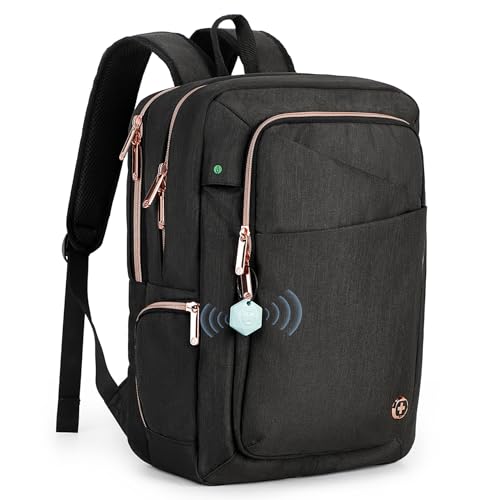
| Capacity | 23 liters |
| Dimensions | 16″H x 11″W x 7″D |
| Weight | 1.79 lbs (approx. 813 grams) |
| Laptop Compartment Size | Fits up to 15.6-inch laptops |
| Material | High-quality materials with Swiss Design, velvet-lined pocket |
| Features | USB charging port, RFID protection pocket, water bottle holder, luggage strap |
The Swissdigital Design Business Backpack Rose Gold-Tone instantly caught my eye with its sleek style and thoughtful design, perfect for the modern network engineer on the go. Weighing just 1.79 pounds and measuring 16 inches high by 11 inches wide, it’s compact yet surprisingly spacious for daily essentials.
I was impressed with the multiple compartments, especially the large main section that easily fit a 15.6-inch laptop and several smaller pockets for accessories like a powerbank, keys, and a tablet. The velvet-lined sunglass pocket and RFID-protected compartment added a layer of protection and luxury I didn’t expect in this price range. When comparing different best network engineer backpack options, this model stands out for its quality.
The added USB charging port and built-in water bottle holder made my daily commute smoother, allowing me to stay hydrated and keep devices powered without hassle. The adjustable padded straps and the innovative Add-A-Bag strap made traveling through airports or city streets comfortable and effortless.
Overall, the Swissdigital Design Business Backpack Rose Gold-Tone proved to be an excellent choice for anyone needing a stylish, functional, and well-organized network engineer backpack that fits all your essentials without weighing you down.
ZDHGAEW 5th Engineer Battalion Laptop Backpack with USB, 17

- ✓ Durable water-resistant build
- ✓ Plenty of organized compartments
- ✓ Convenient USB & headphone ports
- ✕ Slightly heavy when fully loaded
- ✕ Limited color options
| Material | Water-resistant 300D nylon outer fabric with high-density polyester |
| Laptop Compartment Size | Fits laptops up to 17 inches |
| External USB Port | Yes, with built-in charging cable for power bank connection |
| Number of Pockets | 12 compartments including dedicated laptop and organization pockets |
| Dimensions | 18 x 13.4 x 8.3 inches |
| Carrying System | Padded wide shoulder straps with ergonomic design |
The first thing that caught my eye when I unzipped the ZDHGAEW 5th Engineer Battalion Backpack was how sturdy it felt in my hands. The water-resistant 300D nylon exterior immediately gives off a vibe of durability, and I could tell it was built to last, even with heavy daily use.
Slipping my 17-inch laptop into the dedicated compartment was a breeze. The cushioning inside kept it snug and protected, which is a relief when commuting through busy streets.
I loved how the multiple pockets—12 in total—kept everything organized, from chargers to notebooks. Finding my keys or phone in seconds was surprisingly easy thanks to the thoughtful layout.
The external USB port and headphone access are game changers for anyone on the go. I tested charging my phone while walking and was impressed at how convenient it was, no need to fumble through bags or pull out my power bank.
The headphone port outside made quick music access effortless during my commute.
Comfort-wise, the wide padded straps made carrying a full load surprisingly comfortable. I threw in water bottles, chargers, and more, and the reinforced stress points held up without any signs of strain.
The tough zinc-alloy zippers and reinforced bottom add to the rugged feel, perfect for both office days and outdoor adventures.
Overall, this backpack is a solid choice for network engineers or anyone needing a reliable, organized, and tech-friendly bag. It balances capacity with durability and offers smart features that truly make your daily routine easier.
What Features Should the Best Network Engineer Backpack Include?
The best network engineer backpack should include several essential features to accommodate the unique needs of professionals in this field.
- Durability: A robust and weather-resistant material is crucial for protecting equipment from environmental factors. Look for backpacks made from high-denier nylon or polyester that can withstand daily wear and tear.
- Multiple Compartments: A well-organized backpack should have various compartments for storing tools, cables, and devices separately. This allows for easy access and helps prevent tangling or damage to sensitive electronics.
- Padded Laptop Sleeve: A dedicated, padded compartment for laptops is essential, as network engineers often carry their devices for configuration and troubleshooting. This padding provides extra protection and cushions against impacts while on the move.
- Comfortable Straps: Adjustable and padded shoulder straps enhance comfort during long hours of carrying the backpack. Ergonomically designed straps can help distribute weight evenly, reducing strain on the back and shoulders.
- Tech-Friendly Features: Look for backpacks that include USB charging ports and cable management systems. These features allow engineers to charge devices on the go and keep cables organized, which is vital for a tech-savvy professional.
- Security Features: Consider a backpack with lockable zippers and anti-theft designs to protect valuable equipment. Security features provide peace of mind in crowded places or while traveling.
- Lightweight Design: A lightweight backpack helps reduce fatigue, especially when carrying heavy tools and devices. It’s important to balance durability with weight for maximum portability.
- Water Resistance: A water-resistant backpack protects electronics and documents from unexpected rain or spills. Look for materials with water-repellent coatings or sealed seams for enhanced protection.
- Reflective Strips: For safety during low-light conditions, backpacks with reflective strips improve visibility. This is particularly beneficial for engineers who might work in outdoor or poorly lit environments.
How Does the Design Impact Functionality for Network Engineers?
The design of a backpack significantly influences its functionality for network engineers, as it affects organization, comfort, and accessibility of tools and equipment.
- Compartmentalization: A well-designed backpack offers various compartments specifically tailored for laptops, tools, and accessories. This ensures that network engineers can easily organize and access their equipment without having to dig through a single large space.
- Durability: High-quality materials and reinforced stitching are essential in a backpack for network engineers who often travel to different job sites. A durable bag protects sensitive equipment from damage and ensures longevity even under heavy use.
- Comfort: Features like padded shoulder straps, back support, and adjustable straps enhance comfort, especially when carrying heavy loads. Network engineers may need to carry multiple devices and tools, so ergonomic design minimizes strain and fatigue during transport.
- Portability: Lightweight design and features like grab handles or trolley sleeves make it easier for network engineers to move around. Portability is crucial for those who frequently commute or travel between sites, allowing for easier navigation in tight spaces.
- Security: A backpack with lockable zippers or hidden pockets provides added security for valuable equipment. This feature is important for network engineers who may need to store sensitive information or expensive hardware while on the go.
- Tech-Friendly Features: Integrated USB charging ports or specially designed pockets for power banks facilitate easy charging of devices on the move. This is essential for network engineers who rely on their gadgets and tools remaining powered throughout the day.
- Weather Resistance: Water-resistant materials and rain covers protect equipment from moisture damage. Network engineers often work in various environments, making this feature vital for safeguarding electronics during unexpected weather changes.
Why Is Comfort Important for Network Engineers?
Comfort is important for network engineers because they often work long hours in various environments, requiring them to carry tools and devices that can be heavy and cumbersome.
According to a study published in the Journal of Occupational Health Psychology, comfortable working conditions can significantly enhance productivity and reduce fatigue (Keller, 2020). When network engineers have access to ergonomic and well-designed backpacks, they are better equipped to manage their equipment efficiently without succumbing to physical strain.
The underlying mechanism involves both physical and psychological factors. A well-designed backpack helps distribute weight evenly, which prevents stress on the back and shoulders, thus reducing the risk of musculoskeletal disorders (Miller et al., 2019). Additionally, comfortable gear can enhance a sense of readiness and focus, allowing engineers to perform their tasks more effectively, as they are less distracted by discomfort or pain. This combination of physical well-being and mental clarity makes comfort a crucial aspect of their work environment.
Which Brands Are Considered Top Choices for Network Engineer Backpacks?
The main brands considered top choices for network engineer backpacks include:
- SwissGear: Known for its durability and functionality, SwissGear backpacks often feature multiple compartments for organization and padded sections for electronics.
- Thule: Thule offers sleek designs with robust build quality, focusing on protection for tech gear and providing ample space for cables and devices.
- Targus: Targus backpacks are designed with the working professional in mind, offering practical features such as trolley pass-throughs and dedicated laptop compartments.
- Inateck: Inateck specializes in lightweight and water-resistant backpacks that are perfect for tech-savvy individuals who need to carry their gear efficiently.
- OGIO: OGIO is recognized for its stylish yet functional bags, designed with numerous pockets and durable materials, making them ideal for network engineers on the go.
SwissGear backpacks typically include features like adjustable straps and airflow back panels, making them comfortable for long periods of wear. Their compartments are specifically designed for easy access to laptops, tablets, and networking equipment, ensuring that everything is organized and secure.
Thule is known for its protective cases that safeguard electronics from bumps and drops, making their backpacks a favorite among those who travel frequently. Many models come with padded laptop sleeves and additional pockets for accessories, providing both style and practicality.
Targus backpacks often include features like RFID-blocking technology and weather-resistant materials, addressing the security and durability needs of professionals. Their designs cater to individuals who require a balance of functionality and business aesthetics.
Inateck backpacks are lightweight and often come with anti-theft features, making them a popular choice for those who prioritize mobility and safety. Their water-resistant fabric protects gear from the elements, ensuring that devices stay safe during commutes.
OGIO backpacks combine a trendy look with practical features, such as a mix of soft and hard-shell compartments for better organization. The brand’s commitment to high-quality materials ensures long-lasting use, appealing to network engineers who need reliability in their gear.
What Makes a Brand Stand Out in the Network Engineering Community?
Several factors contribute to making a brand stand out in the network engineering community, particularly when it comes to specialized products like backpacks.
- Quality and Durability: A standout brand ensures that its backpacks are made from high-quality materials that can withstand the rigors of daily use in various environments.
- Functionality and Design: The best network engineer backpacks feature practical designs that cater to the specific needs of network engineers, including compartments for laptops, tools, and networking equipment.
- Brand Reputation and Trust: Established brands with a good reputation for reliability and customer service are more likely to attract network engineers who rely on their gear for professional success.
- Innovation and Technology Integration: Brands that incorporate innovative features such as RFID-blocking pockets, power banks, or modular designs can appeal to tech-savvy network engineers.
- Community Engagement: Brands that actively engage with the network engineering community through forums, social media, and events can build rapport and loyalty among professionals in the field.
Quality and Durability: A standout brand ensures that its backpacks are made from high-quality materials that can withstand the rigors of daily use in various environments. Network engineers often carry heavy equipment, and a durable backpack can prevent wear and tear, making it a reliable choice for long-term use.
Functionality and Design: The best network engineer backpacks feature practical designs that cater to the specific needs of network engineers, including compartments for laptops, tools, and networking equipment. Thoughtful organization can save time and improve efficiency, which is crucial for professionals who need quick access to their gear.
Brand Reputation and Trust: Established brands with a good reputation for reliability and customer service are more likely to attract network engineers who rely on their gear for professional success. Trust is built through consistent product performance and responsive customer support, making it essential for a brand’s longevity in the market.
Innovation and Technology Integration: Brands that incorporate innovative features such as RFID-blocking pockets, power banks, or modular designs can appeal to tech-savvy network engineers. These advanced features can enhance the user experience, making the backpack not just a carrier but also a functional tool in the engineer’s daily workflow.
Community Engagement: Brands that actively engage with the network engineering community through forums, social media, and events can build rapport and loyalty among professionals in the field. By fostering a sense of community and understanding the specific challenges faced by engineers, brands can create products that truly resonate with their audience.
What Size Backpack Is Ideal for a Network Engineer’s Needs?
The ideal backpack size for a network engineer balances portability with adequate storage for tools and equipment.
- Small (15-20 liters): Best for minimalists who prefer to carry only essential tools and a laptop.
- Medium (20-30 liters): Offers a good balance of space for additional gear, such as cables and a tablet, without being overly bulky.
- Large (30-50 liters): Suitable for engineers who need to transport extensive equipment, including multiple devices and professional tools.
Small backpacks are ideal for network engineers who prioritize mobility and only need to carry a laptop, some basic cables, and perhaps a few personal items. This size is particularly useful for on-the-go troubleshooting and installations where compactness is key.
Medium-sized backpacks provide a versatile option, accommodating a laptop, tools, and additional items like documentation or a tablet. This size allows for organized storage, making it easier to access essential items quickly during fieldwork or client visits.
Large backpacks are perfect for network engineers who often carry a variety of equipment, such as routers, switches, and diagnostic tools. They offer ample space and organization features, which can help keep everything secure and easily accessible, though they may be less convenient for daily commuting.
How Can Capacity Affect a Network Engineer’s Daily Work?
Capacity can significantly influence a network engineer’s daily work by impacting their efficiency and the tools they carry.
- Storage Capacity: A backpack with ample storage allows a network engineer to carry multiple devices and tools needed for troubleshooting and setup.
- Weight Distribution: Proper weight distribution in a backpack helps reduce strain on the engineer’s back and shoulders, ensuring comfort during long hours on-site.
- Compartmentalization: A well-designed backpack with various compartments helps in organizing equipment, making it easier to access tools quickly when needed.
- Durability: A durable backpack can withstand the rigors of travel and daily use, ensuring that all equipment remains safe and protected.
- Portability: Lightweight and portable backpacks facilitate easy movement between job sites, allowing network engineers to focus on their tasks without being hindered by cumbersome gear.
Storage capacity is crucial for network engineers as they often need to carry laptops, routers, cables, and other equipment. A backpack with sufficient storage prevents overcrowding and ensures that tools are readily available during network setups or repairs.
Weight distribution matters significantly because network engineers frequently carry heavy equipment. A backpack designed with this in mind helps distribute the weight evenly, which minimizes physical strain and enhances mobility, crucial for long days on the job.
Compartmentalization is important for efficiency; having various sections in a backpack allows for the organization of different tools and devices. This feature enables network engineers to quickly locate specific items without having to rummage through their entire bag, saving valuable time during critical tasks.
Durability is essential as network engineers often work in diverse environments, from corporate offices to outdoor sites. A backpack made from tough materials can protect fragile equipment from damage, ensuring that the engineer’s investment in tools is safeguarded.
Portability is another key factor, as network engineers frequently move from one site to another. A lightweight backpack enhances their ability to carry necessary equipment without fatigue, allowing them to maintain focus on their technical duties rather than being distracted by cumbersome gear.
What Materials Ensure Durability in Network Engineer Backpacks?
The materials that ensure durability in network engineer backpacks are crucial for withstanding daily wear and tear while providing optimal protection for equipment.
- Ballistic Nylon: This fabric is known for its high resistance to abrasions, tears, and scuffs, making it an excellent choice for backpacks that need to endure rough handling. Originally developed for military use, ballistic nylon is especially effective for protecting electronics and tools from damage.
- Ripstop Fabric: Featuring a grid pattern that reinforces the material, ripstop fabric prevents small tears from expanding, which enhances the longevity of the backpack. This lightweight yet durable fabric is often used in outdoor gear, providing strength without excessive weight.
- Polyester: A common synthetic fabric, polyester is valued for its durability and resistance to stretching and shrinking. It is also water-resistant, which helps protect contents from moisture, making it an ideal option for network engineers who might be caught in inclement weather.
- Leather Accents: While not always the primary material, leather can add durability and style to backpacks. It resists wear and can be treated to enhance its weatherproofing capabilities, providing a robust enclosure for valuable gear.
- Waterproof Coating: Many backpacks incorporate a waterproof coating or lining that protects against rain and spills. This feature is essential for network engineers who often work in various environments and need to ensure their equipment stays dry and functional.
- High-Quality Zippers and Hardware: The longevity of a backpack is significantly influenced by the quality of its zippers and hardware. Heavy-duty zippers that resist snagging or breaking, along with robust buckles and clips, ensure that the backpack remains functional over time, even under heavy use.
How Do Different Materials Impact Weather Resistance and Protection?
Different materials significantly influence the weather resistance and protection offered by a backpack, particularly for network engineers who often carry sensitive equipment.
- Nylon: Known for its durability and water resistance, nylon is a popular choice for backpacks. It can withstand abrasions and is often treated with a waterproof coating, making it suitable for various weather conditions.
- Polyester: This synthetic material is lightweight and less expensive than nylon, but it typically offers less durability. However, high-denier polyester can provide reasonable water resistance and is often used in combination with other materials to enhance weather protection.
- Canvas: While traditionally used for its sturdiness, canvas is generally less water-resistant unless treated. It provides excellent protection against tears and punctures, making it ideal for rugged environments, but it may require additional waterproofing for wet conditions.
- Ripstop Fabric: This special weave technique incorporates reinforced threads to prevent tears from spreading, making it a robust option for backpacks. Often made from nylon or polyester, ripstop fabric can also be treated for enhanced water resistance, making it suitable for variable weather.
- Gore-Tex: A high-performance fabric known for its waterproof and breathable properties, Gore-Tex is often used in premium backpacks. This material allows moisture vapor to escape while keeping water out, making it ideal for wet environments while ensuring that the contents stay dry.
- Leather: While not commonly used for technical backpacks, leather offers excellent durability and a stylish appearance. However, it is not inherently water-resistant and requires regular treatment to maintain its protective qualities against rain and moisture.
- Neoprene: This synthetic rubber material is highly water-resistant and provides cushioning, making it useful for protecting delicate electronics. Neoprene backpacks can offer a snug fit and shock absorption, although they may be heavier than other fabric options.
What Are the Unique Benefits of Specialized Backpacks for Network Engineers?
Specialized backpacks for network engineers offer unique benefits tailored to the needs of professionals in the field.
- Organized Storage: Specialized backpacks often come with multiple compartments and pockets designed specifically for networking tools and devices.
- Durability and Protection: These backpacks are typically made from high-quality, weather-resistant materials that protect valuable equipment from damage.
- Comfort and Ergonomics: Many models are designed with padded straps and back support to ensure comfort during long hours of transport.
- Tech-Friendly Features: Some backpacks include built-in charging ports and cable management systems to keep devices powered and organized.
- Security Features: Many specialized backpacks have anti-theft designs, such as lockable zippers and RFID-blocking pockets to protect sensitive information.
Organized storage is crucial for network engineers, as having a designated place for tools, cables, and devices minimizes the risk of misplacing essential items and enhances efficiency during on-site work.
Durability and protection are vital because network engineers often work in various environments, and backpacks made from robust materials can withstand wear and tear while shielding equipment from moisture and impacts.
Comfort and ergonomics play a significant role in a network engineer’s daily routine; a well-designed backpack alleviates strain on the back and shoulders, making it easier to carry heavy loads over long distances.
Tech-friendly features, such as built-in charging ports and cable management systems, allow engineers to stay connected and organized, ensuring that they can easily access and power their devices when needed.
Security features are particularly important for network engineers who handle sensitive materials; backpacks with anti-theft designs provide peace of mind, allowing professionals to focus on their tasks without worrying about the safety of their gear.
How Can a Specialized Backpack Improve Productivity?
A specialized backpack can significantly enhance productivity for network engineers by providing tailored features that meet their unique needs.
- Organizational Compartments: A backpack designed for network engineers often includes multiple compartments specifically for tools, cables, and devices. This helps keep everything organized, allowing for quick access to essential items without wasting time searching.
- Durable Materials: These backpacks are typically made from high-quality, durable materials that can withstand harsh environments. This ensures that valuable equipment is protected, preventing downtime due to equipment failure caused by inadequate storage solutions.
- Comfort and Ergonomics: A well-designed backpack prioritizes comfort with padded straps and back support, essential for carrying heavy gear over long periods. This ergonomic design reduces physical strain, allowing network engineers to focus on their tasks without discomfort.
- Security Features: Many specialized backpacks come with added security features such as lockable zippers and RFID protection. This is crucial for safeguarding sensitive data and equipment, providing peace of mind while on the go.
- Easy Access for Devices: Some backpacks are equipped with side pockets or quick-access compartments that allow for easy retrieval of laptops or tablets. This feature is especially beneficial during site visits or when needing to quickly troubleshoot network issues.
What Are the Most Recommended Network Engineer Backpacks Based on User Reviews?
The most recommended network engineer backpacks based on user reviews include:
- Everki Business Professional Backpack: This backpack is praised for its spacious compartments and organizational features, making it ideal for carrying laptops and networking gear.
- Targus CitySmart EVA Pro Backpack: Users appreciate the ergonomic design and padded compartments that protect devices while providing ample space for cables and accessories.
- SwissGear 1900 Scansmart TSA Laptop Backpack: Known for its durability and water-resistant fabric, this backpack is favored for its ability to easily navigate airport security with a lay-flat design.
- AmazonBasics Slim Laptop Backpack: This budget-friendly option is recommended for its lightweight design and adequate storage for everyday tech needs, suitable for casual network engineers.
- Inateck Travel Backpack: Users have highlighted its anti-theft features and multifunctional pockets, making it a secure choice for transporting sensitive networking equipment.
The Everki Business Professional Backpack is designed specifically for professionals, featuring a large main compartment and a dedicated laptop pocket that fits devices up to 18.4 inches. Its organizational pockets help keep networking tools, cables, and documents neatly arranged, enhancing productivity on the go.
The Targus CitySmart EVA Pro Backpack is appreciated for its sleek design and comfort, equipped with padded shoulder straps and a contoured back panel. It includes a dedicated laptop compartment and additional pockets for accessories, providing quick access to essential items during networking tasks.
The SwissGear 1900 Scansmart TSA Laptop Backpack stands out for its rugged construction and weather-resistant material, ensuring protection for valuable equipment. Its TSA-friendly design allows for hassle-free airport navigation, making it a favorite among traveling network engineers.
The AmazonBasics Slim Laptop Backpack is a practical choice for those seeking simplicity and affordability. It features a slim profile that easily fits into tight spaces and offers enough room for a laptop and basic accessories, making it suitable for everyday use.
The Inateck Travel Backpack is known for its anti-theft design, featuring hidden zippers and pockets that keep belongings secure. Its multiple compartments allow for organized storage of tools and devices, appealing to network engineers who prioritize safety and accessibility.
Which Backpacks Offer the Best Value for Network Engineers?
The best network engineer backpacks combine functionality, durability, and organization for tech professionals.
- 1. Targus CitySmart EVA Pro Backpack: This backpack is designed with a professional aesthetic, featuring a dedicated laptop compartment and multiple pockets for accessories.
- 2. SwissGear 1900 Scansmart Backpack: Known for its durability and spaciousness, this backpack offers a lay-flat technology for easy airport security checks, making it ideal for travel.
- 3. AmazonBasics Slim Laptop Backpack: A budget-friendly option, this backpack provides essential features like a padded laptop sleeve and front pockets for organization without breaking the bank.
- 4. Osprey Nebula Daypack: This pack blends functionality and comfort, with a well-ventilated back panel and ample storage for electronics and personal items, suitable for daily commutes.
- 5. Inateck Business Laptop Backpack: This backpack features a USB charging port and anti-theft design, catering specifically to tech users who need reliability and security on the go.
The Targus CitySmart EVA Pro Backpack is ideal for professionals who need a sleek and organized bag; it includes a padded section for laptops up to 15.6 inches, along with various pockets for accessories and documents. Its water-resistant material also adds a layer of protection against the elements, making it suitable for everyday use.
The SwissGear 1900 Scansmart Backpack stands out for its rugged build and practical features, such as the lay-flat technology that simplifies airport security checks. With ample storage space and a dedicated compartment for electronics, it’s a great choice for network engineers who travel frequently and need quick access to their gear.
The AmazonBasics Slim Laptop Backpack is perfect for those on a budget who still want functionality; it includes a padded sleeve for laptops up to 15 inches and front zippered pockets for easy access to smaller items. Its lightweight design and simple style make it a practical option for daily use without unnecessary frills.
The Osprey Nebula Daypack is designed for comfort and versatility, featuring a breathable back panel and plenty of room for both a laptop and additional tech gear. It’s suitable for both the office and outdoor activities, making it a flexible choice for network engineers who balance work and personal life.
The Inateck Business Laptop Backpack is tailored for tech-savvy individuals, showcasing a USB charging port and anti-theft features for added security. Its design is not only functional but also stylish, making it a solid option for professionals who need to transport sensitive equipment safely.
Related Post: